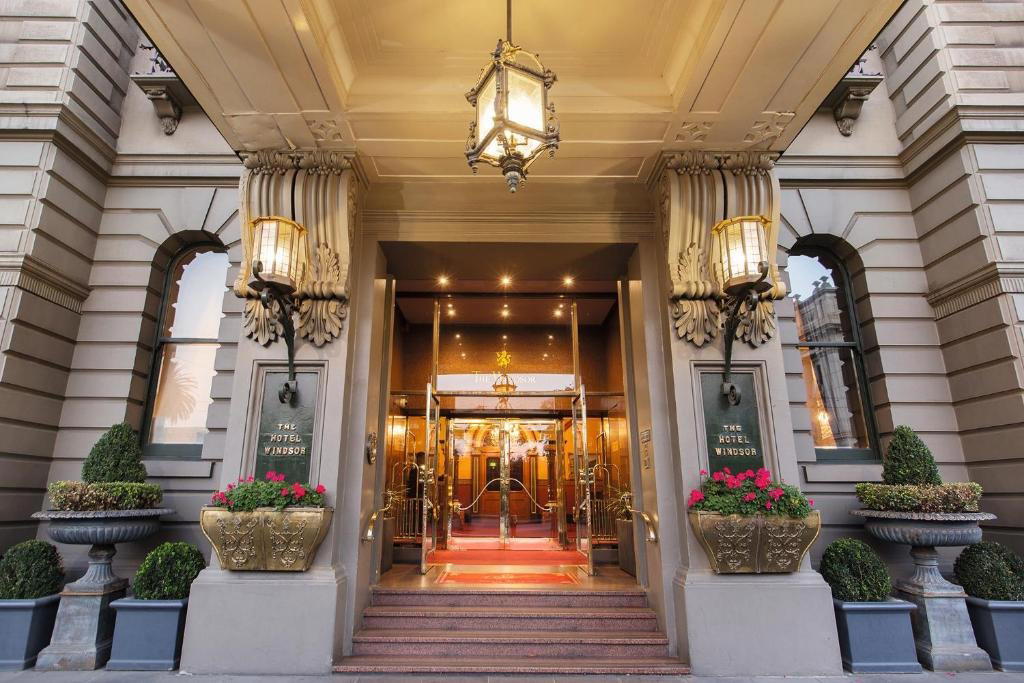
Standing on Spring Street since 1883, The Hotel Windsor occupies Melbourne's most historically charged address opposite Parliament House. The building's Victorian Second Empire architecture and long association with the city's political and social life place it in a tier of Australian hotels measured by provenance rather than renovation cycles. It remains the reference point for grand colonial-era hospitality on the continent.

Pearl is the En Primeur Club membership app, where members save venues, book tables and use the concierge.
Spring Street, Then and Now
Melbourne's Spring Street runs a short distance but carries disproportionate civic weight. Parliament House sits at its crown, the Treasury Gardens extend to one side, and the city's surviving Victorian institutional architecture lines the edges. It is the kind of street that rewards arriving on foot, because the scale of the buildings, built at a moment when the colony had money and intended to prove it, reads differently at walking pace than from a car window. The Hotel Windsor, at number 111, has occupied its corner since 1883, which means it predates the Australian federation itself. That fact is worth sitting with before you step inside.
The Grammar of a Grand Hotel
The hotel's Victorian Second Empire facade, with its mansard roofline and formal stone detailing, belongs to a category of 19th-century institutional architecture that Melbourne pursued with particular conviction during the post-gold-rush decades. The interior continues that register: high ceilings, long corridors with period proportions, and public spaces that were designed for ceremony as much as comfort. This is not the anonymous luxury of an international chain dropping a tower onto a cleared lot. The building's bones dictate the experience, and the experience is structured accordingly.
Within the Australian hotel market, properties of this age and documented historical pedigree are genuinely scarce. The comparison set for The Hotel Windsor is not the nearby Grand Hyatt Melbourne or Crown Towers Melbourne, which represent the contemporary luxury tier, but rather the handful of Victorian-era properties across the continent that derive authority from provenance. In Sydney, Capella Sydney occupies a similarly heritage-charged building. In Hobart, The Tasman draws on a comparable logic of civic architecture repurposed for hospitality.
High Tea as Ritual, Not Amenity
The dining ritual most associated with The Hotel Windsor is afternoon tea, and here the editorial angle matters more than the menu listing. High tea has, across much of Australia, been reduced to a brunch add-on or a ticketed weekend event at properties that lack the architectural context to support the format. At Spring Street, the setting does the primary work. The proportions of the room, the formality implied by the ceiling height, and the historical associations of the address all frame the service as something closer to a civic occasion than a food-and-beverage offering.
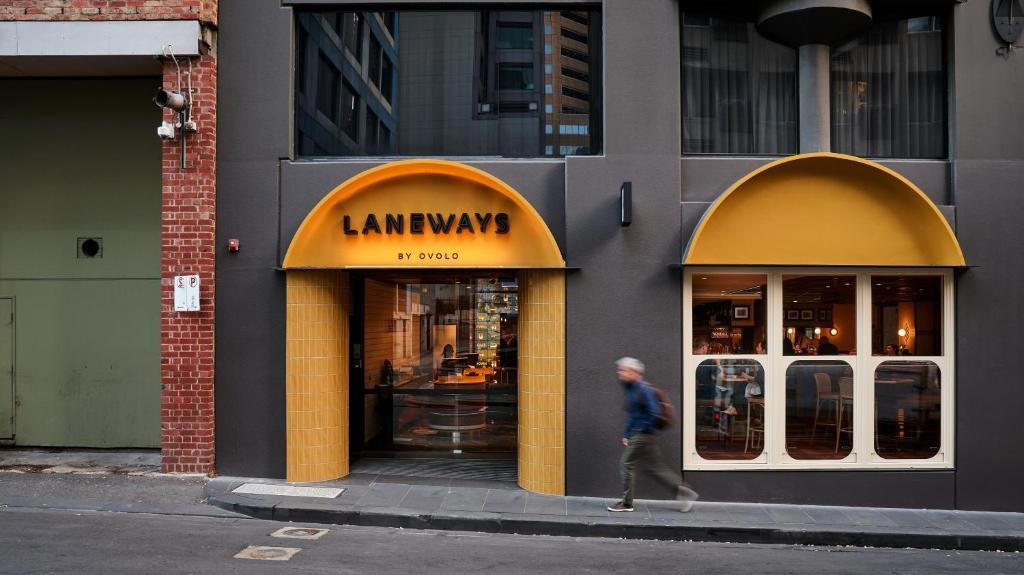
The pacing of a traditional afternoon tea service demands a particular posture from the guest: unhurried, sequential, attentive to the progression from sandwiches through scones to pastries. That progression exists in deliberate opposition to the speed of contemporary dining, which is part of its appeal and also part of what makes it legible as a ritual rather than simply a meal. For visitors arriving from the design-led properties that now define Melbourne's newer hospitality offerings, such as Laneways By Ovolo or Adelphi Hotel, The Windsor's formality registers as deliberate contrast rather than conservatism.
Where the Hotel Sits in Melbourne's Accommodation Tier
Melbourne's premium hotel market has expanded and diversified considerably over the past decade. New entrants like 1 Hotel Melbourne, with its sustainability-led positioning, and Melbourne Place, with its design-forward approach, compete for travellers who weight contemporary credentials heavily. Pan Pacific Melbourne and Leading Western Melbourne City Hotel occupy different price brackets and functional positioning. The Windsor does not compete directly with any of these on the terms those hotels set. Its competitive logic is different: it offers an argument about place, continuity, and historical depth that newer properties cannot replicate through renovation or repositioning.
Internationally, that logic finds clearer comparisons. Aman Venice derives authority from the age of its palazzo. The Fifth Avenue Hotel in New York City plays a similar game of civic address and historical association. Aman New York occupies a different tier but likewise draws on a landmark building's identity. The Windsor's position is coherent within that international frame: a grand hotel whose primary credential is the building itself and the record attached to it.
The Address and Its Implications
111 Spring Street is a practical address as well as a symbolic one. Parliament Station sits within walking distance, making the hotel accessible from the city's rail network without a taxi transfer. The Treasury Gardens and Fitzroy Gardens extend to the east, and the Bourke Street retail corridor is reachable on foot heading west. For guests attending events at the Melbourne Convention and Exhibition Centre or the Arts Centre, the location requires more effort, but the tradeoff is being positioned in Melbourne's most architecturally coherent precinct rather than a generic hotel district.
Visitors using Melbourne as a base for wider Victorian or Australian exploration can reference the EP Club's broader network: Lake House in Daylesford sits roughly 90 minutes west for a regional contrast, while Bells at Killcare and Southern Ocean Lodge represent the country's premium nature-led accommodation at opposite ends of the continent. For those extending north, The Calile in Brisbane or Wildman Wilderness Lodge extend the itinerary into very different registers. See our full Melbourne guide for broader dining and neighbourhood context.
Planning Your Stay
The hotel's Spring Street address is well-served by public transport, and guests arriving from Melbourne Airport are leading served by the SkyBus connection to Southern Cross Station followed by a short taxi or tram ride to the eastern CBD. Afternoon tea bookings are advisable well in advance for weekend slots, when demand from both visitors and Melburnians treating the service as an occasion tends to outpace capacity. Guests seeking the full period-architecture experience should request rooms on the upper floors of the original building rather than any more recently configured sections, though room-specific guidance is leading sought directly with the property at time of reservation.
Where the Accolades Land
| Venue | Price | Awards |
|---|---|---|
| The Hotel WindsorThis venue (the venue you are viewing) | Not listed | Not listed |
| Grand Hyatt Melbourne | $300–500 | Forbes Recommended |
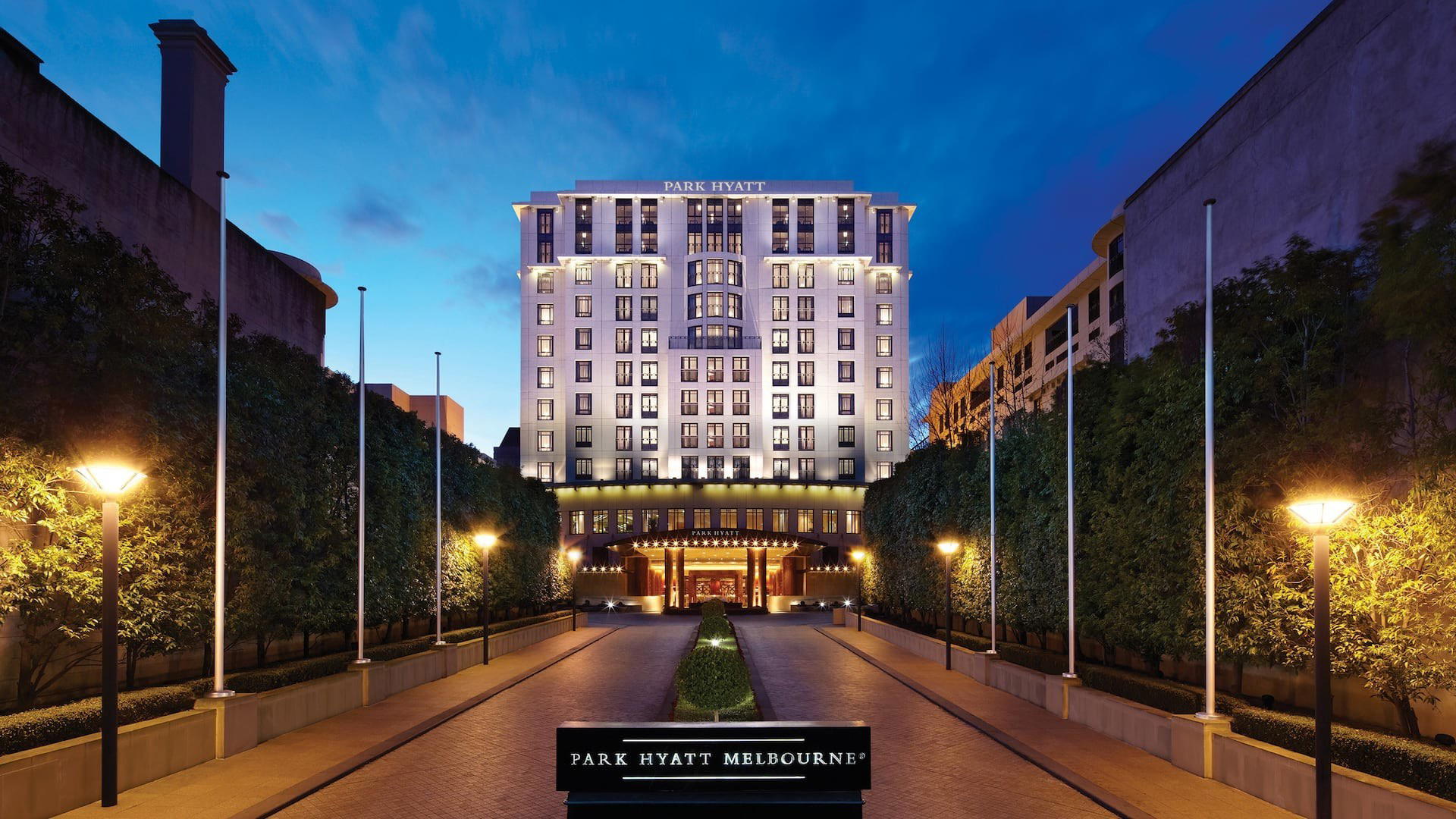
| Park Hyatt Melbourne | Not listed | Michelin Selected · La Liste Top Hotels |
| The Langham, Melbourne | Not listed | 1 Michelin Key · Forbes Recommended |
| 1 Hotel Melbourne | Not listed | 1 Michelin Key · Travel + Leisure It List Hotels |
| Crown Towers Melbourne | Not listed | La Liste Top Hotels · Virtuoso Luxury Hotel Partner |
Continue exploring
More in Melbourne
Hotels in Melbourne
All hotels in Melbourne →
Bars in Melbourne
All bars in Melbourne →
Restaurants in Melbourne
All restaurants in Melbourne →
Details
- Classic
- Elegant
- Sophisticated
- Well Known
- Ornate
- Romantic Getaway
- Anniversary
- Business Trip
- Celebration
- Historic Building
- Terrace
- Wi Fi
- Room Service
- Concierge
- Elevator
- Street Scene
- Elevator
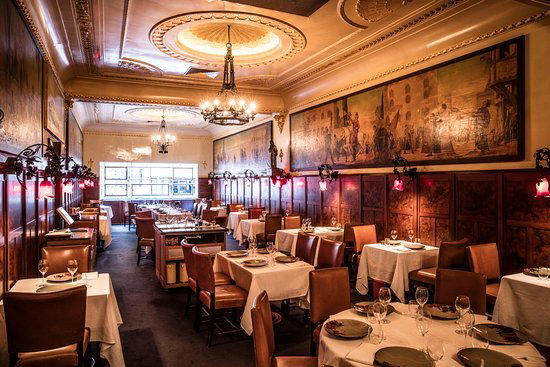
Victoriana décor with chandeliers, high 12-foot ceilings, intricate grand staircase with Minton tiles, and classic 19th-century elegance evoking a bygone era of luxury.