Hyatt Centric East Taipei fits Taipei’s growing appetite for design-aware urban hotels, where transit access, neighborhood texture, and a contemporary sense of place matter as much as traditional luxury signals.

Pearl is the En Primeur Club membership app — saves, bookings, and concierge access live there. Same editors, same standards.
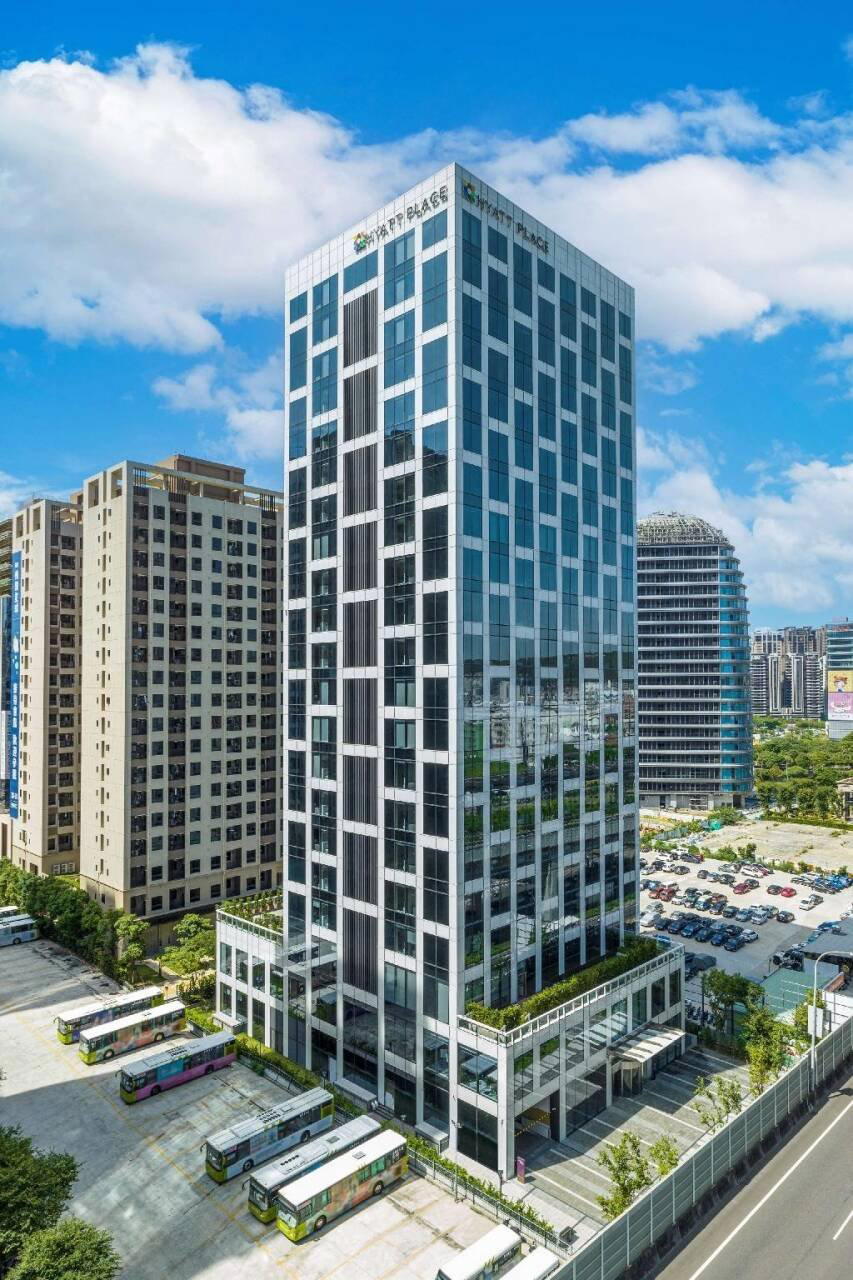
East Taipei, read through its hotel architecture
Approaching the eastern side of Taipei, the city changes register. The lanes tighten around cafés and small restaurants, then open into broader commercial corridors, department-store districts, office towers, and MRT-linked movement. This is not the Taipei of hot-spring retreats or heritage courtyard nostalgia. It is the capital in working clothes: efficient, vertical, design-conscious, and shaped by the daily choreography of commuters, shoppers, business travelers, and weekend diners. Hyatt Centric East Taipei belongs in that urban category, where the hotel is less a sealed-off destination than a point of orientation inside the city’s contemporary grid.
That distinction matters because Taipei’s hotel market has become increasingly segmented. Grand international properties often trade on scale, banquet infrastructure, and formal service rituals, while newer lifestyle hotels compete through location logic, tighter design language, and a less ceremonial relationship with the neighborhood. The Centric format, by definition, tends to sit closer to the latter model: city-facing, access-led, and aimed at guests who plan to spend as much time moving through Taipei as sitting inside the property. In a city where MRT convenience can shape an entire stay, that is not a secondary detail.
Hyatt Centric East Taipei is a 4-star hotel in Taipei with 200 rooms and a nightly rate of about US$250. What can be said with confidence is that the hotel’s value for travelers rests on its position within Taipei’s east-side hospitality conversation: a part of town where contemporary retail, business travel, restaurant planning, and quick movement across districts often matter more than resort-style facilities.
The design question: lifestyle hotel or conventional city base?
Taipei has an unusually broad range of hotel design languages for a city of its size. At one end are large-scale international addresses built for conferences, diplomatic traffic, and family stays. At the other are smaller properties that lean into Taiwanese materials, literary culture, adaptive urbanism, or brand-specific lifestyle cues. The middle tier is where the decision becomes more interesting. Travelers choosing this category are not necessarily chasing marble volume or heritage theater; they are weighing how a hotel feels after a day spent crossing Xinyi, Songshan, Da’an, Zhongshan, and the older west-side districts.
In that context, Hyatt Centric East Taipei is better understood as a city-use hotel than a trophy stay. The design lens is less about grand architectural authorship, since no architect or interior studio is supplied in the record, and more about how the property fits the East Taipei pattern: contemporary, commercial, transit-oriented, and built around mobility. That is a useful editorial distinction. Some hotels ask guests to remain inside their own ecosystem. East Taipei rewards hotels that make it easy to leave, return, change shoes, and head out again for dinner or drinks.
For comparison, Grand Hyatt Taipei sits in the large international-hotel bracket, with a different expectation set around scale and convention capacity. Capella Taipei points toward the city’s luxury-residential direction, where privacy and high-touch service become more central. Eslite Hotel carries a cultural and design association tied to Taipei’s bookstore and creative identity. Against those peers, the East Taipei Centric proposition is simpler and more practical: modern city access over spectacle.
Why East Taipei works for a certain kind of stay
East Taipei has become the city’s natural base for travelers whose itineraries are built around dining, meetings, shopping, and fast cross-town movement. The area’s appeal is not a single monument or postcard view. It comes from density. Restaurants cluster around commercial corridors and residential side streets; malls and department stores create weather-proof anchors during humid months or heavy rain; MRT connections make it reasonable to cross from east-side hotels to older neighborhoods without giving over the day to taxis.
This is also where Taipei’s hotel selection becomes a matter of rhythm. A traveler staying west may gain easier access to older temple districts, traditional breakfast streets, and historic architecture. A traveler staying east gains cleaner links to contemporary dining rooms, late-evening retail, business meetings, and the Xinyi-Songshan-Da’an circuit. Neither choice is inherently superior. The correct decision depends on the trip’s center of gravity. For a short stay built around dinner reservations, work obligations, and modern Taipei, east-side positioning carries practical weight.
That is why comparisons inside the city are more useful than generic luxury language. EPISODE Daan Taipei - JDV by Hyatt places another Hyatt-linked lifestyle option in a different Taipei neighborhood mood, with Da’an’s residential polish and café culture shaping the stay. amba Taipei Songshan makes sense for travelers who want Songshan connections and a more casual urban frame. amba Taipei Zhongshan 台北中山意舍酒店 reads differently again, with Zhongshan’s galleries, boutiques, bars, and older commercial layers changing the evening map.
Where the hotel sits in Taipei's broader hospitality set
Taipei does not force visitors into a single hotel archetype. That is the strength of the city’s current hospitality scene. Formal luxury remains available, especially for travelers who want large lobbies, multiple dining venues, and corporate-service depth. Design-led hotels offer a more localized reading of the city, often with fewer theatrics and more attention to how guests move between lobby, street, MRT, and neighborhood restaurant. Business-oriented properties continue to matter because Taipei is a working capital, not only a leisure stop.
Hyatt Centric East Taipei occupies the overlap between brand familiarity and lifestyle positioning. That can be useful for travelers who want a recognizable framework without committing to the formality of a flagship grand hotel. Its stronger case is as a contemporary Taipei base, especially for guests who value east-side access and a hotel concept built around city use.
Travelers comparing higher-service addresses should also look at Grand Mayfull Hotel Taipei and Grand HiLai Taipei, both of which sit in a different decision bracket from a lifestyle-oriented urban stay. For a wider scan, our Taipei hotels guide is the better starting point, since Taipei’s hotel choice is often determined by neighborhood rather than by brand name alone.
Food, bars, and the reason neighborhood choice matters
Hotel restaurants in Taipei can be serious propositions, but the city’s dining culture rarely rewards staying inside one building for every meal. The stronger strategy is to use the hotel as a logistical anchor and let the neighborhood do the rest. Taipei’s food culture moves from beef noodle shops and breakfast stalls to Japanese-influenced counters, tasting menus, Taiwanese banquet rooms, and late-night bars. The key is sequencing: location determines how easy it is to shift from meetings to dinner, from dinner to a bar, and from a bar back to the hotel without draining the night in transit.
No cuisine type, chef, signature dishes, bar program, or hotel restaurant details are listed for this property. Instead, the relevant point is how East Taipei supports restaurant-led travel. Xinyi, Songshan, and Da’an give visitors access to a broad spread of contemporary Taiwanese dining and international formats, while Zhongshan and the older west remain strong for bar-hopping and more layered neighborhood wandering. Readers building a stay around reservations should pair the hotel decision with our Taipei restaurants guide and our Taipei bars guide.
For travelers extending the brief beyond meals, Taipei also rewards cultural planning. The city’s museum circuit, design shops, tea culture, night markets, bookstores, and independent galleries are not concentrated in one district. That spread makes an east-side base useful for some itineraries and less efficient for others. A traveler focused on contemporary retail and newer dining rooms may find the eastern districts more natural. A traveler prioritizing temples, old streets, and historic markets may prefer a western or central base. our Taipei experiences guide helps map that choice beyond hotel category.
Planning the stay without overreading the missing data
That matters for a premium travel reader because those details usually define the booking calculus. Compare live pricing across your dates, then judge the hotel against nearby alternatives in the same city-use category rather than against resort properties or formal luxury flagships.
Seasonality should also shape expectations. Taipei is hot and humid for much of the year, with summer heat, heavy rain, and typhoon risk affecting how much walking feels pleasant. Winter is milder, though damp days can make MRT access and indoor connections more valuable. During major trade fairs, public holidays, and long weekends, east-side hotels can price differently from leisure-focused properties elsewhere in Taiwan. Booking decisions should be made with that calendar in mind, especially for short stays where convenience can outweigh small rate differences.
Travelers comparing Taiwan beyond Taipei should think in regions rather than star labels. InterContinental Taichung in Taichung fits a different urban brief, while H2O HOTEL in Kaohsiung speaks to southern Taiwan’s hotel scene. Nature and resort-leaning trips shift the criteria again: Grand Hilai Sun Moon Lake in Yuchi, Hualien Farglory Hotel in Yanliau, Evergreen Resort Hotel (Jiaosi) in Yilan, The Moment Hotel Yilan by Lakeshore in Wujie, Deer Chaser in Lugu Lake, Hotel dua Kenting in Kenting, and Grasse Grace Manor in Miaoli all belong to different travel patterns.
How it compares with international design-led travel
The useful international comparison is not between Taipei and old-world palace hotels, but between types of stay. Properties such as The Fifth Avenue Hotel in New York City, Hôtel de Paris Monte-Carlo in Monte Carlo, and Badrutt's Palace Hotel in St. Moritz operate in highly specific prestige categories, where history, architecture, service mythology, and destination identity carry enormous weight. A contemporary East Taipei hotel works on another axis: speed, convenience, neighborhood access, and the ability to process a dense city efficiently.
That does not make the Taipei model lesser. It makes it more functional for a different traveler. The guest who wants a hotel to define the trip may look elsewhere. The guest who wants the hotel to sharpen the trip, by making the city easier to use, has a clearer reason to consider an East Taipei base. For wine-focused planning, our Taipei wineries guide is a separate reference point, though Taipei is better known as a dining, bar, and tea city than as a wine-region destination.
Editorial verdict
Hyatt Centric East Taipei should be read as a practical, contemporary choice within Taipei’s east-side hotel field, not as a property to assess through resort vocabulary or unsupported luxury claims. Its strongest argument is contextual: the city around it rewards mobility, and East Taipei gives travelers a clean base for modern dining, business, shopping, and cross-town movement. shopping, and cross-district movement. With no confirmed awards, pricing, room categories, or design credits in the record, the responsible recommendation is conditional. Choose it when location and city rhythm matter more than heritage grandeur; compare carefully when the trip depends on facilities, suite category, or a clearly documented luxury tier.
Questions travelers ask
How should travelers arrange a stay?
Because the record does not list a website, phone number, booking method, or price range, travelers should compare current rates through trusted hotel channels for their exact dates. In Taipei, date sensitivity matters: trade fairs, public holidays, and weekend demand can change the value equation quickly.
Which suite should be considered first?
Travelers who need a specific suite category should verify the current room list directly through official booking information before making a decision.
What kind of trip is it a strong choice for?
It suits a Taipei stay built around east-side movement: dining plans, meetings, shopping, and quick access across modern commercial districts. It is less clearly defined for travelers seeking a resort atmosphere or a documented award-heavy hotel experience.
Anything to keep in mind?
Address, website, phone, price, awards, star rating, room count, and dining details are not supplied, so readers should avoid assuming a specific luxury tier or facility set without checking current primary information.
Is it worth the nightly rate?
That depends on live pricing. Without a confirmed price range or awards record, the rate should be judged against nearby Taipei hotels with similar location convenience, brand familiarity, and room category availability on the same dates.
How It Compares
Comparable venues nearby, for context on price, style, and recognition.
| Venue | Cuisine | Price | Awards | Notes |
|---|---|---|---|---|
| Hyatt Centric East TaipeiThis venue — the venue you are viewing | Upscale urban lifestyle hotel | $$$ | 4-Star | Not listed |
| Hotel Royal Beitou | Wellness-oriented luxury hot spring hotel | $$$$ | 4-Star | Chang'an |
| EPISODE Daan Taipei - JDV by Hyatt | Contemporary design-led boutique hotel with 'Less But Better' concept, positioned as a social destination blending urban sophistication with modern comfort. | $$$ | 4-Star | Renci |
| Swiio Hotel Daan | Contemporary boutique hotel | $$$ | 4-Star | De'an |
| Sheraton Grand Taipei Hotel | Polished modern hotel blending Chinese and Western styles with contemporary art. | $$$ | 5-Star | Zhongzheng District |
| Hotel East Taipei | Asian-inspired boutique with eastern elements | $$ | 3-Star | Dongguang |
Continue exploring
More in Taipei
Hotels in Taipei
Browse all →
Bars in Taipei
Browse all →
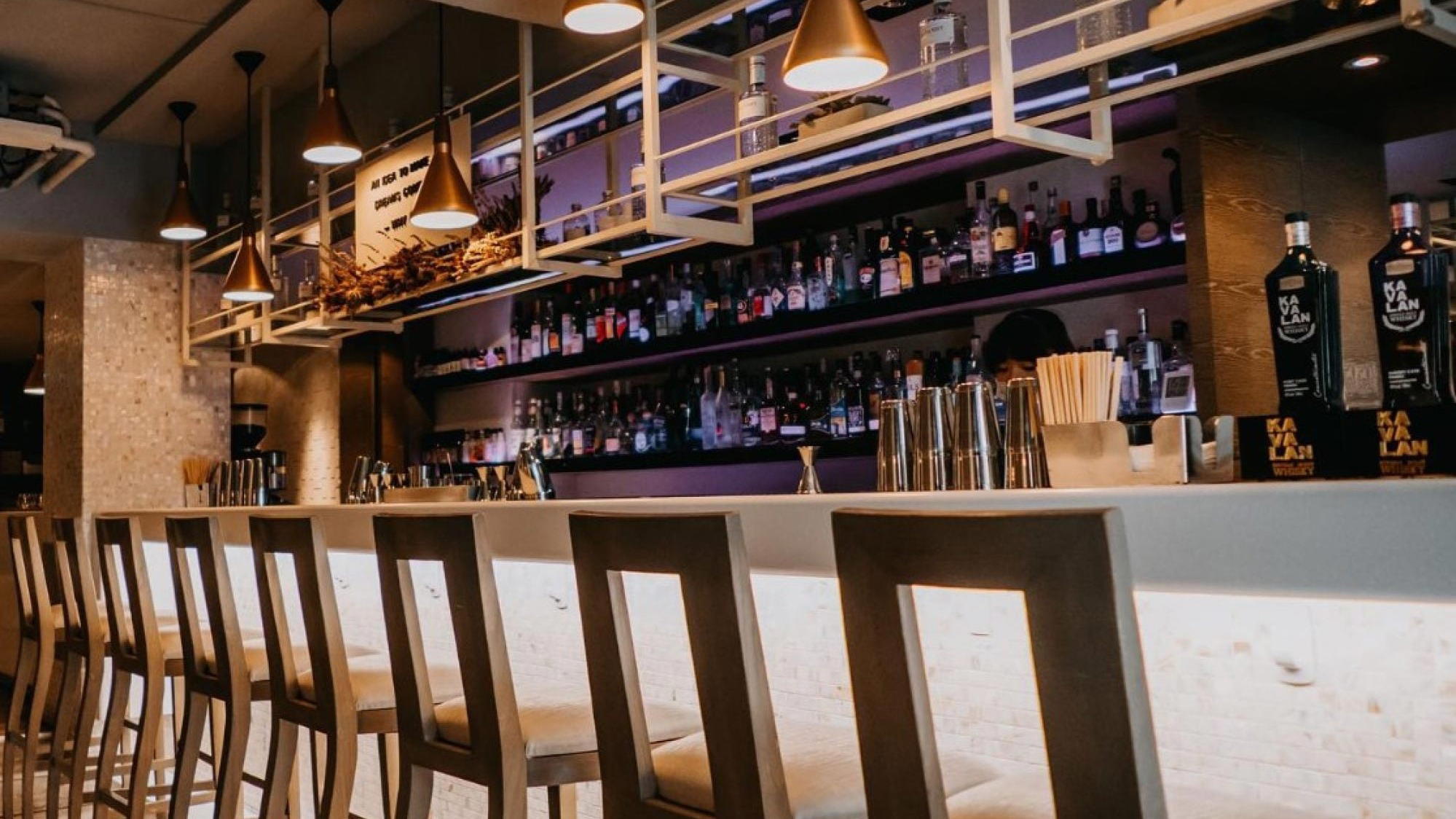
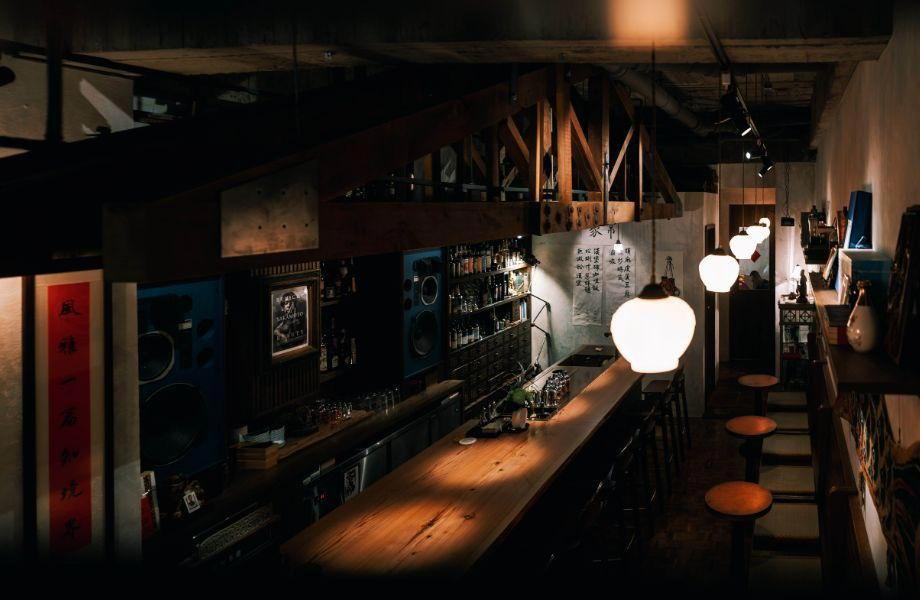
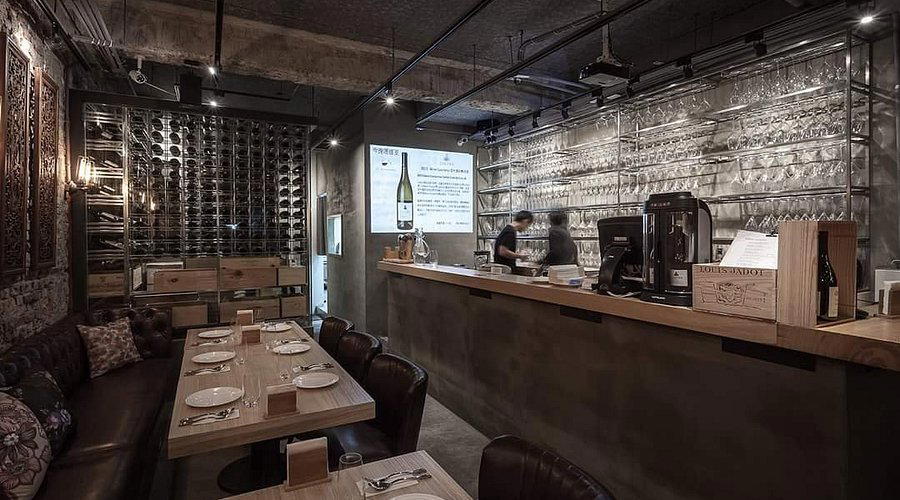
Restaurants in Taipei
Browse all →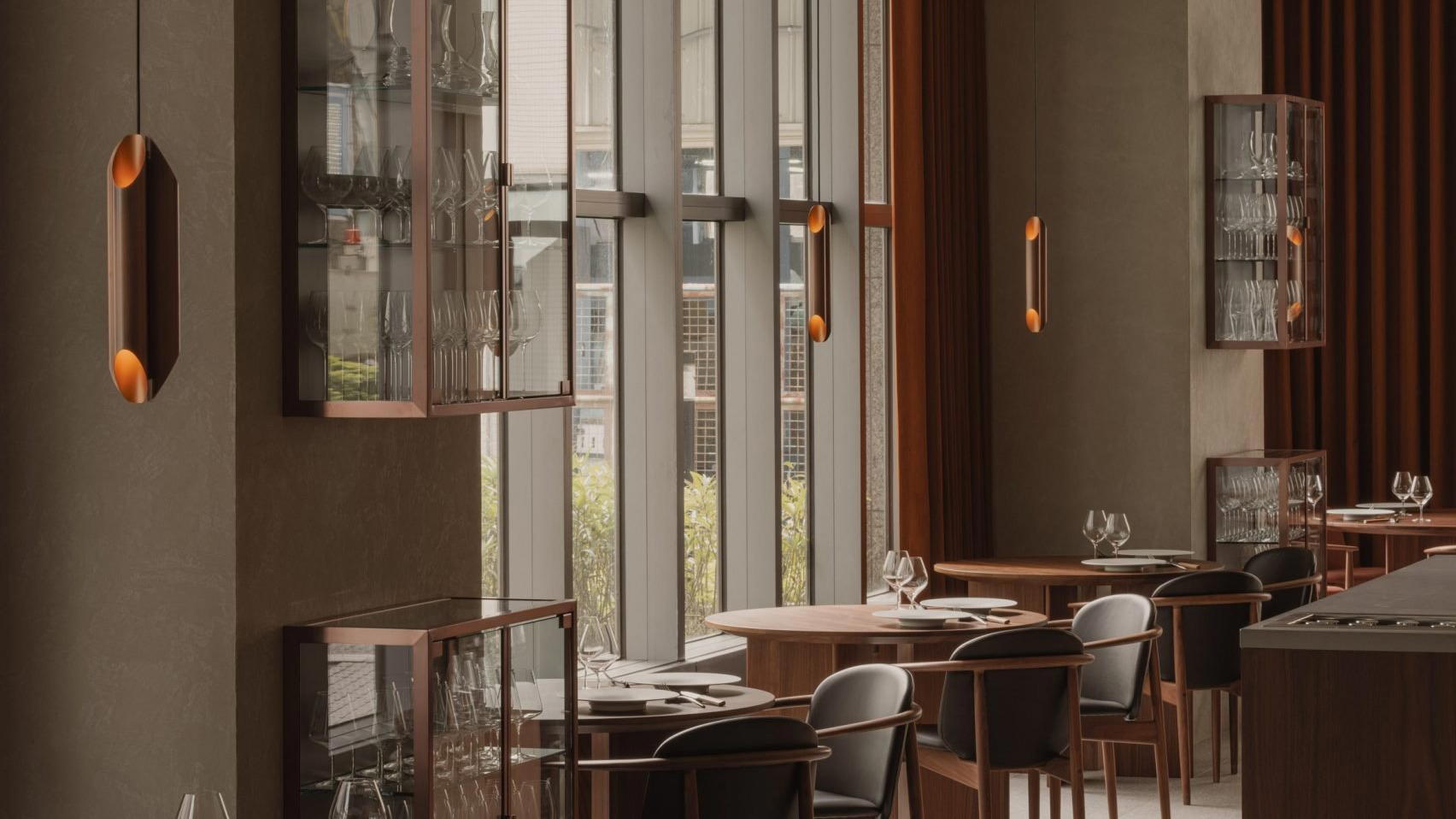
At a Glance
- Modern
- Sophisticated
- Elegant
- Business Trip
- Weekend Escape
- Group Retreat
- Design Destination
- Fitness Center
- Pool
- Restaurant
- Bar
- Fitness Center
- Pool
- Restaurant
- Bar
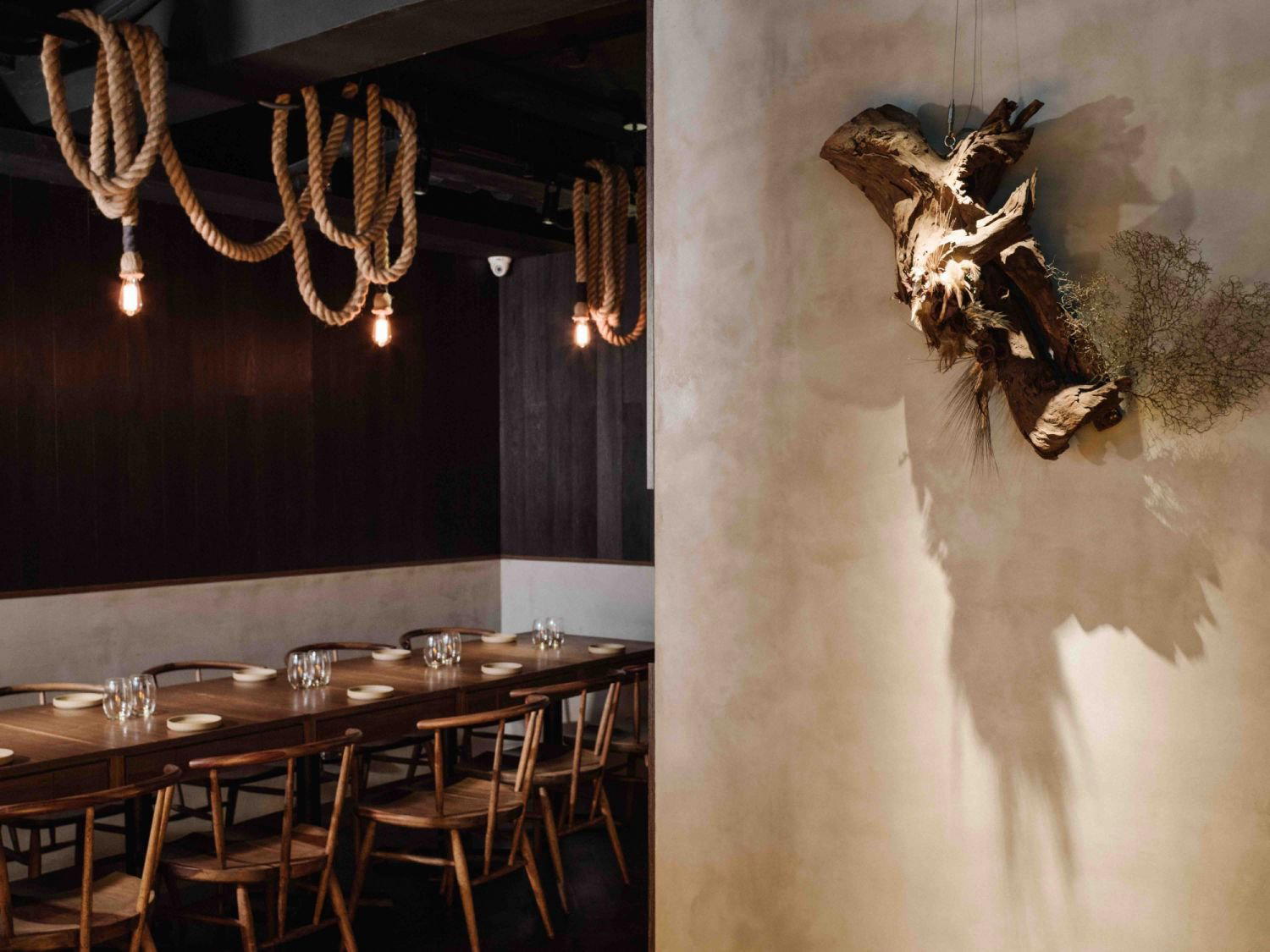
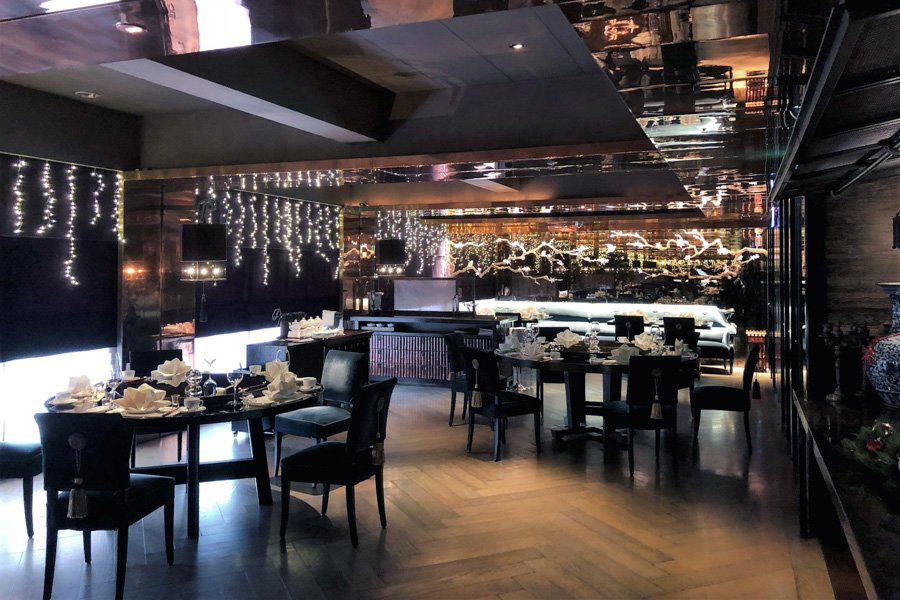
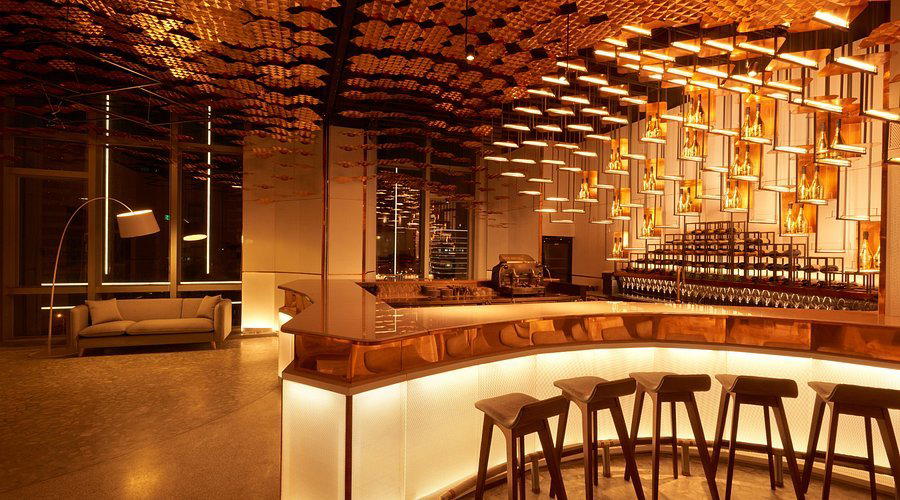
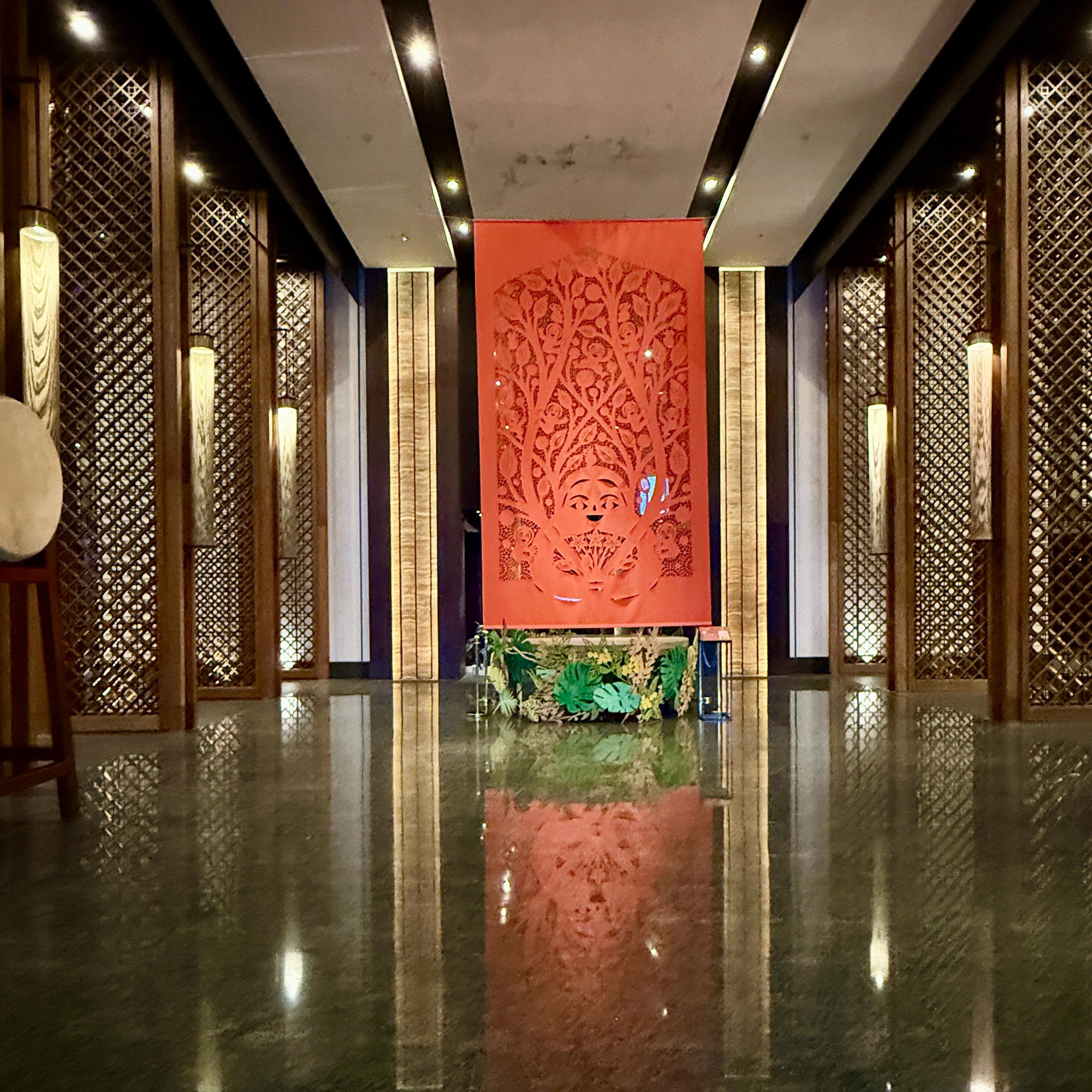
Contemporary and design-led, with a local-home-base positioning typical of Hyatt Centric and an emphasis on culturally immersive, socially connected spaces.