Amanvari belongs to the design-led end of Los Cabos hospitality, a market where architecture, privacy and low-density resort planning increasingly define the premium tier.

Pearl is the En Primeur Club membership app — saves, bookings, and concierge access live there. Same editors, same standards.
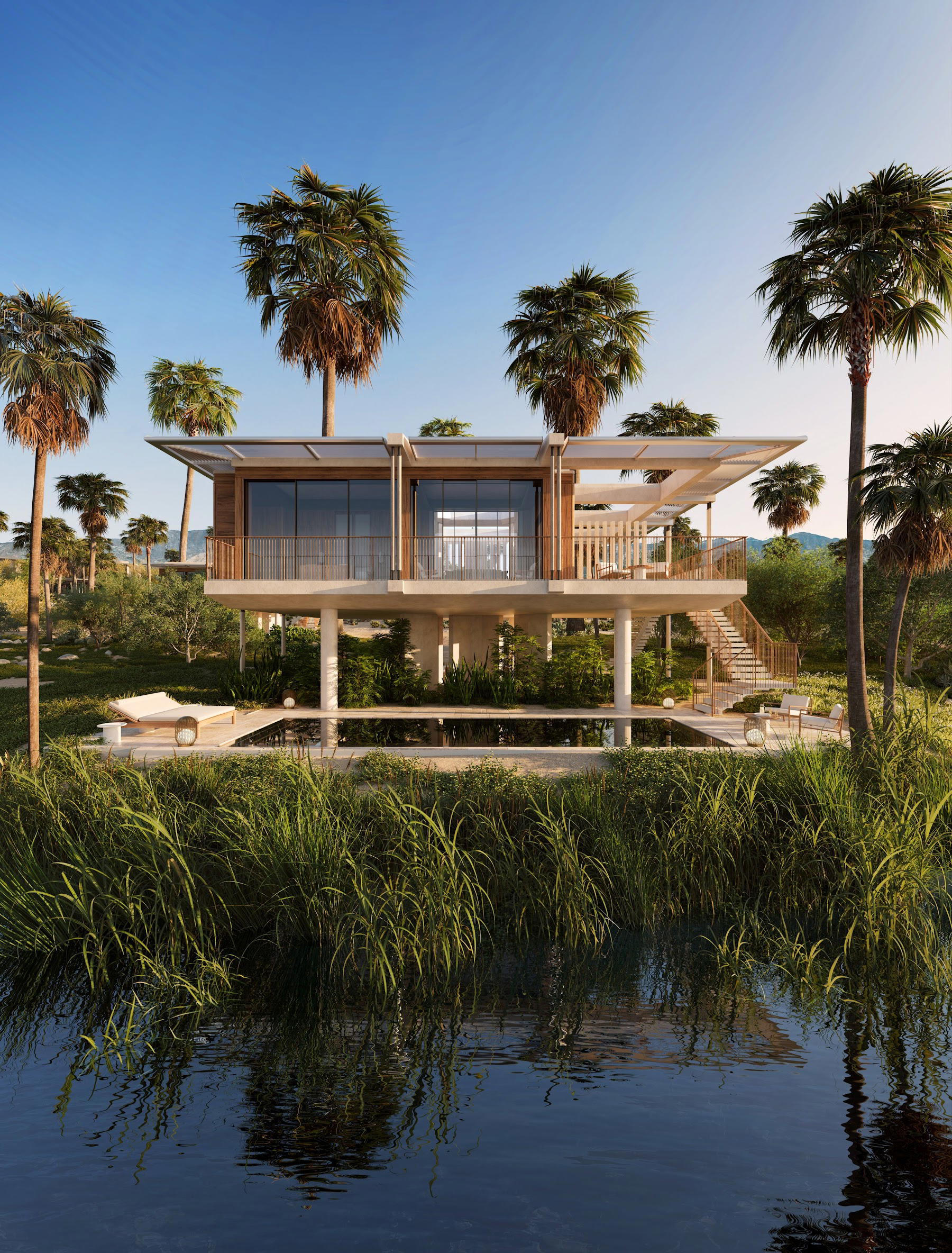
Design is the first argument in Los Cabos now
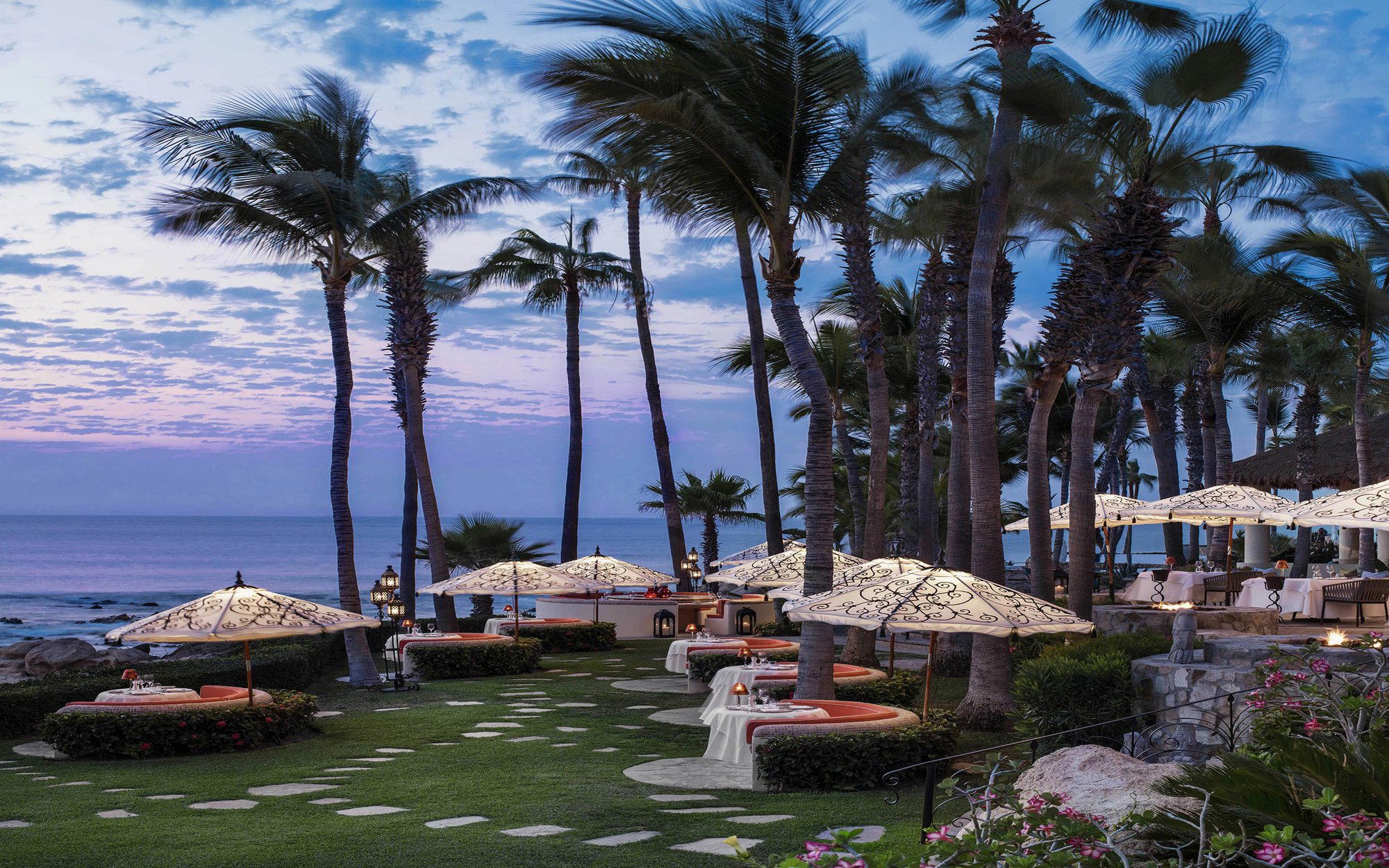
The first impression of Los Cabos is physical before it is social: hard desert light, pale rock, dry air, the Sea of Cortez cutting a blue line against a mineral coast. That setting has changed the way premium hospitality is judged here. A room count or a famous operator matters, but the stronger signal is how a property handles scale, arrival, shade, silence and the edge between architecture and terrain. Amanvari enters that conversation as a name attached to Los Cabos, where the resort category has moved away from generic beach luxury and toward more exacting spatial identity.
That shift is not cosmetic. Los Cabos has become a study in competing resort models. There are established coastal estates with long-standing reputations, branded reserve properties built around privacy, residential resort communities, surf-oriented hotels and design-led retreats that treat the desert as more than a backdrop. Amanvari sits inside this field rather than outside it. With the record limited to Los Cabos, Mexico, the responsible assessment is to stay at the city level and avoid unsupported specifics. The clearer editorial point is that the name belongs to a market where architecture has become a primary form of differentiation.
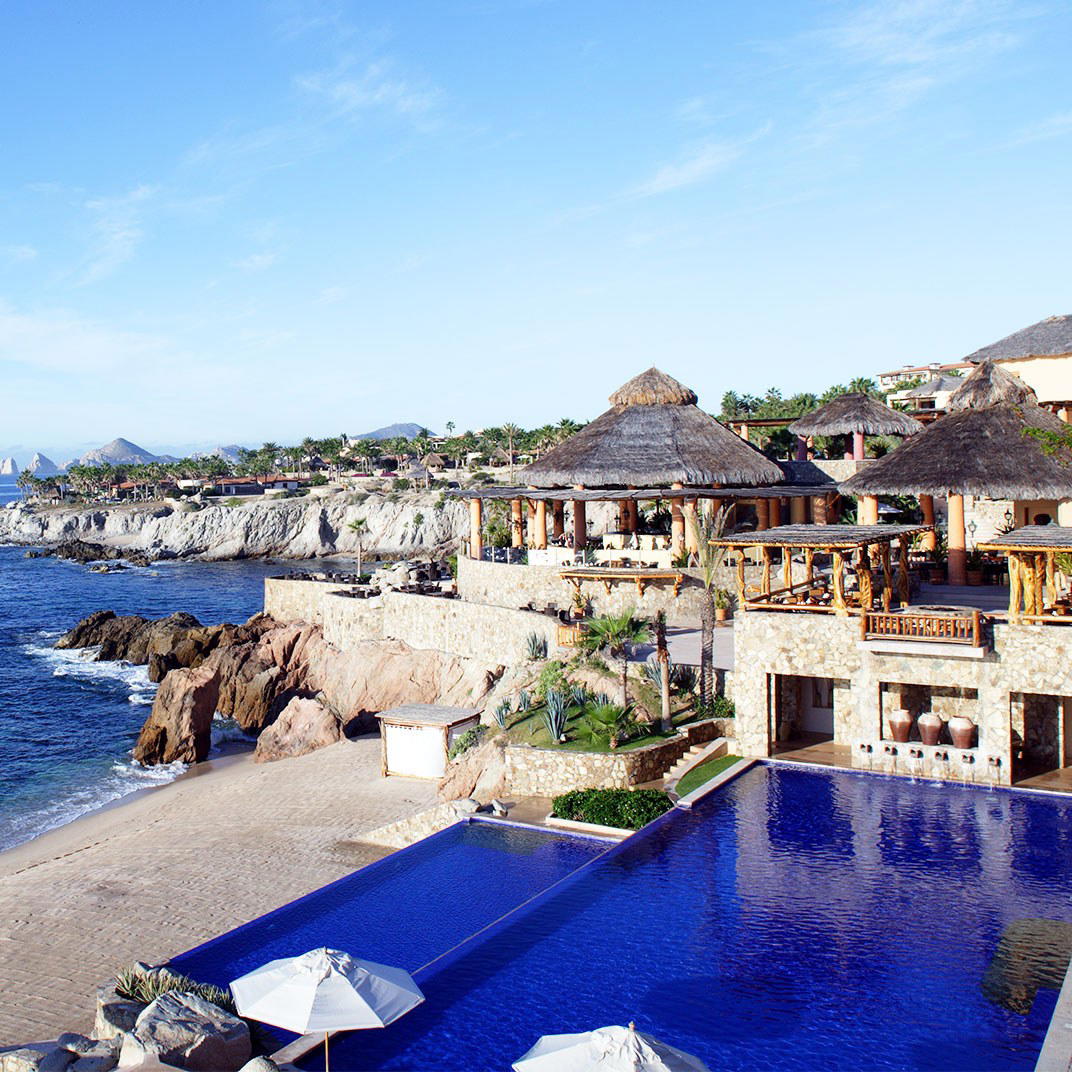
For comparison, Zadun, A Ritz-Carlton Reserve represents the branded reserve tier, where service choreography and residential spacing carry much of the value proposition. One&Only Palmilla, Los Cabos Resort belongs to the grand resort tradition of the peninsula, with the kind of legacy positioning that newer properties have to answer. Chileno Bay Resort & Residences, Auberge Collection and Esperanza, Auberge Collection show how contemporary Los Cabos luxury often blends resort programming with private-residence expectations. Amanvari should be read against that comparable set, not as an isolated hotel name.
The architecture-led resort as a Los Cabos category
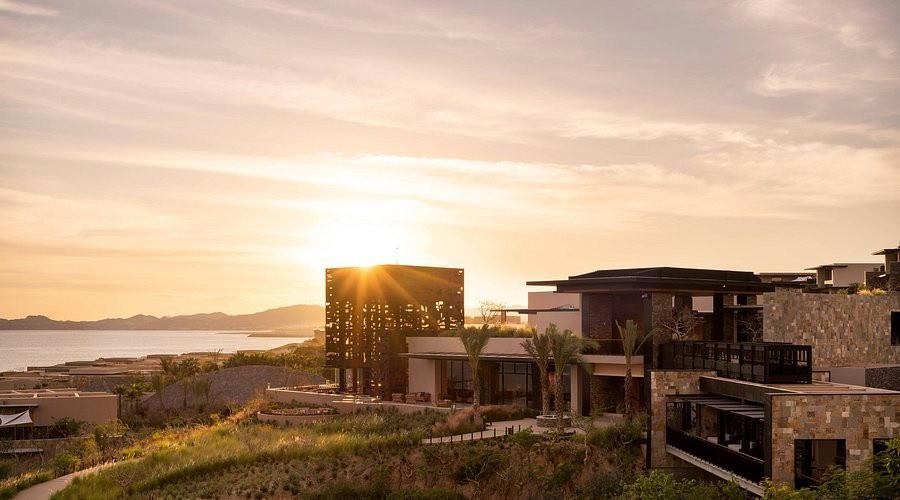
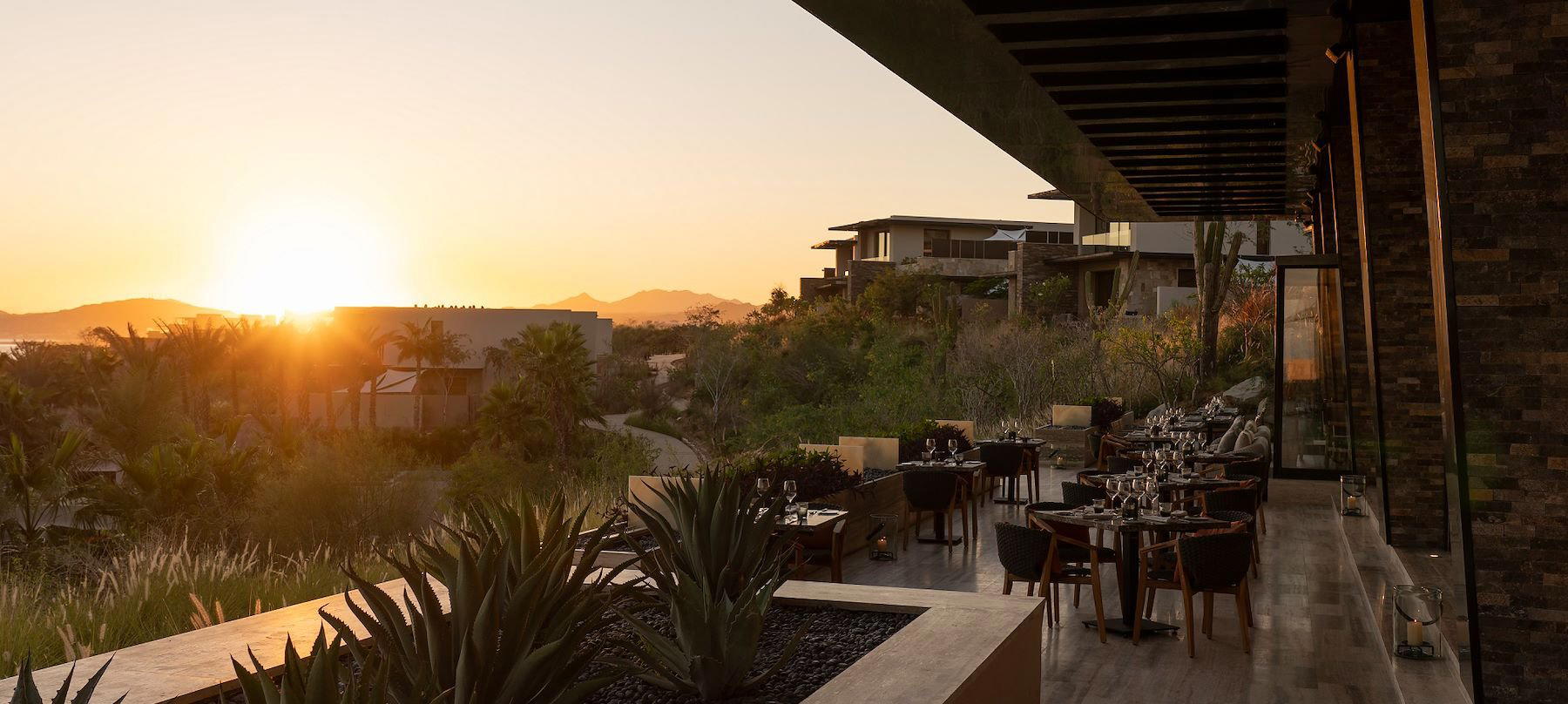
The architecture story in Los Cabos is tied to restraint. In a dry coastal climate, bad design announces itself quickly: too much glass, too little shade, materials that fight the sun, public spaces that feel imported rather than adapted. The stronger properties in the region tend to work with compression and release, darker transition spaces, open-air circulation, low-slung forms and a deliberate relationship with the horizon. This is why the design brief matters here more than in a dense urban hotel market. In Los Cabos, architecture decides whether a resort feels grounded or simply placed on expensive land.
Amanvari is a 5-star hotel in Los Cabos, Mexico. It does not list an architect or award record. That absence matters. Awards can clarify a property’s competitive standing, and in this case no award data has been provided. The trust signal is therefore contextual rather than trophy-based: Los Cabos itself has become a mature premium resort market with a visible set of high-end comparables. A new or lightly documented property in this category has to be judged by how it fits into the region’s established design and service expectations.
The useful comparison extends beyond Los Cabos. Mexico’s luxury hotel scene now runs from coastal minimalism to heritage restorations and jungle retreat architecture. One&Only Mandarina in Riviera Nayarit shows the appeal of low-density nature immersion on the Pacific coast. Hotel Esencia in Tulum uses a different language, closer to beach-house privacy and Riviera Maya ease. Maroma in Riviera Maya and Chablé Yucatán in Mérida show how Mexican hospitality can draw from site, climate and craft without becoming theatrical. Amanvari belongs in that national conversation if its eventual proposition is judged through design rather than only through amenities.
Where Amanvari fits among Los Cabos peers
Los Cabos is not a single hotel market. Cabo San Lucas, San José del Cabo, the Tourist Corridor and the East Cape each carry different assumptions about access, density, nightlife and privacy. The safer and more useful frame is city-wide: in Los Cabos, location determines the guest’s rhythm. A property closer to resort corridors often trades on convenience and developed infrastructure; a more removed address can offer space and quiet but requires more planning around transport, dining and activities.
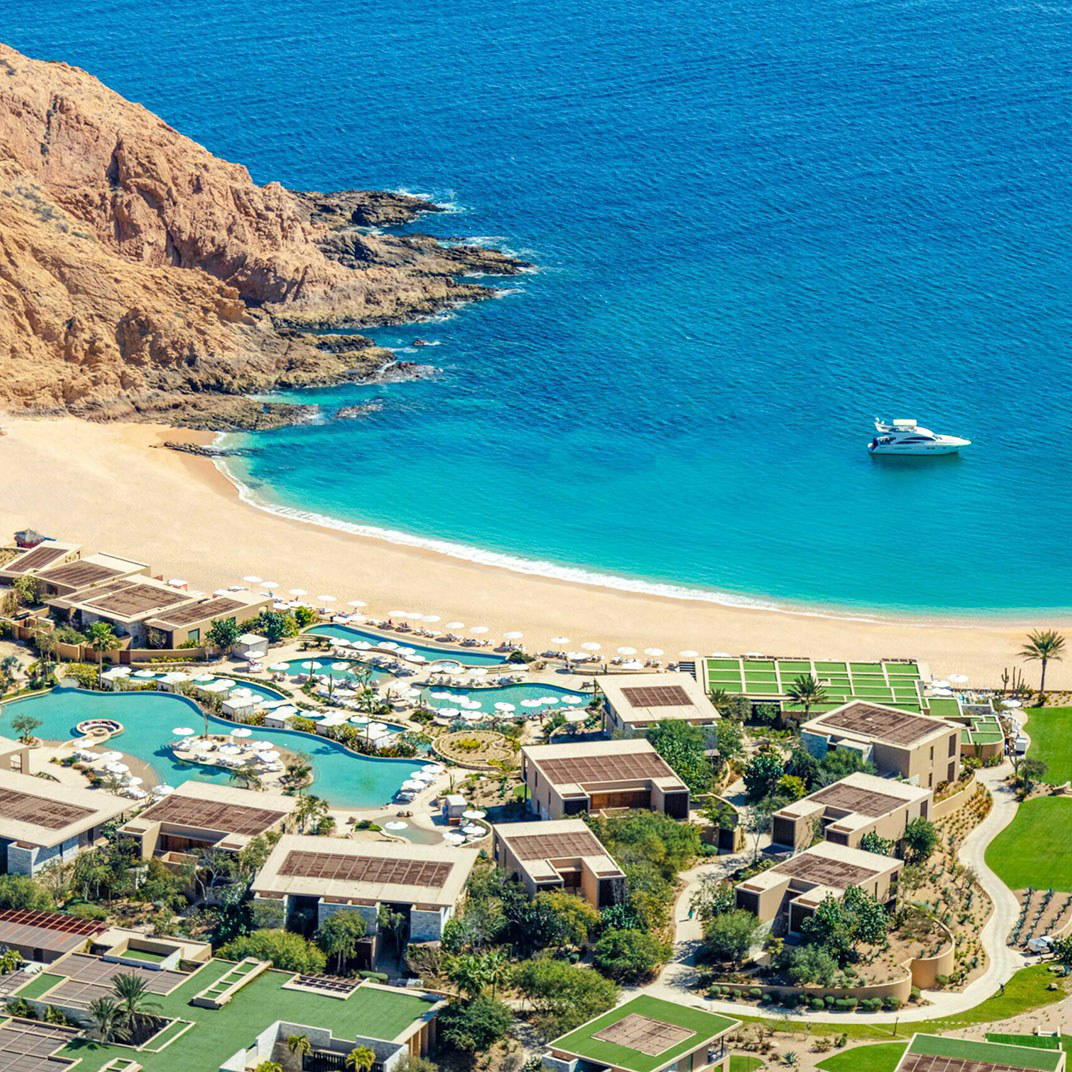
This is why comparison is practical, not just aesthetic. Las Ventanas al Paraíso, A Rosewood Resort in San José del Cabo sits in the classic high-touch resort lineage. Montage Los Cabos in Cabo San Lucas reflects the contemporary full-service coastal model. Costa Palmas points toward the planned-community and private-club side of the region. Cabo del Sol carries the resort-and-golf association that has long shaped parts of the peninsula’s leisure economy. Amanvari’s competitive reading depends on which of these expectations it satisfies: design privacy, resort breadth, residential ease or destination isolation.
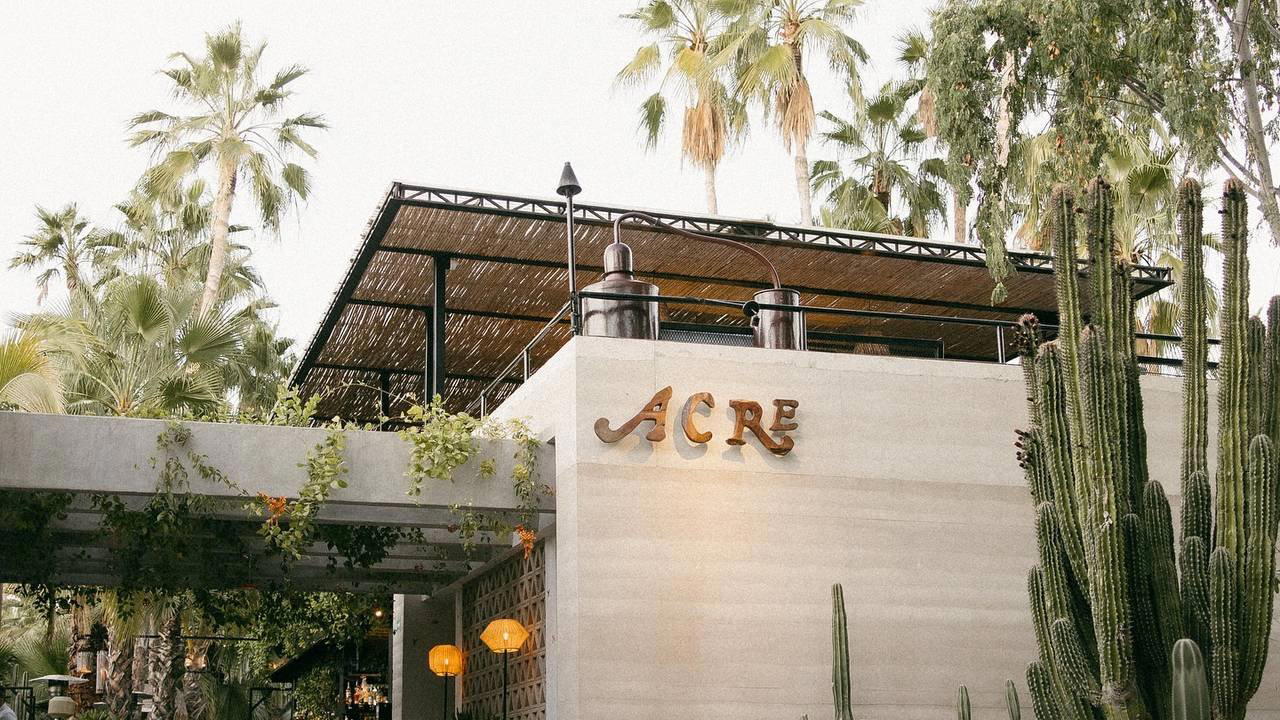
The lower-key end of Los Cabos also matters because it explains the range of the city’s hospitality character. Cabo Surf Hotel & Spa points to the surf and beach-club strand of the market, while Acre Resort reflects the inland, garden-driven side of San José del Cabo hospitality. Those properties are not direct substitutes for Amanvari in price or positioning, based on category signals, but they help explain why Los Cabos has become more interesting than a simple luxury-beach label suggests. The city now contains several ideas of escape, and architecture is often the dividing line between them.
Food, drink and the limits of available data
For a hotel page, dining cannot be treated as a footnote in Los Cabos. The region’s restaurant culture draws from seafood, ranch cooking, Baja produce, hotel tasting menus, farm-adjacent dining rooms and polished resort restaurants. That means no specific restaurant claim should be made here. There is no basis in the supplied data to name a chef, describe a dish, cite a tasting menu, claim a cocktail style or state whether the property has multiple dining venues.
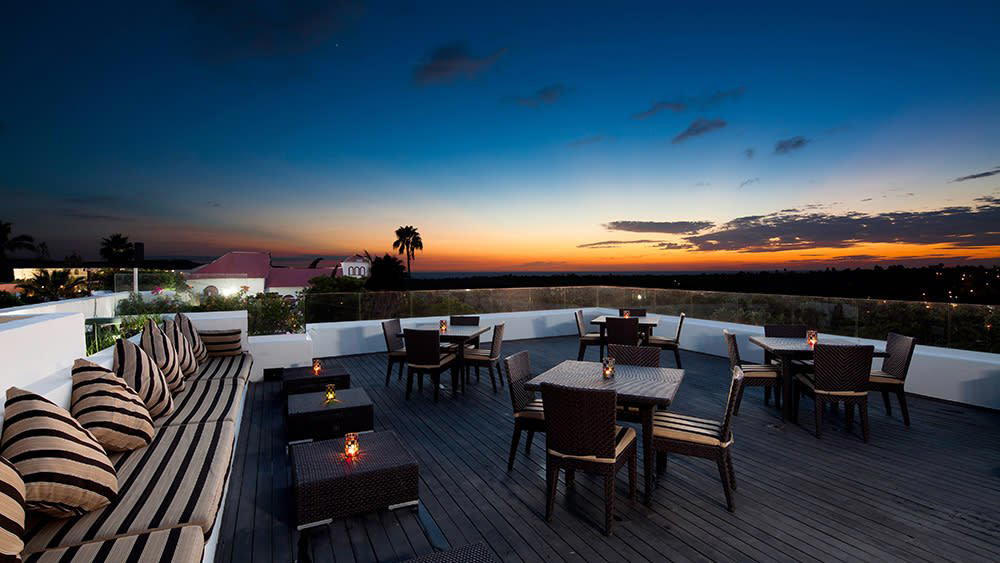
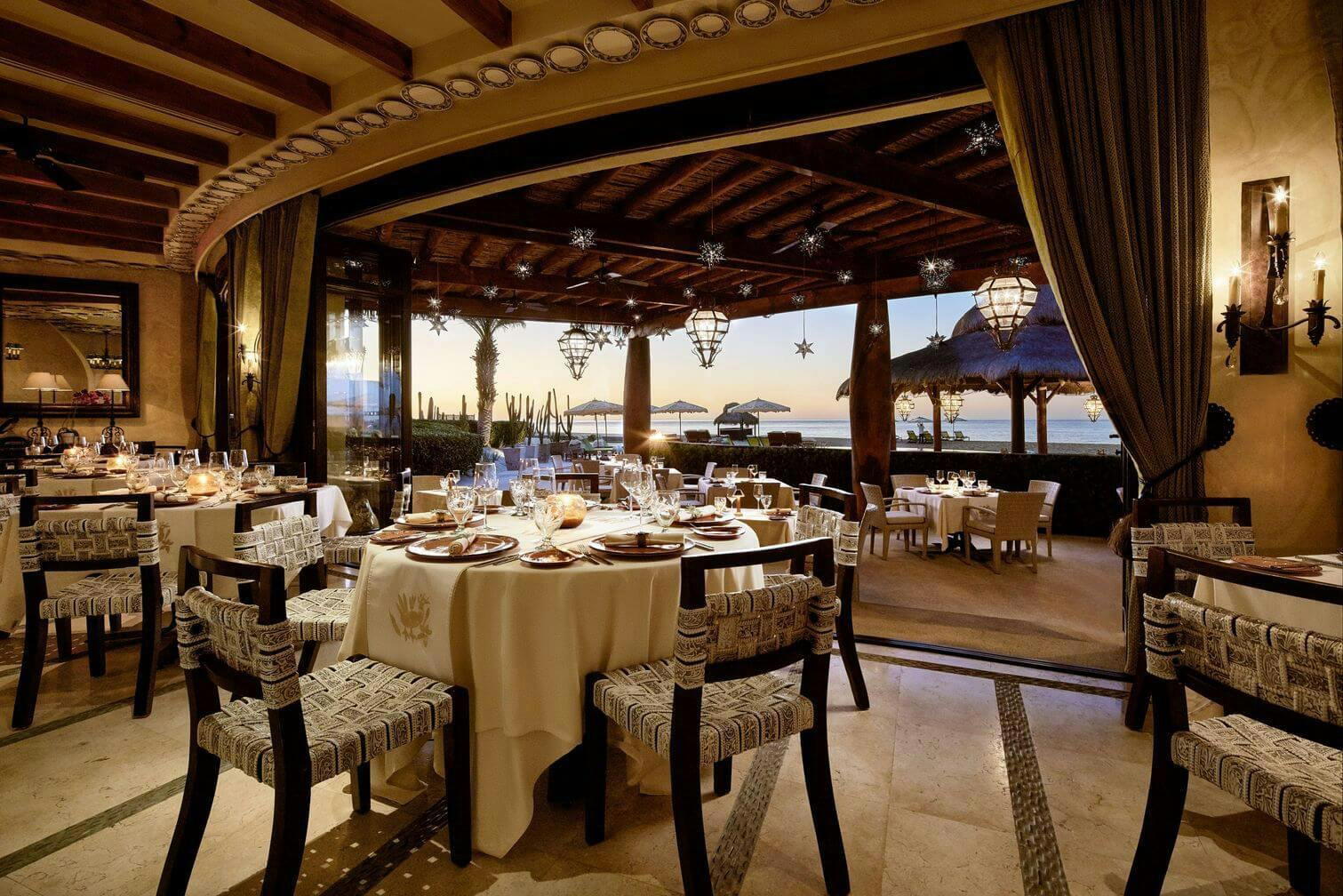
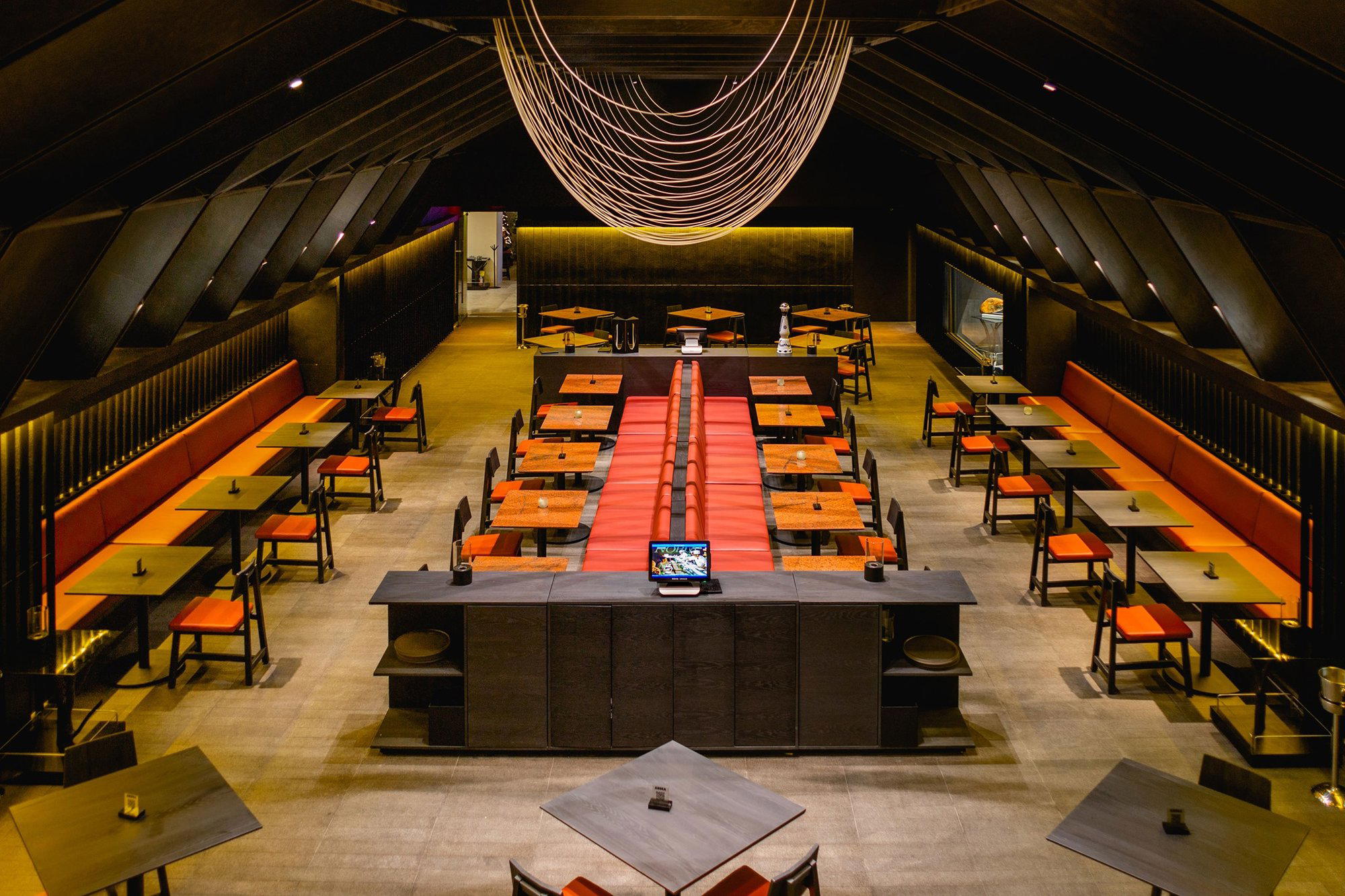
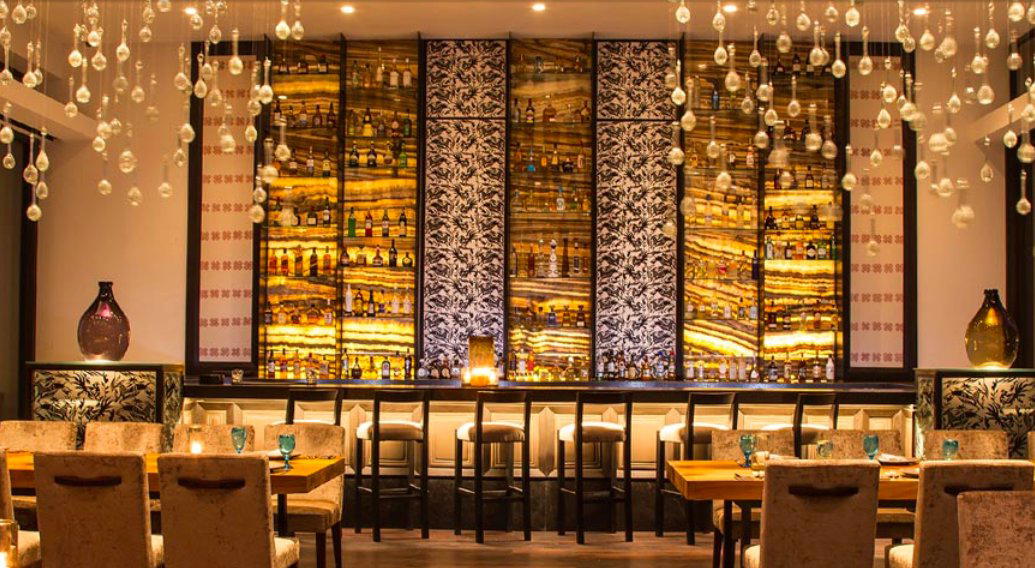
The editorial focus is therefore on the property’s setting and design context. In Los Cabos, high-end hotels can vary sharply, from restaurants intended mainly for in-house guests to dining rooms that compete with independent venues across the city. A design-led property can create a powerful dining environment, but setting alone does not prove culinary ambition. Travelers comparing Amanvari with the wider scene should use Our full Los Cabos restaurants guide for independent context, and Our full Los Cabos bars guide for drinking rooms and hotel bars across the region.
There is a similar caution around wine. Los Cabos can support serious wine programs because of its premium hotel economy and international guest base, but each property’s cellar needs to be judged on actual list depth, storage, pricing and sommelier presence. For broader regional context, Our full Los Cabos wineries guide is the more appropriate starting point.
Planning intelligence: what can be said responsibly
Amanvari’s planning details are not supplied in the record. There is no address, phone number, website, booking method, seat count, opening hours or price range. That absence should shape traveler expectations. In a high-demand Los Cabos resort market, lack of public practical data means prospective guests should verify all logistics through official channels before making fixed arrangements, especially if the stay is tied to flights, private transfers, restaurant reservations or seasonal travel windows.
Seasonality is the one planning topic that can be discussed at the destination level. Los Cabos demand typically rises during the northern winter and spring travel periods, when weather, holiday calendars and North American flight patterns work in the destination’s favor. Summer and early autumn can bring different pricing and climate considerations. Those are city-level patterns, not Amanvari-specific booking rules. The page should not state that the property is expensive, discounted, all-inclusive, full-board or difficult to access. It can say that Los Cabos premium resorts often require advance coordination during high-demand periods, particularly for airport transfers, dinner reservations and private experiences.
For trip-building, the smarter move is to compare by purpose rather than by brand prestige. Travelers focused on a hotel-led stay should scan Our full Los Cabos hotels guide. Those planning around days on the water, art walks, cooking formats or private outdoor programming should use Our full Los Cabos experiences guide. Amanvari belongs on the longlist for travelers who prioritize design and atmosphere, but the final decision should wait for confirmed practical details.
The wider design conversation
Architecture-led hotels are not confined to Mexico’s coasts. The modern luxury traveler increasingly compares properties by spatial intelligence: how a hotel handles arrival, privacy, dining sequence, light, acoustics and the relationship between public and private rooms. That is why a Los Cabos property can be judged alongside different addresses. Xinalani in Quimixto works from a remote coastal retreat model. Susurros del Corazón, Auberge Resorts Collection in Punta de Mita belongs to the polished Pacific-resort tier. Palmaïa-The House of AïA: All Inclusive Wellness Resort in Playa del Carmen shows how wellness and inclusive formats can become the organizing logic of a stay.
Internationally, the same question appears in different forms. The Siam in Bangkok uses riverfront urban retreat language rather than beach resort grammar. The Fifth Avenue Hotel in New York City works through city-house theatricality and interior detail. Hotel Plaza Athénée in Paris belongs to the palace-hotel tradition, where heritage, service and address carry as much weight as contemporary design. Amanvari’s relevance for Los Cabos readers is that it appears in a destination where resort architecture is now being judged with comparable seriousness.
How It Compares
Comparable venues nearby, for context on price, style, and recognition.
| Venue | Cuisine | Price | Awards | Notes |
|---|---|---|---|---|
| AmanvariThis venue — the venue you are viewing | Ultra-luxury resort with low-density pavilions/casitas and branded residences. | $$$$ | 5-Star | Not listed |
| Hilton Los Cabos Beach & Golf Resort | Luxury beachfront resort with Mexican accents and modern comforts. | $$$$ | 4-Star | Cabo San Lucas |
| Montage Los Cabos | Modern coastal estate blending into Baja desert landscape | $$$$ | 5-Star | Santa Maria Bay |
| Esperanza, Auberge Collection | contemporary beachfront resort | $$$$ | 5-Star | Punta Ballena |
| Cabo del Sol | Modern hacienda-style village blending Mexican chic with relaxed Mediterranean vibe. | $$$$ | 5-Star | Cabo San Lucas |
| Four Seasons Resort and Residences Cabo San Lucas at Cabo Del Sol | Modern hacienda-inspired village celebrating Mexican art, music, and culture with contemporary luxury amenities. | $$$$ | 5-Star | Cabo San Lucas |
At a Glance
- Quiet
- Scenic
- Minimalist
- Sophisticated
- Intimate
- Honeymoon
- Romantic Getaway
- Wellness Retreat
- Anniversary
- Weekend Escape
- Beachfront
- Private Villa
- Destination Spa
- Design Destination
- Panoramic View
- Pool
- Spa
- Beach Access
- Concierge
- Waterfront
- Mountain
- Pool
- Spa
- Beach Access
- Concierge
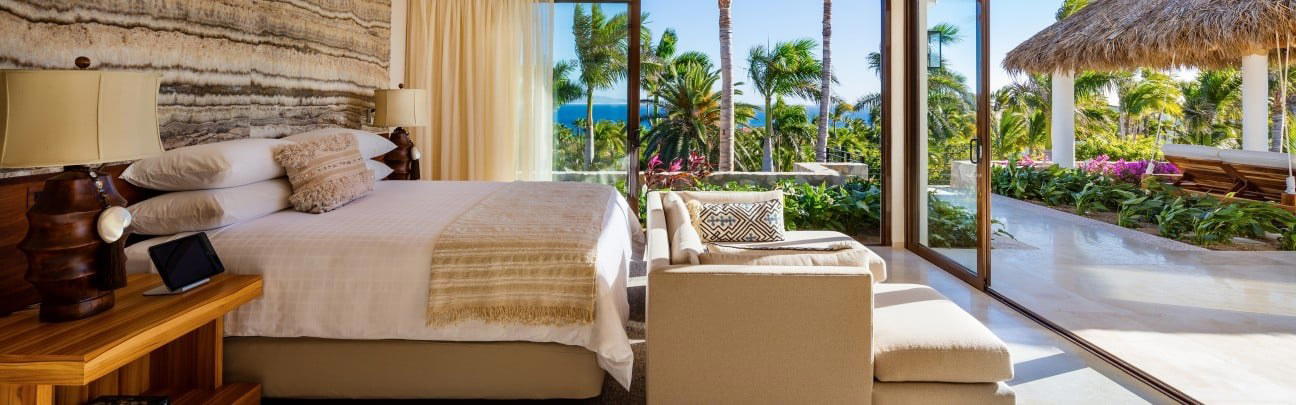
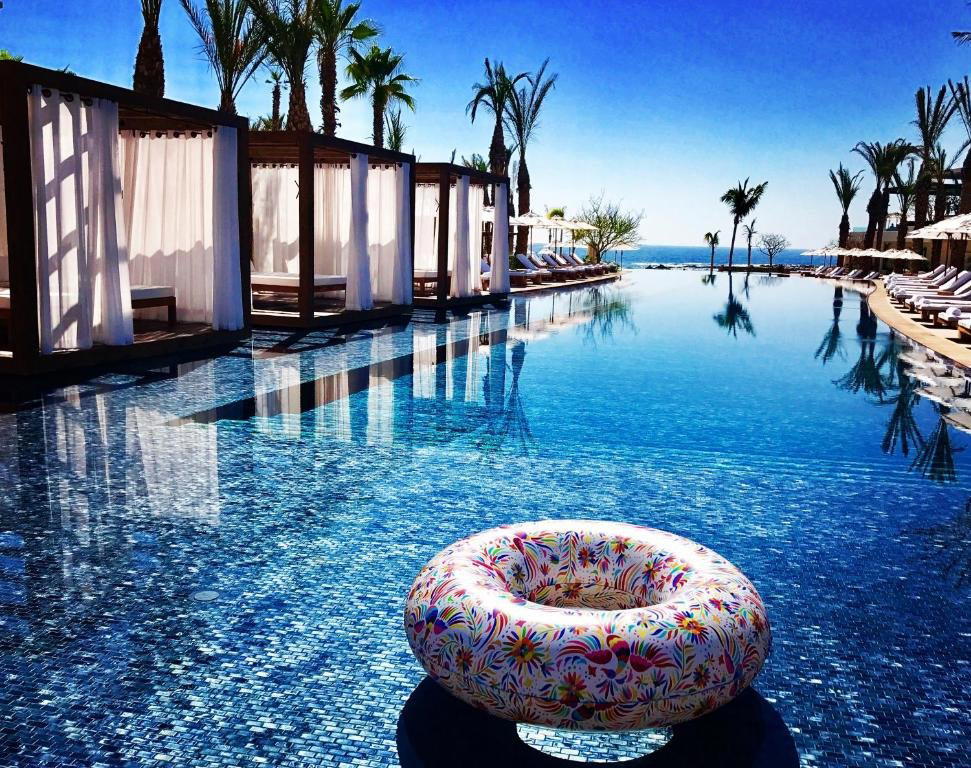
Remote, serene, and highly exclusive, with a minimalist luxury atmosphere shaped by expansive desert-and-sea surroundings and indoor-outdoor design.