← Guides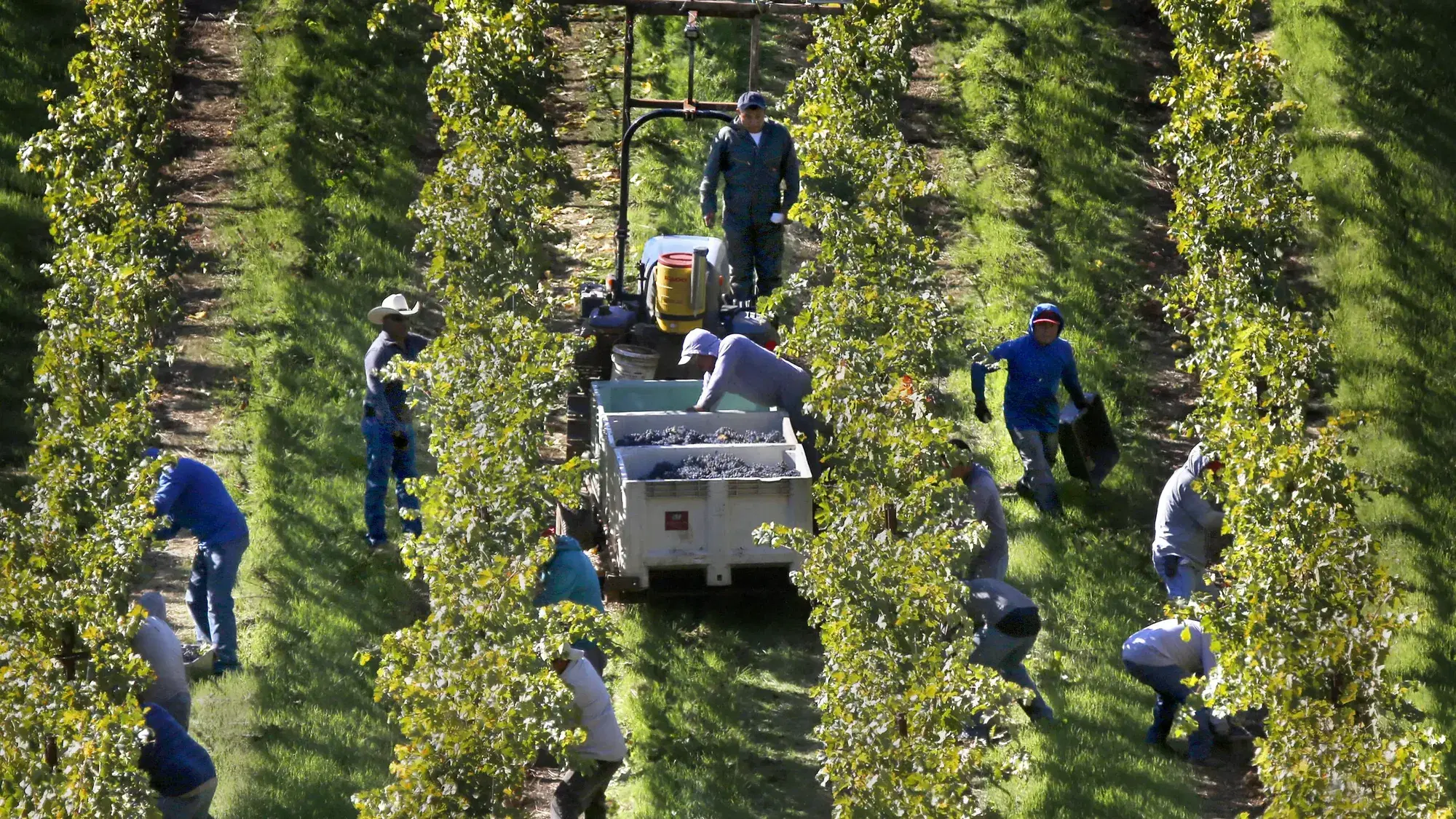
Sonoma County kicks off one of its earliest harvests in years, Champagne limits 2026 production to 250 million bottles, and Andreola quietly removes Prosecco from its labels.
Sonoma County kicks off one of its earliest harvests in years, Champagne limits 2026 production to 250 million bottles, and Andreola quietly removes Prosecco from its labels.

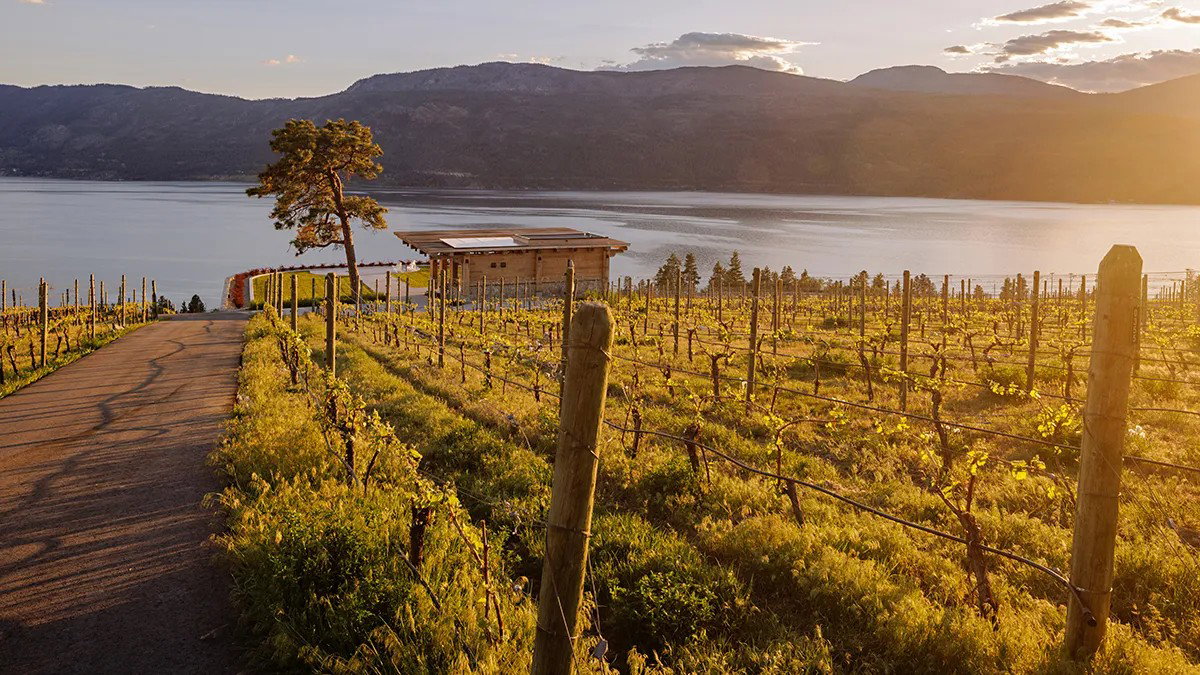

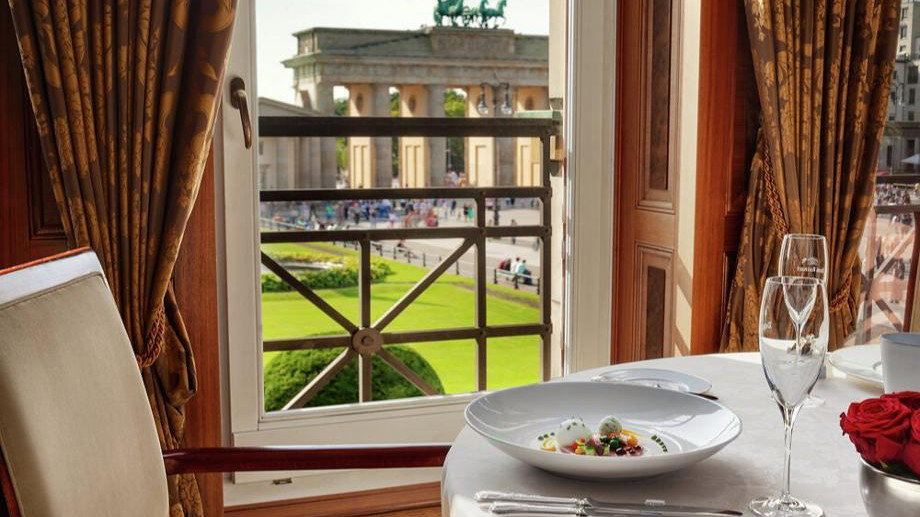

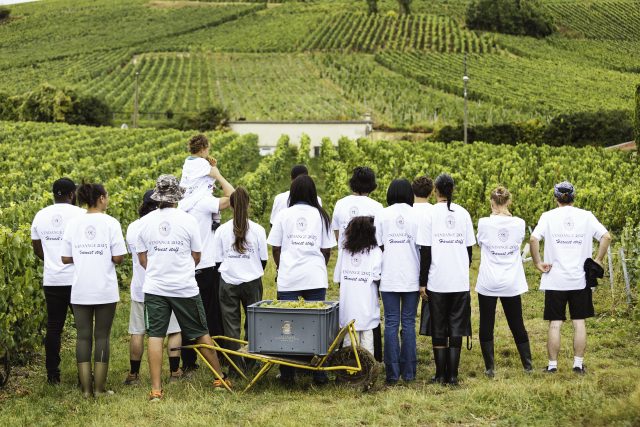
Sonoma County's 2026 winegrape harvest began in late July, marking one of the earliest starts in recent memory. The region is expecting a smaller crop but notable fruit quality, according to growers and winemakers tracking the season. Early ripening follows a mild spring and consistent summer temperatures that advanced véraison across multiple AVAs.
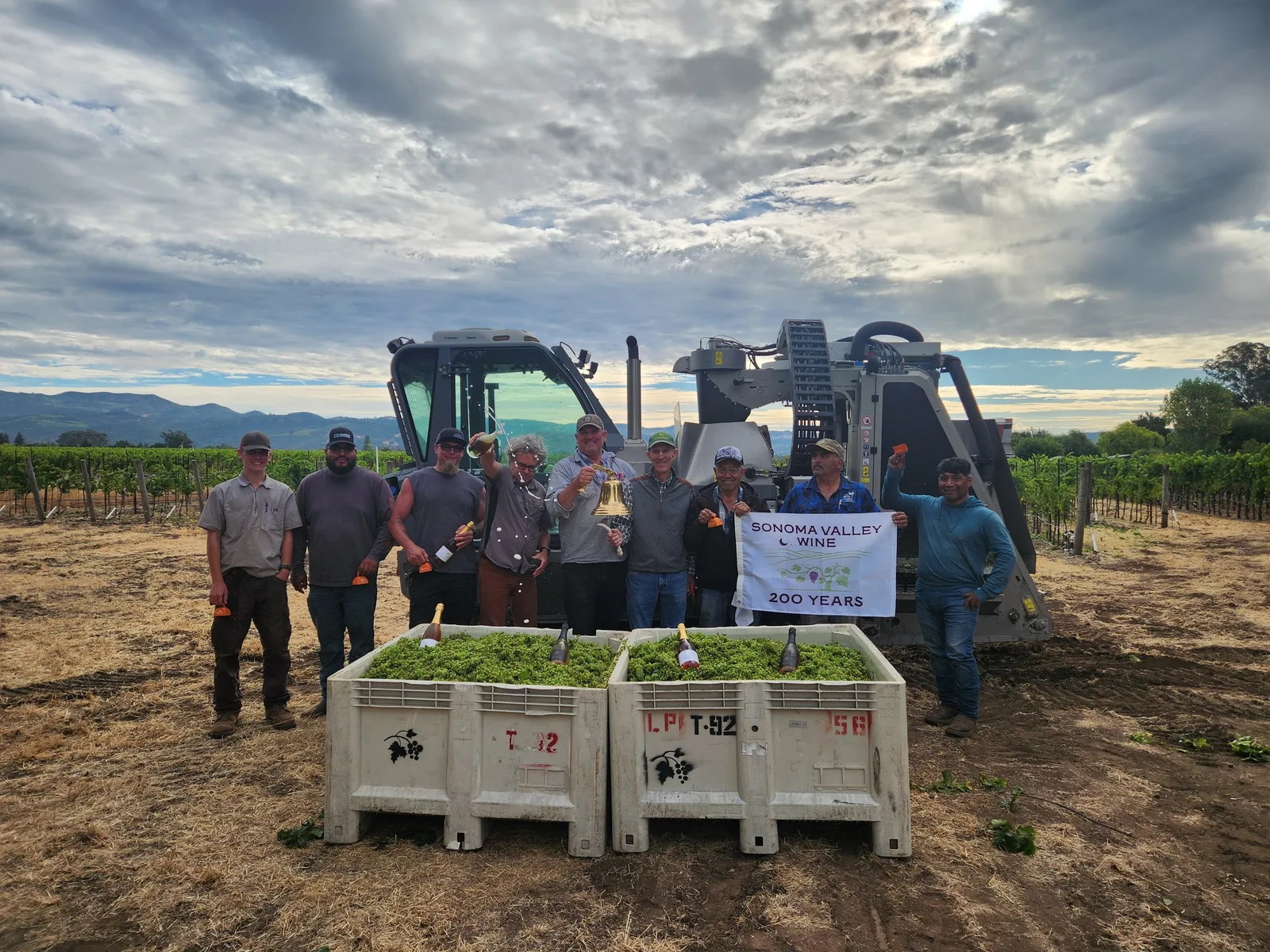
Sparkling wine producers were among the first to pick, with Chardonnay and Pinot Noir coming in weeks ahead of the typical mid-August window. The compressed timeline puts pressure on harvest logistics, but the early start also reduces exposure to late-season heat spikes that have complicated recent vintages.
For collectors tracking California Pinot Noir and Chardonnay, the 2026 vintage will be one to watch. Early harvests often deliver wines with better acid retention and more precise aromatics, particularly in cooler appellations where extended hang time can push ripeness past the optimal window. The smaller crop size also suggests more concentrated fruit, though final yields won't be clear until fermentation is complete. Sonoma's early pick mirrors patterns seen across the West Coast this year, where warmer springs have accelerated the growing season in Oregon, Washington, and parts of the Central Coast.
Forty years after Nazzareno Andreola founded the estate that bears his name, his son has spent much of his tenure doing something that looks, on paper, like commercial self-sabotage: taking the word Prosecco off the label. The younger Andreola has shifted the estate's focus toward steep hillside parcels and the Asolo DOCG, a move that prioritizes terroir expression over the commercial pull of the Prosecco name. The decision reflects broader tension in the Veneto, where producers farming the region's most challenging sites, often by hand, on slopes too steep for mechanization, are weighing the value of the Prosecco designation against the ability to communicate parcel-specific work.
Labour shortages and rising costs have made that calculation sharper: the word Prosecco may be especially valuable in Italian wine, but for producers like Andreola, it no longer tells the story they want to sell. The shift toward Asolo DOCG and away from the broader Prosecco DOC reflects a bet that collectors and sommeliers will pay more for wines that carry a sense of place, even if that means giving up the name recognition that drives volume sales. For travelers planning visits to the Veneto, estates like Andreola offer a different kind of Prosecco experience: smaller production, steeper vineyards, and wines that taste more like the hillside than the category.
The region of Champagne is to cap the amount of wine that can be made from this year's harvest at 8,800kg/ha, the equivalent of around 250 million bottles. The production limit, set by the Comité Champagne, reflects the region's effort to manage supply in response to softening global demand and polished inventory levels across the trade. The cap is lower than the maximum permitted yield and signals a more conservative approach to the 2026 vintage. For producers, the limit means fewer bottles to sell in the near term, but it also reduces the risk of oversupply in a market where Champagne sales have slowed in key export markets.
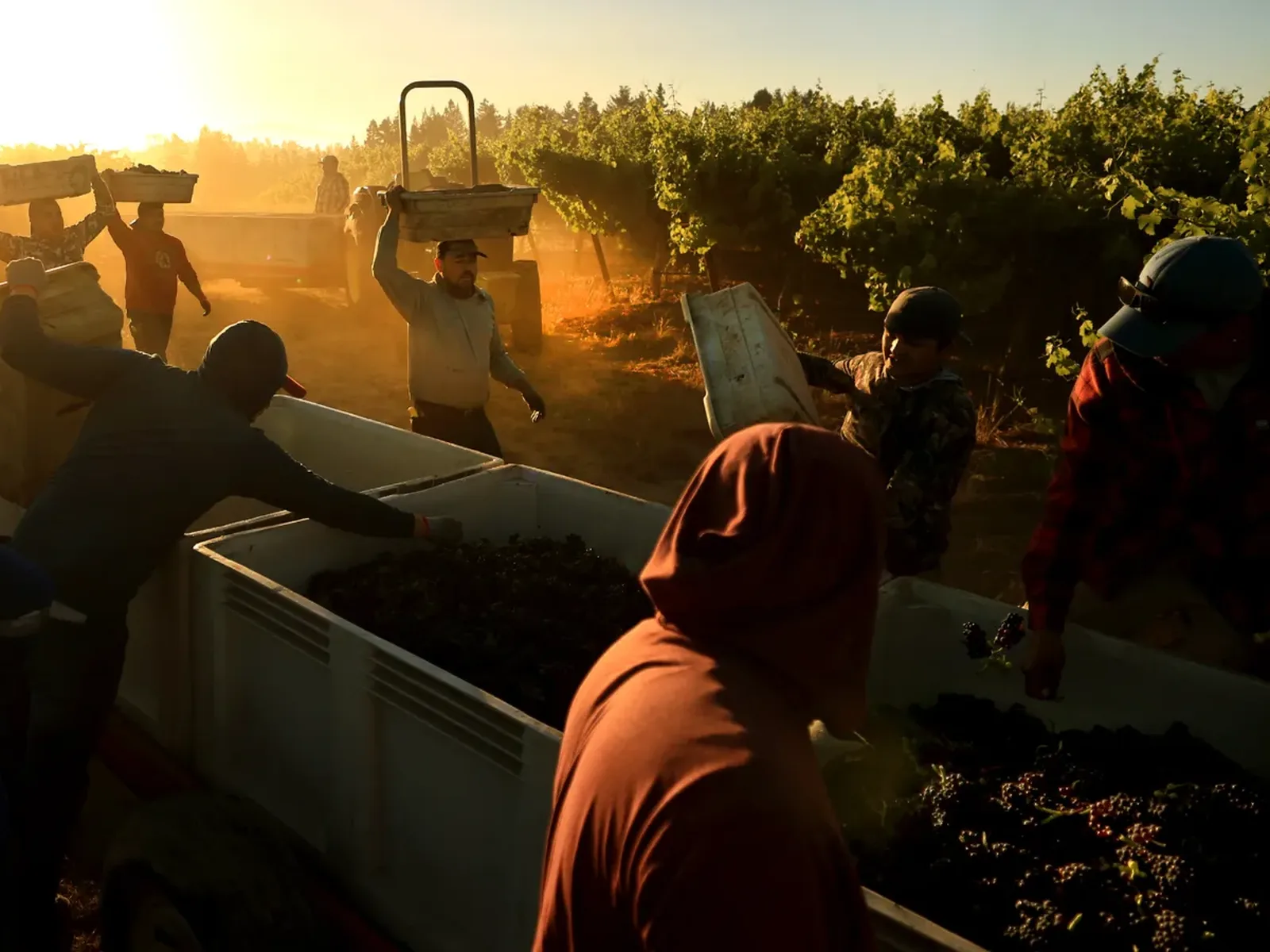
The decision to cap production at 250 million bottles is a direct response to market conditions that have shifted since the post-pandemic boom. Champagne houses are sitting on higher-than-usual inventory, and demand in the United States and Asia has softened as consumers pull back on luxury spending.
The production cap gives the region breathing room to work through existing stock without flooding the market with new releases. For collectors, the 2026 vintage may carry added scarcity value if the cap holds and production stays below recent averages.
The move also reflects the Comité Champagne's willingness to prioritize long-term market stability over short-term volume, a strategy that has historically helped the region maintain price discipline during downturns.
Bordeaux loves an anniversary, particularly when it coincides with a strong vintage. From the newly released 2025s to rare golden bottles from earlier decades, commemorative editions combine fine wine with some of the region's most collectable packaging.
The 2025 vintage, now entering the market, has prompted several châteaux to issue special-edition bottlings that mark estate milestones, founding anniversaries, generational transitions, or significant vineyard acquisitions.
Commemorative bottles occupy a specific niche in the Bordeaux market: they appeal to collectors who value provenance and packaging as much as the wine itself, and they often carry a premium over standard releases.
For estates, the commemorative format provides a way to signal the importance of a vintage or milestone without altering the wine inside the bottle. The 2025 releases are entering a market where Bordeaux prices have stabilized after several years of correction, and the commemorative editions may help estates differentiate their offerings in a crowded en primeur season. For buyers, the decision to purchase a commemorative bottle often comes down to whether the packaging and story justify the price premium, and whether the wine itself merits cellaring for the long term.
Oltrepò Pavese is well-known as a stronghold of Italian Pinot Nero, particularly for traditional method sparkling wines. At Conte Vistarino, however, single-vineyard wines are demonstrating that the region's prestige can also extend to still expressions. The estate's cru-designated Pinot Nero bottlings isolate specific parcels within the Oltrepò Pavese DOCG, a move that mirrors the single-vineyard focus of Burgundy and Alto Adige. The shift toward cru labeling reflects a broader ambition in the region: to move beyond bulk sparkling production and establish Oltrepò Pavese as a serious still-wine appellation.
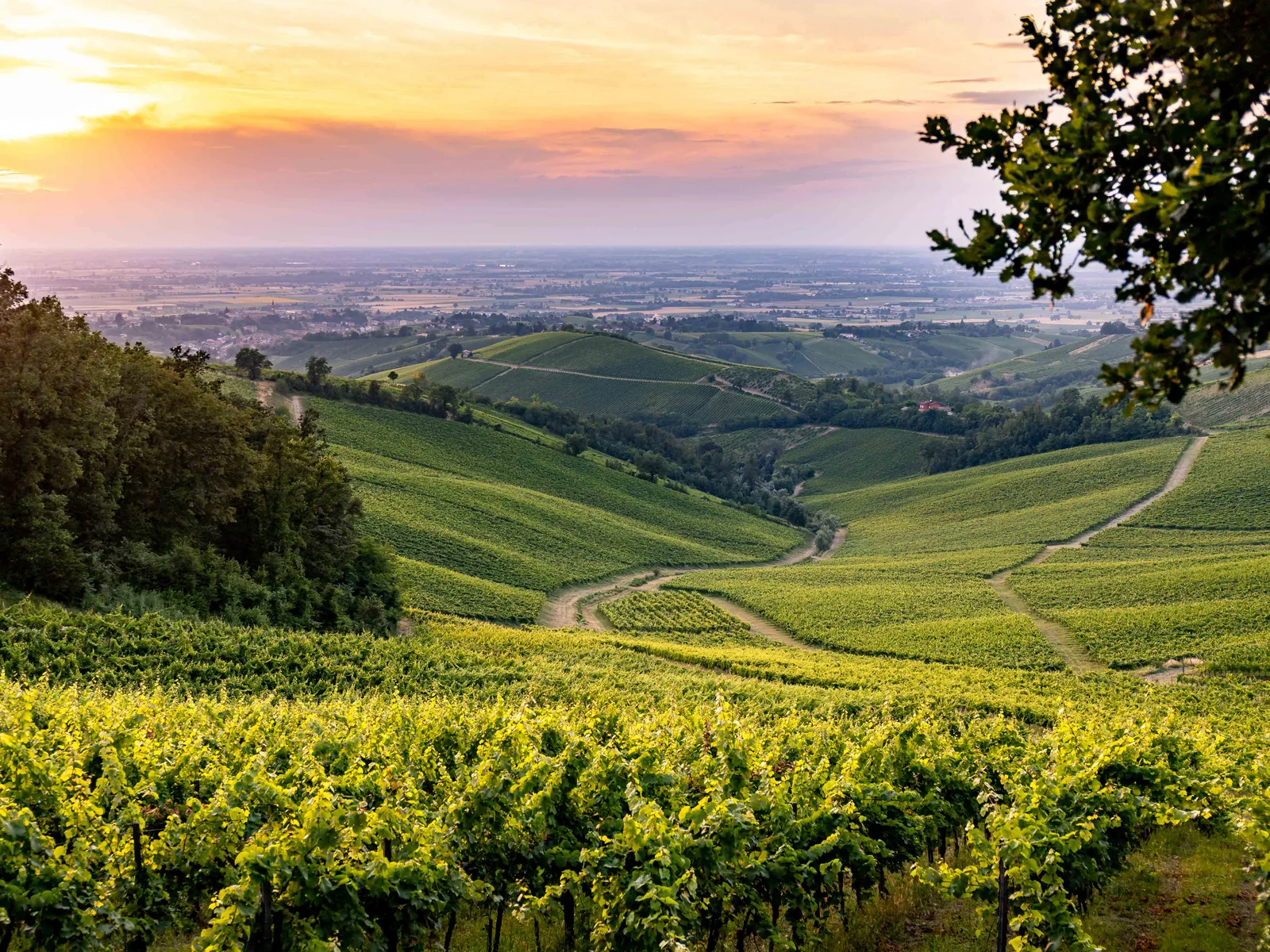
The cru model works when the vineyard site carries enough distinction to justify the single-parcel bottling, and when the producer has the technical skill to express that distinction in the glass.
For Conte Vistarino, the bet is that collectors and sommeliers will recognize Oltrepò Pavese Pinot Nero as a category worth exploring, not just as a sparkling base wine, but as a still red with its own identity.
The region's elevation, limestone soils, and cool nights give Pinot Nero the structure and acidity it needs to age, and the cru bottlings provide a way to communicate those site-specific advantages.
For travelers, Oltrepò Pavese remains less crowded than Franciacorta or Barolo, and estates like Conte Vistarino offer a chance to taste single-vineyard Pinot Nero in a region that most collectors still overlook.
Château Galoupet's 2025 vintage shows how detailed parcel work and regenerative farming are shaping a more precise expression of Provence rosé. Backed by LVMH, the estate is also investing in water management, soil health, and lower-impact packaging as it prepares for a hotter future.
The 2025 release reflects a growing trend in Provence: producers moving away from the region's traditional high-volume, pale-pink model and toward wines that carry more site-specific character.
For Château Galoupet, that shift includes organic certification, cover cropping, and a focus on indigenous yeasts, practices that add complexity to the wine and resilience to the vineyard.
The move toward sustainability in Provence is partly driven by climate pressure, hotter summers, earlier harvests, and water scarcity are forcing producers to rethink how they farm. But it also reflects a market shift: collectors and sommeliers are increasingly willing to pay more for rosé that tastes like a place rather than a category.
Château Galoupet's 2025 vintage is part of that conversation, and the estate's LVMH backing gives it the resources to invest in long-term soil health and water infrastructure that smaller producers can't afford.
For travelers, Château Galoupet offers a model of what Provence rosé can become when the focus shifts from volume to precision, and when the estate has the capital to make that shift without compromising quality.
Two Ukrainian wine professionals who were forced to leave their country following Russia's invasion have been awarded the 2026 Artémis Domaines Golden Vines Victims of Conflict Scholarships. The programme will give both recipients fully funded six-month internships at estates within the Artémis Domaines portfolio.
The scholarships are part of a broader initiative to support wine professionals displaced by conflict, and they provide hands-on experience at properties that include Château Latour, Domaine d'Eugénie, and Eisele Vineyard. For the recipients, the internships offer a pathway back into the industry and access to winemaking at the highest level.
The Golden Vines scholarships reflect a recognition that conflict displaces not just people, but entire professional networks and career trajectories. For wine professionals forced to leave Ukraine, the loss of access to vineyards, cellars, and trade contacts can be as disruptive as the physical displacement itself.
ROCO, an award-winning Willamette Valley winery producing Champagne method sparkling wines, Pinot Noir, and Chardonnay, has opened CASA ROCO in Carlton, Oregon. The new tasting room and hospitality space expands the estate's visitor program and provides a dedicated venue for sparkling wine tastings and food pairings. ROCO's focus on traditional method sparkling production, a category that remains a small fraction of Oregon's output, positions the estate as a specialist in a format that requires both technical precision and long aging.
In Napa Valley, Kerrin Laz is opening Vintners Social Club in Yountville this fall, a new wine country destination that combines a private members club, public wine bar, and access to Napa Valley's most coveted wines and industry insiders.
The club will offer members allocation access, exclusive tastings, and a venue designed for both casual visits and private events.
For Napa collectors, the model provides a centralized tasting space that aggregates hard-to-find wines from multiple producers, a format that mirrors the private clubs and tasting lounges that have emerged in Healdsburg, Paso Robles, and other California wine regions.
The Yountville location places the club in the heart of Napa's hospitality corridor, within walking distance of The French Laundry, Bouchon, and other destination restaurants.
For the first time, the WineGB Awards, which have been celebrating stronger examples from UK wine for the past 10 years, incorporated accolades for vineyards helping to establish England and Wales as a serious wine tourism region.
The new category recognizes estates that have invested in visitor infrastructure, tasting programs, and hospitality experiences that go beyond the cellar door. The awards signal a shift in how the UK wine industry measures success: not just by the quality of the wine in the bottle, but by the quality of the experience around it.
For collectors and travelers, the WineGB tourism awards provide a curated shortlist of estates where the visit is as considered as the viticulture. The UK wine industry has grown rapidly over the past decade, and the tourism category reflects the sector's maturation from a niche curiosity into a serious destination for wine-focused travel.
English sparkling wine, in particular, has driven much of that growth, and estates that have invested in tasting rooms, tours, and on-site dining are now competing for visitors who might otherwise head to Champagne or Franciacorta.
Six new Master Sommeliers have been crowned by the Court of Master Sommeliers, including first recipients from Mauritius, Bosnia, and the Czech Republic following a rigorous two days of theory and tasting exams at Vienna's Grand Hotel last month.
The additions bring the total number of Master Sommeliers worldwide to just over 270, and the geographic expansion reflects the Court's effort to broaden its reach beyond traditional wine markets. The Master Sommelier credential remains among the more difficult certifications in the wine world, with pass rates typically in the single digits.
For the six new recipients, the title opens doors to consulting work, education roles, and high-profile beverage programs at luxury hotels and restaurants.
The first Master Sommeliers from Mauritius, Bosnia, and the Czech Republic also signal the Court's growing presence in markets where wine education and sommelier training have historically been less formalized.
Get the App
Take the shortlist into the En Primeur Club app for concierge access, saved places, and the next step after discovery.
Get Exclusive AccessMore from the editors