← Guides
Europe's Michelin-starred sommeliers have quietly stocked Santa Barbara County wines for years. American collectors are still catching up, and missing a value play hiding in plain sight.
Europe's Michelin-starred sommeliers have quietly stocked Santa Barbara County wines for years. American collectors are still catching up, and missing a value play hiding in plain sight.
Cold Pacific fog, calcareous soils, and Pinot Noir that can move through a tasting menu without raising its voice: that is the Santa Barbara County story European sommeliers already understand about Santa Barbara. American buyers are still catching up. The gap is not about quality alone. It is about how collectors read California wine, and where real value still hides in plain sight.
Carhartt's point lands because it gets to the way European and American buyers often taste California differently. European sommeliers tend to look first for balance and terroir expression, the qualities that let a wine carry several courses and sit with food rather than compete with it.
American wine buyers, meanwhile, are still discovering what demanding sommeliers abroad have already seen in Santa Barbara County.
That preference has kept Napa Cabernet at the center of American wine culture while Santa Barbara 's cooler-climate wines, Pinot Noir, Chardonnay, and Rhône varieties grown in Pacific fog, remain undervalued at home despite their international recognition.
So why have American buyers not followed Europe's lead? Part of the answer is geography: Santa Barbara sits outside the Napa-Sonoma axis that dominates American wine media and retail shelf space. Part is style: the region's cool-climate restraint does not photograph as easily in tasting-room Instagram posts or land as forcefully in blind tastings weighted toward power. But the real issue is simpler. Many American wine buyers have not yet tasted what Copenhagen and London sommeliers have known for years, that Santa Barbara offers among the stronger quality-to-price ratios in American wine.
Twenty million years ago, a tectonic abnormality tipped these mountains east to west, the only such alignment on the Pacific coast of the Americas. The result: seven AVAs with climates so different they can feel like different countries, all packed into just 30 miles.
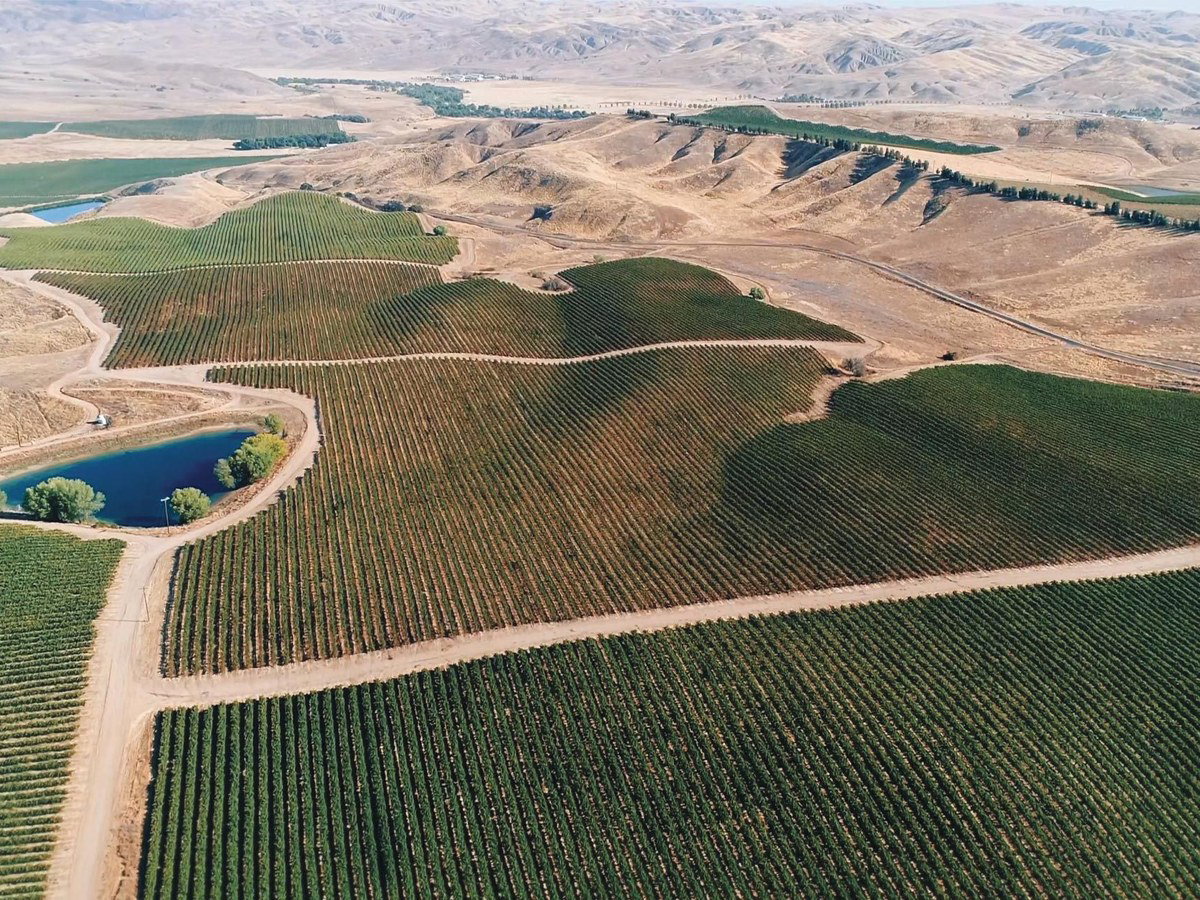
The east-west orientation matters because it lets Pacific air and fog move far inland, cooling vineyards that would otherwise bake under the California sun. In most of California, mountain ranges run north-south, blocking marine influence and creating the warm, dry conditions that define Napa and Sonoma.
Santa Barbara's perpendicular geology turns that pattern on its head.
The Pacific Ocean off Point Conception rarely rises above 52 degrees, kept cold by the collision of the Humboldt current sweeping down from Alaska and warmer water from Mexico. Wind coming off that frigid water flows directly into the valleys, making Santa Barbara one of the southernmost cool-climate wine regions in the Northern Hemisphere.
You can feel the effect in the vineyard: sites 20 miles inland see diurnal temperature swings of 40-50 degrees, with fog arriving most summer mornings and burning off by midday.
That long, even growing season preserves acidity while flavors develop slowly, the same dynamic that allows Burgundy and the Northern Rhône to produce age-worthy wines with tension and complexity.
The seven AVAs within Santa Barbara County, Sta. Rita Hills, Santa Maria Valley, Ballard Canyon, Los Olivos District, Happy Canyon, Santa Ynez Valley, and Alisos Canyon, each sit in distinct microclimates shaped by elevation, proximity to the coast, and soil composition. Sta.
Rita Hills, the westernmost and coolest, lies directly in the path of Pacific fog and wind. Pinot Noir and Chardonnay dominate here, rooted in calcareous soils that drain quickly and stress the vines.
Move 15 miles east into Ballard Canyon, and the climate warms enough for Syrah and Grenache to ripen fully while holding the acidity that keeps the wines at the table. Another 10 miles east into Happy Canyon, and you are in Bordeaux-variety country, with Cabernet Sauvignon and Sauvignon Blanc grown in gravelly soils under warmer, drier conditions.
That geological range gives Santa Barbara winemakers a tool kit many regions would envy: the ability to match variety to site with real precision. It also means the county can produce wines for different palates and price points without losing its thread of quality. A sommelier building a by-the-glass program can pour a mineral-driven Sta. Rita Hills Chardonnay for one course and a spicy Ballard Canyon Syrah for another, both from the same county, both speaking in distinct terroir. For collectors, the appeal is depth, not one signature style, but a portfolio of styles worth exploring.
Chad Melville, who farms 130 certified-organic acres in Sta. Rita Hills, reduces the region's character to two words: "Cold sunshine. If you remember one thing about Sta. Rita Hills, that's it." At Melville Winery, Pinot Noir grows in soils so poor the vines barely sustain themselves, which is precisely the point. Calcareous clay and diatomaceous earth drain quickly, driving roots deep and limiting yields. The fruit arrives concentrated and precise enough to need only a light hand in the cellar.
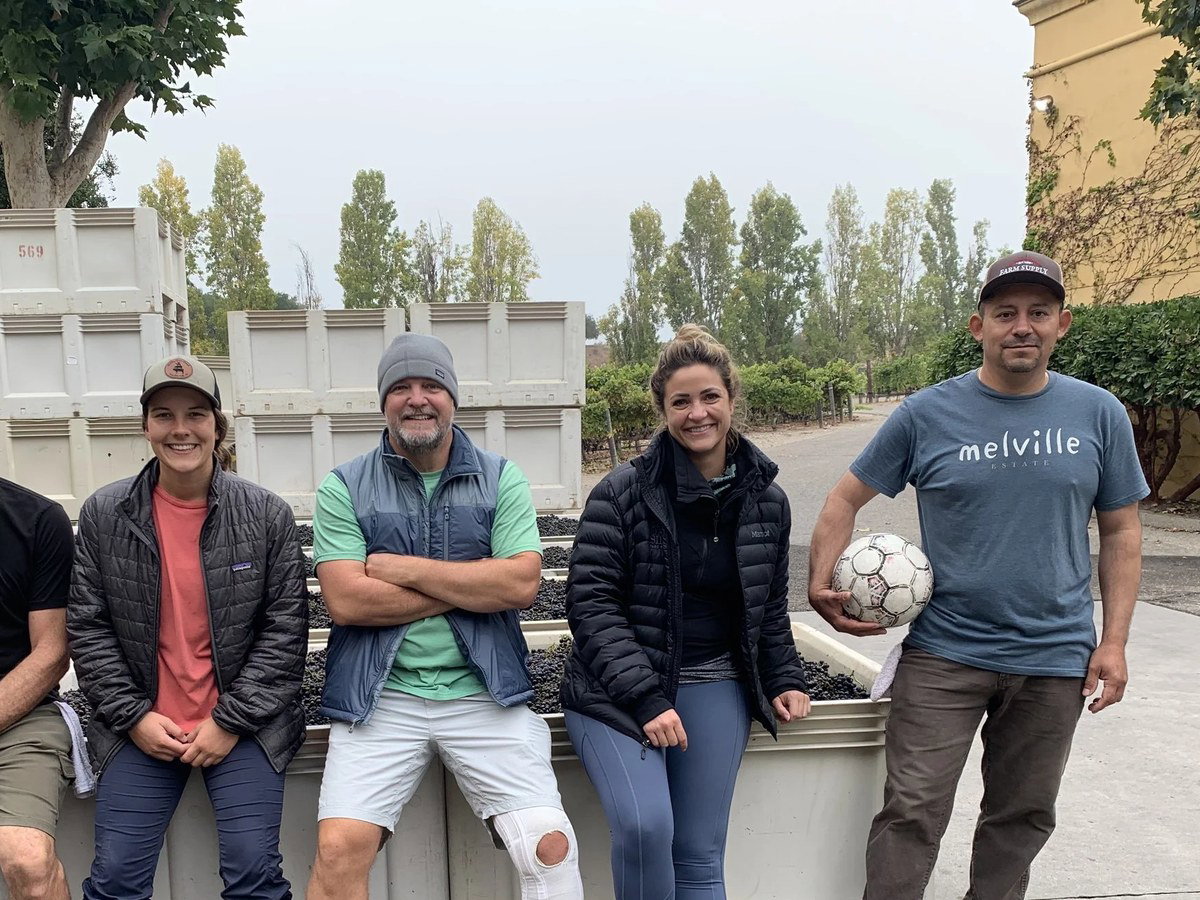
Melville's winemaking follows that same restraint. No new oak. Whole-cluster fermentation. Native yeasts. The goal, he says, is not to create but to capture. "Our job is to let the site speak," he explains. That philosophy keeps Melville's Pinot Noir selling for a fraction of comparable Napa or Burgundy bottlings while delivering the terroir expression European sommeliers prize. The wines show red fruit, cherry, cranberry, pomegranate, with mineral tension and bright acidity. They pair with food rather than dominating it. They age gracefully, taking on secondary complexity without losing freshness.
The organic certification matters not as a marketing point but as a farming commitment. Melville's 130 acres represent one of the largest certified-organic vineyard holdings in Sta. Rita Hills, a region where wind and fog create natural disease pressure that makes organic farming difficult. Choosing to farm organically signals a long-term investment in soil health and vine balance, the unglamorous, expensive work that shows up in the glass more often than in tasting-room copy. For collectors evaluating producers, it is a useful credential: organic certification in a cool, foggy region means the farming is dialed in.
James Ontiveros brings another view of terroir, shaped by nine generations of California agriculture. At Native 9, the focus is on expressing the specific parcels within Santa Barbara County that Ontiveros has spent decades learning.
The winery's name points to that generational continuity, a reminder that terroir is not only geology but also the accumulated knowledge of how to farm a place. Ontiveros's explanation of the region's tectonic history, the peninsula ripped from San Diego County and dragged 300 miles north, is not trivia.
It is the origin story of the soils his family has farmed for generations, the reason the dirt under his vines behaves the way it does.
What Melville and Ontiveros share is a devotion to site specificity over brand theater. Neither producer is chasing the 100-point score or the luxury-tier price point.
Both make wines that reflect the geological accident that created Santa Barbara County, wines that taste of the cold Pacific, calcareous soils, and long, fog-cooled growing season. That approach resonates with European sommeliers trained to evaluate wine through terroir rather than label prestige.
It also makes both producers smart buys for American collectors willing to look beyond the Napa-Sonoma duopoly and put money into wines that deliver complexity at accessible prices.
Santa Barbara's pricing reflects its place outside the luxury-wine ecosystem that drives Napa and Sonoma valuations. The region does not have the same trophy-winery infrastructure, architect-designed tasting rooms, celebrity winemaker consultants, or allocation waiting lists that signal prestige to many American collectors. That is part of the appeal. Without the overhead of luxury branding, Santa Barbara producers can price their wines around production cost and quality rather than brand equity. For collectors, that means access to terroir-driven wines at prices shaped by farming and winemaking, not marketing.
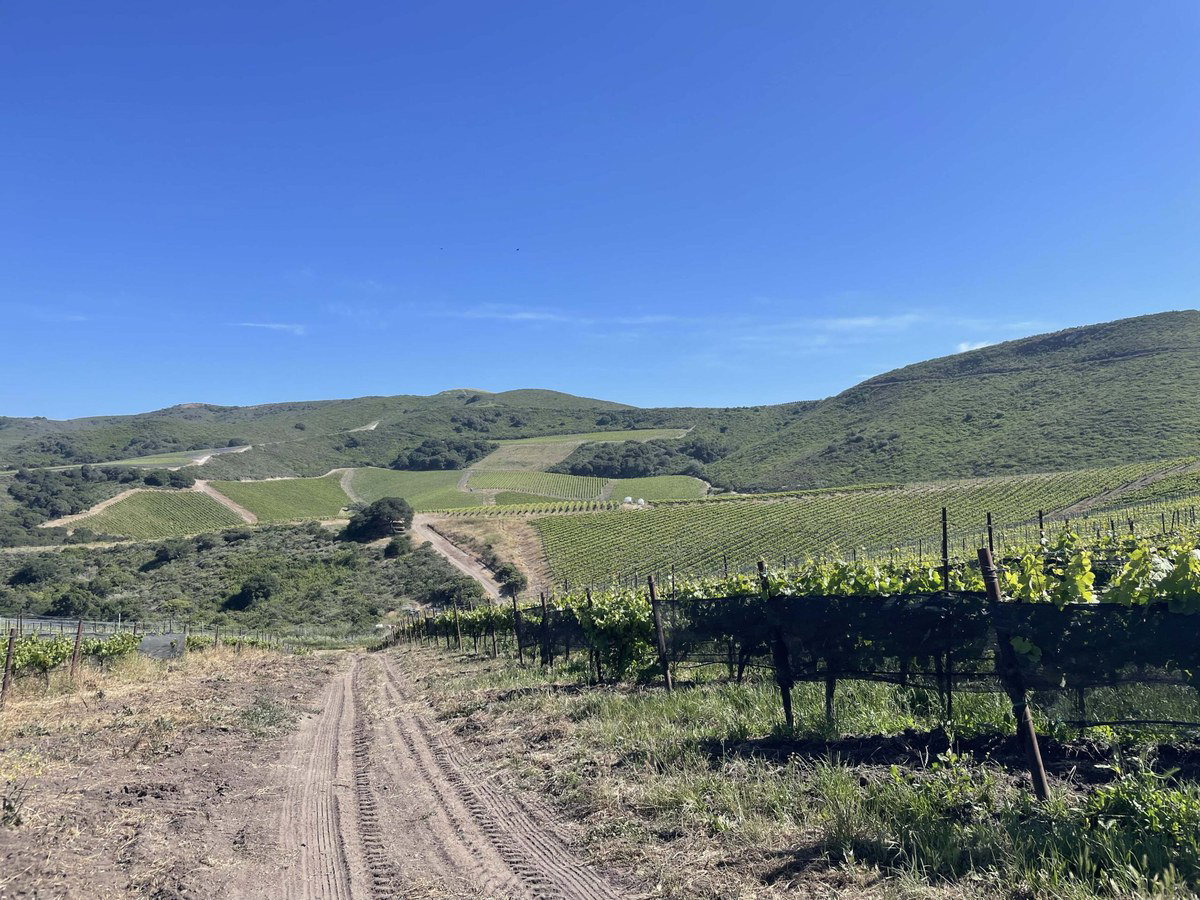
The risk, of course, is that American demand eventually catches up and the pricing adjusts. When that happens, and Carhartt's observation suggests it is a matter of when, not if, the value window closes. Collectors who recognize Santa Barbara's quality now, while the region remains undervalued domestically, will have cellars full of wines that deliver Burgundy-level complexity at half the cost. Collectors who wait for Wine Spectator covers and Parker scores to confirm what Copenhagen and London sommeliers already know will pay the corrected price.
The lesson is about how wine markets reward attention. American collectors can buy the same wines European sommeliers are buying, but many are still judging them through a different lens, one that prizes brand recognition and critic scores over terroir expression and food compatibility.
That lens works well enough for trophy bottles and investment-grade Bordeaux, but it can miss what Santa Barbara does so well. The region's wines do not always photograph neatly. They do not score as dramatically in blind tastings weighted toward power. They do not arrive with the prestige markers American buyers have been trained to seek.
But they taste like the place they come from, they pair with food, and they age gracefully. Those are the qualities European sommeliers have long been trained to recognize, and the qualities American collectors are slowly learning to value.
The timing matters. Santa Barbara County has produced high-quality wine for four decades, but the region built its reputation quietly, away from the media spotlight that lifted Napa and Sonoma. That is changing.
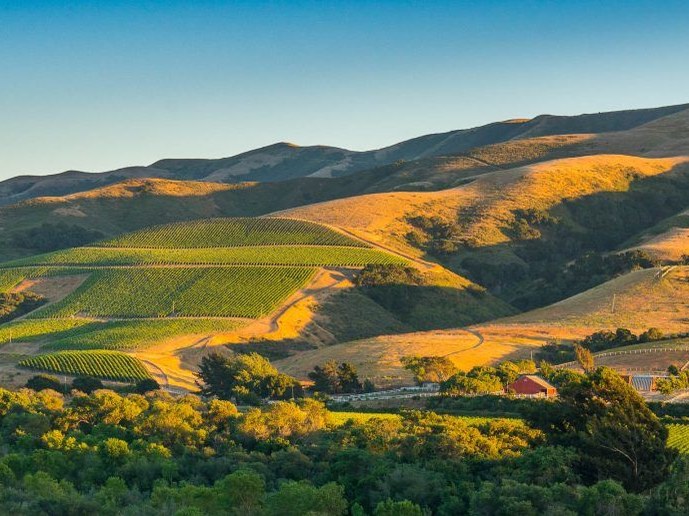
As American wine culture matures and collectors begin to prize terroir expression over brand prestige, Santa Barbara's cool-climate wines are gaining traction. The region's seven AVAs offer the kind of site-specific diversity that appeals to collectors looking for depth and complexity rather than a single signature style.
The farming is dialed in, and producers like Melville have spent decades learning how to work with the region's distinctive soils and climate. The winemaking is restrained, focused on capturing site character rather than imposing style.
The international validation is already there. Michelin-starred sommeliers in Copenhagen and London have stocked Santa Barbara wines for years, as Carhartt observes, because the wines deliver the balance and precision those programs demand. That is not hype. It is proof on the wine list. The question is whether American collectors will recognize the opportunity before the pricing corrects.
For collectors building cellars, Santa Barbara offers a rare combination: geological distinctiveness, producer credibility, international sommelier validation, and accessible pricing. The region's east-west valleys and cold Pacific currents create a terroir unlike anything else in California. Producers like Melville and Native 9 are farming organically and making wines that express that terroir with precision. European sommeliers have already voted with their wine lists. The pricing remains a fraction of comparable Burgundy, Napa, or Northern Rhône bottlings. That is the value, and the window will not stay open indefinitely.
The next time you are building an allocation list or planning a cellar purchase, keep Chase Carhartt's comment in mind: the world's most demanding sommeliers have already made up their minds about Santa Barbara County. The only question is whether American buyers will catch up before the market does.
Get the App
Take the shortlist into the En Primeur Club app for concierge access, saved places, and the next step after discovery.
Get Exclusive AccessMore from the editors