← Guides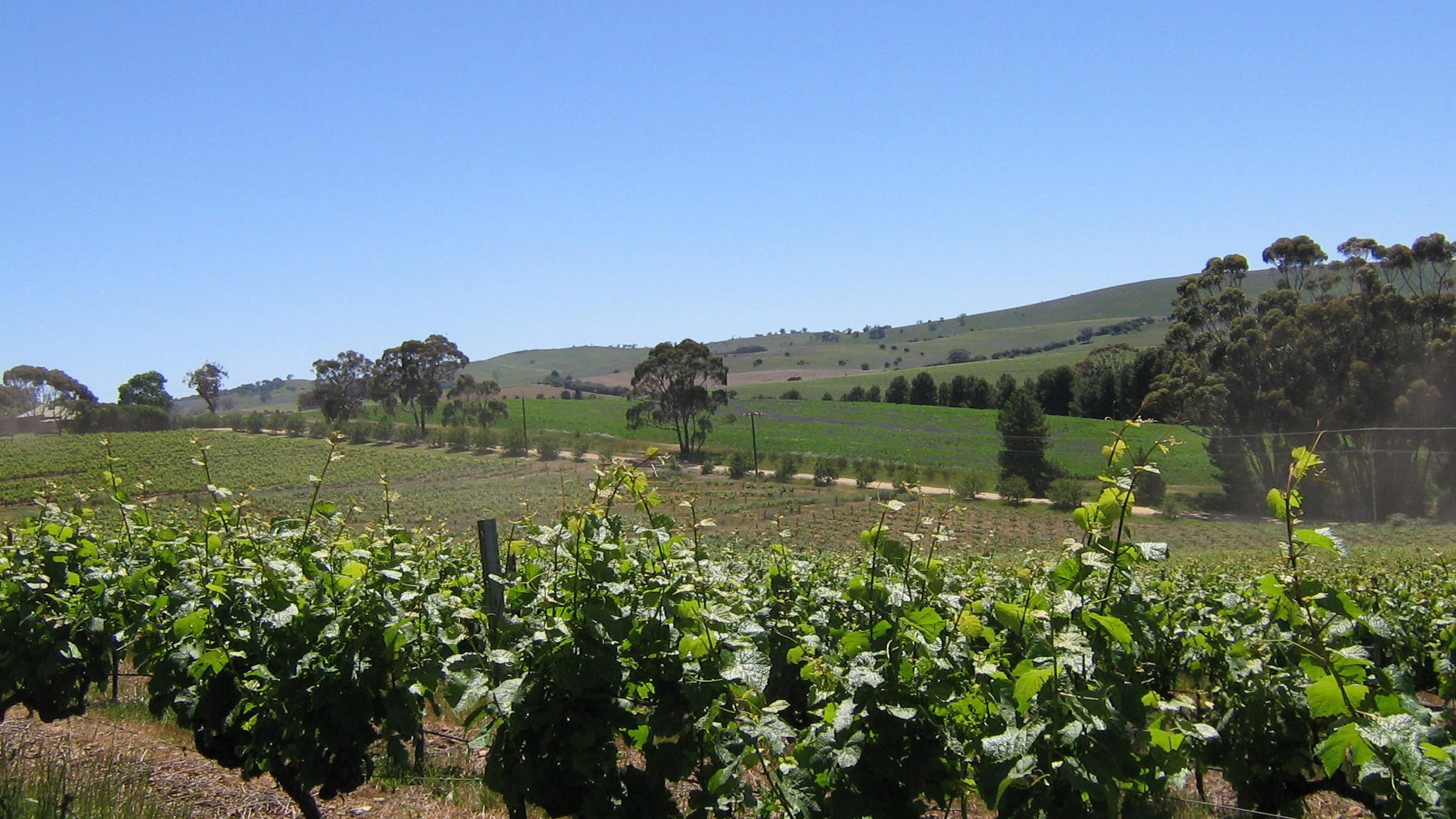
No website, no tasting room, no email — Wendouree has sold out every vintage since 1995 by doing nothing. Here's why collectors are obsessed.
No website, no tasting room, no email — Wendouree has sold out every vintage since 1995 by doing nothing. Here's why collectors are obsessed.
In 1995, a journalist filed a centennial feature on a quiet Clare Valley winery for the Australian Financial Review. The piece ran. The phones rang. And rang. And rang, until Lita Brady pulled the cord out of the wall. The phone company threatened her with a fine. Wendouree has sold out of every vintage every year since, without ever building a website, hiring a sales rep, or opening a tasting room. Mailing list price: approximately $75 a bottle. Access: a handwritten letter, sent by post, with no guarantee of a reply. That is the entire commercial operation, and it has worked without interruption for thirty years.
Alfred Percy Birks, A.P. Birks, established Wendouree in 1895 on the red ironstone soils of the Clare Valley, roughly two hours north of Adelaide. When he retired in 1917, his son Roly Birks took over and continued in the same unhurried manner, selling wines by horse and cart, by the cask, to Melbourne and other Australian cities. The label Roly used then is, in its essentials, the label on the bottle today: A.P. Birks rendered in the kind of unadorned typography that predates graphic design as a profession.
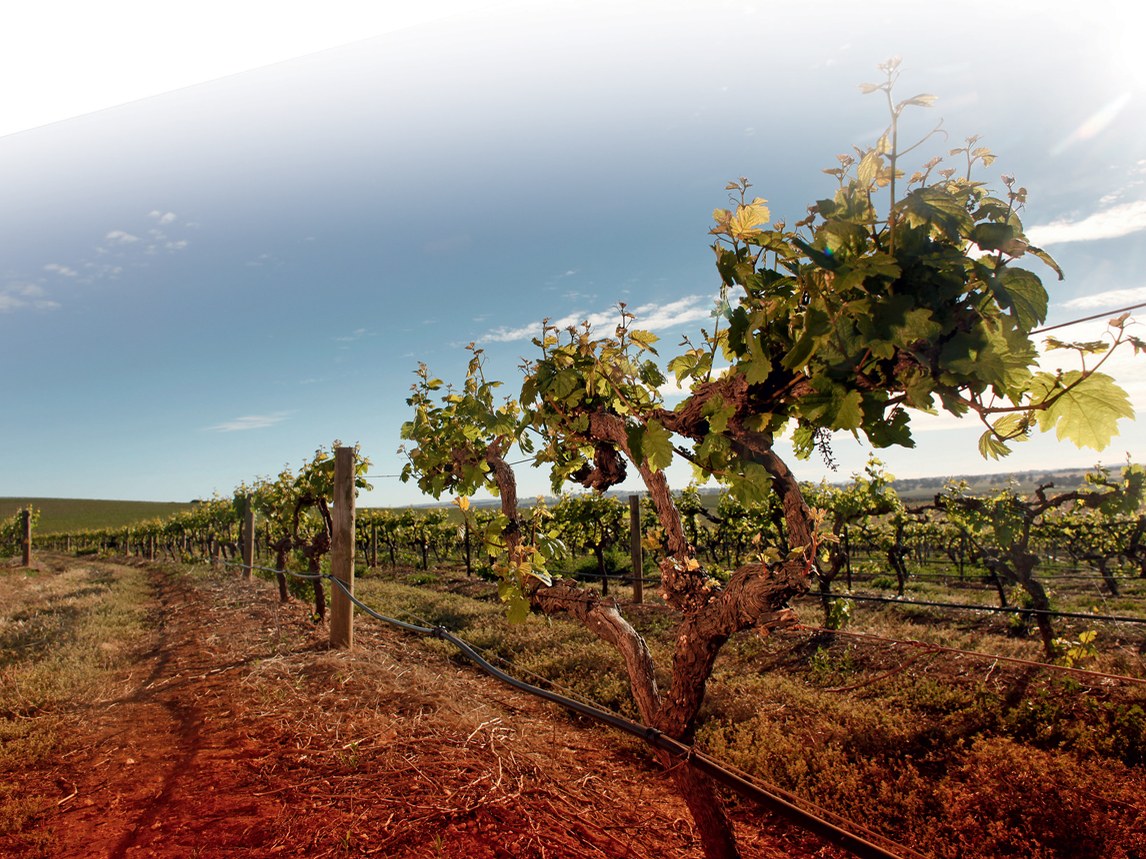
Tony and Lita Brady purchased the estate in the 1970s, and it is their stewardship that shaped the Wendouree cult wine story as collectors now know it. The original building still stands. The original equipment is still in use. Vines planted in the 1890s, among the oldest dry-grown material in South Australia, are still in the ground. As Wine Enthusiast Australia Reviewer Christina Pickard describes it, visiting Wendouree is like stepping back in time, because almost nothing has been changed.
The Bradys did not set out to build a cult. The 1995 Financial Review centennial article was not a PR exercise, it was a journalist's independent interest in a historic property. What followed was an accidental inflection point: demand that the Bradys had never sought and had no infrastructure to manage arrived all at once, and their response was not to scale up but to unplug.
"Lita told me that she actually pulled the phone cord out of the wall, and the phone company actually threatened her with a fine. They had so many people calling wanting wine, like wanting to get connected."
Christina Pickard, Wine Enthusiast Australia Reviewer1
From that centennial year forward, Wendouree has not had a single vintage left unsold. The mailing list, already small, already analogue, became the only path in. And the gates, for most people, have been effectively closed ever since.
Strip away the mystique and what you find at Wendouree is not a marketing strategy but an absence of one, and the two are not the same thing. There is no website. No email address. No distribution network. No sales staff. No tasting room. No tours. The Bradys have never employed a publicist. They have never, as far as the record shows, sought coverage.
Every winter, the winery hand-writes mailings to a few thousand customers and dispatches them by post. The customer fills out the order form and sends it back the same way. That is the entire commercial operation. No online cart, no allocation portal, no waitlist form, a posted letter, returned by post, in an era when most wineries have abandoned even their fax machines.
The decision to close to walk-in visitors after 1995 was not capricious. Pickard explains it plainly:
"They closed to the public after '95 because they just found that people were coming to the winery, buying the wines, and then reselling it, and they have always been big on wanting people to enjoy the wines themselves."
Christina Pickard, Wine Enthusiast Australia Reviewer2
That priority, wine in the hands of people who will drink it, not flip it, is the coherent thread running through every operational choice the Bradys have made. The snail-mail system is a friction mechanism as much as a logistical one. It selects for customers who are genuinely committed, who know what they want, who are prepared to wait for a handwritten letter and respond in kind. The casual speculator is filtered out by the inconvenience alone.
What the Bradys have built, whether deliberately or not, is a winery that operates entirely outside the attention economy. There is nothing to click, nothing to follow, nothing to share. The wine exists on its own terms, and the people who find it tend to stay found.
The Clare Valley's reputation rests almost entirely on Riesling, bone-dry, high-acid, lime-driven whites that age with a ferocity that surprises people who encounter them a decade or two after release. Wendouree produces none of it. The estate makes only red wines, a deliberate divergence from the regional canon that is itself a statement of intent.
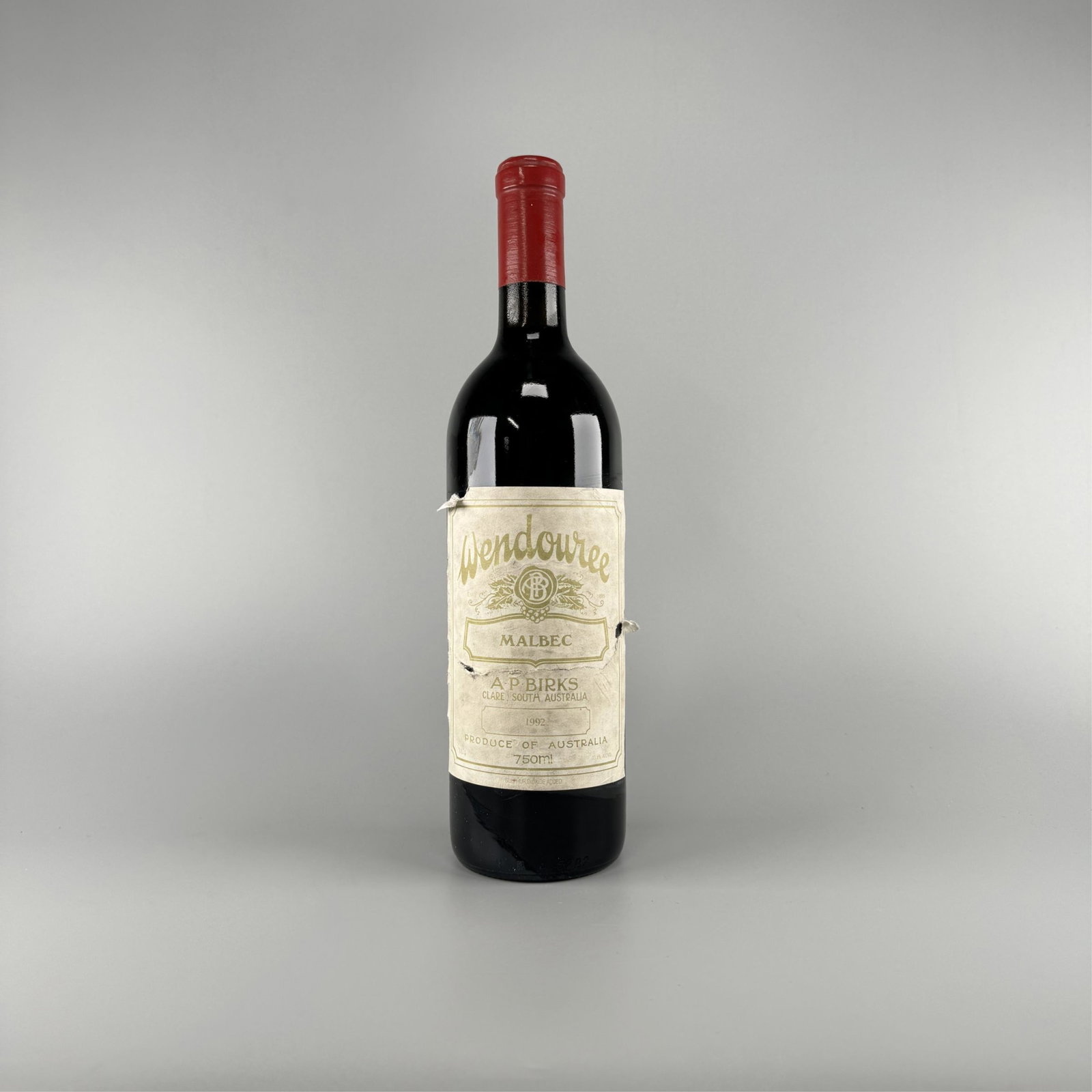
The portfolio draws on dry-grown old vines, some of them from those original 1890s plantings, across varieties that include Shiraz, Cabernet Sauvignon, Cabernet Malbec, Mataro, and Muscat of Alexandria. The Clare Valley's ironstone soils, its pronounced diurnal temperature shifts, and its continental climate with occasional sea breezes produce fruit with the kind of structural density that demands time. These are not wines built for early drinking. They are built for the back of a cellar, for patience, for the kind of collector who opens a bottle a decade after purchase and finds it has only just begun.
The 2022 Malbec, obtained through Paul Longbottom, then-owner of the SevenHill Hotel, in the kind of informal generosity that characterises the Clare Valley's wine culture, offered a direct glimpse of what the fuss is about: dark-fruited and herbal, supple, with tannins that carried weight without aggression. That a wine this structured at relative youth retails for approximately $75 on the mailing list is the detail that stops most collectors mid-sentence. The scarcity is not manufactured by price. It is manufactured by the size of the list and the winery's refusal to grow it.
The Clare Valley itself provides essential context for understanding why these wines age as they do. The region sits across five sub-regions and eleven distinct soil types, with soils that Christina Pickard describes as approximately 200 million years old.
The diurnal shifts, warm days, genuinely cool nights, preserve acidity in the fruit through ripening, giving the reds a backbone that outlasts most of their Australian counterparts.
Wendouree's dry-grown vines, stressed by the absence of irrigation across soils that were already ancient when the first vines were planted in the 1890s, produce small berries with concentrated flavour and the kind of tannin architecture that resolves slowly and completely.
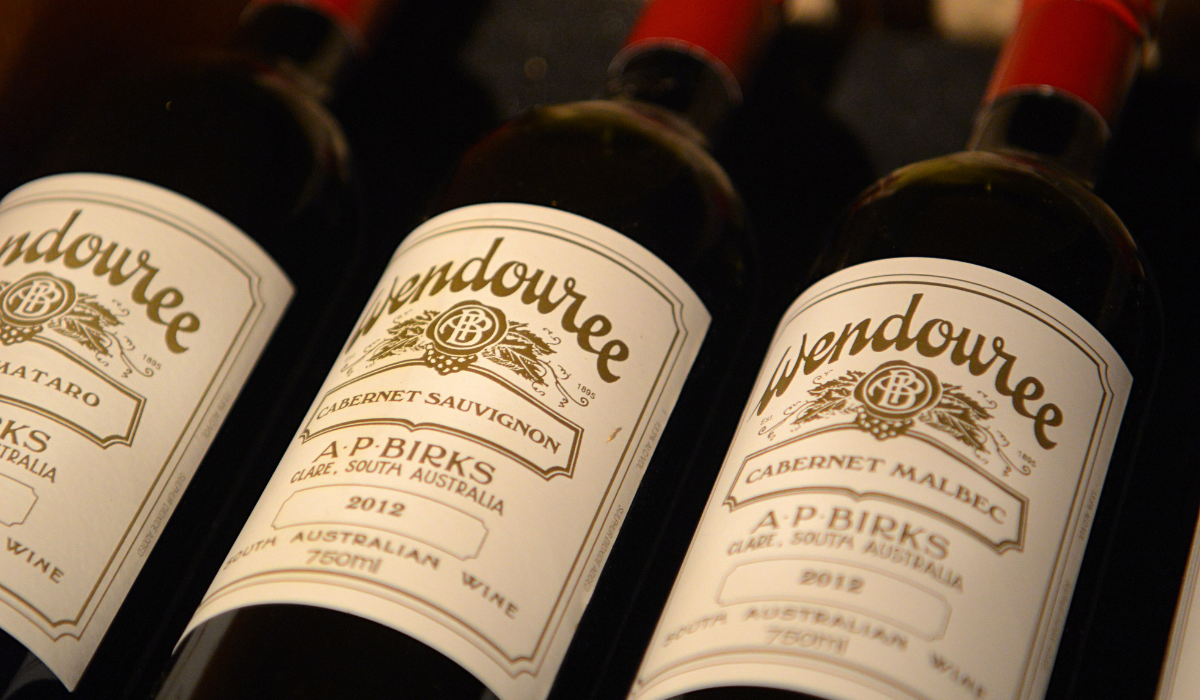
The label, unchanged from A.P. Birks's original design, carries its own message. It does not signal modernity. It does not signal approachability. It signals that the wine inside has been made the same way, in the same place, by people who have not been persuaded that change is improvement.
The honest answer is: with difficulty. The mailing list is not publicly open. There is no application form, no website through which to register interest, no email address to which you can write. The path in is a physical letter sent to the winery's Clare Valley address, and even that is no guarantee of a place on the list. For most collectors, the wait is measured not in months but in years, if it comes at all. Christina Pickard puts the timeline in perspective: she suggests the wait for a Wendouree mailing list place is probably longer than the decade-plus required for Screaming Eagle.
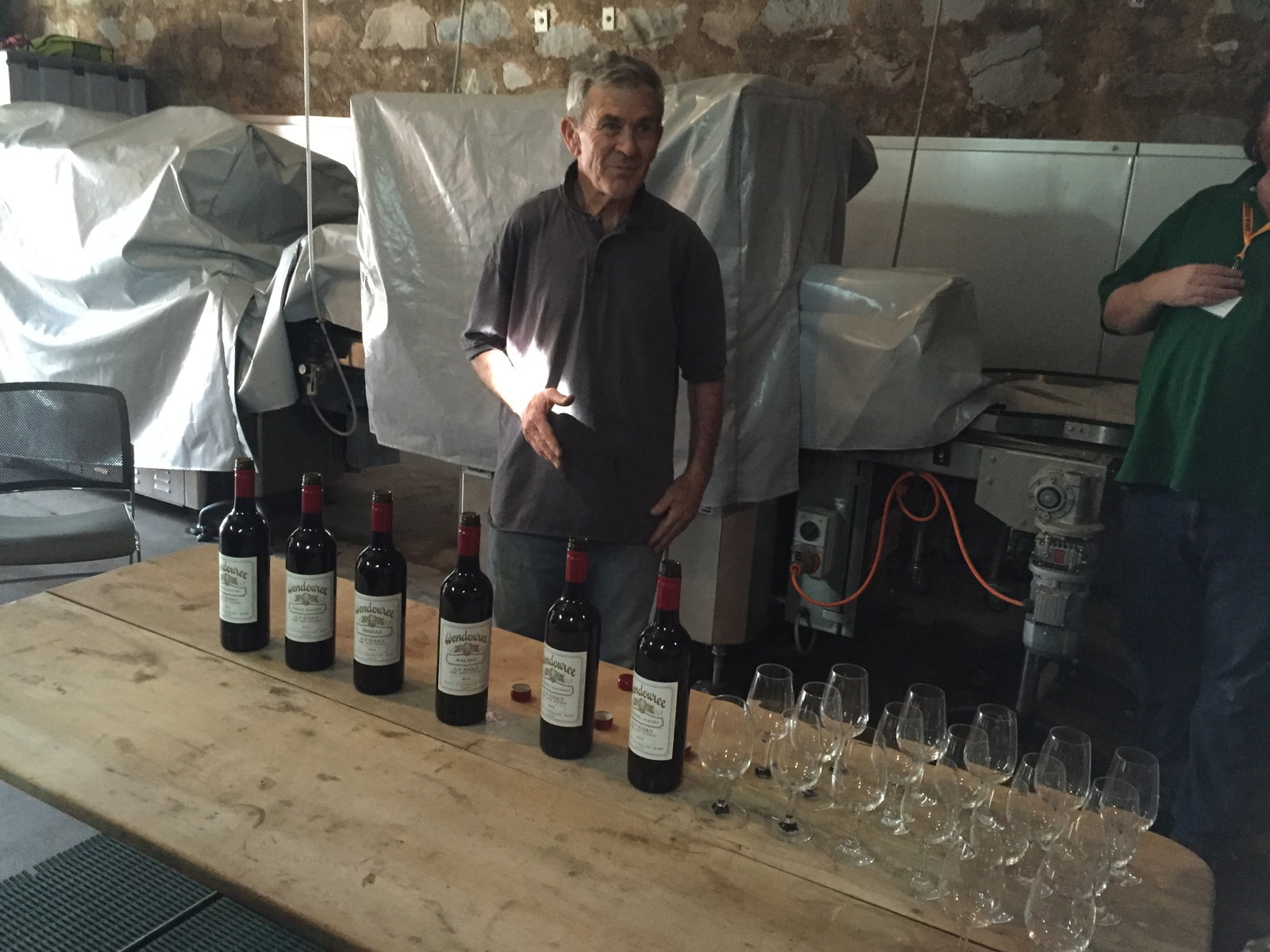
For those already on the list, the economics are, by the standards of cult wine, almost startling. At approximately $75 a bottle, Wendouree sits at a price point that most serious collectors can absorb without deliberation. Compare that to Screaming Eagle, the Napa Valley cult benchmark, where bottles sell for thousands of dollars directly from the winery, and a 1992 vintage reportedly fetched $500,000 for a single bottle at a Napa auction. Wendouree does not operate in that register. The Bradys have never priced the wine as a trophy. They have priced it as wine.
The secondary market, Australian auction houses, primarily, is the realistic access point for most buyers who want a bottle now rather than a place in a queue. Wendouree does appear at auction, despite the winery's clear preference that bottles reach drinkers rather than speculators. The auction route carries the usual premiums and the usual uncertainties about provenance and storage, but for collectors outside the mailing list, it is the primary option.
If you are serious about pursuing a mailing list place, the approach is direct in principle and slow in practice: write to the winery. Be patient. Understand that the Bradys are not withholding access out of commercial calculation, they are managing a genuinely finite resource with a customer base that already exceeds supply. The snail-mail system is not an affectation. It is how they have always done it, and they have no plans to change.
The Clare Valley itself rewards a visit regardless of whether you can secure a Wendouree bottle. The region's cellar door culture, concentrated across those five sub-regions, with producers working across eleven soil types, offers particularly honest wine hospitality in South Australia. And the SevenHill Hotel, where Paul Longbottom once kept a bottle of the 2022 Malbec behind the bar for a visiting journalist, is the kind of place where the right conversation at the right moment can still produce the unexpected.
There is a version of this story in which Wendouree's deliberate obscurity is simply the accidental byproduct of a family that prefers quiet to noise, and that version is probably true. But the effect, whether intended or not, is that Wendouree has built among the more recognisable names in Australian wine without a marketing budget, a tasting room, or a single press release.
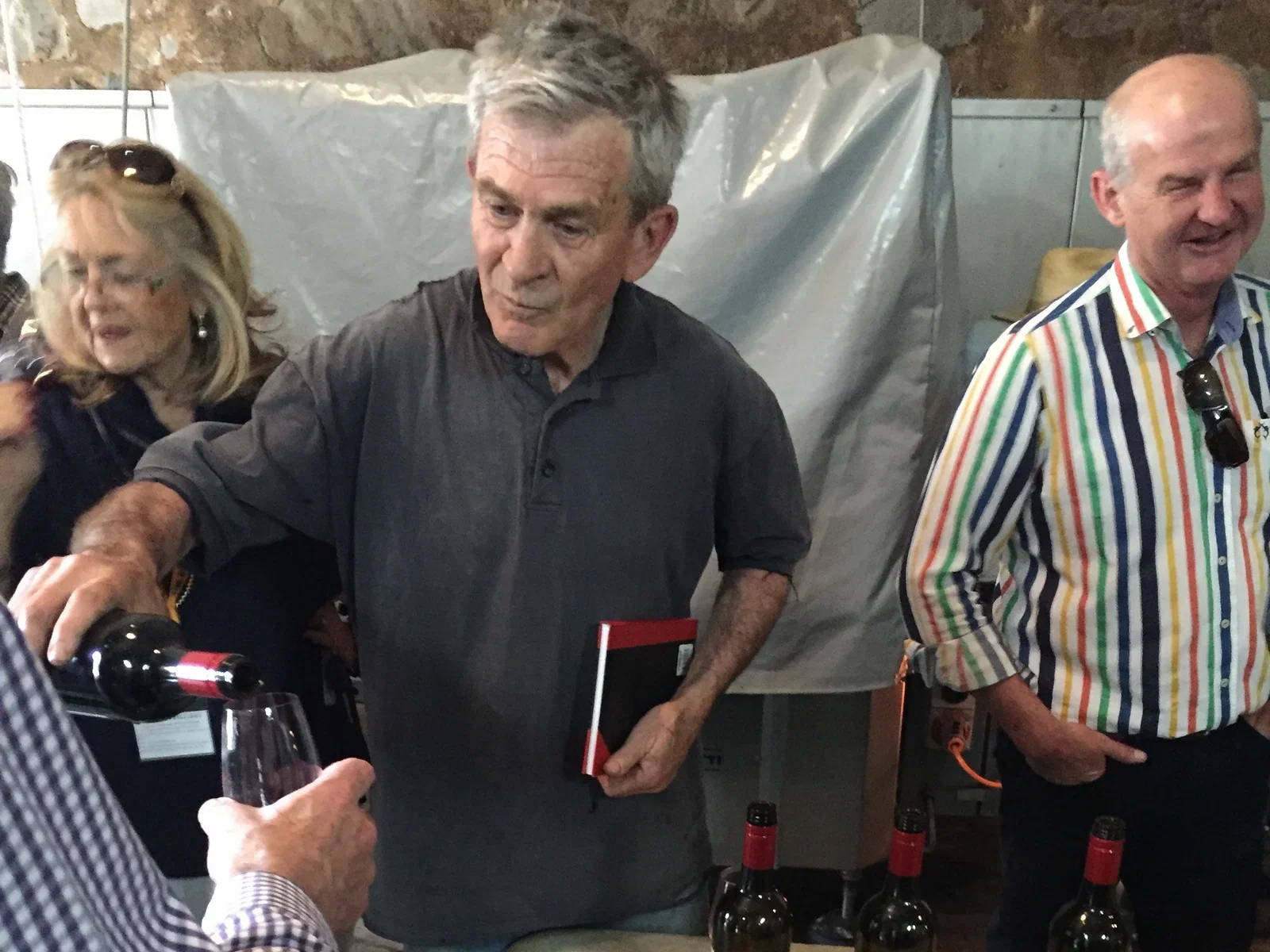
Scarcity, in wine as in most things, is a multiplier. When access is genuinely limited, not artificially throttled for marketing effect, but structurally constrained by the size of the mailing list, the volume of production, and the winery's refusal to expand either, the value of what exists increases without any promotional effort. Every person who cannot get a bottle tells the story of why they cannot get a bottle, and that story does more promotional work than any campaign could. The harder Wendouree is to find, the more people talk about finding it.
The comparison to Screaming Eagle is instructive precisely because it breaks down so quickly. Both wineries share the surface features of cult status: no tasting room, no tours, no email, allocation by mailing list only, demand that vastly exceeds supply. But Screaming Eagle is priced as a luxury object, thousands of dollars off the mailing list, a secondary market that reaches into the hundreds of thousands for a single bottle. The mystique there is inseparable from the price. The inaccessibility is part of the product.
Wendouree's mystique operates differently. At $75 a bottle on the mailing list, the wine is not priced out of reach for the collector who manages to secure a place. The inaccessibility is not financial, it is logistical, procedural, and temporal. You cannot buy your way in. You can only wait, and write, and hope. That dynamic produces something closer to obsession than admiration: not the reverence of the trophy hunter, but the quiet persistence of someone who found something they were not supposed to find and has been trying to find it again ever since.
Christina Pickard puts it directly: Wendouree is a cult winery in the way she would want all cult wineries to be. The wine is the point. The obscurity is not a brand strategy, it is a consequence of caring about the wine more than the brand. And in an industry that has spent thirty years learning to manufacture mystique, a winery that simply makes the wine and goes home is the rarest thing of all.
The Bradys have not changed the label. They have not built a website. They have not hired anyone to manage the story. The story manages itself, passed from table to table, from cellar door to cellar door, from one Clare Valley conversation to the next, the way wine stories always travelled before anyone thought to put them on the internet. Whether the next generation of collectors will find their way to a posted letter and a patient wait is the only open question Wendouree's story has left to answer.
Get the App
Take the shortlist into the En Primeur Club app for concierge access, saved places, and the next step after discovery.
Get Exclusive AccessMore from the editors