← Guides
Planning a Visit to Krug in 2026 Krug does not operate a public tasting room. There is no walk-in cellar door, no open-house weekend, and no booking widget sitting on the homepage.
Planning a Visit to Krug in 2026 Krug does not operate a public tasting room. There is no walk-in cellar door, no open-house weekend, and no booking widget sitting on the homepage.
Krug does not operate a public tasting room. There is no walk-in cellar door, no open-house weekend, and no booking widget sitting on the homepage. Krug's Reims maison receives visitors strictly by private appointment, and those appointments are, in practice, extended to trade contacts, journalists, and collectors who already have a relationship with the house or arrive through a luxury travel specialist. Access is genuinely difficult, and the route that works is almost always indirect. The clearest path in 2026 is through a specialist wine travel agency or a concierge service with an existing Krug contact, not through a cold email to the maison, as the house does not accept walk-in requests and requires reservations well in advance.1
Krug produces across a handful of cuvées, Grande Cuvée, Rosé, Vintage, Collection, and the single-vineyard Clos du Mesnil and Clos d'Ambonnay, but the house is small by Champagne standards. The winemaking team is compact, the cellars on the Rue Coquebert in Reims are working production spaces, and the house has never positioned itself as a visitor destination in the way that Moët & Chandon or Taittinger have with their public tours. Krug's identity is built around the wines themselves and the private relationships the house cultivates with its most committed drinkers. Krug no longer gives private tours to the general public,2 opening the doors to general tourism would dilute exactly the exclusivity the house trades on.
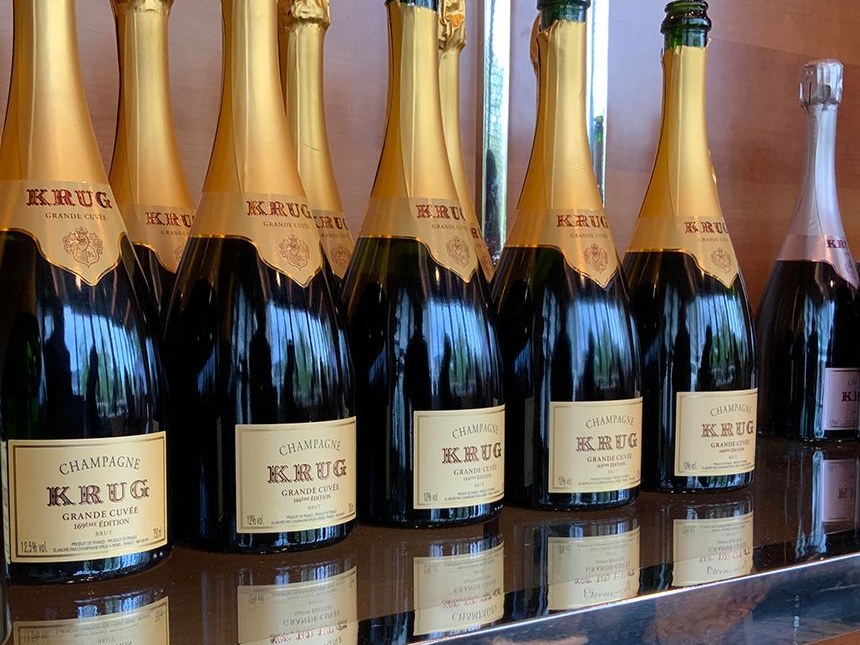
The result is a visit list that is effectively curated. Confirm directly with the maison or your travel specialist before building an itinerary around a specific date.
The house does not operate on a fixed "appointments open X days in advance" model that can be cited here with confidence. What is documented is that requests typically flow through one of three channels: direct outreach to the maison's hospitality contact, reachable by telephone at +33 03 26 84 44 20 or through the official website,3 through LVMH's broader hospitality network, or through specialist wine travel agencies that hold standing relationships with the house.
Treat any Krug visit as requiring substantial advance notice, and confirm current availability directly with Krug before planning travel. Harvest season (September and October) is significantly harder; treat that window as effectively closed to new requests unless you have an existing relationship. This is editorial judgment based on how comparable Champagne maisons operate, not a published Krug policy.
Specialist wine travel agencies. This is one reliable route for collectors without a pre-existing trade relationship. Agencies such as Arblaster & Clarke, Cellar Tours, and Grape Escapes have established contacts at Champagne houses and can request appointments on your behalf. They typically bundle the Krug visit into a broader Champagne itinerary, which also improves the odds, since the house is more likely to accommodate a curated group than a single cold inquiry.
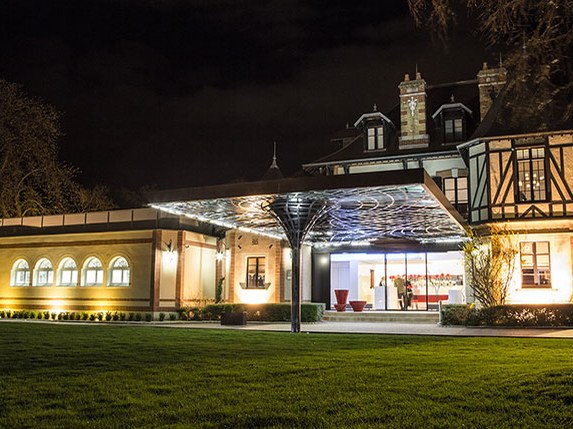
Direct contact with the maison. If you have a genuine collector's history with Krug, meaning you buy regularly through a merchant who can vouch for you, or you have attended Krug events previously, a direct email to the hospitality team is worth attempting. Do not expect a rapid response during busy periods.
Luxury hotel concierges in Reims. The Domaine Les Crayères, a two-Michelin-star property in Reims, has longstanding relationships with the Champagne houses and can sometimes facilitate introductions. This is not a guaranteed route, but it is one that well-connected concierges have used successfully for guests staying multiple nights.
LVMH hospitality programs. As part of the LVMH portfolio, Krug occasionally participates in group hospitality events organized through the conglomerate's broader network, typically for high-net-worth clients of partner brands. This is not a route you can engineer directly, but it is worth knowing that it exists if you have existing LVMH relationships.
The patient route costs less but requires lead time and relationship-building: cultivate a merchant relationship, buy Krug regularly, attend house events when they appear in your market, and make a direct request with a credible introduction. This can take months or years to yield a visit, but the experience, when it arrives, tends to be more personal.
The faster route is to book through a specialist wine travel agency and pay for a curated Champagne itinerary. Agencies such as Arblaster & Clarke offer multi-day Champagne tours that include maison visits; pricing for these programs varies by group size and itinerary scope, confirm current costs directly with the agency. Neither route carries a published per-visit fee from Krug itself; the house does not charge a public tasting fee in the way that, say, a Napa winery might.
For most collectors, the more pressing access question is not the visit, it's the wine. Krug's top cuvées, particularly Clos du Mesnil and Clos d'Ambonnay, are produced in small quantities and allocated almost entirely through the trade.
Clos du Mesnil, sourced from a single walled vineyard in Le Mesnil-sur-Oger, is released only in years when the harvest meets the house's standard, which means some vintages simply don't exist. These bottles reach collectors primarily through fine wine merchants with Krug allocations; building a purchase history with a specialist merchant (Berry Bros.
& Rudd, Justerini & Brooks, or Hedonism in London; Zachys or Acker in the US) is a reliable way to be offered bottles when a new release lands.
Grande Cuvée, the house's non-vintage multi-year blend, is more accessible, it appears on restaurant wine lists and through most fine wine merchants, but even here, specific éditions (each release carries an édition number reflecting the youngest base wine) sell through quickly. Tracking release announcements through merchants' mailing lists is the practical move.
| Maison | Public Access | Booking Route | Relative Cost | Lead Time |
|---|---|---|---|---|
| Krug | Private appointment only | Direct / specialist agency | N/A (no published fee) | Unconfirmed, verify with maison |
| Taittinger | Public tours available | Book via Taittinger website | € (published tour pricing) | Days to weeks |
| Moët & Chandon (Épernay) | Public tours available | Book via Moët website | €, €€ | Days to weeks |
| Salon (Le Mesnil-sur-Oger) | Trade/press only | Introduction required | N/A | Months; relationship-dependent |
| Billecart-Salmon (Mareuil-sur-Aÿ) | Private visits available | Direct request / agency | N/A (no published fee) | N/A, confirm with maison |
Taittinger and Moët & Chandon both operate public cellar tours in Reims and Épernay respectively, bookable online, no relationship required, and genuinely impressive in terms of the chalk crayères you walk through. They are not Krug, but they are one accessible way to understand the physical reality of Champagne production at scale.
Billecart-Salmon in Mareuil-sur-Aÿ sits closer to Krug's register, a family-owned house with serious Pinot Noir-driven cuvées, a willingness to receive collectors by appointment, and a less forbidding access threshold. A direct email to the house with a genuine expression of interest in the wines has a reasonable chance of yielding a visit.
Salon, the single-vineyard, single-vintage, single-grape blanc de blancs house in Le Mesnil-sur-Oger, is if anything harder to visit than Krug, but worth knowing about as the spiritual peer. Access is trade and press only; the wines are produced only in declared vintages (verify the recent release with the house or your merchant), and they sit alongside Krug's Clos du Mesnil in terms of rarity and critical standing.
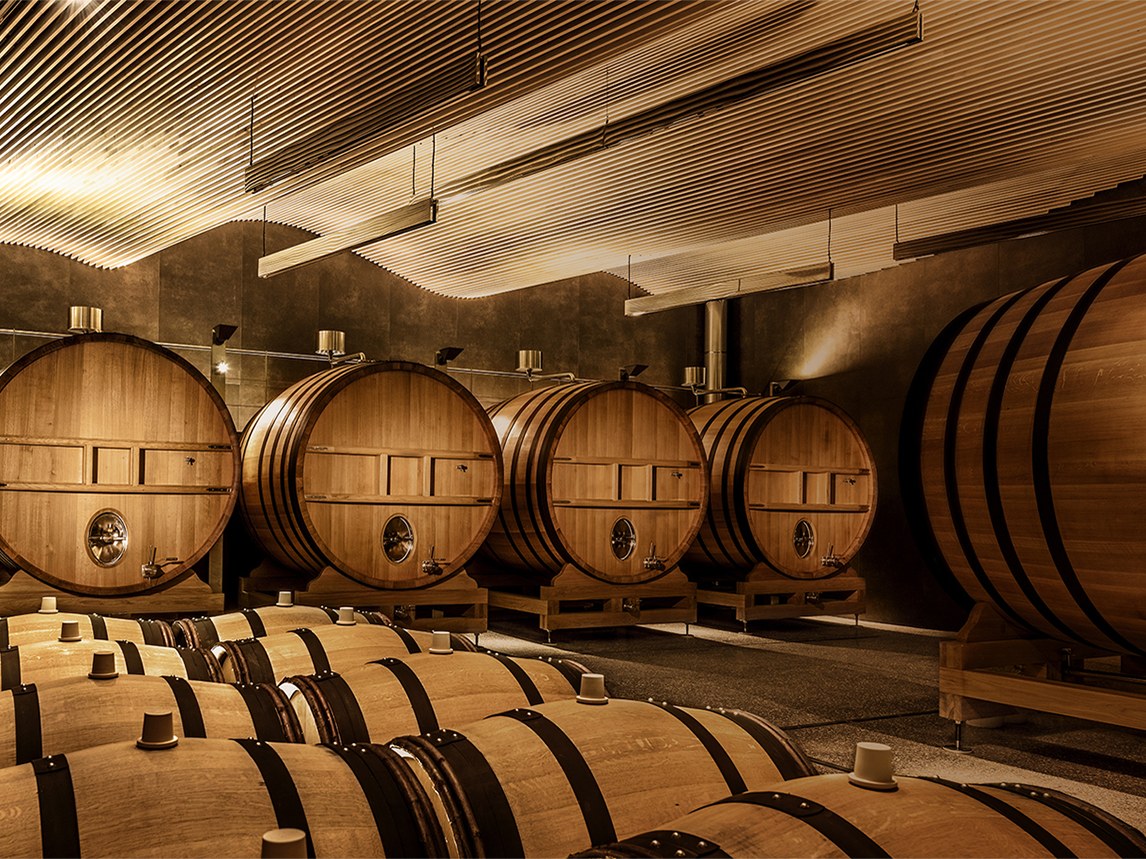
The Krug maison sits on the Rue Coquebert in central Reims, a short walk from the cathedral. The building is not a showpiece château, it is a working house, and the visit reflects that. A visit includes a personalized welcome, a discovery of the house and cellars, and a tasting called the 'Journey into the Krug Universe',4 structured around the house's history and the wines themselves. Appointments typically begin in the reception rooms, where archival materials lay out the house's history: the notebooks kept by the house's founder from 1848 onward, recording each blend in meticulous detail, are central to the house's identity and usually feature in the introduction.
The cellar walk takes you through the chalk galleries where the wines age on lath, the same crayères that run under much of Reims, carved by the Romans. What distinguishes the Krug cellar experience from a public tour elsewhere is the conversation: visits are led by a member of the house team, and the format is closer to a private tasting than a guided tour. You are expected to engage with the wines, not just observe them.
The tasting itself typically covers Grande Cuvée alongside one or two additional cuvées depending on what the house chooses to pour, Rosé, a current Vintage, or occasionally a Collection bottle (older vintages released after extended aging). What is poured varies by appointment type and the relationship the visitor has with the house. A typical Krug tasting runs between ninety minutes and two hours.1
The crowd in the room, on a private appointment, is typically small, often just your own party plus a house representative. This is not a group tour with strangers; it is closer to a private audience. The other visitors you might encounter are likely to be trade buyers, journalists, or collectors with similar levels of engagement with the wines. The atmosphere is quiet and focused rather than theatrical.
A Krug appointment makes most sense for collectors who already drink the wines seriously and want to deepen their understanding of the blending philosophy, particularly the multi-vintage approach behind Grande Cuvée, which draws on reserve wines going back decades. It is also a natural anchor for a broader Champagne trip that includes visits to grower producers in the Côte des Blancs or the Montagne de Reims.
It is not the right choice for someone new to Champagne who wants an accessible introduction to the region. The public tours at Taittinger or Moët deliver that more efficiently and without the access friction. Krug rewards visitors who arrive with questions, about the 2008 Vintage versus the 2012, about the logic of blending across more than a hundred reserve wines, about why Clos du Mesnil was not declared in certain years. Come with that level of engagement and the appointment justifies the effort required to secure it.
For a special occasion, a significant birthday, an anniversary, a milestone that warrants a genuinely private and unhurried experience, the Krug visit, if you can arrange it, is one of the few Champagne experiences that feels proportionate to the occasion.
Krug does not make this easy, and that is deliberate. The house has no interest in volume tourism, and the visit experience reflects that, it is private, focused, and calibrated to people who already care deeply about the wines. If you have the patience to build the relationship or the budget to engage a specialist agency, the appointment delivers something that a public cellar tour cannot: an uninterrupted conversation about one of Champagne's most intellectually serious blending philosophies, in the rooms where it happens.
The allocation list is the only route that reliably works for the wines themselves, build merchant history now, before the next Vintage or Collection release lands. For the visit, the specialist agency route is one dependable path for collectors without existing trade connections; direct outreach works, but only with patience and a credible introduction.
For most enthusiasts, the Grande Cuvée on a well-chosen restaurant list, paired with something from the kitchen that deserves it, remains one accessible and repeatable way to engage with what Krug actually does. The visit is worth pursuing, but the wine has always been the point, and that priority is unlikely to change.
No. Krug does not operate a walk-in cellar door or public tasting room. The maison on the Rue Coquebert in Reims receives visitors by private appointment only. Arriving without a confirmed appointment is unlikely to yield access. Plan ahead through a specialist wine travel agency or direct contact with the house.
Based on how comparable Champagne maisons operate, a meaningful buffer is advisable during quieter periods; harvest season (September, October) is significantly harder. Confirm current availability directly with the maison before building travel plans around a specific date.
If you book through a specialist wine travel agency, the cost is typically bundled into the broader tour pricing. Confirm any costs directly with the house or your agency at the time of booking.
The tasting format is not fixed and varies by appointment type and the visitor's relationship with the house. Grande Cuvée is typically included; additional cuvées, Rosé, a current Vintage, or a Collection bottle, may be poured depending on what the house chooses to present.
Both cuvées are produced in small quantities and allocated primarily through fine wine merchants. Building a purchase history with a specialist merchant, Berry Bros. & Rudd, Justerini & Brooks, or Hedonism in London; Zachys or Acker in the US, is one reliable route to being offered bottles when a new release lands. The secondary market (auction houses including Christie's Wine, Sotheby's Wine, and Hart Davis Hart) is the fallback when merchant allocations are exhausted, though prices on the secondary market reflect the scarcity.
Get the App
Take the shortlist into the En Primeur Club app for concierge access, saved places, and the next step after discovery.
Get Exclusive AccessMore from the editors