← Guides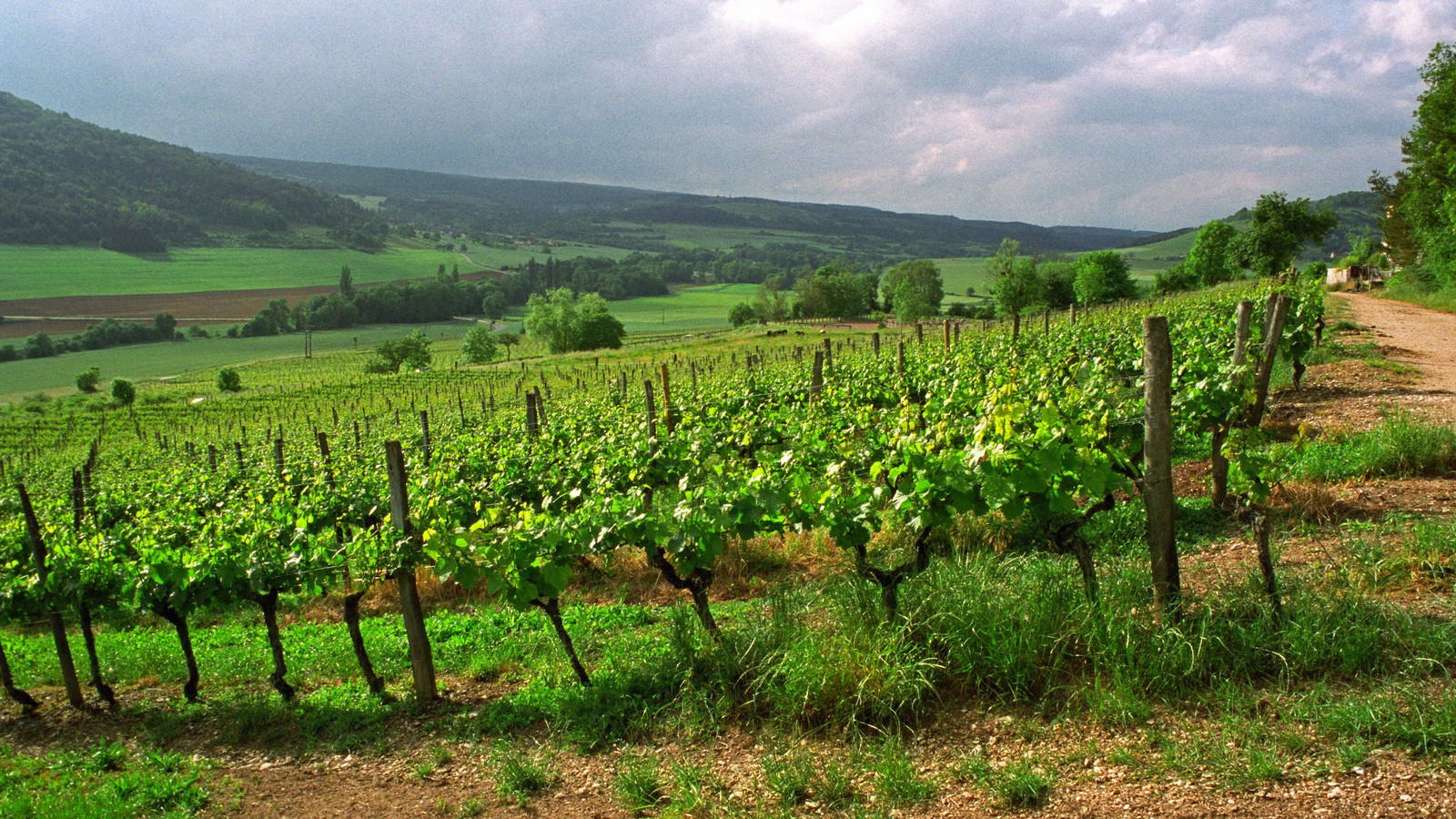
Four emerging Burgundy producers to know now, from Bastian Wolber’s seven acres to Domaine Dandelion’s 1944 Aligoté vines.
Four emerging Burgundy producers to know now, from Bastian Wolber’s seven acres to Domaine Dandelion’s 1944 Aligoté vines.
Next generation Burgundy is being defined by small-scale producers whose routes into the region run through Meursault cellars, Jura harvests, Australian technique, and family parcels now handled with a lighter hand. Sommeliers have identified 10 producers leading this next wave; among them, Bastian Wolber, Charles Boigelot, Domaine Dandelion, and Domaine de Cassiopée show why the conversation has moved beyond famous labels and into cellars where whole clusters, lees contact, used oak, and inherited vineyards matter. Alicia Kemper, owner of Buvons in Long Beach, put the mood neatly: "[This is] a Burgundy that feels less concerned with upholding recent ‘tradition’ and more focused on capturing a moment in time," said Alicia Kemper.1 For collectors and restaurant-list hunters, the signal is clear: the names below are not alternatives to Burgundy’s great domaines, but proof that Pinot Noir and Chardonnay still have room for new accents in a region shaped by centuries of terroir talk.
| Producer | Village/Appellation | Style/Focus | Why Track / Notable |
|---|---|---|---|
| Bastian Wolber | Côte de Nuits and Côte de Beaune | German-born, non-dynastic route with experience through Domaine Leflaive, Rudolf Trossen, Jean-Marc Dreyer, and Jean-François Ganevat, plus fruit from the Savoie, Baden, and Alsace; later worked alongside Jean-Yves Bizot | A résumé connecting canonical Burgundy, natural-leaning German and Alsatian experience, and Jura influence, now anchored by seven acres of Côte d'Or holdings; watch for the tension between precision and movement |
| Charles Boigelot | Meursault | Fifth-generation son who macerates reds in whole clusters, gives whites lees contact during fermentation, presses slowly and gently, ages in used oak, and works with the lunar calendar; trained at Domaine Coche-Dury and Domaine Paul Pillot | Meursault continuity under active revision on a 22-acre family estate, using inheritance as a launch point rather than a script |
| Domaine Dandelion | Hautes-Côtes de Beaune | Light-handed cellar work with a hint of whole-cluster, carbonic maceration; established by Morgane Seuillot in 2016 with Christian Knott, formerly head winemaker at Domaine Chandon de Briailles | Old-vine Aligoté planted in 1944 across six parcels and about 10 acres; a reason to look beyond Chardonnay and Pinot Noir and the familiar village hierarchy |
| Domaine de Cassiopée | Southern Côte de Beaune | Cool-climate intent yielding fresh, lifted wines; led by Hugo Mathurin and Talloulah Dubourg, who trained at Benjamin Leroux, Jacques-Frédéric Mugnier, and Jean-Marc Roulot | Stylistic clarity from a site selected, not just inherited, to suit the wines they want to make; one for lists already interested in newer Burgundy producers |
Bastian Wolber’s Burgundy story begins away from Burgundy: a German native, an economics degree that did not hold him, a brother named Christoph already moving through the region, and a bottle of Ganevat that changed the direction of his life. That bottle matters because Wolber’s route into wine was not dynastic. It was chosen. The result is a producer whose standout is not a single inherited climat, but a chain of experience that runs through Domaine Leflaive, Rudolf Trossen, Jean-Marc Dreyer, and Jean-François Ganevat.
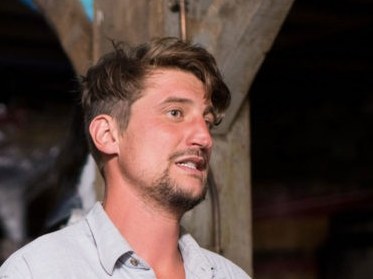
Wolber worked the 2019 harvest with Jean-François Ganevat before a mid-harvest accident cut the experience short. The interruption did not stop the project. Nikita Malhotra, partner and wine director at Smithereens in the East Village, said, "He set about purchasing fruit from trusted friends in wildly disparate regions like the Savoie, Baden, and Alsace".2 That line is a useful key to his wines: Burgundy may be the address that draws the collector’s eye, but Wolber’s sensibility has passed through other regions, other textures, other ideas of ripeness and restraint.
He later returned to Burgundy, began working alongside Jean-Yves Bizot, and has acquired seven acres across Côte de Nuits and Côte de Beaune. In a region where land access shapes every ambition, seven acres is not a throwaway detail; it is the practical foundation of a voice. For the next generation Burgundy drinker, Wolber belongs on the watchlist because his résumé connects canonical Burgundy, natural-leaning German and Alsatian experience, Jura influence, and Côte d’Or holdings in one biography. Look for the tension between precision and movement rather than a facsimile of an established house style.
Who is this for? The diner who scans a Burgundy list past the grand names and asks the sommelier what has just arrived in too few bottles. The collector who cares less about owning the obvious label and more about tasting a young producer before the name hardens into allocation politics. Wolber’s appeal sits in that moment before consensus.
Charles Boigelot brings a different kind of charge: not the outsider’s circuitous route into Burgundy, but the pressure and privilege of a family name. He is the son of Eric Boigelot and the fifth generation of winemakers in the Boigelot family. The standout is Meursault continuity under active revision, a 22-acre family estate, a returning son, and a cellar vocabulary that does not simply repeat the previous generation’s grammar.
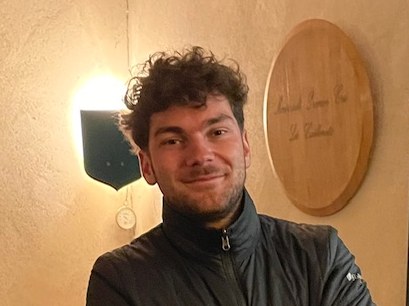
Boigelot began apprenticeships at 15, then spent time at Domaine Coche-Dury and Domaine Paul Pillot before returning to the family’s 22-acre estate in Meursault in 2022. Those two names carry their own signal for Burgundy drinkers: Coche-Dury for white Burgundy of exacting reputation, Paul Pillot for Chassagne-Montrachet clarity and lift. The useful point is not imitation. It is exposure. Boigelot returned to Meursault with reference points that sit close enough to home to matter, but distinct enough to create friction.
The cellar details are the reason to pay attention. Unlike his father, Boigelot macerates his reds in whole clusters. His whites come into contact with lees during fermentation. He presses all the wines slowly and gently, ages them in used oak, and works with the lunar calendar when possible. None of those choices is decorative language; each one changes how fruit, structure, and élevage speak in the glass. Whole clusters can bring aromatic lift and stem-derived architecture. Lees contact during fermentation can shape texture. Used oak keeps the frame from shouting over the fruit.
For a Meursault visit, the village itself already sets expectations: Chardonnay, limestone, slope, and a long memory of producers whose names are treated as shorthand by collectors. Boigelot’s role in the next generation Burgundy conversation is to show how inheritance can become a launch point rather than a script. He is not trying to erase the family estate. He is putting different hands on the press, the clusters, the lees, and the calendar.
This is the bottle to ask about when you want Meursault context without defaulting to the same famous domaines. It suits a table that cares about cellar choices, the kind of dinner where someone notices whole-cluster perfume in a red Burgundy before the second pour.
Domaine Dandelion gives this new Burgundy wave one of its clearest vineyard images: old-vine Aligoté planted in 1944, six parcels in the Hautes-Côtes de Beaune, and about 10 acres under the domaine’s name. Morgane Seuillot established Domaine Dandelion in 2016, but the story reaches into Burgundy’s farming culture before it reaches the cellar. Her father trained horses to plow vineyards, a detail that places the domaine close to the physical work of the rows, not just the finished bottle.
Seuillot was born and raised in Burgundy, then met Christian Knott while seeking vineyards. Knott, originally from Australia, had been head winemaker at Domaine Chandon de Briailles, where he could work with natural and experimental techniques inside an established Burgundian context. That pairing gives Domaine Dandelion its particular interest: local origin and outside formation in the same project. It is not Burgundy cosplay from abroad, nor a purely inherited domaine. It is a young estate built through acquired vines and a precise sense of what the Hautes-Côtes can offer.
The domaine now covers about 10 acres across six parcels in Hautes-Côtes de Beaune. The vineyards are alive with flora and fauna, the cellar work is light-handed, and a hint of whole-cluster, carbonic maceration gives the wines a recognizable signature.
For Burgundy drinkers accustomed to reading village names as destiny, the Hautes-Côtes detail matters. This is not Puligny or Vosne by another name; it is a sector where altitude, exposure, and producer choice can give the wines a different register.
The old-vine Aligoté from 1944 plantings is the bottle to remember because it puts a less exalted grape into a serious conversation through vine age and intent.
Dandelion is for the drinker who wants Burgundy without the automatic reflex toward Chardonnay and Pinot Noir alone. It is also for sommeliers building lists with texture and surprise, an Aligoté that can sit beside seafood, poultry, or a first course without behaving like a footnote. If you plan travel through the Côte de Beaune, the Hautes-Côtes increasingly reward the extra drive, especially when the producer has a defined cellar hand rather than a vague promise of freshness.
Domaine de Cassiopée brings the conversation south within the Côte de Beaune, where Hugo Mathurin and Talloulah Dubourg lead a project shaped by cool-climate intent. Their standout is stylistic clarity: fresh, lifted wines pursued deliberately, not as a slogan but as the consequence of where they chose to settle and whom they learned from before doing so.
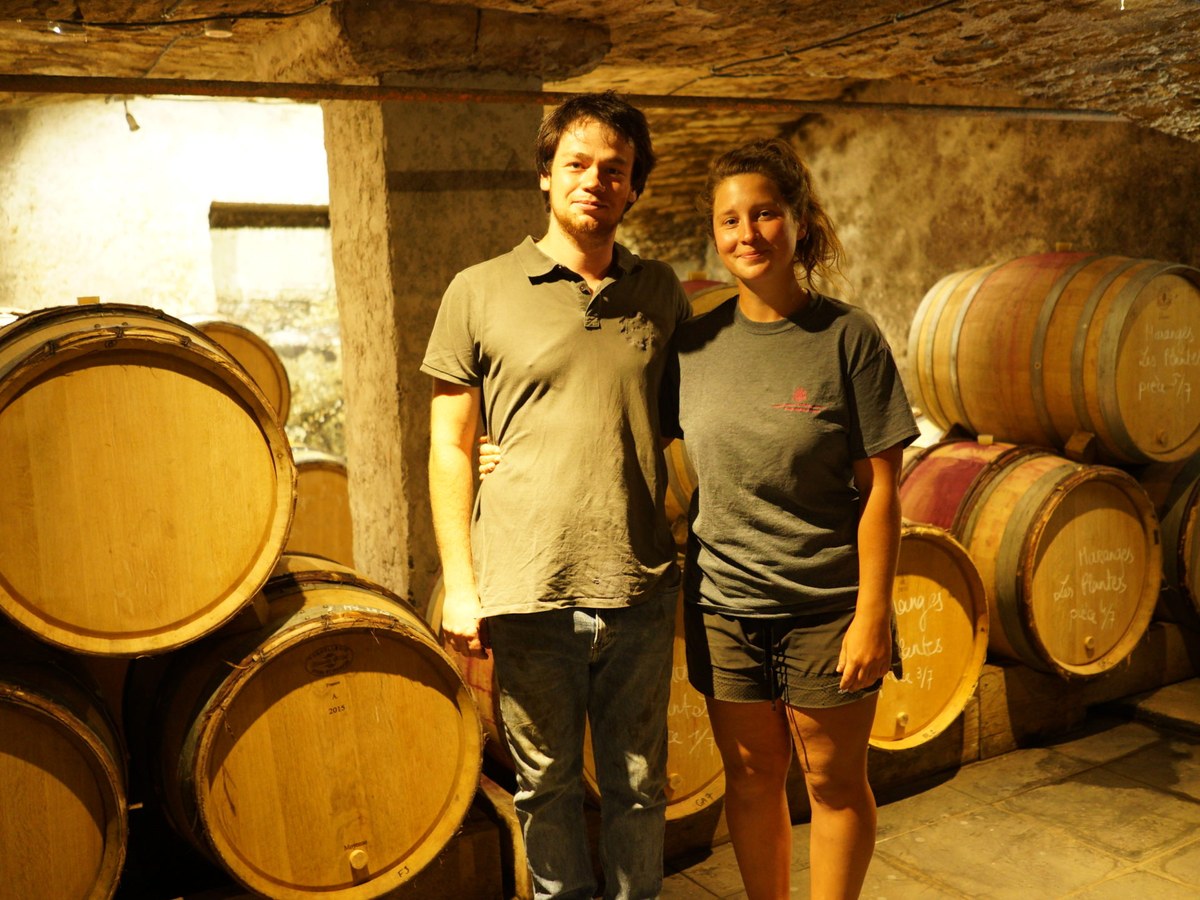
Mathurin and Dubourg met while studying oenology in Bordeaux, then took separate paths to gather experience from Benjamin Leroux, Jacques-Frédéric Mugnier, and Jean-Marc Roulot. Those names sketch a serious Burgundy education without needing embellishment. Leroux brings a broad, site-sensitive Burgundy lens; Mugnier and Roulot each occupy a particular place in the minds of collectors who care about finesse, detail, and restraint. The important point for Cassiopée is that both founders arrived with training before choosing the southern corner of the Côte de Beaune as their base.
The region’s cool climate sits at the center of their work, especially as Burgundy contends with changing conditions from vintage to vintage. They have a proclivity for fresh, lifted wines and aimed to settle in a region suited to that style. That decision gives Cassiopée its relevance for next generation Burgundy: rather than treating climate as background noise, Mathurin and Dubourg chose a place aligned with the wines they wanted to make. Site is not just inherited here. It is selected.
For collectors, Cassiopée is less about trophy shorthand and more about trajectory. The domaine belongs in the mental file marked “ask the sommelier if there is a bottle left,” particularly on lists that already show an interest in newer Burgundy producers. For travelers, the southern Côte de Beaune offers a different rhythm from particularly photographed villages: a useful reminder that Burgundy’s next chapter is not confined to the addresses already locked into cellar folklore.
At the table, think of Cassiopée as the choice for dishes that reward lift rather than weight. The wines’ stated direction, fresh and raised in tone, makes sense with clean-lined cooking, precise sauces, and meals where Burgundy serves the food rather than dominating it.
The shared thread among these four producers is not rebellion for its own sake. Wolber brings a German-born path through Leflaive, Trossen, Dreyer, Ganevat, and Bizot before securing seven acres across Côte de Nuits and Côte de Beaune.
Boigelot returns to a 22-acre Meursault estate with whole-cluster reds, lees-contact whites, gentle pressing, used oak, and lunar-calendar work when possible. Dandelion turns six Hautes-Côtes parcels and 1944 Aligoté vines into a reason to look beyond the familiar village hierarchy.
Cassiopée chooses the southern Côte de Beaune because its cool-climate frame suits the wines Hugo Mathurin and Talloulah Dubourg want to make.
That is the practical shape of next generation Burgundy: small holdings, sharp biographies, and cellar decisions you can actually name. The producers to watch now are not asking Burgundy to stop being Burgundy; they are proving that the region’s old grammar still has new sentences left to write.
Get the App
Take the shortlist into the En Primeur Club app for concierge access, saved places, and the next step after discovery.
Get Exclusive AccessMore from the editors