← Guides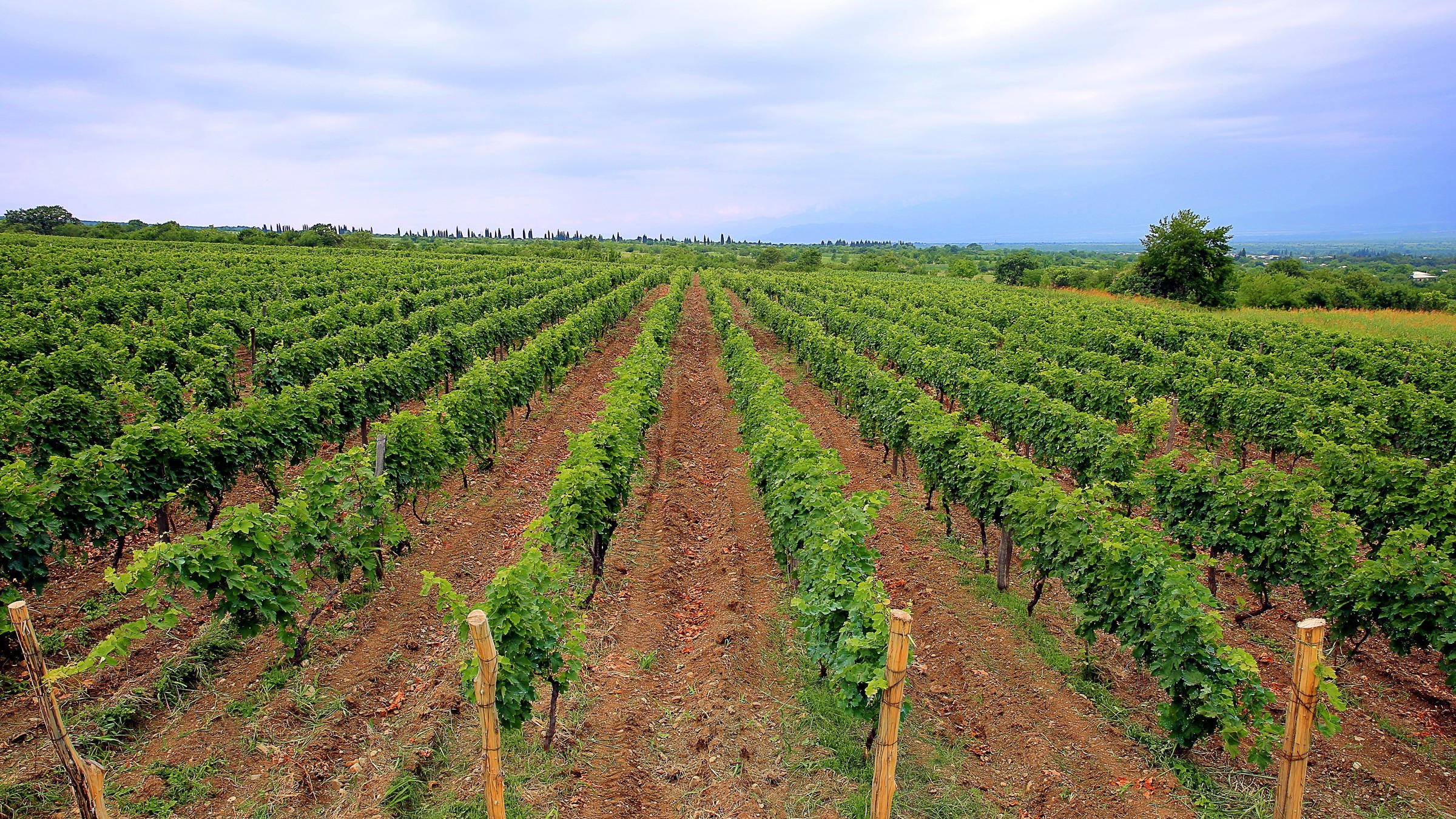
Georgia plans to auction ~40,000 bottles from Stalin's Tbilisi cellar — including Romanov-era Bordeaux — with proceeds funding the country's first wine education school.
Georgia plans to auction ~40,000 bottles from Stalin's Tbilisi cellar — including Romanov-era Bordeaux — with proceeds funding the country's first wine education school.
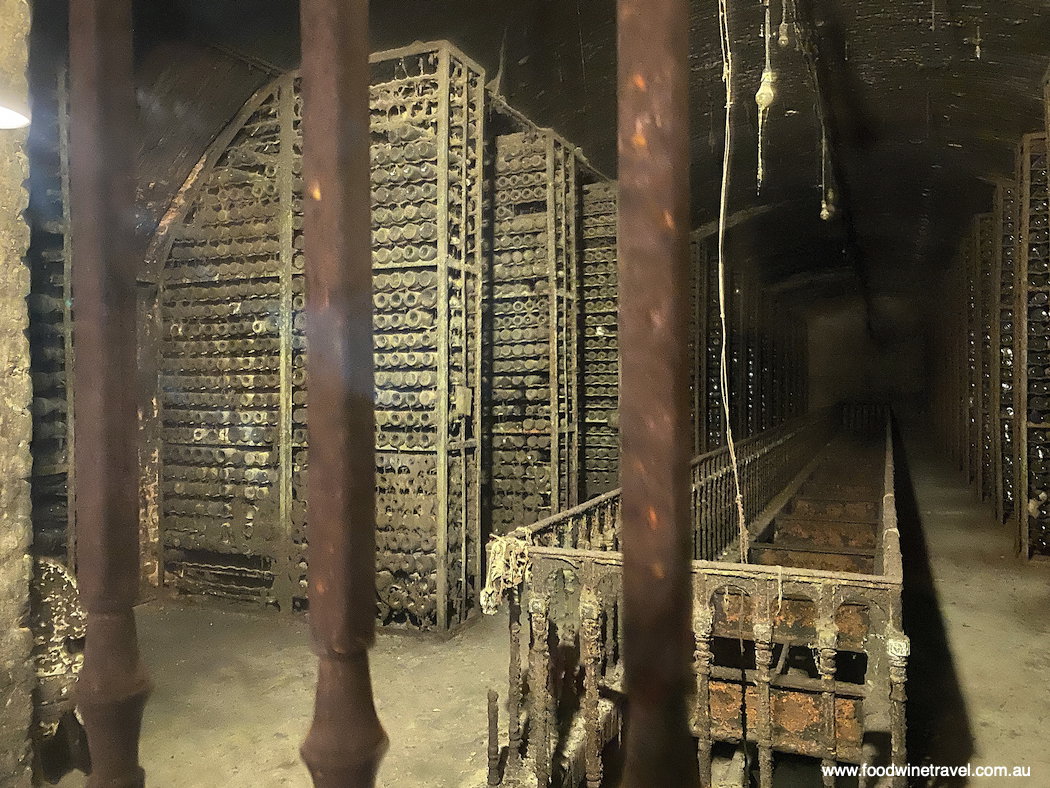
A cellar in Tbilisi was unlocked this week for the first time in living memory. Inside: roughly 40,000 bottles, some dating to the early 19th century, from estates including Château Margaux, Château Latour, Château Lafite Rothschild, and Château d'Yquem, seized from the Romanovs after the 1917 Revolution and held, largely untouched, ever since. The Georgian government has announced plans to auction the entire collection. The lot has never appeared on the open market. Not at Christie's. Not at Sotheby's. Not anywhere.
That is the story. Everything else follows from it.
The collection divides into two distinct layers, and understanding both matters before a single lot is assessed.
The first layer belongs to the Romanovs. Tsar Alexander III and his son Nicholas II acquired bottles from the leading Bordeaux estates of the 19th century, the First Growths and Sauternes that defined that era's hierarchy, and cellared them as part of the imperial collection. After the 1917 Revolution, Soviet authorities seized the lot. Some of those bottles date to the early 1800s, which means the oldest among them have been in bottle for more than 200 years. These are not bottles that have quietly circulated through the trade and found their way to Tbilisi. They have been in that cellar since the Soviet state put them there, under a chain of custody that runs directly from the Romanov imperial court through the Soviet administration to the current Georgian government.
The second layer is Stalin's own. Born in the Georgian town of Gori in 1878, he led the Soviet Union from 1924 until his death in 1953 and was, by all accounts, a serious wine drinker who added his preferred Georgian varieties to the Romanov foundation already in the cellar. Rkatsiteli, Saperavi, the indigenous varieties of the Caucasus, these sit alongside 19th-century Bordeaux in the same underground space, under the same custodial history. The combination is categorically unlike anything that has come to auction before: imperial French First Growths and Georgian amber wines, held together by the same singular chain of ownership across two political regimes.
For any collector paying serious attention, this is the first and most urgent concern. Bottles this old, from estates this prominent, carrying this kind of provenance narrative, attract scrutiny as much as desire. The good news is that this cellar is not entirely unexamined.
An Australian wine merchant named John Baker traveled to Tbilisi specifically to attempt to purchase the collection. His effort, and the reason the deal ultimately fell through, is documented in the book Stalin's Wine Cellar, written by Baker and Nick Place and published in 2021. Baker was able to establish the authenticity of at least some of the bottles during that attempt. The collection remained sealed after negotiations collapsed, but Baker's investigation means there is prior independent engagement with the material. These bottles have been looked at by someone with serious commercial motivation to assess them accurately.
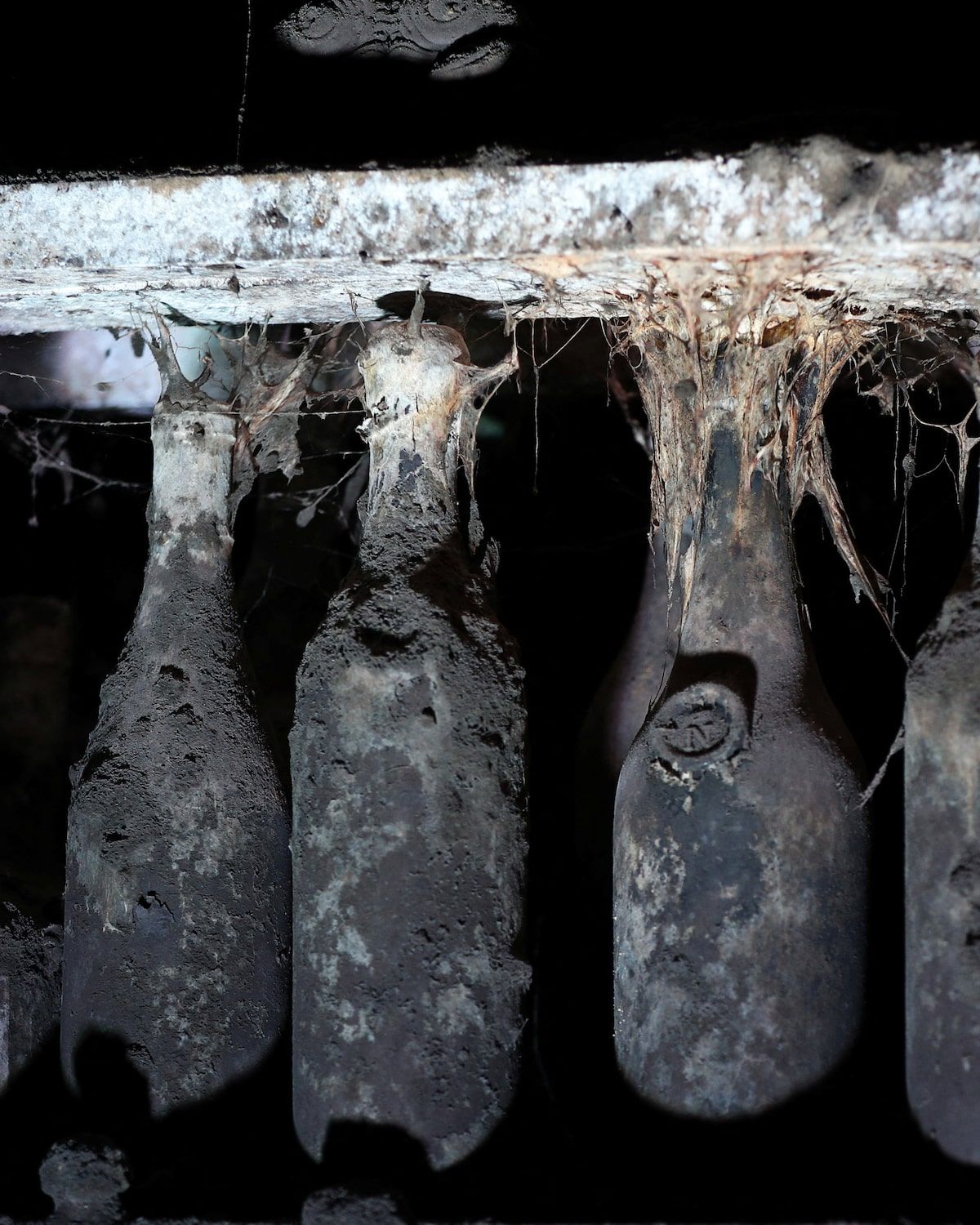
That said, prior examination of some bottles is a long way from a bottle-by-bottle catalogue raisonné. For bottles of this age, authentication works through a cluster of evidence: capsule and cork markings consistent with the estate and period, bottle shape and embossing that match known examples, fill level, sediment presence, and whether the overall condition is consistent with genuine age rather than implausibly well-suited preservation. No single indicator is definitive. The assessment is cumulative.
The documented chain of custody from the Romanov collection through the Soviet state to the Georgian government is the strongest single argument for provenance. But independent verification of every bottle has not been completed, or at least has not been publicly reported. Victor Chen, a collector who flew from Dallas, Texas to view the collection in person this week, put the uncertainty as plainly as anyone could: "I feel like you're Indiana Jones opening up a cave: it could be nothing, it could be something." He is right. And the auction outcome will hinge significantly on how thoroughly the condition and authenticity of individual lots can be established before the hammer falls.
Age and authenticity are not the same as quality. A genuine 1860s Château Latour is a different object depending on how it spent the intervening century and a half. For 19th-century Bordeaux, drinkability comes down to three variables: temperature stability across the storage period, cork integrity, and ullage, the volume of wine lost through the cork over time. Excessive ullage concentrates the risk of oxidation and maderization. A bottle with a mid-shoulder fill level is a different proposition from one sitting at high-neck, regardless of the label.
The Tbilisi cellar's storage history across more than a century of political upheaval, revolution, world war, Soviet administration, the collapse of the USSR, and three decades of post-Soviet Georgian politics, is genuinely unknown in its specifics. Temperature fluctuations alone, if significant, could have compromised bottles that appear intact from the outside. Others, if the cellar maintained consistent cool conditions throughout, may have survived in a state that would stop a room cold at auction.
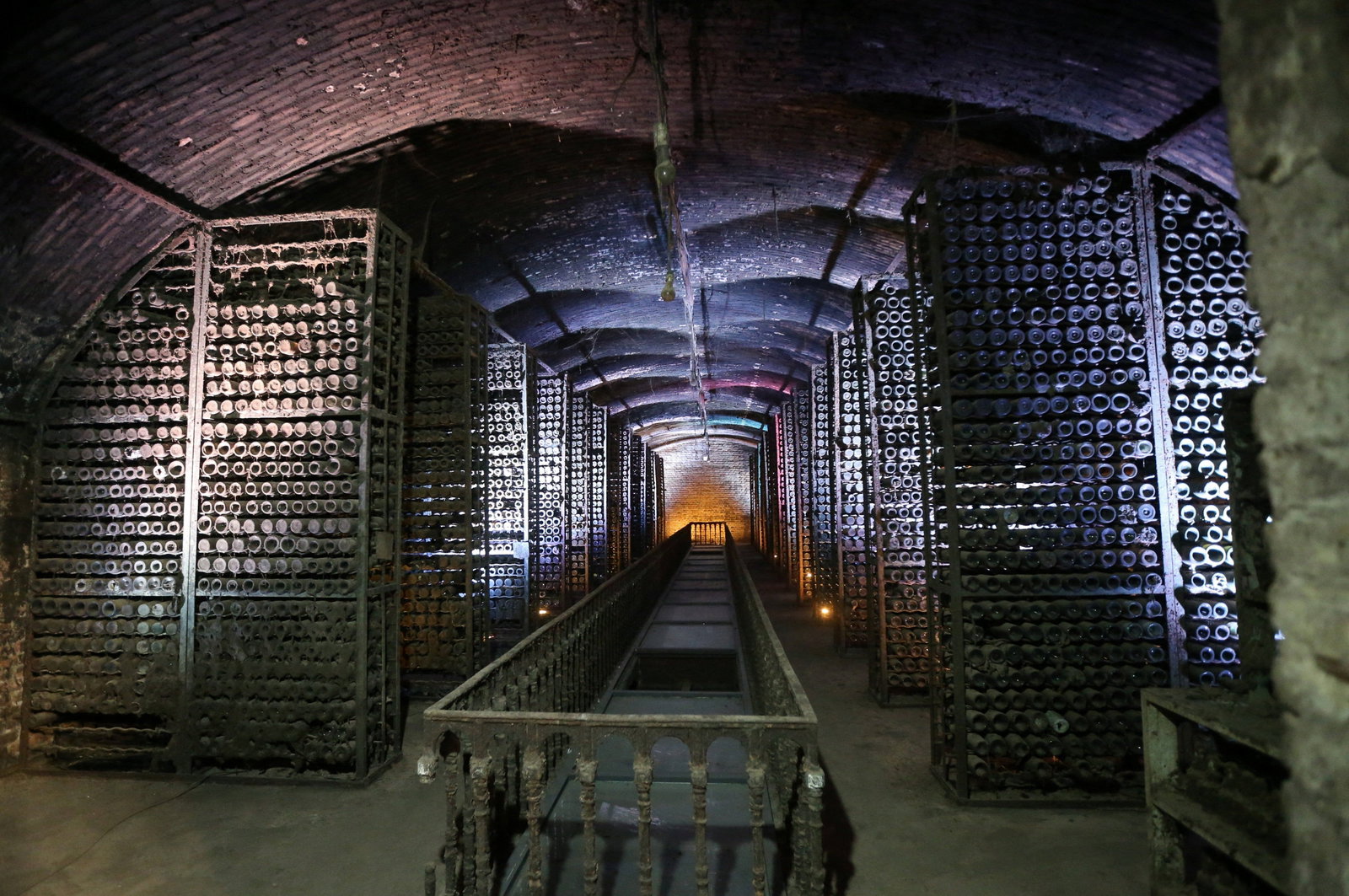
None of this is a reason to dismiss the collection. It is precisely the reason pre-sale estimates for individual lots could swing wildly, and why the stronger lots, assessed condition excellent, ullage minimal, cork intact, will almost certainly exceed any headline figure the auction house dares to put on them. A bottle of 1870s Château Margaux in superb condition is one of the rarest objects in fine wine. The same bottle with a failed cork is a piece of history and nothing more. The auction, when structured properly, will separate lots by assessed condition. Serious bidders will want access to technical tasting notes and condition reports before committing. Any house conducting a sale of this scale will be expected to provide them.
No auction house has been named. The Georgian government's agriculture ministry, working with Irakli Gilauri of Gilauri Wines, is overseeing the project. Gilauri's stated goal is to "put Georgia on the collectors' map", a phrase that signals this is not a distress liquidation but a deliberate entry into the international fine wine market. The decision to open the cellar to the public this week, before auction terms, lot structures, or bidding windows have been confirmed, is a calculated preview designed to generate exactly the kind of international attention it has produced.
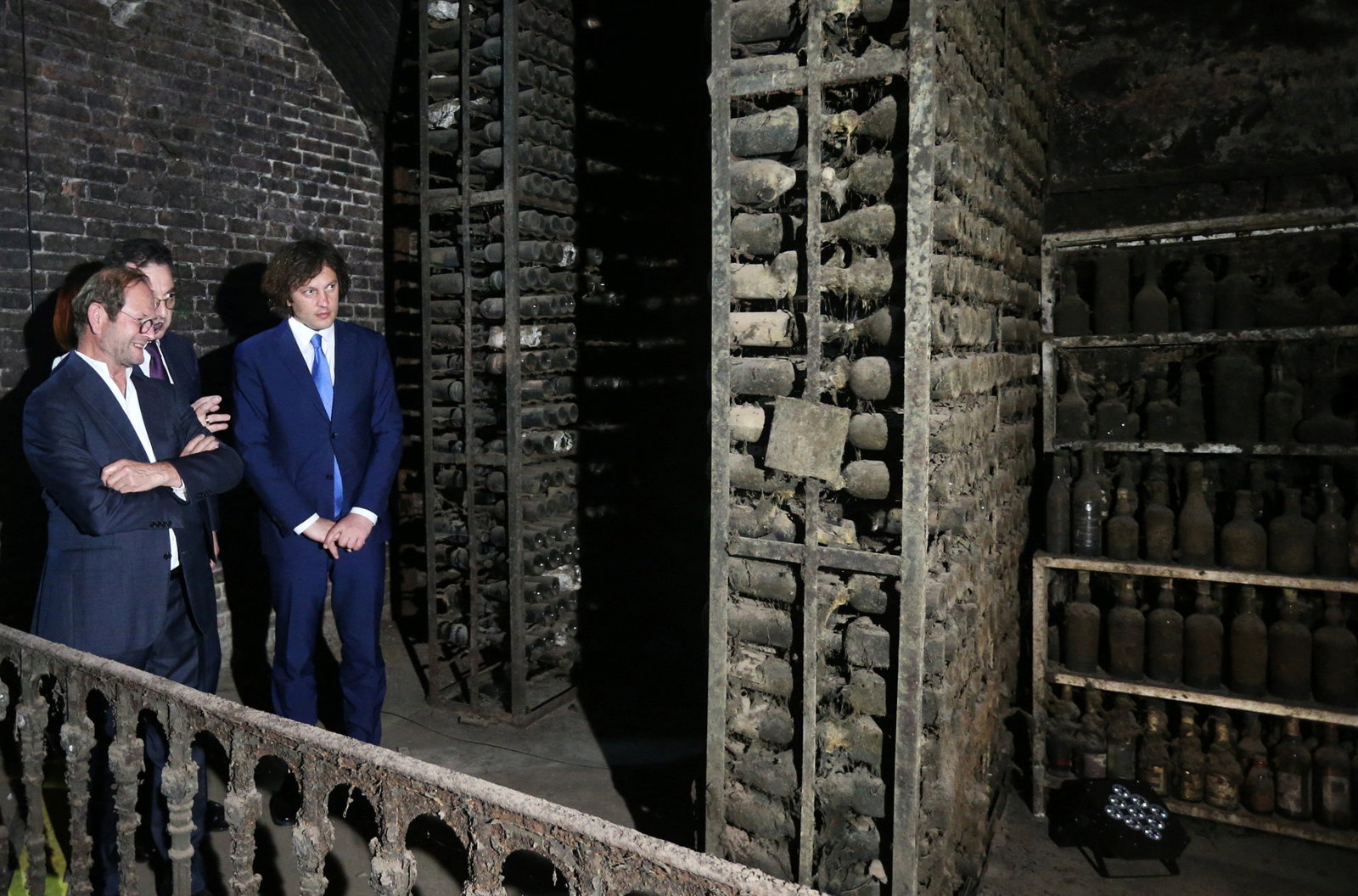
The practical unknowns for international bidders are significant. Which house conducts the sale, a major European or American firm such as Christie's or Sotheby's, a specialist fine wine auction house, or an international online platform, will determine how accessible the lots are to a global pool of buyers. Whether bottles are offered individually or grouped into collections will shape the price architecture entirely. Whether remote or absentee bidding is available will determine who can participate without traveling to Tbilisi.
None of that has been announced. What is confirmed is the scale: approximately 40,000 bottles, comprising both the Romanov-era Bordeaux and the Georgian varieties Stalin added himself. A single-owner cellar of 40,000 bottles is substantial by any standard. This one has never touched the open market. Once dispersed, it will not reassemble. There is no second auction, no reserve stock, no future release.
Watch for the auction house announcement. That is the next material development.
The proceeds from the auction are earmarked for Georgia's first dedicated wine education institution, a school that would train winemakers, sommeliers, and wine professionals to an international standard. Georgia currently has no such institution, despite an 8,000-year winemaking tradition and archaeological evidence of qvevri-based fermentation predating every European appellation. The amber wines of Kakheti, made from Rkatsiteli and Mtsvane fermented on skins in buried clay vessels, have earned genuine critical attention in London, New York, and Tokyo. Saperavi has found collectors well beyond the Caucasus.
What Georgia has not yet managed is the move from a country of interest to a country of investment in the collector market. That is the shift Gilauri is explicitly naming, and the auction is the mechanism. The decision to fund a wine school with the proceeds rather than absorb them into general state revenue is the detail that gives the project institutional coherence: the Romanov Bordeaux funds the Georgian classroom. The historical symmetry is not accidental, and it signals that the Georgian wine industry, not just the state, has a stake in executing this well.
That context matters for understanding the seriousness of the undertaking. But the bottles are still the story.
The cellar is open and the collection is real. The chain of custody from the Romanov imperial court to the Georgian government is documented. John Baker's prior investigation established authenticity on at least some bottles, and Victor Chen's trip from Dallas confirms that serious collectors are already making the journey to see what is there.
What remains genuinely unknown: the condition of individual bottles, the extent of ullage across a century of uncertain storage, whether a comprehensive technical assessment has been commissioned, and which auction house will conduct the sale. These are not peripheral questions. They are the variables that will separate a transcendent result from a cautionary tale.
This is the stage before the starting gun. The auction house has not been named. The lot catalogue has not been released. The condition reports have not been published. For collectors who move early and watch carefully, that is precisely the right moment to be paying attention, because by the time the pre-sale catalogue lands, the stronger access will already have been claimed.
Get the App
Take the shortlist into the En Primeur Club app for concierge access, saved places, and the next step after discovery.
Get Exclusive AccessMore from the editors