← Guides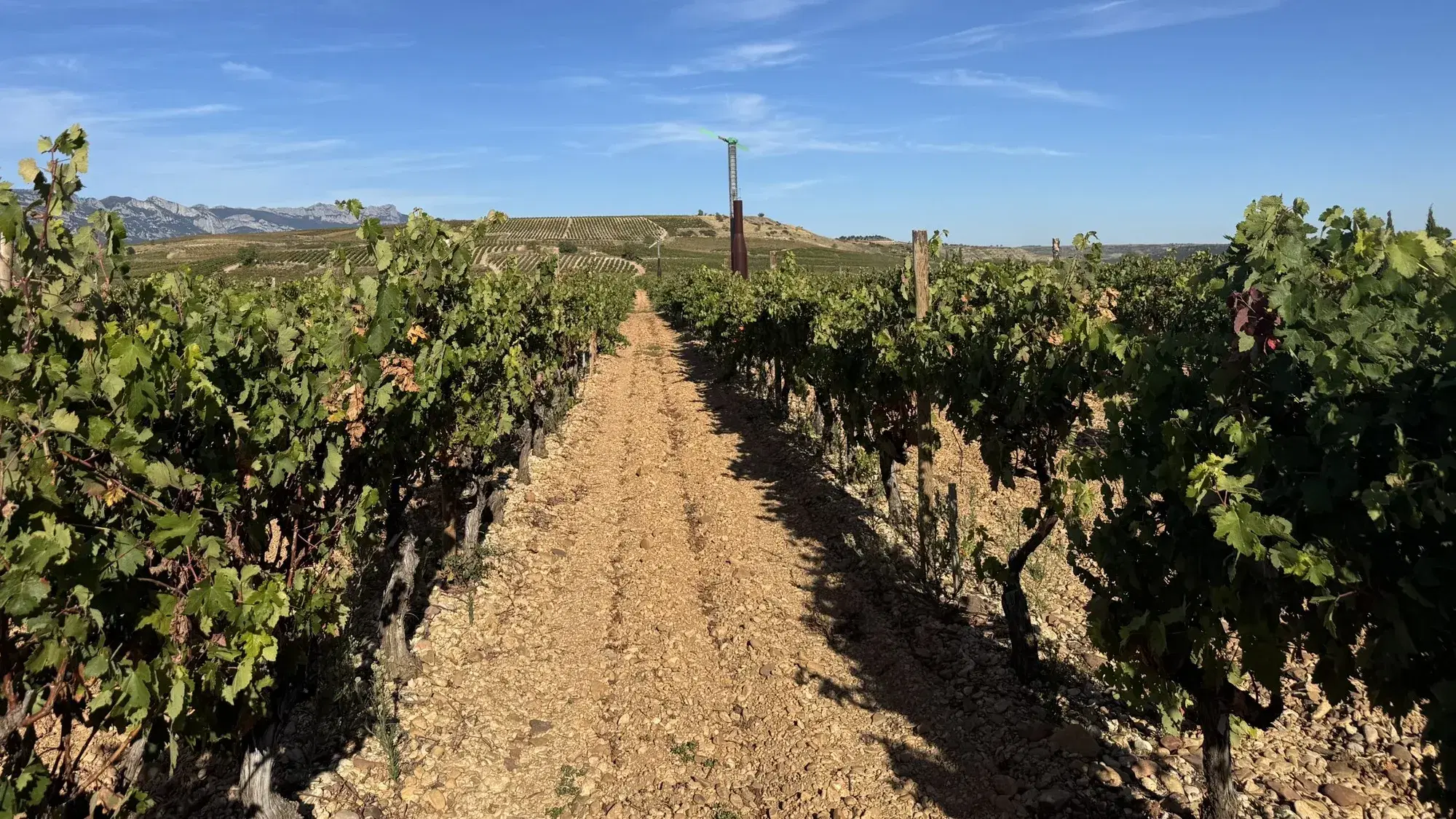
High-elevation Amarone, the Global Sparkling Masters 2026 results, a Boulder cellar earning Wine Spectator's top honour, and more from this week in wine.
High-elevation Amarone, the Global Sparkling Masters 2026 results, a Boulder cellar earning Wine Spectator's top honour, and more from this week in wine.
This week's wine news pulls in three directions at once: altitude, bubbles, and the dining room. A case for lighter, fresher Amarone from Valpolicella's upper reaches sits alongside the Global Sparkling Masters 2026 medal list, which ran from Asti to New Zealand, while a Boulder restaurant's 15,000-bottle cellar earned Wine Spectator's Grand Award and a new Mayfair opening on Savile Row is betting that all-day European café culture has a place in London's most formal postcode. Austria's Niederösterreich, meanwhile, keeps complicating the assumption that it is a one-grape story.
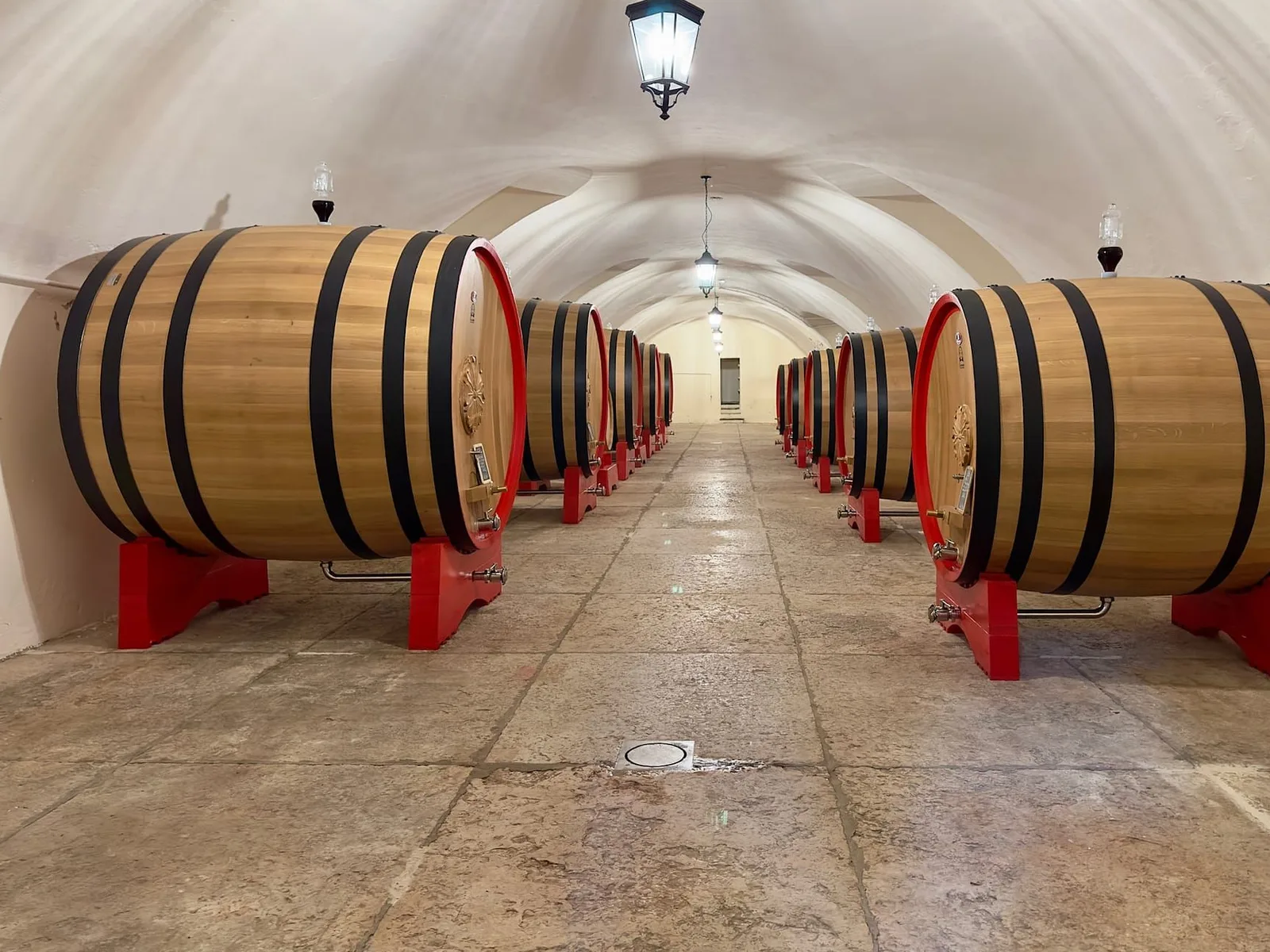
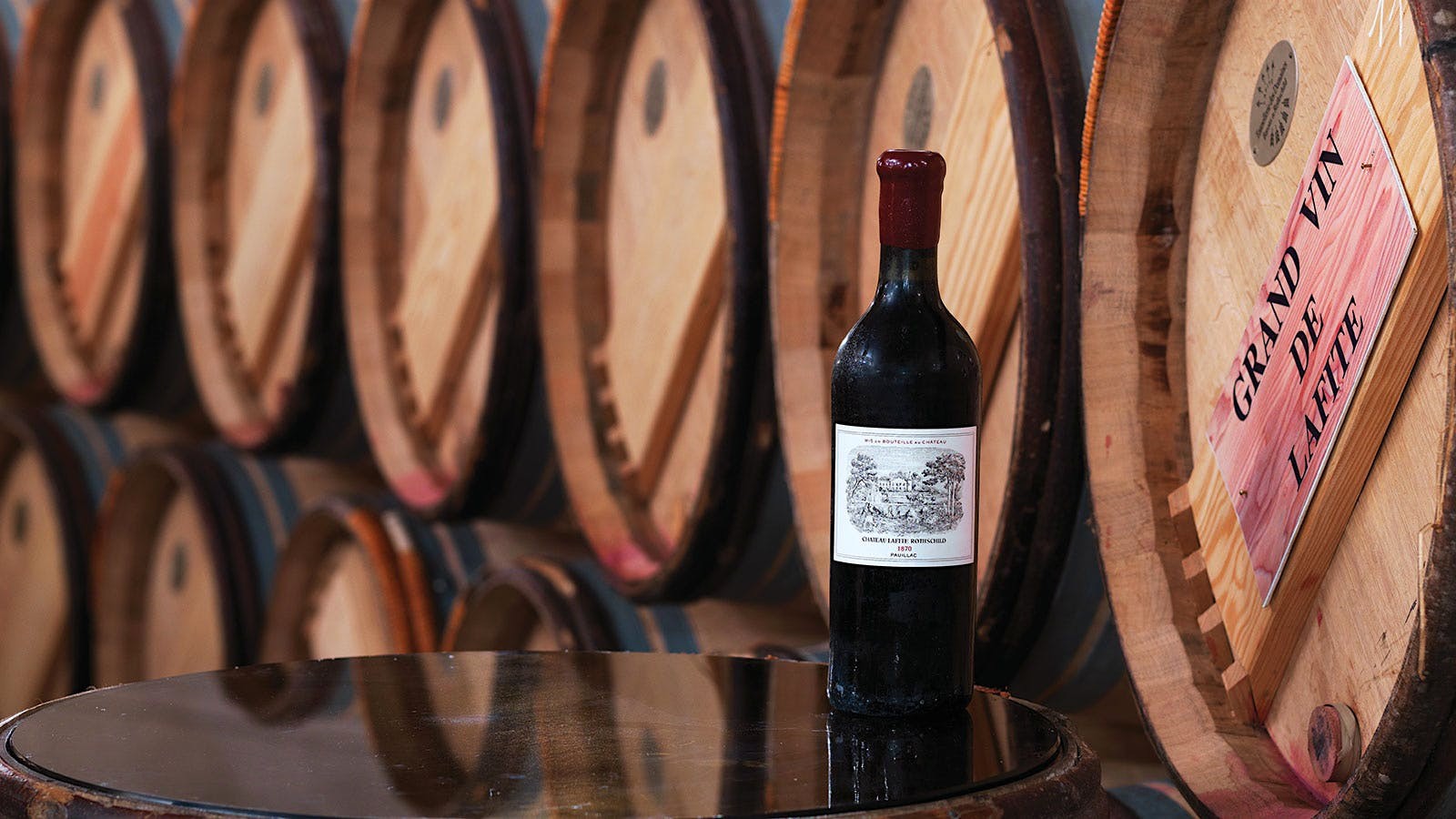
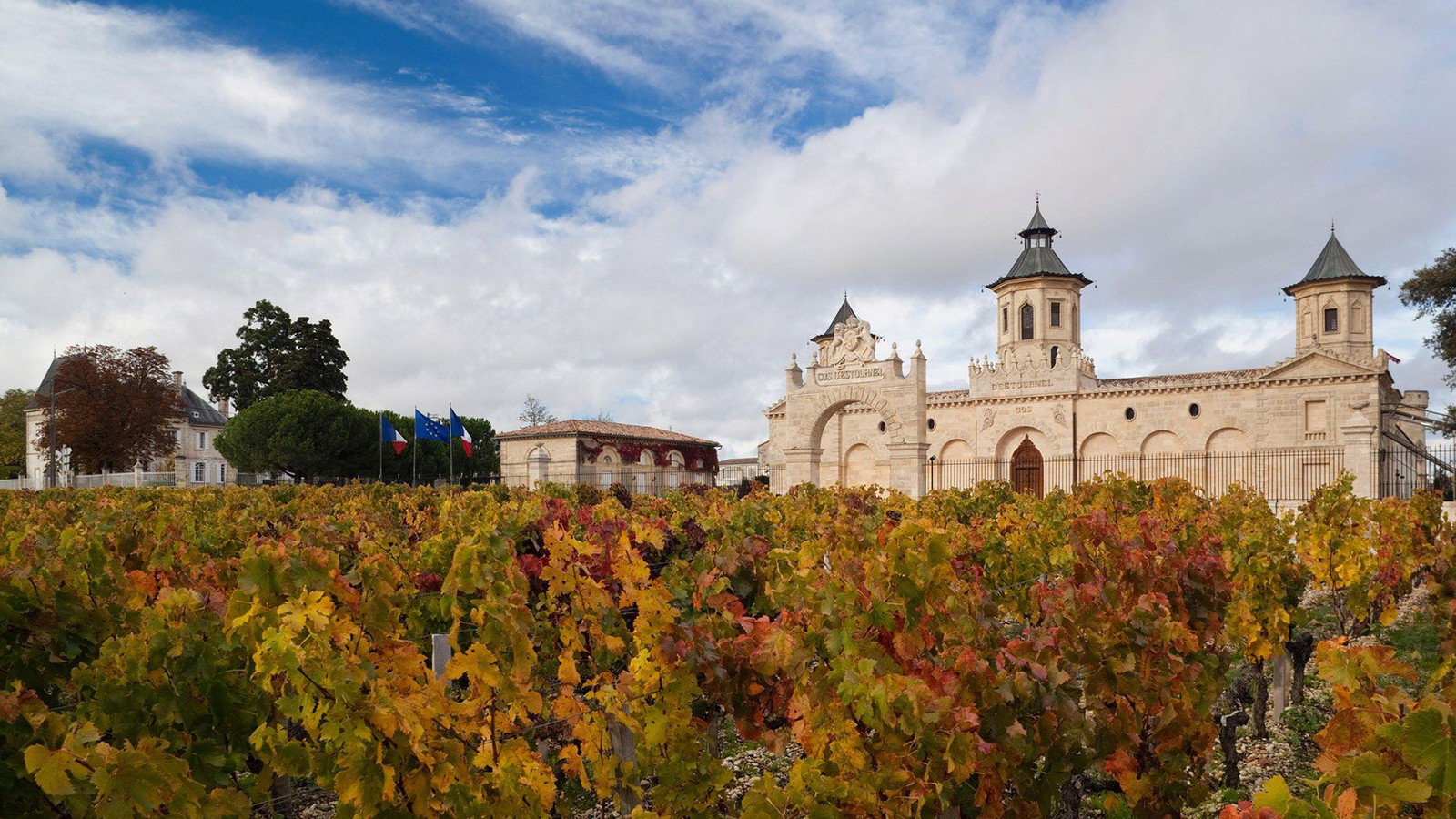
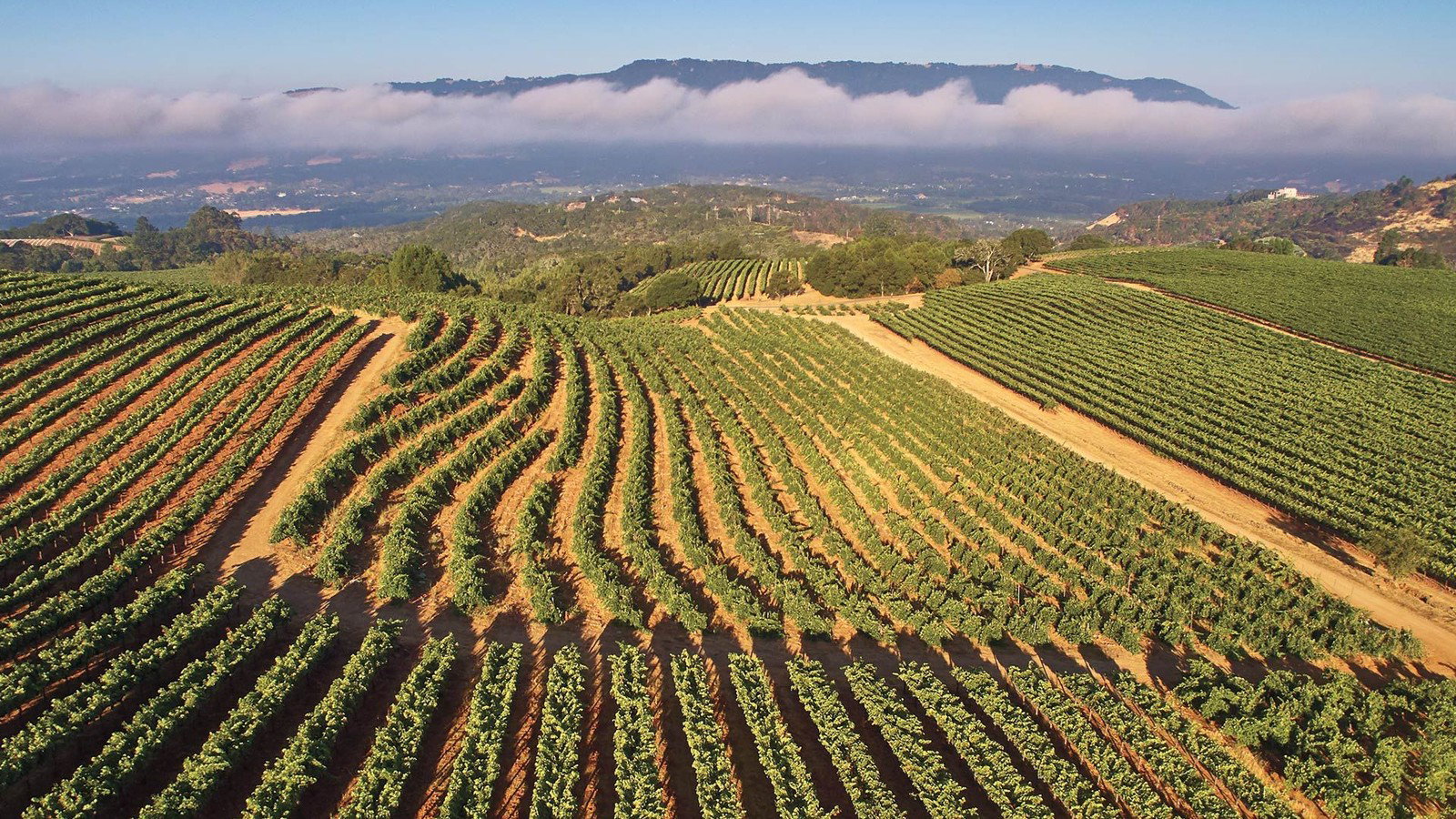
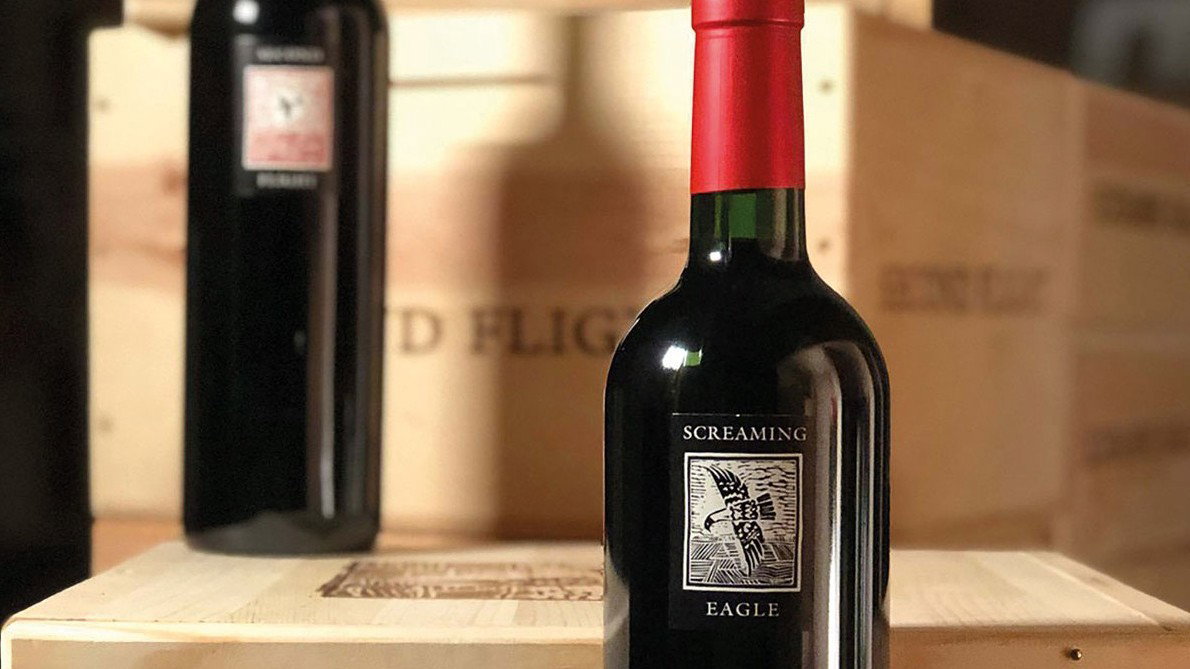

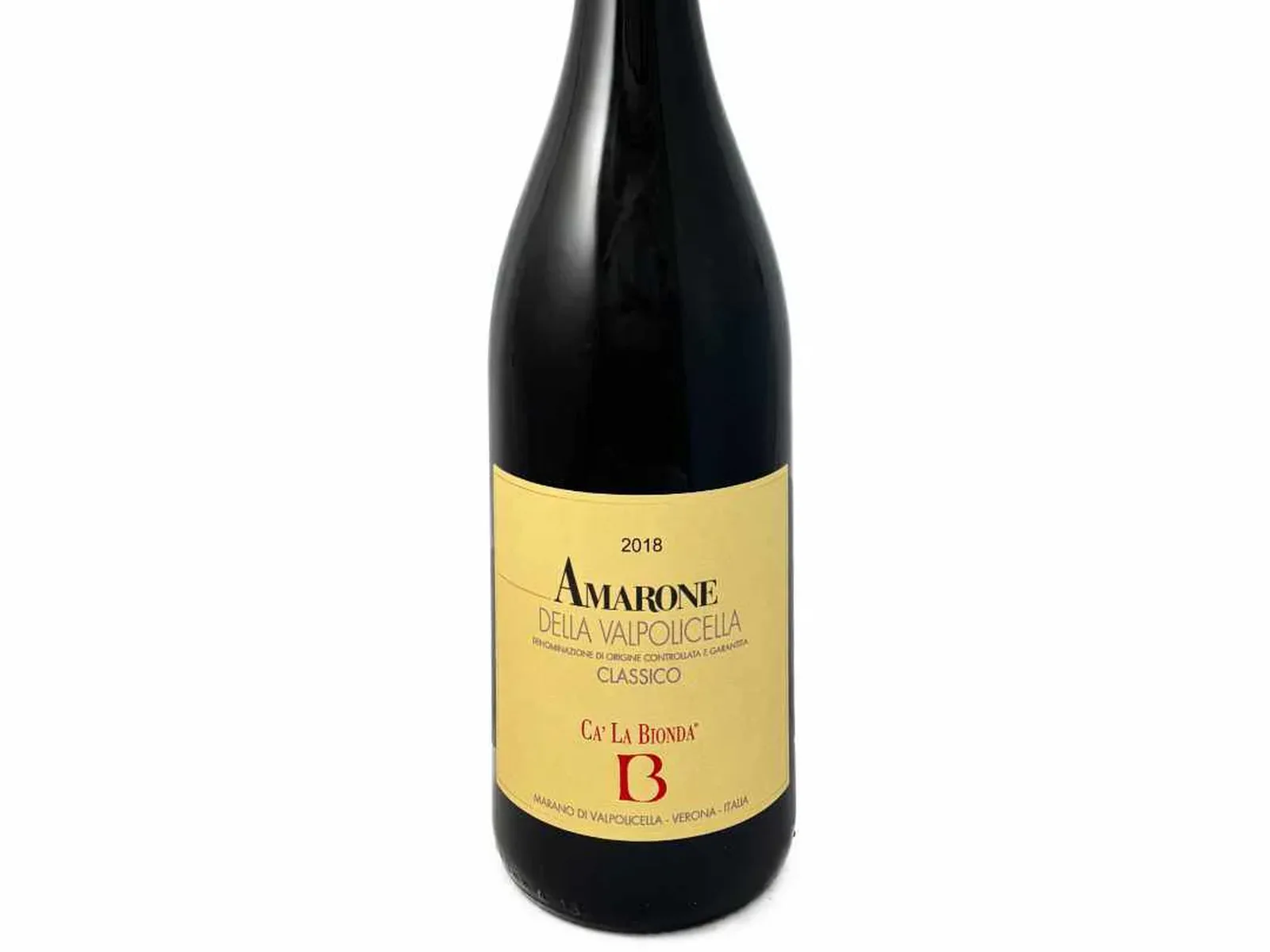
Amarone della Valpolicella is one of Italy's most polarising wines, adored for its density and dried-fruit intensity, avoided by others for exactly the same reasons. The standard profile, built on appassimento grapes dried for months before fermentation, tends toward weight: high alcohol, plush tannin, a palate that demands a braised short rib or a decade in the cellar. But as Robb Report notes this week, there is another version of this wine, and you find it by heading uphill.
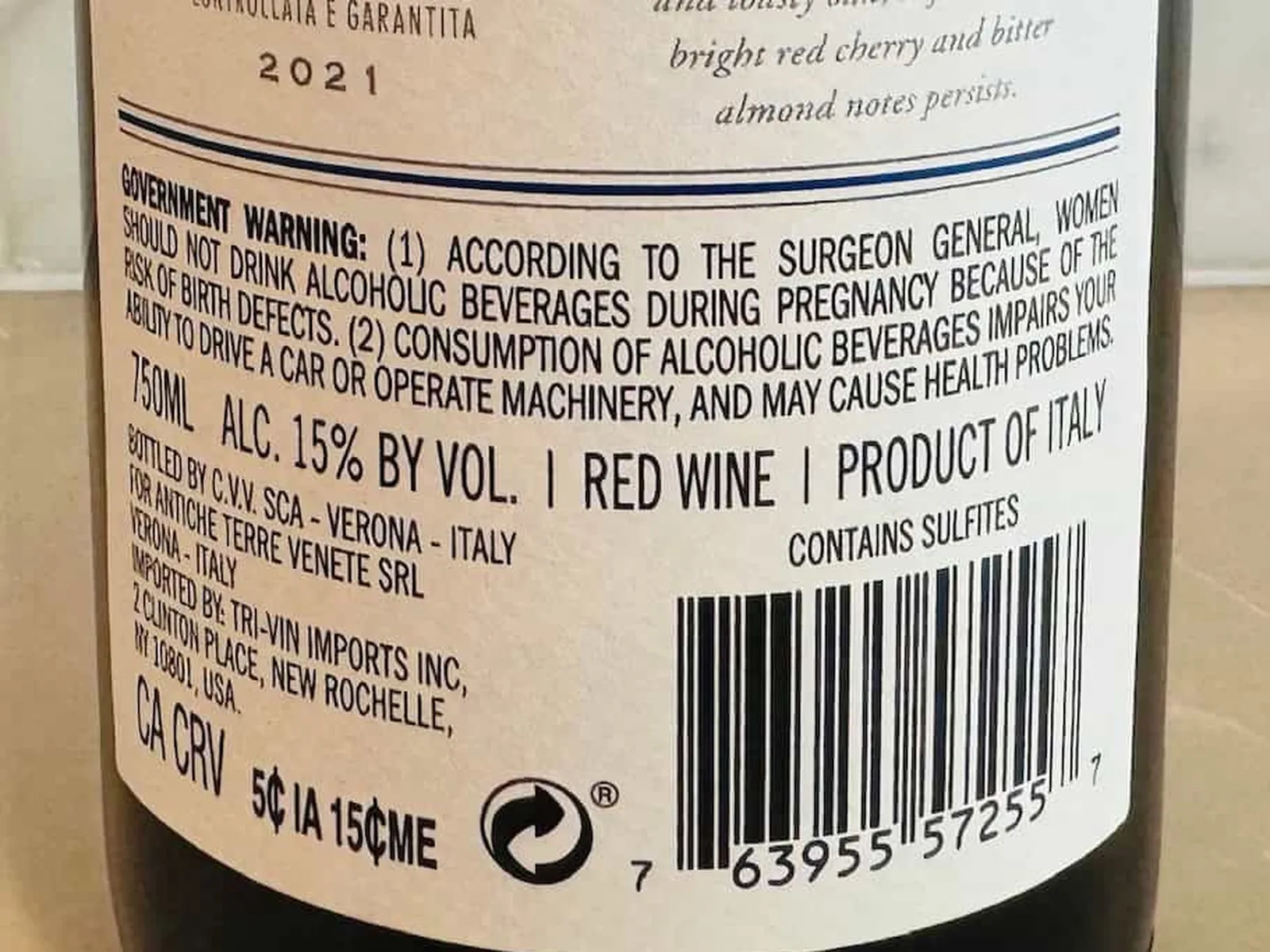
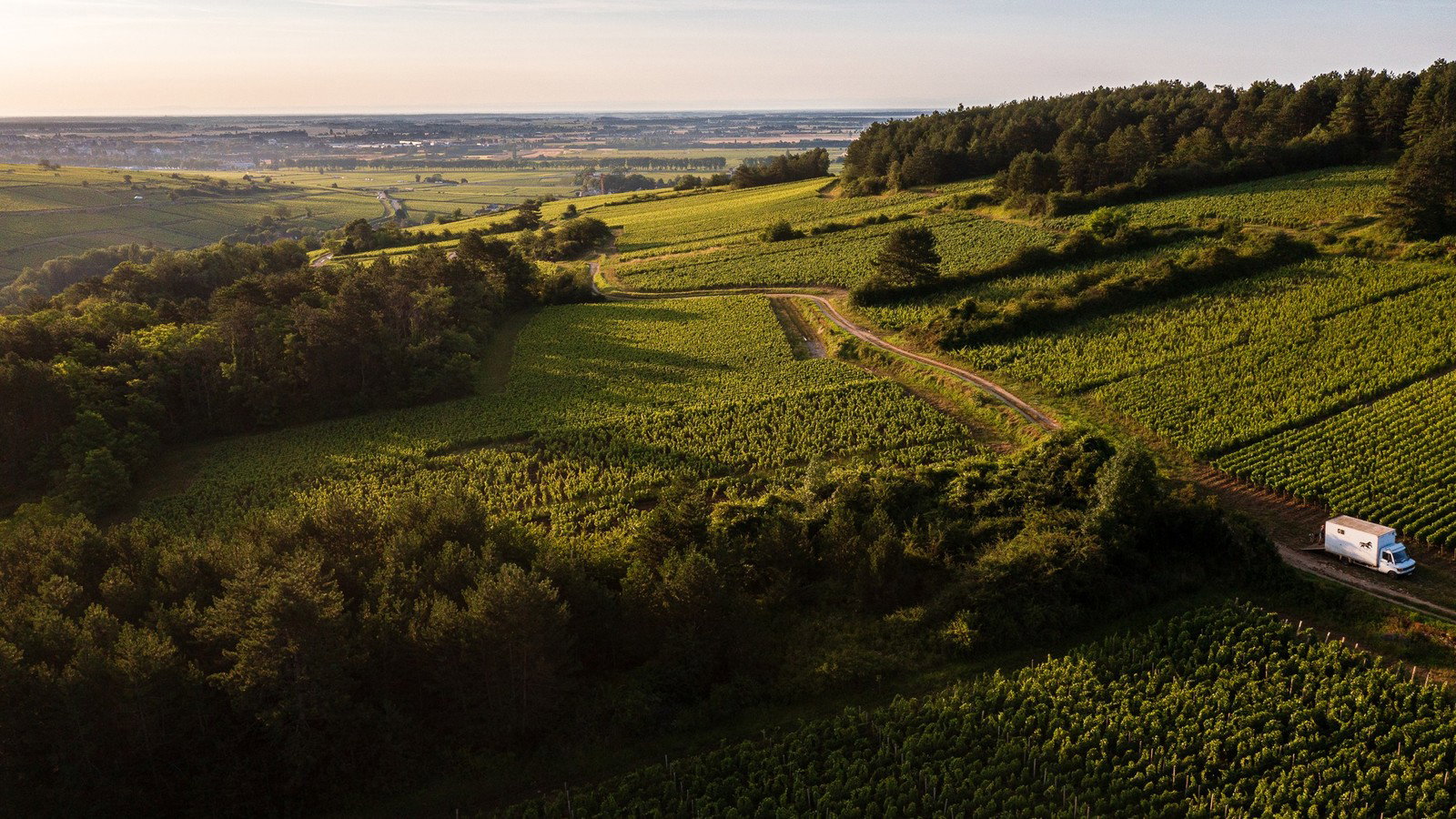
Producers farming at higher elevations within the Valpolicella zone are working with fruit that retains more acidity through the drying process, yielding Amarones with a lighter, fresher character than the valley-floor norm. The altitude changes the equation, cooler nights slow ripening, the dried grapes lose water more gradually, and the resulting wines carry the appellation's signature concentration without the heaviness that can make classic Amarone a one-glass proposition. For collectors who have written off the style, or who find the bigger expressions too demanding outside of winter, the high-elevation producers offer a way back in.
The appassimento method itself is worth understanding in this context. Corvina, Corvinone, and Rondinella, the grape varieties that make up most Amarone blends, are harvested in late September or early October, then laid on bamboo racks or in wooden crates in drying lofts called fruttai for roughly 90 to 120 days. During that time, the grapes lose around 30 to 40 percent of their weight as water evaporates, concentrating sugars, acids, and flavour compounds. At altitude, where temperatures drop more sharply at night and airflow through the fruttai is more consistent, the drying process is slower and more even. The result is fruit that enters fermentation with better-preserved natural acidity, and that acidity is what gives high-elevation Amarone its comparative freshness. It is the same wine, made by the same method, but the mountain does different work on the raw material. Tasting the two styles side by side, a valley-floor Amarone from a warm vintage against a high-elevation example from the same year, makes the contrast immediate. The valley wine tends to show dried fig, dark chocolate, and a finish that lingers with warmth; the upland version often carries more dried cherry, a mineral thread, and a finish that actually ends rather than sitting on the palate indefinitely. Neither is wrong. But for a wine that has sometimes struggled to find a place at the modern table, too heavy for restaurant pours, too demanding for casual drinking, the lighter, fresher expression from altitude opens up new possibilities for when and how you reach for it.
The Global Sparkling Masters 2026 results are out, judged by Patricia Stefanowicz MW, and the range of styles that made the cut tells you something about where sparkling wine sits right now. The competition drew entries from Asti to New Zealand, a span that covers everything from low-alcohol Moscato to high-acid Marlborough Pinot Noir-based fizz, and the judges found medallists across that full spectrum. Stefanowicz MW noted that the breadth of styles kept the panel engaged throughout.
For collectors and buyers, the medal list functions as a useful cross-check against the Champagne-centric bias that still shapes a lot of sparkling wine purchasing.
A Gold or Master medal from a competition judged at this level, with a Master of Wine chairing the panel, carries more weight than a regional trophy, and the inclusion of producers from outside the traditional sparkling heartlands of France and northern Italy means the results surface names that don't always reach the standard trade channels.
The full medallists list is published via The Drinks Business and Wine Industry Advisor; if you buy sparkling wine beyond Champagne and Cava, running your usual producers against the results is a useful exercise.
The geographic breadth of the 2026 competition also reflects a broader shift in how serious buyers approach sparkling wine. A decade ago, the conversation outside Champagne was largely confined to Cava, Prosecco, and a handful of Crémant appellations.
Now the field includes English sparkling wine from the North and South Downs chalk, Tasmanian Chardonnay-based fizz, South African Cap Classique, and traditional-method wines from Slovenia and northern Greece.
The Global Sparkling Masters is one of the few competitions structured to evaluate all of these on equal terms, judged blind, by style and price tier rather than by appellation, which is why the medal list reads differently from a country-specific competition.
A Master medal here means the wine held its own against the full international field, not just its regional peers. For anyone building a sparkling wine list or a cellar that goes beyond the obvious, the 2026 results are a practical starting point.
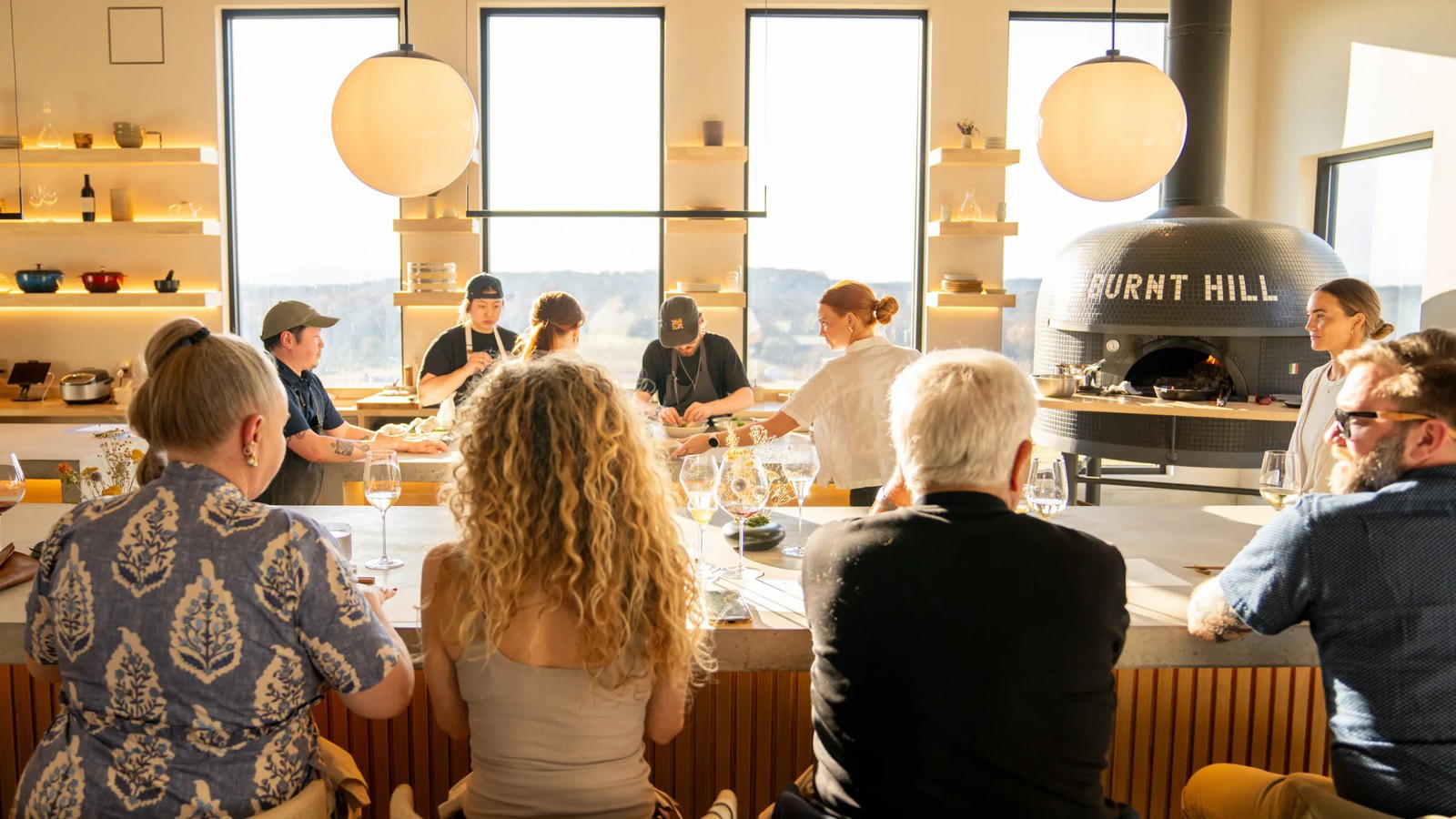
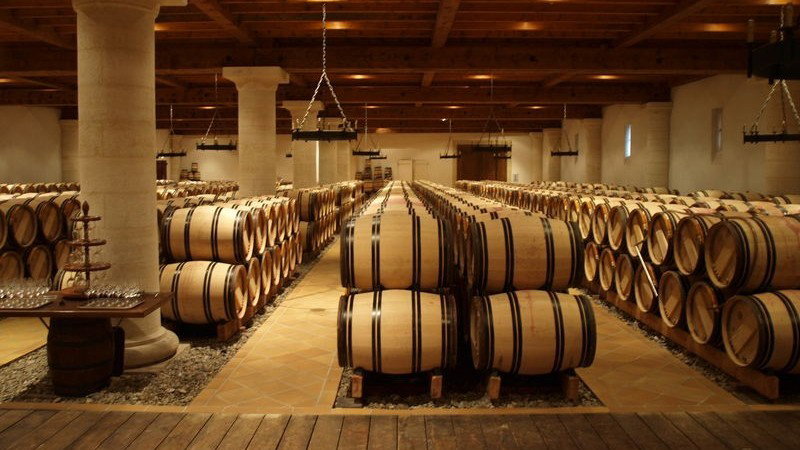
Wine Spectator's Grand Award, the publication's highest restaurant wine honour, does not go to cellars that simply stock a lot of bottles. The list has to be deep, the by-the-glass programme has to reflect the same seriousness, and the service has to demonstrate that the team can actually work through the inventory. A Boulder, Colorado fine dining restaurant has now earned that designation, with a cellar of nearly 15,000 bottles.
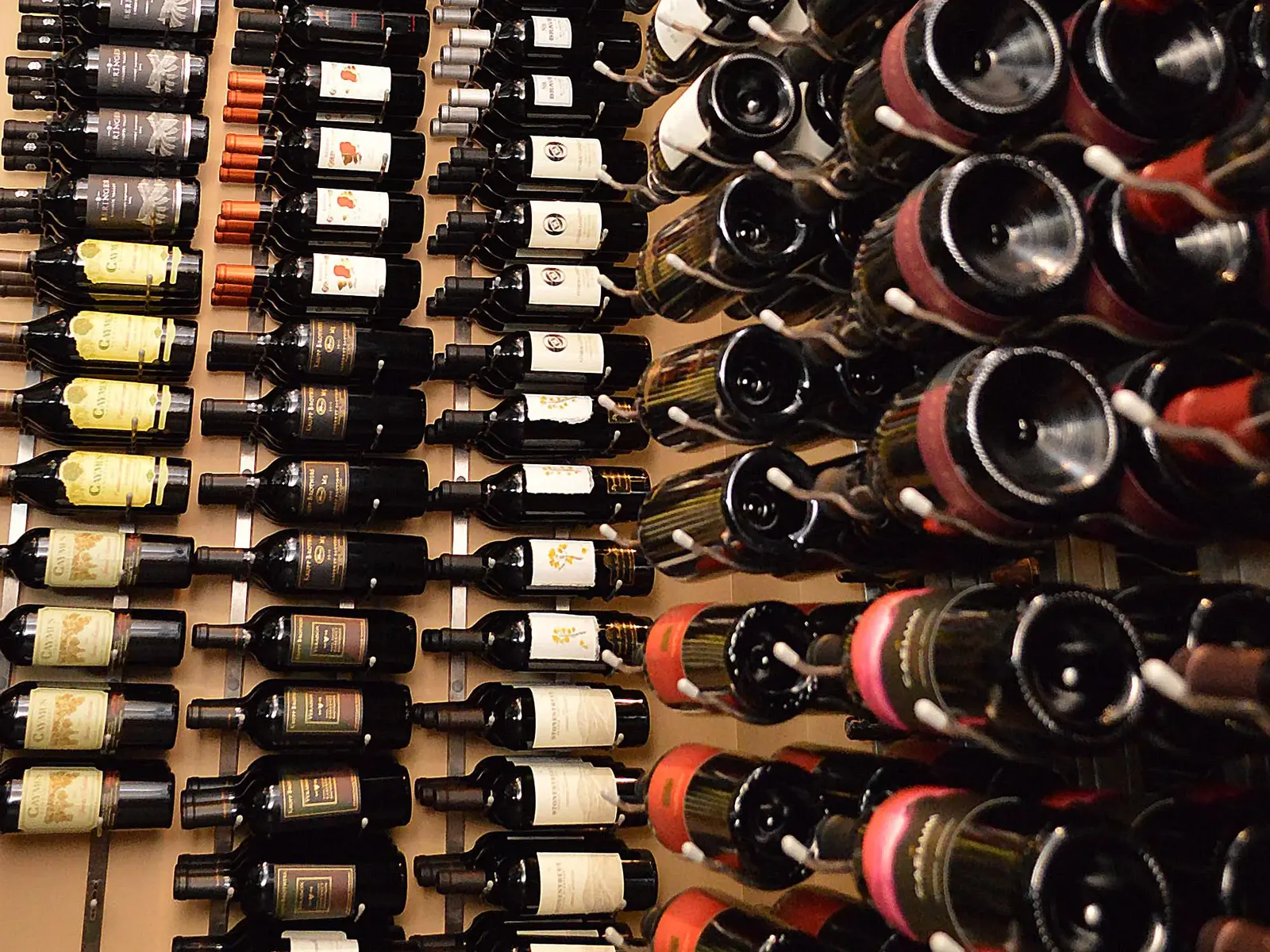
Boulder is not a city that appears often in conversations about serious restaurant wine. The Grand Award changes that framing. For wine-focused travellers routing through Colorado, whether for Rocky Mountain hiking, the broader Denver food scene, or a detour from a western US trip, this is now a destination worth building an evening around.
A 15,000-bottle cellar in a fine dining context means the list almost certainly includes verticals, library wines, and allocations that don't appear on standard restaurant lists. The practical implication: book ahead, ask the sommelier what they're excited about, and don't default to the familiar labels.
The Grand Award itself has a long history as a reliable signal for wine travellers.
Wine Spectator has been running the programme for decades, and the criteria are demanding: the list must offer a broad selection across regions and vintages, the cellar must be properly managed, and the restaurant must demonstrate that wine is genuinely central to the dining experience rather than an afterthought.
Fewer than 100 restaurants worldwide hold the award at any given time, which means earning it places a Boulder fine dining room in the same tier as particularly wine-serious restaurants in New York, London, and San Francisco.
For collectors who plan trips around wine lists, and there are more of you than the travel industry tends to acknowledge, Boulder now belongs on the map. The combination of altitude, a serious food scene, and proximity to the Rocky Mountain National Park makes it a more compelling destination than the wine credentials alone would suggest.
Austria's Niederösterreich, Lower Austria, the country's largest wine-producing region, is well known to serious wine drinkers for Grüner Veltliner and Riesling, particularly from the Wachau, Kremstal, and Kamptal. But as The Drinks Business reports this week, results from The Global Wine Masters are making a different argument: that Niederösterreich's real strength is its diversity, and that the region resists the single-variety categorisation that most international buyers still apply to it.
The region spans multiple soil types, elevations, and mesoclimates, from the loess terraces above the Danube to the granite and gneiss of the Kamptal's upper slopes, and producers are working with a wider range of varieties and styles than the Grüner-and-Riesling shorthand suggests. For travellers, Niederösterreich is already one of Central Europe's most rewarding wine routes: the Wachau alone, with its terraced vineyards above the Danube and the village of Weißenkirchen as a natural base, justifies a dedicated trip. Add the Kremstal and Kamptal into the itinerary and you have a week's worth of serious tasting without repeating a style.
What the Global Wine Masters results add to this picture is a competitive benchmark. When Niederösterreich producers medal across multiple categories, not just in the Grüner Veltliner class where the region is expected to perform, it signals that the diversity The Drinks Business describes is not just a marketing position but a measurable quality story.
The Thermenregion, in the south of Niederösterreich, produces Pinot Noir and the indigenous Zierfandler and Rotgipfler varieties on soils that have nothing in common with the Wachau's terraced gneiss.
The Weinviertel, Austria's largest single wine district, covers a rolling plateau of loess and sand where Grüner Veltliner grown for early drinking sits alongside more structured, age-worthy expressions.
Travelling through Niederösterreich with the Global Wine Masters list in hand gives you a framework for understanding why the region keeps surprising people who think they already know it.
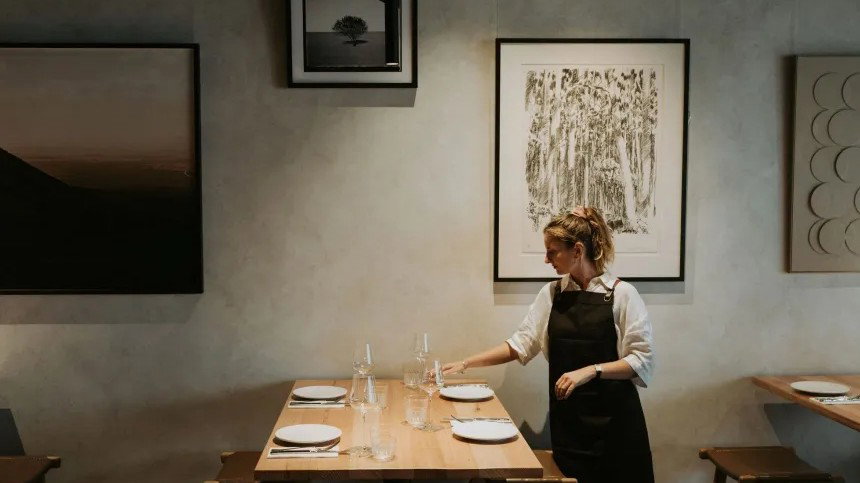
Dorothy's, a new restaurant on Savile Row in Mayfair, opened this week with a drinks programme built around regional European wines and an all-day format that is more Parisian café than Mayfair institution. The concept, European wine culture running from morning through late evening, with a list that champions producers outside the obvious appellations, is a deliberate counterpoint to the neighbourhood's existing dining register, which skews toward formal tasting menus and deep Bordeaux lists.
Savile Row is an unusual address for this kind of opening. The street's identity is bespoke tailoring, not natural wine and regional producers, and the all-day café format sits at an angle to the surrounding blocks of private members' clubs and expense-account restaurants.
What is clear is the intent: Dorothy's is positioning itself as a London outpost for the kind of wine-first, format-loose dining culture that has driven particularly interesting openings in Paris and Copenhagen over the past several years.
The all-day format is itself a statement about how Dorothy's expects its guests to use the space.
A restaurant that opens for coffee and stays open through dinner is not optimising for a single high-spend occasion, it is building a neighbourhood relationship, the kind of place where you stop in for a glass of something regional at noon and find yourself still there at nine.
In Mayfair, where most restaurants are destination venues rather than local anchors, that is a different proposition. The drinks programme championing regional wines, rather than the Burgundy and Champagne lists that dominate the area, suggests a deliberate effort to attract a guest who is curious rather than status-driven.
For visitors to London who find Mayfair's wine scene too anchored to the classics, Dorothy's is an opening to track as the programme develops and the list takes shape through its first season.
Set these five stories against each other and a pattern emerges: particularly interesting wine conversations this week were all about the version of a thing you weren't expecting. Amarone that drinks like it was made somewhere cooler. Sparkling wine medals going to producers outside France and Italy.
A Grand Award cellar in Colorado rather than Manhattan or San Francisco. Austria's most famous region turning out to be more than its two signature grapes. A Mayfair restaurant that doesn't want to be a Mayfair restaurant.
The wine world's most durable assumption, that quality concentrates in the obvious places, keeps getting tested from the edges, and the edges keep delivering. That is where particularly useful buying and travelling decisions tend to come from, and it is the thread that will keep running through the stories that matter in the second half of 2026.
Get the App
Take the shortlist into the En Primeur Club app for concierge access, saved places, and the next step after discovery.
Get Exclusive AccessMore from the editors