← Guides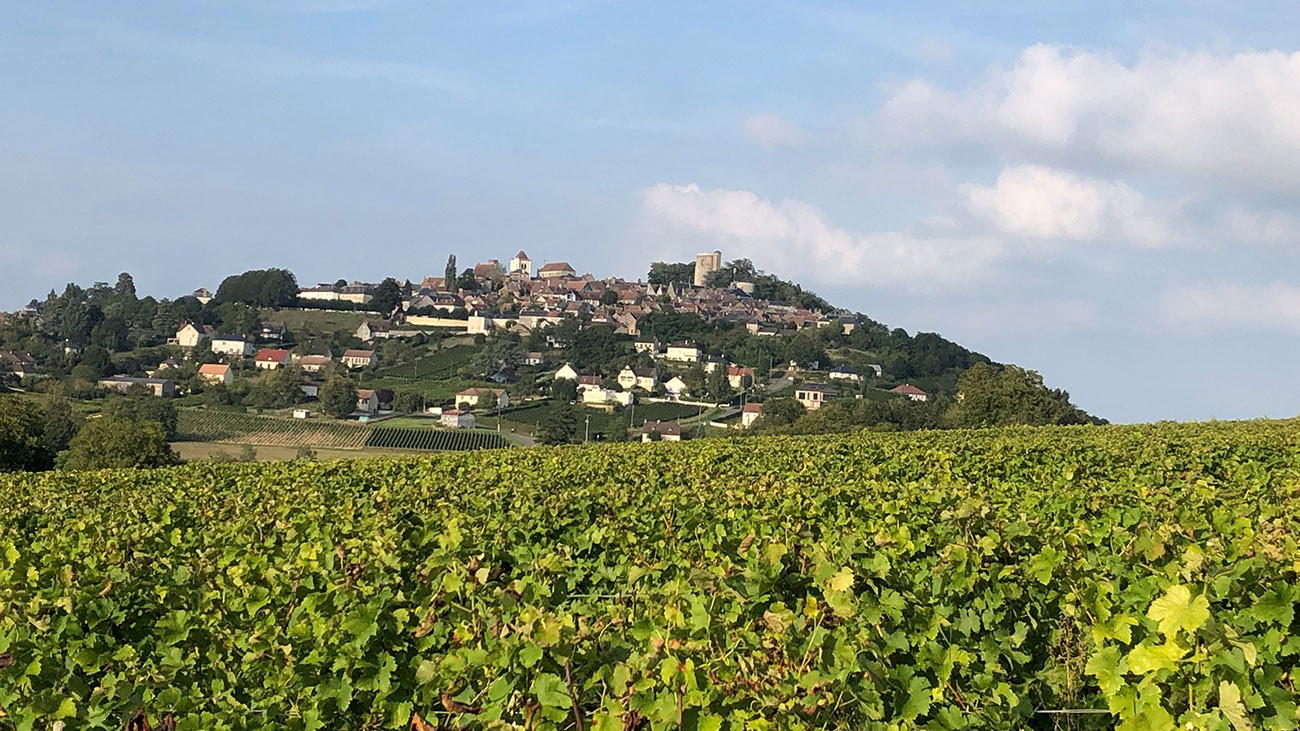
Sancerre's entry-level bottles now top $40. Here are five appellations—from Menetou-Salon to Styria—delivering the same flinty minerality for $20–$30.
Sancerre's entry-level bottles now top $40. Here are five appellations—from Menetou-Salon to Styria—delivering the same flinty minerality for $20–$30.
Sancerre covers less than 7,000 acres and produces about 37,400 gallons of wine each year, a fraction of nearby Vouvray's annual output of roughly 3 million gallons. That scarcity, combined with a decade of rising global demand, has pushed entry-level bottles past $40 at most U.S. retailers.
If you fell for Sancerre's flinty citrus profile and chalky finish, you already know the sting. The good news: five appellations, most of them within a two-hour drive of Sancerre itself, deliver the same Kimmeridgian minerality and crisp acidity for $20 to $30, and their allocations haven't yet attracted the same speculative attention.
These are the Loire Valley Sauvignon Blanc alternatives worth adding to your rotation now, before the rest of the market catches on.
Appellation | Key Soil Type | Typical U.S. Retail Price | Aromatic Profile | Notable Producer |
|---|---|---|---|---|
Sancerre | Kimmeridgian limestone & clay | $40+ | Lemon zest, grapefruit pith, chalky saline finish | Various (prestige benchmark) |
Pouilly-Fumé | Kimmeridgian limestone & flint | $30 to $40 | Similar to Sancerre; smoky flint, citrus | Widely available |
Menetou-Salon | Kimmeridgian flint & limestone | $20 to $24 | Lemon zest, grapefruit, grassy herbaceousness, chalky acidity | Domaine Pellé |
Touraine | Variable; sand, clay, tuffeau | Under $20 | Citrus, fresh grass, clean acidity; lighter and more approachable | François Chidaine |
Muscadet Sèvre-et-Maine | Gneiss & granite (Atlantic coast) | Around $20 | Delicate citrus, saline minerality, lees-derived texture | Domaine de la Pépière |
Styria (Südsteiermark), Austria | Limestone & chalk | Around $30 | White grapefruit, fresh-cut grass, wet slate, chalky finish | Weingut Tement (Kalk & Kreide) |
Alto Adige / Friuli, Italy | High-altitude hillside soils | $20 to $30 | Fresh citrus, grass, mineral; rounder mid-palate than Loire equivalents | Elena Walch (Alto Adige) |
The math behind Sancerre's price trajectory is direct. Production is capped by geography: those rolling hills above the Loire, planted in Kimmeridgian limestone and clay, produce a fixed amount of wine each year. When demand grows, and it has grown steadily as Sauvignon Blanc became a by-the-glass staple across the United States, the only variable that can move is price. Sancerre's limited capacity has predictably led to a spike in prices, making the beloved wine less accessible to even its most devoted fans.
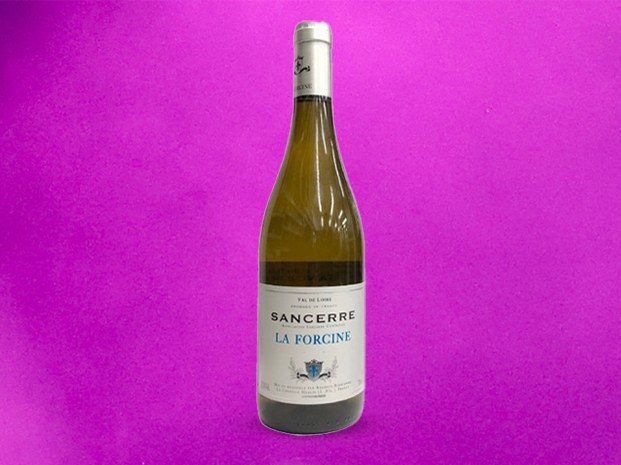
Savvy buyers initially pivoted to Pouilly-Fumé, the appellation directly across the Loire from Sancerre, which shares similar soil profiles and a comparable aromatic signature. But Pouilly-Fumé prices followed Sancerre's upward trajectory almost immediately. The pattern is familiar: a prestige appellation attracts attention, a nearby alternative absorbs the overflow, and then that alternative's prices climb in turn. The question is where to look before the next wave of price discovery arrives.
What you're paying for with Sancerre is specific: the combination of Kimmeridgian limestone and clay soils, a geological formation that stretches from Chablis south through the Central Loire, with the particular microclimate of the appellation's hillside sites. That combination produces Sauvignon Blanc with lemon zest, grapefruit pith, a grassy herbaceousness, and a chalky, saline finish that is difficult to replicate in warmer climates. The regions below share enough of that geological and climatic profile to get you most of the way there, at a fraction of the cost.
If there is one appellation that deserves to be on every Sancerre lover's shortlist, it is Menetou-Salon. The region sits just to the east of Sancerre, and its vines are planted in the same flint and limestone-rich Kimmeridgian soils that define Sancerre's character.
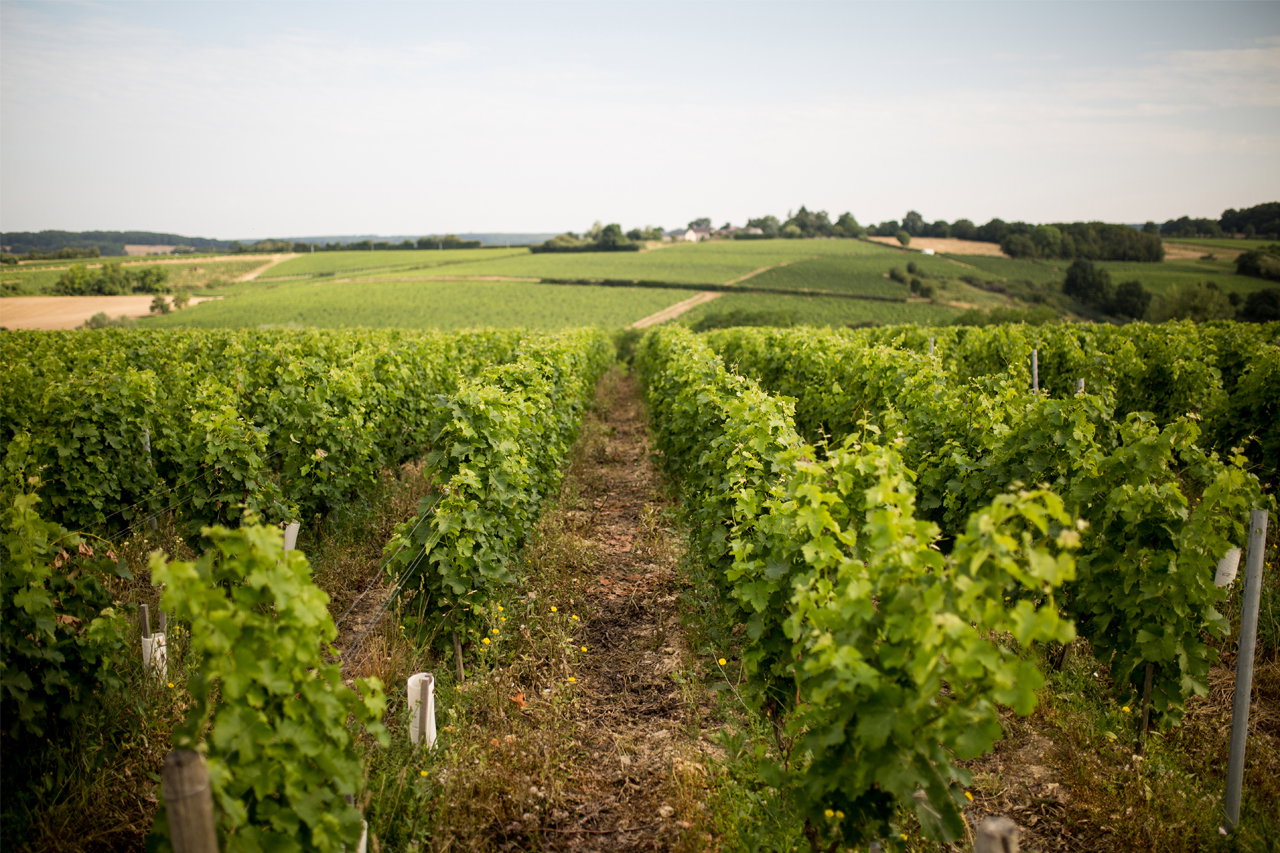
The wines carry Sauvignon Blanc's signature citrus notes, lemon zest, freshly squeezed grapefruit, pith, alongside grassy, herbaceous aromatics and that chalky acidity that Sancerre drinkers seek out. In a blind tasting, distinguishing a well-made Menetou-Salon from a mid-tier Sancerre is genuinely difficult.
The producer to know here is Domaine Pellé, a fourth-generation, family-run estate making racy, flinty, beautifully expressive examples of the appellation. Entry-level bottles from Domaine Pellé are available for around $24, delivering a quality-to-price ratio that most Sancerre bottles at the same price point simply cannot match. For context, $24 in Sancerre buys you the bottom of the range; $24 in Menetou-Salon buys you something the appellation is genuinely proud of.
Menetou-Salon also produces red and rosé from Pinot Noir, which adds versatility if you're building a Loire-focused cellar. The appellation is small enough that U.S. allocations at major importers move quickly, this is not a region where you can assume a bottle will be waiting on the shelf in six months. When you see Domaine Pellé or another Menetou-Salon producer you trust, buy a case rather than a bottle.
East of Menetou-Salon, the tiny appellations of Quincy and Reuilly produce their own flinty, high-acid Sauvignon Blancs. Both are harder to find in the U.S. market, but worth seeking out when they appear. Quincy in particular has a reputation among Loire specialists as one of the valley's most undervalued addresses for the grape, the wines tend toward a leaner, more mineral style that rewards a few years in the cellar.
The Touraine appellation covers a broad swath of the Middle Loire and encompasses some of the valley's most storied addresses, Vouvray, Chinon, Bourgueil. But outside those designated zones, Touraine produces Sauvignon Blanc that offers a lighter, more immediately approachable expression of the grape at prices that make it genuinely useful as a weeknight pour.
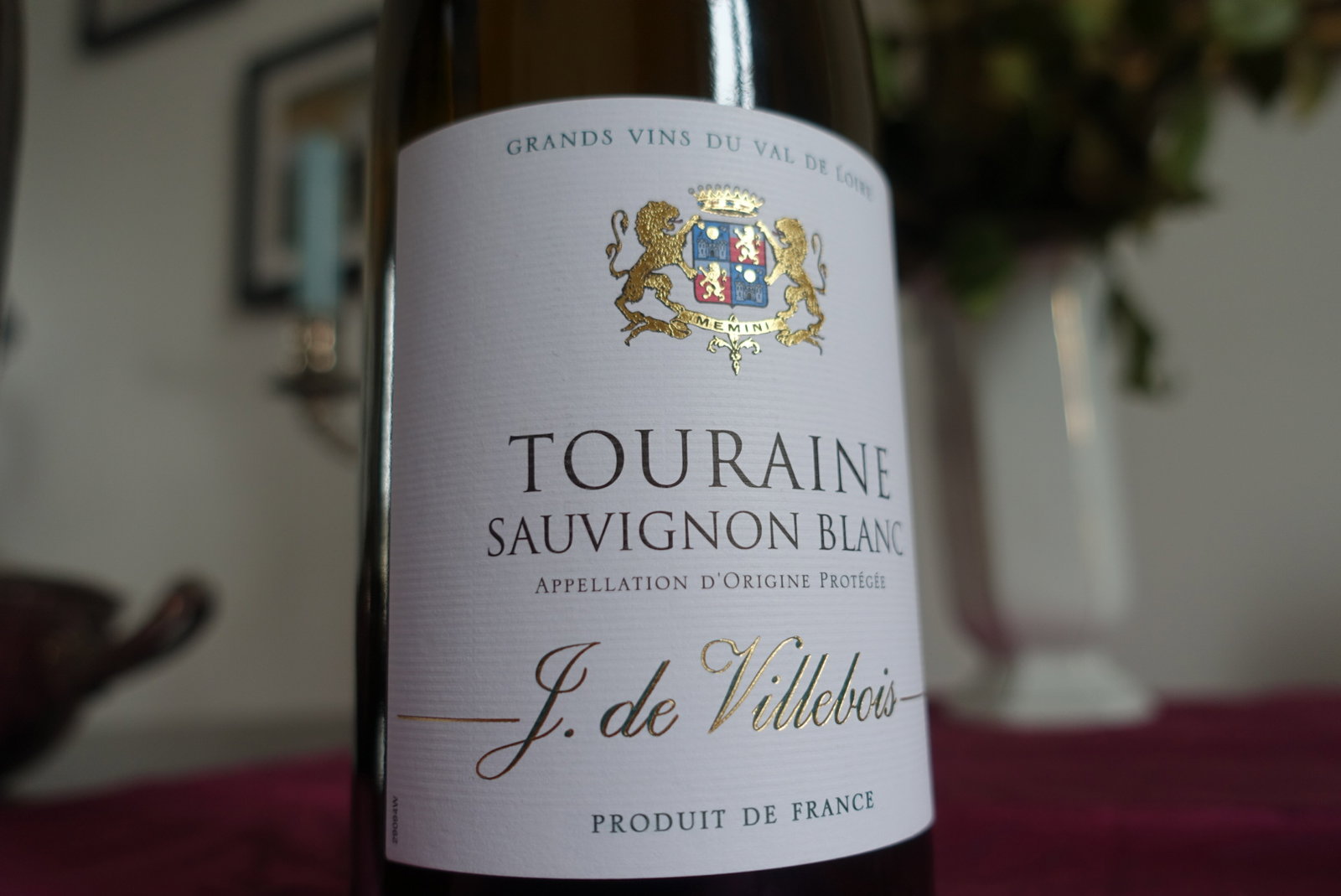
The producer to seek out here is François Chidaine, whose Touraine Sauvignon Blancs are described as lively and citrus-driven, available for under $20. Chidaine is better known for his Montlouis-sur-Loire Chenin Blancs, serious, age-worthy wines that attract collector attention, but his Touraine Sauvignon Blanc is the kind of bottle that earns its place on a table without demanding analysis. Citrus, a touch of grass, clean acidity: it does what it promises.
The trade-off with Touraine versus Menetou-Salon is complexity. The Kimmeridgian soils that give Menetou-Salon and Sancerre their mineral depth are not uniformly present across the broader Touraine zone, and the wines reflect that. What you gain is availability and price. Touraine Sauvignon Blanc is among the more reliably stocked Loire Valley Sauvignon Blanc alternatives in U.S. wine shops, and at under $20, it fills the gap between a grocery-store Sauvignon Blanc and a serious appellation wine without asking you to compromise entirely.
If you're introducing someone to the Loire style for the first time, the citrus-forward, herbaceous, mineral-driven profile that defines the valley's white wines, Touraine is a sensible starting point before moving up to Menetou-Salon or Sancerre itself.
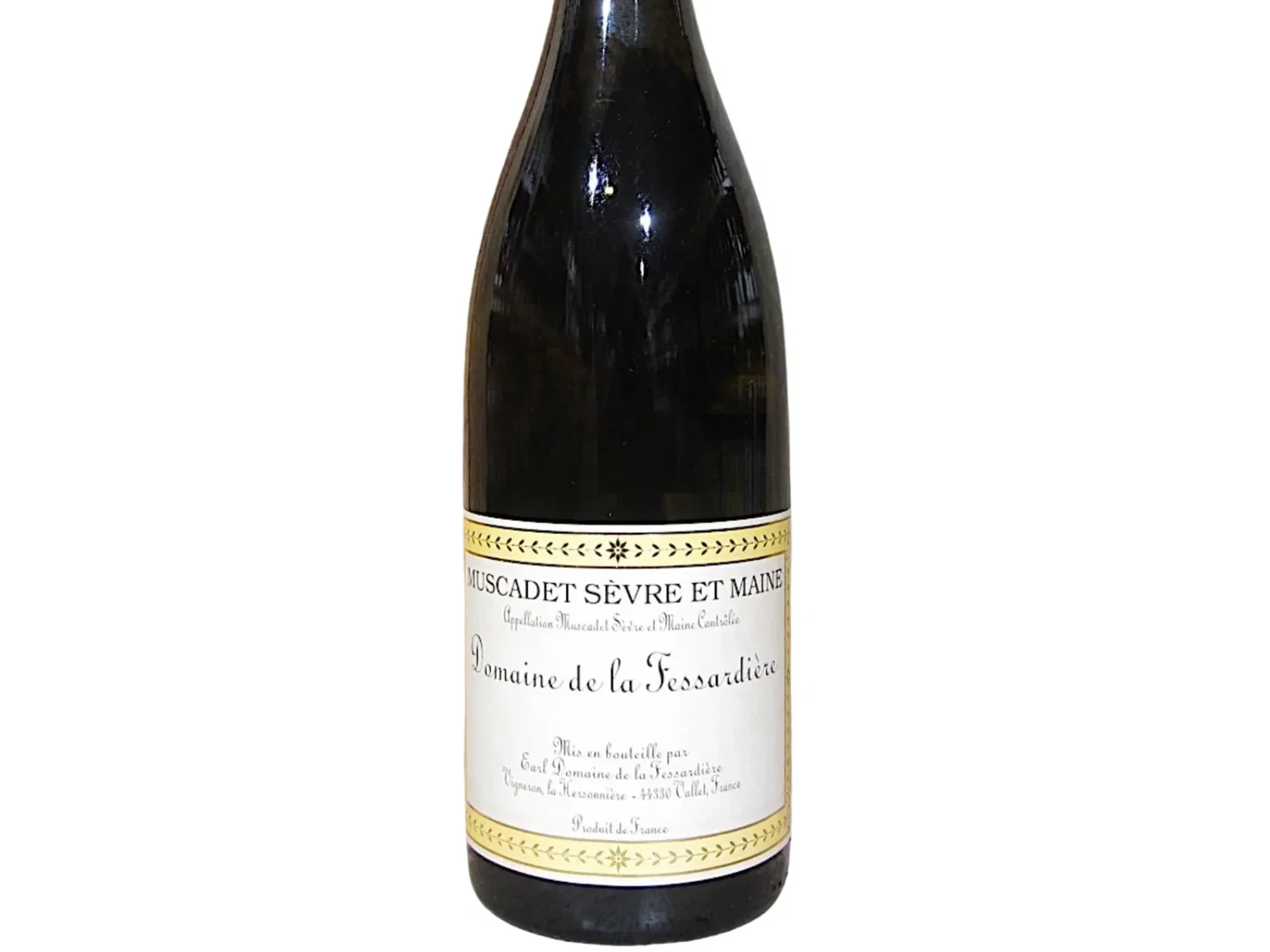
Muscadet Sèvre-et-Maine is not a Sauvignon Blanc, and it does not pretend to be. The appellation sits near Nantes on the Atlantic coast, and its grape, Melon de Bourgogne, is a variety that tends toward subtlety and neutrality, excelling at expressing terroir rather than announcing itself through varietal character. What connects it to Sancerre is the profile: high acidity, mineral drive, delicate citrus, and a crisp salinity that makes it among the more food-friendly whites in France.
The key to Muscadet's complexity is its lees aging. Muscadet Sèvre-et-Maine wines undergo extensive aging on the lees, the spent yeast cells left in the barrel or tank after fermentation, which adds a layered, almost creamy texture to what would otherwise be a lean, austere wine. The result is a white that mimics Sancerre's refreshing, mineral-driven appeal while offering something texturally distinct: a slight richness on the mid-palate that makes it particularly effective alongside shellfish, grilled fish, or a plateau de fruits de mer on the Nantes waterfront.
Domaine de la Pépière is the benchmark producer here, with wines typically available for around $20. The domaine's Muscadet Sèvre-et-Maine is a consistent reference point for what the appellation can achieve, mineral, saline, with enough lees-derived texture to hold interest through a full meal. If you are committed to Sauvignon Blanc as a grape, Muscadet will feel like a departure. If what you love about Sancerre is the overall drinking experience, the freshness, the mineral edge, the way it pairs with food, Muscadet Sèvre-et-Maine at $20 is among the more compelling bottles in France at that price.
The appellation also rewards patience. Extended lees-aged cuvées, labeled as Cru Communaux, from specific village sites, can develop for five to eight years, adding complexity that rivals wines costing three times as much. Domaine de la Pépière produces several such cuvées, and tracking them down is worth the effort for anyone building a cellar around value and longevity.
Particularly unexpected entry on this list, and particularly exciting for collectors who want something genuinely different, is Styria (Steiermark) in southern Austria. The region is not the first place most wine drinkers associate with Sauvignon Blanc; Austria's reputation in the U.S. market is built primarily on Grüner Veltliner and Riesling. But Styria's limestone and chalk soils produce Sauvignon Blanc with a mineral intensity and structural acidity that places it closer to the Loire Valley style than to anything coming out of New Zealand or California.
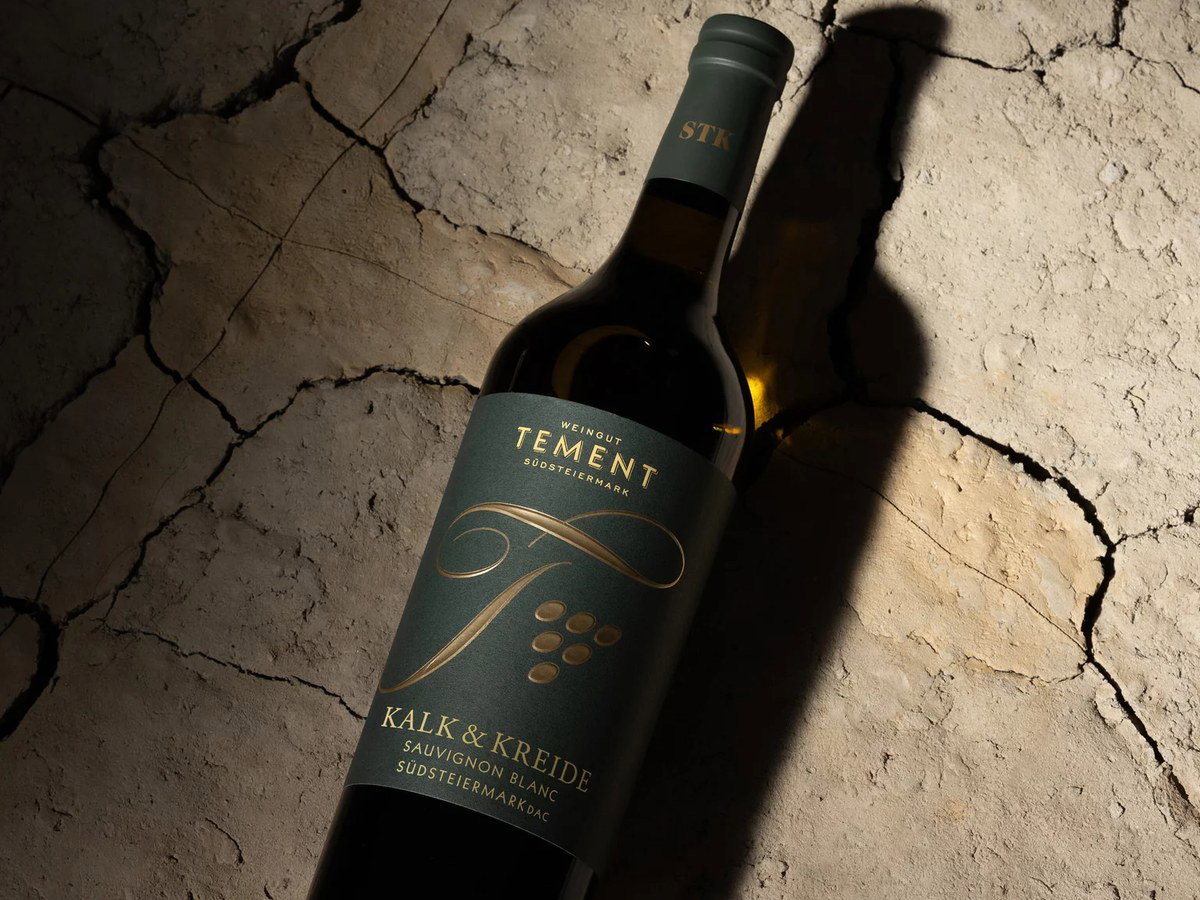
The contrast with New Zealand is instructive. New Zealand Sauvignon Blanc makes up 85 percent of the country's wine exports, and the style is unmistakable: ripe, tropical, with intense passion fruit and a pungency that divides opinion. Styrian Sauvignon Blanc sits at the opposite end of the spectrum, white grapefruit, fresh-cut grass, wet slate, with the kind of chalky finish that Sancerre lovers recognize immediately. The region's sunny slopes add a touch more fruit and body than a typical Sancerre, with notes of green apple, lime zest, and pineapple, but the wines never approach New Zealand levels of ripeness.
Tement is the producer to know in Styria. The winery makes several site-specific Sauvignon Blanc expressions, and its Kalk & Kreide bottling, the name translates roughly to limestone and chalk, a direct reference to the soils, is available for $30. That price point, for a wine with this level of mineral precision and aromatic complexity, represents one of the stronger value propositions in white wine right now. Kalk & Kreide is the kind of bottle you open for guests who think they know Sauvignon Blanc and watch them reach for the label.
Styrian Sauvignon Blanc is also worth considering as a cellar addition. The combination of high natural acidity and mineral structure gives the wines genuine aging potential, three to five years on a well-made Steirische Klassik will add complexity without sacrificing the freshness that defines the style. At $30 a bottle, building a small vertical of Tement's Kalk & Kreide is a low-risk investment in a region that has not yet attracted the speculative pricing that follows prestige appellations.
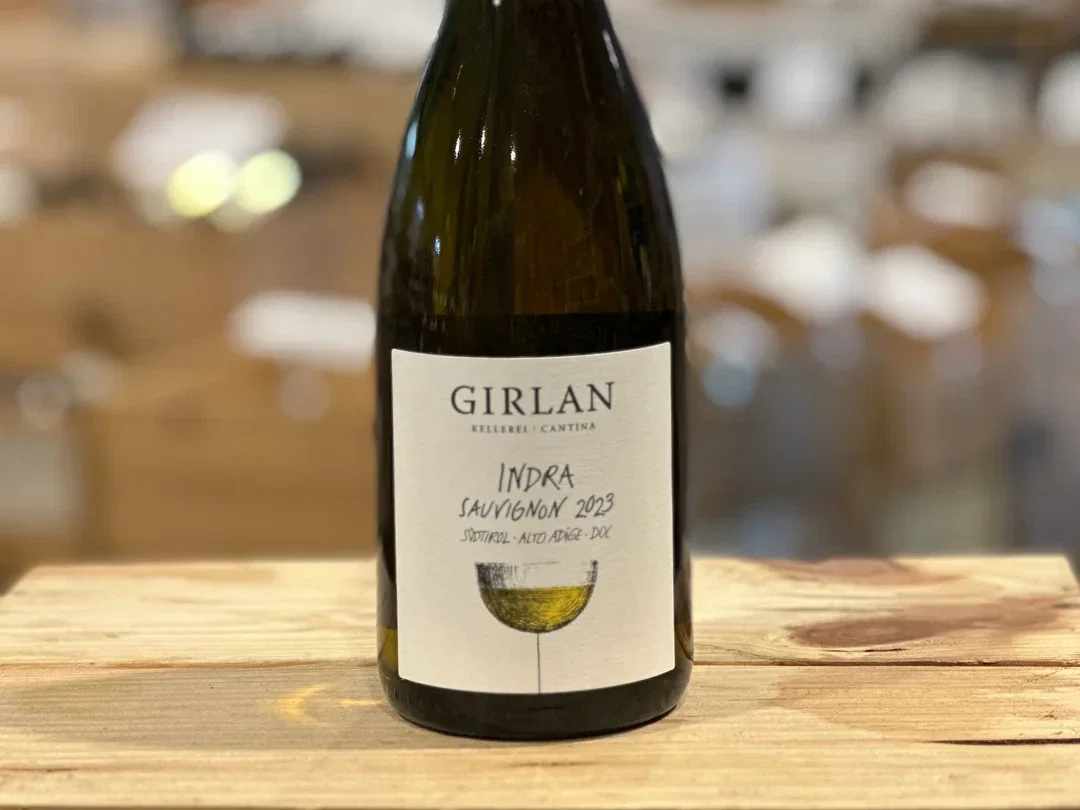
Northern Italy's contribution to the Sauvignon Blanc conversation is easy to overlook, partly because the region's white wine identity is so thoroughly dominated by Pinot Grigio in the U.S. market. But Alto Adige in the Dolomites and Friuli to the east produce Sauvignon Blanc at high altitude, and the elevation makes a measurable difference: cooler temperatures during the growing season preserve acidity and aromatics in a way that lower-altitude Italian whites rarely achieve.
The hillside sites in both regions catch significant sunshine, which adds soft, ripe-fruit notes to the wines, a touch more generosity on the palate than you'd find in a lean Menetou-Salon or a mineral-driven Styrian expression. The result is a Sauvignon Blanc that bridges the Loire style and something slightly more Mediterranean: citrus-forward, grassy, mineral, but with a rounder mid-palate that makes it approachable without aging.
Elena Walch is the Alto Adige producer cited here, making a Sauvignon Blanc described as bursting with fresh citrus, grass, and mineral character. Alto Adige Sauvignon Blanc in general tends to be well-distributed in the U.S. market, partly because the region's wines have benefited from decades of export focus, and partly because the style, crisp, aromatic, food-friendly, translates easily to American tables. If Styria feels like an adventurous reach and Menetou-Salon is temporarily out of stock, Alto Adige is a reliable fallback that delivers the core profile you're looking for.
Friuli's Sauvignon Blancs, particularly from the Collio and Colli Orientali del Friuli zones near the Slovenian border, tend toward a slightly more textural style, some producers use skin contact or extended lees aging, but the underlying mineral and citrus character remains. Both regions are worth exploring as part of a broader survey of Loire Valley Sauvignon Blanc alternatives, particularly if you're curious about how altitude and soil type shape the grape's expression across different European climates.
The practical case for these five regions is direct: at $20 to $30 a bottle, you can buy six bottles of Menetou-Salon or Styrian Sauvignon Blanc for the price of three entry-level Sancerres. That math matters if you drink white wine regularly and want bottles on hand without planning a purchase two weeks in advance.
For immediate drinking, Touraine Sauvignon Blanc from François Chidaine and Muscadet Sèvre-et-Maine from Domaine de la Pépière are especially accessible, widely distributed, consistently available, and priced under $20. Both reward a slight chill and a simple meal; neither needs time in the cellar.
For a step up in complexity and aging potential, Menetou-Salon from Domaine Pellé at around $24 and Tement's Kalk & Kreide from Styria at $30 are the bottles to prioritize. Both have the structure to develop over three to five years, and both offer a mineral precision that holds up to the comparison with Sancerre in ways that most sub-$30 whites do not.
If you're planning a Loire Valley trip, and Bourges makes a natural base, with Menetou-Salon and Quincy both within thirty minutes, the tasting room visits alone justify the detour. These are small, family-run estates where the winemaker is often the person pouring your glass, and the allocations available at the cellar door rarely make it to export markets. Buying direct from Domaine Pellé or a Quincy producer means accessing bottles that U.S. importers never see.
Sancerre will always have a place at the table, the appellation's combination of terroir, history, and winemaking precision is genuinely difficult to replicate at scale. But at current prices, it has become an occasion wine rather than an everyday pour for most drinkers. The five regions above close that gap without asking you to compromise on the qualities that made you love Sancerre in the first place: the minerality, the citrus drive, the chalky finish that makes you reach for another glass.
What are the Loire Valley Sauvignon Blanc alternatives to Sancerre under $30?
Menetou-Salon is the closest match, with bottles from Domaine Pellé available around $24 and planted in the same Kimmeridgian limestone soils as Sancerre. Four other appellations within a two-hour drive of Sancerre deliver comparable minerality and acidity in the $20 to $30 range.
Why is Sancerre so expensive compared to other Loire Valley Sauvignon Blancs?
Sancerre produces only about 37,400 gallons per year from fewer than 7,000 acres, creating a fixed supply that cannot expand to meet growing global demand. As Sauvignon Blanc became a by-the-glass staple in the U.S., that scarcity pushed entry-level bottles past $40 at most retailers.
How similar is Menetou-Salon to Sancerre in taste and soil?
Menetou-Salon sits just east of Sancerre and shares the same flint and Kimmeridgian limestone soils, producing wines with lemon zest, grapefruit pith, herbaceous aromatics, and chalky acidity. Distinguishing a well-made Menetou-Salon from a mid-tier Sancerre in a blind tasting is genuinely difficult.
Is Pouilly-Fumé still a good value Loire Valley Sauvignon Blanc alternative?
Pouilly-Fumé was the first appellation buyers turned to when Sancerre prices rose, but its prices have since followed the same upward trajectory. Look further afield to appellations that haven't yet attracted the same speculative attention.
When should I buy Loire Valley Sauvignon Blanc alternatives like Menetou-Salon?
Buy now, before broader market price discovery arrives, the same pattern that drove up Sancerre and then Pouilly-Fumé prices is likely to repeat. U.S. allocations of producers like Domaine Pellé move quickly, so availability cannot be assumed even in the near term.
Get the App
Take the shortlist into the En Primeur Club app for concierge access, saved places, and the next step after discovery.
Get Exclusive AccessMore from the editors