← Guides
A 1927 Furmint from Ptujska Klet tasted as if it were 15–20 years old, not nearly a century. Eastern Slovenia's white wine terroir demands a closer look.
A 1927 Furmint from Ptujska Klet tasted as if it were 15–20 years old, not nearly a century. Eastern Slovenia's white wine terroir demands a closer look.
A vivid deep gold in the glass. Aromatics of lemon zest, steel, chamomile, fennel, chestnut honey, and quince paste. No oxidation. No tiredness. Astonishingly alive and lingering. The wine was a 1927 Šipon, the Slovenian name for Furmint, poured from an archive bottle at Ptujska Klet.
According to Caroline Gilby MW, who tasted it last September, it drank as though it were 15 to 20 years old, not nearly a century. Analysis of the wine showed 10.9% alcohol, 37.8 grams per litre of residual sugar, and a pH of 3.22.
That a white wine from eastern Slovenia could survive 97 years with this kind of vitality tells you something about the terroir, the grape, and the region’s capacity for age-worthy whites that most of the wine world has simply overlooked.
Eastern Slovenia, Štajerska Slovenia, the Slovenian part of Styria, sits in a corner of Central Europe where the warmth of the Pannonian Plain meets Alpine breezes from the north. It is overwhelmingly a white wine region: only 7% of production is red, according to Gilby.
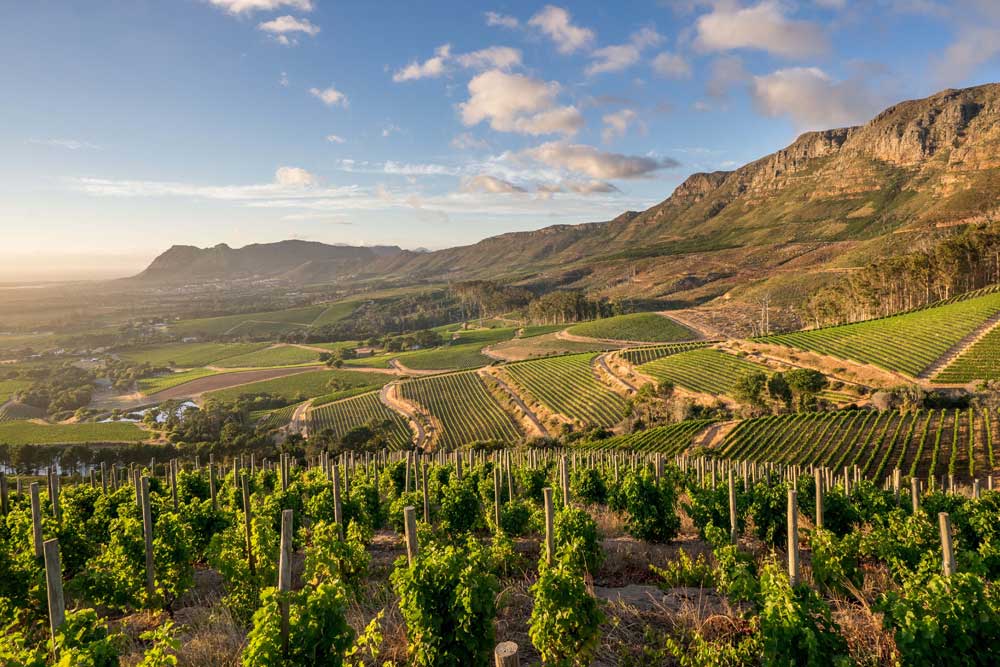
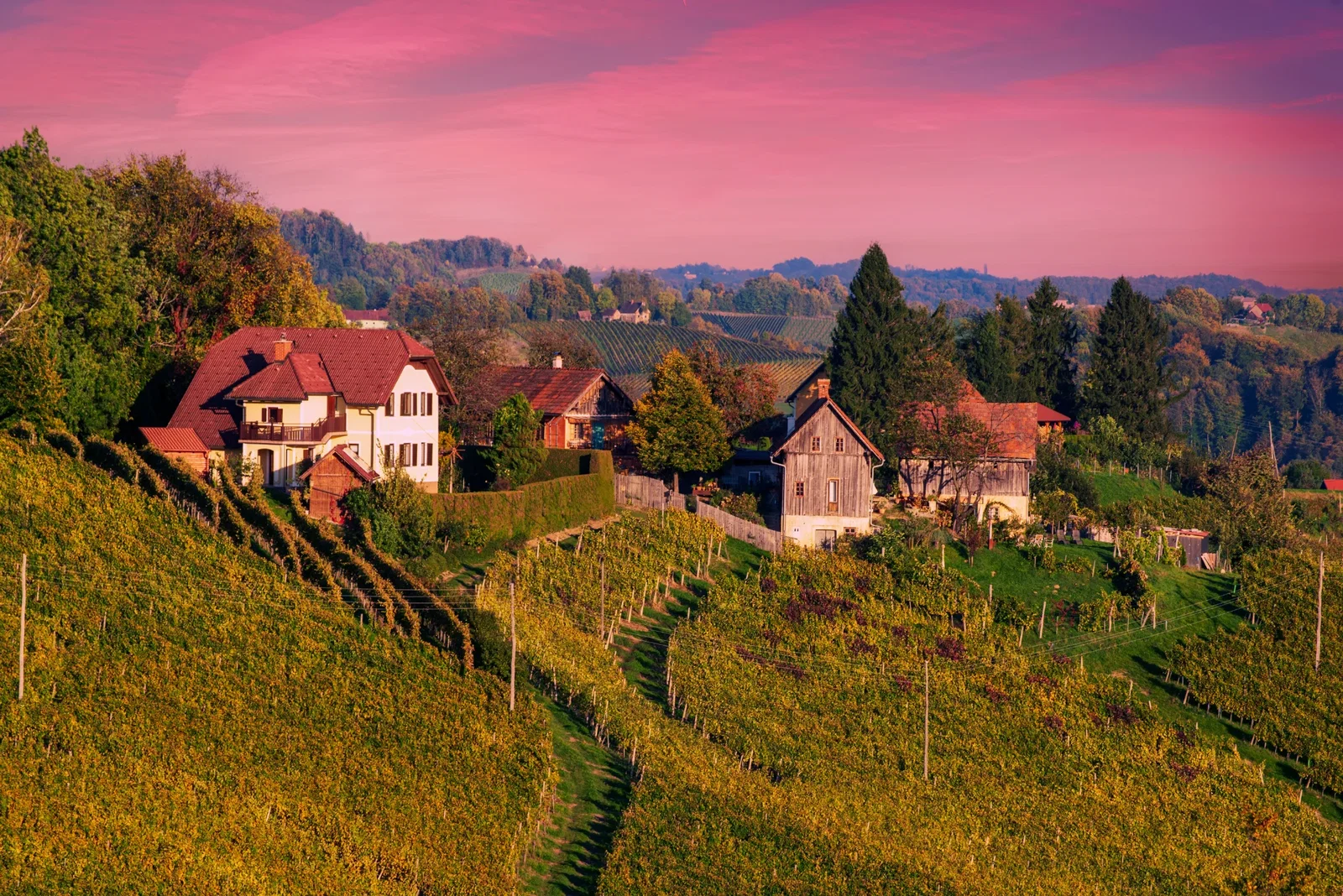
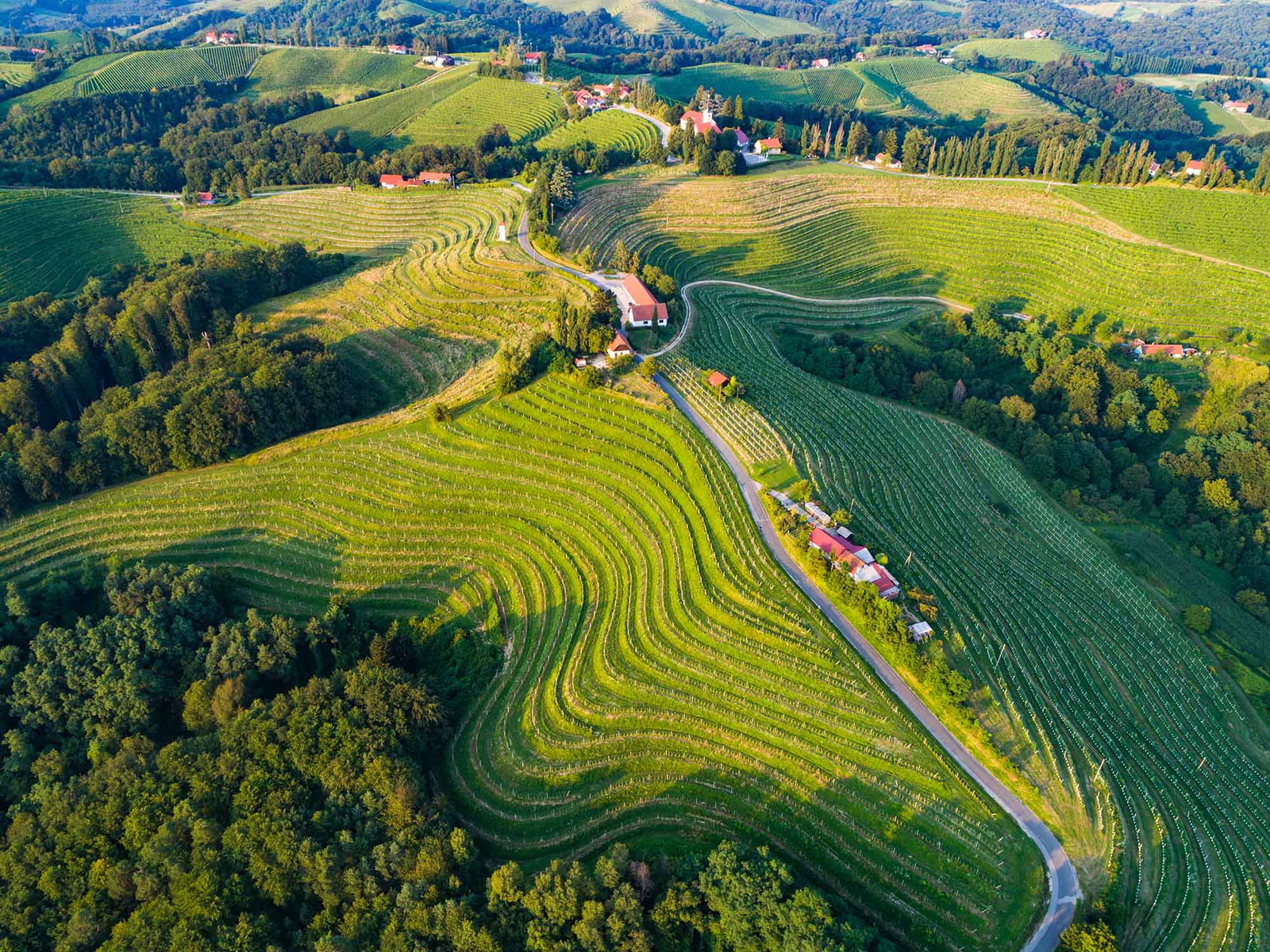
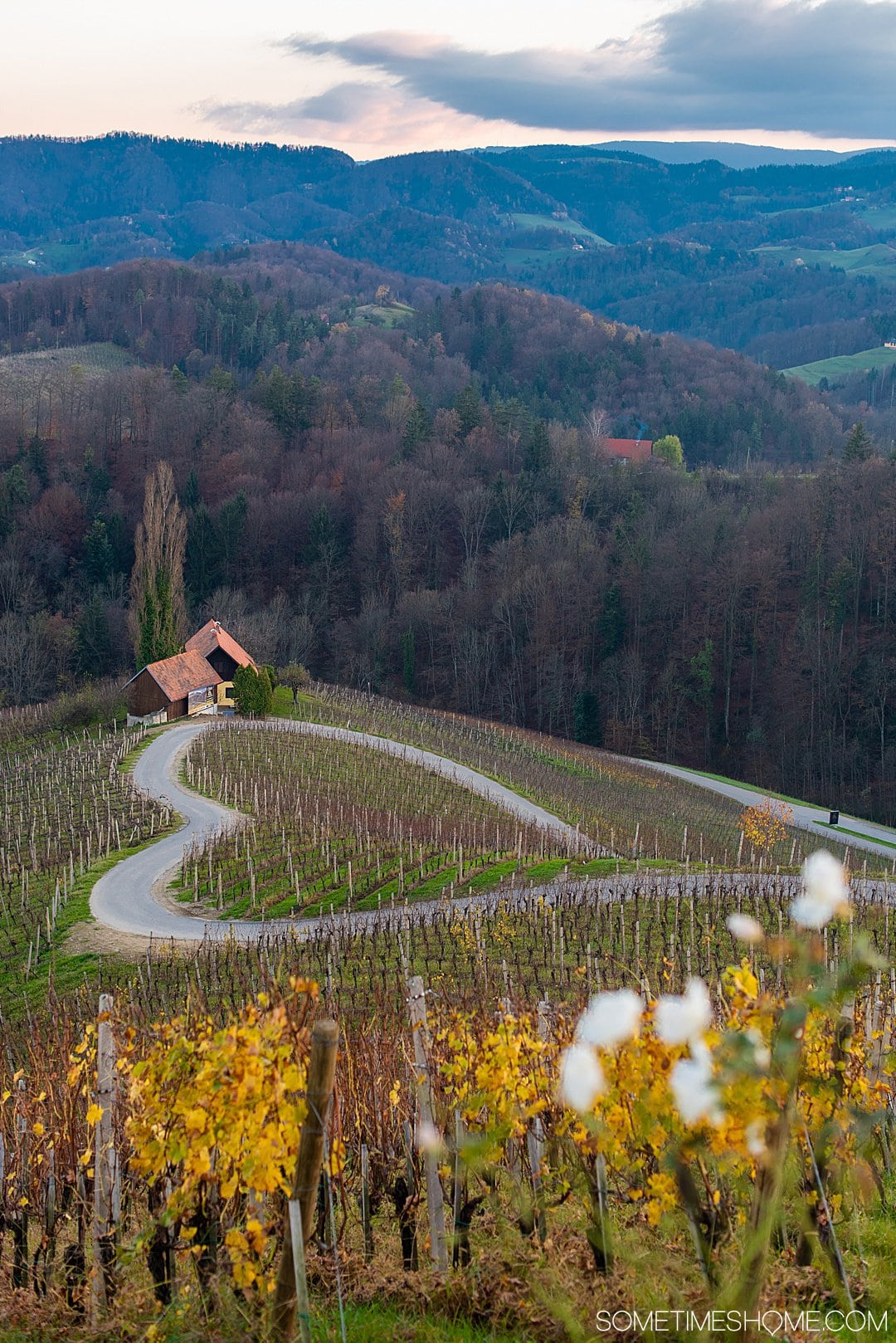
The vineyards climb steep slopes, often on terraces built during the Yugoslavian period to escape frost pockets on the flatlands below. The climate is distinctly continental, with cooler nights than Slovenia’s Mediterranean west.
This is a place built for aromatic, acid-driven whites, Furmint, Sauvignon Blanc, Pinot Blanc, and others, that carry both freshness and surprising depth. And yet, for collectors and wine travelers who know their Austrian Styria, their Tokaj, their Jura, this region barely registers. That is changing.
The story of the 1927 Šipon at Ptujska Klet is not just a tasting note. It is a survival story. Slovenia was collectivised during the socialist era, and according to Gilby, almost everything produced before that time was lost. The bottles at Ptujska Klet, archive wines going back to 1917, survived because of one man’s foresight.
As co-owner Vinko Mandl explained, Pavel Ornig, son of the Mayor of Ptuj, who served from 1894 to 1918, was a passionate wine enthusiast determined to preserve the cellar’s leading vintages from the approaching turmoil of war. Just before the outbreak of World War II, Ornig sealed off three rooms within the cellar and concealed the sealed walls behind large wooden barrels. The ruse worked. The wines remained hidden and intact through the conflict and the political upheavals that followed.
Not much is known about how the 1927 wine was made. Gilby reports the grapes likely came from Haloze and were aged in large wooden casks. But the numbers speak for themselves: 10.9% alcohol, 37.8 g/l residual sugar, pH 3.22. That low pH, indicating high natural acidity, is a key reason the wine endured. Acidity is the spine of longevity in white wine, and eastern Slovenia’s continental climate delivers it in abundance.
To taste, according to Gilby, the wine was vivid deep gold, with aromatics of lemon zest, steel, chamomile, fennel, chestnut honey, and quince paste. No oxidation. No tiredness. It was clearly not a young wine, but it tasted as though it were 15 to 20 years old, not 97. Gilby described it as a real credit to the combination of grapes, soils, and climate, and to the unknown winemakers who made it.
For anyone who has spent time collecting aged Riesling from the Mosel, old Chenin Blanc from the Loire, or Tokaji Aszú from Hungary, the implications are clear. Furmint, in the right terroir, belongs in that conversation. And eastern Slovenia has the terroir.
| Attribute | Eastern Slovenia (Štajerska) | Austrian Styria (Steiermark) | Tokaj (Hungary) |
|---|---|---|---|
| Signature White Grape | Furmint (Šipon), Sauvignon Blanc | Sauvignon Blanc, Morillon (Chardonnay) | Furmint, Hárslevelű |
| Climate Type | Continental, Pannonian warmth meets Alpine breezes | Continental, Alpine-influenced cool climate | Continental, Pannonian with volcanic microclimate |
| Key Style | Aromatic, acid-driven dry and off-dry whites | Crisp, mineral-driven dry whites | Dry Furmint and botrytised sweet Aszú |
| Aging Potential | Notable, 1927 Šipon still lively at 97 years | Generally 5 to 15 years for top cuvées | Decades for Aszú; 10 to 20+ years for dry Furmint |
| International Recognition | Emerging, largely overlooked by collectors | Well-established, especially for Sauvignon Blanc | Historic prestige, UNESCO-listed wine region |
| Red Wine Share | 7% of production | Approximately 20% of production | Less than 5% of production |
Geography shapes everything here. Eastern Slovenia sits at a climatic crossroads, the broad, warm Pannonian Plain to the east and south, Alpine influences descending from the north. The result is a continental climate with warm days and cool nights, a combination that allows grapes to ripen fully while retaining the natural acidity that gives these wines their structure and longevity.
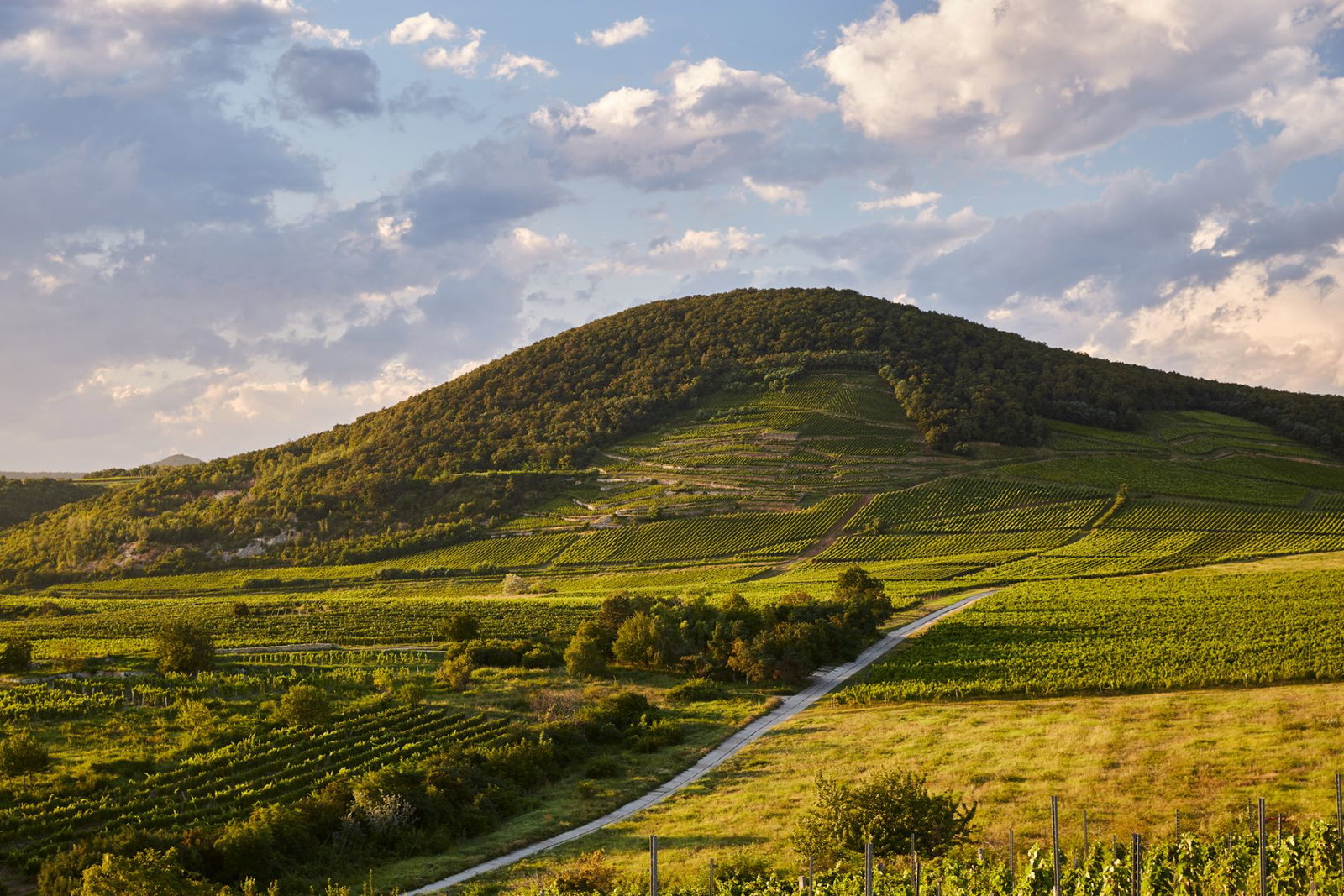
Vineyards are typically planted on steep slopes. Many of the terraces were constructed during the Yugoslavian period, a practical response to the frost pockets that form on the flatlands below. The elevation and slope exposure create microclimates that favor slow, even ripening, conditions that white grape varieties exploit to produce wines with both aromatic intensity and a firm acid backbone.
The region was historically regarded as cool, according to Gilby, though it is now more moderate. Traditionally, wines were made with residual sweetness to balance what she describes as sometimes fierce acidity. But the modern wine scene has shifted. Today’s producers are making bright, crisp, refreshing dry whites that harness that acidity as an asset rather than a problem. Better ripeness in the vineyard means better aromatics and fruit expression, without sacrificing the freshness that defines the style.
This is not a region trying to imitate Burgundy or Bordeaux. It is not chasing the New World. Eastern Slovenia’s whites have their own identity, one rooted in Central European tradition, shaped by a specific intersection of geology and climate, and expressed through grape varieties that thrive in precisely these conditions.
Eastern Slovenia’s wine geography divides into two official regions: Podravje and Posavje. For collectors and travelers, the distinctions matter.
Podravje is the larger and more prominent of the two. It encompasses the sub-region of Štajerska Slovenia, the Slovenian part of Styria, which is the heartland of the region’s white wine production. Within Štajerska Slovenia, two districts stand out: Ljutomer-Ormož and Haloze. Gilby describes both as dramatic and notable for wine quality. Podravje also includes the small north-eastern area of Prekmurje.
Posavje, the second official region, includes the districts of Bela Krajina, Dolenjska, and Bizeljsko-Sremič. While less internationally recognized than Podravje, Posavje contributes to the diversity of eastern Slovenia’s wine output.
For the wine traveler, the districts of Ljutomer-Ormož and Haloze within Štajerska Slovenia are where particularly compelling bottles originate. Ljutomer-Ormož has deep historical roots, this is the district that produced the 1927 Šipon that survived nearly a century in Ptujska Klet’s hidden cellars. Haloze, with its steep hillsides and varied exposures, is a source of grapes for some of the region’s most structured whites. The terraced vineyards here, climbing ridgelines above river valleys, offer the kind of dramatic setting that makes wine travel visceral, you see the effort in the slopes, and you taste it in the glass.
If Furmint is the grape that proves eastern Slovenia’s capacity for age-worthy whites, Sauvignon Blanc is the grape that could put the region on the map for a broader audience. And the style here is distinct.
According to Gilby, Sauvignon Blanc in eastern Slovenia produces a distinctive Central European style closest to Austria’s Styria. The wines show more refined aromatics than New World Sauvignon Blanc but carry more body than is typical in western Europe. This is a middle path, neither the tropical exuberance of Marlborough nor the flinty austerity of Sancerre, but something with its own center of gravity. Think herbal precision, white-fleshed fruit, and a textural weight that comes from ripe grapes grown in a continental climate with real diurnal temperature variation.
The comparison to Austrian Styria is apt and instructive. Styrian Sauvignon Blanc, particularly from Südsteiermark, has earned a devoted following among sommeliers and collectors over the past two decades. The wines from eastern Slovenia’s Štajerska share the same broader geological and climatic context. The border between Slovenian and Austrian Styria is political, not viticultural. The hills continue. The soils continue. The grape varieties continue. What differs is recognition, and price.
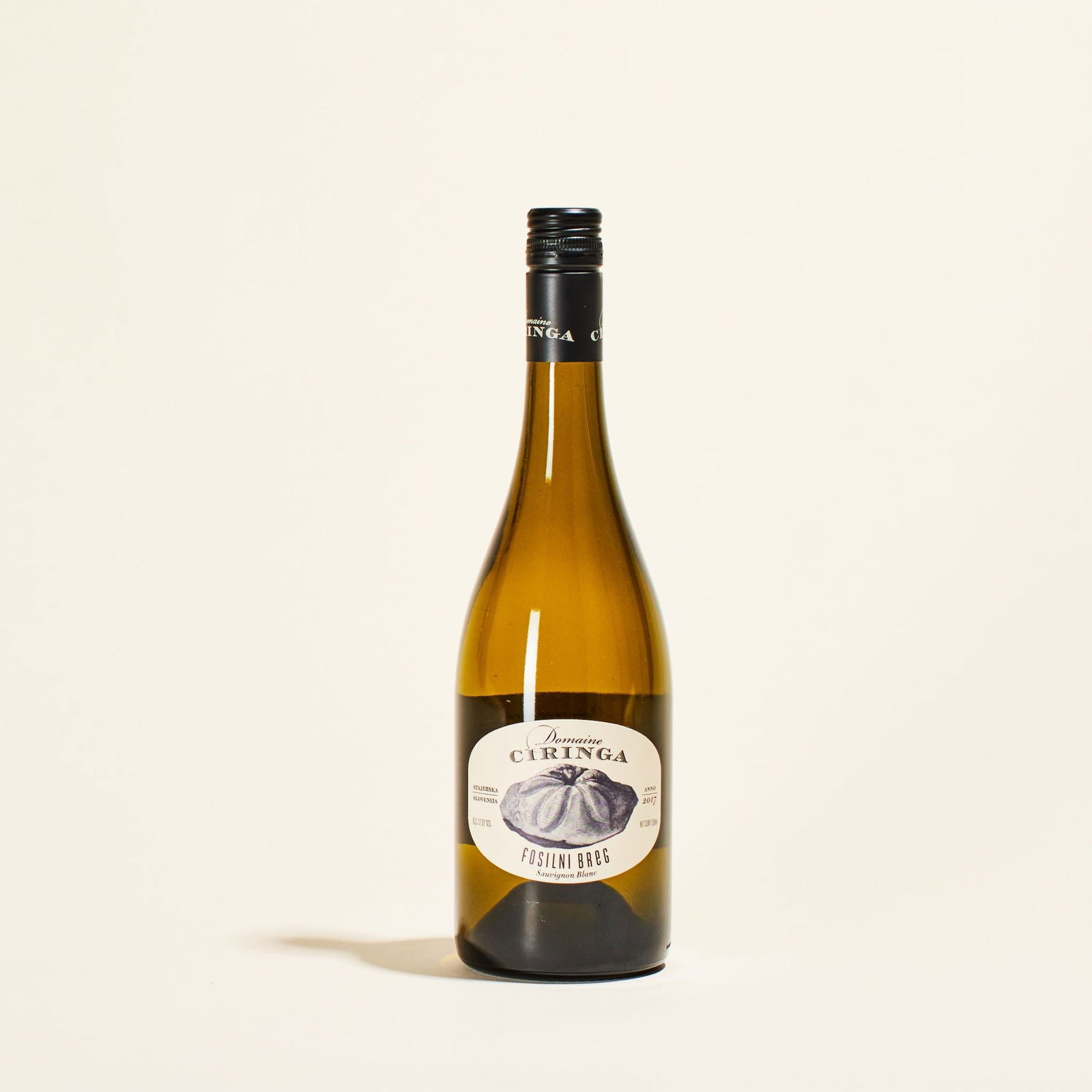
Gilby names nine producers to watch for Sauvignon Blanc: Verus, M-Vina, Kozinc, Kobal, Pullus, Marof, Domaine Ciringa, Vino Gross, and Dveri Pax. That is a deep bench for a region that most wine lists ignore. Each of these estates is working with the same fundamental terroir advantages, steep slopes, continental climate, high natural acidity, but expressing them through individual winemaking philosophies. For anyone who has explored Südsteiermark and wants to understand the broader Styrian picture, these are the names to seek out.
Furmint is most commonly associated with Tokaj, the Hungarian region where it forms the backbone of both dry wines and the well-known botrytised Aszú. But Furmint, known locally as Šipon, has deep roots in eastern Slovenia as well. The 1927 bottle from Ptujska Klet is especially dramatic evidence, but it is not the only one.
Gilby, who has visited eastern Slovenia for over two decades, also tasted a 1971 Furmint and a 1983 Pinot Blanc from Puklavec winery, describing both as impressive archive wines. The 1971 Furmint, over 50 years old at the time of tasting, adds another data point to the argument that Furmint in this terroir has serious cellaring potential.
What makes Furmint so well-suited to eastern Slovenia? The grape is naturally high in acidity, which is the single most important factor in a white wine’s ability to age. In a continental climate with cool nights, exactly what eastern Slovenia provides, Furmint retains that acidity even as it achieves full phenolic ripeness. The result is a wine with both structure and complexity, capable of developing secondary and tertiary aromas over decades without collapsing into oxidation.
The 1927 Šipon’s pH of 3.22 is telling. For context, many modern dry white wines sit between 3.2 and 3.5. A wine from 1927 holding at 3.22 after nearly a century suggests that the original must was even more acidic, a natural preservative that, combined with the residual sugar (37.8 g/l), created a wine with the chemical architecture to endure far beyond what anyone might have predicted.
For collectors who have built cellars around aged Riesling, Chenin Blanc, or Hungarian Furmint, eastern Slovenian Šipon represents an unexplored frontier. The archive wines exist. The proof of longevity exists. What the region lacks is the market recognition that would make these bottles sought-after, which, for the collector with foresight, is precisely the point.
The existence of drinkable wines from 1917, 1927, 1971, and 1983 in eastern Slovenian cellars is not just a curiosity. It is an argument. These bottles demonstrate that the combination of grape varieties, climate, and soils in Štajerska Slovenia can produce whites with the structural integrity to age for decades, and in the case of the 1927 Šipon, nearly a century.
Ptujska Klet’s archive, with bottles going back to 1917, is itself a rarity. The collectivisation of Slovenian agriculture during the socialist era destroyed most pre-war wine stocks. That any bottles survived is a direct result of Pavel Ornig’s decision to seal and conceal three cellar rooms before World War II. Without that act, the 1927 Šipon, and the evidence it provides, would not exist.
Puklavec’s archive wines tell a complementary story. The 1971 Furmint and 1983 Pinot Blanc, both described by Gilby as impressive, show that the age-worthiness of eastern Slovenian whites is not limited to a single cellar or a single vintage. Multiple producers, across multiple decades, have made wines that hold.
This matters for collectors because it shifts the conversation about Slovenian wine from interesting curiosity to serious cellar candidate. The question is no longer whether these wines can age. The question is which current-release wines from the region’s best producers will reward patience. And with the region’s profile still low relative to Austrian Styria or Hungarian Tokaj, the economics are favorable. You are not paying a premium for reputation, you are paying for what is in the bottle.
Eastern Slovenia’s producer roster is anchored by a core group of estates making Sauvignon Blanc at a level that competes directly with Austrian Styria. Gilby’s list, Verus, M-Vina, Kozinc, Kobal, Pullus, Marof, Domaine Ciringa, Vino Gross, and Dveri Pax, spans a range of scales and styles, but all share the same terroir foundation.
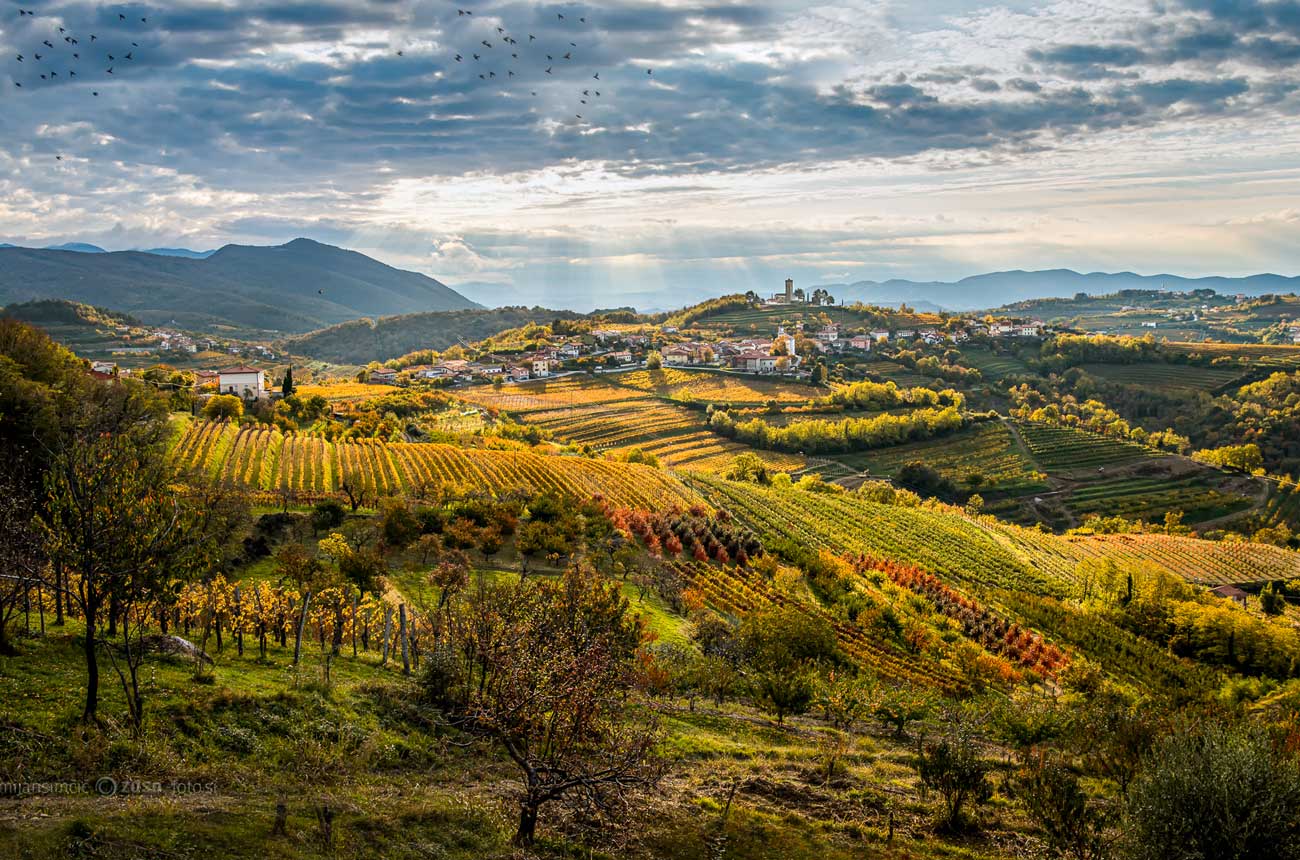
Verus, based in Štajerska Slovenia, has built a reputation for precise, aromatic whites that reflect the region’s continental character. Domaine Ciringa and Vino Gross both work vineyards in the steep, terraced hillsides that define the area. Pullus and Marof are names that appear with increasing frequency on Central European wine lists. Dveri Pax, connected to a monastic tradition, brings a different historical dimension to the region’s story.
Beyond Sauvignon Blanc, the region’s Furmint (Šipon) producers, including Ptujska Klet and Puklavec, offer wines that range from fresh and aromatic to structured and age-worthy. Pinot Blanc, another variety that thrives in the continental climate, adds further depth to the regional portfolio.
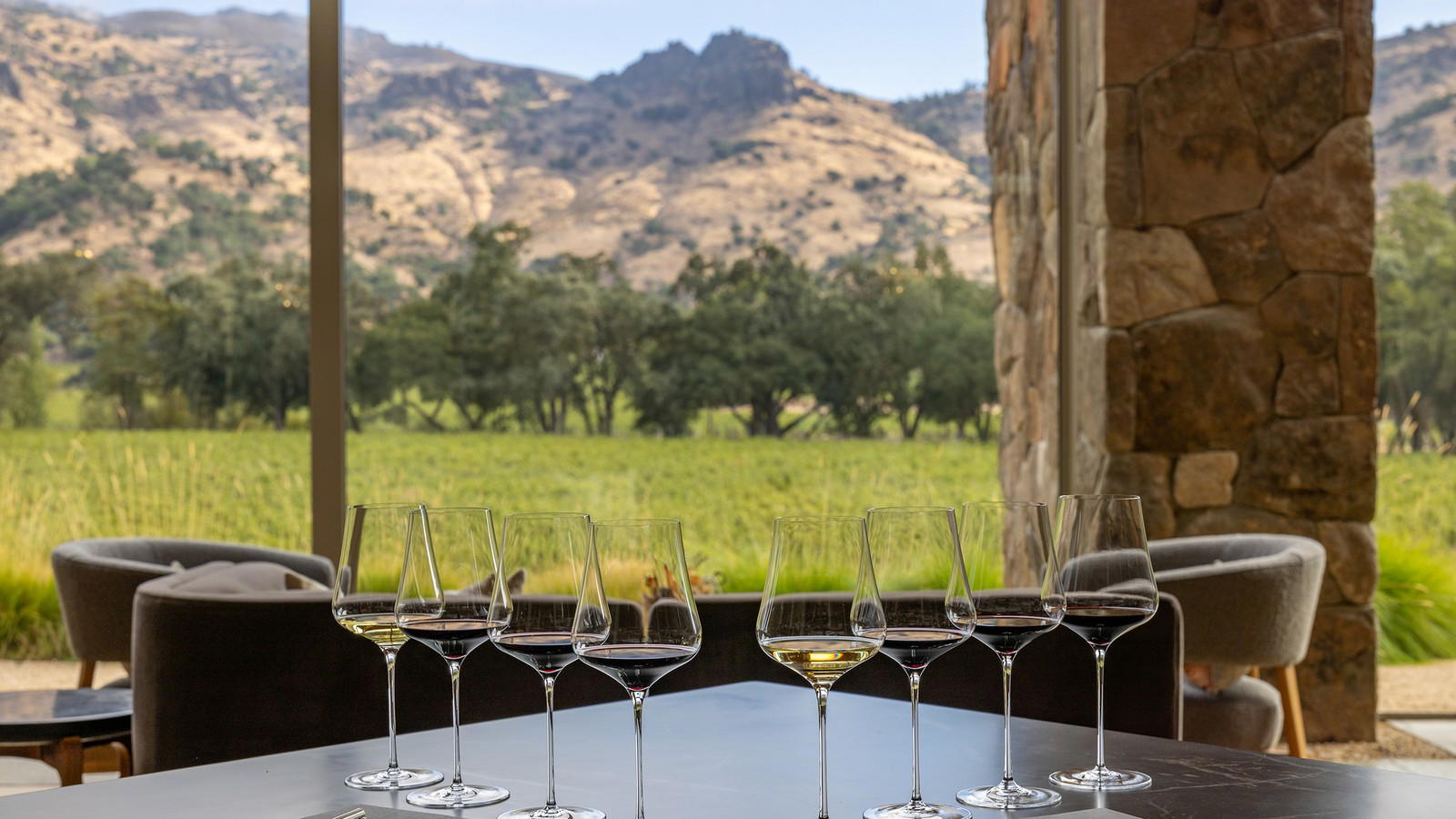
For the wine traveler, visiting these estates means driving through some of Central Europe’s most striking vineyard country. The terraced slopes of Haloze and Ljutomer-Ormož, the views across the Pannonian Plain, the small-scale cellars where winemakers pour directly from barrel, this is wine country that rewards the effort of getting there. The region is not set up for mass tourism. Visits are typically arranged directly with producers, and the experience is intimate: a table in the cellar, a flight of wines, a conversation with the person who made them.
Wine likely arrived in eastern Slovenia with the Celts, according to Gilby, long before the Romans extended their viticultural influence across Europe. This is a deep history, one that predates most of the wine regions that dominate today’s market.
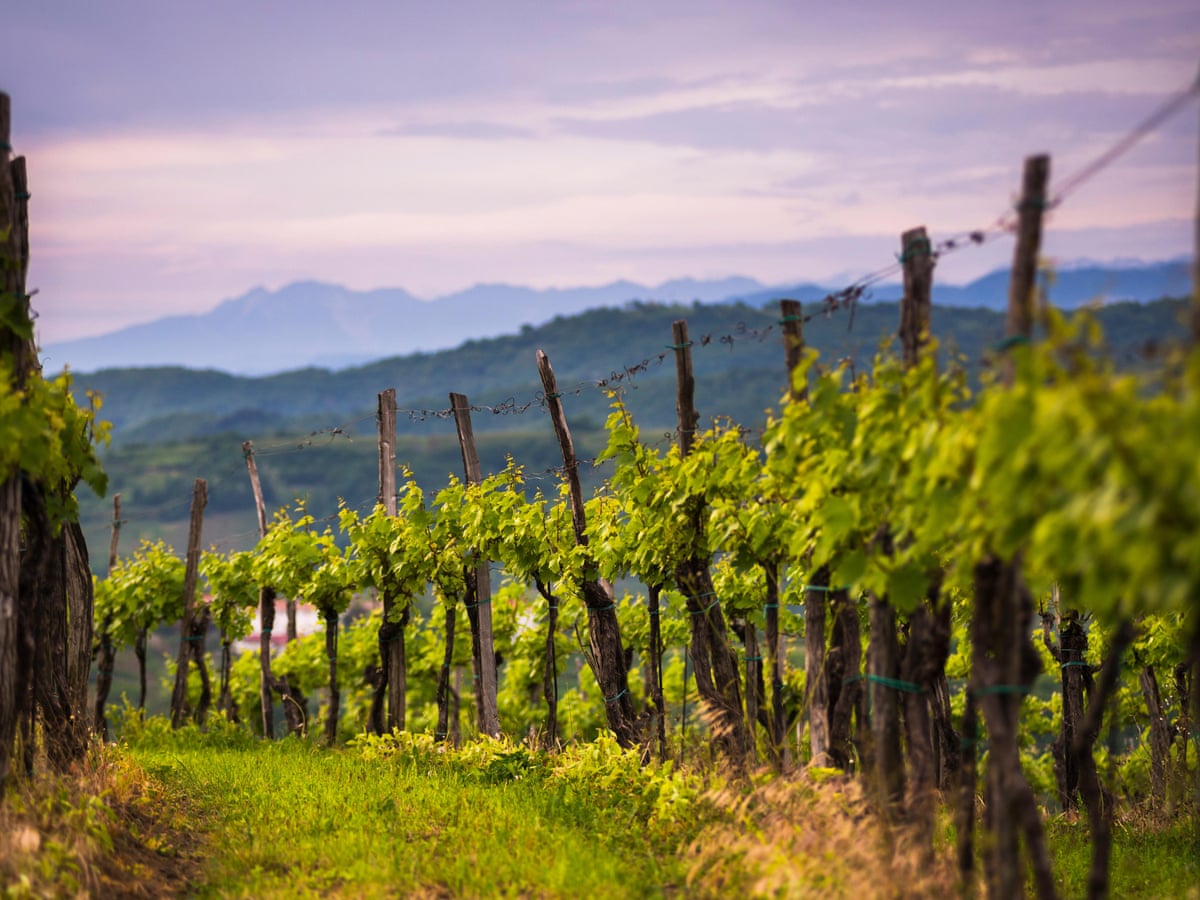
The region’s more recent history is equally layered. Centuries of Austro-Hungarian influence shaped the viticultural traditions of Štajerska Slovenia, connecting it culturally and practically to Austrian Styria across the border. The socialist era brought collectivisation, which disrupted private winemaking and erased much of the pre-war wine heritage. The transition to independence in 1991 opened the door for a new generation of producers to reclaim quality as a priority.
The shift from sweet to dry winemaking is among the more significant developments in the region’s modern history. Gilby notes that eastern Slovenia was slower than the western part of the country to focus on quality dry wines. Traditionally, residual sweetness was used to balance the fierce acidity that the continental climate produces.
But as viticultural knowledge improved and ripeness levels increased, partly due to climate moderation, producers found they could make dry wines with enough fruit and aromatic intensity to stand on their own.
The acidity that was once seen as a challenge became an asset: the source of the freshness, tension, and longevity that define the region’s best bottles today.
This evolution mirrors what happened in Austrian Styria a generation earlier. The parallels are instructive. Austrian Styria went from regional obscurity to international recognition over roughly two decades, driven by a core group of quality-focused producers and a growing appreciation for the Central European Sauvignon Blanc style. Eastern Slovenia is on a similar trajectory, with many of the same advantages, and, for now, without the price inflation that recognition brings.
Eastern Slovenia is not Tuscany. It is not the Médoc. There are no grand châteaux lining a well-marked wine route. What there is, steep terraced vineyards, small family cellars, and a viticultural culture woven into the hillsides rather than imposed upon them, offers a different kind of wine travel experience.
The town of Ptuj, home to Ptujska Klet, is one of the oldest towns in Slovenia and serves as a natural base for exploring the region. From there, the wine districts of Ljutomer-Ormož and Haloze are within easy reach. The roads wind through rolling hills, past vineyards that climb at angles that would give a Mosel grower pause.
Tastings are typically arranged by appointment directly with producers. This is not a region with large-scale visitor centers or tasting rooms designed for bus tours. The scale is personal. You sit with the winemaker. You taste from the cellar. The conversation is unhurried. For travelers accustomed to the polished infrastructure of Napa or Bordeaux, the informality can be disorienting at first, and then deeply refreshing.
The food culture of eastern Slovenia complements the wines. The continental climate that shapes the vineyards also shapes the cuisine: hearty, seasonal, rooted in the land. Expect dishes built around pumpkin seed oil, fresh cheeses, cured meats, and river fish, all of which pair naturally with the region’s aromatic, acid-driven whites.
For the traveler who has already explored Austrian Styria, a cross-border trip into Štajerska Slovenia is a logical extension. The vineyards are contiguous. The grape varieties overlap. The stylistic kinship is real. But the Slovenian side offers something Austrian Styria increasingly cannot: the feeling of discovery. You are not the hundredth visitor this week. You may be the first this month.
The evidence is accumulating. A 1927 Furmint that drinks like a wine a fraction of its age. A roster of Sauvignon Blanc producers making wines that stand alongside Austrian Styria’s best. A continental terroir purpose-built for aromatic, acid-structured whites. Archive wines from multiple cellars confirming that longevity is not a fluke but a pattern.
Eastern Slovenia’s white wines have been overlooked for reasons that have nothing to do with quality, political history, geographic obscurity, the simple fact that the region never had the marketing machinery of its neighbors. Those conditions are shifting. Caroline Gilby MW, who has visited the region for over two decades, made the case in Decanter that Štajerska Slovenia belongs on the list of Central Europe’s great wine regions. The 1927 Šipon from Ptujska Klet is the kind of bottle that rewrites assumptions.
For collectors, the calculus is direct: the wines age, the producers are serious, and the market has not yet caught up. For travelers, eastern Slovenia offers a wine region where the experience is still intimate, the hillsides are dramatic, and the wines taste like the place they come from. The next few years will determine whether this corner of Central Europe remains a quiet destination for insiders or becomes the next Styrian success story. Either way, the wines will be worth drinking.
The continental climate of eastern Slovenia delivers high natural acidity, the 1927 Šipon had a pH of just 3.22, which acts as the spine of longevity in white wine. The combination of warm Pannonian days and cool Alpine nights allows grapes to ripen fully while retaining this central acid structure.
Šipon is the Slovenian name for Furmint, a grape variety also famous in Hungary's Tokaj region. In eastern Slovenia's continental terroir, Šipon produces aromatic, acid-driven whites with surprising depth and notable aging potential, as demonstrated by a 1927 bottle that still tasted lively after 97 years.
Before World War II, Pavel Ornig, son of the former Mayor of Ptuj, sealed off three rooms within the cellar and concealed the walls behind large wooden barrels. This ruse kept the wines hidden and intact through the war and the socialist-era collectivisation that destroyed most pre-war wine stocks in Slovenia.
Eastern Slovenia shares the same Styrian terroir as Austrian Steiermark and grows Furmint, the signature grape of Tokaj. However, the region remains far less known among collectors despite producing whites with comparable freshness, depth, and aging capacity. That recognition gap is now beginning to close.
Eastern Slovenia is overwhelmingly a white wine region, only 7% of production is red. Key varieties include Furmint (known locally as Šipon), Sauvignon Blanc, and Pinot Blanc, all of which thrive in the continental climate and produce aromatic, acid-driven wines.
Get the App
Take the shortlist into the En Primeur Club app for concierge access, saved places, and the next step after discovery.
Get Exclusive AccessMore from the editors