yakuni
A basement bar on East 53rd Street, yakuni operates in the quieter register of Midtown Manhattan's drinking scene — away from hotel lobbies and tourist circuits. The format reads Japanese-influenced, the setting is subterranean, and the positioning places it among a cohort of New York bars where craft and atmosphere do more work than square footage or publicity.

Pearl is the En Primeur Club membership app — saves, bookings, and concierge access live there. Same editors, same standards.
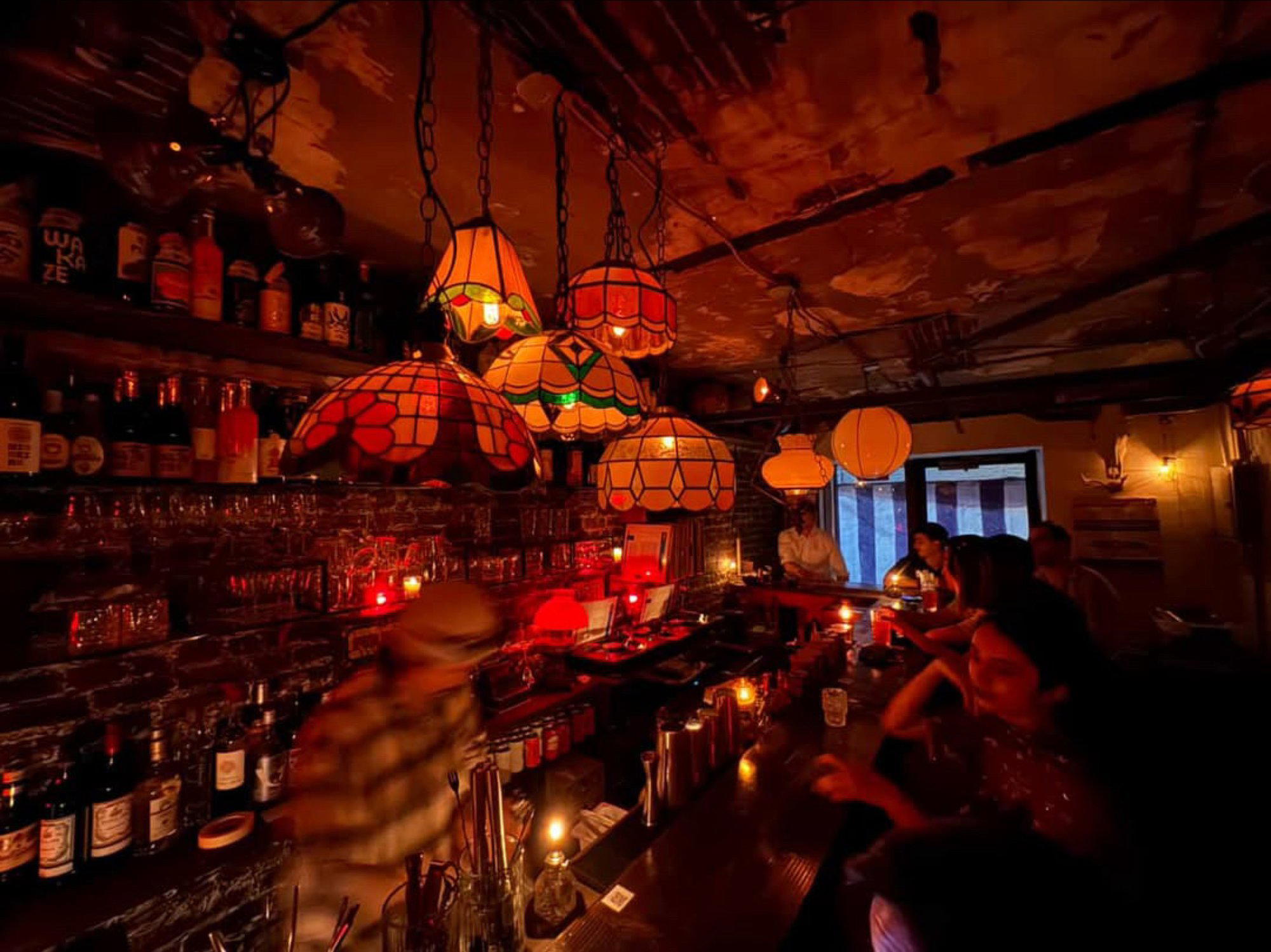
Below Midtown, Below the Noise
Midtown Manhattan's bar scene has long been divided between two poles: the high-volume hotel bar engineered for expense accounts, and the destination cocktail room that requires a trek to the Lower East Side or East Village to reach. The basement address at 226 East 53rd Street suggests a third option — a subterranean room that uses its below-grade position as both literal and figurative distance from the street-level churn.
Basement bars carry a particular atmospheric logic in New York. The descent compresses the senses: ambient street noise drops, ceiling height shrinks, and the room becomes its own contained world. This is the structural inheritance of places like Angel's Share in the East Village, where a hidden-floor format shaped the entire social contract of the room for decades. Yakuni operates from a similar spatial premise, though the East 53rd Street address puts it in a different neighbourhood conversation entirely — one defined by Midtown office density rather than downtown bar culture.
The Japanese Cocktail Tradition in New York
The broader category yakuni appears to occupy connects to a current in New York drinking that has grown considerably since the mid-2010s: Japanese-influenced bar programming, which draws on the country's meticulous bartending lineage without necessarily replicating its formats wholesale. That lineage, built around precision dilution, ingredient sourcing, and a hospitality philosophy rooted in omotenashi, has shaped bars across the United States, from Kumiko in Chicago to Bar Leather Apron in Honolulu, each translating the sensibility to its own local context.
In New York specifically, the Japanese bar influence has moved beyond surface aesthetics. Bars in this category tend to invest in ice program discipline, short-format menus with high ingredient intentionality, and service pacing that resists the volume-per-hour economics that define most Midtown drinking. That positioning puts yakuni in a peer conversation with rooms like Attaboy NYC, where the absence of a printed menu signals a different kind of hospitality contract with the guest.
Atmosphere as the Primary Argument
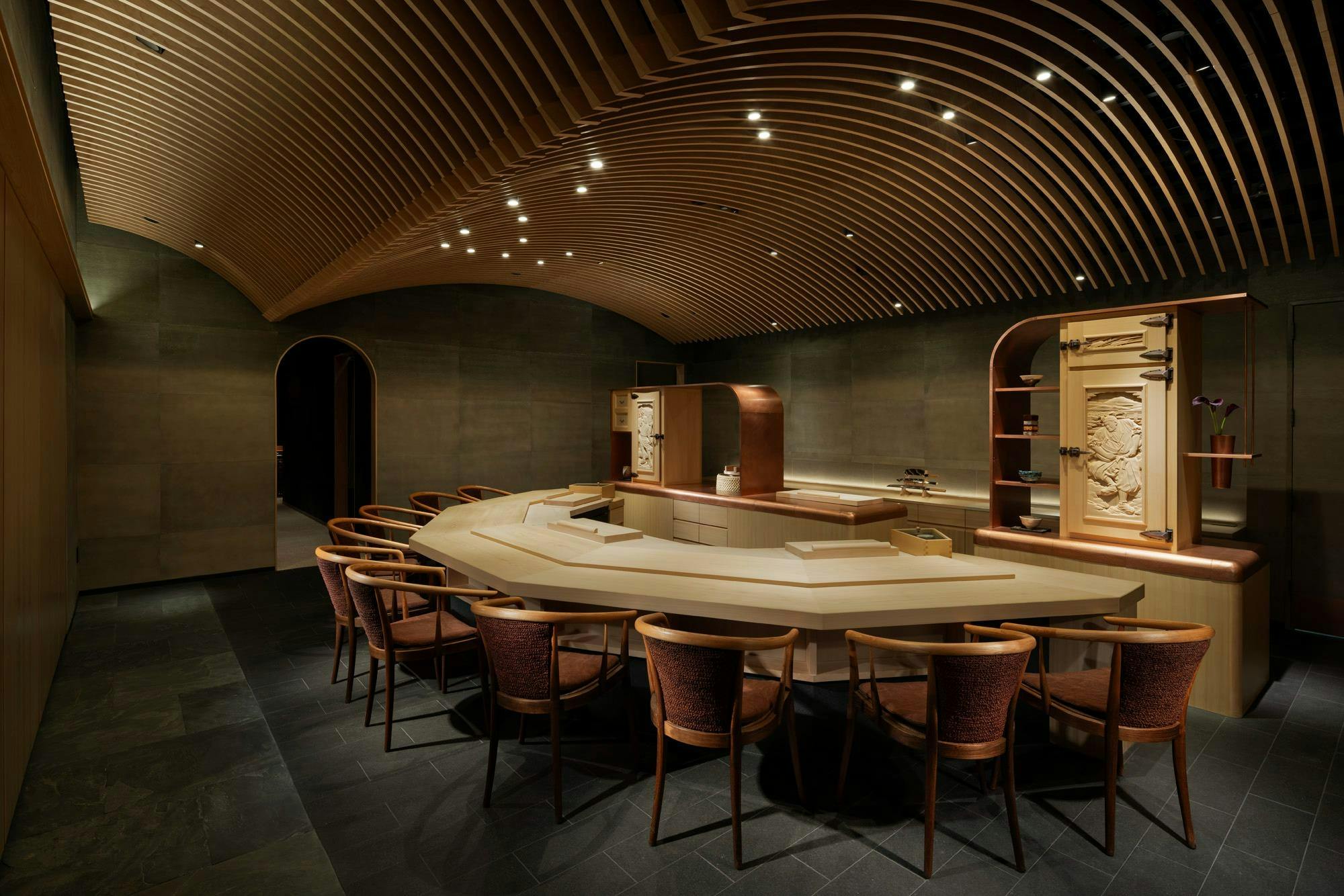
What a basement bar on a Midtown side street offers that a ground-floor venue cannot is enclosure. The visual field narrows. Light sources become deliberate rather than ambient. Sound behaves differently when a ceiling sits closer to the room's occupants. These are not incidental design conditions, they are the raw material from which a bar's atmosphere is built, and they favour the kind of low-volume, high-attention drinking experience that Japanese bar culture has historically prized.
The name itself, yakuni, points toward a Japanese reference point. In Japanese, the term carries associations with function and role, an appropriate frame for a bar that appears to position itself around purposeful craft rather than casual throughput. This is the register in which bars like Amor y Amargo have built durable reputations: not through spectacle, but through a consistent and legible point of view on what drinking should feel like.
Where Yakuni Sits in New York's Cocktail Geography
New York's premium cocktail bars have consolidated around a handful of distinct models in recent years. There is the high-design room with a broad spirits program, the bitters-and-stirred specialist, the seasonally rotating menu bar, and the omakase-format counter where the bartender sequences your evening. Yakuni's Midtown basement address suggests it is not competing for the same foot traffic as Superbueno, whose energy runs warmer and louder, or the kind of high-volume venue that defines the blocks immediately surrounding Grand Central.
Instead, the positioning reads closer to the quieter, more deliberate tier of the city's bar scene. Nationally, this cohort includes places like Jewel of the South in New Orleans, Julep in Houston, and ABV in San Francisco, bars where the room size and format signal a preference for depth over throughput. Internationally, the sensibility connects to places like The Parlour in Frankfurt and Allegory in Washington, D.C., each of which operates in a similarly intentional register.
For a broader view of where yakuni fits within the city's eating and drinking scene, the full New York City restaurants and bars guide maps the field by neighbourhood and format.
What the Address Tells You
East 53rd Street between Second and Third Avenues is not a bar destination block. That is, in part, the point. Bars that operate in non-obvious locations within dense urban grids tend to self-select their audience: the guests who arrive have looked up the address, made a decision, and committed to the visit. That friction functions as a filter, and it shapes the room's atmosphere as directly as any design choice. The Midtown East zip code also means yakuni operates in a neighbourhood where the after-work window, roughly 5pm to 8pm on weekdays, draws a professional demographic that differs from the late-night cocktail crowd further south or east.
The basement position reinforces this self-selection. Unlike a ground-floor room that captures passing trade, a below-grade entrance requires intentional arrival. The sensory shift on descent, from Midtown street to enclosed bar room, is immediate, and it does atmospheric work that no amount of interior design can replicate at street level.
Know Before You Go
Planning Details
- Address: 226 E 53rd St, Basement, New York, NY 10022
- Neighbourhood: Midtown East, Manhattan
- Format: Subterranean bar; Japanese-influenced
- Booking: Contact details not publicly listed at time of publication, check current social channels or Google listing for the most current booking method
- Hours: Not confirmed at time of publication, verify before visiting
- Price range: Not confirmed at time of publication
- Nearest transit: Lexington Av/53 St (E, M lines); 51 St (6 line)
In Context: Similar Options
Comparable venues nearby, for context on price, style, and recognition.
| Venue | Cuisine | Price | Notes |
|---|---|---|---|
| yakuniThis venue — the venue you are viewing | speakeasy | $30–50 | Not listed |
| Broadway Lounge | hotel_bar | $30–50 | Midtown-Times Square |
| Studio 151 | cocktail_bar | $50–100 | East Village |
| Little Sister Lounge | lounge | Not listed | East Village |
| Kimura | Bar | $30–50 | East Village |
| Gallow Green | rooftop_bar | Not listed | Chelsea-Hudson Yards |
Continue exploring
More in New York City
Bars in New York City
All bars in New York City →
Restaurants in New York City
All restaurants in New York City →




Details
- Intimate
- Cozy
- Trendy
- Date Night
- Casual Hangout
- Speakeasy
- Seated Bar
- Counter Only
- Sake
- Craft Cocktails
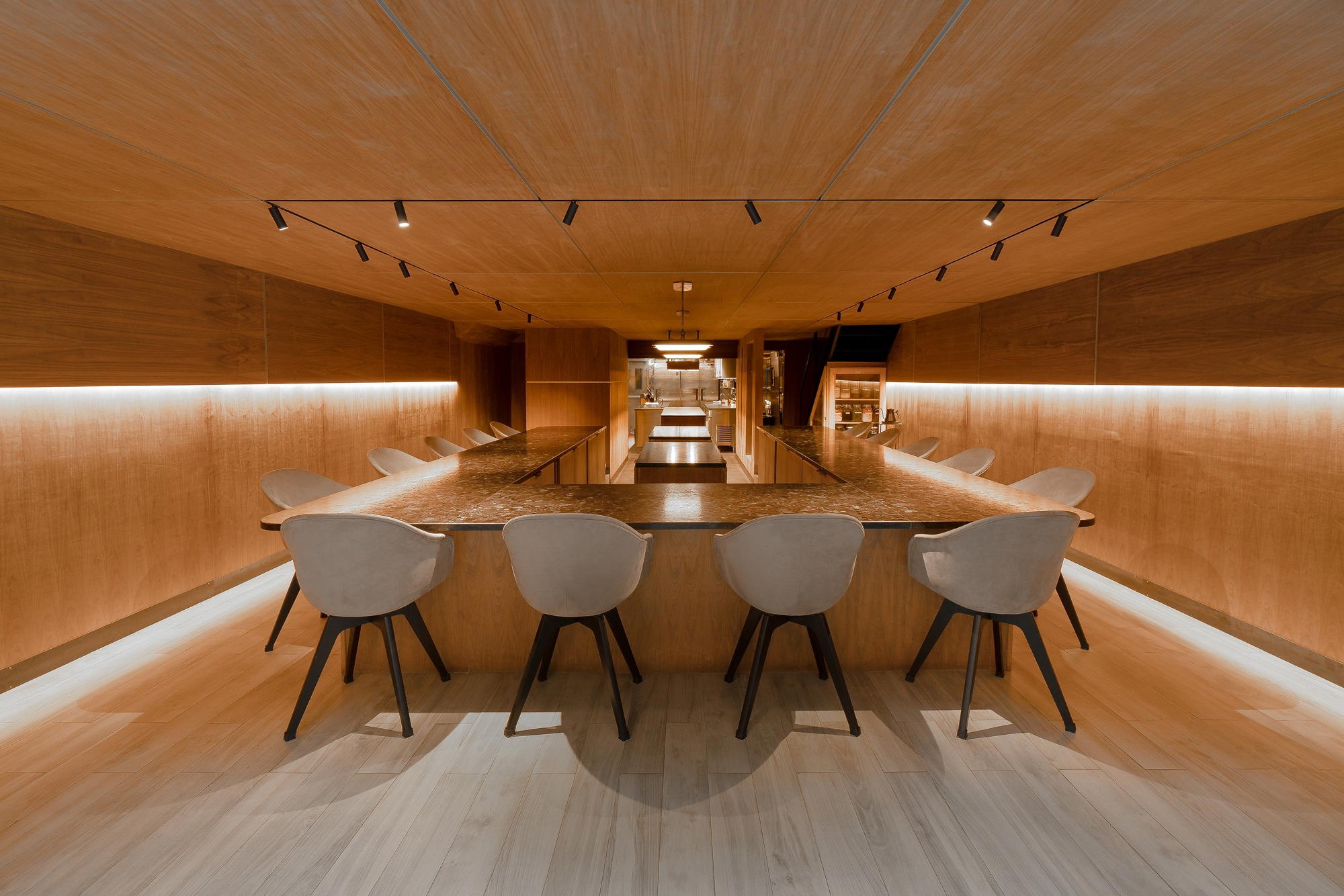
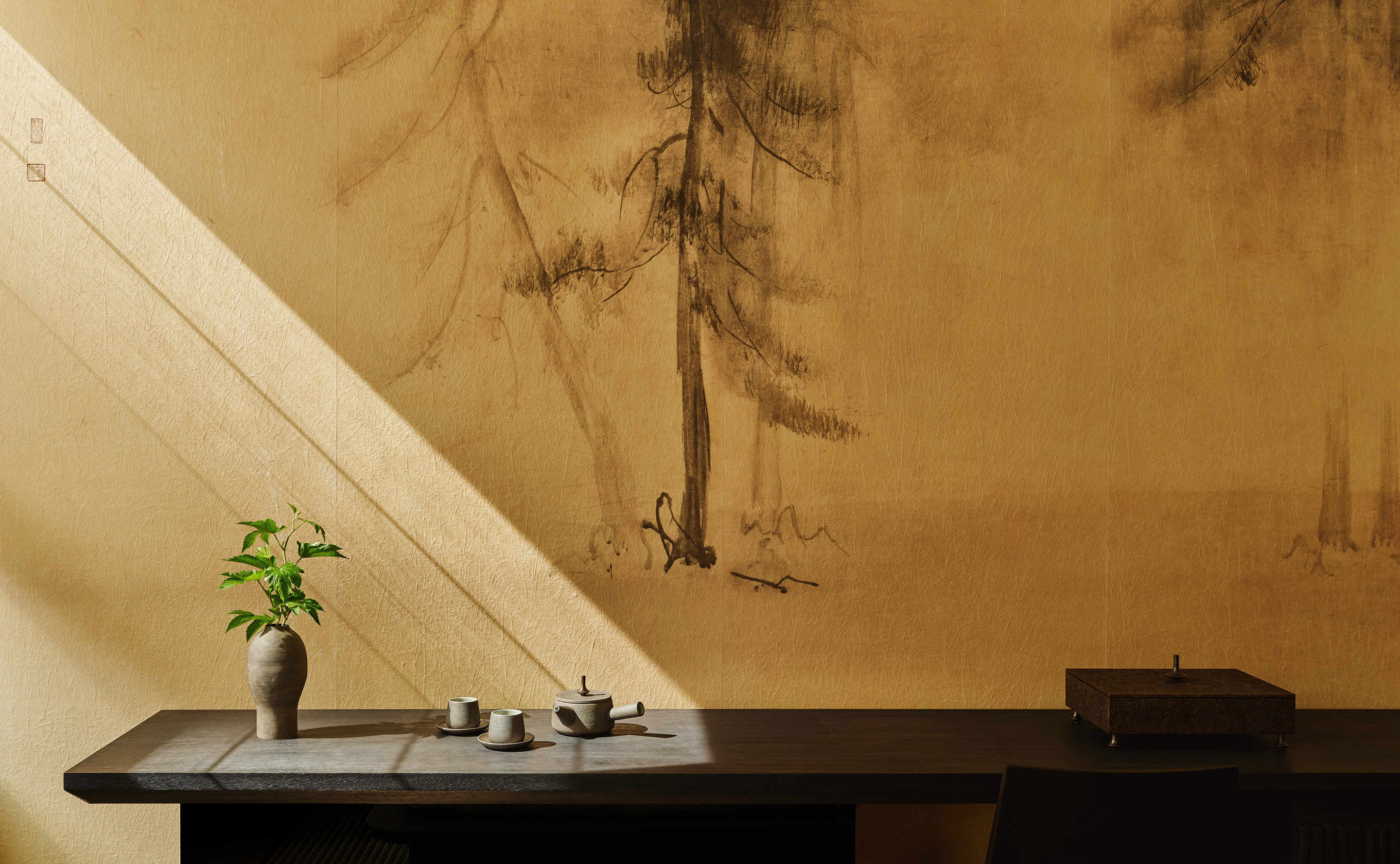
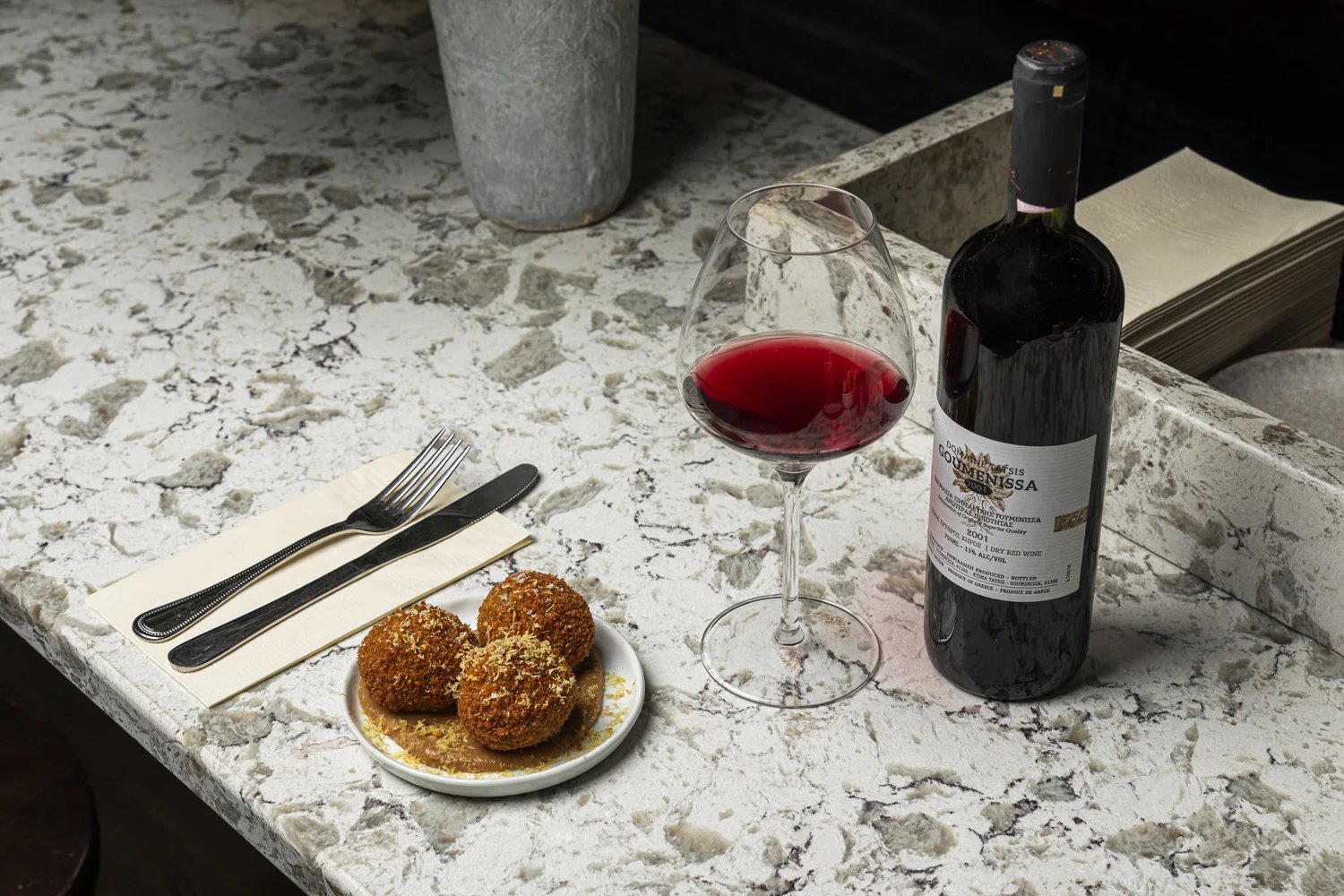
Intimate and cozy space with chill bartenders, Japanese-inspired charm, and jazz vinyl atmosphere.