White Horse Tavern
One of Greenwich Village's most storied taverns, the White Horse Tavern at 567 Hudson Street has operated as a literary watering hole, a neighborhood institution, and a West Village anchor across more than a century of New York history. Its evolution from Dylan Thomas haunt to present-day bar charts the broader arc of how the Village itself has changed — and, in some respects, refused to.
Pearl is the En Primeur Club membership app — saves, bookings, and concierge access live there. Same editors, same standards.
- Address
- 567 Hudson St, New York, NY 10014
- Phone
- +1 212 989 3956
- Website
- whitehorsetavern1880.com
- Directions
- Get directions
 Saves & bookings on Pearl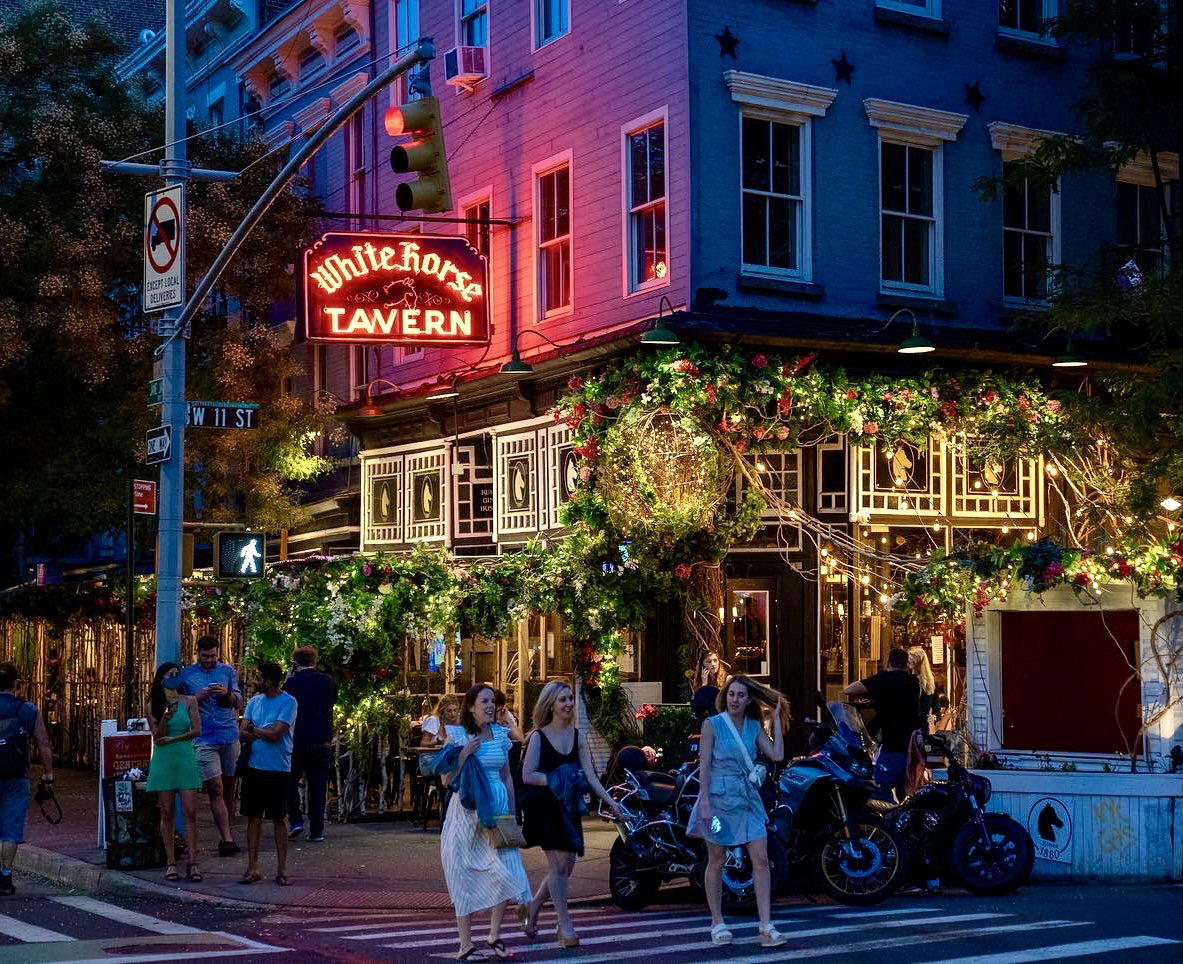
There is a particular kind of New York bar that survives not by reinventing itself for each generation but by absorbing each generation into its own story. The White Horse Tavern, at 567 Hudson Street in Greenwich Village, belongs to that category. Approaching it from the Hudson Street side, the exterior reads as deliberately undramatic: painted wood, low signage, the kind of facade that announces nothing because it has nothing to prove. Inside, the bar functions more as a social fact than a destination — one of the older continuously operating taverns in New York City, with the wear and the weight that implies.
A Literary History That Shaped the Space
The White Horse Tavern's place in American cultural memory is inseparable from its mid-twentieth century literary associations. Dylan Thomas drank here in his final years, as did Norman Mailer, Michael Harrington, and the broader Village intellectual set that made the West Village a counterculture address through the 1950s and 1960s. That association has calcified into something between reputation and burden: the bar is known because of who drank here, and that knowledge shapes every subsequent visit whether the visitor intends it to or not.
What matters editorially is not the mythology itself but what it has done to the space over time. Bars with literary reputations tend to split in one of two directions: they become museums, preserving the association at the expense of present-tense life, or they shed the history entirely and rebrand. The White Horse has largely avoided both traps. The patrons today are mostly neighborhood regulars, students, tourists who know the Thomas story, and the occasional long-timer who remembers when Hudson Street was less curated than it is now. The mixture creates a bar that feels neither frozen nor reinvented — which is its own editorial position in a New York bar scene that has moved aggressively toward high-concept formats.
How the West Village Bar Scene Changed Around It
The West Village bar scene of the current decade occupies two fairly distinct registers. On one end, there are highly programmed cocktail operations with tight menus, technical ambition, and seats that require advance booking. Attaboy NYC and [Angel's Share]() represent the kind of bartender-led, specification-driven approach that has defined New York's serious cocktail culture since the late 2000s. Amor y Amargo has built an entire identity around amaro and bitter-forward drinks, a format that signals category expertise as the primary value proposition. Superbueno offers a more high-energy Latin-inflected experience, demonstrating that the current moment in New York also has space for bars where atmosphere and flavor combine rather than compete.
The White Horse sits at a different coordinate entirely. It is a tavern in the functional sense, draft beer, direct spirits, a room designed for sustained occupancy rather than theatrical moments. Against the national backdrop of bars pushing technical programming, from Kumiko in Chicago to ABV in San Francisco to Jewel of the South in New Orleans, the White Horse reads as deliberately low-key. That is not a criticism. It is a description of what the bar is and who it serves. The same contrast holds internationally: bars like The Parlour in Frankfurt on the Main, Bar Leather Apron in Honolulu, Julep in Houston, and Allegory in Washington, D.C. all operate within a craft-first framework where the drink itself carries the argument. The White Horse makes a different argument: that a bar can matter without a cocktail program, because the bar itself is the point.
The Evolution Question: What Has Actually Changed
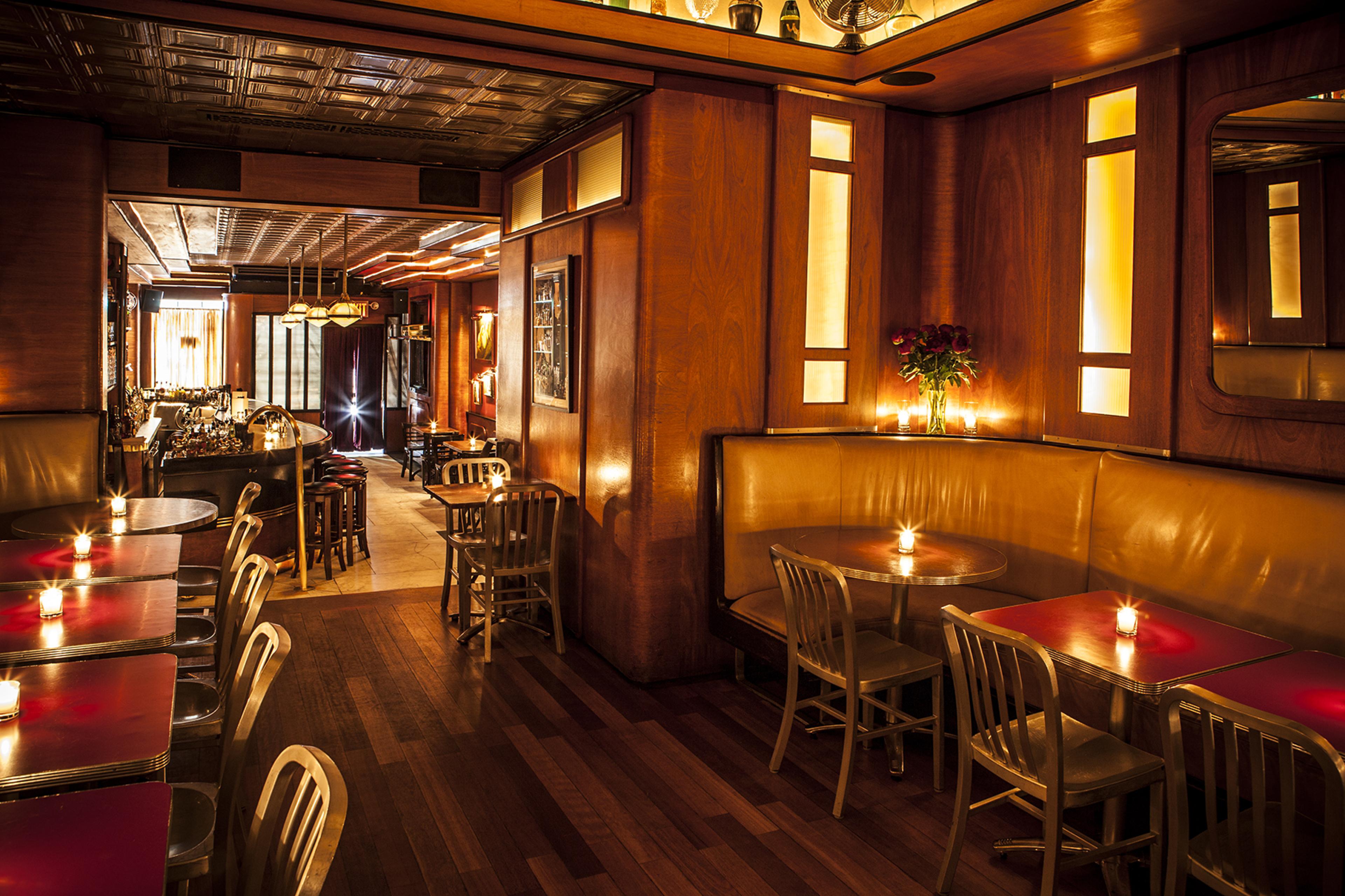
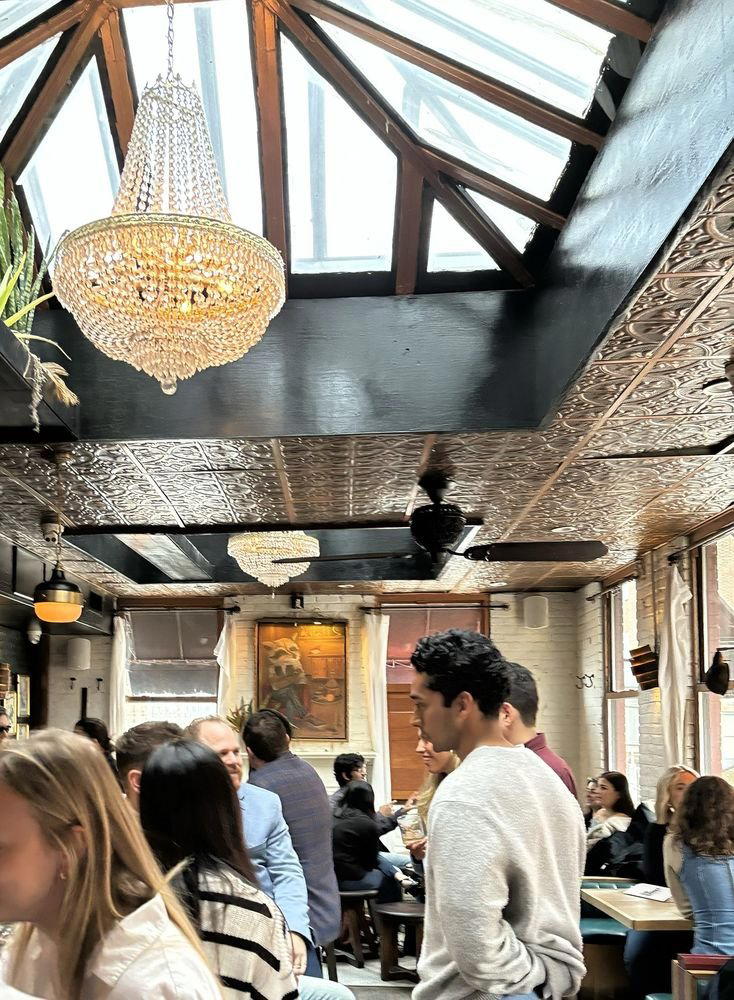
Framing the White Horse through an evolution lens requires honesty about what has and has not shifted. The physical address and the basic format, corner tavern, outdoor seating when the season allows, a long bar anchoring the interior, have remained stable across decades. What has changed is the neighborhood around it. Hudson Street in 2024 is expensive real estate, surrounded by boutique retail and restaurants priced well above the Village's bohemian associations. The White Horse has not moved upmarket at the same pace. That gap between the bar's pricing register and its surroundings is itself a kind of evolution: a business that was once simply a neighborhood bar is now, by contrast with its context, something closer to an affordable anomaly in a gentrified corridor.
That distinction matters for the reader making a decision about what kind of New York bar experience they are after. The White Horse is not a craft cocktail stop. It is not a design-forward room. It is a place where the drink matters less than the fact of being in a particular room on a particular street in a city that has largely priced out the kind of spontaneous, low-stakes sociability the bar still provides. Whether that is what you want on a given evening is a question only you can answer, but knowing what kind of venue it is before you arrive saves the visit from mismatched expectations.
Know Before You Go
| Address | 567 Hudson St, New York, NY 10014 |
|---|---|
| Neighbourhood | West Village, Greenwich Village |
| Category | Historic tavern / neighbourhood bar |
| Booking | Walk-in; no reservation system reported |
| Getting There | Closest subway stop is Christopher St-Sheridan Sq (1 train); Hudson Street is walkable from multiple West Village access points |
| Planning note | Outdoor seating is seasonal; the bar can get crowded on weekend evenings, particularly in summer when the West Village draws visitors |
For broader context on New York City's bar and restaurant scene, see our full New York City restaurants guide.
Fast Comparison
| Venue | Cuisine |
|---|---|
| White Horse TavernThis venue — the venue you are viewing | This venue |
| The Long Island Bar | World's 50 Best |
| Superbueno | World's 50 Best |
| Amor y Amargo | World's 50 Best |
| Angel's Share | World's 50 Best |
Continue exploring
More in New York City
Bars in New York City
Browse all →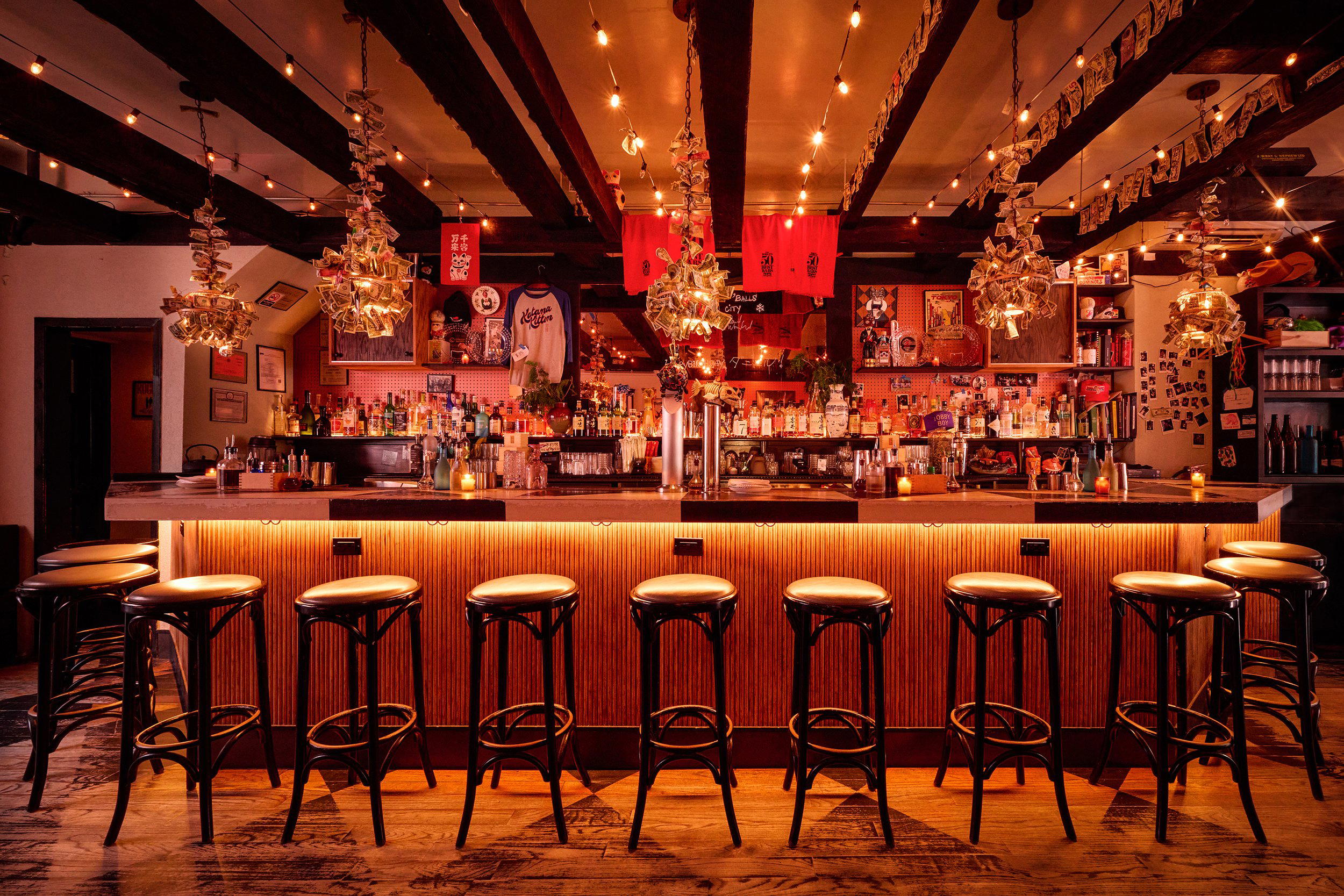
Restaurants in New York City
Browse all →
Hotels in New York City
Browse all →





At a Glance
- Well Known
- Classic
- Bohemian
- Cozy
- Casual Hangout
- Group Outing
- After Work
- Date Night
- Historic Building
- Standalone
- Seated Bar
- Outdoor Terrace
- Standing Room
- Classic Cocktails
- Craft Beer
- Street Scene
Current opening hours
- Monday
- 12 PM–12 AM
- Tuesday
- 12 PM–12 AM
- Wednesday
- 12 PM–12 AM
- Thursday
- 12 PM–2:30 AM
- Friday
- 12 PM–3:30 AM
- Saturday
- 12 PM–3:30 AM
- Sunday
- 11 AM–12 AM
Hours can change for holidays and private events. Last verified .
Know Before You Go
- Getting there
- 567 Hudson St, New York, NY 10014