LPR sits on Bleecker Street in Greenwich Village, one of New York City's most storied corridors for live music and late-night culture. The venue occupies a position in the neighborhood's longstanding tradition of intimate performance spaces paired with serious drinking, drawing a crowd that arrives for the programming and stays for the atmosphere.
Pearl is the En Primeur Club membership app — saves, bookings, and concierge access live there. Same editors, same standards.
- Address
- 158 Bleecker St, New York, NY 10012
- Phone
- +1 212 505 3474
- Website
- lpr.com
- Directions
- Get directions
 Saves & bookings on Pearl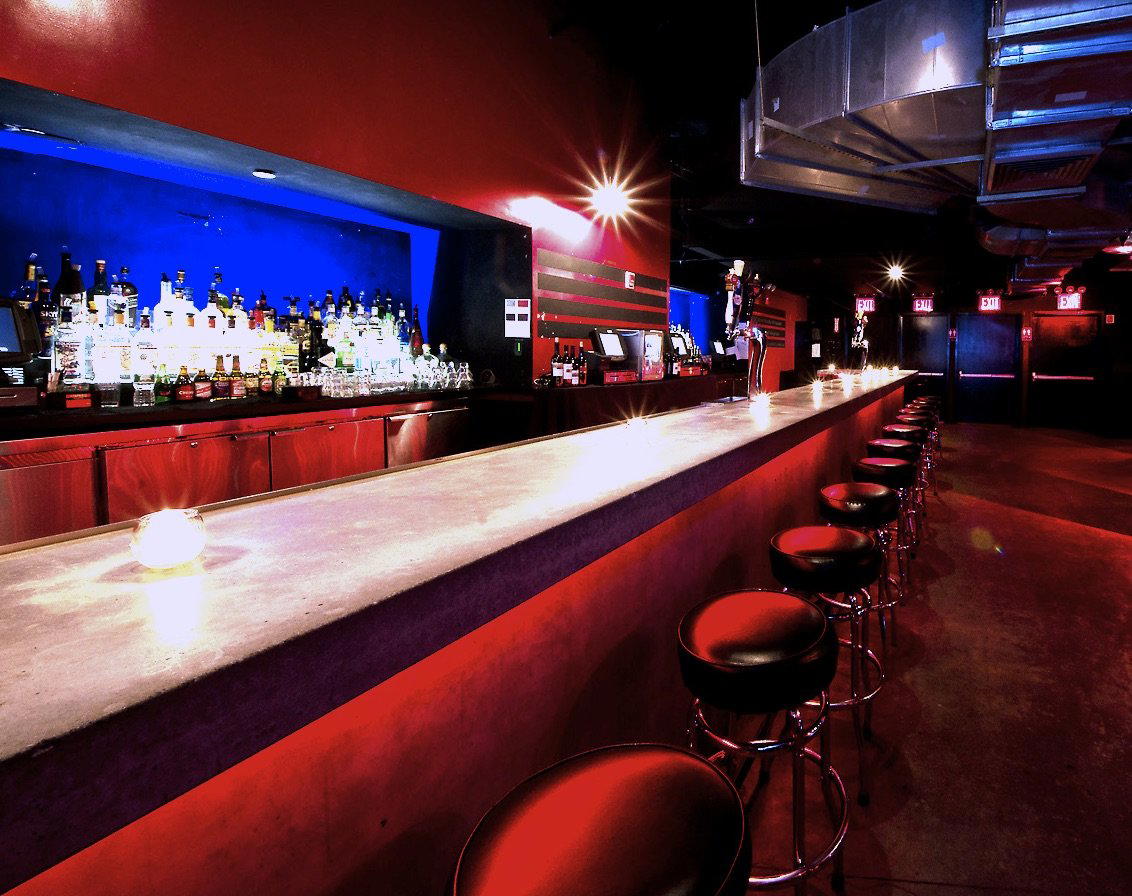
Bleecker Street After Dark
Greenwich Village has been reshaping itself for decades, but Bleecker Street retains a gravitational pull that newer neighborhoods rarely replicate. The blocks between Sixth Avenue and MacDougal carry the memory of folk clubs, jazz basements, and the kind of late-night rooms that defined downtown Manhattan's cultural identity through the latter half of the twentieth century.
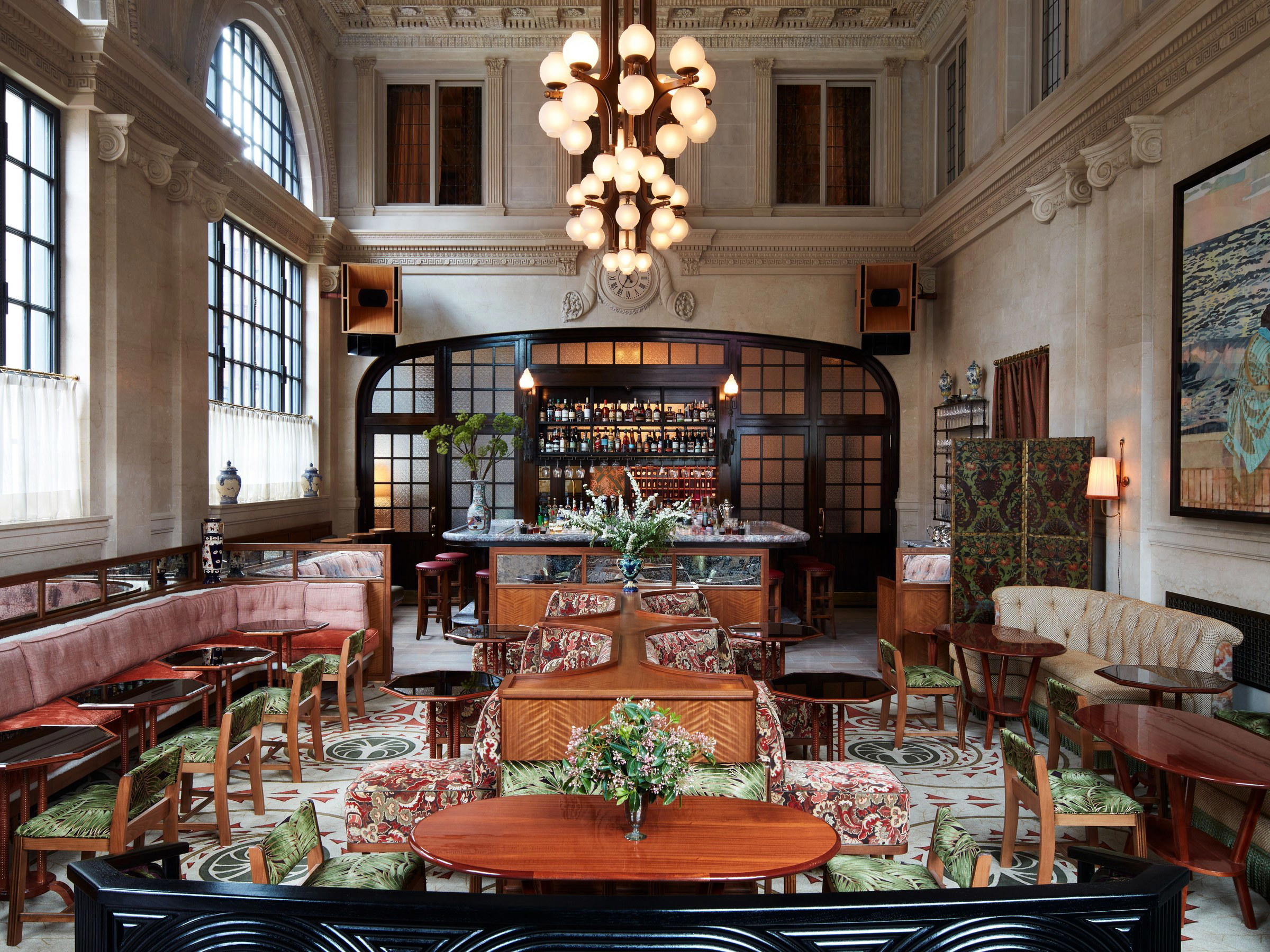
Approaching from the sidewalk, the venue announces itself with restraint. The entrance does not perform. Inside, the room is built around performance in the theatrical sense: sound, sightlines, and the particular quality of attention that a seated crowd gives to a stage. This is not a bar that happens to have music. The programming shapes the room's rhythm from the first set to last call.
The Sensory Architecture of a Performance Room
Rooms built for live performance make particular demands on every other element. The sound system defines the ceiling of the experience; the lighting must serve both the stage and the crowd without flattening either; the bar program needs to hold its own during the quieter moments between sets when the room's temperature drops and conversation fills the space. LPR manages these tensions in the way that well-run music venues do, by treating the technical infrastructure as invisible support rather than spectacle.
The subterranean setting works in the venue's favor here. Below street level, the ambient noise of one of New York's busiest pedestrian corridors disappears entirely, and the room becomes acoustically self-contained. The effect is closer to a private listening room than a nightclub, which shapes the behavior of the crowd accordingly. People arrive knowing they are going to hear something, and they sit accordingly.
Lighting at performance venues of this scale tends toward the theatrical rather than the atmospheric, a distinction that matters when you are also trying to maintain the feel of a proper bar rather than a concert hall. The balance LPR strikes places it in a peer group with venues across cities that have resolved the same problem: rooms where the stage is the focal point without the bar becoming an afterthought. Comparable approaches are evident at Kumiko in Chicago, where sound and interior design serve each other, and at The Parlour in Frankfurt on the Main, where the room's proportions are calibrated for listening as much as drinking.
Where It Sits in the Greenwich Village Scene
The Village's bar and venue circuit has stratified over time. The neighborhood still carries enough foot traffic to support both tourist-facing operations and rooms that draw locals with specific tastes. LPR occupies the latter category, a booking calendar that rewards advance planning and a crowd that tends to arrive with knowledge of who is on the bill rather than wandering in from Bleecker's street-level options.
For cocktail-focused bars in the broader downtown Manhattan orbit, the reference points include Amor y Amargo, which built its identity around amaro-driven lists and a program with genuine depth, and Attaboy NYC, which operates on a no-menu, guest-preference model that places it at a different point on the service spectrum. Angel's Share, the East Village institution that helped define New York's serious cocktail culture in the 1990s, provides a longer historical reference for how underground rooms with selective door policies can maintain cultural relevance across decades. Superbueno extends the downtown conversation into a different register, with a program rooted in Latin spirits and a louder, more kinetic room energy.
LPR's position within this group is defined by the primacy of its programming. Where the bars above compete primarily on drink quality and service model, LPR competes on what is happening on its stage on any given night. That distinction makes it a different category of destination, one where the calendar is the product.
The Broader Geography of Rooms Like This
Venues that integrate live performance with serious food and drink programs represent a specific tier of hospitality that most cities only support in small numbers. The format requires investment in sound infrastructure, programming relationships, and a bar operation that does not slip during show nights when volume and speed matter more than the leisurely consultation that defines the leading cocktail bars. Cities that do this well tend to have a handful of rooms that hold the format over years rather than cycling through. New York's track record here is longer than most.
Across the United States, venues making similar attempts at the integration include Jewel of the South in New Orleans, where the Southern cocktail tradition supports a room built around atmosphere and programming, and Julep in Houston, which approaches the same questions from a Southern spirits perspective. ABV in San Francisco and Allegory in Washington, D.C. each represent their respective cities' answers to the question of how to build a room with genuine programming ambition. Bar Leather Apron in Honolulu shows how the format travels to markets where the audience is smaller but the commitment to craft remains consistent.
What these venues share is an understanding that the room itself is an argument, that the combination of sound, lighting, drink, and crowd is making a case for a particular kind of evening. LPR's Bleecker Street address places that argument in one of the neighborhoods most historically associated with exactly this kind of cultural proposition.
Planning Your Visit
LPR is located at 158 Bleecker Street in Greenwich Village, within walking distance of the West 4th Street subway station on the A, C, E, B, D, F, and M lines. The venue programs on an event-by-event basis, which means the experience varies significantly depending on what is scheduled on a given night.
The surrounding blocks offer enough context to build an evening around the visit. Bleecker Street's remaining food options and the bars of MacDougal Street provide pre-show options within a short walk.
Comparable Options
Comparable venues nearby, for context on price, style, and recognition.
| Venue | Cuisine | Price | Notes |
|---|---|---|---|
| LPRThis venue — the venue you are viewing | lounge | $$ | Not listed |
| Spicy Moon West Village | cocktail_bar | $$ | Greenwich Village |
| Two Doors Down | lounge | $$ | Lower East Side |
| Lucien | lounge | $$ | East Village |
| Bessou | lounge | $$ | Chelsea-Hudson Yards |
| Dokebi Bar and Grill | cocktail_bar | $$ | Williamsburg |
Continue exploring
More in New York City
Bars in New York City
Browse all →
Restaurants in New York City
Browse all →
Hotels in New York City
Browse all →





At a Glance
- Lively
- Trendy
- Intimate
- Energetic
- Late Night
- Group Outing
- Special Occasion
- Live Music
- Historic Building
- Standing Room
- Seated Bar
- Lounge Seating
- Craft Cocktails
Eclectic underground atmosphere with versatile setups from seated performances to standing-room dance parties.