Vicente’s Cuban Cuisine
On Library Street in downtown Detroit, Vicente's Cuban Cuisine occupies a slice of the city's increasingly international dining corridor. The kitchen draws on Cuban tradition in a neighborhood better known for craft beer and cocktail programs, making it a distinct outlier in the local scene. For Detroit diners seeking something beyond the Midwestern staples, the address on Library St is worth tracking.
Pearl is the En Primeur Club membership app — saves, bookings, and concierge access live there. Same editors, same standards.
- Address
- 1250 Library St, Detroit, MI 48226
- Phone
- +1 313 962 8800
- Website
- vicentesdetroit.com
- Directions
- Get directions
 Saves & bookings on Pearl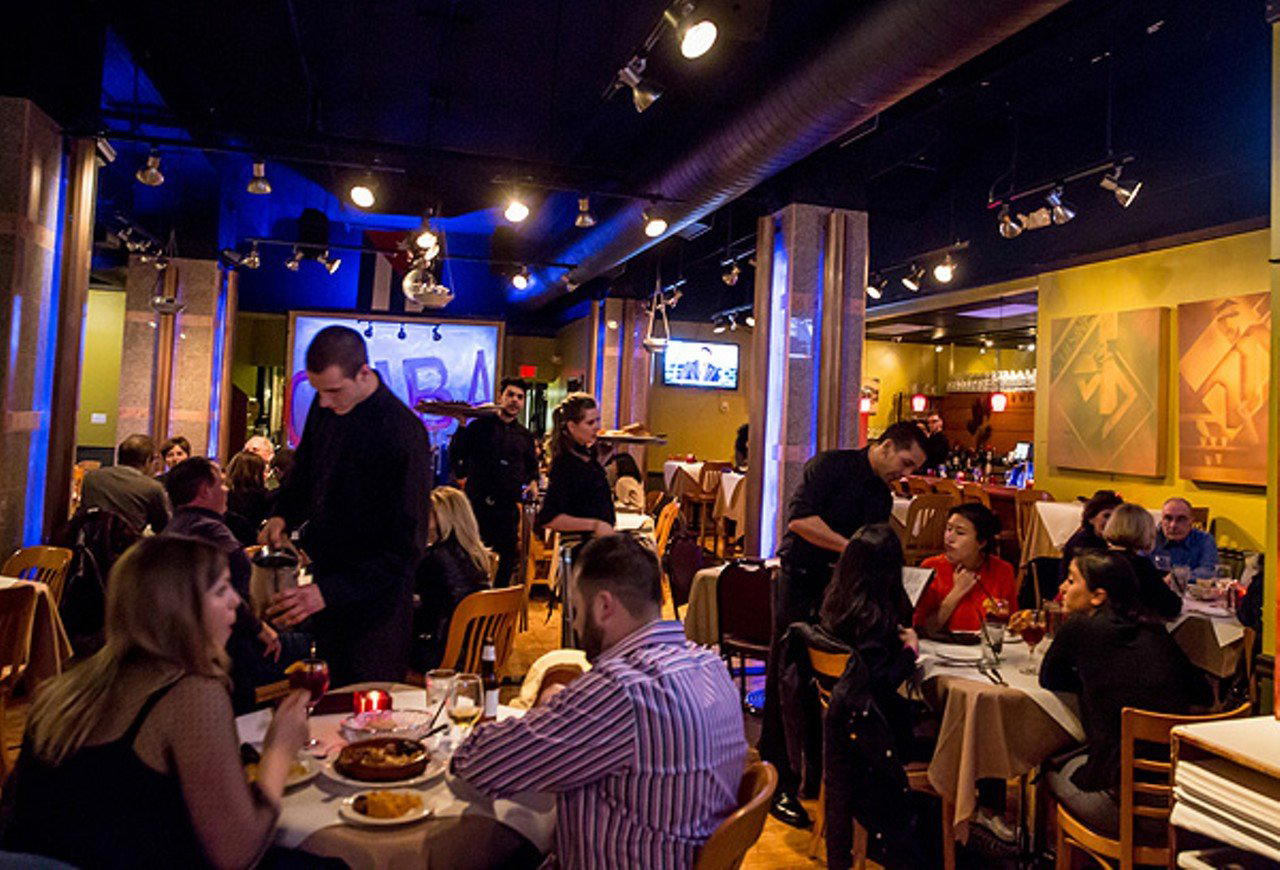
Library Street and the Case for Cuban in Detroit
Detroit's downtown dining corridor has spent the past decade assembling itself around a particular playbook: brewery taprooms, cocktail-forward bars, and New American kitchens pulling from the Great Lakes larder. Against that backdrop, a Cuban restaurant on Library Street reads as a deliberate counterpoint. The address at 1250 Library St sits in a part of downtown that has attracted a mix of creative businesses and hospitality operators, with nearby spots like Andrews on the Corner and 1459 Bagley St anchoring a bar scene that skews toward well-made, regionally rooted drinks. Vicente's Cuban Cuisine operates in a different register entirely, and that divergence is precisely what gives it a foothold.
Cuban cooking in the American Midwest occupies an underrepresented niche. Cities like Miami and Tampa have long-established Cuban populations whose food culture shaped restaurant traditions over generations; Detroit does not have the same demographic history. That makes a serious Cuban kitchen here less a community institution and more a considered editorial act, a kitchen making an argument for a cuisine rather than simply feeding an existing audience. Whether Vicente's makes that argument with full conviction is a question answered at the table, but the fact that it holds a position on Library Street, in a city where the competitive set runs heavily toward Atwater Brewery & Tap House-style programming and craft-beer formats, signals something about ambition and differentiation.
What the Room Signals Before the Food Arrives
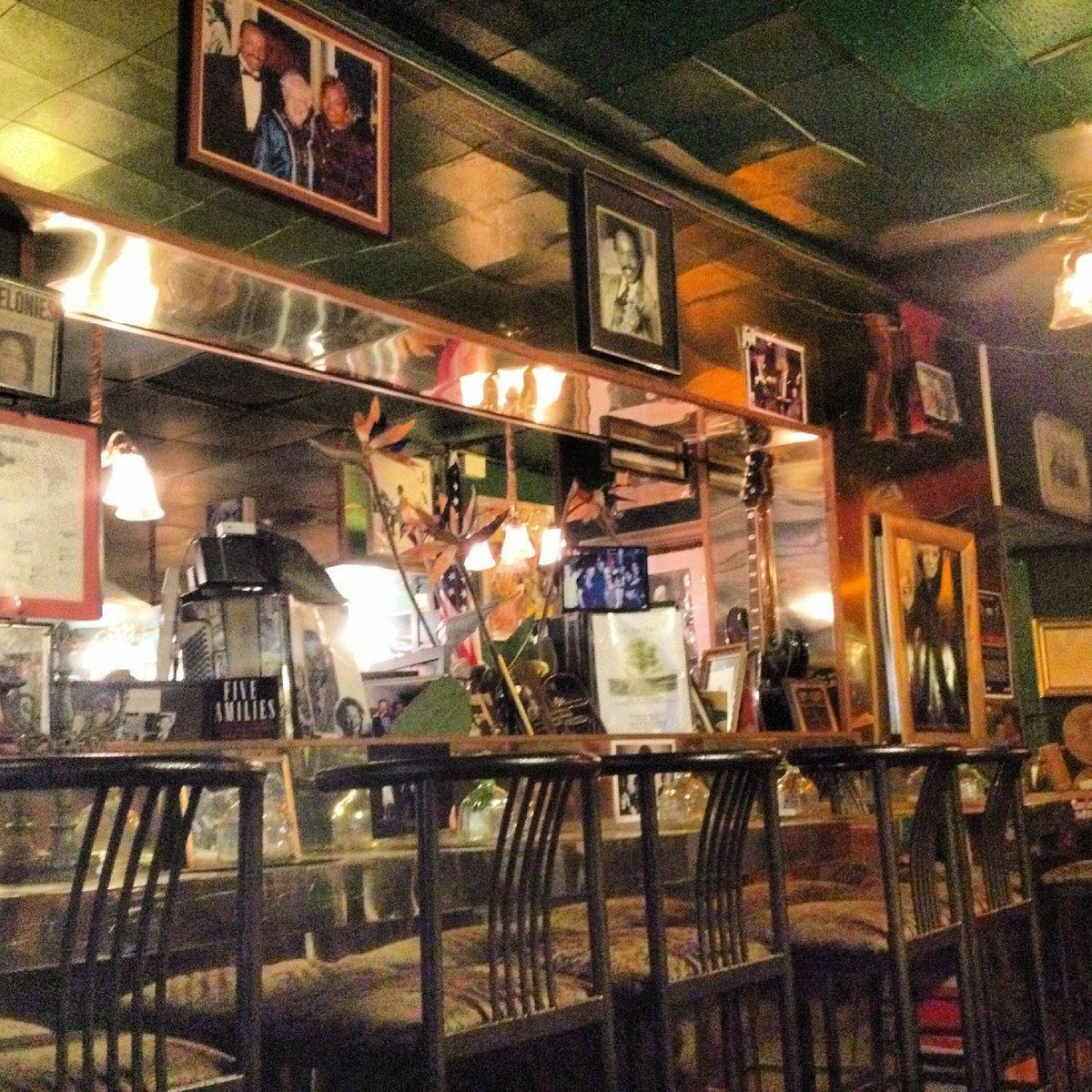
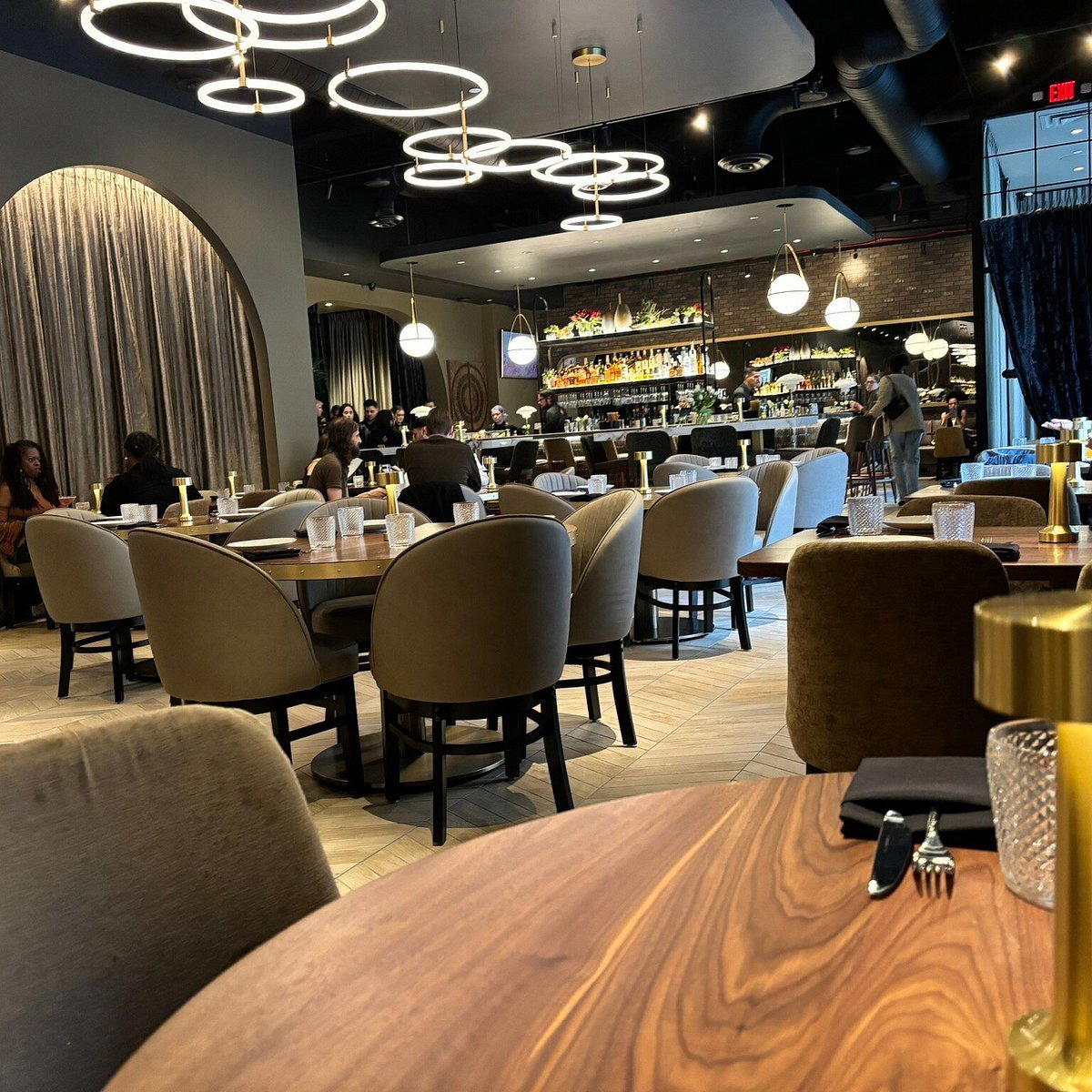
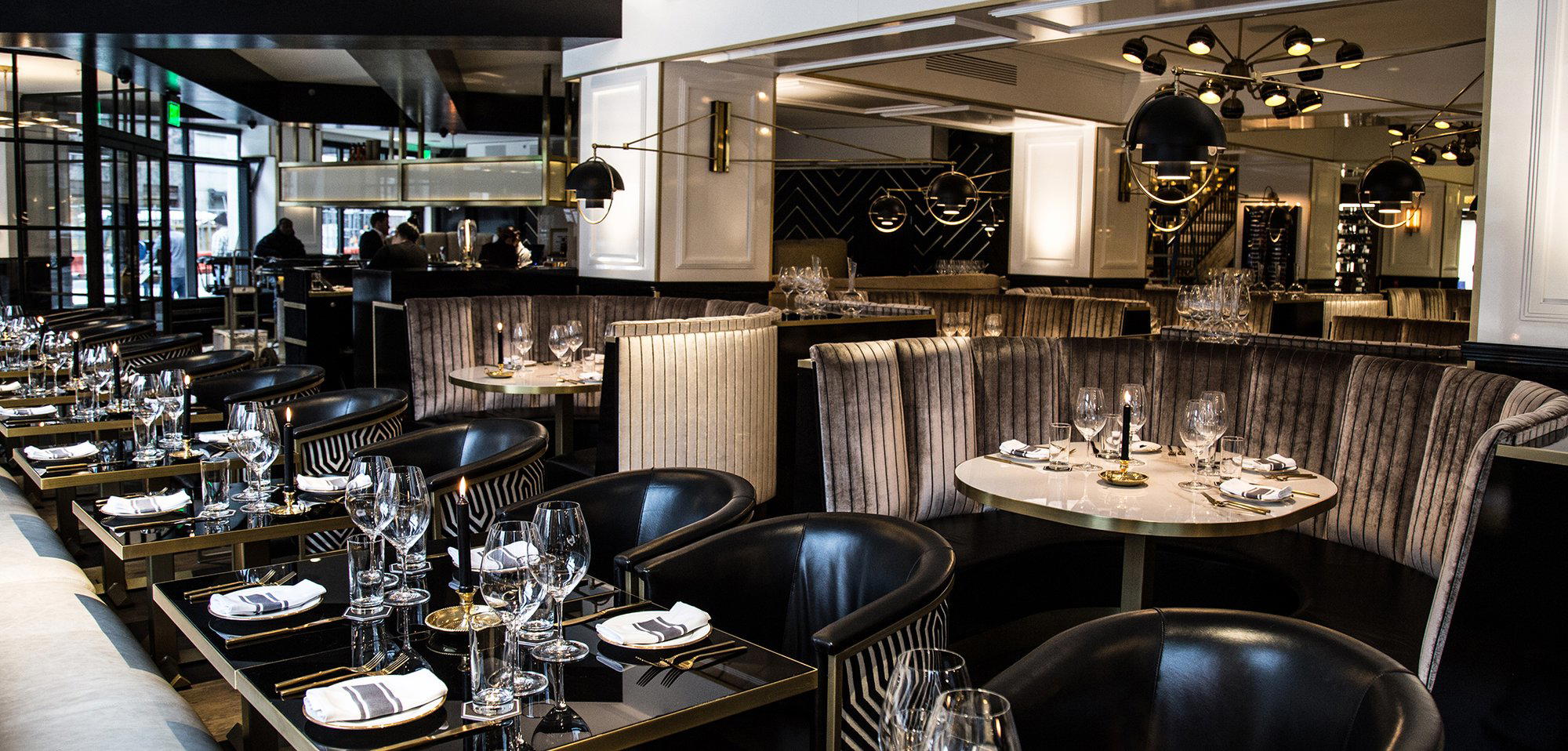
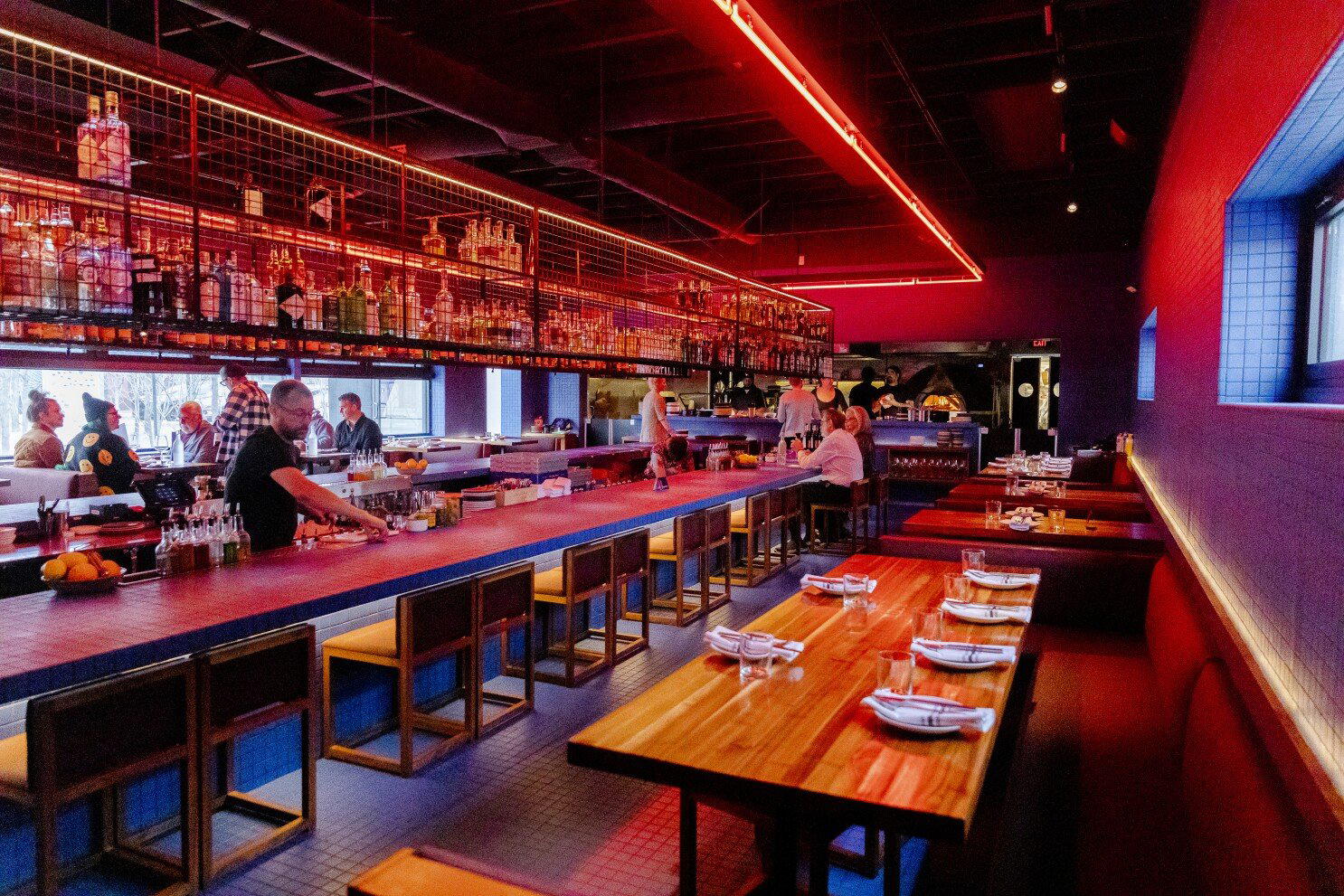
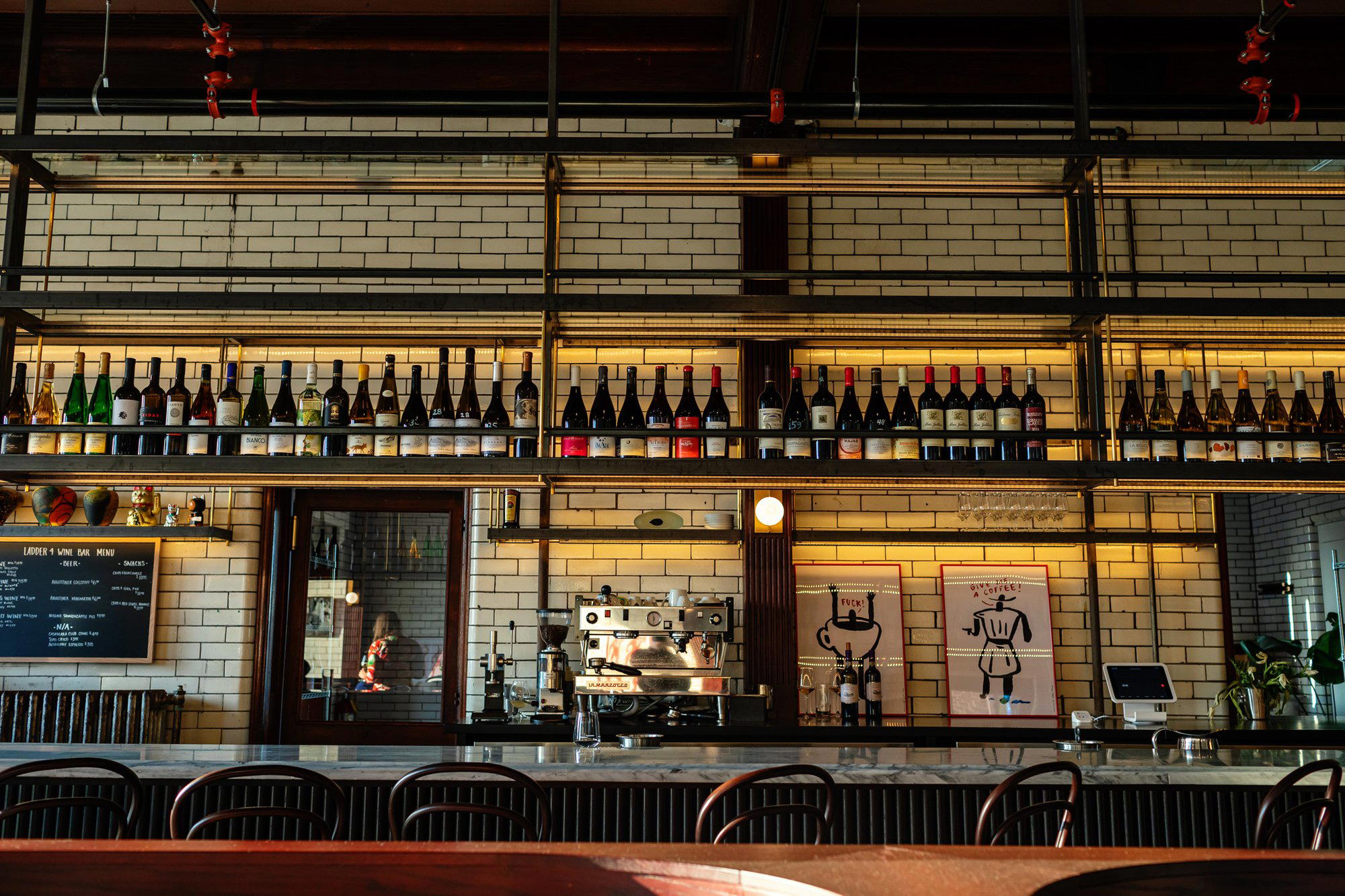
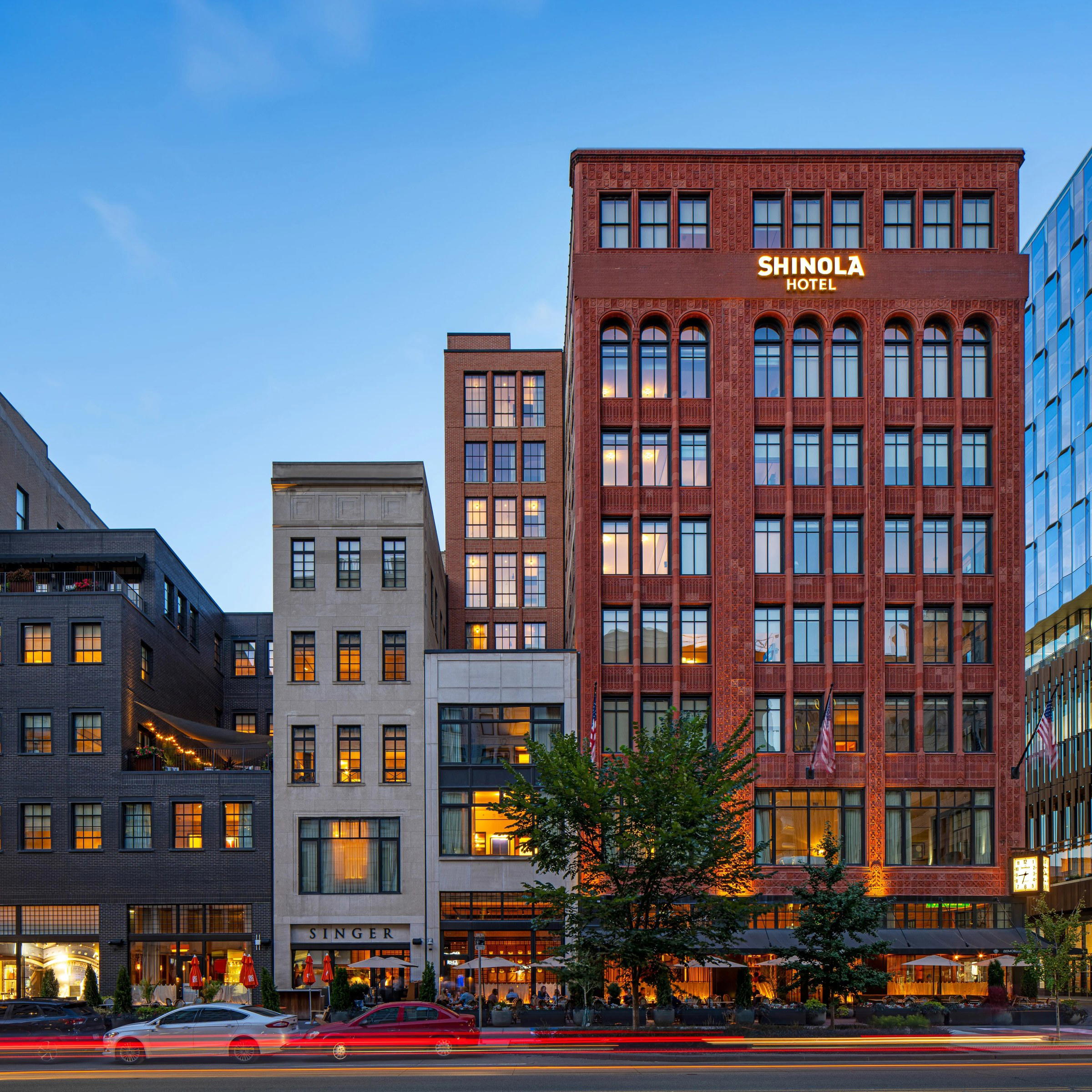
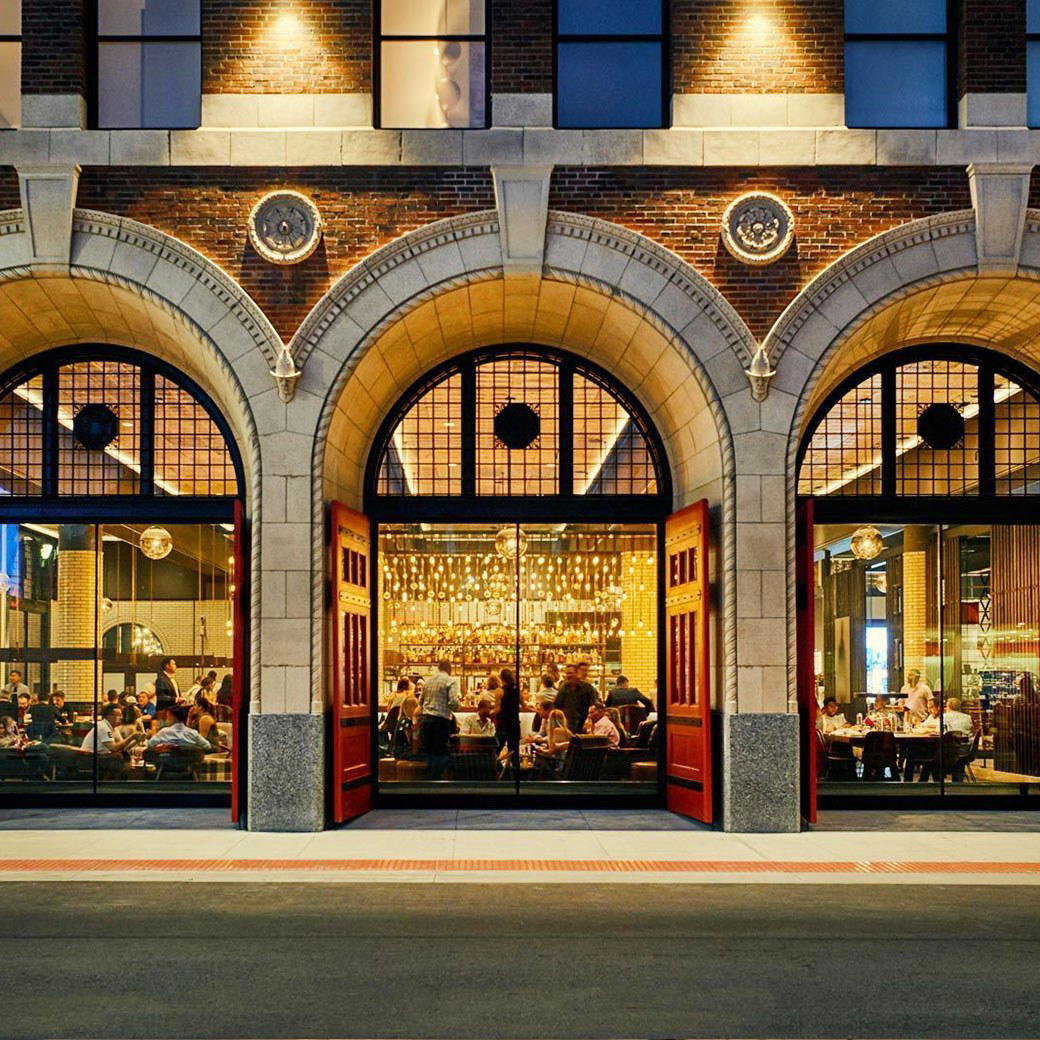
Approaching a Cuban restaurant in Detroit requires a different frame than approaching one in Little Havana. The physical environment on Library Street is urban Midwest: flat-fronted buildings, street-level retail, a neighborhood that has been rebuilt by investment rather than by community continuity. Vicente's exists within that context rather than against it. The interior, whatever its specific configuration, is working to establish a sense of place that the surrounding blocks do not supply organically. That is a harder design problem than it sounds: Cuban restaurants in their native cultural contexts can draw on color, sound, and architectural memory that carry meaning for a specific diaspora. In Detroit, those cues have to be constructed deliberately.
This is where the team dynamic matters. In restaurants operating outside their cuisine's geographic home base, the gap between a kitchen that understands its reference points and a front-of-house that can communicate them to a largely unfamiliar audience tends to show quickly. The coordination between the people cooking, the people serving, and whoever is managing the drinks program determines whether a diner without Cuban food fluency leaves with a genuine sense of what the cuisine does, or simply with a full stomach. At comparable operations in other American cities, that translation work is where reputations are built or lost.
Cuban Food in American Cities: How the Category Has Evolved
The broader American understanding of Cuban cuisine has changed substantially since the early 2000s. What was once reduced in popular imagination to a pressed sandwich and a plate of rice and beans has, in serious kitchens, opened up into a more complete picture: ropa vieja with its long-braised complexity, picadillo's sweet-savory balance, the specific technique behind properly fried plantains, and rum-based drinks that deserve the same careful attention that the American cocktail revival applied to other spirits categories. Nationally, bars like Superbueno in New York City have demonstrated that Latin-inflected drink programs can command serious recognition, and programs at Jewel of the South in New Orleans or Julep in Houston show how regional American drink traditions can be treated with real rigor. The question for any Cuban kitchen outside Florida is whether the same level of seriousness applies to the food side.
For comparison, bars and restaurants in other cities have demonstrated that technical discipline and hospitality coordination can operate across different culinary traditions: Kumiko in Chicago and Bar Leather Apron in Honolulu both hold recognition precisely because kitchen and bar programs operate with internal coherence. ABV in San Francisco and The Parlour in Frankfurt on the Main extend the same argument internationally: format discipline and team alignment produce better outcomes than ambition alone. Vicente's Cuban Cuisine, sitting in a city where the dominant hospitality conversation runs through places like 3Fifty Terrace and cocktail-forward bar programs, is making a bet that Cuban cooking can hold its own in that company.
Peers Worth Knowing
Comparable venues nearby, for context on price, style, and recognition.
| Venue | Cuisine | Price | Notes |
|---|---|---|---|
| Vicente’s Cuban CuisineThis venue — the venue you are viewing | lounge | $$ | Not listed |
| Karl's | hotel_bar | $$ | East Necklace |
| Ima Noodles | Bar | $$ | Cultural Center |
| Detroit Shipping Company | beer_bar | $$ | Midtown |
| Bookie's Bar & Grille | sports_bar | $$ | Theater District |




At a Glance
- Lively
- Trendy
- Romantic
- Energetic
- Date Night
- Late Night
- Group Outing
- Casual Hangout
- Live Music
- Lounge Seating
- Outdoor Terrace
- Rum
- Classic Cocktails
Current opening hours
- Monday
- 11 AM–10 PM
- Tuesday
- 11 AM–10 PM
- Wednesday
- 11 AM–10 PM
- Thursday
- 11 AM–10 PM
- Friday
- 11 AM–12 AM
- Saturday
- 11 AM–12 AM
- Sunday
- 12–9 PM
Hours can change for holidays and private events. Last verified .
Warm and flavorful Cuban atmosphere with rhythmic salsa music, live Latin jazz, and an exciting nightlife vibe.