Andrews on the Corner
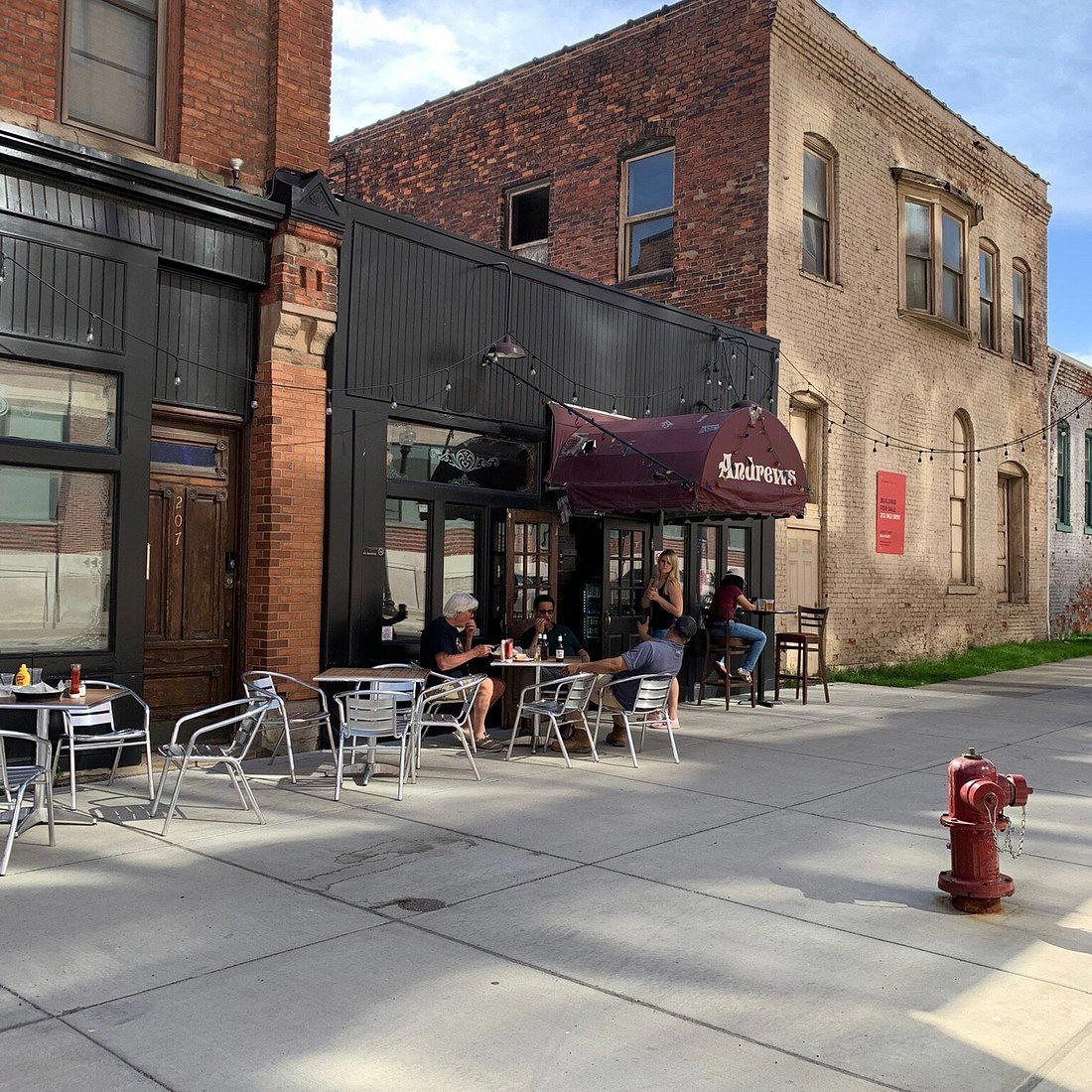
Andrews on the Corner occupies a corner address on Joseph Campau Avenue in Detroit's Eastern Market district, placing it at the intersection of the neighbourhood's working food culture and its newer bar and dining scene. The venue draws from a local crowd that treats the Eastern Market corridor as a daily destination rather than a weekend event, and its corner position gives it the kind of foot-traffic visibility that most bars in this part of the city have to work harder to find.

Pearl is the En Primeur Club membership app, where members save venues, book tables and use the concierge.
A Corner Address in Detroit's Most Food-Serious Neighbourhood
Detroit's Eastern Market district operates on a different rhythm from the rest of the city's dining and drinking scene. The wholesale produce sheds, the Saturday market that draws tens of thousands of visitors each week, and the dense concentration of food businesses along Joseph Campau Avenue have created a neighbourhood where eating and drinking feel functional and rooted rather than performative. Andrews on the Corner sits at 201 Joseph Campau Ave, a position that places it directly inside that culture rather than adjacent to it. Corner locations on this stretch carry a particular weight: they catch foot traffic from multiple directions, they anchor blocks visually, and they tend to accumulate the kind of regular clientele that defines a neighbourhood bar's character over time.
The physical address matters here in ways that go beyond real estate. Eastern Market is one of the oldest and largest public markets in the United States, with a history stretching back to the 1890s. The blocks immediately surrounding it have attracted a specific mix of businesses: butchers, specialty food importers, coffee roasters, and increasingly, bars and restaurants that reflect the neighbourhood's identity as a place where people who care seriously about food actually work and live.
The Physical Environment and What It Signals
Corner bars in American cities carry a specific architectural legacy. They were designed to be visible, to serve as landmarks, and to provide the kind of ambient street-level activity that keeps a block feeling inhabited. In Detroit, where the relationship between built environment and community identity has been a recurring civic conversation for decades, a functioning corner bar in a neighbourhood like Eastern Market does more than serve drinks. It holds a block in place. The lighting at street level, the way the windows frame the intersection, the sound that spills out when a door opens, these are the details that make a neighbourhood corner bar legible to people walking past, and they are the details that determine whether a place feels like it belongs to the people who live and work nearby or whether it belongs to a different kind of visitor.
Detroit's bar scene has been making this distinction with increasing clarity. Venues like Bad Luck Bar and 1459 Bagley St have established that the city's drinking culture can operate at a high technical level without losing the directness and accessibility that defines Detroit's character as a city. 3Fifty Terrace represents the rooftop and view-driven end of that scene, while Atwater Brewery and Tap House anchors the brewery and craft beer tier. Andrews on the Corner operates in a different register from all of these, defined by its corner format and its Eastern Market address more than by any specific programming category.
Eastern Market as Context
Understanding where Andrews on the Corner sits in Detroit's broader bar and dining ecology requires understanding what Eastern Market has become. The Saturday market itself remains the largest draw, but the surrounding blocks have developed a year-round identity built around food businesses and hospitality venues that serve the neighbourhood's resident and working population. This is different from a destination dining district, where venues exist primarily to pull visitors from outside the area. Eastern Market's hospitality businesses serve a community that already treats the neighbourhood as essential infrastructure. A bar at this address inherits that relationship rather than having to build it from scratch.
That neighbourhood-first positioning distinguishes Eastern Market venues from much of the programming happening in Detroit's Midtown and New Center corridors, where bars and restaurants are often explicitly designed to attract a broader citywide and regional audience. The Joseph Campau corridor trades on familiarity and regularity. It is the kind of street where the same faces appear week after week, where the rhythm of the market sets the tempo for everything around it.
Detroit's Corner Bar Tradition in a National Frame
The corner bar format has been undergoing a quiet reassessment in American cities over the past decade. At one end of the spectrum, technically ambitious programs at places like Kumiko in Chicago and Bar Leather Apron in Honolulu have pushed cocktail craft into fine-dining territory, with menus that require explanation and spaces designed for contemplation. At the other end, venues like Julep in Houston and Jewel of the South in New Orleans have found ways to hold regional drinking traditions with serious craft credentials. Superbueno in New York City, ABV in San Francisco, and The Parlour in Frankfurt on the Main each represent different national and international takes on what a neighbourhood bar can do when it takes itself seriously without becoming precious about it.
Detroit's contribution to this conversation has been bars that carry the city's directness into whatever format they adopt. Andrews on the Corner, at its Eastern Market address, fits into this picture as a venue defined by place before it is defined by category. The corner position, the neighbourhood, and the address on Joseph Campau are the primary legible facts about what it is and who it serves.
Planning Your Visit
Andrews on the Corner is located at 201 Joseph Campau Ave in Detroit's Eastern Market district, within walking distance of the main market sheds and the surrounding food and hospitality businesses on that corridor. The Eastern Market area is accessible by car with street parking available on surrounding blocks, and the neighbourhood is most active on Saturday market days when foot traffic throughout the district is at its highest. Visitors combining a market visit with a stop at Andrews on the Corner will find the timing natural; the walk between the main sheds and the Joseph Campau corridor takes only a few minutes. For those coming specifically to the bar rather than the market, the surrounding blocks offer enough in the way of food businesses and other hospitality venues to anchor a longer visit to the neighbourhood. See our full Detroit restaurants guide for broader context on the city's dining and drinking scene.
Price Lens
Comparable venues nearby, for context on price, style, and recognition.
| Venue | Cuisine | Price | Notes |
|---|---|---|---|
| Andrews on the CornerThis venue (the venue you are viewing) | Rivertown, pub | $20–30 | Not listed |
| Mercury Burger & Bar | Corktown, pub | $20–30 | Not listed |
| Bastille Bar | Not listed | $20–30 | Downtown, dive_bar |
| Detroit Beer Co | Not listed | $20–30 | East Necklace, beer_bar |
| The Sugar House | Not listed | $20–30 | North Corktown, cocktail_bar |
| Cafe D'Mongos Speakeasy | Downtown, speakeasy | $20–30 | Not listed |
Continue exploring
More in Detroit
Bars in Detroit
All bars in Detroit →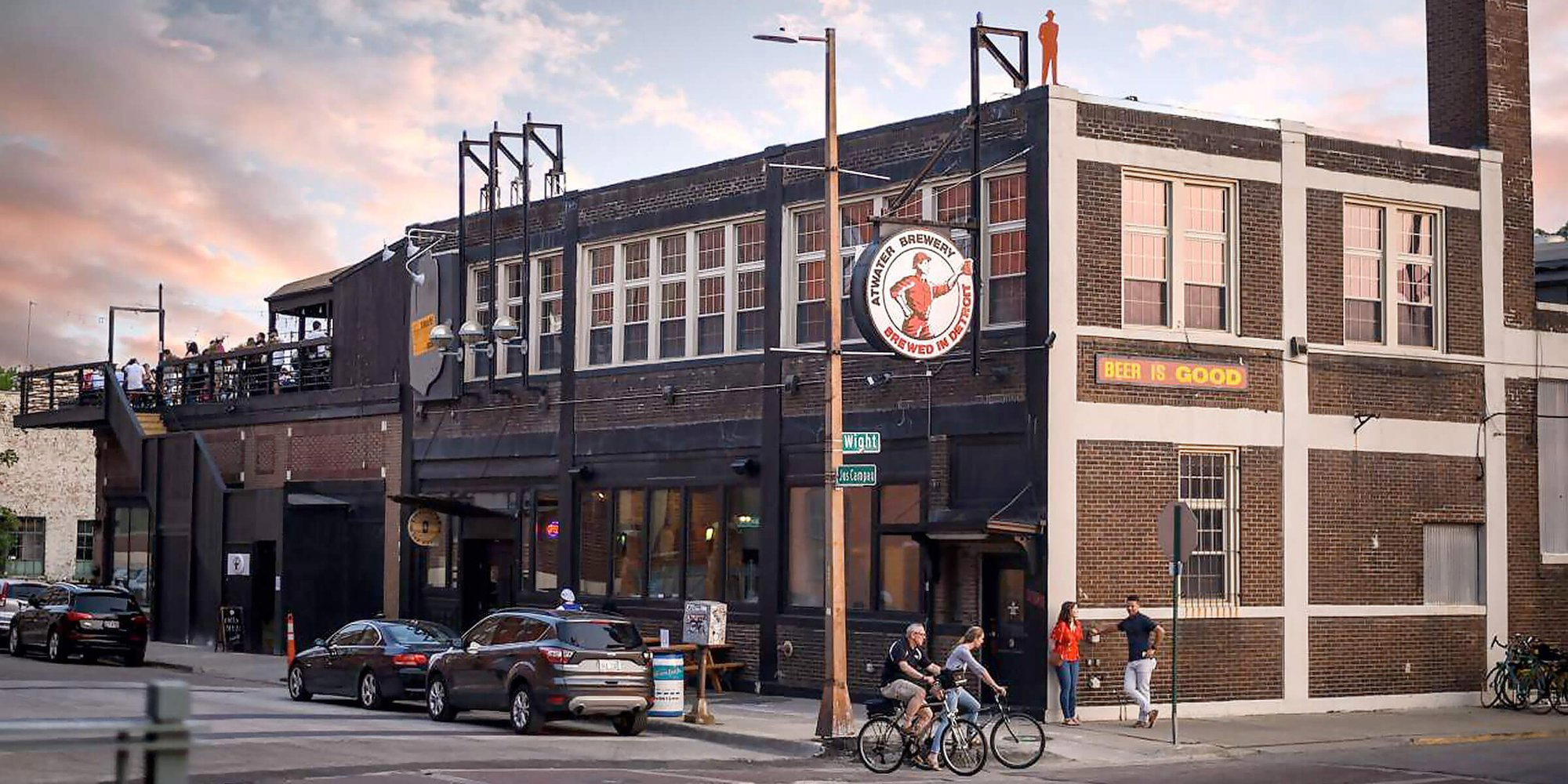
Restaurants in Detroit
All restaurants in Detroit →
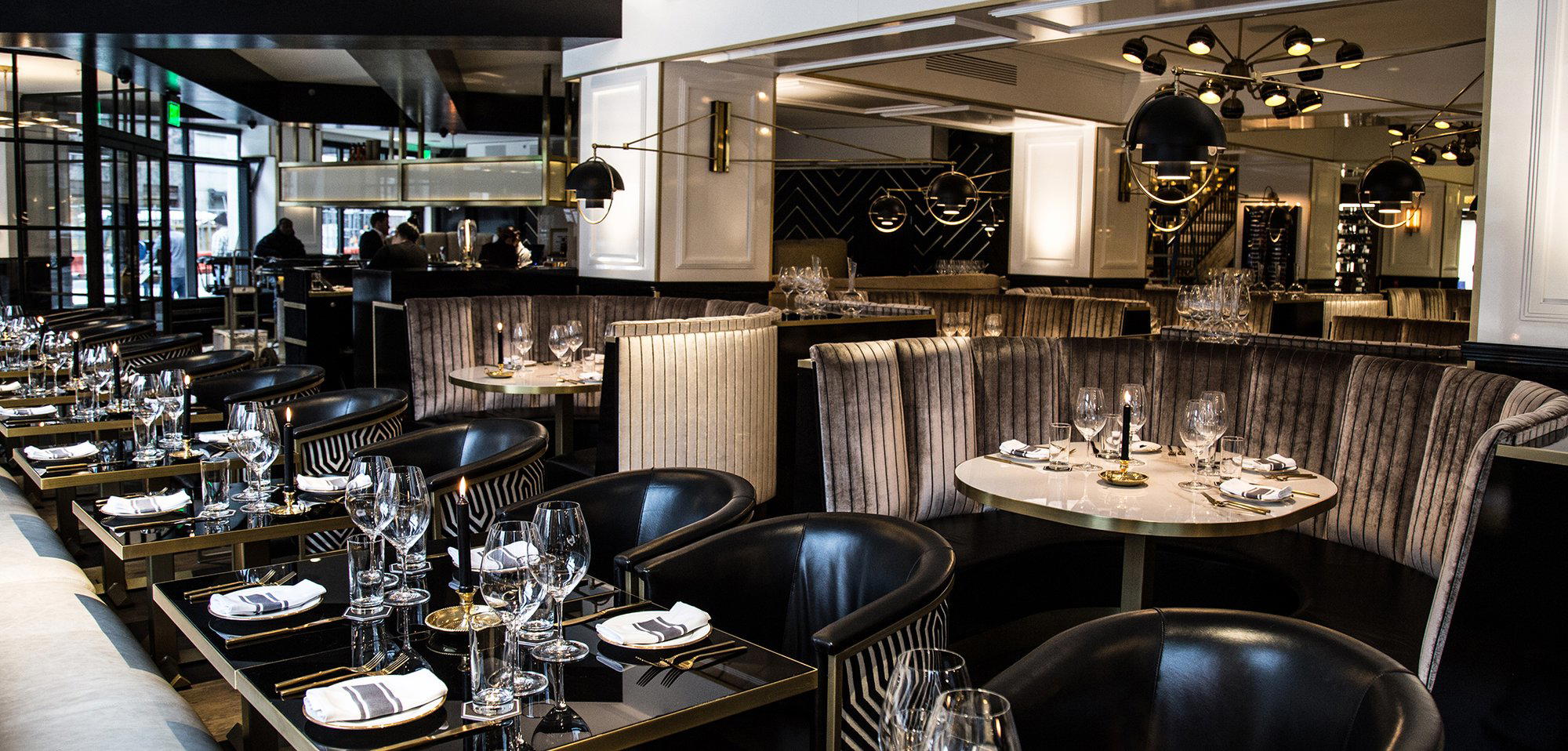
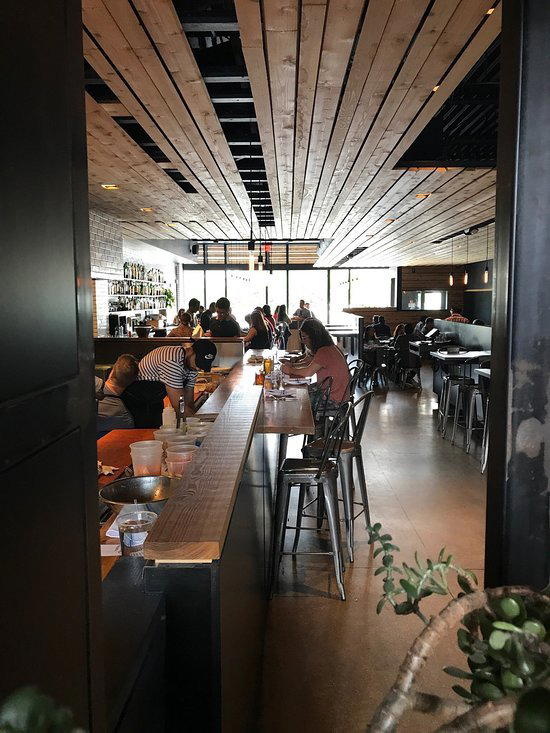
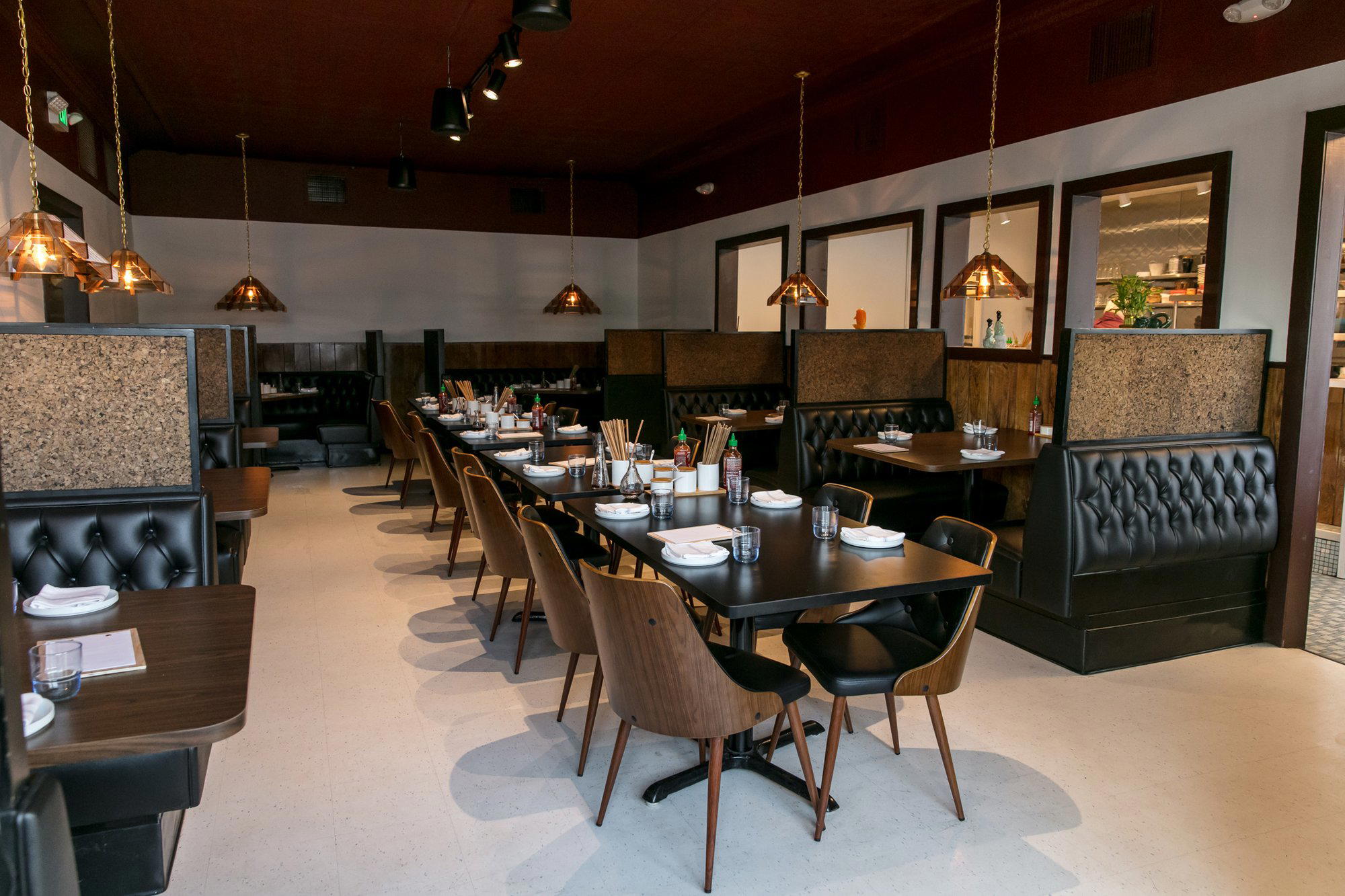
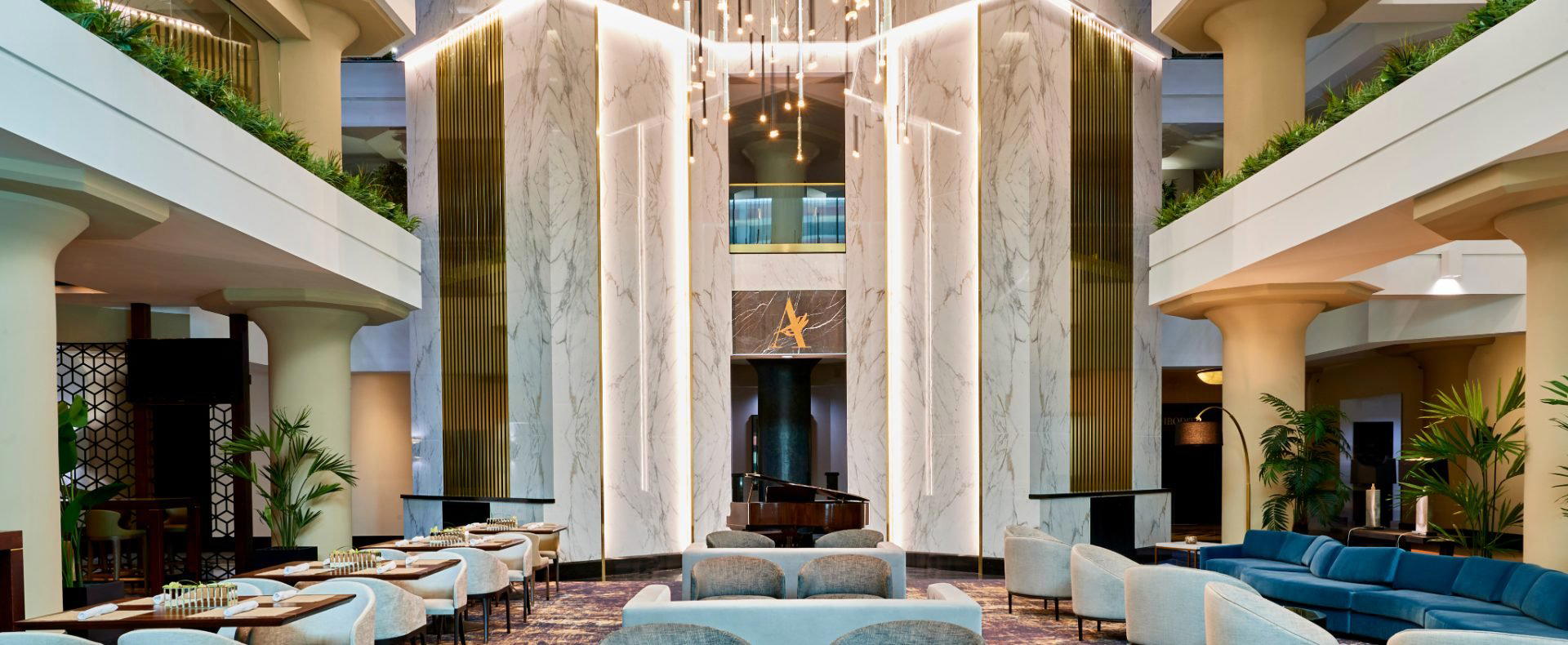
Andrews on the Corner
The drinks
- Classic cocktails
Signature drinks: Belle Isle Iced Tea, Tequila Mockingbird, The Sleeper.
Details
- Classic
- Rustic
- Cozy
- Historic
- Well Known
- After Work
- Casual Hangout
- Group Outing
- Historic Building
- Seated Bar
- Booth Seating
- Outdoor Terrace
- Classic Cocktails
Current opening hours
- Monday
- Closed
- Tuesday
- 11 AM–11 PM
- Wednesday
- 11 AM–11 PM
- Thursday
- 11 AM–12 AM
- Friday
- 11 AM–12 AM
- Saturday
- 11 AM–12 AM
- Sunday
- 11 AM–8 PM
Hours can change for holidays and private events. Last verified .
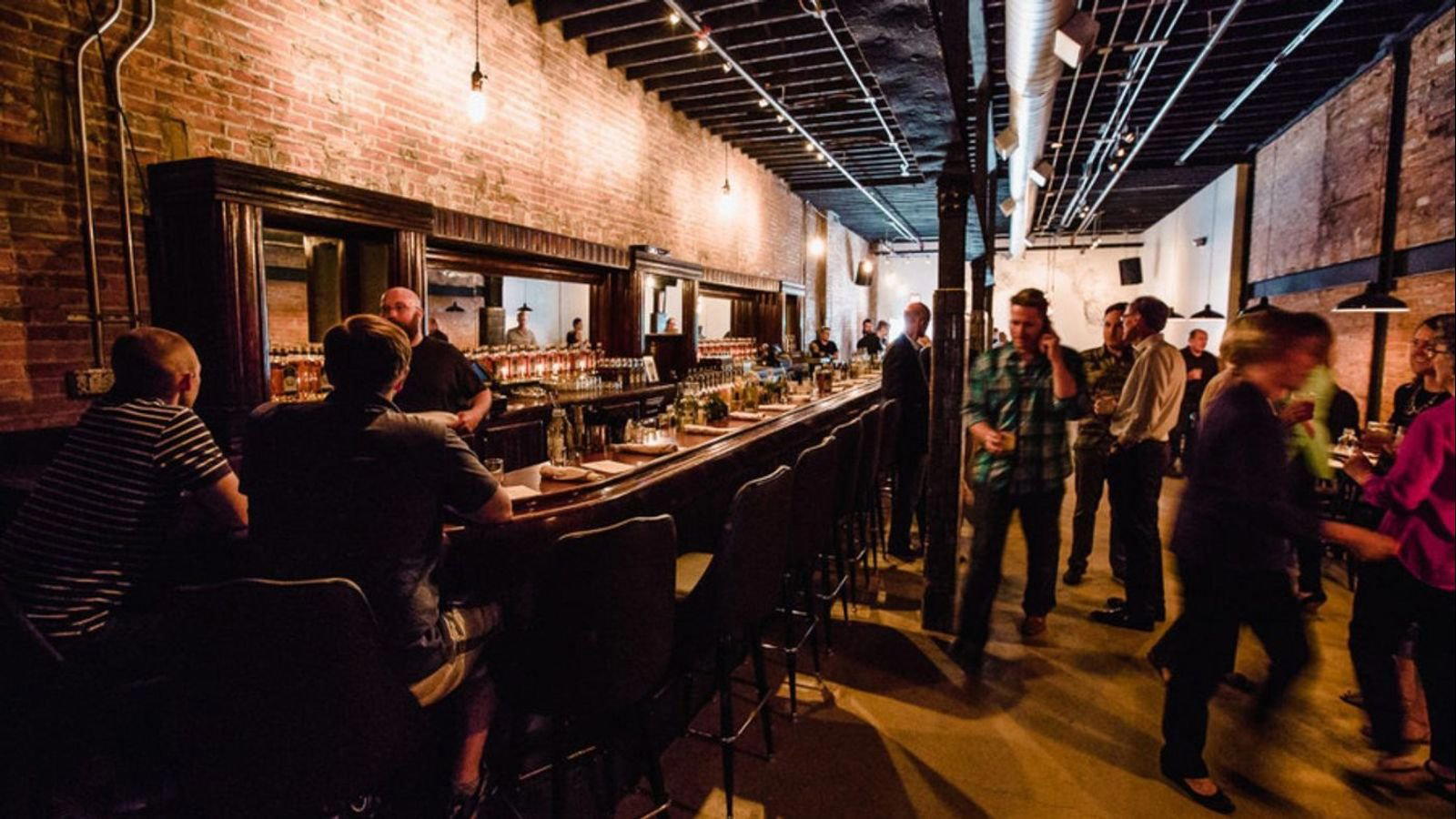
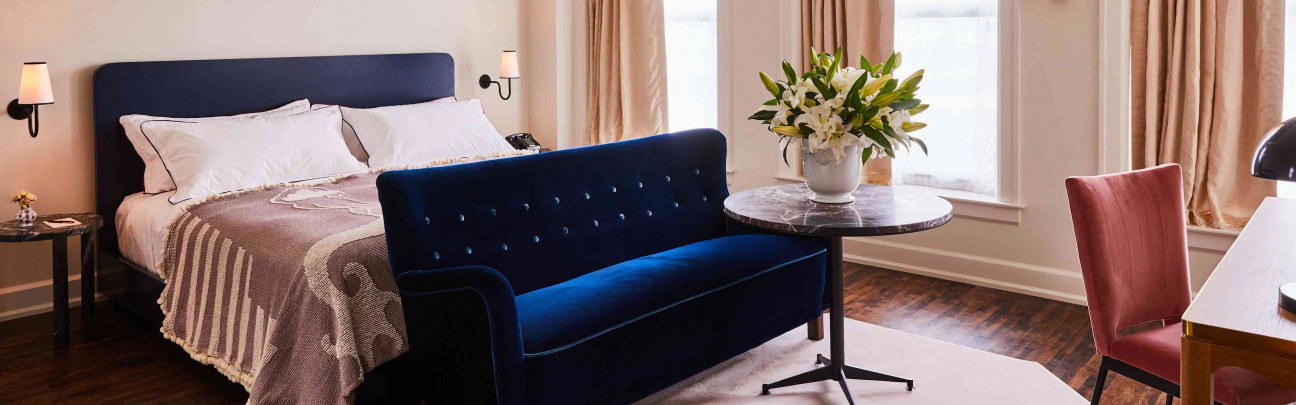
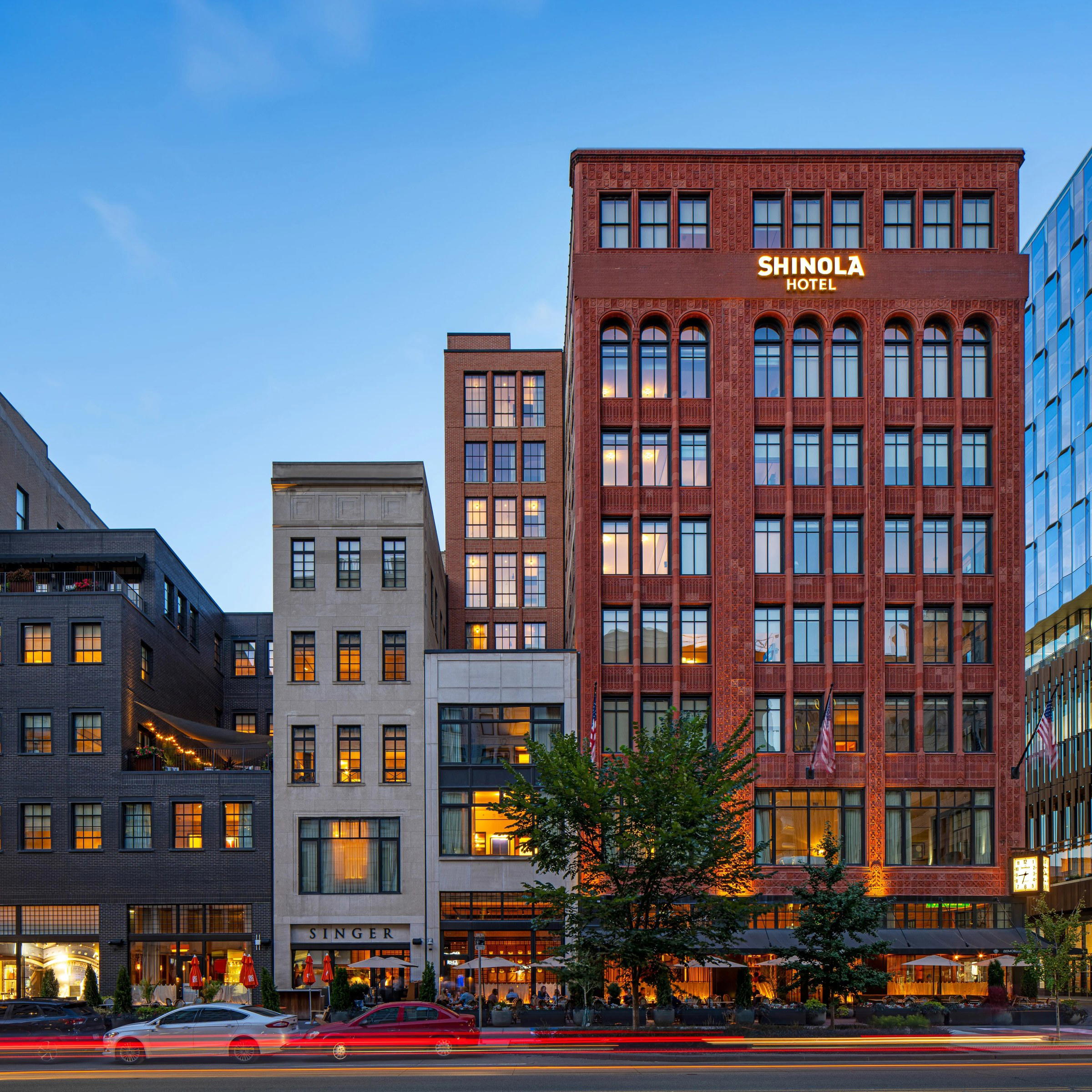
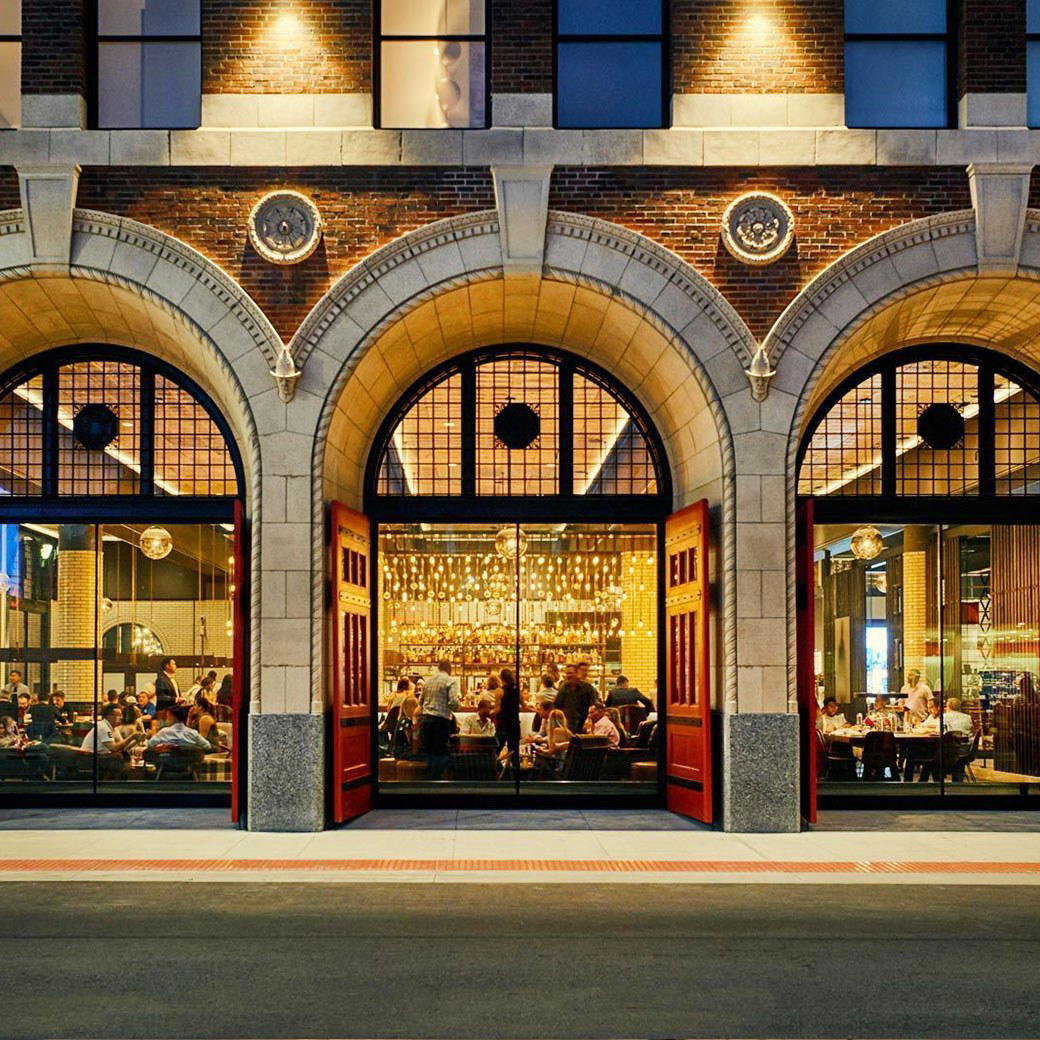
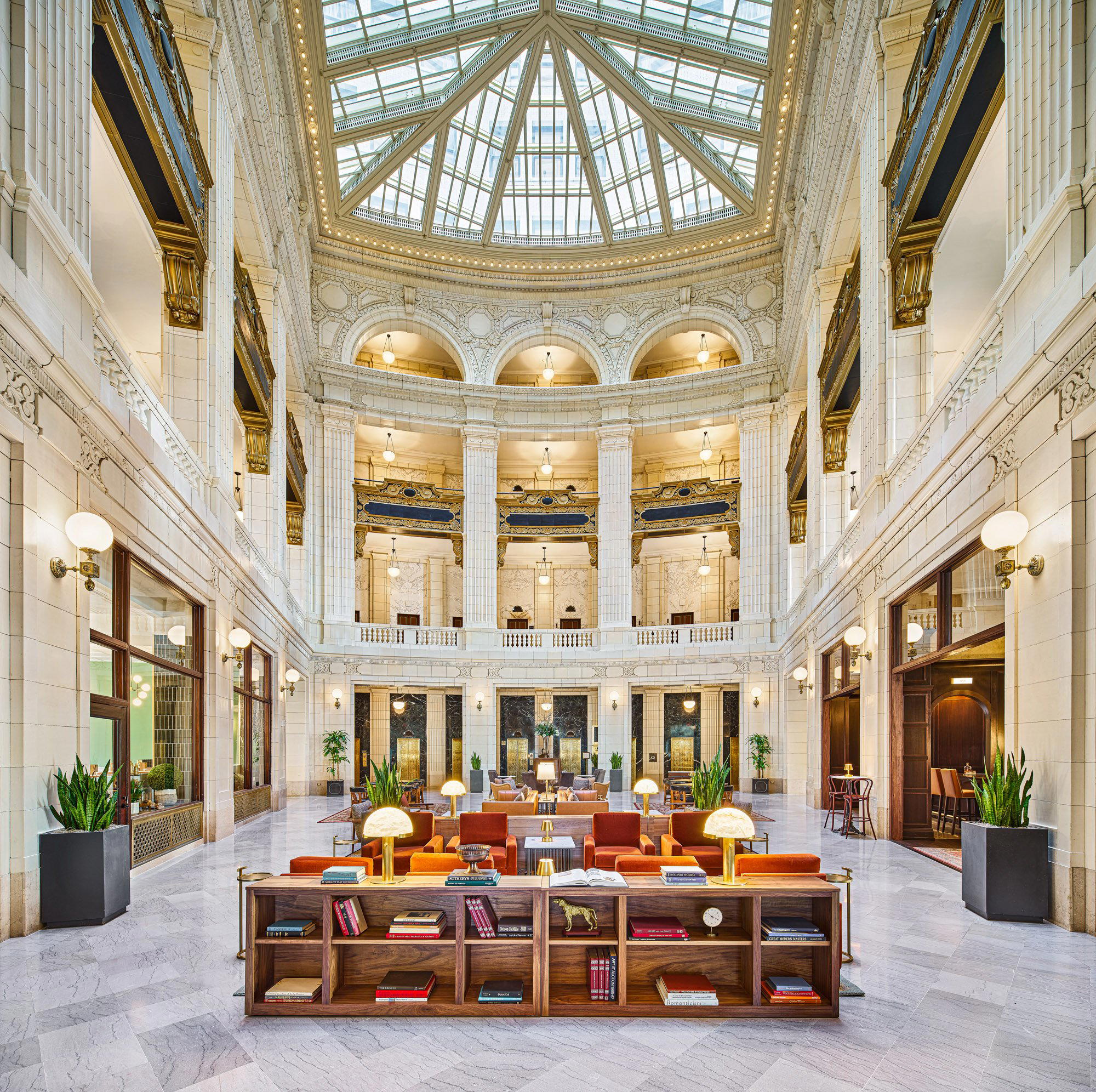
Relaxed and rustic atmosphere with historic charm, featuring a good-size bar, indoor dining, and a small outdoor patio.