Full Measure Brewing Co.
Full Measure Brewing Co. occupies a corner of Detroit's Orleans Street corridor, where the city's industrial brewing heritage meets a contemporary pub food sensibility. The taproom format places it within a growing tier of neighborhood-anchored craft operations that treat locally sourced ingredients as seriously as the fermentation program. For Detroit visitors working through the city's drink scene, it sits alongside Atwater and Six Spoke in the craft brewery cohort.

Pearl is the En Primeur Club membership app — saves, bookings, and concierge access live there. Same editors, same standards.
- Address
- 2700 Orleans St, Detroit, MI 48207
- Phone
- (313) 818-3977
- Hours
- Mon–Thu 11 AM–9 PMFri 11 AM–10 PMSat 9 AM–10 PMSun 10 AM–8 PM
- Website
- fullmeasurebrewing.com
- Directions
- Get directions
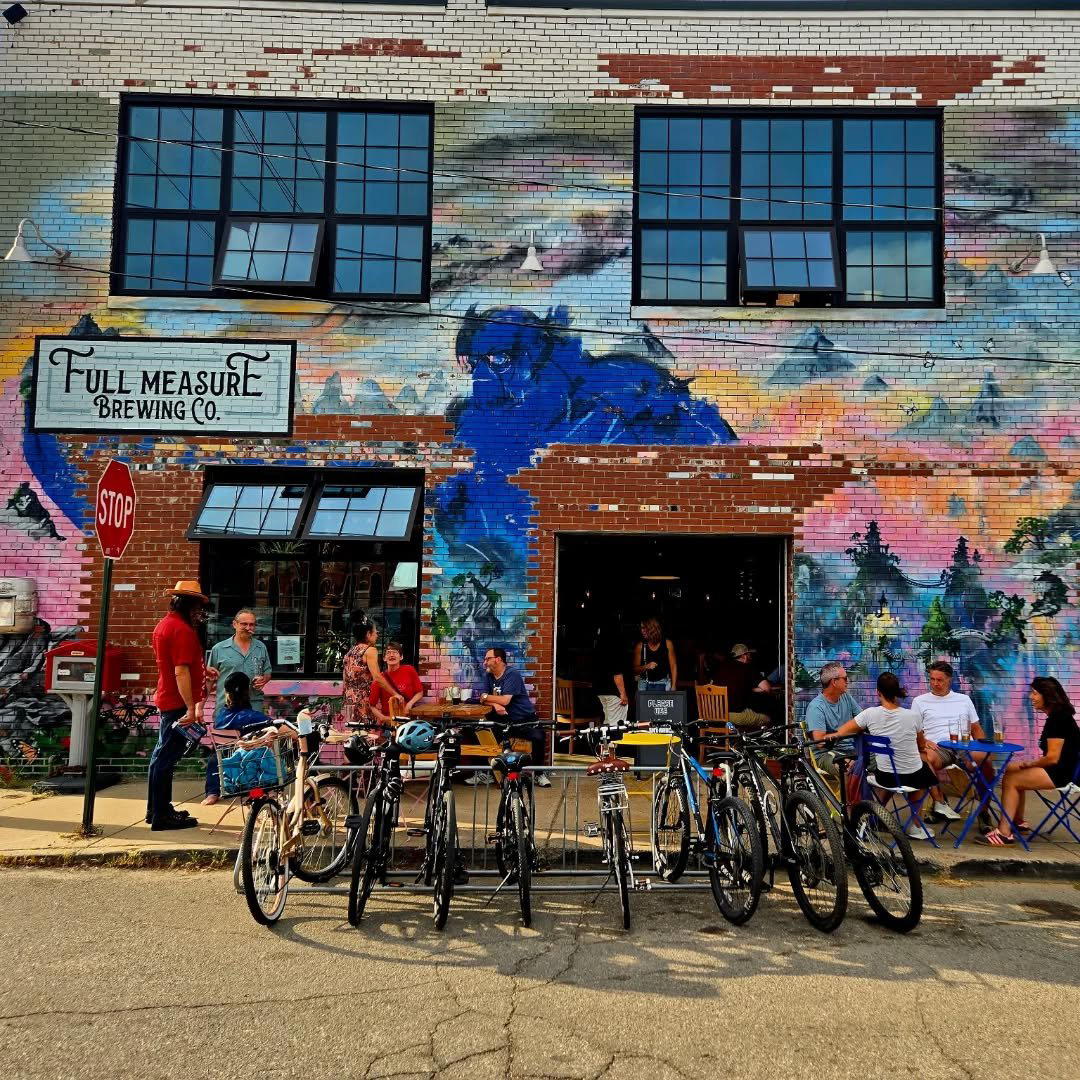
Detroit's Brewing Corridor and Where Full Measure Fits
Detroit's craft brewing scene has expanded steadily since the mid-2010s, splitting into two broad camps: destination taprooms with production-scale ambitions and neighborhood operations that anchor their identity in a specific block or district. Full Measure Brewing Co. at 2700 Orleans St in the city's lower east side, belongs to the second cohort. The address places it within a corridor that has absorbed significant reinvestment over the past decade, as former industrial parcels converted into mixed-use spaces and the population of working breweries, wine bars, and late-night spots thickened. Understanding where Full Measure sits in that geography is more useful than any single superlative applied to the pint in front of you.
The brewery and pub food format is the dominant template in this part of Detroit, and Full Measure operates squarely within it. What distinguishes the better operators in this tier from the merely competent ones is how deliberately they connect the fermentation program to local agricultural supply chains and how technically disciplined the kitchen is when applying broader culinary methods to bar-scale cooking. Both of those questions are worth asking when you walk in. For comparable operations in the same city, Atwater Brewery & Tap House represents the larger-footprint, production-oriented end of the spectrum, while Andrews on the Corner illustrates how a neighborhood anchor can build identity around consistency rather than scale.
The Intersection of Local Sourcing and Craft Technique
Michigan's agricultural output is broader than most visitors expect. The state ranks among the leading producers of tart cherries, blueberries, hops, and several heritage grains, all of which have found their way into the state's craft brewing conversation over the past decade. The most considered breweries in Michigan treat these ingredients not as marketing gestures but as genuine inputs that shape fermentation decisions, from adjunct additions in fruit-forward ales to local malt bills that affect color and mouthfeel in ways imported base malts simply don't replicate.
The pub food side of the equation follows a parallel logic in the better taprooms across Detroit and its surrounding counties. Techniques imported from fine-dining and chef-driven kitchens, including house ferments, precise temperature control, and ingredient sourcing documented to farm level, have gradually moved into the bar food register. The result is a category of dishes that uses the same intellectual framework as a serious restaurant kitchen but operates within the constraints of a taproom: speed, margin pressure, and a customer base that is primarily there for the pour. When that balance works, the food functions as a genuine complement to the beer rather than an afterthought. The combination is worth paying attention to across Detroit's brewing tier, from the Atwater operation down to smaller neighborhood spots like Andrews on the Corner.
The Orleans Street Setting
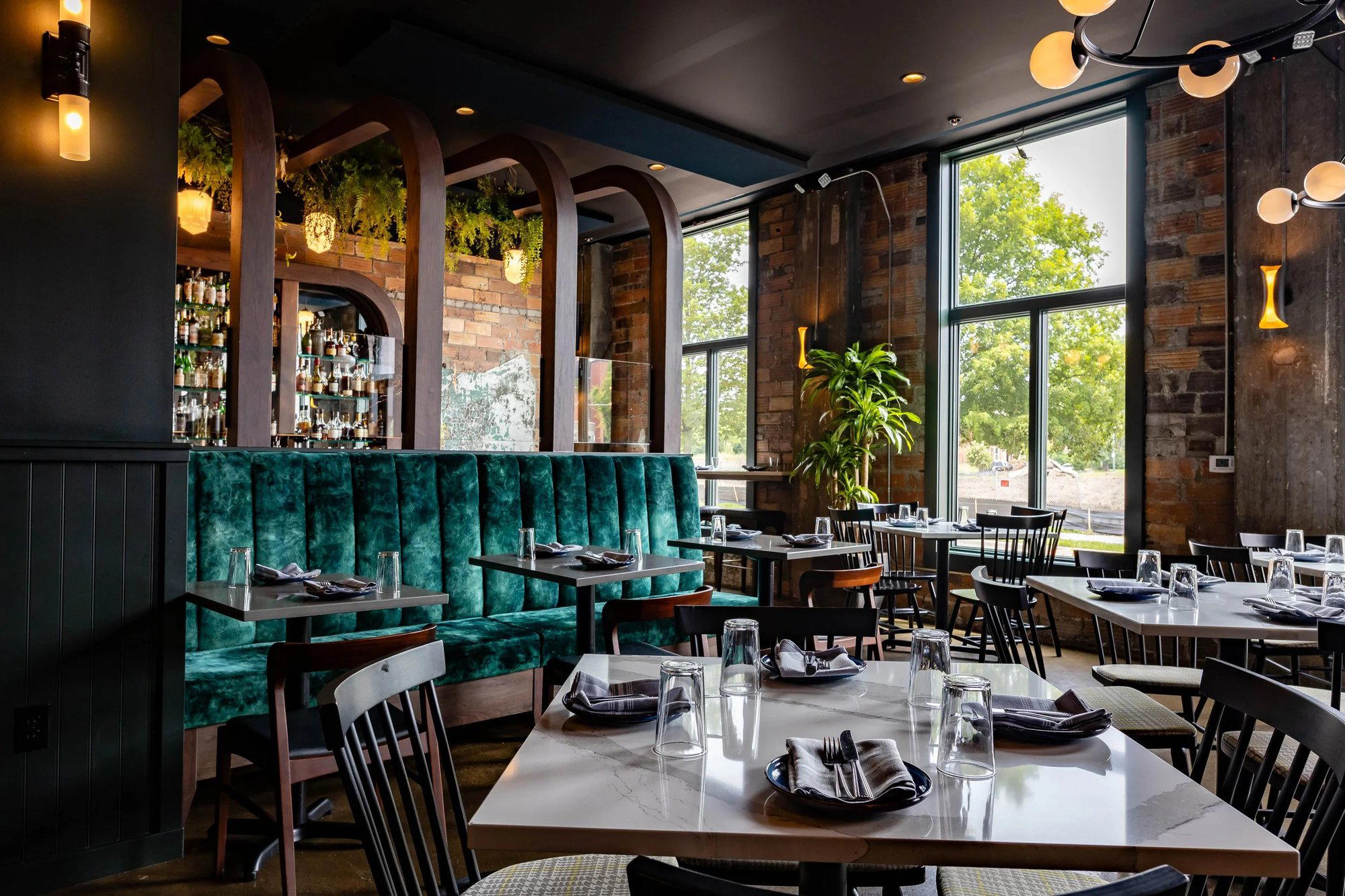
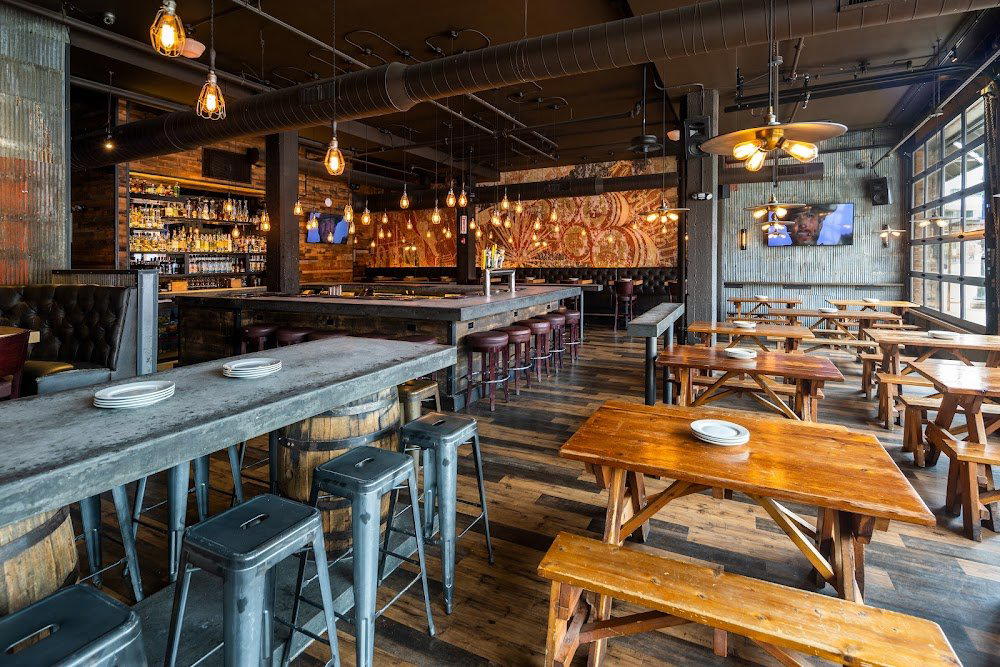
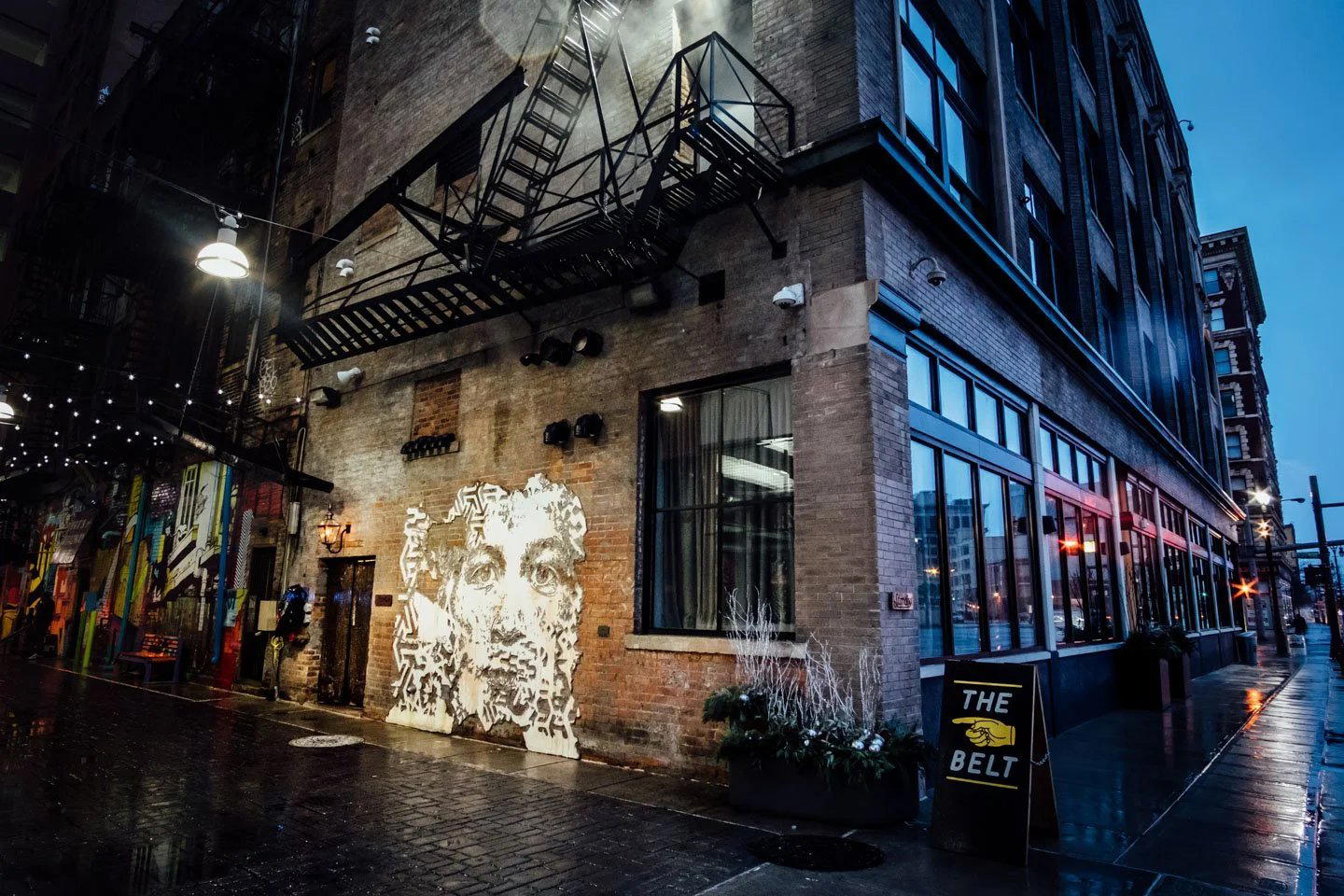
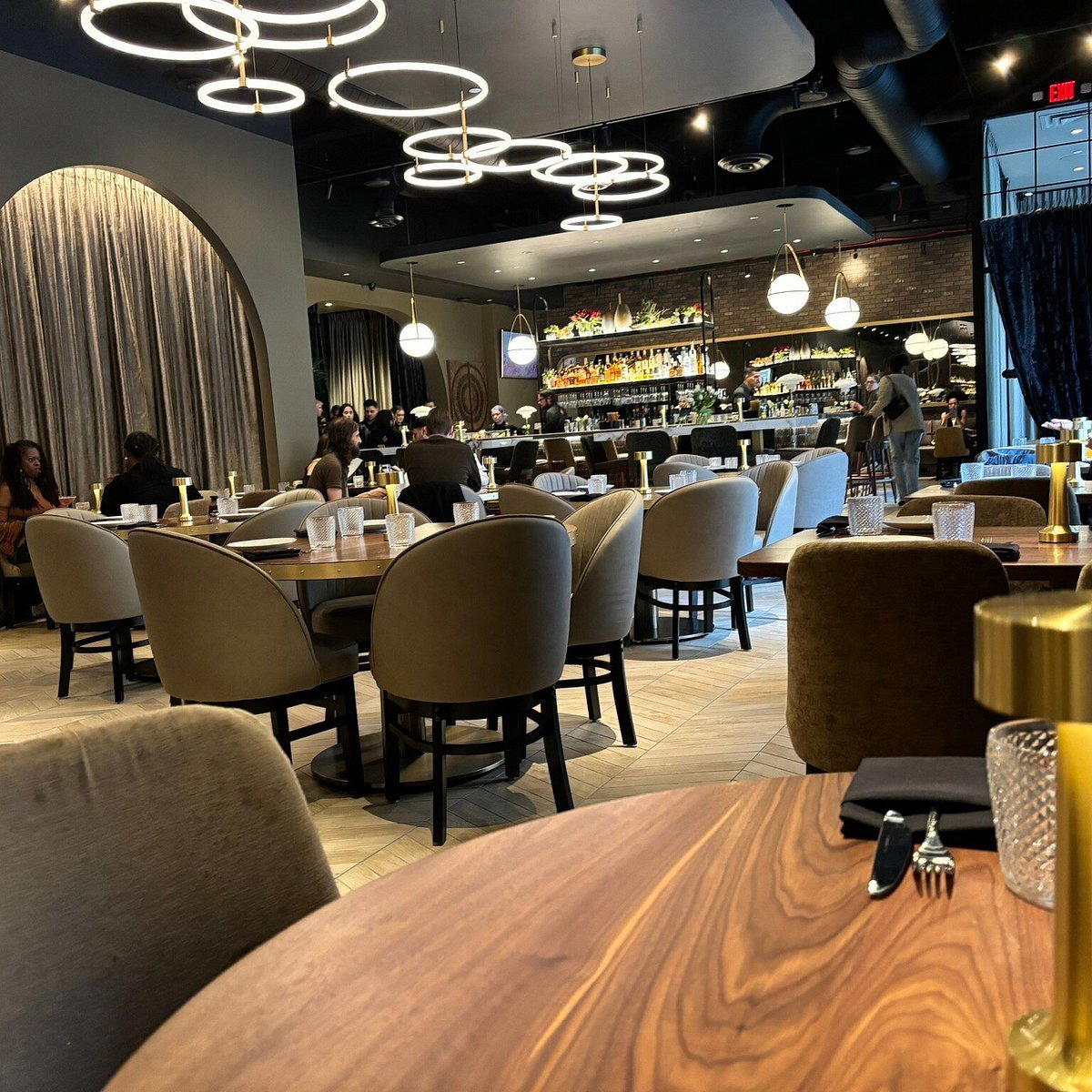
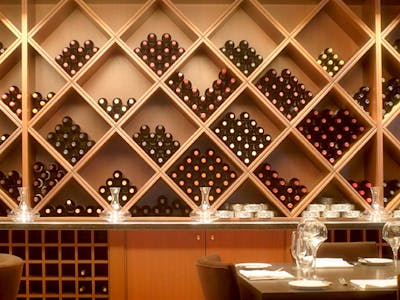
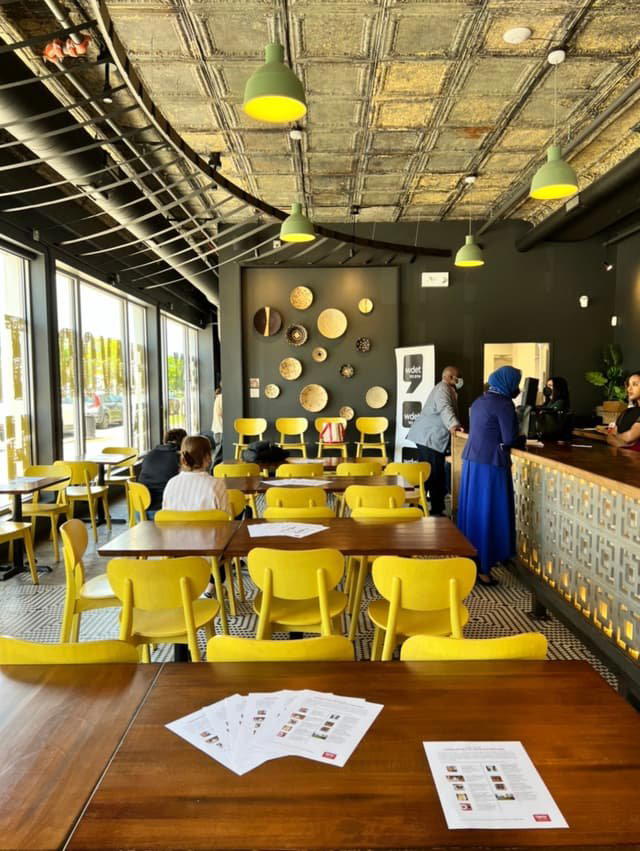
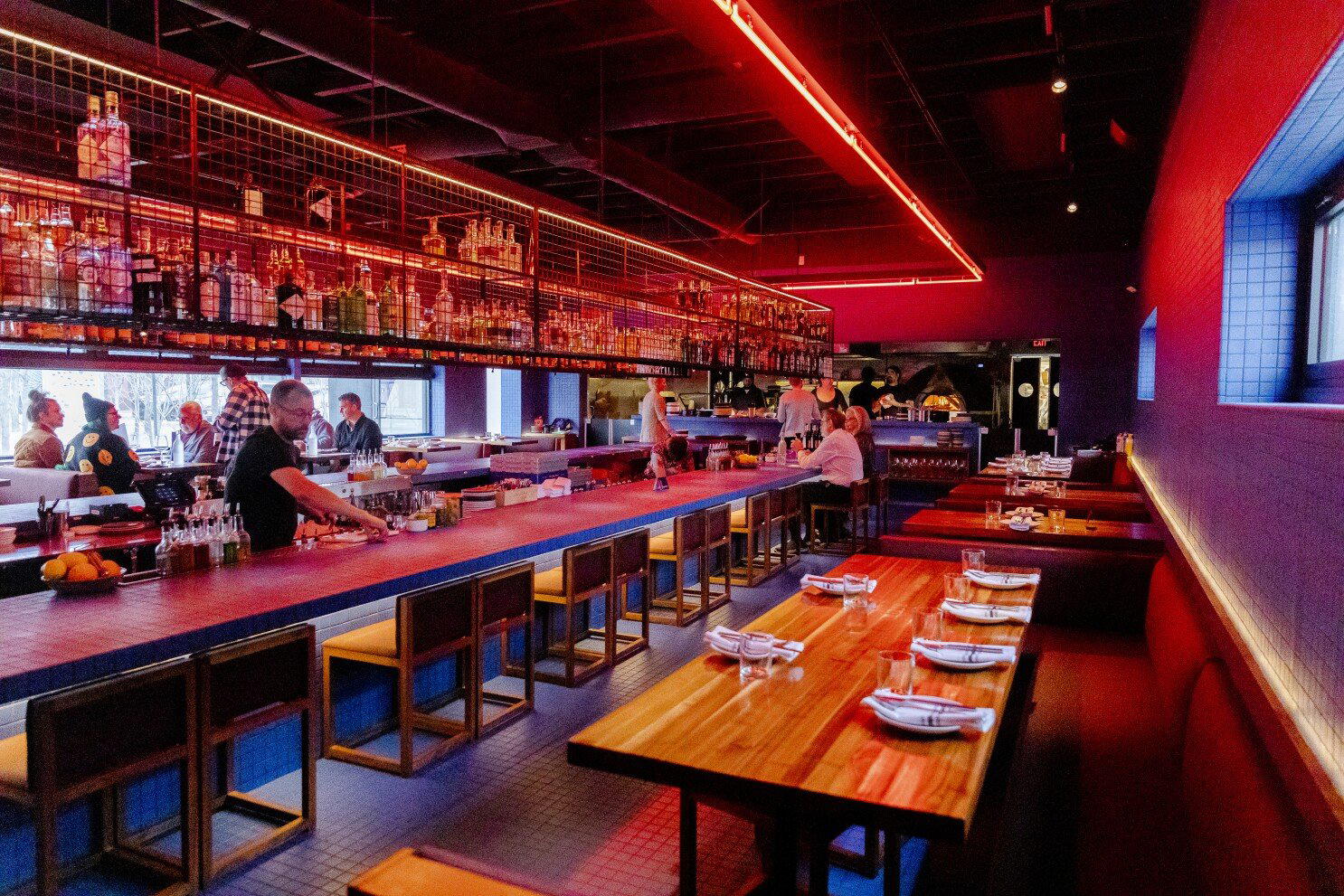
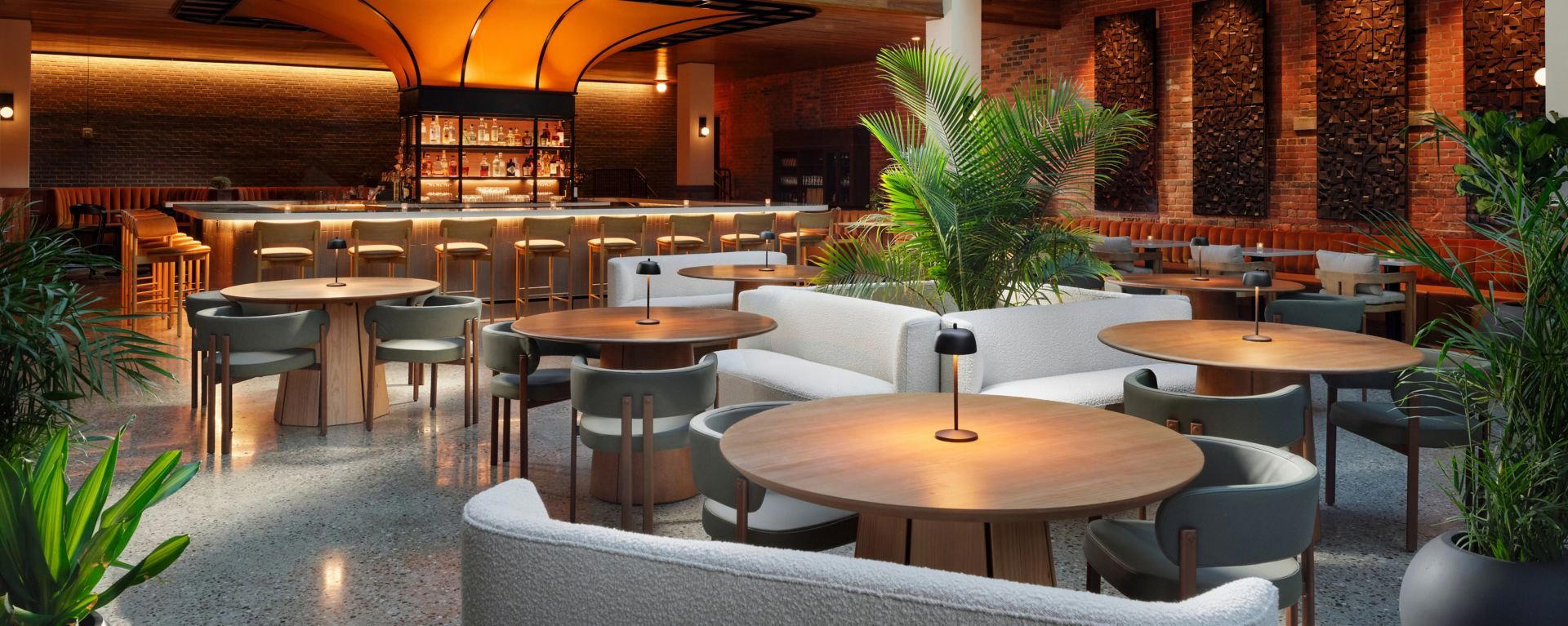
The physical environment at 2700 Orleans St reflects the character of its block. Detroit's lower east side carries an architectural vocabulary shaped by a century of industrial and residential use, and the brewery taproom format fits naturally into that context: high ceilings, exposed structural elements, a bar counter that invites longer stays. The neighborhood context also matters for timing. The corridor is quieter on weekday afternoons and considerably more active on Friday and Saturday evenings, when the density of options along and around Orleans draws a crowd that moves between venues rather than committing to a single destination for the night.
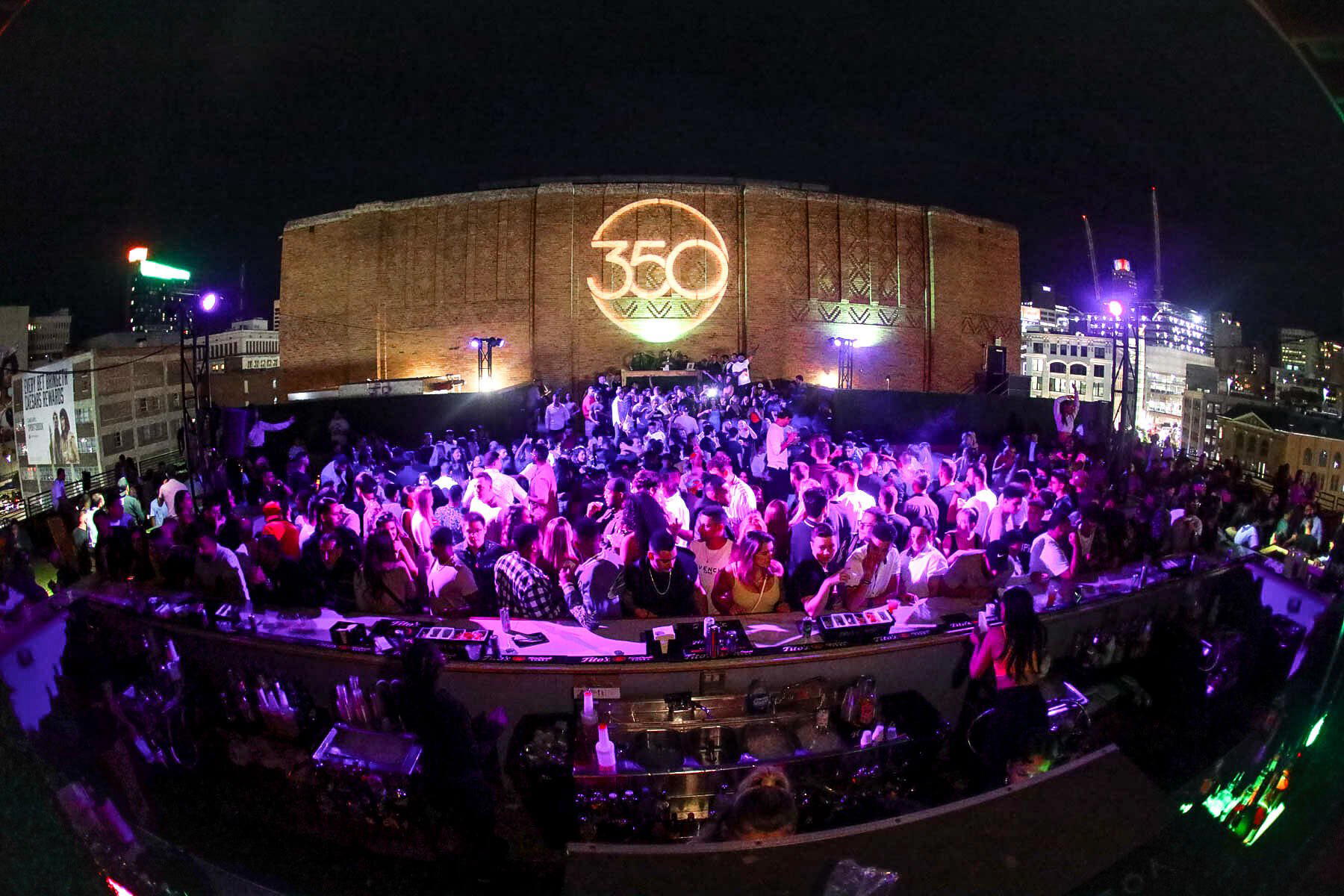
For visitors building a longer evening in this part of the city, the proximity of other operations matters. The cocktail-oriented spots in Detroit's broader drink scene, including 1459 Bagley St, 3Fifty Terrace, and Saksey's, serve a different function than a brewery taproom and are leading treated as complements rather than alternatives. A well-planned Detroit evening might move from a taproom pour to a more focused cocktail program later in the night, much as serious drinkers in other cities sequence their stops across format lines.
Placing Detroit's Craft Beer Scene in a Wider Context
Detroit occupies an interesting position in the American craft beer conversation. It is not Portland or Denver, where the sheer density of production breweries creates a market pressure that forces rapid stylistic evolution. It is closer in character to cities like Pittsburgh or Baltimore, where a recovering industrial economy has provided both the physical infrastructure and the cultural appetite for craft operations that are genuinely embedded in their neighborhoods rather than operating as destination venues for visiting enthusiasts. That embeddedness tends to produce more durable businesses and more honest beer programs, even if it generates less media attention.
The comparison is worth drawing to other US cities where the bar and brewery scene has developed a similarly grounded character. Programs like Kumiko in Chicago and ABV in San Francisco illustrate how technically serious drink operations can remain neighborhood-scaled without sacrificing program depth. Internationally, The Parlour in Frankfurt on the Main shows how a focused format can hold its own against larger and more decorated peers. Detroit's better taprooms sit in that same conversation, operating at a scale that rewards regulars as much as first-time visitors.
For readers tracking the cocktail side of the broader American bar scene, benchmark programs include Jewel of the South in New Orleans, Julep in Houston, Superbueno in New York City, and Bar Leather Apron in Honolulu. These are not direct comparisons to a Detroit brewery taproom, but they establish the level of program seriousness that distinguishes a considered drink operation from a venue that happens to serve alcohol.
Planning Your Visit
Full Measure Brewing Co. is at 2700 Orleans St, Detroit, MI 48207, on the lower east side. The brewery-and-pub-food format means no advance booking is typically required, but weekend evenings draw enough traffic from the surrounding corridor that arriving early in the session is sensible if you want a choice of seating. The Orleans St location is accessible by car with street parking on surrounding blocks; visitors coming from downtown Detroit will find the drive short but the walk longer than it appears on a map, so arriving by rideshare is the more practical option after dark. For a wider view of where Full Measure sits within Detroit's drink and dining scene, see our full Detroit restaurants guide.
Awards and Standing
Comparable venues nearby, for context on price, style, and recognition.
| Venue | Cuisine | Price | Notes |
|---|---|---|---|
| Full Measure Brewing Co.This venue — the venue you are viewing | beer_bar | $20–30 | Not listed |
| Mercury Burger & Bar | pub | $20–30 | Corktown |
| UFO Bar | cocktail_bar | $20–30 | Corktown |
| The Sugar House | cocktail_bar | $20–30 | North Corktown |
| Good Times Restaurant & Cigar Lounge | lounge | Not listed | Avenue of Fashion |
| Detroit City Distillery | cocktail_bar | $20–30 | Eastern Market |
Details
- Cozy
- Rustic
- Intimate
- Casual Hangout
- After Work
- Standalone
- Seated Bar
- Craft Beer
Current opening hours
- Monday
- 11 AM–9 PM
- Tuesday
- 11 AM–9 PM
- Wednesday
- 11 AM–9 PM
- Thursday
- 11 AM–9 PM
- Friday
- 11 AM–10 PM
- Saturday
- 9 AM–10 PM
- Sunday
- 10 AM–8 PM
Hours can change for holidays and private events. Last verified .
Warm and inviting atmosphere, almost like being in someone's home, with a cozy and welcoming vibe.