Uchi Austin
On South Lamar, Uchi Austin occupies a position at the serious end of Austin's Japanese-influenced dining scene, a counter-culture restaurant that brought omakase-adjacent sensibility to Texas long before the format became fashionable. The kitchen operates with the kind of sourcing discipline and technical precision that makes it a reference point for the city's broader fine-dining conversation.
 Discover on Pearl
Pearl is the En Primeur Club membership app — saves, bookings, and concierge access live there. Same editors, same standards.
- Address
- 801 S Lamar Blvd, Austin, TX 78704
- Phone
- +1 512 916 4808
- Website
- uchi.uchirestaurants.com
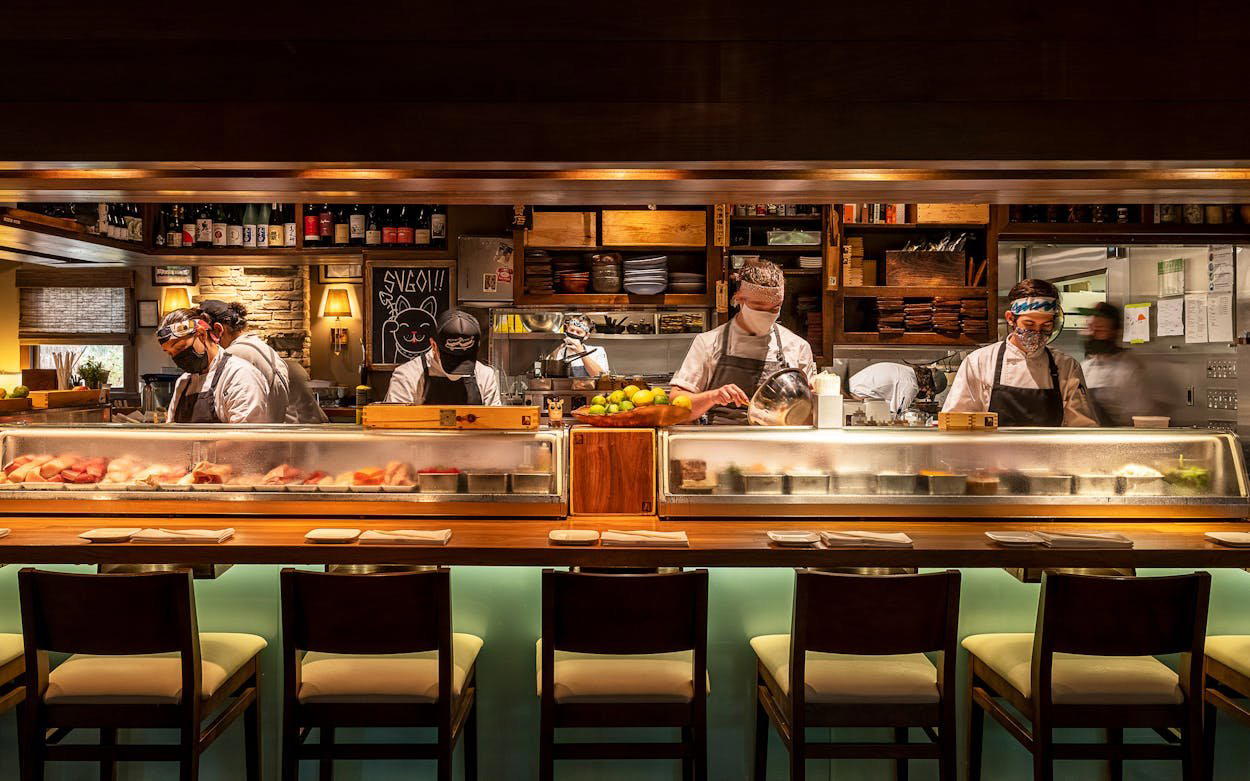
South Lamar After Dark
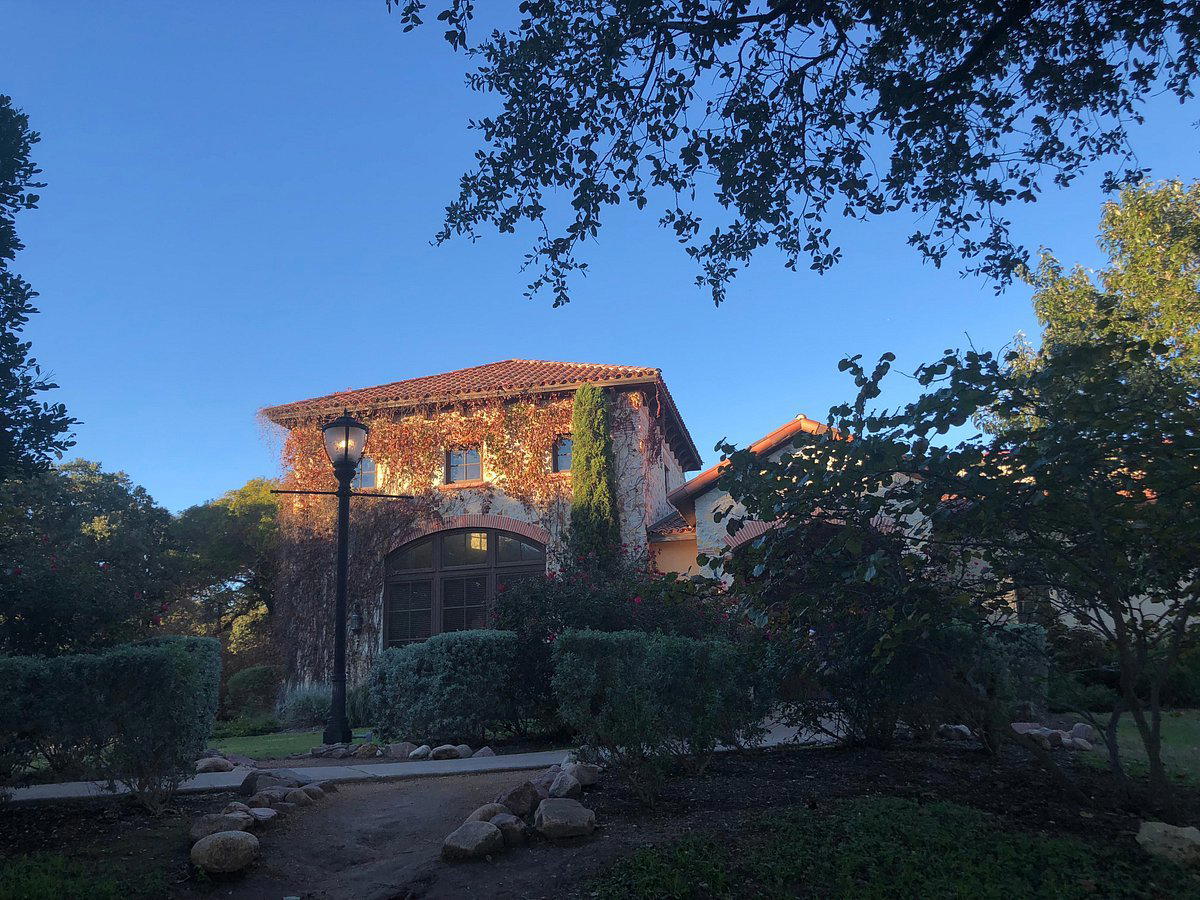
South Lamar Boulevard at night has a particular quality: the hum of traffic thins, the older bungalows recede behind live oaks, and the restaurants that have survived Austin's expansion cycles take on an authority that newer openings in the Domain or East Sixth can't manufacture. Uchi Austin, a Japanese-influenced bar in Austin, sits inside that earned geography. You arrive through a neighbourhood that has changed around it; the building itself signals something more considered than the strip-mall sushi that proliferated across Texas in the same era. The approach tells you something before you've looked at a menu.
Where Uchi Sits in Austin's Fine-Dining Order
Austin's restaurant culture spent much of the 2000s and 2010s sorting itself into tiers. At the base, fast-casual and barbecue; in the middle, a crowded bracket of farm-to-table and New American; at the leading, a thinner tier of technically serious kitchens that priced and programmed against national rather than local peers. Uchi arrived early enough to help define that upper tier rather than compete inside it. Its Japanese-influenced format, omakase-adjacent, vegetable-forward in places, with a serious beverage program, was operating in Austin before the broader U.S. market caught up to that style of eating.
By comparison, Austin's cocktail scene followed a similar trajectory toward technical seriousness slightly later. Bars like Nickel City and 2500 E 6th St represent the city's current wave of program-driven drinking, and venues such as Aba Austin show how Mediterranean-influenced hospitality has grown in parallel to Japanese-influenced dining as a format for serious eating in the city. Uchi predates most of that wave and helped create the appetite for it.
The Sourcing Logic Behind the Menu
The sustainability framing at Uchi is not decorative. Kitchens working in Japanese culinary tradition, where ingredient quality is the argument, not the sauce or the technique applied to obscure it, are structurally incentivized toward sourcing discipline in a way that French-derived fine dining is not always forced to be. When the fish is the point, the fish has to be right. That means supply-chain decisions carry more weight than in kitchens where reduction or braising can cover over procurement compromises.
This structural logic extends to the vegetable program. Japanese cuisine's broader tradition of giving equal formal attention to vegetables, not as accompaniment but as primary subject, means a kitchen like Uchi's has always had architectural reasons to build relationships with farms and to think carefully about what is grown, when, and how it travels. The seasonal discipline that reads as ethical positioning in many contemporary restaurants is, in this context, simply good technique made visible.
The waste-reduction conversation in high-end dining has shifted considerably over the past decade, with kitchens across the country moving from nose-to-tail rhetoric to more systematic approaches: fermentation programs that use trim, stocks built from what would otherwise leave the kitchen, prep methods calibrated to yield rather than volume. Where Uchi sits on that spectrum specifically requires data the public record doesn't fully expose, but the structural pressures of Japanese-influenced fine dining push in that direction by default.
The Drinking Program in Context
Sake has had a complicated relationship with American fine dining. For years it was positioned as an add-on, something to offer alongside Japanese food for guests who wanted to signal adventurousness, rather than as a serious parallel beverage program. The better end of the market has corrected that. Structured sake service, with attention to region, rice polish, and temperature, now appears alongside wine programs at serious Japanese-influenced counters in the same way that natural wine lists appear at farm-driven New American restaurants.
Uchi's beverage program has historically bridged sake, wine, and cocktails rather than committing exclusively to any one. That pluralism suits Austin's drinking culture, which trends eclectic. For comparison, the approach at venues like Kumiko in Chicago shows how a Japanese-influenced drinking sensibility can anchor an entire bar program at the highest tier; similarly, Bar Leather Apron in Honolulu demonstrates what serious Japanese spirits stewardship looks like in a Pacific context. Uchi's model sits between those poles, a restaurant beverage program rather than a destination bar, but one with enough intentionality to reward guests who want to drink as carefully as they eat.
Nationally, programs at places like Jewel of the South in New Orleans, Julep in Houston, Superbueno in New York City, and ABV in San Francisco illustrate how the serious beverage conversation has spread beyond the coasts. Even internationally, venues like The Parlour in Frankfurt on the Main show that Japanese-influenced drinking is now a global format, not a regional one. Uchi sits within that broader shift even as it remains distinctly Texan in its hospitality register.
What the Music History Tells You About the Room
Austin's reputation as a live music city, the clubs on Red River, the long history of Antone's Nightclub as a venue that shaped national blues and rock culture, is relevant to understanding how the city absorbs serious eating. Austin audiences have always had a high tolerance for immersive, slightly theatrical experiences where the performance is the point. A kaiseki-influenced tasting format, with its procession of small courses and its demand for guest attention, maps onto that cultural predisposition better than it might in a city with a less performance-oriented hospitality culture. Uchi has benefited from that alignment.
Know Before You Go
- Address: 801 S Lamar Blvd, Austin, TX 78704
- Neighbourhood: South Lamar, accessible by car; street and lot parking available in the area
- Booking: Reservations are strongly advised; demand at this tier of Austin dining means walk-in availability is limited, particularly on weekends
- Timing: Weekday sittings offer a quieter experience; the room runs warmer in energy on Friday and Saturday
- Dress: Smart casual is the working register, neither jacket-required nor flip-flop territory
- Further reading: See our full Austin restaurants guide for neighbourhood context and peer comparisons
Standing Among Peers
Comparable venues nearby, for context on price, style, and recognition.
| Venue | Cuisine | Price | Awards | Notes |
|---|---|---|---|---|
| Uchi AustinThis venue — the venue you are viewing | cocktail_bar | $$$ | , | |
| WU Chow - Downtown | cocktail_bar | $$$ | , | Warehouse District |
| Seven Grand | Bar | $$$ | , | Convention Center District |
| Uchiko Austin | cocktail_bar | $$$ | , | Triangle State |
| In Plain Sight | cocktail_bar | $$$ | , | Congress Ave District |
| Small Victory | cocktail_bar | $$$ | Congress Ave District |
Continue exploring
More in Austin
Bars in Austin
Browse all →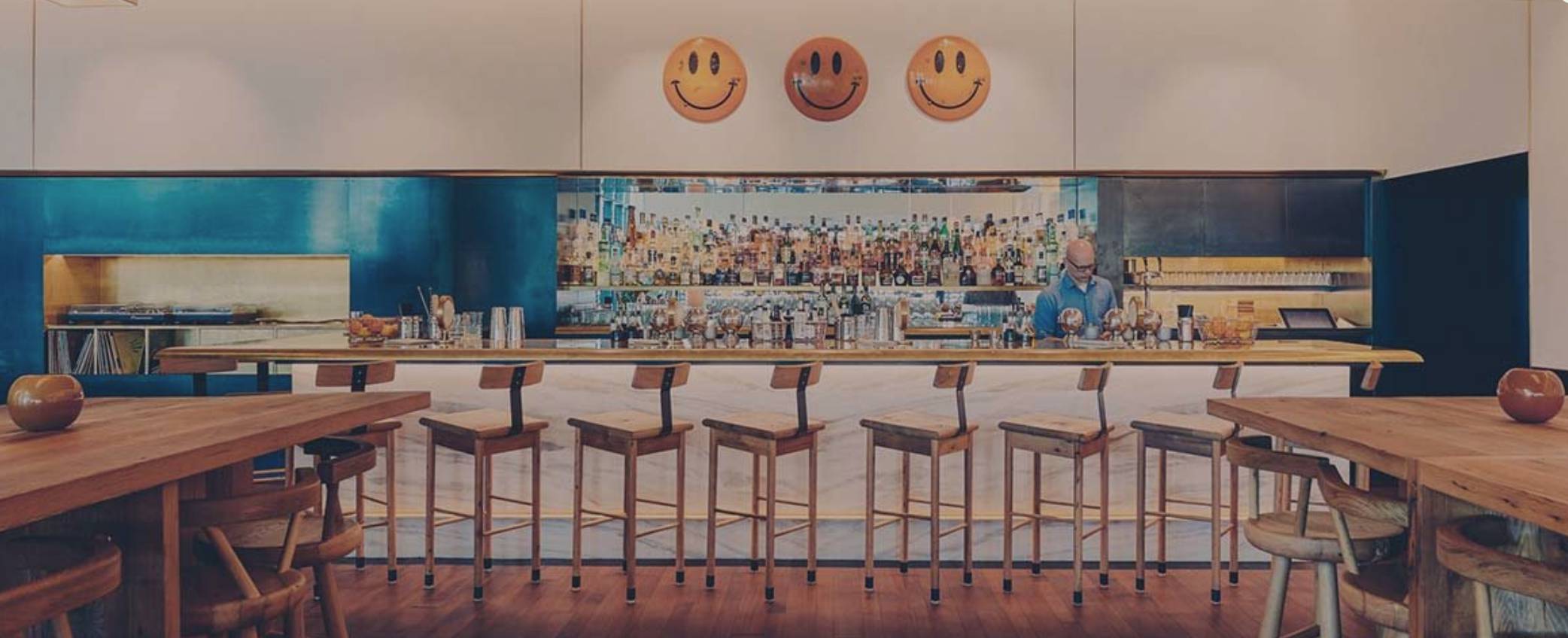
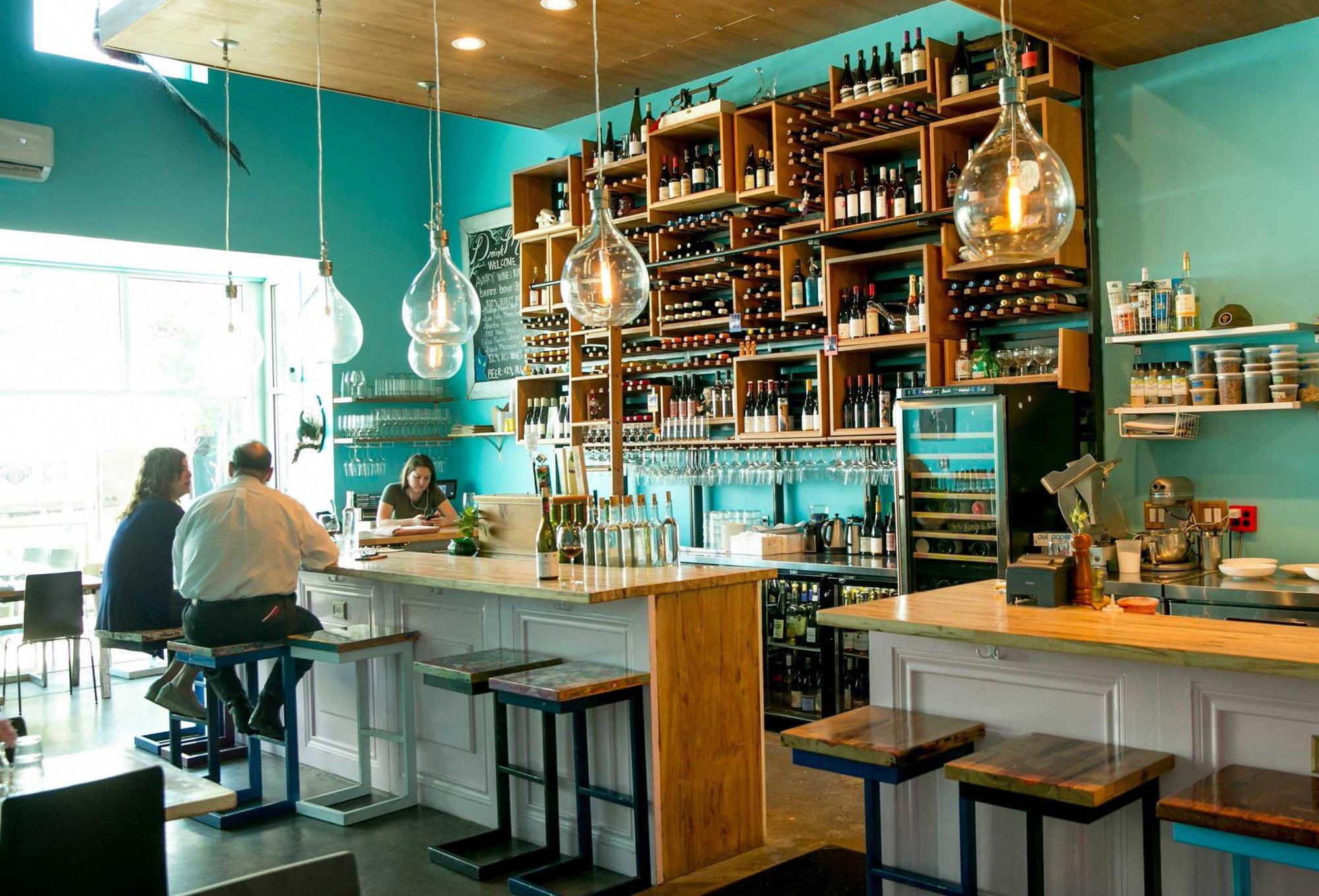
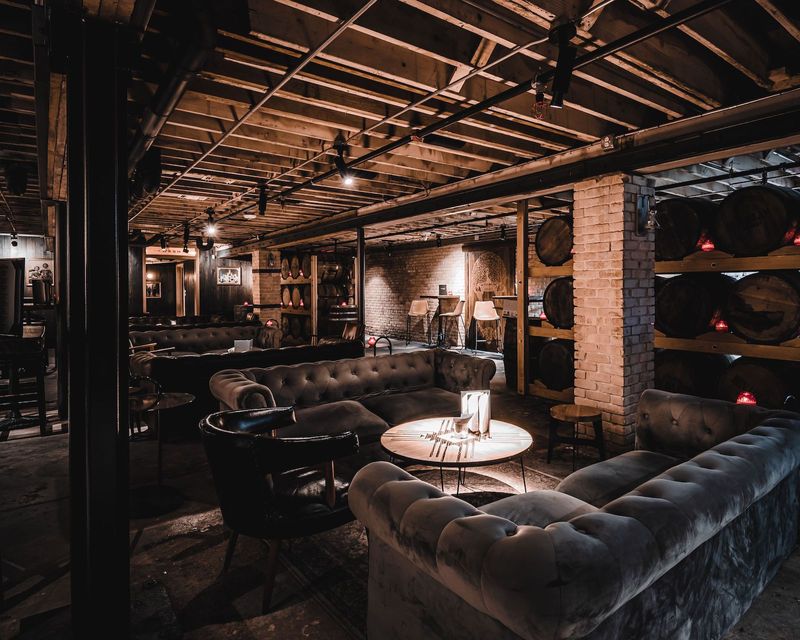
Restaurants in Austin
Browse all →

Hotels in Austin
Browse all →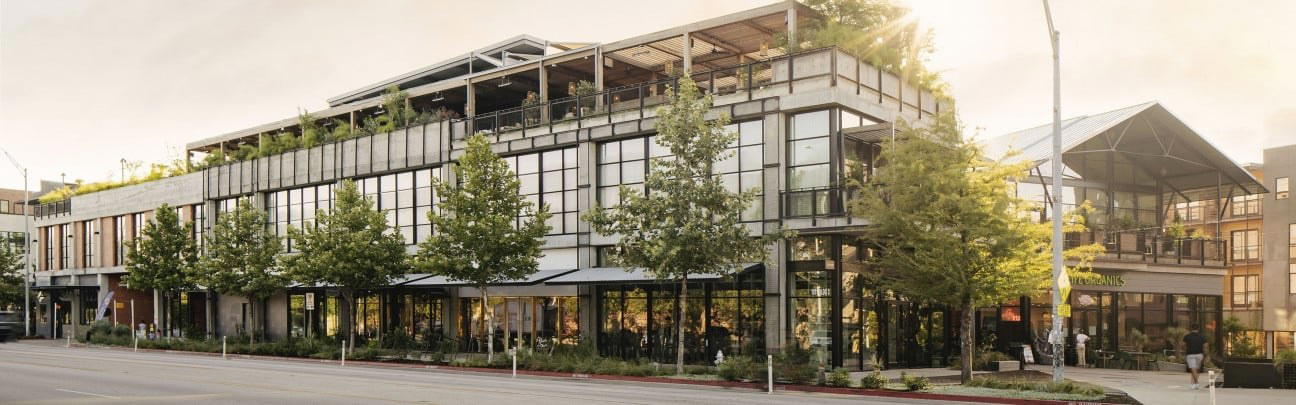






At a Glance
- Modern
- Elegant
- Sophisticated
- Intimate
- Date Night
- Special Occasion
- Design Destination
- Seated Bar
- Lounge Seating
- Craft Cocktails
- Sake
- Low Abv
- Zero Proof
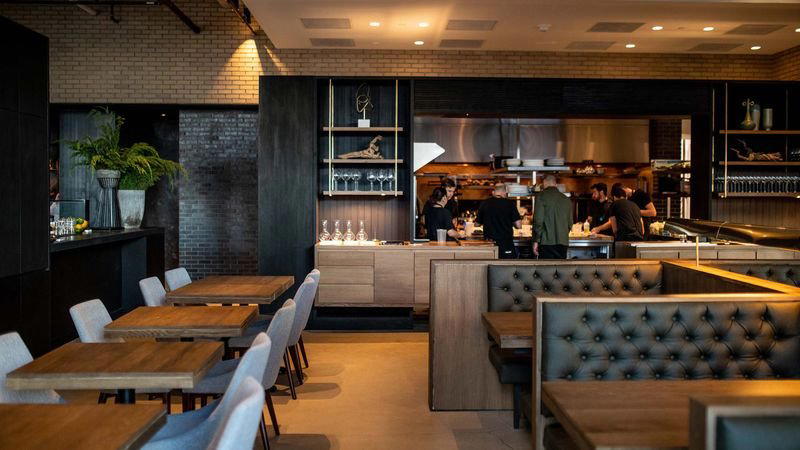
Low-lit modern space with warm wood elements and impeccable service creating an elegant, welcoming atmosphere.