Tipitina's
Tipitina's at 501 Napoleon Ave has anchored Uptown New Orleans' live music circuit since 1977, drawing locals and visitors to a room where the city's funk, brass band, and R&B traditions converge on a single sticky-floored stage. The venue operates less as a concert hall and more as a community institution, with a programming calendar that reflects the full breadth of New Orleans musical culture rather than a single genre or commercial niche.
Pearl is the En Primeur Club membership app — saves, bookings, and concierge access live there. Same editors, same standards.
- Address
- 501 Napoleon Ave, New Orleans, LA 70115
- Phone
- +1 504 895 8477
- Website
- tipitinas.com
- Directions
- Get directions
 Saves & bookings on Pearl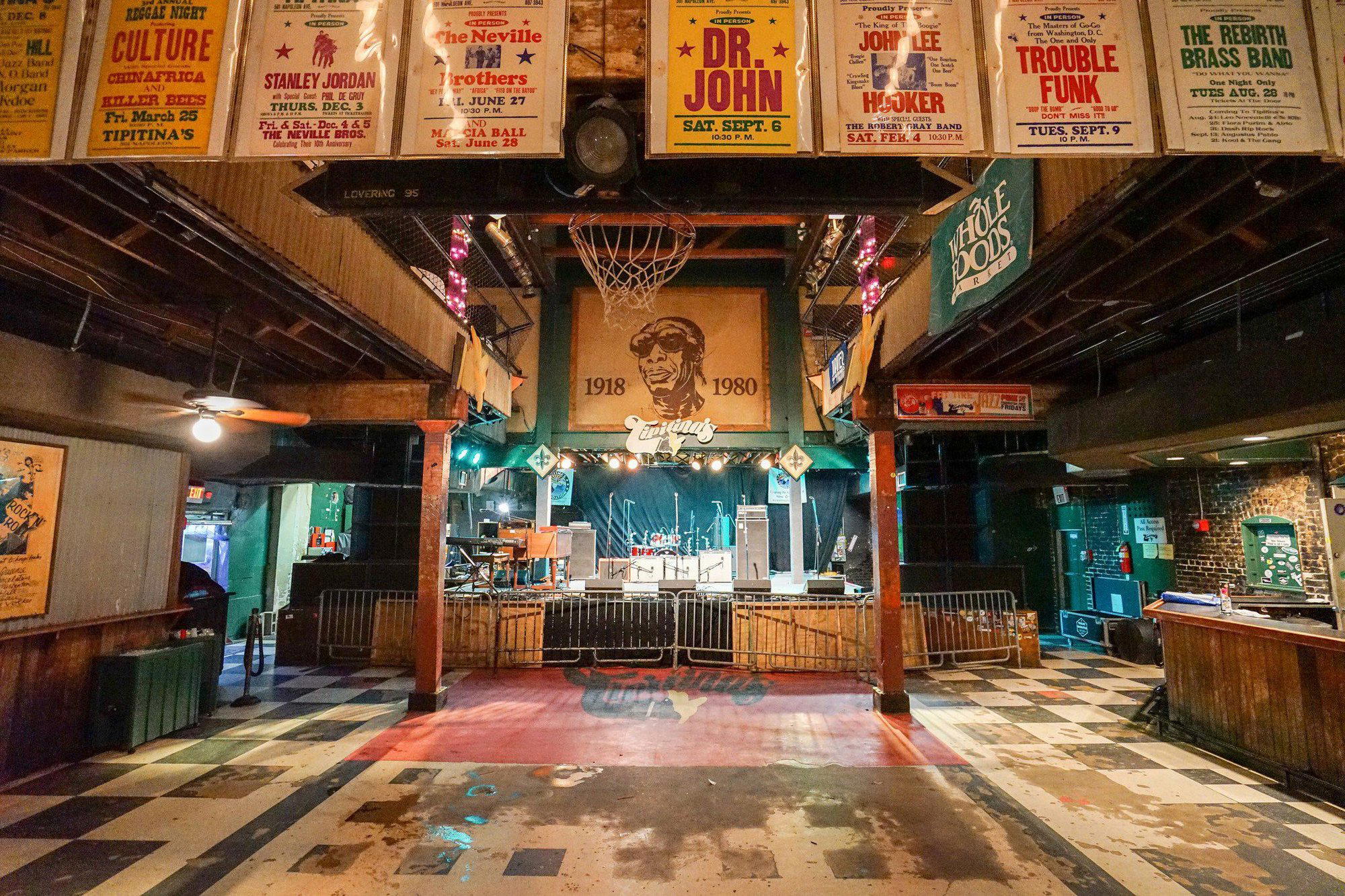
The Room Before the Music Starts
Tipitina's is a bar at 501 Napoleon Ave in New Orleans, known for live music and a casual, walk-in-friendly setup. Walk up Napoleon Avenue on a show night and Tipitina's announces itself the way New Orleans institutions tend to: not with a marquee or velvet rope, but with sound leaking through the walls and a line of people who already know the drill. The building sits low on the corner, unremarkable from the outside in a way that is common to the city's most serious music rooms. What happens inside has been shaped by more than four decades of use, and the physical space carries that history the way old wood carries weather.
The interior follows the logic of a working dance hall rather than a concert venue engineered for sight lines and acoustic precision. The floor is flat, the stage is low, and the bar runs along the side wall. This layout is a deliberate inheritance from the New Orleans tradition of participatory music: the point is not to watch from a distance but to be inside the sound. For touring acts accustomed to seated rooms, it is an adjustment. For local brass bands and funk groups, it is native ground.
Programming as Menu Architecture
If you read Tipitina's calendar as you would a restaurant menu, the structure reveals something about how the venue understands its audience. The week is not organized around a single genre or demographic. A Thursday night might bring a Rebirth Brass Band residency set, Saturday a touring indie act, Sunday a bounce DJ taking over for a late set. The range is not a failure of identity but a reflection of how New Orleans actually consumes music: across genre lines, across age groups, and across the week.
The venue opened in 1977, named for a Professor Longhair song, and its earliest years were shaped by the New Orleans R&B and funk traditions that Longhair helped define. That lineage remains legible in the programming, particularly in the residencies and tribute nights that anchor the calendar during slower tourist seasons. But the room has never restricted itself to a museum-style preservation of those roots. It books what the city listens to, which means the calendar shifts with the local scene.
The practical result is that the show you attend will be shaped almost entirely by what week you arrive. There is no signature nightly format in the way a jazz club with a house band offers a consistent experience. Tipitina's asks you to engage with its calendar rather than assume a default product. That is a meaningful difference from venues like Jewel of the South or Cure, where the format is relatively stable regardless of which night you book.
New Orleans Live Music in Its Competitive Context
New Orleans has more functioning live music venues per capita than almost any American city, and the Uptown corridor competes with Frenchmen Street in the Marigny and the French Quarter's Bourbon Street axis for audience attention on any given night. These are not equivalent scenes. Bourbon Street trades in volume and tourist throughput. Frenchmen Street operates closer to a neighborhood jazz-and-blues strip, with multiple small rooms running simultaneously. The bar sits in a different tier: a single large room in a residential neighborhood, drawing an audience that skews local and knowledgeable.
That positioning shapes the character of a show. The crowd at the bar is not there for the novelty of live music in a tourist context. They are there because they chose this show over other options. The result is a room that tends to engage more actively with what is on stage, which in turn affects how performers read the space. This is a dynamic you will not find replicated in the French Quarter clubs, and it is one reason the venue retains a reputation for significant performances that outlasts any individual booking.
By comparison, the cocktail-led venues that define another layer of the New Orleans nightlife circuit, including Beachbum Berry's Latitude 29 and the bars featured in our full New Orleans restaurants guide, operate on a different premise entirely. Those rooms are organized around the glass in your hand. The bar is organized around the speakers. The distinction sounds obvious but it determines everything from crowd behavior to how long people stay.
The Drink Program in Context
The bar at Tipitina's serves the functional needs of a large live music room: cold beer, spirit-forward mixed drinks, and enough volume to keep pace with a full house between sets. It does not operate as a craft cocktail program in the mode of 2 Phat Vegans or the technically driven rooms you find in other American cities, from Kumiko in Chicago to ABV in San Francisco, Allegory in Washington, D.C., or Bar Leather Apron in Honolulu. A room built around dancing and live sound requires a bar program calibrated to speed and capacity, not to contemplation. The cold Abita on a humid New Orleans night serves its purpose precisely.
For visitors accustomed to cocktail-forward bar culture, the bar bar will feel deliberately unambitious. That is by design. The menu here is the stage, not the back bar.
Seasonal Rhythms and Timing
New Orleans music venues track the city's event calendar closely, and the bar is no exception. The weeks surrounding Jazz Fest in late April and early May historically bring the densest programming, with local legends and touring acts stacking the calendar. Mardi Gras season, running from early January through Fat Tuesday, similarly compresses high-quality bookings into a short window. Visiting during those periods means competing for tickets against a larger pool of people who have traveled specifically for the music.
The shoulder months, particularly late summer and early fall, offer a different version of the venue: smaller crowds, a calendar weighted toward local acts, and a room that feels closer to what the bar is for the people who live near it. The tradeoff is that the marquee bookings are thinner. What you gain is a less mediated experience of a neighborhood institution doing what it does without the overlay of festival season.
Know Before You Go
- Address: 501 Napoleon Ave, New Orleans, LA 70115
- Neighborhood: Uptown, roughly 3 miles from the French Quarter
- Format: Standing room dance hall with a side bar; flat floor, low stage
- Programming: Varies nightly; check the calendar before planning your visit
- Peak periods: Jazz Fest (late April to early May) and Mardi Gras season bring the densest bookings
- Leading for: Visitors who want to engage with the local music scene rather than a fixed nightly format
- Bar: Beer and spirits-forward drinks; not a craft cocktail program
Comparable Venues
Comparable venues nearby, for context on price, style, and recognition.
| Venue | Cuisine | Price | Notes |
|---|---|---|---|
| Tipitina'sThis venue — the venue you are viewing | dive_bar | $$ | Not listed |
| Fillmore New Orleans | lounge | $$ | Central Business District |
| Vaughan's Lounge | dive_bar | $$ | Bywater |
| Manolito | cocktail_bar | $$ | French Quarter |
| 2 Phat Vegans | Bar | $$ | French Quarter |
| Port Orleans Brewing Co. | beer_bar | $$ | Irish Channel |
Continue exploring
More in New Orleans
Bars in New Orleans
Browse all →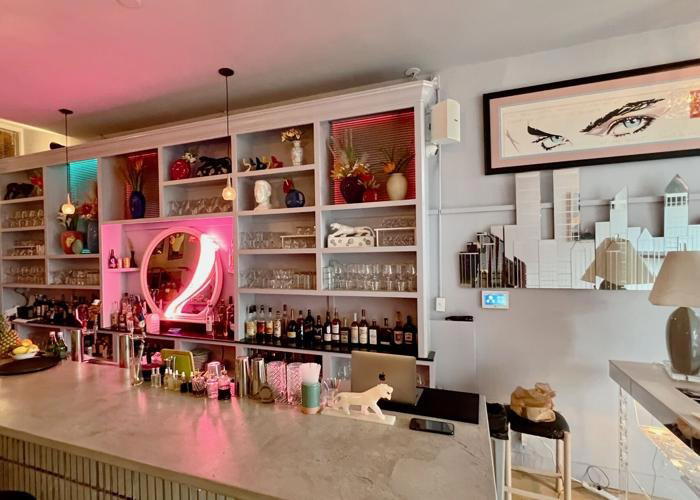
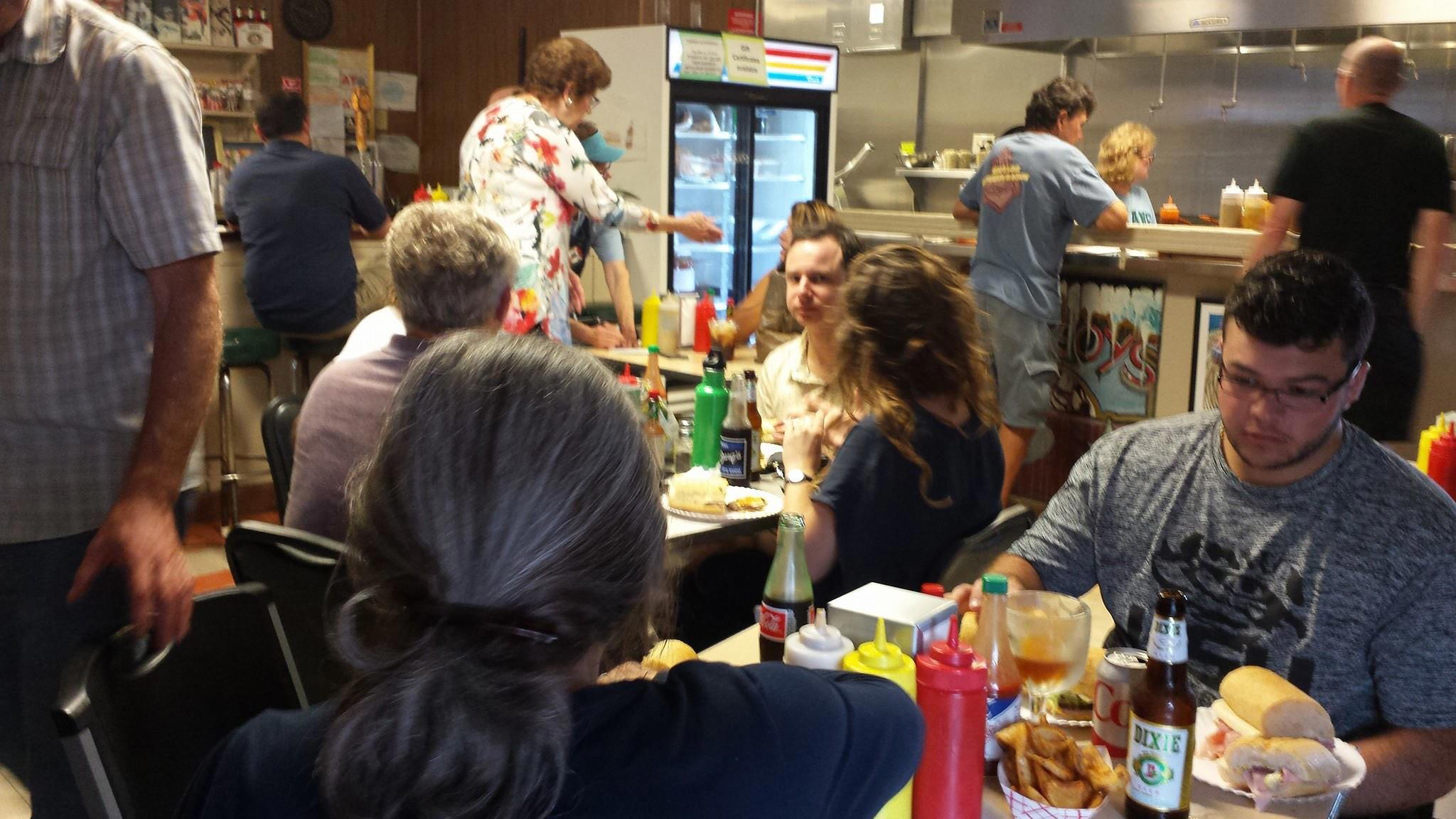
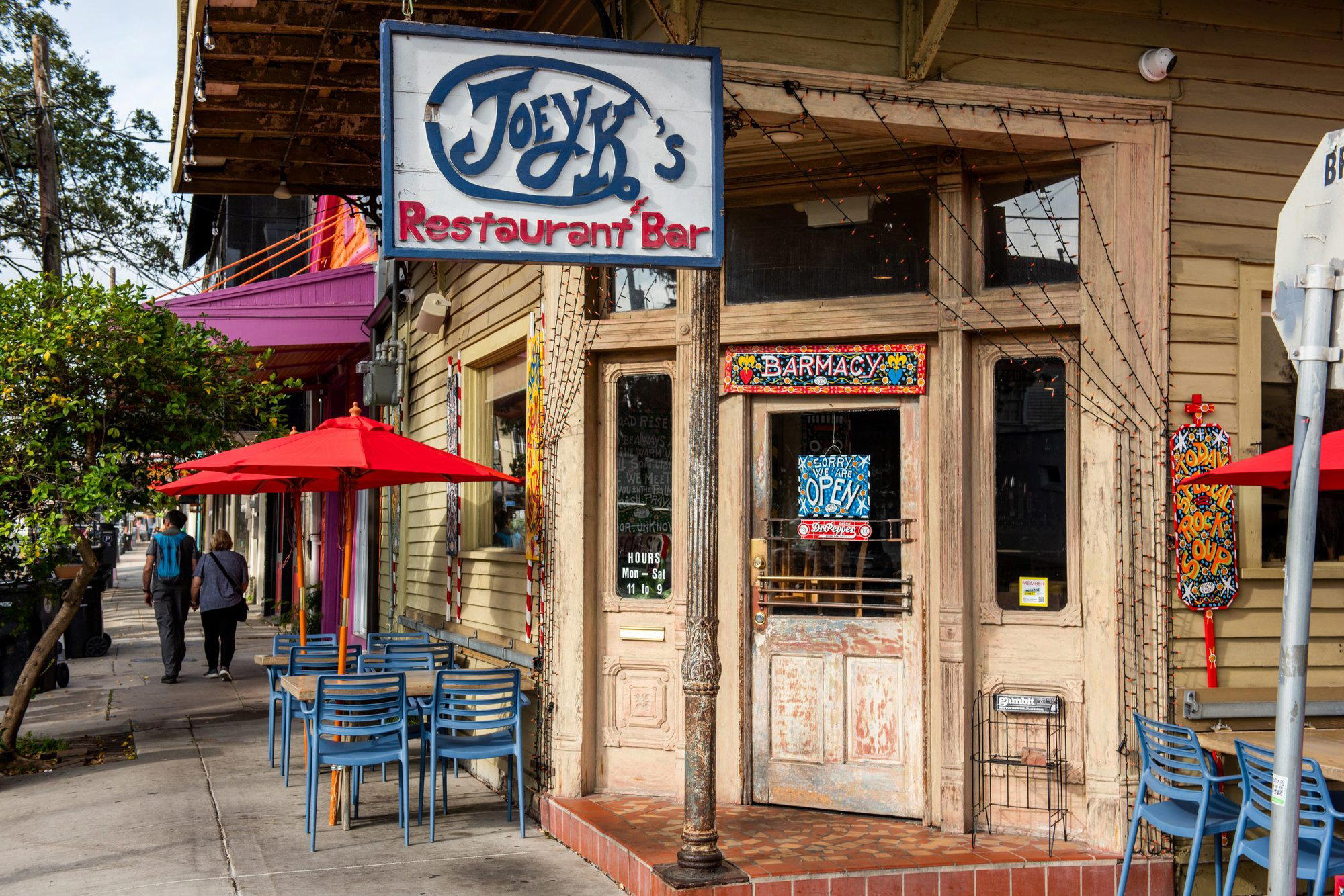

Restaurants in New Orleans
Browse all →
At a Glance
- Lively
- Well Known
- Energetic
- Group Outing
- Late Night
- Live Music
- Historic Building
- Standing Room
- Classic Cocktails
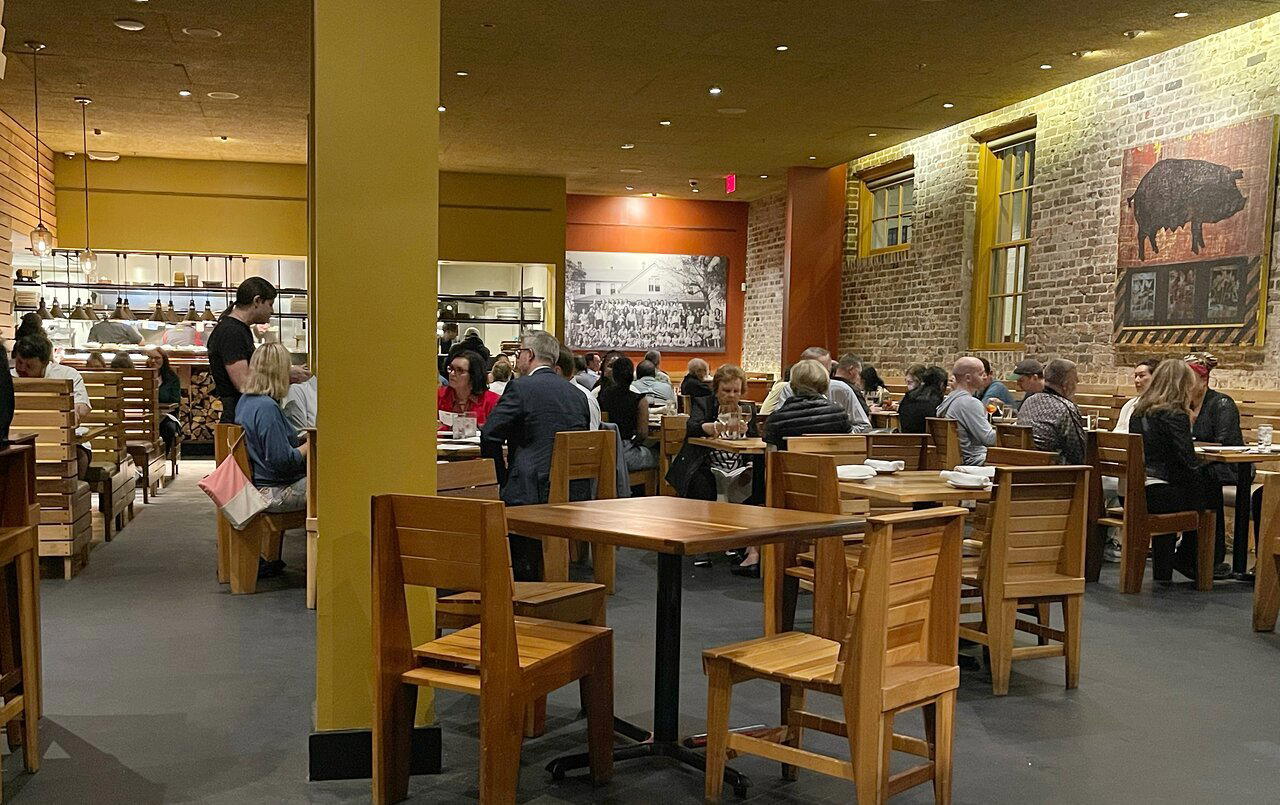
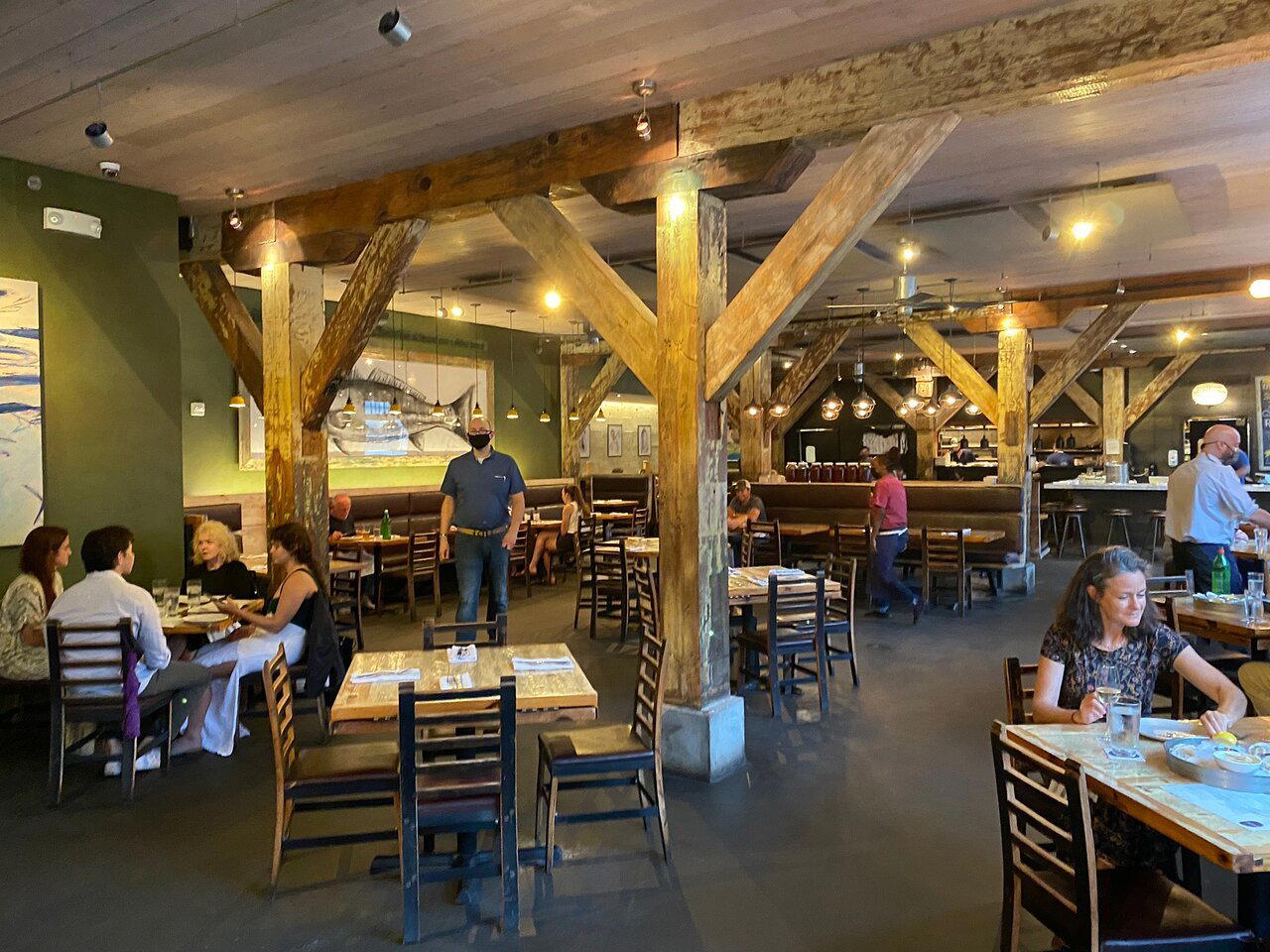
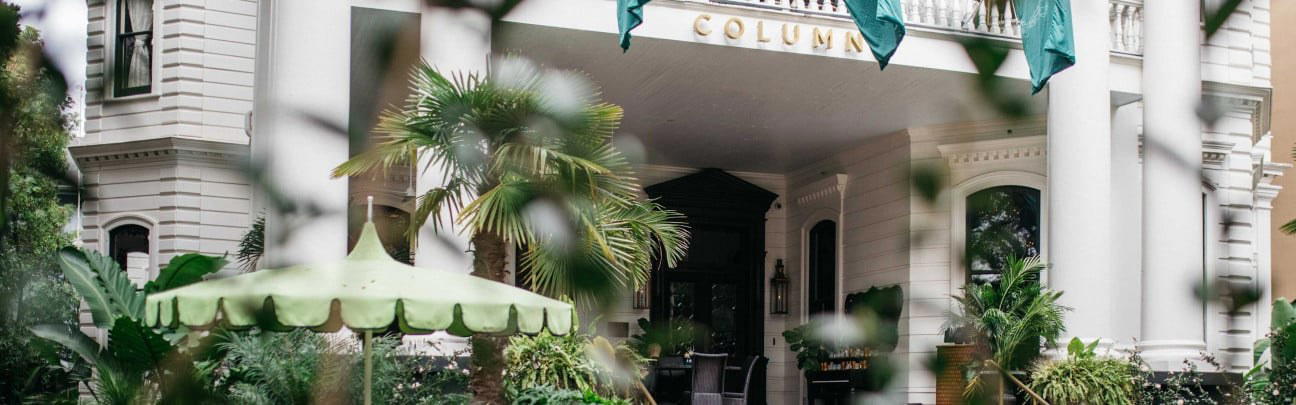
Rustic, gritty bar atmosphere with low lighting, sweaty crowds, and an intimate, energetic feel in a faded pale yellow two-story building.