Fillmore New Orleans
Fillmore New Orleans occupies 6 Canal Street at the edge of the French Quarter, where the city's live-music infrastructure meets its Canal Street corridor. A branch of the national Fillmore concert venue network, it draws on the brand's decades-long association with serious live programming while operating inside one of North America's most music-saturated cities. Plan ahead: walk-in availability depends entirely on the night's bill.
Pearl is the En Primeur Club membership app — saves, bookings, and concierge access live there. Same editors, same standards.
- Address
- 6 Canal St, New Orleans, LA 70130
- Phone
- +1 504 881 1555
- Website
- thefillmorenola.com
- Directions
- Get directions
 Saves & bookings on Pearl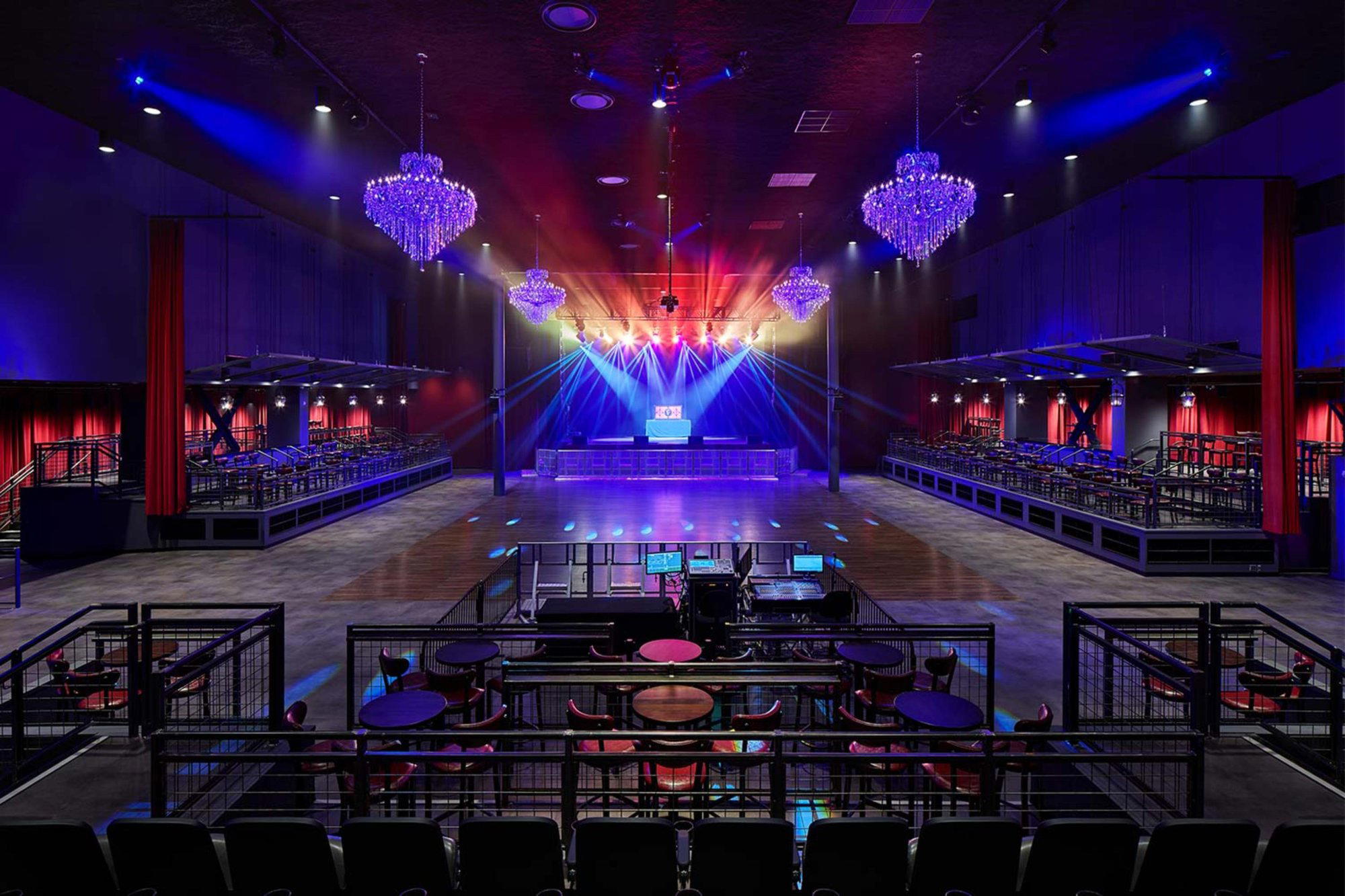
Canal Street, Live Music, and the Logic of Booking Ahead
Canal Street sits at the seam between the French Quarter and the Central Business District, and the block around number 6 has long functioned as a transition zone rather than a destination in its own right. That positioning matters for understanding Fillmore New Orleans as a bar at 6 Canal Street in New Orleans, with. Unlike the jazz clubs on Frenchmen Street or the dive bars embedded deep in the Quarter, this venue operates on the logic of the national concert circuit: ticketed shows, scheduled acts, and a room built around amplified sound rather than the walk-in spontaneity that defines so much of New Orleans' music culture. Knowing which kind of night you want before you arrive is the first decision the room forces on you.
What the Fillmore Brand Brings to New Orleans
The Fillmore name carries a specific weight in American live music. The original San Francisco venue, associated with the psychedelic rock era of the 1960s, became the template for a network of mid-capacity rooms that spread across major U.S. cities over subsequent decades. Each location occupies a tier between the intimate club and the arena: large enough to host national touring acts, small enough that sightlines and sound remain workable from most positions in the room. New Orleans is a logical node in that network. The city draws touring musicians at a rate few American cities match, and its audience has a relatively high tolerance for varied genre programming — a residual effect of the city's unusually broad musical heritage.
The Canal Street address places the venue within walking distance of the French Quarter's hospitality corridor. The bar scene along this stretch of the city is developed enough that planning around a Fillmore show can incorporate a full evening rather than just the performance window.
The Booking Experience: What to Know Before You Go
Editorial angle that matters most for a venue like this is the booking logic, because it governs everything else. Fillmore shows operate on advance ticketing through the standard concert infrastructure — third-party platforms and the venue's own channels, which means the walk-in question has a conditional answer. Reservations are recommended.
Timing within the show matters too. The Fillmore format typically separates door time from show time by 30 to 60 minutes, a window that functions as both a queue-management tool and a revenue opportunity for the bar. Arriving at door time rather than show time gives you the room before it fills, which changes the experience materially in a mid-capacity venue. For high-demand shows, that early window is also where floor positioning is established.
New Orleans has enough competing claims on any given evening that the opportunity cost of a bad booking decision is higher than in most cities. The Fillmore is one of several serious live-music options, not the only one, and the city's more informal music venues, the clubs on Frenchmen Street, the second-line bars in the Tremé, operate on entirely different booking logic. Understanding where the Fillmore sits in that ecosystem helps calibrate how much advance planning it warrants relative to those alternatives.
The Canal Street Corridor in Context
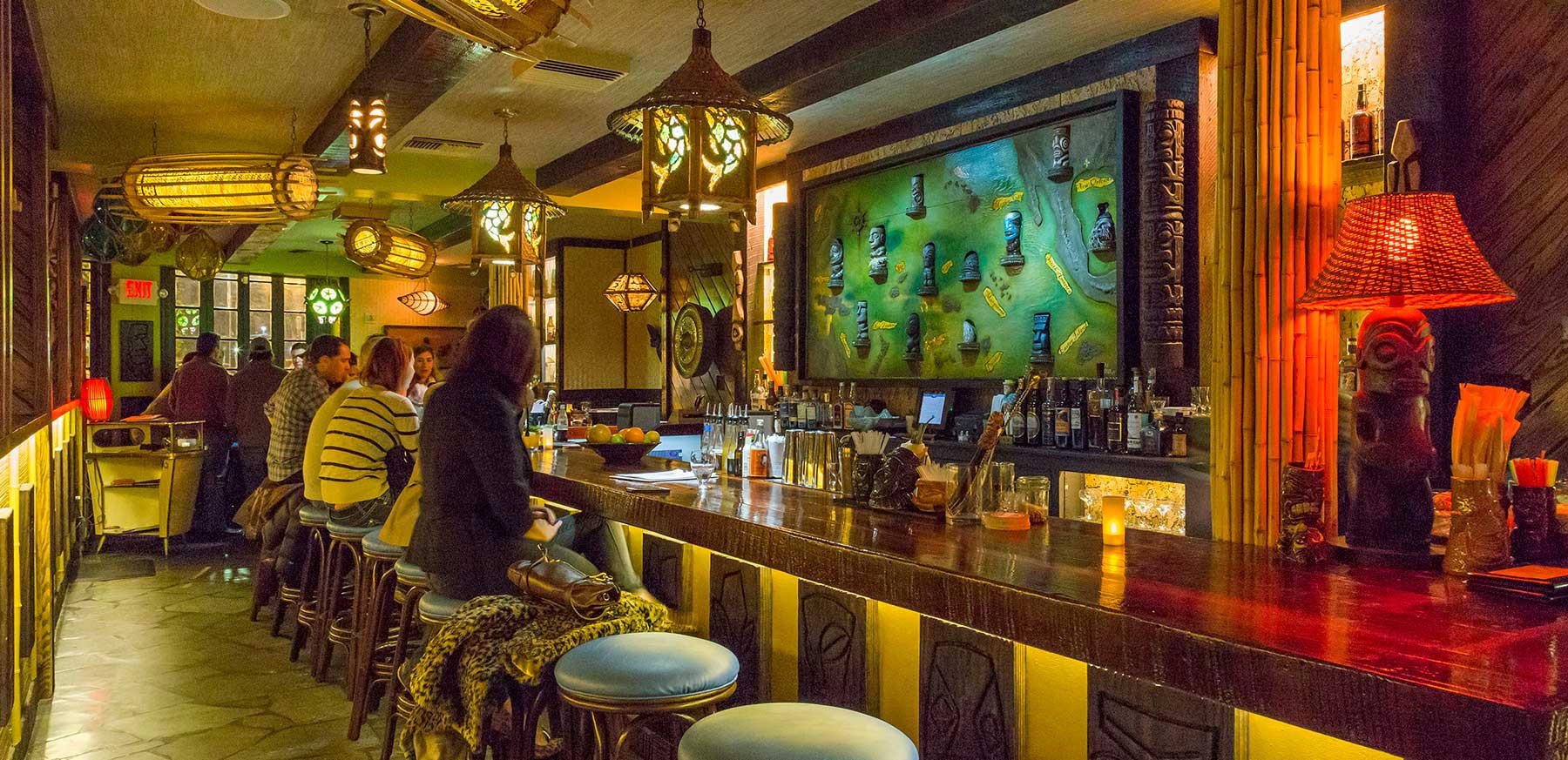
For visitors already familiar with New Orleans' bar and cocktail scene, the area around 6 Canal Street connects naturally to the city's wider hospitality map. The cocktail program at Jewel of the South represents the city's more serious spirits culture, while Beachbum Berry's Latitude 29 occupies the tiki-specialist niche with documented depth. Further from the Quarter, Cure in Freret Street sits at the more austere, technique-first end of the city's cocktail scene. These are different registers of the same city's drinking culture, and a Fillmore show fits into that broader evening architecture with some planning.
For plant-based options in the area, 2 Phat Vegans represents a distinct corner of New Orleans' food scene that has attracted attention beyond the expected audience. The full New Orleans restaurants and bars guide maps out the wider picture for visitors building a multi-day itinerary around the city.
Mid-Capacity Live Music as a Format
The Fillmore model, mid-capacity, multi-genre, national touring acts, exists in most major American cities, but New Orleans adds a specific tension to the format. The city's own musical infrastructure is so developed, and so accessible on an informal basis, that a ticketed concert venue has to justify itself against the alternative of simply wandering into a club on Frenchmen Street at 10pm and hearing something genuinely good for the cost of a drink. The Fillmore's answer to that tension is access to national and international acts that the informal circuit cannot offer. That is a real value proposition, but it is a different one from what the city's indigenous music culture provides.
For comparison, mid-capacity rooms in other American cities operate without that ambient competition. Julep in Houston and Kumiko in Chicago anchor evening programs in cities where the hospitality competition is structured differently. Superbueno in New York City, ABV in San Francisco, and Allegory in Washington, D.C. each sit inside their own city's programming logic. Internationally, Bar Leather Apron in Honolulu and The Parlour in Frankfurt on the Main illustrate how evening-format venues calibrate to their local hospitality environments. New Orleans is simply the case where that calibration is most complicated.
Planning Your Visit
The venue is located at 6 Canal Street, New Orleans, LA 70130, at the intersection of Canal and the edge of the French Quarter. Pricing is about $25 per person. The address is walkable from a wide range of French Quarter and CBD accommodation. Pre-show dining and drinking in the surrounding area rewards some research, given the density of options within a few blocks in either direction.
In Context: Similar Options
Comparable venues nearby, for context on price, style, and recognition.
| Venue | Cuisine | Price | Notes |
|---|---|---|---|
| Fillmore New OrleansThis venue — the venue you are viewing | lounge | $$ | Not listed |
| Margot’s | cocktail_bar | $$ | Seventh Ward |
| Parleaux Beer Lab | beer_bar | $$ | Bywater |
| Golden Lantern | lounge | $$ | French Quarter |
| BOTANICALS NOLA | Bar | $$ | St. Roch |
| Blue Oak BBQ | pub | $$ | City Park |
Continue exploring
More in New Orleans
Bars in New Orleans
Browse all →
Restaurants in New Orleans
Browse all →
At a Glance
- Lively
- Well Known
- Energetic
- Group Outing
- Celebration
- Late Night
- Live Music
- Historic Building
- Standing Room
- Lounge Seating
- Craft Cocktails
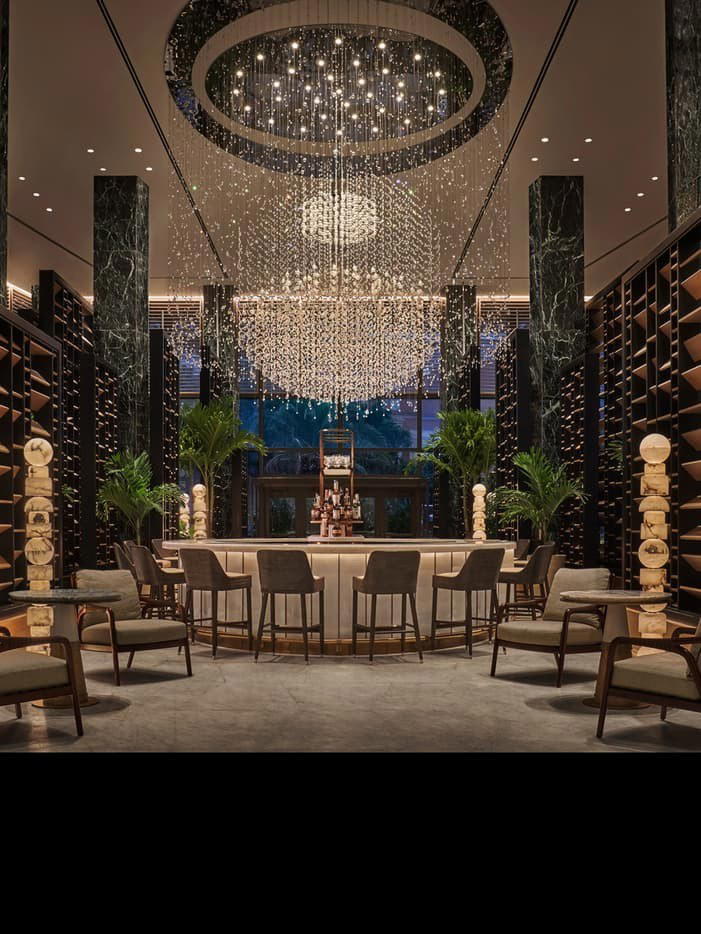
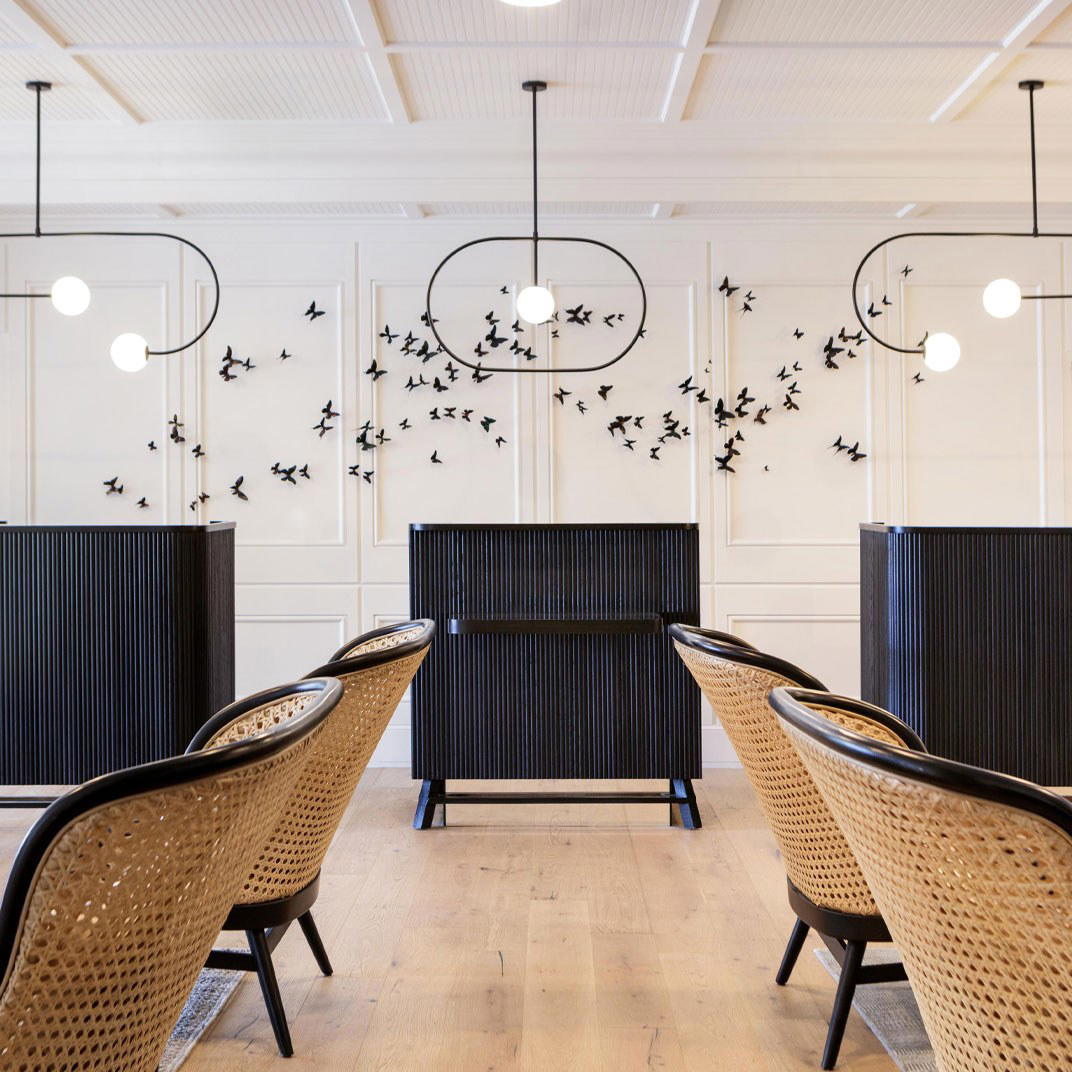
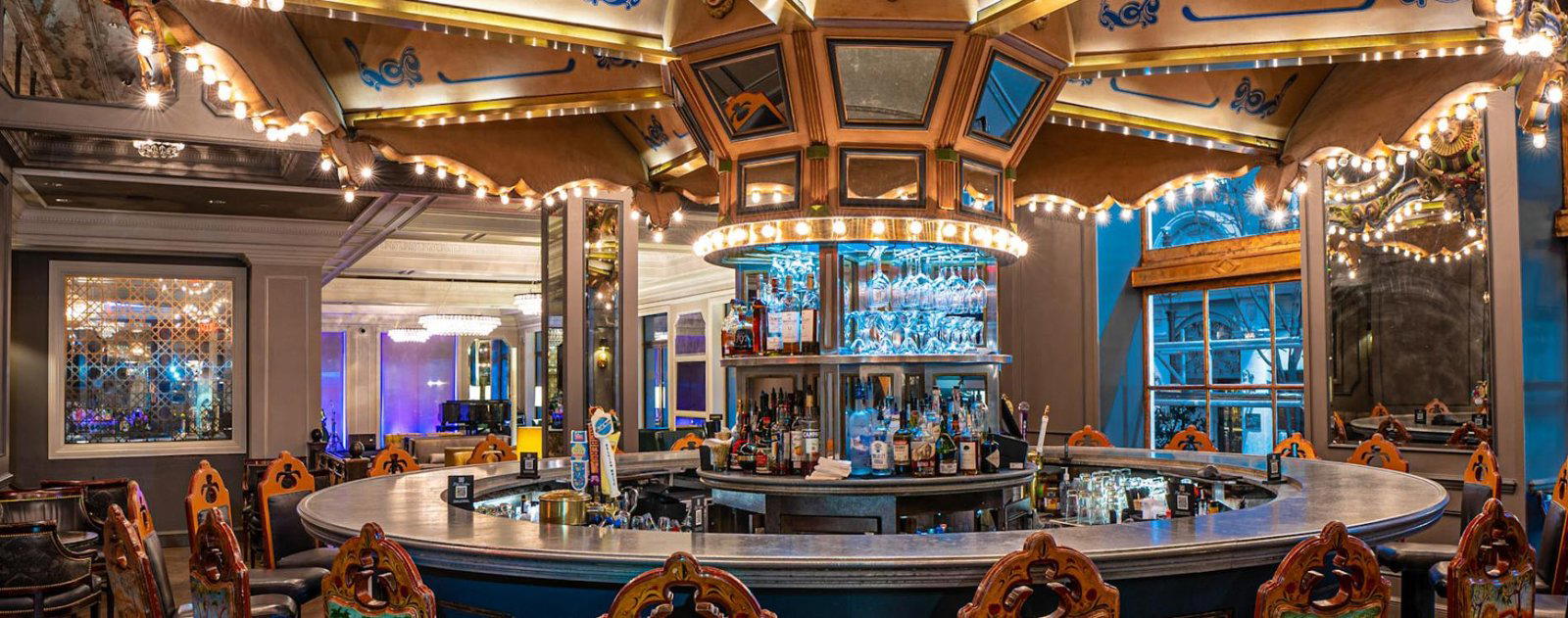
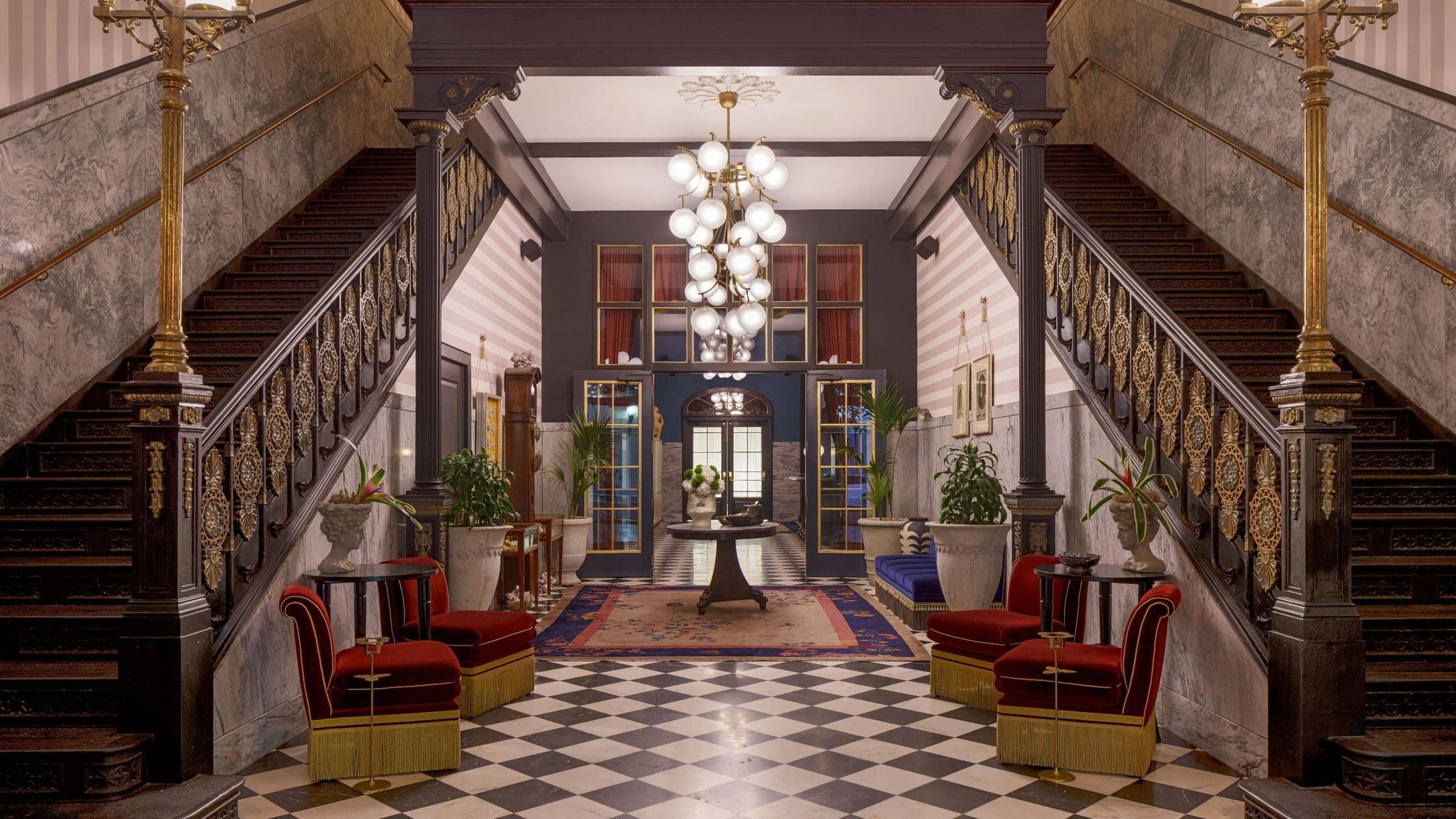
Lively and immersive atmosphere blending rock history with modern hospitality during live performances.