The Wynwood Yard
An open-air gathering space in the heart of Wynwood, The Wynwood Yard operates where food trucks, craft cocktails, and community programming converge. The format places it in a different tier from Miami's high-polish bar scene — looser, more neighbourhood-facing, and built around rotating vendors rather than a single kitchen. Address: 56 NW 29th St, Miami, FL 33127.
Open Air, Open Format: The Logic of Wynwood Yard
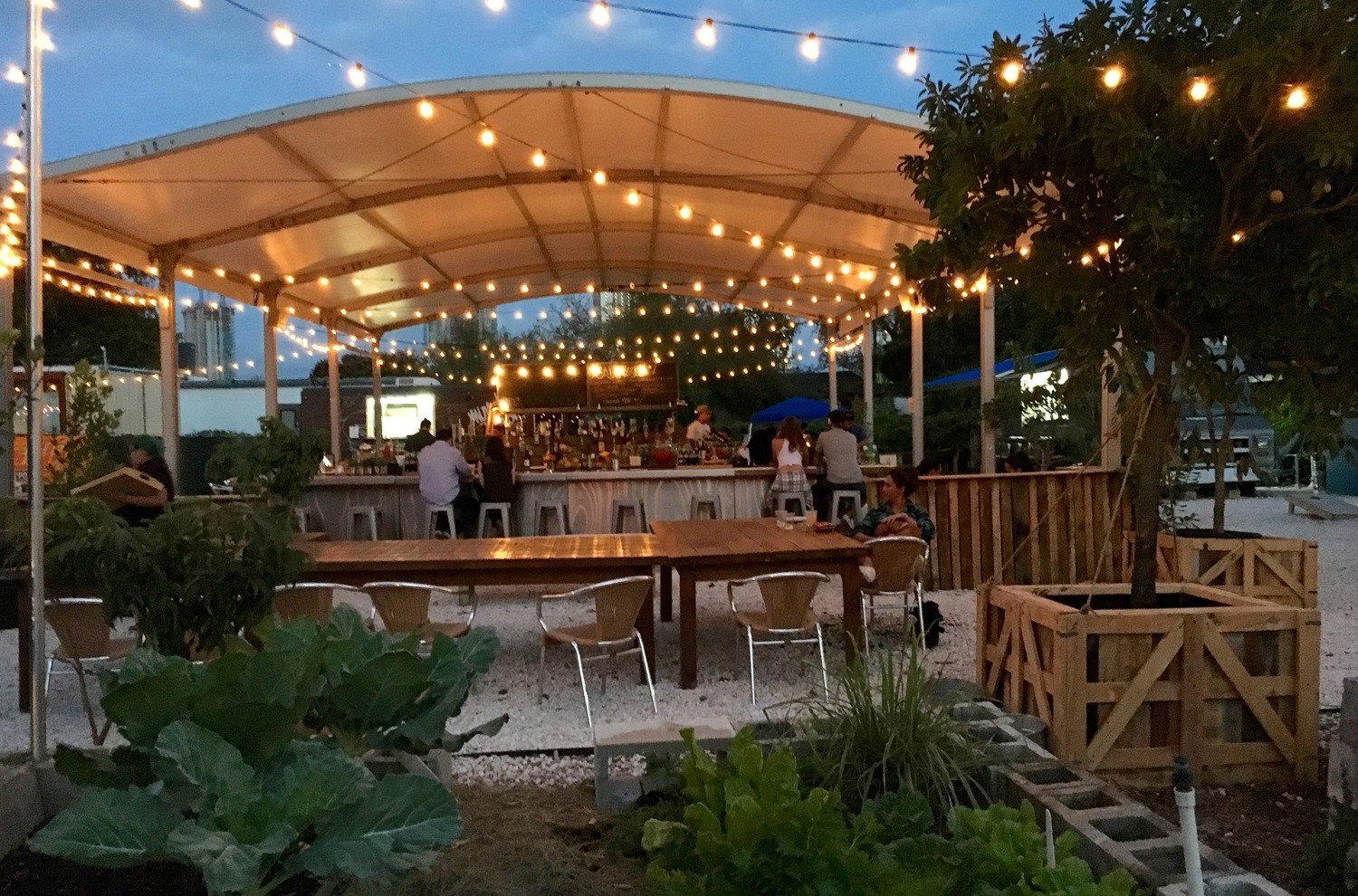
Miami's bar and hospitality scene has long split between two poles: the South Beach spectacle end, where cover charges and bottle service anchor the economics, and a quieter, neighbourhood-facing tier that operates on foot traffic, community programming, and a rotating cast of vendors. The Wynwood Yard sits firmly in the second camp. Located at 56 NW 29th St in the Wynwood Arts District, it functions as an outdoor food and drink hub where the physical environment — string lights, open sky, food trucks arranged around a shared lawn — does more work than any single menu item or cocktail program.
That format reflects a broader pattern in American urban hospitality. Cities like Portland, Austin, and New Orleans developed open-air food hall concepts years before Miami's arts districts caught the model, but Wynwood's density of creative businesses and its pedestrian street culture made it a natural fit. The Wynwood Yard arrived when the neighbourhood was transitioning from a purely gallery-driven identity into something more mixed-use, and the open-air communal model matched both the climate and the crowd.
The Physical Space as the Experience
What defines The Wynwood Yard more than any individual vendor is the spatial arrangement. Open-air food and drink hubs succeed or fail largely on the quality of the shared environment, how the seating is distributed, how lighting manages the shift from afternoon to evening, whether the noise levels allow conversation. At The Wynwood Yard, the approach favours the informal: picnic-style tables, communal seating, and an atmosphere that tips toward street festival rather than polished bar. String lighting overhead and the surrounding Wynwood murals provide visual texture without requiring interior design spend.
This is not the model of, say, Broken Shaker, where an indoor-outdoor cocktail program is calibrated to a specific aesthetic and a well-documented hospitality philosophy. Nor does it compete with Café La Trova, which operates in the Little Havana tradition of Cuban craft cocktails and live music in an interior-focused room. The Wynwood Yard occupies a different position: lower friction, higher flexibility, and deliberately unfinished in its energy. The crowd skews younger and more local than the South Beach circuit, and the format encourages lingering without the expectation of a formal round of service.
Wynwood as a Dining and Drinking District
Understanding The Wynwood Yard requires understanding what Wynwood itself has become. The neighbourhood's gallery-walk origins in the late 2000s seeded a pedestrian culture that most Miami districts lack, and food and drink businesses have built on that foundation. The street-art installations that cover the district's warehouse walls create a de facto outdoor gallery that functions as ambient décor for any business operating with an outdoor component.
Within that context, The Wynwood Yard's position is direct: it offers a low-commitment entry point into Wynwood's hospitality scene, with multiple vendor options and a come-and-go format that suits both groups looking to start the night and solo visitors exploring the neighbourhood on foot. It contrasts with the more programmatic approach of Bar Kaiju, which brings a specific identity to its corner of the Miami bar scene, or Mango's on Ocean Drive, which operates in the full-spectacle South Beach register. The Wynwood Yard's register is casual and accessible in ways that both of those are not.
Miami's broader food and nightlife geography rewards visitors who read the neighbourhood distinctions carefully. For a fuller orientation, our full Miami restaurants guide maps those distinctions across the city's main dining corridors.
How It Fits the Wider American Outdoor Hospitality Scene
The open-air multi-vendor format that The Wynwood Yard represents has developed strong regional versions across the United States. In New Orleans, Jewel of the South exemplifies the city's tradition of historically grounded cocktail craft in a more formal interior setting, while Houston's Julep operates from a Southern spirits perspective with programme depth. Both illustrate how American cities have developed distinct hospitality identities that extend beyond the multi-vendor outdoor format.
In San Francisco, ABV anchors its identity in a specific cocktail philosophy, and in Chicago, Kumiko draws on Japanese technique within an American bar context. These venues sit in a more specialist tier where the program itself drives the visit. The Wynwood Yard's value proposition is different: the draw is the setting, the neighbourhood energy, and the low-barrier format rather than any single specialist program. Internationally, that format translates loosely to the beer garden or street food market tradition found in European cities, though The Parlour in Frankfurt represents a more European cocktail-bar sensibility operating in a distinct urban context.
Closer in spirit is Bar Leather Apron in Honolulu and Superbueno in New York City, both of which serve neighbourhood audiences with defined programming, though both are more format-disciplined than the open-air hub model. The contrast is instructive: The Wynwood Yard trades programme specificity for accessibility and scale of social experience.
Who This Works For and When
The outdoor communal format works well on dry Miami evenings from late October through April, when the city's subtropical climate cooperates. The summer months bring heat and afternoon storms that can disrupt an outdoor-only experience, which is a practical consideration for visitors planning around specific dates. Wynwood's foot traffic peaks on weekends, particularly during Art Walk events, when the neighbourhood draws a denser gallery-hopping crowd that naturally extends into food and drink stops.
For visitors building a multi-stop evening, The Wynwood Yard functions well as a casual opener before moving to a more programmatic bar or restaurant, rather than as a destination in itself. Its format rewards spontaneity more than planning, which places it in a different decision category from venues where booking weeks ahead is the norm.
Know Before You Go
- Address: 56 NW 29th St, Miami, FL 33127
- Neighbourhood: Wynwood Arts District
- Format: Open-air multi-vendor food and drink hub
- Leading season: Late October through April for outdoor comfort
- Crowd: Neighbourhood locals, arts district visitors, groups
- Phone / Website: Not publicly listed at time of publication, check directly on arrival or via local listings
- Booking: Walk-in format; no advance reservation required
A Credentials Check
Comparable options at a glance, pulled from our tracked venues.
| Venue | Price | Awards |
|---|---|---|
| The Wynwood YardThis venue — the venue you are viewing | Not listed | Not listed |
| Bar Kaiju | $20–30 | World's 50 Best #70 · Top 500 Bars Best Bars #264 |
| Broken Shaker | $20–30 | World's 50 Best #32 · Food & Wine Top 10 US Hotel Bars #4 |
| Café La Trova | Not listed | World's 50 Best |
| Mango's | $50–100 | World's 50 Best #45 |
| Viceversa | Not listed | World's 50 Best |
Continue exploring
More in Miami
Bars in Miami
All bars in Miami →
Restaurants in Miami
All restaurants in Miami →

Details
- Lively
- Trendy
- Energetic
- Group Outing
- Casual Hangout
- Live Music
- Courtyard
- Outdoor Terrace
- Communal Tables
- Craft Cocktails
Lively atmosphere with string lights, colorful street art, and eclectic energy from concerts and events.