The Vegan Marie
The Vegan Marie occupies a quiet stretch of NW 54th Street in Miami's Little Haiti, operating in a city where plant-based dining has historically been an afterthought beside the ceviche counters and Cuban kitchens. The address alone signals intent: this is not South Beach adjacency, but a neighborhood-rooted project drawing a local crowd rather than a tourist circuit.

Pearl is the En Primeur Club membership app — saves, bookings, and concierge access live there. Same editors, same standards.
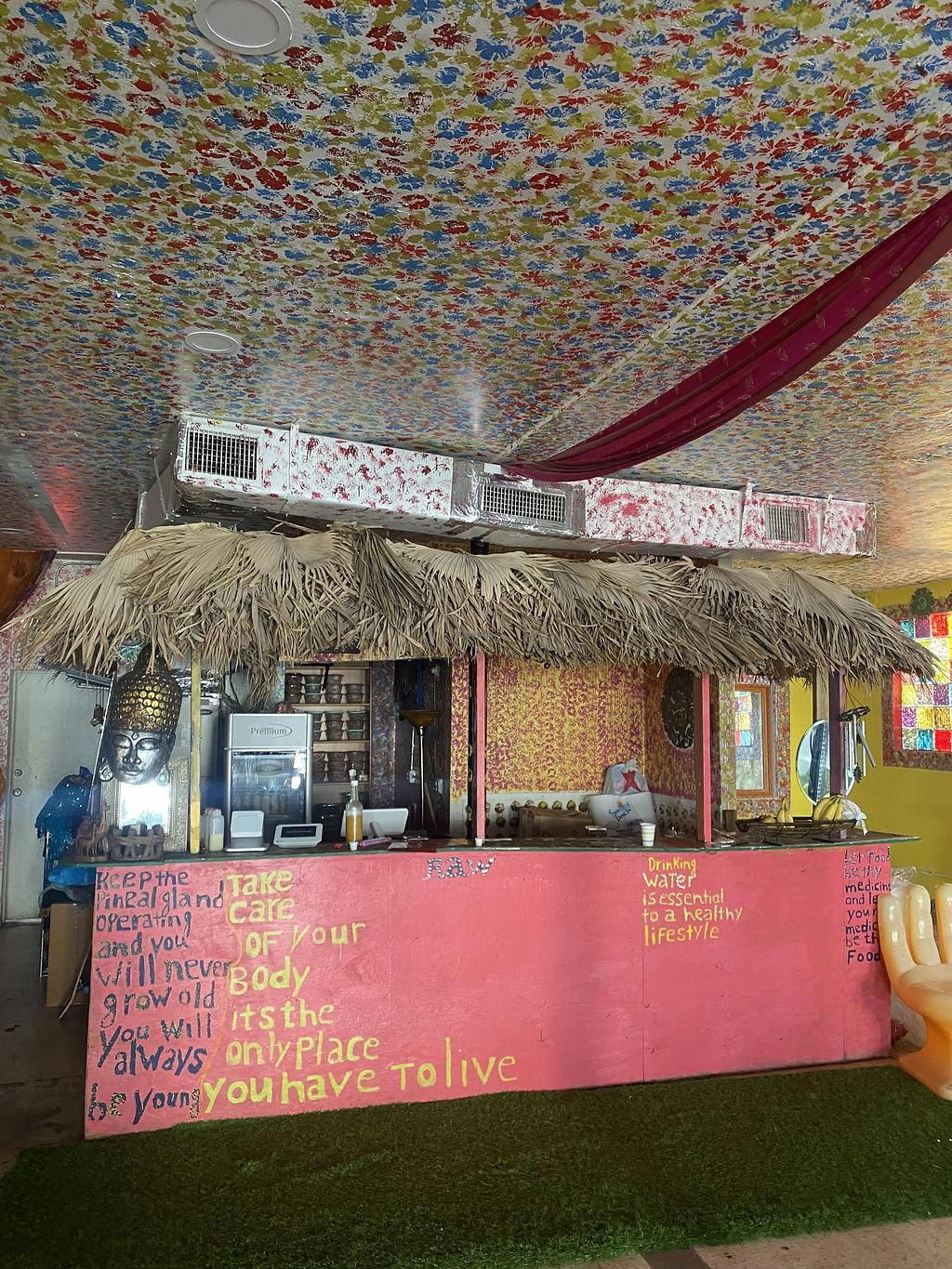
Little Haiti's Quiet Counter-Argument
Miami's bar and restaurant scene concentrates its energy along predictable corridors: the Design District, Wynwood's painted walls, Brickell's glass towers. NW 54th Street in Little Haiti sits deliberately outside that circuit. The neighborhood has historically been passed over in favor of more photogenic zip codes, and that relative obscurity has, in turn, allowed a different kind of hospitality to take root — lower overhead, more idiosyncratic programming, operators who are not building for the Instagram walk-in.
The Vegan Marie, at 274 NW 54th St, belongs to that quieter tier. Plant-based dining in Miami has generally occupied two modes: the smoothie-bowl wellness cafe aimed at the beach crowd, or the upscale tasting-menu format justifying its price through technique. A neighborhood-scale vegan operation in Little Haiti fits neither mold, which is precisely what makes its address worth noting. It is a specific kind of bet on a specific kind of customer — someone who lives nearby, returns regularly, and is not primarily motivated by novelty.
The Spirits Question in a Plant-Based Room
Miami's cocktail culture has matured considerably over the past decade. The city that once defaulted to frozen daiquiris and rum punches now supports a range of technically serious programs. Broken Shaker helped establish the template for ingredient-driven cocktails in a garden setting. Café La Trova anchors the Cuban-spirits tradition with a depth of rum knowledge that few programs in the country can match. Bar Kaiju operates on the opposite end of the tonal spectrum, loud and genre-referencing, but with a back bar that takes its sourcing seriously.
What these programs share is a curatorial posture: the bottles on the shelf are not there by accident. That same posture, when it appears in a plant-based setting, carries a particular editorial weight. Vegan hospitality that takes spirits seriously is rarer than it should be. The assumption that plant-based dining correlates with low-alcohol or abstinence-adjacent programming is a category error, one that a venue serious about its bar program can correct simply by stocking thoughtfully and training its staff accordingly.
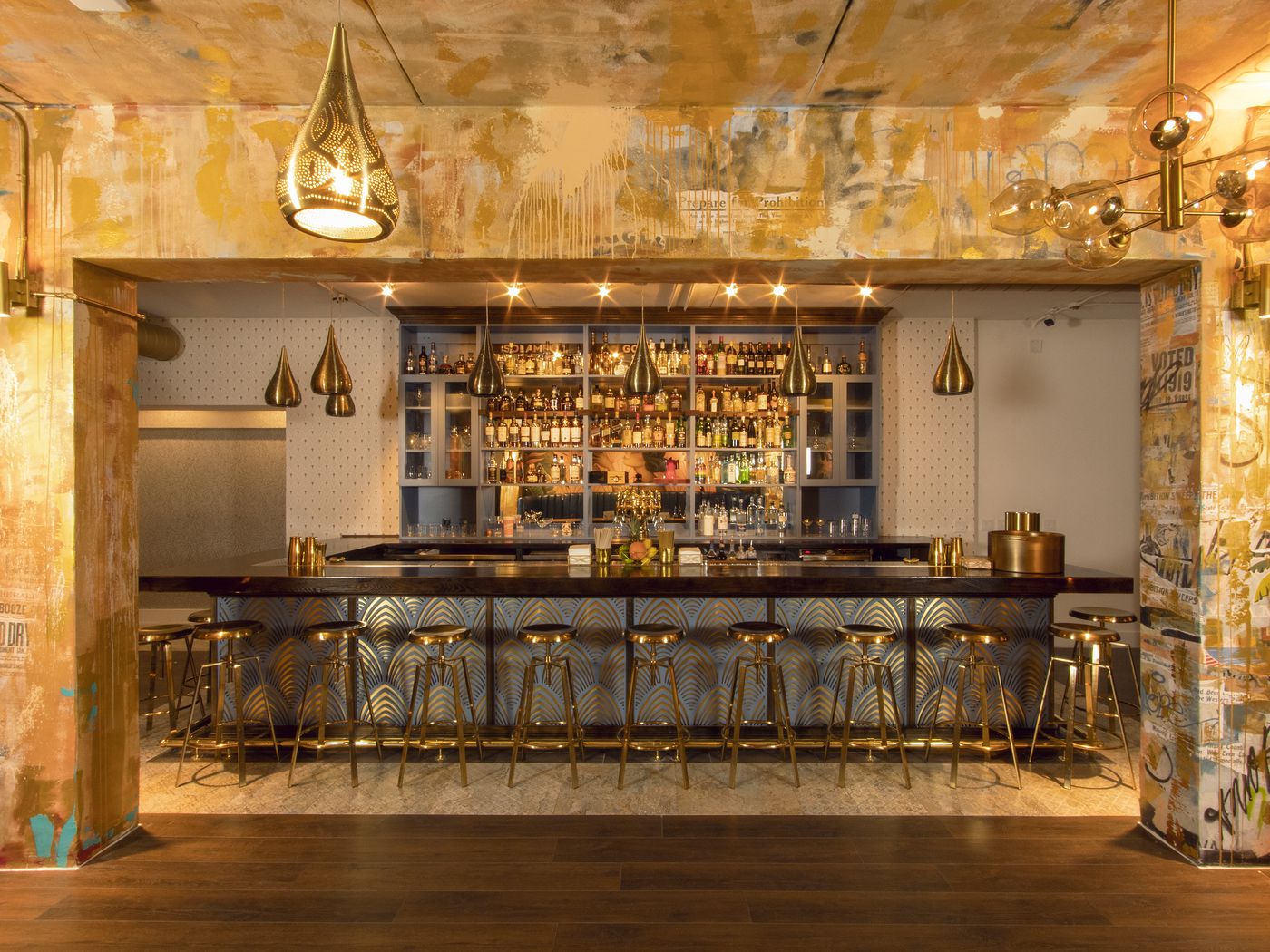
The editorial angle here is less about any individual bottle and more about what a curated back bar signals in a room like this: that the operator understands their guest as a complete person, not a demographic shorthand. Across the country, the bars doing this most credibly, Kumiko in Chicago, Jewel of the South in New Orleans, ABV in San Francisco, treat the back bar as a library rather than a warehouse. The depth of the collection is an argument about hospitality philosophy, not just a purchasing decision.
How Miami's Plant-Based Scene Positions Itself
Florida's culinary identity has never been monolithic. Miami specifically draws from Cuban, Haitian, Jamaican, Colombian, and Peruvian traditions, and plant-forward cooking runs through many of them in ways that don't require the branding of contemporary veganism. Haitian legume dishes, Cuban black beans prepared with ritual seriousness, Colombian arepas that happen to carry no animal product, these are not trend-adjacent. They are the baseline.
A vegan venue in Little Haiti operates in close proximity to that culinary inheritance, whether deliberately or by geography alone. The neighborhood's Haitian community has maintained food traditions that are plant-rich by default, not by ideology. That context matters when evaluating what a venue like The Vegan Marie is actually doing: it is not importing a West Coast wellness concept into an indifferent neighborhood. It is operating in a place where plant-forward cooking has deep, unbranded roots.
Compare that positioning to what happens on South Beach, where plant-based menus tend to function as a premium signal, priced accordingly and photographed constantly. The Little Haiti address suggests a different value exchange: proximity to community, affordability implied by neighborhood, and a guest base that is more likely to judge the food on its own terms than through the lens of lifestyle branding.
Across American cities, the bars and restaurants that have built durable reputations in underserved neighborhoods share a few characteristics. They tend to open without fanfare, build their audience slowly, and survive on repeat business rather than destination traffic. Julep in Houston built its Southern whiskey authority in a city not known for cocktail culture, partly by committing fully to a single category. Superbueno in New York City made Latin-inflected cocktails the entire point, not a decorative detail. Bar Leather Apron in Honolulu operates in a market where serious cocktail culture requires active cultivation.
The pattern across these venues is patience: the willingness to build a program over time rather than arrive fully formed. For a neighborhood-scale operation in Little Haiti, that patience is not optional, it is the business model. Mango's on Ocean Drive operates at the opposite end of the volume and visibility spectrum, which is useful context: Miami supports both modes simultaneously. The question for any given venue is which mode fits its neighborhood and its ambitions.
International programs making serious claims in specialist categories, The Parlour in Frankfurt on the Main, for instance, with its commitment to rare spirits curation, demonstrate that the back-bar-as-argument approach translates across cultures and formats. Miami has the visitor volume and the local sophistication to support that kind of program. Whether a plant-based venue on NW 54th Street is executing at that level of curatorial depth is the open question.
Know Before You Go
Address: 274 NW 54th St, Miami, FL 33127
Neighbourhood: Little Haiti
Phone: Not publicly listed, visit in person or check local listings
Website: Not currently available
Booking: Walk-in recommended; no online reservation system confirmed
Awards: None on record
Price range: Not confirmed; Little Haiti positioning suggests accessible pricing relative to Miami's Design District or South Beach comparables
Further reading: See our full Miami restaurants guide for neighbourhood-level context across the city
The Short List
Comparable venues nearby, for context on price, style, and recognition.
| Venue | Cuisine | Price | Notes |
|---|---|---|---|
| The Vegan MarieThis venue — the venue you are viewing | Little Haiti, lounge | $10–20 | Not listed |
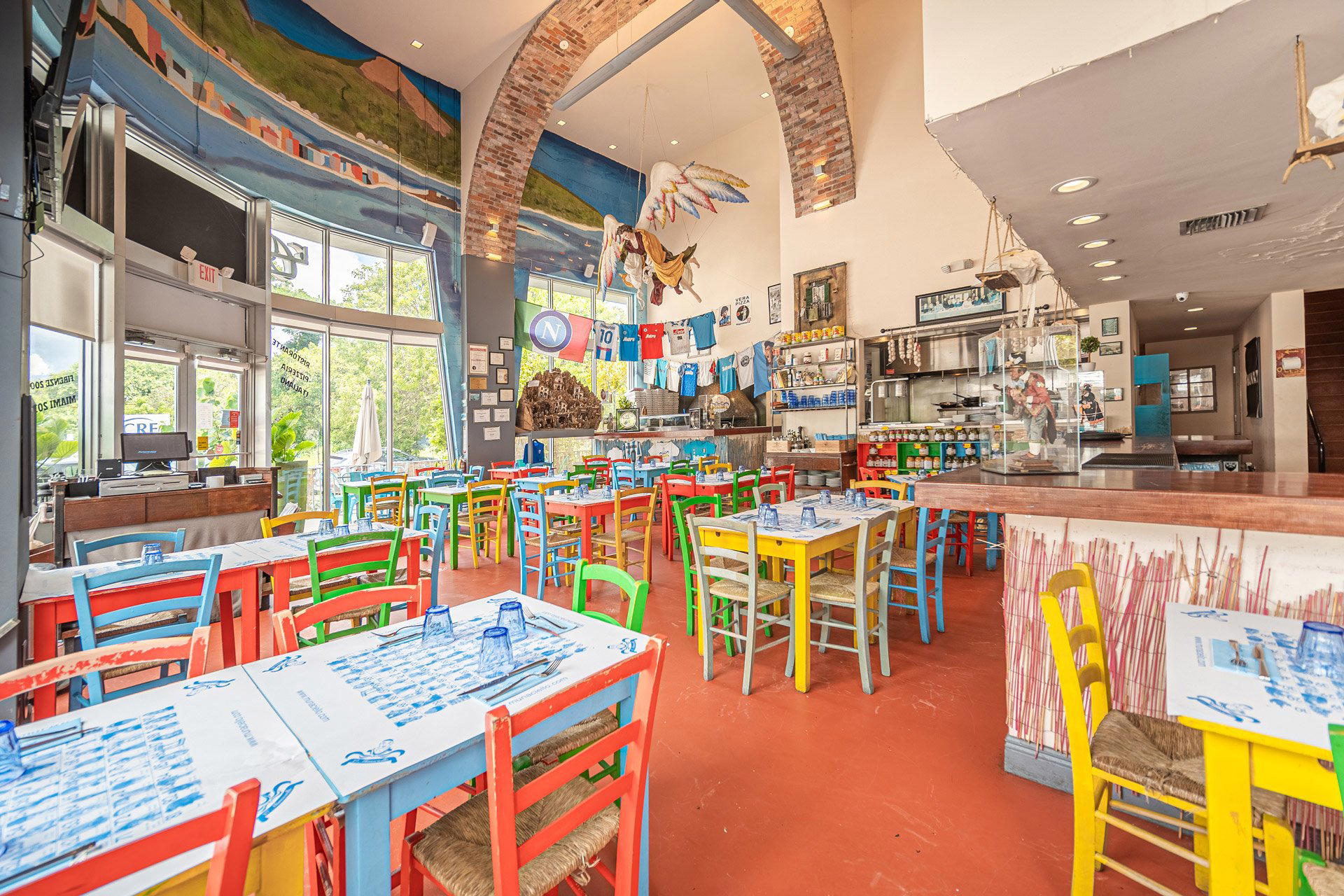
| 'O Munaciello MiMo District Neapolitan Pizza | MiMo Biscayne Boulevard, Bar | Not listed | Not listed |
| Fado Irish Pub | Not listed | Not listed | Upper Brickell / Mary Brickell Village, pub |
| Gramps | Not listed | Not listed | Midtown, dive_bar |
| Spanglish - Wynwood Restaurant & Cocktail Bar | Not listed | $30–50 | Wynwood Art District, cocktail_bar |
| The Stage | Not listed | $30–50 | Design District, cocktail_bar |
Continue exploring
More in Miami
Bars in Miami
All bars in Miami →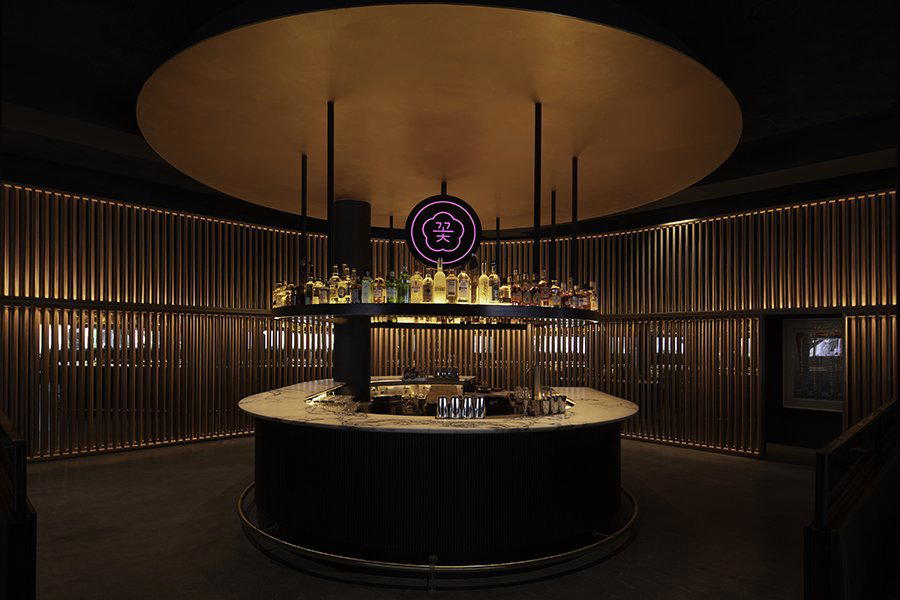
The Vegan Marie
The drinks
- Zero-proof drinks
Signature drinks: Chiré Pantalèt.
Details
- Cozy
- Bohemian
- Casual Hangout
- Group Outing
- Standalone
- Standing Room
- Seated Bar
- Zero Proof
- Rum
Current opening hours
- Monday
- Closed
- Tuesday
- 11 AM–9 PM
- Wednesday
- 11 AM–9 PM
- Thursday
- 11 AM–9 PM
- Friday
- 11 AM–9 PM
- Saturday
- 11 AM–9 PM
- Sunday
- 11 AM–7 PM
Hours can change for holidays and private events. Last verified .
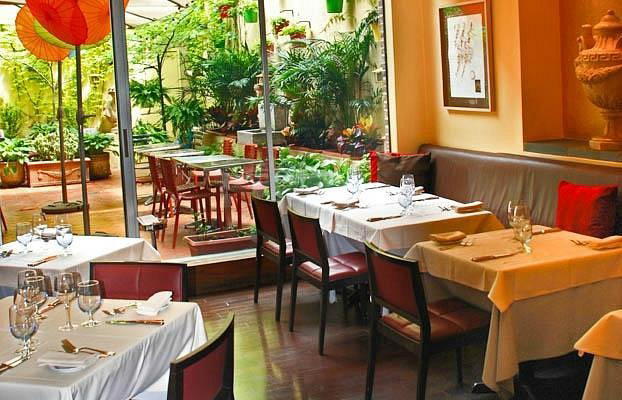
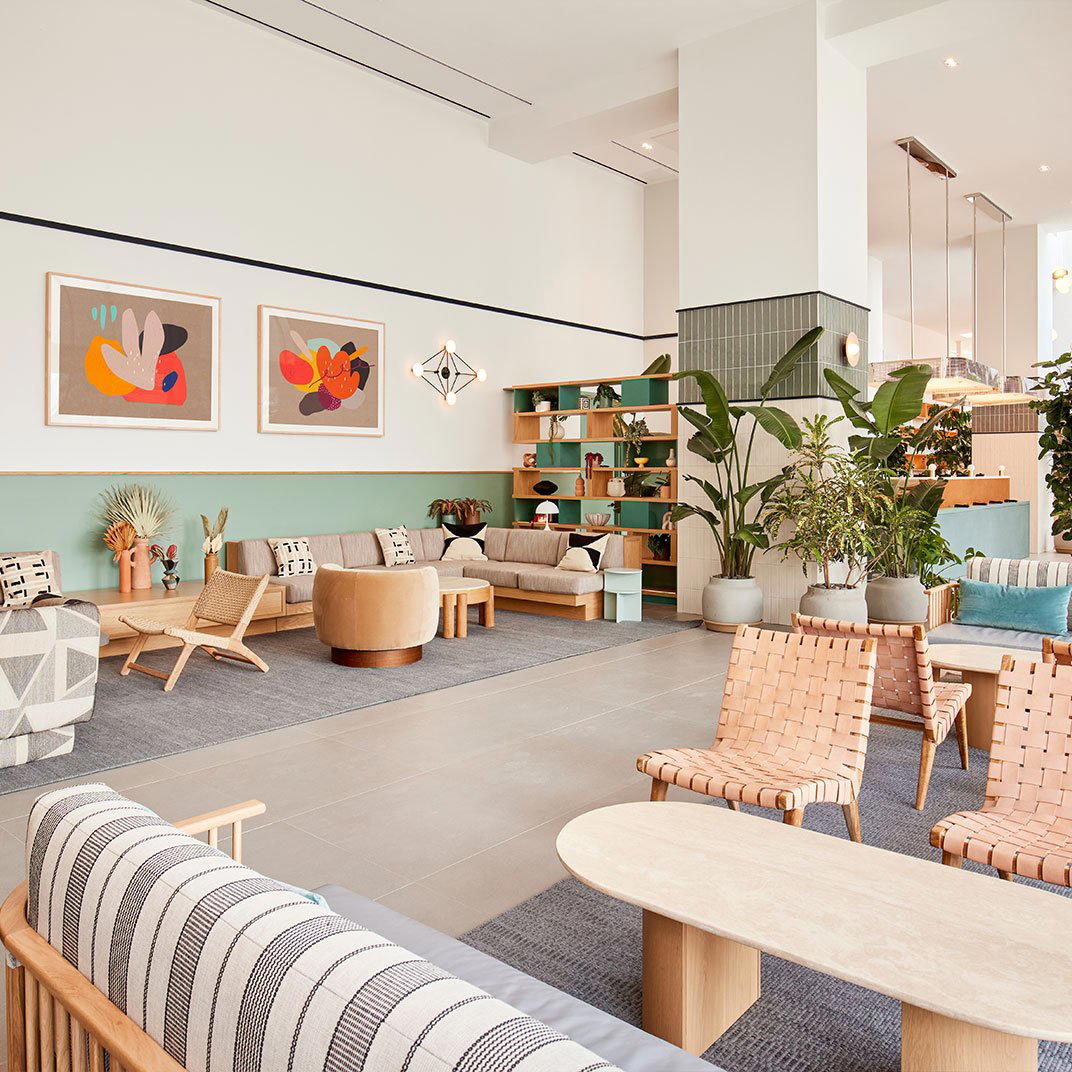
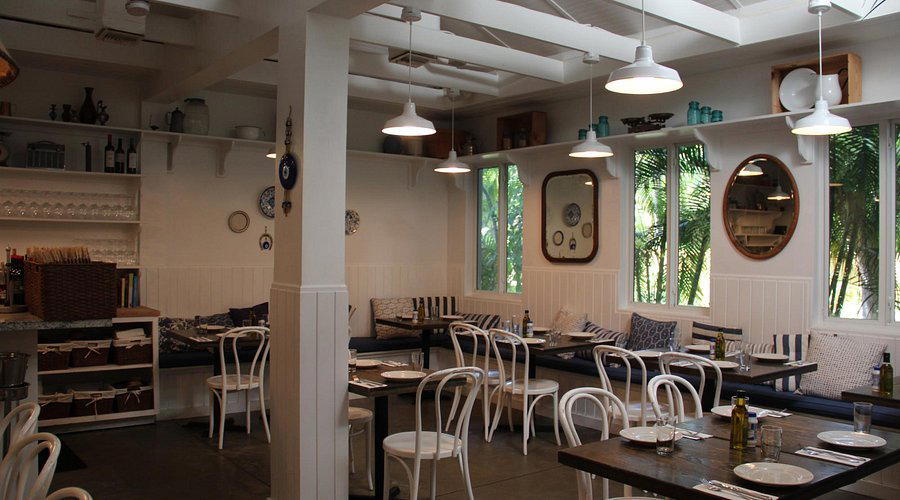
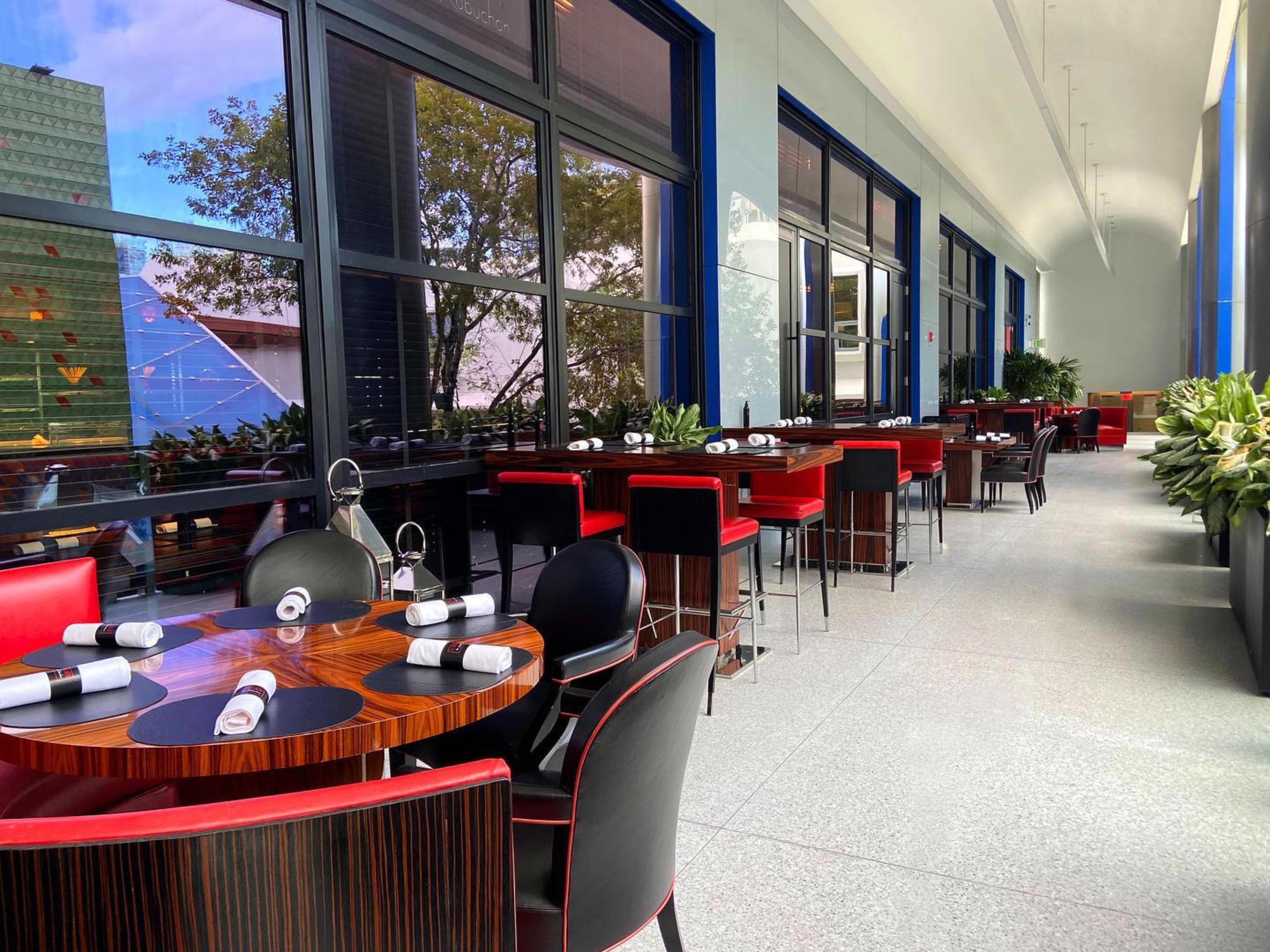
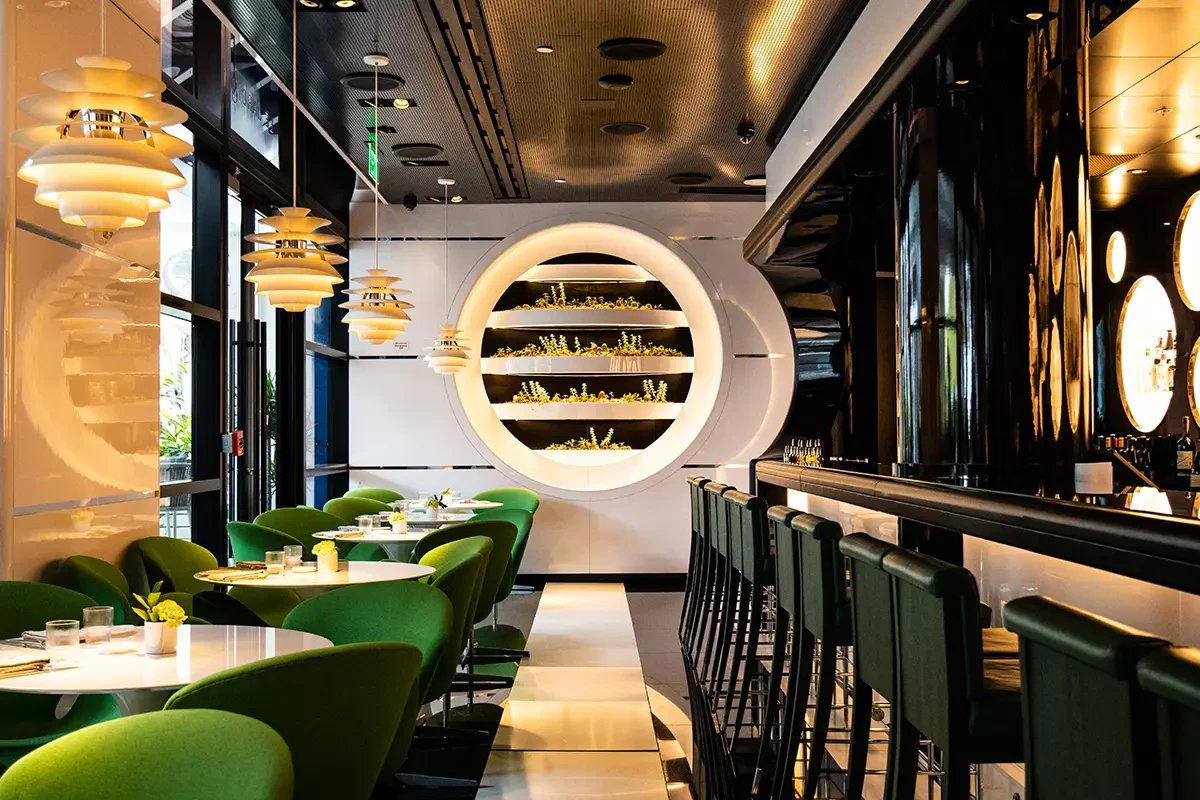
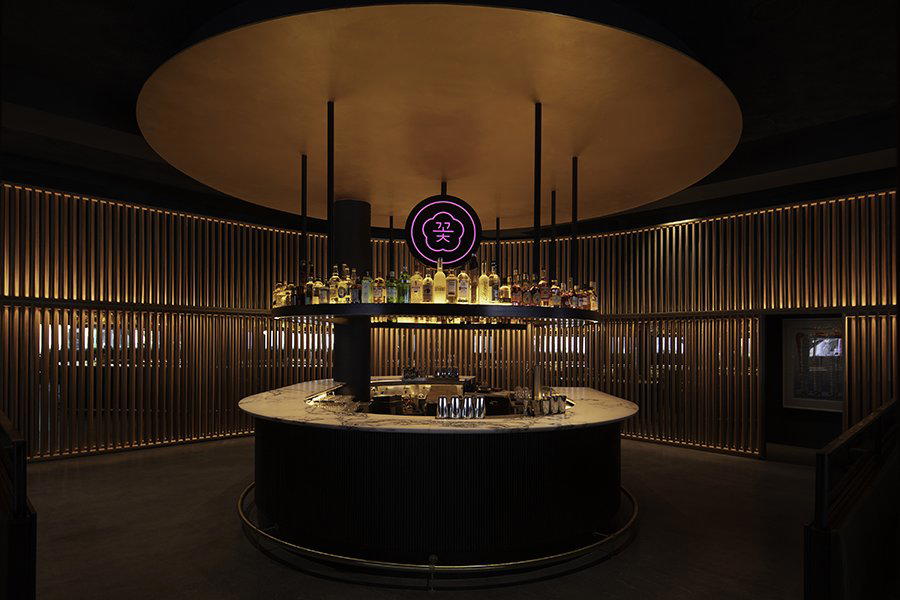
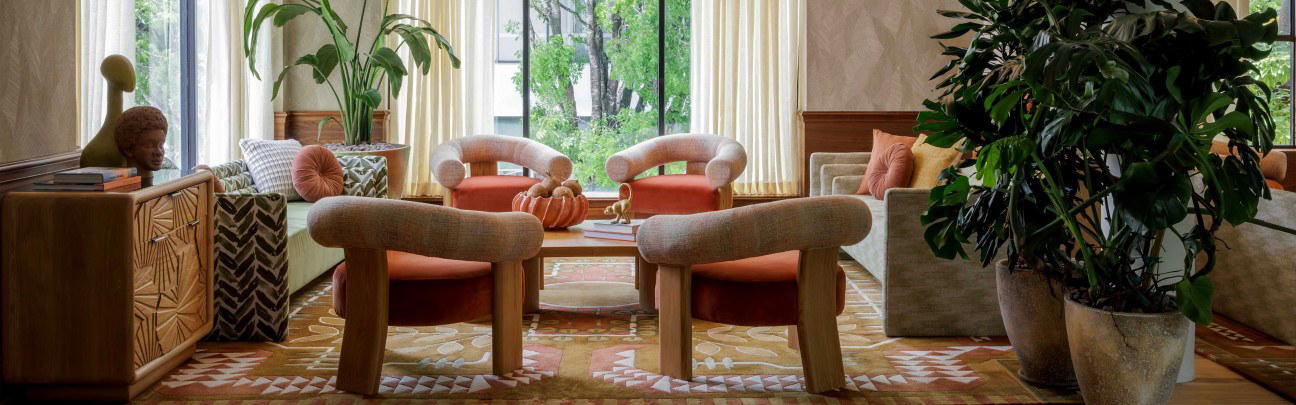
Laid-back, community-oriented space with a warm, welcoming atmosphere that blends retail, spiritual items, and dining in an intimate setting.