The Thomas Cubitt Pub Belgravia
On Elizabeth Street in Belgravia, The Thomas Cubitt occupies a particular tier of the London pub scene: one where the bar program is taken as seriously as the kitchen upstairs. Named after the Victorian builder who shaped much of the neighbourhood, the pub draws a local crowd that expects craft without theatre and substance without pretension. A reliable anchor for the area's quieter, more considered drinking culture.
 Discover on Pearl
Pearl is the En Primeur Club membership app — saves, bookings, and concierge access live there. Same editors, same standards.
- Address
- 44 Elizabeth St, London SW1W 9PA, United Kingdom
- Phone
- +44 20 7730 6060
- Website
- cubitthouse.co.uk
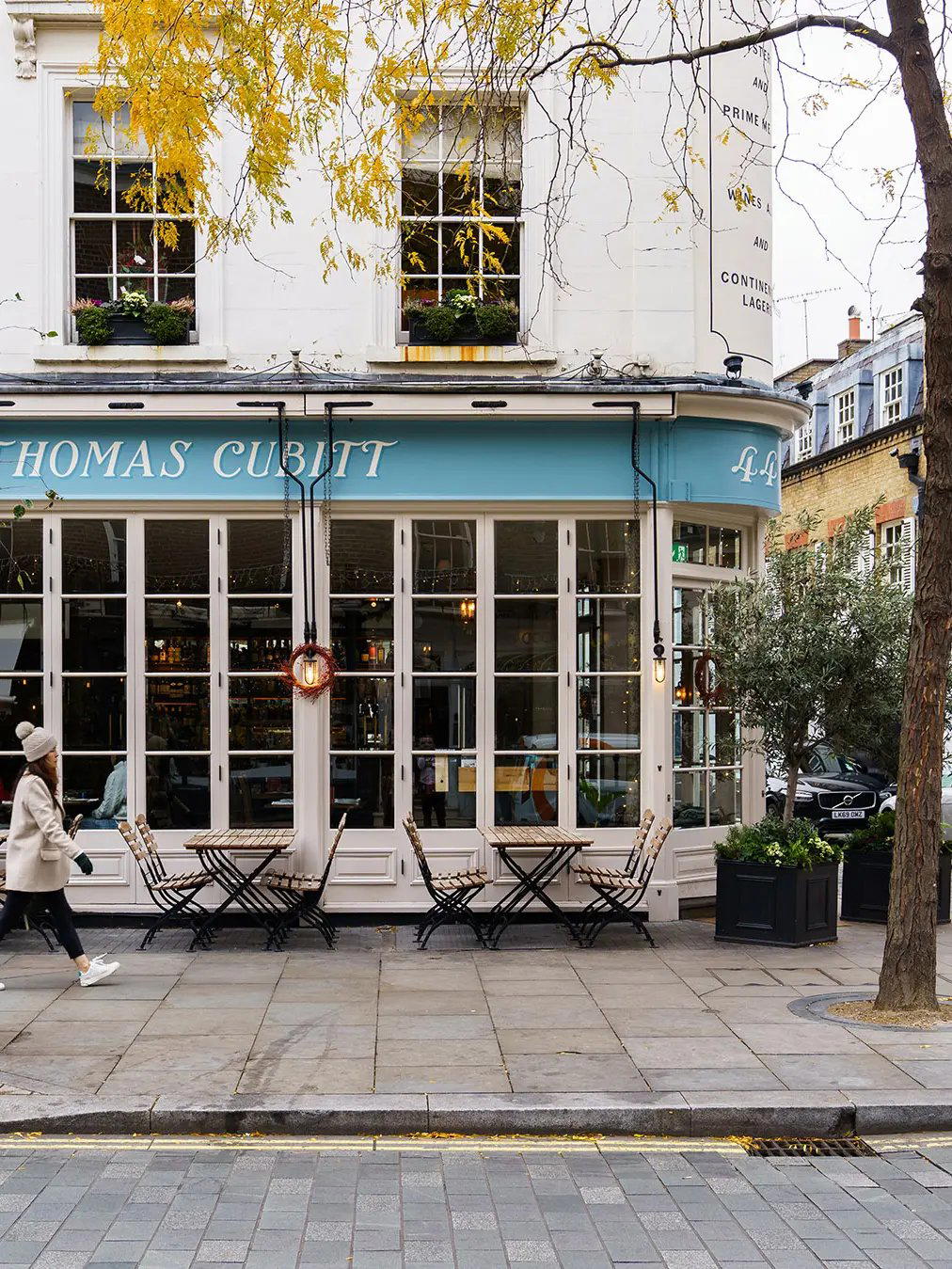
Belgravia's Particular Standard for a Pub
Elizabeth Street, SW1W, runs through a part of London where the architecture is listed, the residents are mostly invisible, and the expectations at any given counter, whether bakery, wine merchant, or pub, are quietly demanding. The Thomas Cubitt sits at 44 Elizabeth St, London SW1W 9PA, United Kingdom, as a bar in Belgravia with a smart casual dress code and reservations recommended. It is named after the Victorian master builder who constructed large portions of the neighbourhood in the 1820s, which is either a piece of local history worth noting or an indication of how seriously the area takes its own provenance. Probably both.
Across London's pub scene, the most interesting division is no longer between gastropub and boozer. It is between pubs that treat the bar as a service function and those that treat it as a discipline. The Thomas Cubitt belongs to the latter category, in a part of the city where that distinction matters more than usual. Belgravia's clientele has exposure to some of the most technically precise cocktail programs in Europe, which means a pub on Elizabeth Street cannot get away with indifferent pouring or uninformed wine choices. The bar here operates inside that pressure.
The Bar as the Point of the Room
In London's more considered pub operations, the craft behind the counter has shifted from background function to genuine editorial decision. What a bar stocks, how it is served, and whether the person pouring it can speak to provenance, these have become the metrics by which pubs in this price tier are assessed. The broader movement toward trained hospitality in pub settings has been documented across UK drinking culture over the past decade, and Elizabeth Street sits at the sharper end of that curve.
The craft-oriented pub model that The Thomas Cubitt represents draws comparison with what venues like Schofield's in Manchester have done for their city: applying precision and editorial intent to a format that was historically built around volume and familiarity. Closer to home, the shift away from speakeasy theatrics and toward transparent, well-sourced programs is visible across London venues. 69 Colebrooke Row occupies the technical-cocktail tier; A Bar with Shapes For a Name operates in the conceptual bracket. The Thomas Cubitt's register is different from both, grounded in pub tradition, but with a bar that punches above the format's typical ceiling.
That position is worth understanding in context. London's neighbourhood pubs have split between two failure modes: those that went too far toward gastro-restaurant territory and lost their drinking culture, and those that coasted on local loyalty and let quality slip. The pubs that have held the middle have done so by taking the bar seriously without abandoning the sociability that makes a pub worth spending an evening in rather than just passing through.
Upstairs, Downstairs, and What That Division Does
The Thomas Cubitt runs a more formal dining operation on its upper floor, a format common among West End and inner-London pubs that see enough foot traffic to support two distinct offers under the same roof. This vertical division, bar and pub dining below, restaurant above, is a structural choice that shapes how different groups of guests use the space. It means the ground floor can function as a genuine drinking room without the ambient pressure of a restaurant service rhythm, which is rarer in this part of London than it might appear.
For a neighbourhood like Belgravia, which has a smaller concentration of standalone bars than Soho or Marylebone, having a pub that credibly separates its drinking and dining identities serves a real function. It becomes the place where residents and workers in the area can meet without committing to a full restaurant spend. That is a specific social role, and it is one that pubs in premium neighbourhoods elsewhere in the UK have learned to fill well. The Merchant Hotel in Belfast and Bramble in Edinburgh both demonstrate how a considered drinking offer within a broader hospitality operation can develop its own identity and following independent of the larger venue.
Where It Sits in the London Drinking Scene
London's bar scene in 2024 is geographically fragmented. The heaviest concentration of award-tracked, critically followed programs clusters in Soho, Shoreditch, and the area around Old Street. Belgravia sits outside that circuit, which is partly why venues here operate under different expectations. The absence of bar-crawl culture and the relative quietness of the streets after dark means that a pub like The Thomas Cubitt draws a repeat-visit, neighbourhood-loyalty crowd rather than a destination-seeking one.
That is a different kind of sustainability, and arguably a more durable one. Programs like Academy and Amaro in London, or Horseshoe Bar Glasgow at the other end of the UK, have each demonstrated that drinking culture that is not dependent on trend cycles tends to last longer and develop more consistent quality. Mojo Leeds in Leeds and L'Atelier Du Vin in Brighton both confirm that the UK's most interesting bar culture is increasingly distributed outside the London gravity, but within London, neighbourhood loyalty remains the most reliable foundation. Bar Leather Apron in Honolulu illustrates how the principle extends internationally: a technically serious bar succeeding on a loyal local base rather than tourist traffic.
The Thomas Cubitt, operating on Elizabeth Street since the building was converted, has the kind of address that in Belgravia functions as a credential in itself. It is not a place that needs to explain its neighbourhood to the people who drink there. For those coming from elsewhere in the city,
Where the Accolades Land
Comparable venues nearby, for context on price, style, and recognition.
| Venue | Cuisine | Price | Awards | Notes |
|---|---|---|---|---|
| The Thomas Cubitt Pub BelgraviaThis venue — the venue you are viewing | pub | $$$ | , | |
| Sky Garden | rooftop_bar | $$$ | , | Monument |
| 107 Wine Bar | wine_bar | $$$ | , | Lower Clapton |
| The Phene | pub | $$$ | , | Chelsea |
| Honey & Smoke Grill House | wine_bar | $$$ | , | Fitzrovia |
| The Bar Below | cocktail_bar | $$$ | 1 recognition | Mayfair |
Continue exploring
More in London
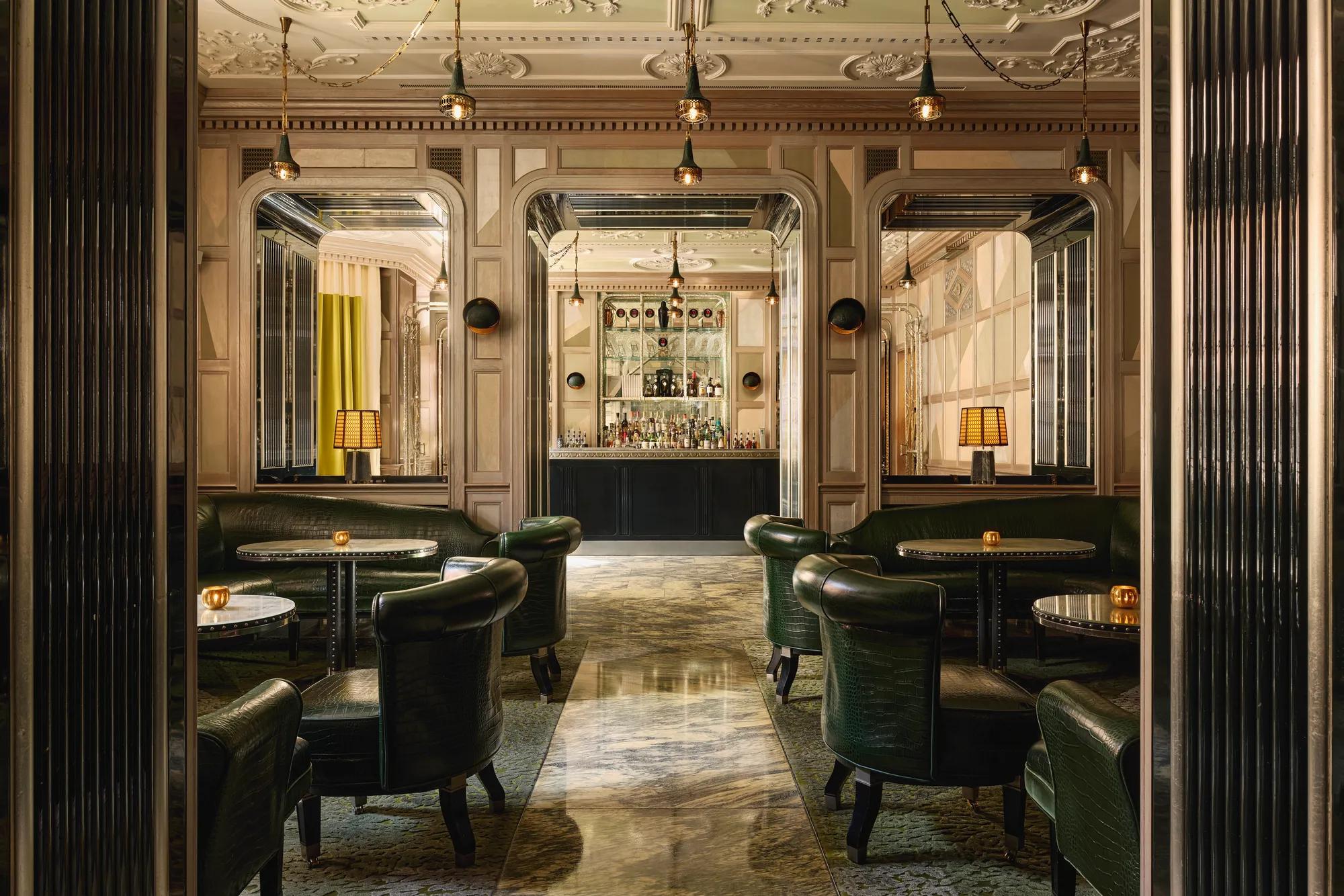
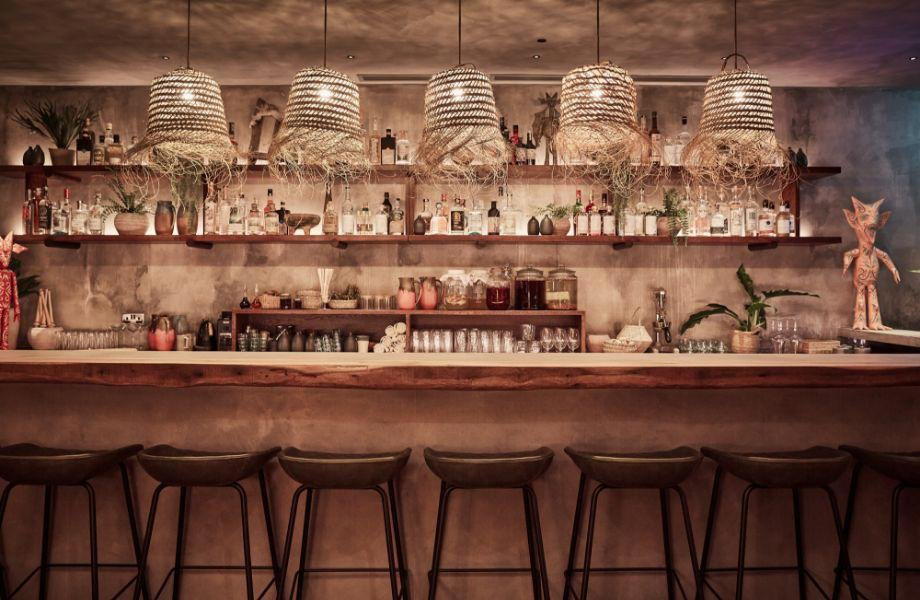
Bars in London
Browse all →
Restaurants in London
Browse all →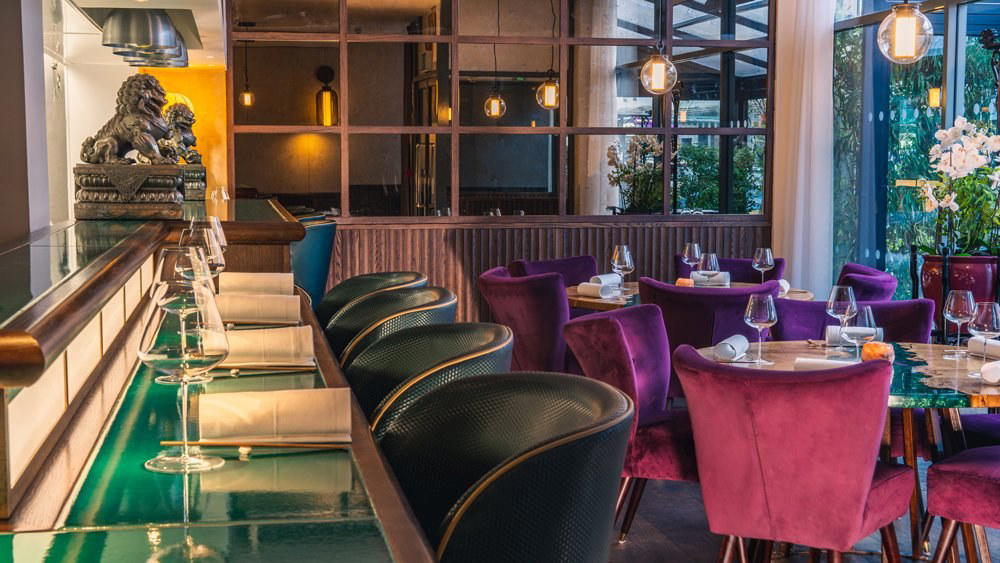
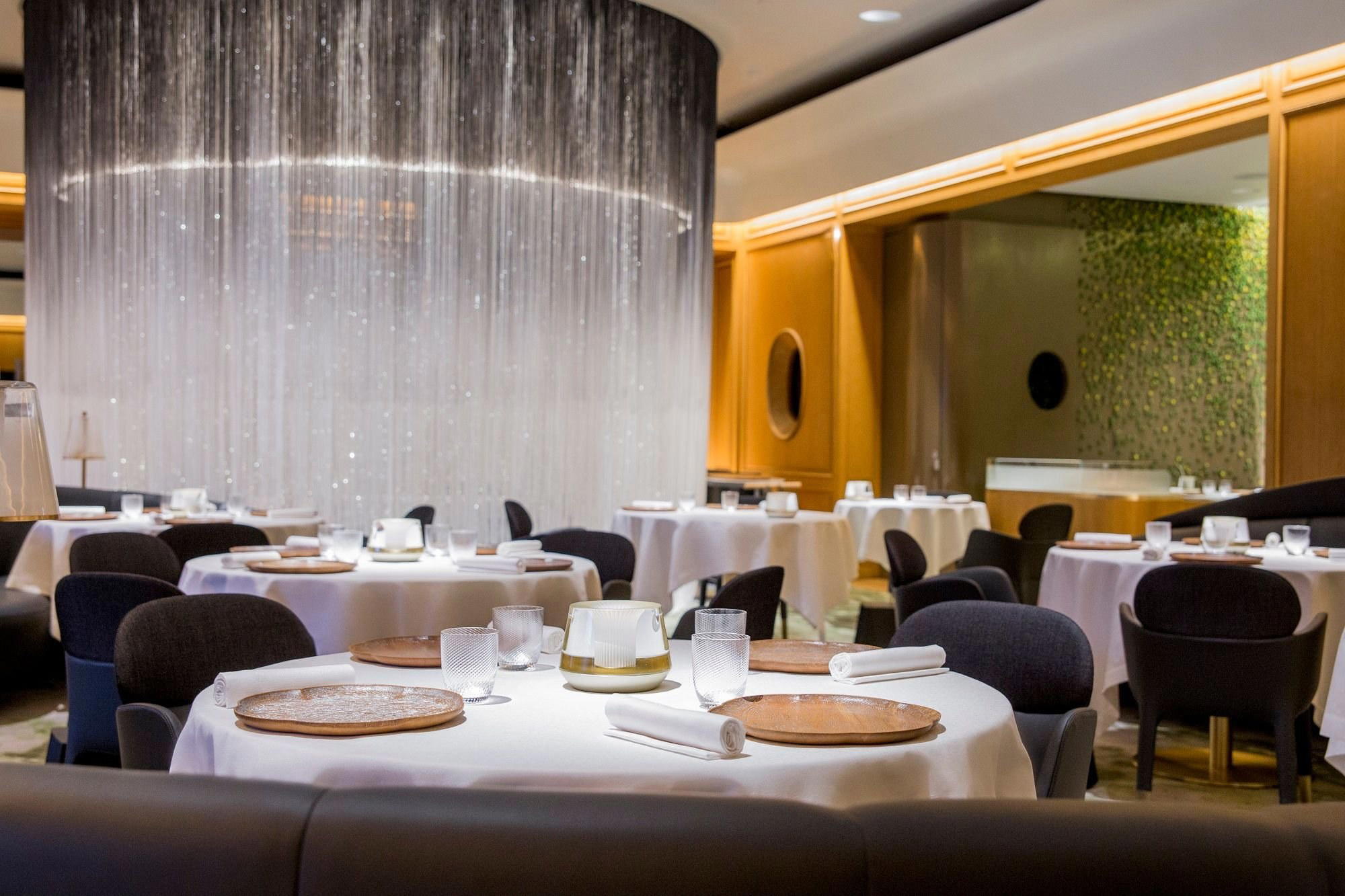
Hotels in London
Browse all →
At a Glance
- Classic
- Elegant
- Cozy
- Sophisticated
- After Work
- Casual Hangout
- Group Outing
- Historic Building
- Terrace
- Seated Bar
- Lounge Seating
- Outdoor Terrace
- Booth Seating
- Private Rooms
- Classic Cocktails
- Craft Beer
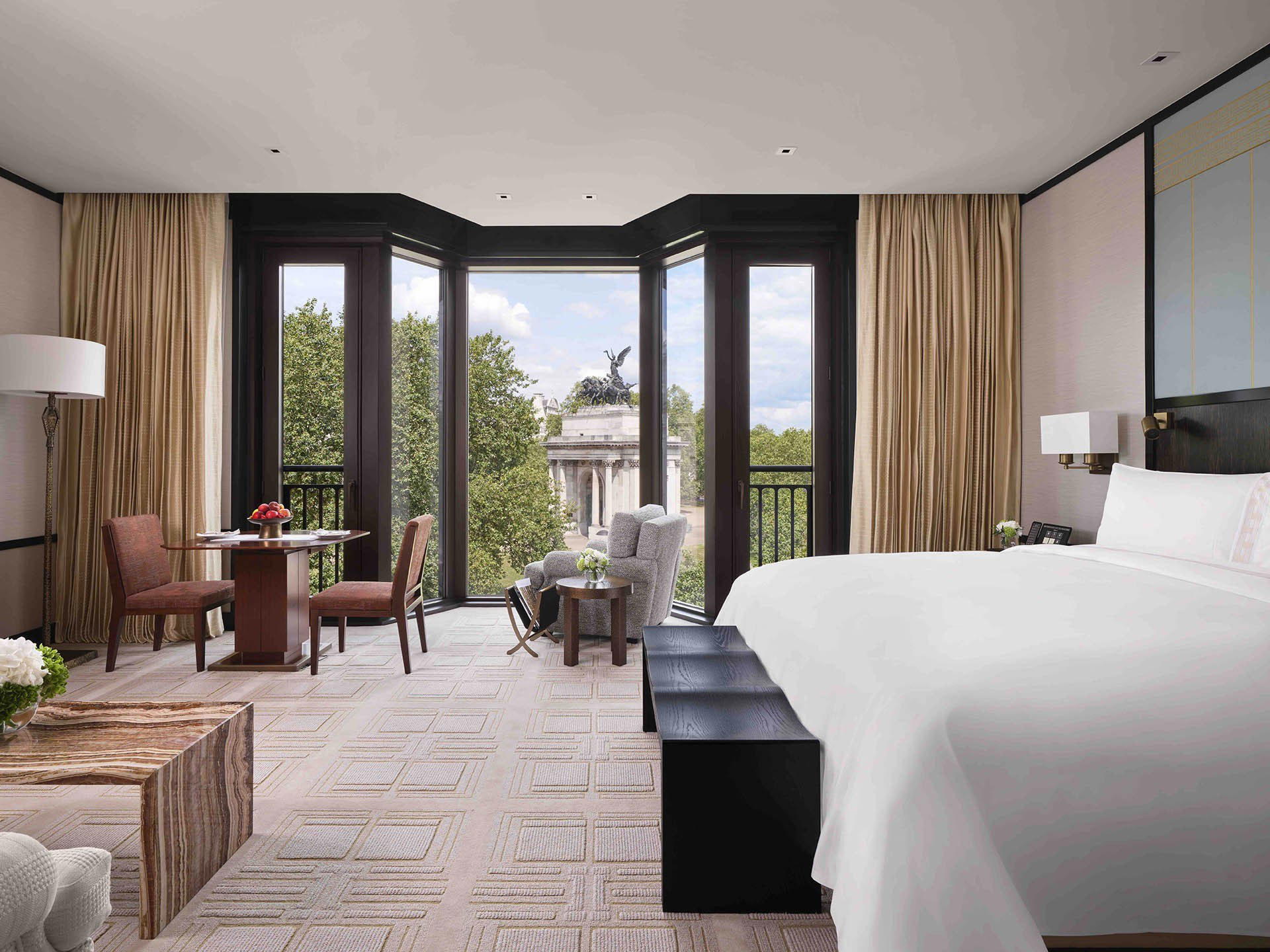
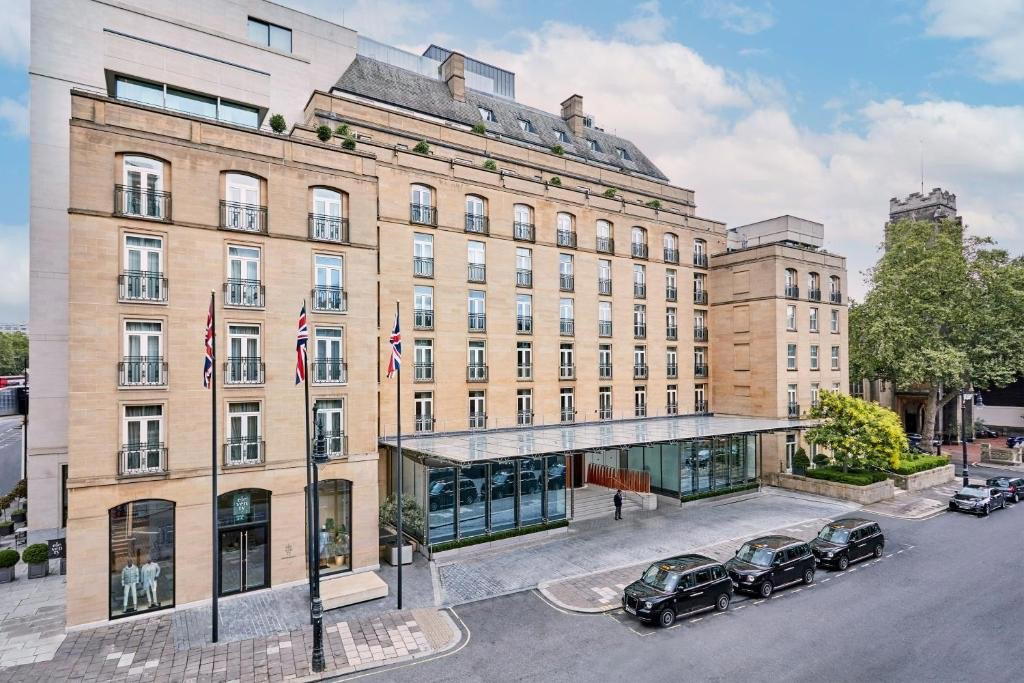
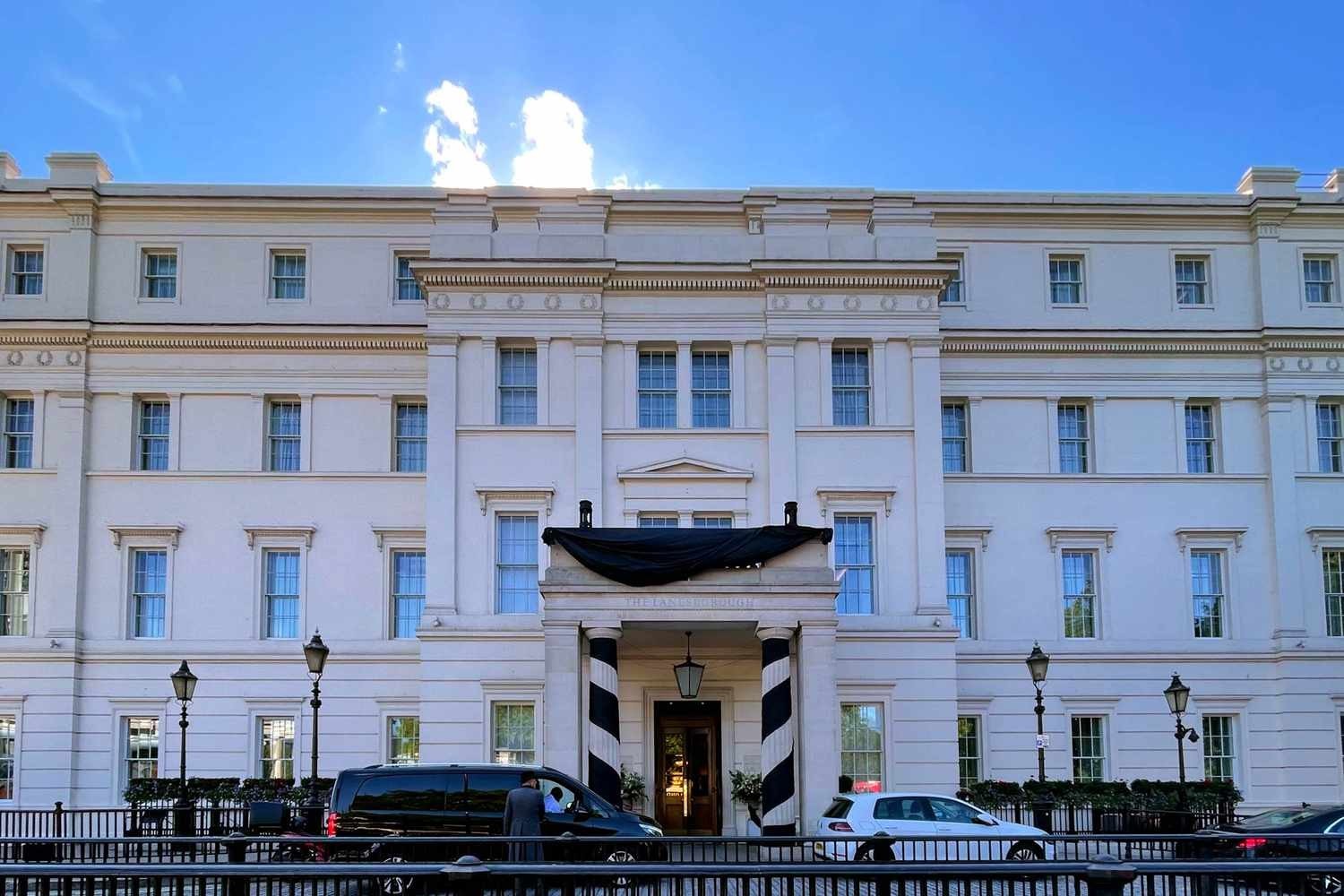
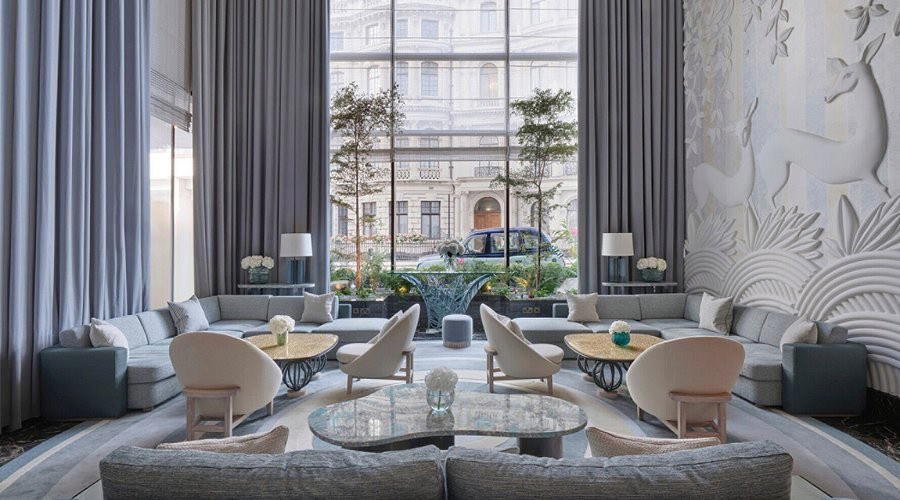
Comfortable spaces with a classic British twist, warm and inviting atmosphere featuring elegant design across four floors.