The Stags Head on Dame Court is one of Dublin's most intact Victorian pubs, its mahogany bar, stained glass, and mosaic floors preserved largely as they were in 1895. The crowds here are a cross-section of the city rather than a tourist set, and the atmosphere holds whether you arrive at midday or midnight. It belongs to a narrow tier of Dublin pubs that earn their reputation through architecture and consistency rather than novelty.
Pearl is the En Primeur Club membership app — saves, bookings, and concierge access live there. Same editors, same standards.
- Address
- 1 Dame Ct, Dublin, D02 TW84, Ireland
- Phone
- +353 1 679 3687
- Website
- stagshead.ie
- Directions
- Get directions
 Saves & bookings on Pearl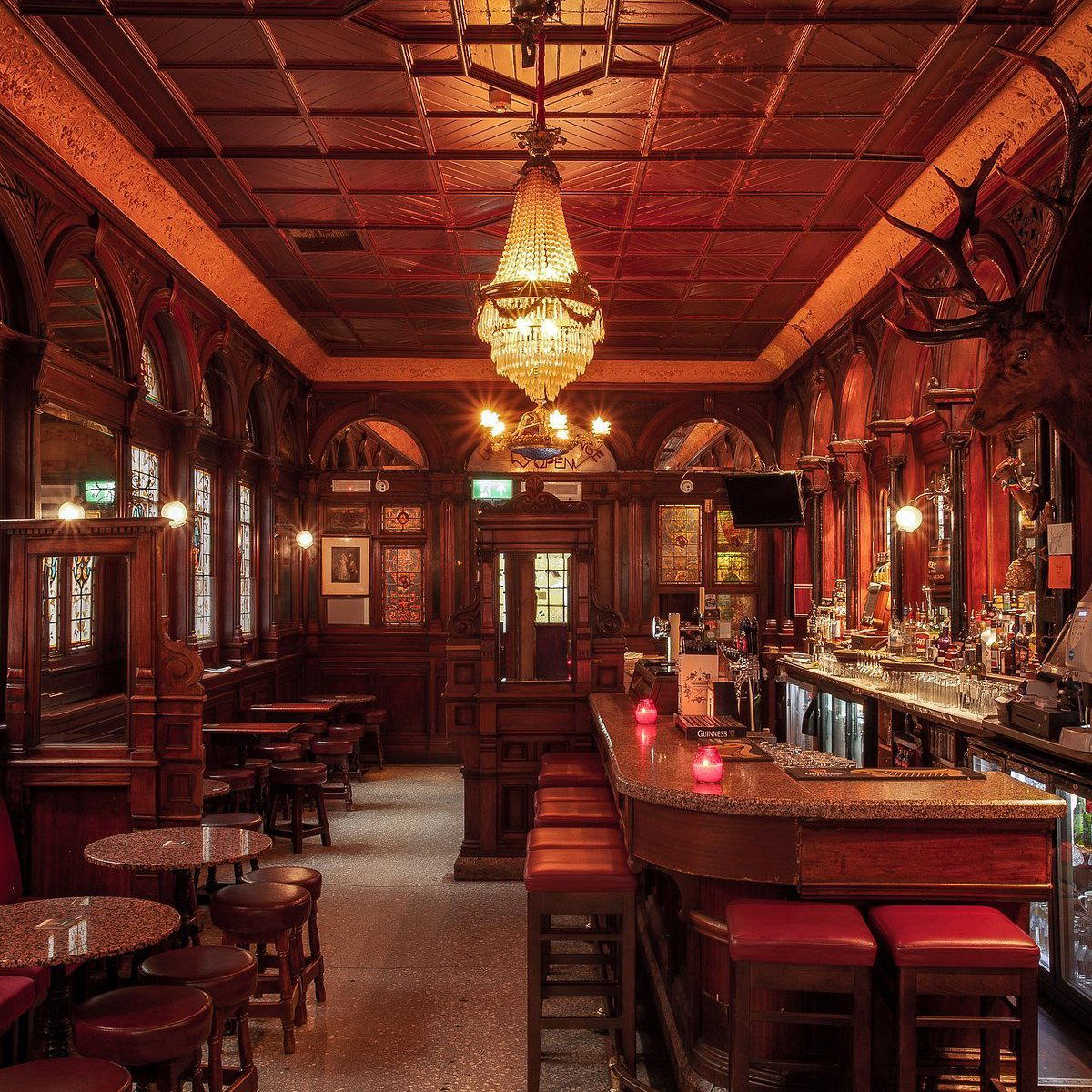
Dame Court and the Weight of the Room
Finding The Stags Head for the first time involves a small act of faith. Dame Court is a narrow lane off Dame Street, easy to walk past without noticing, and the pub's entrance sits at the end of it with the understated confidence of somewhere that has never needed a sign visible from a main road. That approach matters. The friction of finding it is part of the atmosphere before you've even opened the door.
Inside, the room makes an immediate argument about what a pub can be. The bar is long, dark mahogany, and runs nearly the full length of the ground floor. The carved ceiling overhead, the stained glass panels filtering whatever light Dublin decides to offer, the mosaic floor underfoot: these are not period-renovation gestures but original fabric from 1895, when the pub was rebuilt in the form it still holds today. In an era when most Victorian pub interiors in Dublin and London were stripped and repositioned as gastro operations or theme bars, The Stags Head remained legible as what it always was. That's a rarer achievement than it sounds.
Where The Stags Head Sits in Dublin's Pub Hierarchy
Dublin sustains two broad categories of well-regarded pub. The first is the traditional neighbourhood house, often off the tourist circuit, which earns its standing through a regular crowd and a landlord who's been there long enough to know the rhythm of the week. The second is the architecturally significant Victorian or Edwardian pub that functions as both a local and a destination, drawing visitors alongside regulars without tipping into caricature. The Stags Head belongs firmly in the second category, and it occupies a position within that group that very few Dublin pubs can match.
The comparison set here includes Mulligan's on Poolbeg Street, Kehoe's on South Anne Street, and Toner's on Baggot Street: pubs where the physical fabric of the room is the point, and where the quality of the pint is non-negotiable rather than incidental. Against that peer group, The Stags Head holds its place on the strength of its interior coherence. The room feels assembled rather than preserved, as though each element was chosen once and then left alone, which is essentially what happened.
For those exploring Dublin's broader bar scene, the city's newer venues represent a different register entirely. Bar 1661 works the Irish spirits revival angle with precision, while A Fianco brings a natural wine and aperitivo sensibility more associated with European city bars. Bar Pez and Bison Bar & BBQ each operate on a different frequency again. None of those are what The Stags Head is doing, and the distinction is worth holding: the choice of where to drink in Dublin is increasingly a choice of which version of the city you want to be inside.
The Physical Space as the Experience
The atmosphere at The Stags Head is produced almost entirely by the room rather than by programming, music, or curation. There is no soundtrack engineered to create a mood, no lighting rig adjusted by the hour. The light that comes through the stained glass changes with the time of day and the season, and the noise level shifts with the crowd, from the low register of a Tuesday lunch to the full volume of a Friday evening when the standing crowd spills toward the door.
The bar stools fill early on weekday evenings. The lounge area at the back, where the ceiling detailing is leading observed from, tends to hold a more mixed crowd: groups eating, pairs talking, the occasional solo drinker reading. The geography of the pub creates distinct pockets without physical dividers, which is a function of the original layout rather than any contemporary design thinking. Architects who study Victorian pub design often point to exactly this quality: the ability of a well-proportioned room to self-organise its occupants without prescription.
This spatial quality connects to something broader about the leading surviving Victorian pubs across Britain and Ireland. Arthur Mayne's Pharmacy in Cork works a similar register of preserved interior, as does Pig's Lane in Killarney in its own way. But the concentration of intact Victorian pub fabric in central Dublin is a geographic accident, and The Stags Head sits at the centre of it.
What to Drink, and When to Come
The drinks program is traditional by design. Guinness is the reference point, and the quality of the pour at The Stags Head is consistently cited in the same breath as the architecture: it is what the place is known for, and the bar staff's familiarity with the rhythm of a proper pint is visible in the way orders are handled without ceremony. Whiskey, both Irish and Scotch, is kept well. The wine list is functional rather than considered, which is appropriate for the format.
Timing matters more here than at most Dublin bars. Lunchtime and early afternoon offer the room at its quietest, when the light through the upper windows is at its most useful and the interior can be taken in without competition for space. Weekend evenings compress quickly, and the standing crowd by eight o'clock can make it difficult to move from the bar to the lounge. Those who want to observe the room rather than simply be inside a crowd should aim for a weekday afternoon or an early Thursday evening before the post-work surge arrives.
The pub's location off Dame Street places it within walking range of most of the city centre's notable bars and restaurants. For those building a Dublin evening around multiple stops, Bar Pez and A Fianco sit in the same general orbit. Further context on building a Dublin itinerary, including where The Stags Head fits within the city's broader drinking culture, is covered in our full Dublin restaurants guide.
For those travelling beyond Dublin, comparable atmospheres in different registers can be found at Lough Eske Castle in Donegal, 64 Wine in Glasthule, Baba'de in Baltimore, and Prim's Bookshop in Kinsale. Internationally, the meticulous approach to a specific kind of bar atmosphere finds a parallel at Bar Leather Apron in Honolulu, which occupies a similarly precise niche within its own city's drinking culture.
Planning Your Visit
The Stags Head is at 1 Dame Court, reached through the lane running off Dame Street near the intersection with South Great George's Street. No booking is required or possible for the bar; the lounge operates on a first-come basis. Food is served through the day and into the evening, covering the direct pub menu expected of the format. Dress code is entirely informal. The pub is open daily, and the interior is accessible without cover charge. Those visiting Dublin for the first time and wanting a single pub that explains the architectural and atmospheric tradition of the Victorian Dublin house should come here first and calibrate everything else against it.
| Venue | Cuisine |
|---|---|
| The Stags HeadThis venue — the venue you are viewing | This venue |
Continue exploring
More in Dublin
Bars in Dublin
Browse all →

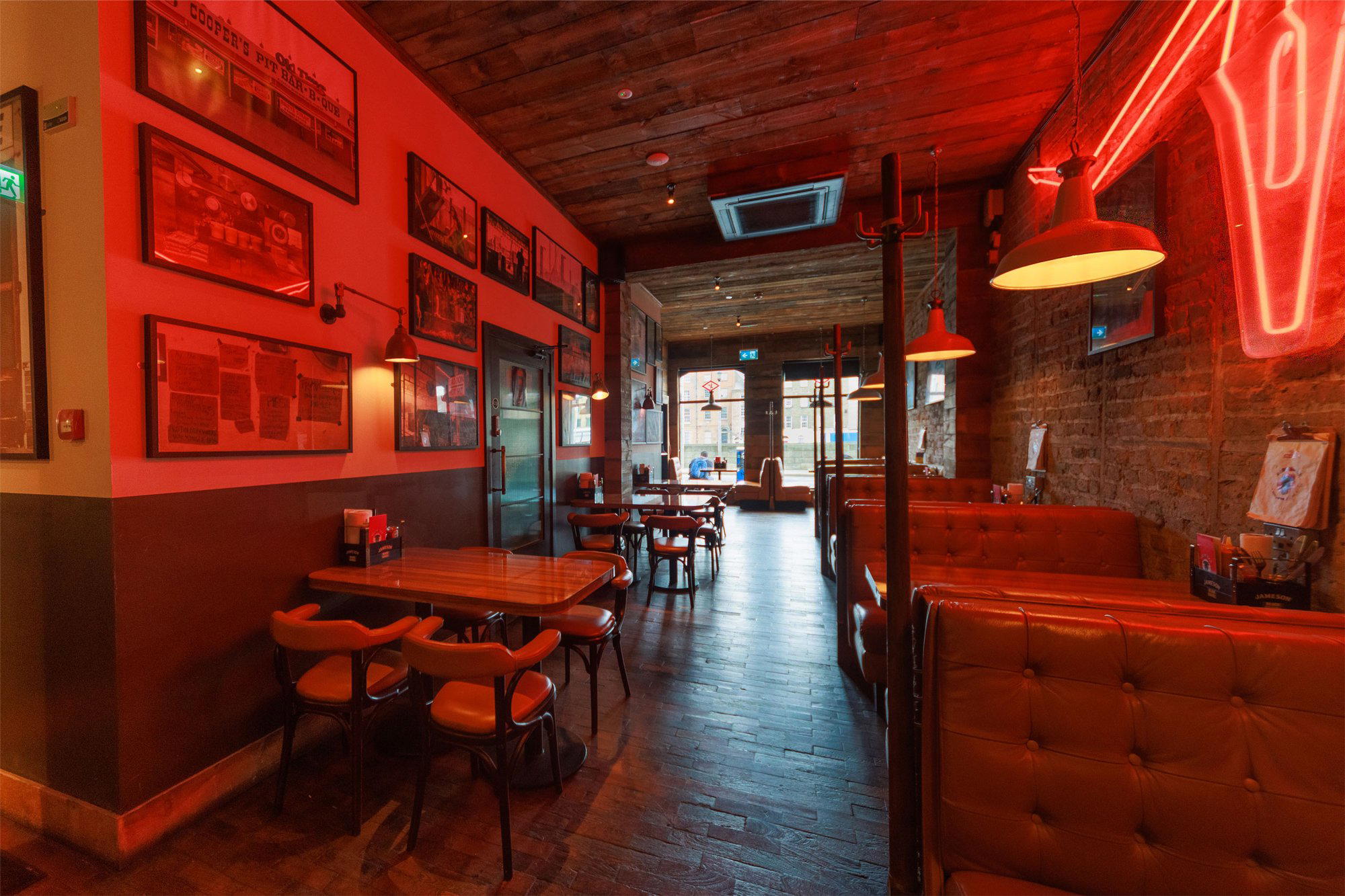
Restaurants in Dublin
Browse all →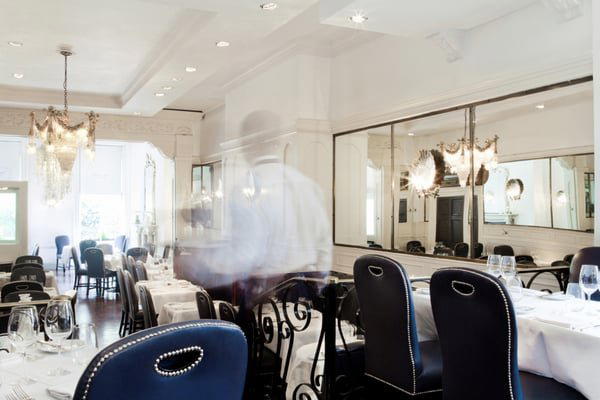
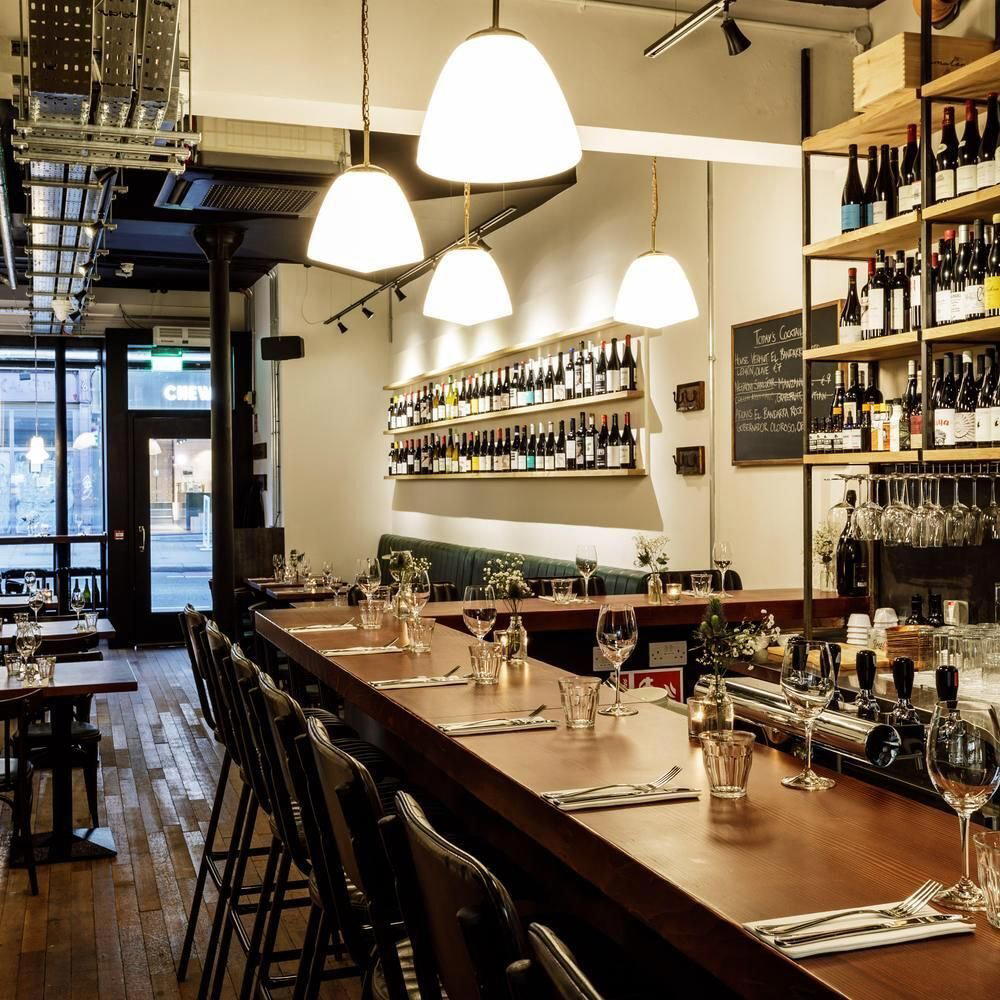
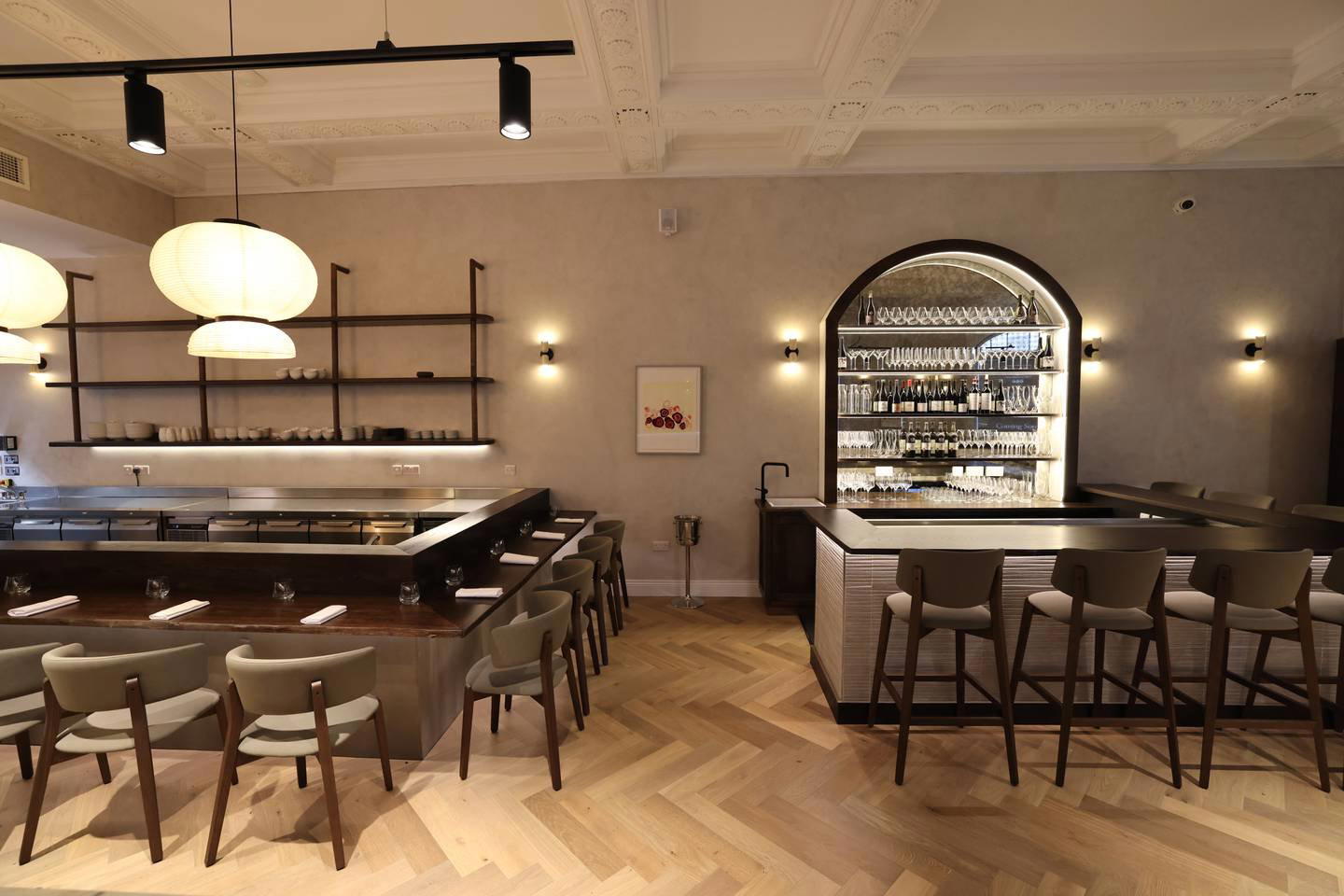
Hotels in Dublin
Browse all →
Wineries in Dublin
Browse all →
At a Glance
- Classic
- Well Known
- Elegant
- Rustic
- After Work
- Group Outing
- Casual Hangout
- Private Event
- Live Music
- Historic Building
- Standalone
- Seated Bar
- Lounge Seating
- Private Rooms
- Booth Seating
- Whiskey
- Craft Beer
- Street Scene
Current opening hours
- Monday
- 10:30 AM–12 AM
- Tuesday
- 10:30 AM–12 AM
- Wednesday
- 10:30 AM–12 AM
- Thursday
- 10:30 AM–12 AM
- Friday
- 10:30 AM–1 AM
- Saturday
- 10:30 AM–1 AM
- Sunday
- 11:30 AM–11:30 PM
Hours can change for holidays and private events. Last verified .
Elegant old Dublin atmosphere with warm lighting from restored Victorian-era electric fixtures, intimate wood-paneled spaces across three floors, and a smoky, historic interior that evokes early 20th-century grandeur.
Know Before You Go
- Getting there
- 1 Dame Ct, Dublin, D02 TW84, Ireland