Few Dublin bars have held their ground through as many cycles of change as The Long Hall on South Great George's Street. The Victorian interior — etched mirrors, carved wood, ornate clocks — has survived modernisation waves that stripped many of its contemporaries bare. It remains one of the clearest examples of what a Dublin pub looked like before renovators arrived.
Pearl is the En Primeur Club membership app — saves, bookings, and concierge access live there. Same editors, same standards.
- Address
- 51 South Great George's Street, Dublin 2, D02 DV74, Ireland
- Phone
- +353 1 475 1590
- Website
- instagram.com
- Directions
- Get directions
 Saves & bookings on Pearl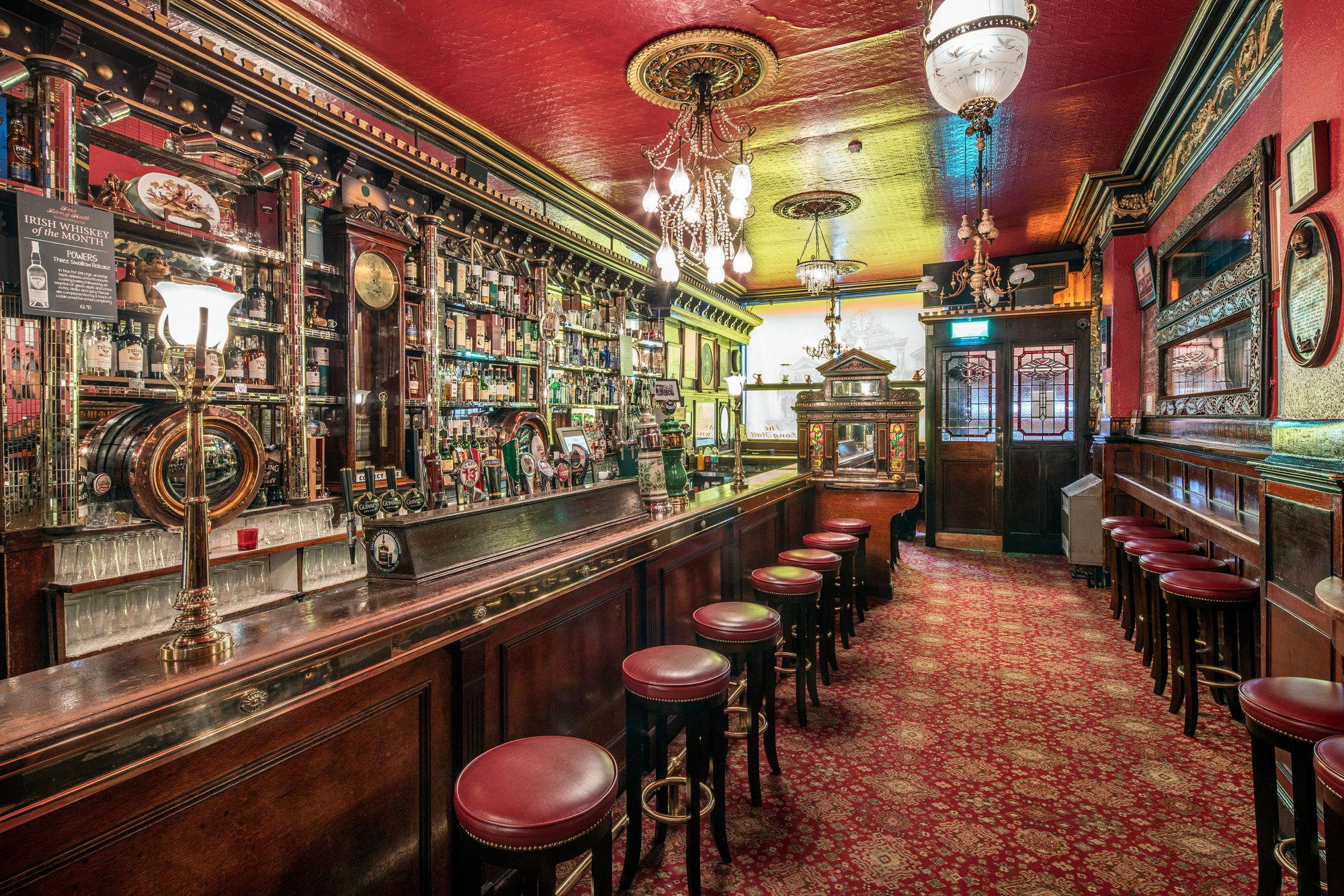
South Great George's Street and the Architecture of the Unrenovated Pub
There is a category of Dublin pub that survived the 1980s and 1990s renovation wave intact, and it is considerably smaller than it once was. During those decades, many Victorian interiors were stripped of their etched glass, their mahogany counters, and their ceiling plasterwork in favour of carpet tiles and flat-screen televisions. The Long Hall, at 51 South Great George's Street, was not among them. Step through the door and you encounter the full Victorian interior largely as it was installed: carved wooden bar front, ornate clocks arranged up the back wall, etched mirrors that catch and multiply the overhead light, and a long counter that stretches the length of the room and gives the pub its name. The building itself does the editorial work before a single drink is ordered.
South Great George's Street sits at the meeting point of several of Dublin 2's distinct social zones — the retail stretch of Grafton Street's orbit to the west, the creative quarter around Camden Street and Wexford Street to the south, and the older working city closer to Dame Street. That positioning has made the street a reliable cross-section of the city: not a tourist strip, not purely a local's enclave, but a corridor where both coexist. The Long Hall sits comfortably in that in-between space, drawing regulars who have been coming for decades alongside visitors who read about the interior and make a deliberate detour.
What Victorian Pub Design Actually Looks Like Up Close
The phrase "Victorian pub interior" gets applied loosely to any room with dark wood and old fittings. The Long Hall is the version that justifies the designation. The back bar rises to the ceiling in carved tiers, holding bottles and framed by woodwork that required skilled joinery to produce and more skilled restoration to maintain. The clocks — multiple, synchronized to varying degrees of accuracy, are a period detail that no contemporary designer would specify and that no renovation budget would retain. The etched glass panels on the windows reduce the street to shapes and movement, which creates a useful separation between the interior atmosphere and the activity outside.
Irish pub architecture of this era borrowed heavily from the British gin palace model while adapting it to local licensing and social customs. The long counter with multiple service positions was a practical solution to high-volume trade; the decorative investment in mirrors and carved wood was an assertion of permanence and respectability. Pubs that survive with these features intact now function as primary sources for that history, which is a different kind of value from what any contemporary fit-out can offer. For comparisons across Ireland, Arthur Mayne's Pharmacy in Cork represents a similar category of preserved heritage interior, where the building's past life layers directly into the current drinking experience.
How the Pub Has Held Its Ground Through Several Dublin Reinventions
The editorial angle on The Long Hall is not stasis but survival strategy. Dublin's bar scene has gone through at least three significant reinvention cycles since the 1970s: the themed pub boom of the 1980s, the Celtic Tiger renovation frenzy of the late 1990s and early 2000s, and the craft and cocktail wave of the 2010s. Each cycle created pressure on older establishments to modernise, rebrand, or reposition. Some complied and lost their original character. Others closed. The Long Hall absorbed that pressure without a wholesale reinvention, which in retrospect reads as a form of editorial confidence in what the building already offered.
That approach sits in contrast to the direction taken by much of the current Dublin bar scene. Bar 1661 has built its identity around Irish distilling history expressed through contemporary cocktail technique. A Fianco works a natural wine and small-plates format. Bar Pez and Bison Bar and BBQ each occupy defined concept niches. These are all coherent editorial positions, and they reflect a Dublin drinks scene that has genuinely diversified. The Long Hall's position within that scene is as the establishment that predates the concept era entirely and has not needed to adopt its vocabulary.
Further afield, this pattern of heritage-led differentiation appears across Ireland's bar culture. Pig's Lane in Killarney, Prim's Bookshop in Kinsale, and Baba'de in Baltimore each demonstrate how character-led spaces outside the capital are finding their own version of this argument. Even internationally, bars like Bar Leather Apron in Honolulu show that the appeal of a room with a defined historical identity crosses well beyond its local geography. And for wine-led alternatives within the Dublin orbit, 64 Wine in Glasthule offers a complementary but distinct format for the same curious drinker.
The Drink, the Crowd, and What to Expect
The pint of Guinness is the reference drink at The Long Hall, as it is at any traditional Dublin pub where the counter volume and the bar's reputation align. Guinness performance in Dublin varies more than its global marketing suggests: the pour rate, the glass temperature, the settle time, and the trade volume of a given house all affect the result. A pub with consistent high volume and staff who have been pulling the same tap for years tends to produce a reliable outcome. The Long Hall fits that profile.
The crowd on any given evening covers a range that would not assemble easily in a more concept-defined room. That is one of the things that unrenovated Victorian pubs do naturally: the lack of a curated aesthetic identity means the space does not signal exclusivity or target a demographic. People who want a quiet corner and people who want a loud end of the bar can both find their position along the same counter.
On weekends and during peak hours, the pub fills quickly. South Great George's Street draws significant foot traffic from the nearby markets, the theatre, and the surrounding restaurant cluster, and The Long Hall benefits from that footfall without being dependent on it. Arriving before 18:00 on a Friday gives you the room in its daytime character; arriving after 21:00 gives you something closer to organised chaos that the architecture handles better than most modern rooms would.
For a fuller picture of the city's drinking options across formats and price points, the EP Club Dublin guide covers bars from heritage pubs through to the new cocktail and wine operators that have reshaped the scene over the past decade. Lough Eske Castle in Donegal offers a contrast for those extending an Ireland trip north, where heritage takes a different, grander form.
Planning Your Visit
The Long Hall is located at 51 South Great George's Street in Dublin 2, within walking distance of St Stephen's Green and a short walk from the Dame Street Luas stop. No booking is possible or necessary for a pub of this format; the model is walk-in, and the counter length means the room absorbs numbers well outside of peak weekend hours. Dress expectations are relaxed in the way that a traditional Dublin pub has always been relaxed. Pricing is in line with central Dublin pub trade, which sits above neighbourhood pub rates but below the cocktail bar tier. For visitors working through a broader Dublin itinerary, a late-afternoon visit before dinner covers the room at its most atmospheric and least crowded.
Continue exploring
More in Dublin
Bars in Dublin
Browse all →
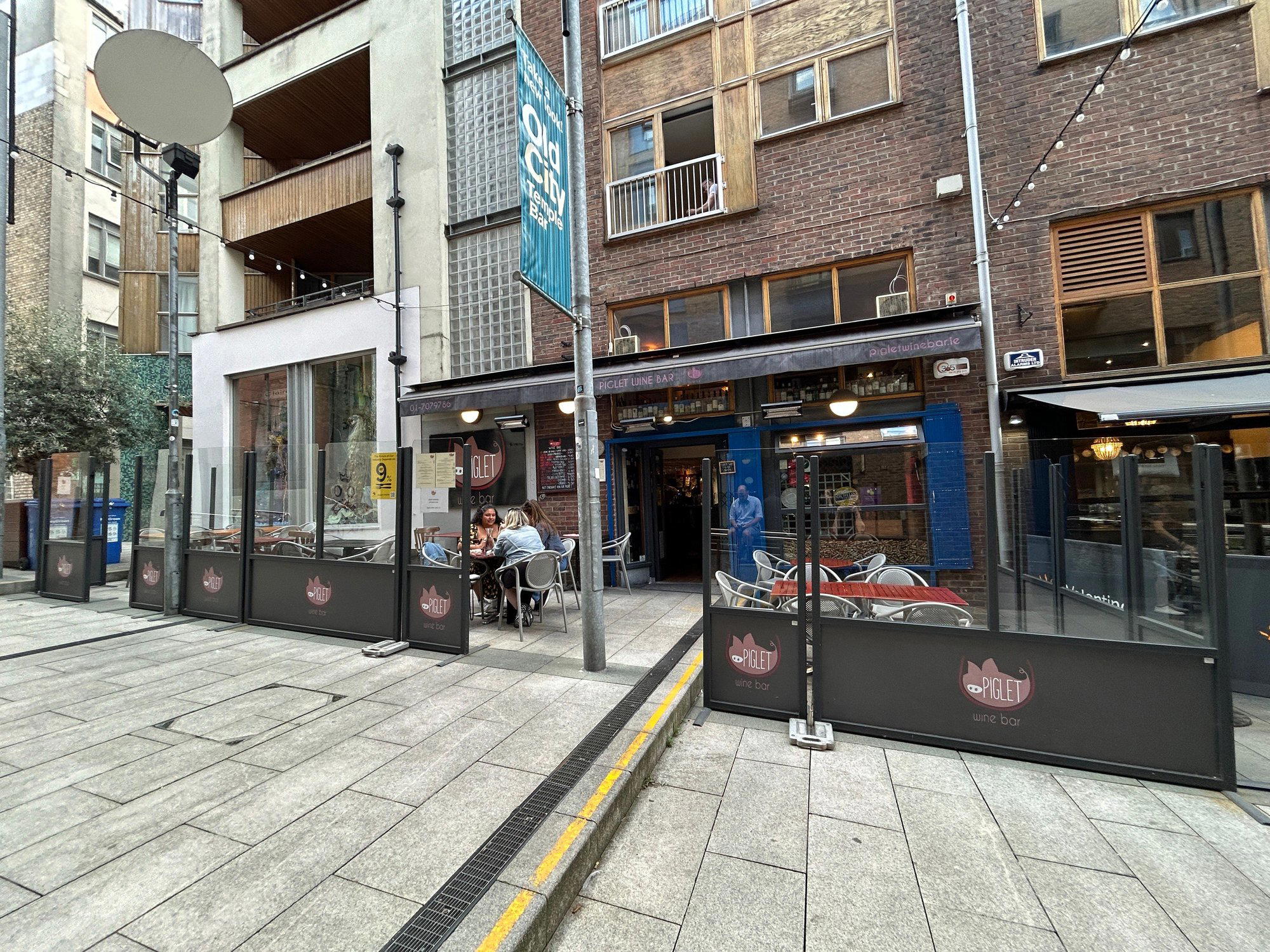
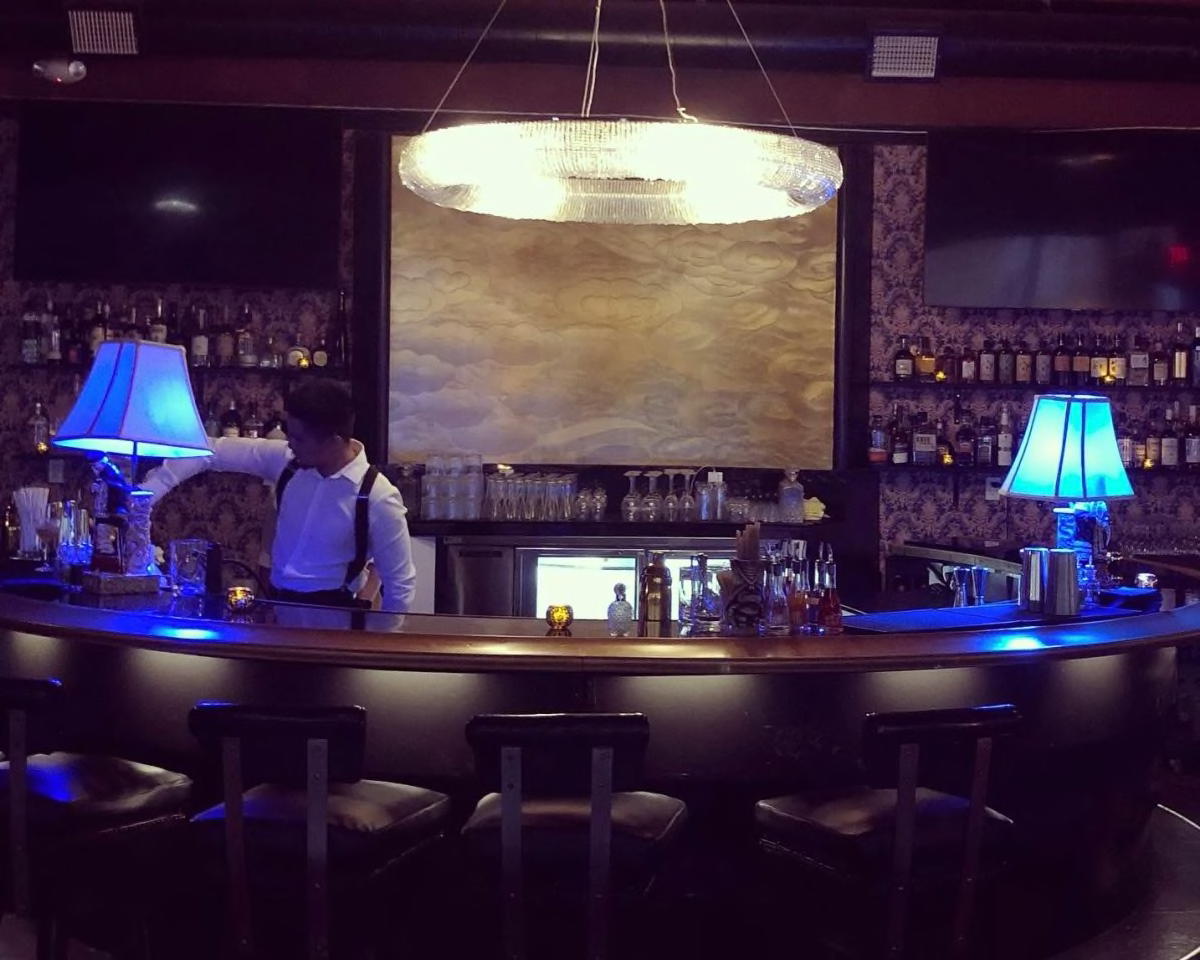
Restaurants in Dublin
Browse all →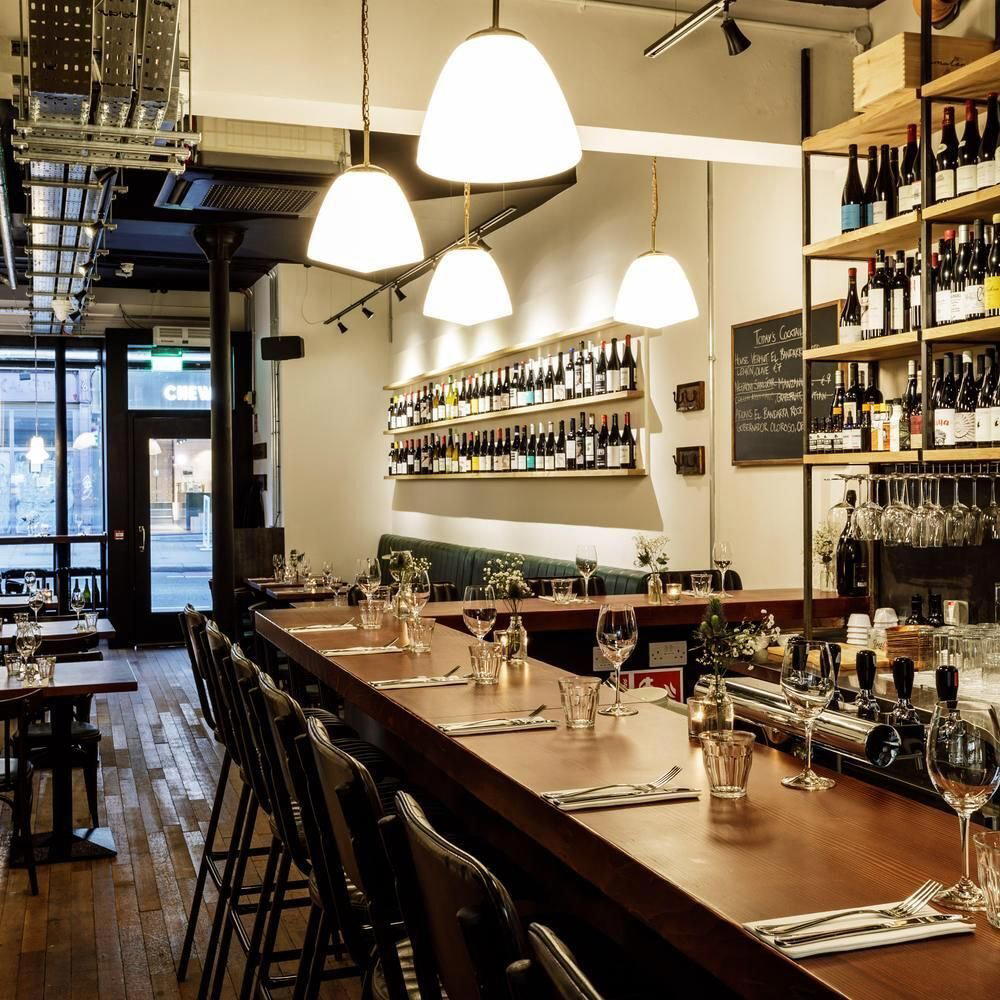
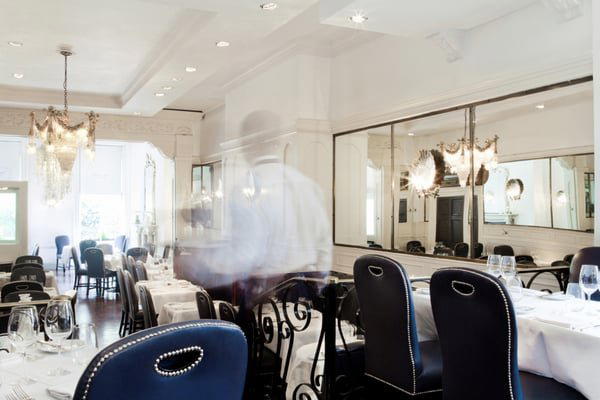
Hotels in Dublin
Browse all →
Wineries in Dublin
Browse all →
At a Glance
- Classic
- Well Known
- Cozy
- Historic
- Casual Hangout
- After Work
- Historic Building
- Seated Bar
- Classic Cocktails
- Whiskey
Current opening hours
- Monday
- 12–11:30 PM
- Tuesday
- 12–11:30 PM
- Wednesday
- 12–11:30 PM
- Thursday
- 12–11:30 PM
- Friday
- 12 PM–12:30 AM
- Saturday
- 12 PM–12:30 AM
- Sunday
- 12:30–11 PM
Hours can change for holidays and private events. Last verified .
Cozy and welcoming with Victorian decor featuring carved wood, stained glass, gilt mirrors, antique clocks, mismatched chandeliers, and a rich red carpet under warm vintage lighting.
Know Before You Go
- Getting there
- 51 South Great George's Street, Dublin 2, D02 DV74, Ireland