Dakota Glasgow

Michelin Selected
Dakota Glasgow holds Michelin Selected status in the 2025 guide, placing it among a small tier of Glasgow hotels recognised for consistent quality. Positioned on West Regent Street in the city centre, the property operates in a design-led, atmosphere-forward register that sits apart from both the branded international chains and the older grand-hotel tier. It is the kind of address that rewards guests who treat a hotel as a destination in itself.

Pearl is the En Primeur Club membership app — saves, bookings, and concierge access live there. Same editors, same standards.
- Address
- 179 W Regent St, Glasgow G2 4DP, United Kingdom
- Phone
- +44 141 404 3680
- Website
- dakotahotels.co.uk
- Directions
- Get directions
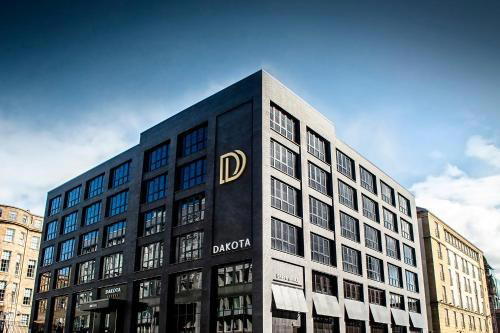
West Regent Street and the Question of Atmosphere
Glasgow's hotel scene has sorted itself into recognisable camps over the past decade. On one side, international branded properties deliver standardised comfort and loyalty points. On another, older grand-hotel conversions like Kimpton Blythswood Square trade on period architecture and heritage appeal. In a third tier, design-led independents and boutique operators have built followings on atmosphere and a harder-to-define sense of occasion. Dakota Glasgow sits in that third camp, on West Regent Street in the commercial heart of the city, and its Michelin Selected status in the 2025 guide is the clearest external signal of where it positions against its peers.
Michelin's hotel selection is not handed out for novelty or volume. The guide's hotel criteria weight consistent quality, a coherent identity, and a guest experience that holds across repeat stays. For Glasgow, a city with no shortage of hotels competing for business and leisure travellers, appearing in that list at all is a meaningful credential. For visitors comparing options in the city-centre bracket, it is a useful orientation point.
The Dakota Register: What the Brand Signals in Practice
The Dakota group has built its identity around a particular mode of hospitality: dark, low-lit interiors, a certain restraint in decor, and a service culture that leans toward attentiveness without formality. This is not the white-gloved, scripted delivery of a five-star palace hotel like The Savoy in London or Hôtel de Paris Monte-Carlo. Nor is it the deliberately cool, tech-forward efficiency you encounter at a property like citizenM Glasgow. The Dakota mode sits between those poles: considered, adult, and calibrated to guests who want atmosphere without theatre.
That positioning has a specific practical consequence. At properties operating in this register, service philosophy tends to be anticipatory rather than reactive. The measure is not how quickly a request is fulfilled but whether the guest needed to make the request at all. This kind of service culture is difficult to sustain and harder still to train at scale, which is partly why Michelin's recognition carries weight beyond the marketing value of the badge.
Understanding where Dakota Glasgow sits requires a clear picture of the competition. Hotel du Vin at One Devonshire Gardens occupies a distinctive West End position, with townhouse-scale rooms and a wine-led food program that draws a particular kind of repeat guest. House of Gods Glasgow competes on maximalist design and a late-night culture that attracts a younger, event-driven demographic. Carlton George Hotel and Hotel Indigo Glasgow by IHG offer reliable branded experiences with city-centre convenience.
Dakota's pitch is different from all of them. The property's appeal is to travellers for whom atmosphere is a functional requirement rather than a bonus, and who prefer a consistent, well-executed experience over the unpredictability of a character-heavy independent. Within Glasgow, that is a specific niche. Within the UK more broadly, it places Dakota alongside properties like Aviator Hotel in Farnborough, which operates a similar aviation-dark aesthetic and comparable service philosophy.
For those whose travel extends into Scotland more broadly, the contrast with estate and castle properties is instructive. Gleneagles in Auchterarder and Crossbasket Castle in High Blantyre operate at a different scale and with a very different sense of place. Kilchoan Estate in Inverie sits at an extreme of remote, immersive experience that has nothing in common with an urban city-centre hotel. Dakota's proposition is resolutely urban, resolutely consistent, and resolutely indifferent to the idea that a hotel needs to be a landscape in itself to be worth choosing.
Service Culture as the Differentiator
In the Glasgow hotel market, the clearest differentiator between the middle tier and the premium tier is not room size or thread count. It is whether staff anticipate what a guest needs before the guest has identified the need. This is harder to deliver in a city-centre property with a transient mix of business and leisure guests than it is at a countryside retreat where stays are longer and guest profiles more predictable.
The Michelin selection signals that Dakota Glasgow manages this consistently. The guide's assessors make multiple anonymous visits before listing a property, and they weight service alongside physical quality. That process eliminates the variance that sometimes separates a hotel's leading nights from its average ones. Guests booking on the strength of the Michelin listing are, in effect, buying consistency as much as any individual quality.
Properties like Glasgow Grosvenor Hotel and Cottonwood Inn and Suites serve different segments of the market and compete on different criteria. The Dakota is not trying to appeal to every traveller in Glasgow, and that narrowness of focus is part of what makes the guest experience coherent.
Planning a Stay: Practical Orientation
Dakota Glasgow is on West Regent Street, a short walk from the main retail and transport arteries of the city centre. Glasgow Central and Glasgow Queen Street stations are both within comfortable walking distance, making the property practical for arrivals by rail from Edinburgh, which takes roughly 50 minutes on regular services. Glasgow Airport sits about eight miles west of the city; a taxi or rideshare to the hotel runs under half an hour outside peak hours.
For guests combining a Glasgow stay with wider Scottish travel, the property's central position makes it a reasonable base for day trips. The Rutland in Edinburgh offers a comparable city-centre register for those splitting time between the two cities. For a more complete picture of where to eat and drink within Glasgow itself, our full Glasgow restaurants guide covers the city's dining scene in detail.
Guests whose UK itineraries extend south will find useful reference points in Estelle Manor in North Leigh, Lime Wood in Lyndhurst, and The Newt in Somerset in Castle Cary, all of which hold strong credentials in the UK premium hotel tier, though each operates in a very different register from an urban Dakota property. For international travellers building a longer itinerary, Badrutt's Palace Hotel in St. Moritz, Muir, A Luxury Collection Hotel, Halifax, and The Fifth Avenue Hotel in New York City sit at comparable or higher price points with their own distinct service cultures worth benchmarking.
Booking Dakota Glasgow directly through the property's own channels is generally advisable for city-centre hotels in this tier, where direct relationships with staff carry more weight than they do at larger branded properties. Midweek stays tend to carry lower rates than weekends, when leisure demand compresses availability across the Glasgow hotel market.
Where It Fits
Comparable venues nearby, for context on price, style, and recognition.
| Venue | Cuisine | Price | Awards | Notes |
|---|---|---|---|---|
| Dakota GlasgowThis venue — the venue you are viewing | Sophisticated luxury boutique with timeless, New York-inspired style. | $100–200 | Michelin Selected | Not listed |
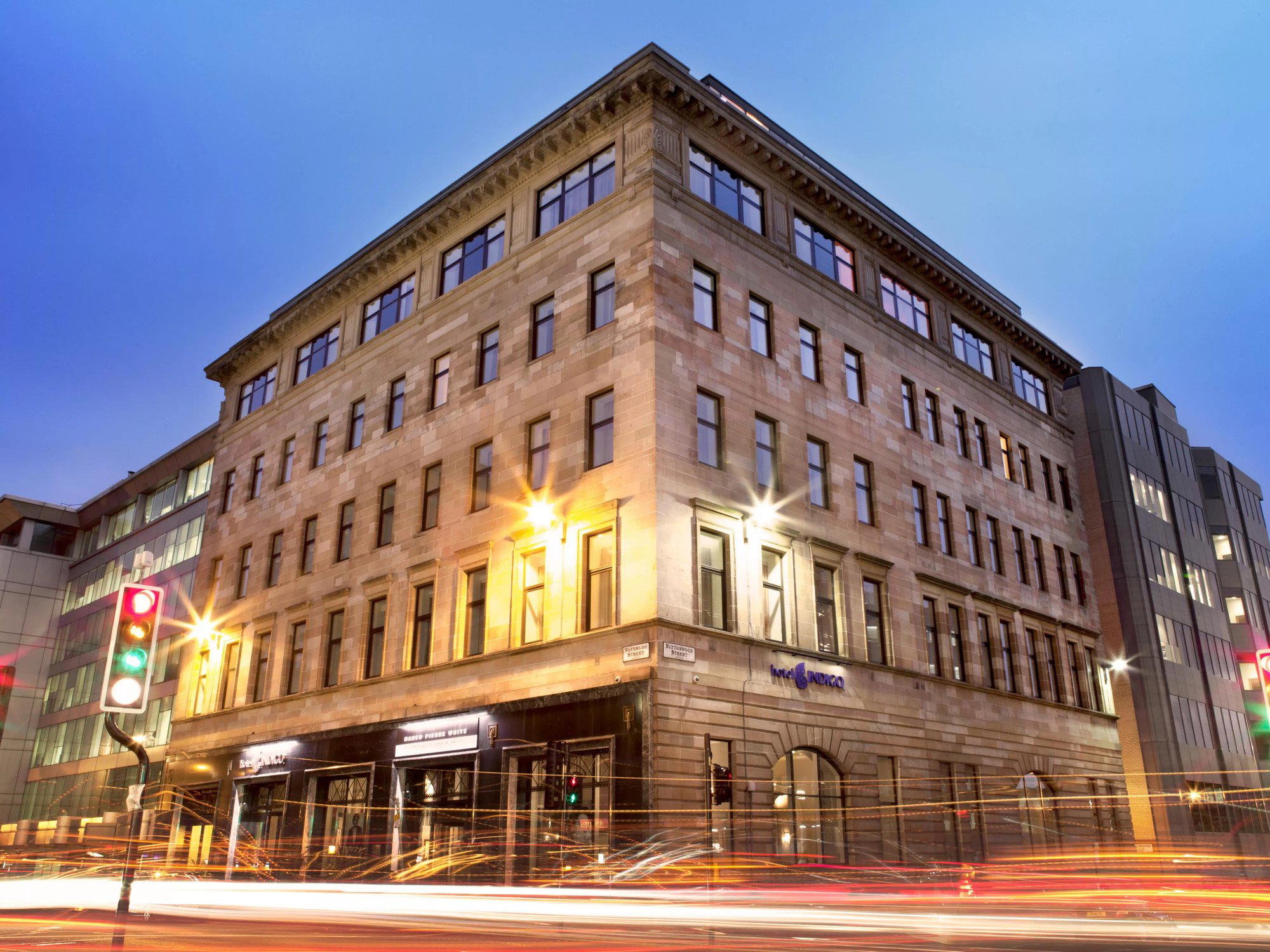
| Hotel Indigo Glasgow by IHG | Boutique hotel in a converted historic power station with Victorian architecture and contemporary Glaswegian art. | $100–200 | Not listed | Anderston/City/Yorkhill |
| Glasgow Grosvenor Hotel | Historic Victorian and Edwardian architecture with Venetian style | $100–200 | Not listed | Partick East/Kelvindale |
| One Devonshire Gardens by Hotel du Vin | Contemporary classic boutique hotel blending Victorian heritage with modern luxury in five interconnected 1886 townhouses. | $300–500 | Michelin Selected | Partick East/Kelvindale |
| Kimpton Blythswood Square | Contemporary luxury blending 19th-century Georgian heritage with modern five-star amenities and lively artistic sensibility. | Not listed | 5-Star | Anderston/City/Yorkhill |
| Carlton George Hotel | Contemporary design fused with classical traditional Scottish elements | $100–200 | Not listed | Anderston/City/Yorkhill |
Recognition history
Dated appearances from independent guides and award organizations, with the underlying list record or original source where available.
Michelin Selected
Michelin
Continue exploring
More in Glasgow
Hotels in Glasgow
Browse all →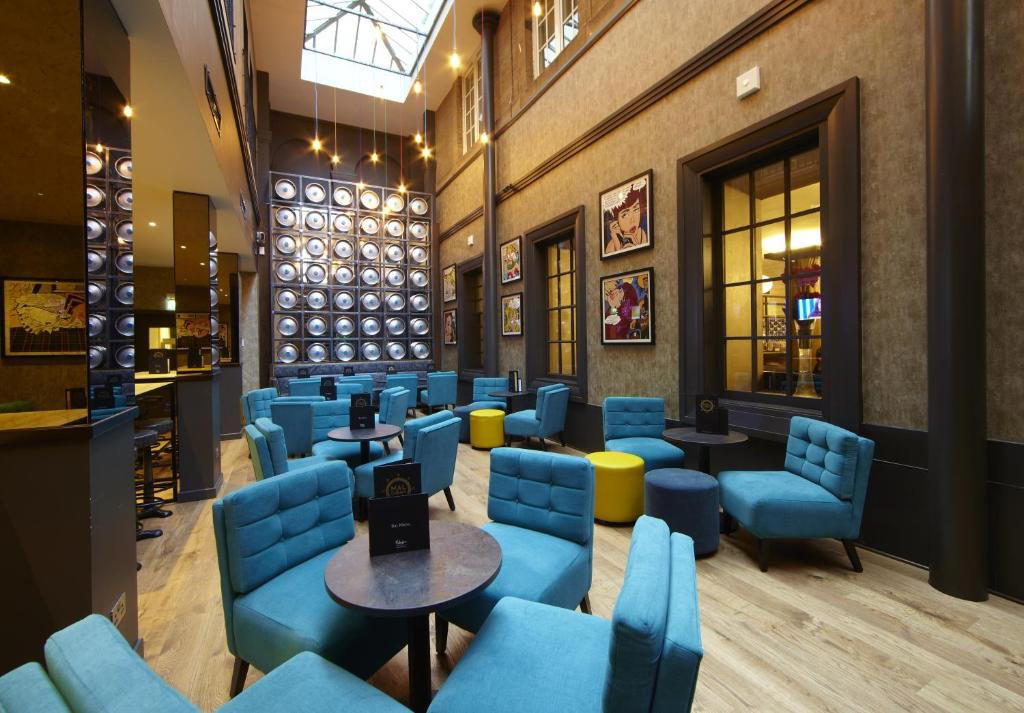
Bars in Glasgow
Browse all →
Restaurants in Glasgow
Browse all →
Wineries in Glasgow
Browse all →
Details
- Sophisticated
- Elegant
- Modern
- Intimate
- Romantic Getaway
- Business Trip
- Weekend Escape
- Terrace
- Design Destination
- Wi Fi
- Restaurant
- Bar
- Room Service
- Fitness Center
- Elevator
- Street Scene
- Wheelchair Accessible
- Elevator
- Accessible Restroom
Moody and luxurious with muted earth tones, high-quality furnishings, and a restrained beauty that offers privacy and elegance on a quiet street.