A Camden Street institution occupying a Victorian pub building that has served the south Dublin inner city since the 1870s, The Bleeding Horse carries the physical and cultural weight of a neighbourhood that has shifted around it several times over. The pub format anchors the experience, but the kitchen and bar programme position it within a wider Dublin scene where heritage spaces increasingly host serious food and drink.
Pearl is the En Primeur Club membership app — saves, bookings, and concierge access live there. Same editors, same standards.
- Address
- 24-25 Camden Street Upper, Saint Kevin's, Dublin 2, D02 NP22, Ireland
- Phone
- +353 1 475 2705
- Website
- bleedinghorse.ie
- Directions
- Get directions
 Saves & bookings on Pearl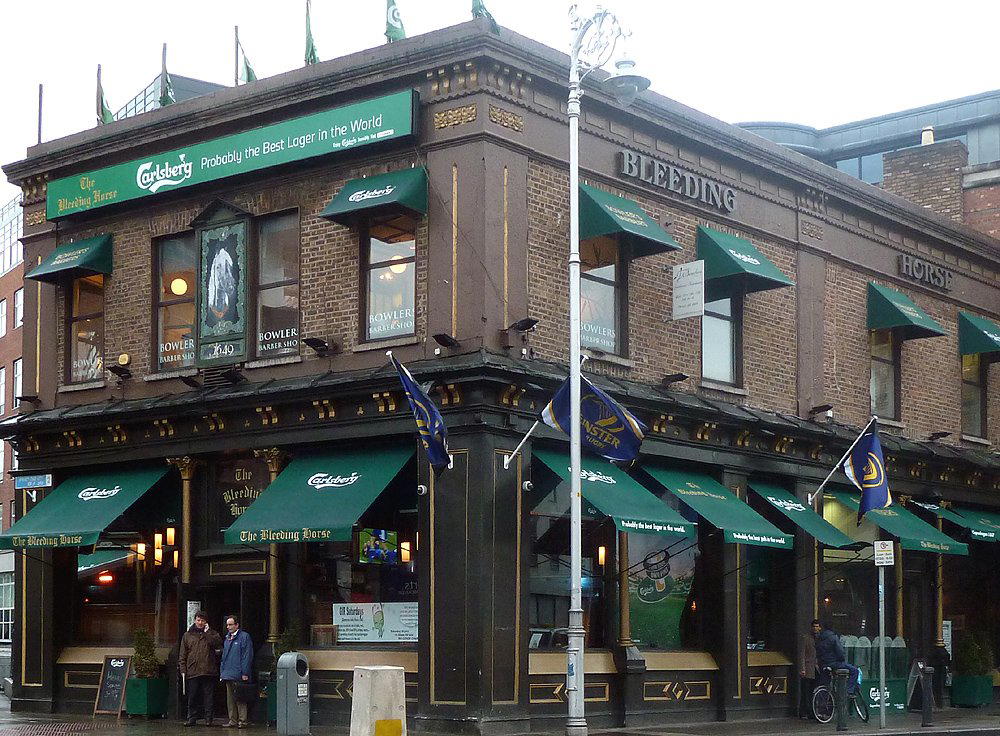
Camden Street and the Pub That Predates the Postcode
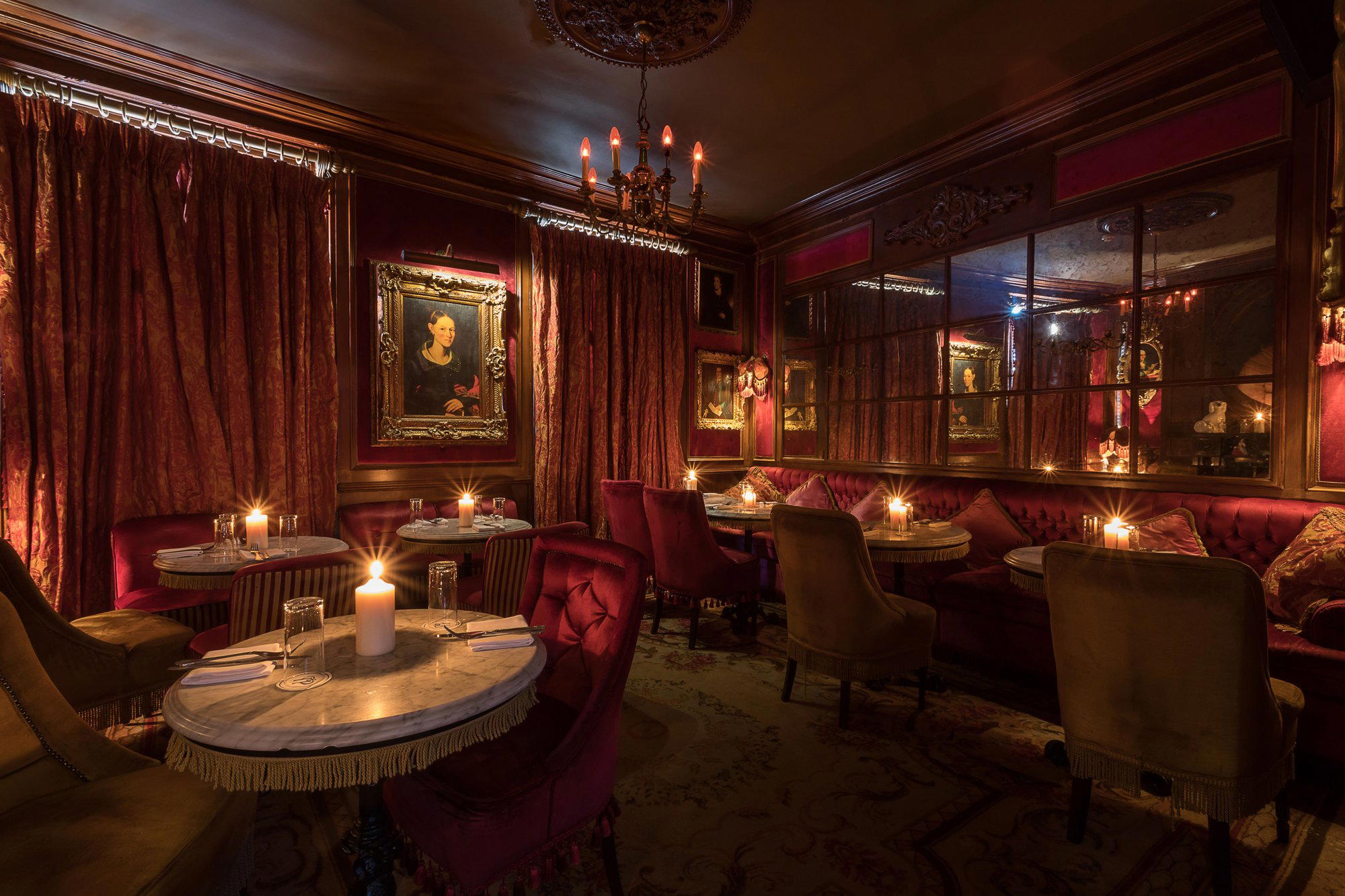
Upper Camden Street sits at the hinge point between the Georgian terraces of Dublin 2 and the denser, more residential stretch of Rathmines beyond. It is a street that has cycled through hardware shops, late-night takeaways, wine bars, and now a generation of destination-led hospitality. The Bleeding Horse, at numbers 24-25, occupies one of the oldest continuous pub footprints on the street, a Victorian-era structure whose layered interior, raised galleries, and dark wood fixtures carry the kind of architectural credibility that no amount of reclaimed timber and Edison bulbs can manufacture from scratch.
In Dublin, the heritage pub category splits in two directions. One strand trades on nostalgia alone, serving macro lager beneath framed hurling jerseys and calling it authentic. The other uses the inherited bones of a historic building as a platform for a more considered drink and food offer.
The Architecture Does Its Own Work
Victorian Dublin pub interiors were engineered to create privacy within public space. The snug, the raised gallery, the heavy partition: these were not decorative choices but social technologies designed for a city where public life was conducted in semi-public enclosures. The Bleeding Horse retains much of that spatial logic, with distinct drinking areas that allow the building to hold different crowds simultaneously without collapsing into a single undifferentiated room. That capacity for social zoning is increasingly rare in Dublin pubs, where refurbishments often gut the interior to create one large open floor. Here, the room still works as its Victorian builders intended, which gives the space a density of character that functions independently of what is being served at the bar.
For readers familiar with the heritage pub circuit beyond Dublin, the structural parallel is instructive. Arthur Mayne's Pharmacy in Cork demonstrates a similar principle: a historically significant interior repurposed for contemporary hospitality without erasing the original spatial grammar. In Ireland's provincial cities, this approach has become a distinct design strand, one that Dublin's inner-city pubs are leading positioned to anchor given the age and density of the built stock.
Where Camden Street Sits in the Dublin Bar Scene
Dublin's bar scene in the 2020s is operating across several registers simultaneously. The natural wine and low-intervention spirits movement has produced venues like A Fianco, which runs a tightly curated list in a stripped-back room. The cocktail programme end of the market has a credible flagship in Bar 1661, which has built its identity around Irish distillate and technique-led serves. Seafood-forward bar food has found expression at Bar Pez, while Bison Bar & BBQ holds a distinct position in the American-style BBQ niche.
The Bleeding Horse occupies a different point on that map. It is not a specialist venue in the way those operators are. Its appeal is structural and contextual: a large, historically grounded pub with the capacity and atmosphere to absorb a broad cross-section of the Camden Street crowd, from post-work drinkers to those eating before a show at the nearby Devlin or continuing south toward Rathmines. That generalism is not a weakness in the heritage pub category; it is the format's native strength.
For a wider read on how Dublin's drinking and dining scene is organised by neighbourhood and price tier, the full Dublin restaurants guide provides a useful orientation.
Local Ingredients, Inherited Technique
The intersection of local product and imported method has become one of the more interesting tensions in Irish pub kitchens over the past decade. Ireland's ingredient base, particularly in meat, dairy, and seafood, is strong enough to support serious cooking. The question is whether the kitchen deploys those materials with the same attention that a standalone restaurant would. In larger Victorian pub spaces, the kitchen often functions as a secondary concern, producing reliable crowd-pleasers rather than focused plates. The leading examples in Dublin have pushed back against that default: using locally sourced proteins and produce but applying cooking logic drawn from broader European training rather than relying on the ingredient alone to carry the dish.
This is a pattern visible in Irish hospitality more broadly. At Lough Eske Castle in Donegal, the kitchen operates within a luxury hotel context but draws on north-western produce with classical technique. In smaller formats, 64 Wine in Glasthule has built a reputation around pairing local suppliers with a wine list that reflects European small-producer logic. Further south and west, venues like Baba'de in Baltimore, Pig's Lane in Killarney, and Prim's Bookshop in Kinsale have demonstrated that the heritage venue format and serious food and drink programming are not mutually exclusive, even outside Dublin. The comparison is worth making because it sets a credible benchmark for what a pub with architectural capital and a central city address can achieve when the kitchen takes the ingredient question seriously.
Internationally, the contrast is instructive too. Bar Leather Apron in Honolulu shows how a technically focused bar programme can be built on hyper-local produce logic in a market that would seem to have less obvious material to work with than Ireland. The lesson is that indigenous ingredients and imported technique are not in competition; the question is whether the operator has the kitchen and bar discipline to make that marriage coherent.
Planning a Visit
The Bleeding Horse sits at 24-25 Camden Street Upper, Dublin 2, in the Saint Kevin's area, walkable from St Stephen's Green in under fifteen minutes and well served by bus routes running south along the Camden-Rathmines corridor. For visitors staying in the city centre, it represents a natural extension of an evening that might begin around Grafton Street or Baggot Street before moving south. The pub format means walk-in drinking is the native mode, though larger groups at peak times, particularly Thursday through Saturday evenings, will benefit from checking ahead. Given that specific booking policies, hours, and contact details are not published in EP Club's current data checking directly via a search for current contact information before a group visit is the practical approach.
Continue exploring
More in Dublin
Bars in Dublin
Browse all →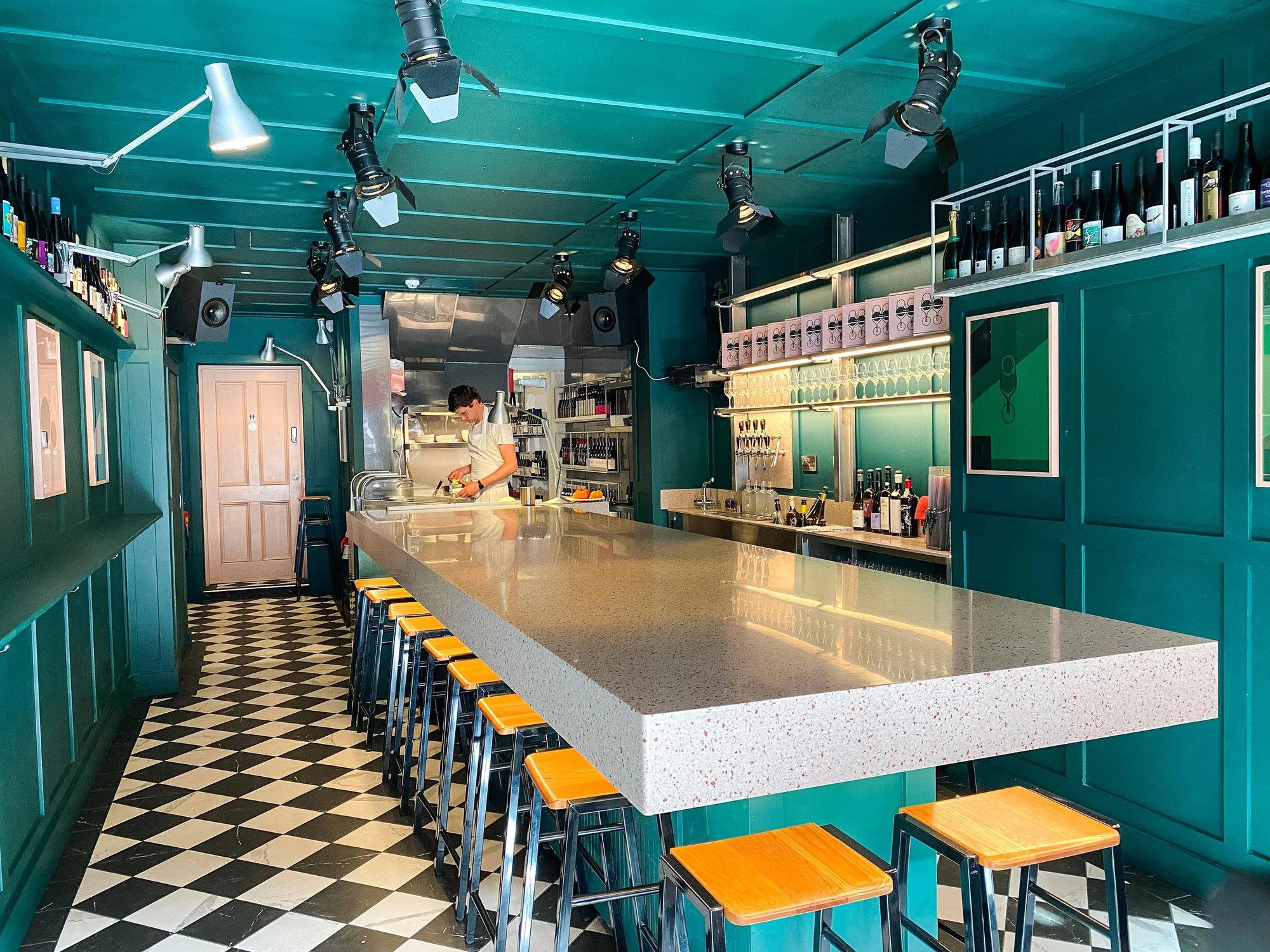
Restaurants in Dublin
Browse all →
Hotels in Dublin
Browse all →
Wineries in Dublin
Browse all →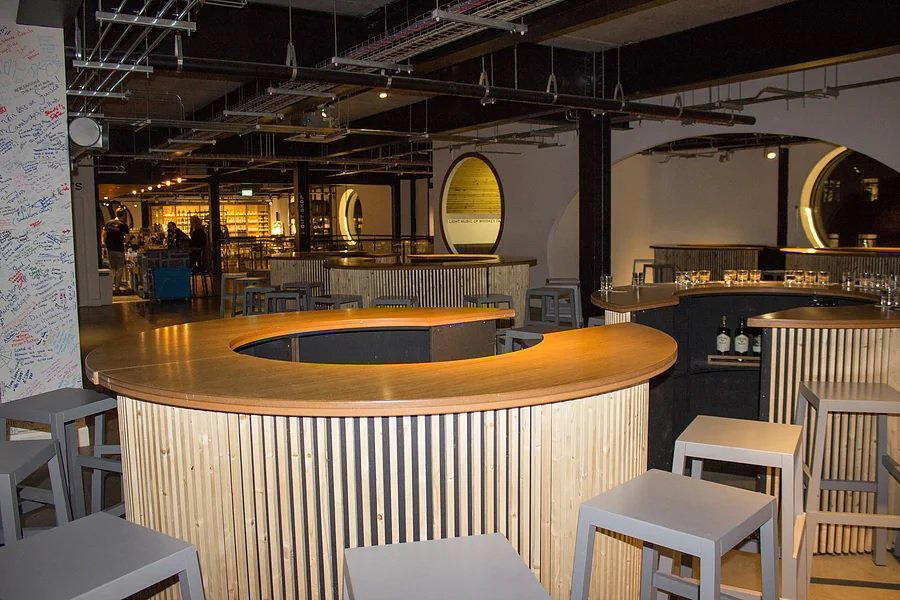
At a Glance
- Classic
- Well Known
- Lively
- Casual Hangout
- After Work
- Late Night
- Group Outing
- Historic Building
- Live Music
- Standalone
- Seated Bar
Current opening hours
- Monday
- 12 PM–12 AM
- Tuesday
- 12 PM–12 AM
- Wednesday
- 12 PM–12 AM
- Thursday
- 12 PM–1 AM
- Friday
- 12 PM–2:30 AM
- Saturday
- 12 PM–2:30 AM
- Sunday
- 12–11 PM
Hours can change for holidays and private events. Last verified .
Historic, casual public-house atmosphere with downstairs and upstairs areas, food service, live music, and late-night DJs on weekends.
Know Before You Go
- Getting there
- 24-25 Camden Street Upper, Saint Kevin's, Dublin 2, D02 NP22, Ireland