Tao Organic Cafe + Herbery
Tao Organic Cafe + Herbery occupies a Hennepin Avenue address that positions it within Minneapolis's growing interest in ingredient-led, plant-forward dining. The cafe draws on herbal traditions and organic sourcing in a city where that approach sits outside the mainstream steakhouse and craft-burger circuit. It appeals to a specific cohort: readers who track what goes into food as closely as how it is prepared.
 Discover on Pearl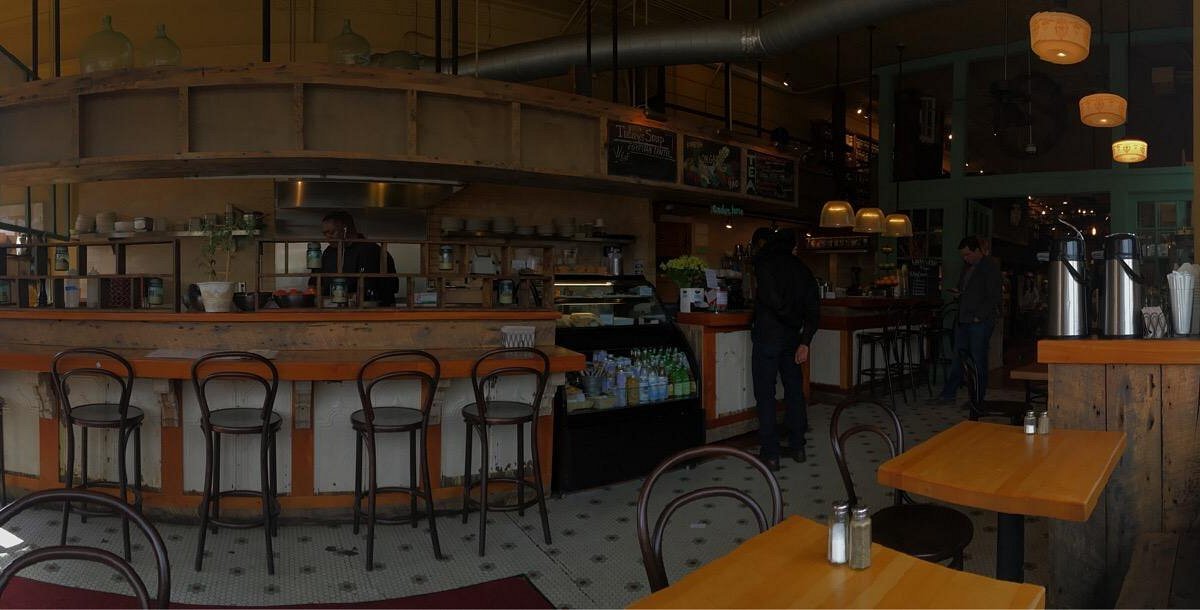
Hennepin Avenue and the Organic Margin
Minneapolis has spent the last decade building a dining identity anchored in Scandinavian-inflected comfort food, craft brewing, and a handful of serious fine-dining addresses. The city's Uptown corridor, running along Hennepin Avenue South, sits at a different register: independent, politically conscious, and historically more interested in what food does to the body than in what a tasting menu costs. Tao Organic Cafe + Herbery, at 2200 Hennepin Ave S, occupies that register. It is not competing with 112 Eatery or the city's gastropub circuit. It is doing something narrower and, for a specific reader, more useful: applying organic-sourcing discipline and herbal thinking to everyday cafe formats.
That positioning matters because Minneapolis has relatively few operations that take the herbery concept seriously as a category. In cities like Portland or San Francisco, medicinal herb bars and apothecary-cafe hybrids have matured into a recognizable format with its own vocabulary of adaptogens, bitters, and botanical infusions. Minneapolis is earlier in that cycle, which means a venue committed to the intersection of organic ingredients and herbal preparation occupies less crowded ground here than it would on the coasts.
The shortlist, unlocked.
Hard-to-book tables, cellar releases, and concierge-planned trips.
Get Exclusive Access →The Herbery Format and What It Signals
The word "herbery" is not common hospitality vocabulary, and its inclusion in the name is a positioning signal. It implies a working inventory of herbs used functionally, not merely as garnish. In culinary contexts that take this seriously, the distinction matters: herbs deployed as active ingredients, in teas, tinctures, or culinary preparations, require sourcing relationships and product knowledge that a standard cafe supply chain does not support. When that approach is combined with an organic sourcing commitment, the operational cost structure shifts upward, which typically means the experience is more deliberate than the price might suggest.
Across the country, the cafe-plus-apothecary format has developed two distinct poles. One is the wellness-brand-heavy, Instagram-legible version, where the herbs are decorative and the menu reads as lifestyle signaling. The other is more grounded: actual working knowledge of botanical applications, menus that reflect seasonal herb availability, and a clientele that treats the space as a resource rather than a backdrop. Tao's name and concept description place it in the second category, though the specifics of its current menu and sourcing depth are leading confirmed directly with the venue before visiting.
For comparison within the broader bar and beverage space, venues like Kumiko in Chicago have demonstrated how Japanese botanical discipline can anchor a beverage program in a Midwestern city with real credibility. Closer to the craft-cocktail end of the spectrum, Bar Leather Apron in Honolulu and Jewel of the South in New Orleans show how herbal and botanical knowledge translates into serious beverage programs when the sourcing commitment is genuine. Tao operates in a cafe rather than cocktail-bar register, but the underlying logic, applying expertise about plant-based ingredients to what ends up in the glass or on the plate, connects these formats across geographies.
Uptown as a Context for Plant-Forward Dining
The Uptown neighborhood has historically attracted the kind of independent businesses that resist the pull toward generic hospitality. It is not the neighborhood where Minneapolis's major hotel dining rooms operate, and it is not where the city's most-decorated tasting menus are found. What it supports is a denser concentration of owner-operated concepts with defined points of view. In that environment, a cafe that takes organic sourcing and herbal preparation seriously can build a loyal, return-visit customer base without the marketing infrastructure that a larger operation would require.
That loyalty-driven model is common among plant-forward cafes in mid-sized American cities. The Able Seedhouse + Brewery in Minneapolis represents one variation on this independent, ingredient-conscious approach within the beverage space. All Saints Restaurant occupies a different part of the same independent-minded Hennepin corridor. The 5-8 Club sits at the opposite end of the comfort-food spectrum, which helps clarify how wide the range is even within a single city. For a broader view of how these venues fit into the Minneapolis dining picture, the full Minneapolis restaurants guide maps the city's dining geography more completely.
Local Ingredients, Global Technique
The editorial angle that makes the herbery concept interesting is its relationship to technique. Herbal medicine traditions from Chinese, Ayurvedic, and European botanical lineages have all developed sophisticated frameworks for using plants as active ingredients, and those frameworks are increasingly being applied in contemporary cafe and beverage contexts by practitioners who trained in one tradition and are adapting it to locally available ingredients. The result, when it works, is a kind of applied ethnobotany: global methods meeting whatever grows in or near a given place.
Minnesota has a reasonably strong organic farming infrastructure in the warmer months, with farmers markets running through the summer and fall supplying ingredients that a committed buyer can source with genuine regional specificity. A cafe concept that takes organic sourcing seriously has the supply chain available to it, at least seasonally. The question for any venue in this category is whether the sourcing commitment holds through winter, when Minnesota's local growing season contracts sharply and "organic" more often means certified national distributor than regional farm. That is not a criticism, it is a structural reality for plant-forward businesses in northern climates, and how a venue addresses it tells you something about the depth of its sourcing philosophy.
For readers interested in how botanical beverage programs operate at the cocktail-bar level in other cities, ABV in San Francisco, Julep in Houston, Superbueno in New York City, and The Parlour in Frankfurt on the Main all demonstrate different approaches to how plant-based knowledge translates into beverage programs with editorial credibility.
Planning Your Visit
Tao Organic Cafe + Herbery is located at 2200 Hennepin Ave S in Minneapolis, in a part of Uptown that is walkable from the lakes area and accessible by several transit routes. Because specific hours, booking policies, and current menu details are not confirmed in our database at time of publication, contacting the venue directly before visiting is advisable, particularly if you are coming from outside the neighborhood. For a cafe concept of this type, walk-in visits during off-peak hours generally work well, but weekend mornings in Uptown attract foot traffic that can affect wait times at popular independent spots. The cafe format and the herbery positioning together suggest a daytime-weighted operation, though evening hours should be confirmed.
Frequently Asked Questions
- What cocktail do people recommend at Tao Organic Cafe + Herbery?
- The venue's herbery concept suggests a beverage program built around botanical and herbal preparations rather than conventional cocktail formats. Given the organic sourcing focus, herbal teas, adaptogen drinks, or house-made botanical infusions are likely to be the signature offerings. Specific current recommendations are leading sourced directly from the cafe, as menus at herbal-concept venues tend to shift with ingredient availability.
- What is Tao Organic Cafe + Herbery known for?
- Tao is known within Minneapolis's Uptown neighborhood for combining an organic cafe format with a working herbery concept, applying plant-based and botanical knowledge to its food and beverage program. In a city whose dining scene is weighted toward comfort food and craft brewing, that positioning occupies a distinct niche. The Hennepin Avenue address places it in a corridor of independent, owner-operated concepts with defined editorial points of view.
- Should I book Tao Organic Cafe + Herbery in advance?
- Specific booking information is not confirmed in our database. Cafe-format venues in Uptown Minneapolis typically operate on a walk-in basis, but weekend peak hours can create waits at popular independent spots. Contacting the venue directly to confirm hours and any reservation options is the practical step before making a dedicated trip.
- Who tends to like Tao Organic Cafe + Herbery most?
- If you track ingredient provenance as closely as preparation technique, and if plant-based or herbal concepts interest you beyond the wellness-marketing surface, Tao is likely to align with how you think about food. It sits in a different tier from Minneapolis's fine-dining addresses and a different register from its gastropub circuit. The venue appeals to readers who want an organic sourcing commitment and botanical depth to be the actual program, not a secondary positioning note.
- How does Tao Organic Cafe + Herbery fit into Minneapolis's plant-forward dining scene?
- Minneapolis has a smaller cohort of genuinely herb-focused, organic-committed cafe concepts compared to cities like Portland or San Francisco, which means Tao occupies less crowded competitive ground locally. The herbery designation signals a functional relationship with plant-based ingredients that goes beyond standard cafe sourcing. For visitors or residents building a picture of where plant-forward dining sits in Minneapolis, Tao represents the more specialist, ingredient-specific end of that spectrum rather than the mainstream smoothie-and-salad tier.
The Quick Read
A quick peer list to put this venue’s basics in context.
| Venue | Notes | Price |
|---|---|---|
| Tao Organic Cafe + Herbery | This venue | |
| Meteor | ||
| All Saints Restaurant | ||
| Amazing Thailand | ||
| Bar Brava | ||
| Bar La Grassa |
Need a Table?
Our members enjoy priority alerts and concierge-led booking support for the world's most difficult bars and lounges.
Get Exclusive AccessThe shortlist, unlocked.
Hard-to-book tables, cellar releases, and concierge-planned trips.
Get Exclusive Access →