The Residence of Mr. Moto
At 186 Grand Street in Williamsburg, The Residence of Mr. Moto occupies a niche in Brooklyn's cocktail scene where the name itself signals a particular kind of theatrical ambition. The venue sits within a borough that has moved steadily away from gimmick-driven bars toward program-led drinking, making its positioning worth examining closely. Booking intelligence and format details are limited, which makes advance scouting advisable.
Pearl is the En Primeur Club membership app — saves, bookings, and concierge access live there. Same editors, same standards.
- Address
- 186 Grand St, Brooklyn, NY 11211
- Phone
- +1 347 227 7288
- Website
- residenceofmrmoto.com
- Directions
- Get directions
 Saves & bookings on Pearl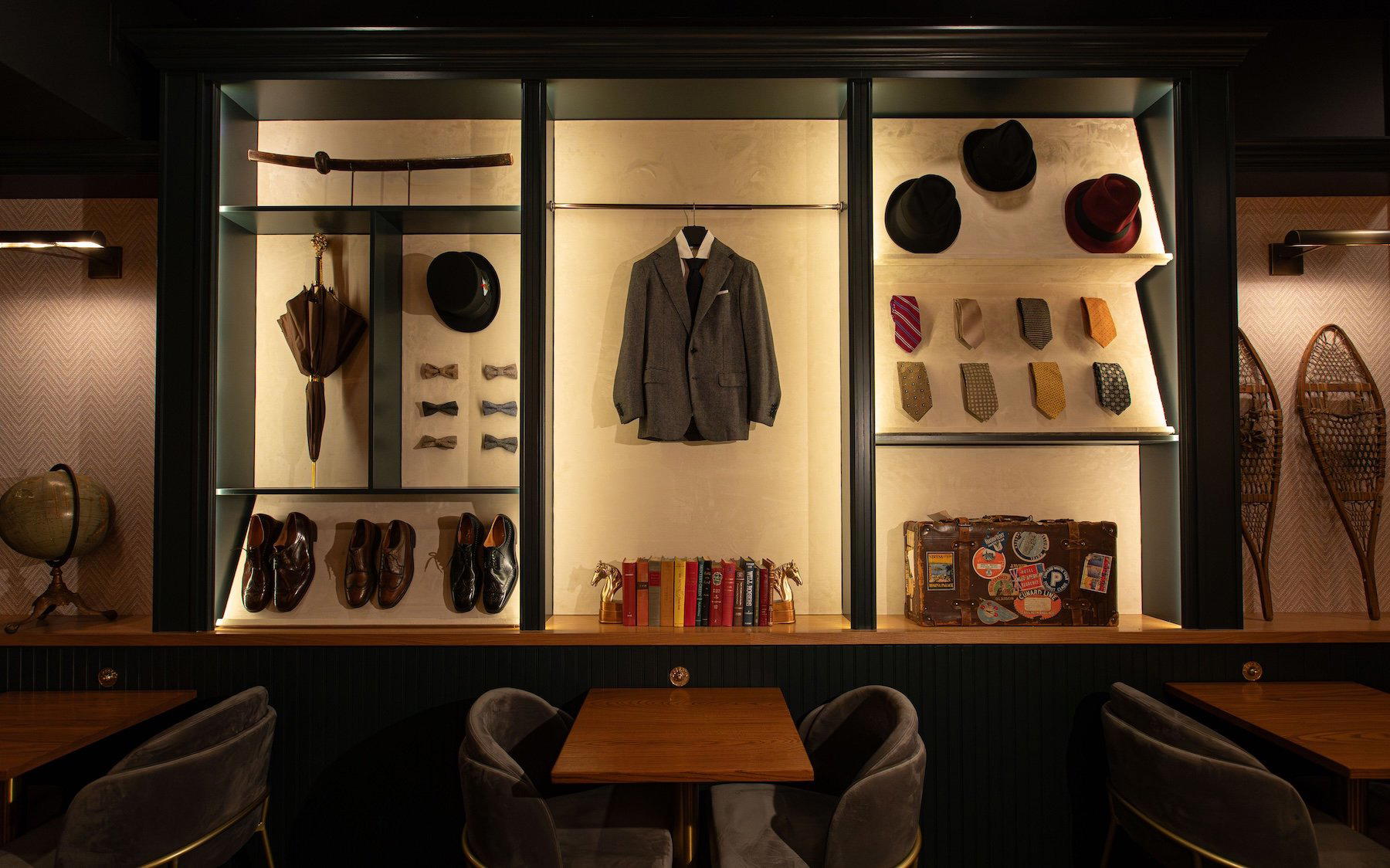
A Name That Carries Weight in a Borough That Has Moved On From Novelty
Williamsburg's bar scene has undergone at least two full cycles of reinvention since the mid-2000s. The first wave traded on raw industrial space and cheap beer. The second built cocktail programs around bitters-forward classicism and seasonal sourcing. The third, where much of Brooklyn now sits, has filtered out the theatrics and doubled down on technical precision. Against that arc, a venue called The Residence of Mr. Moto, at 186 Grand Street, is a bar in Williamsburg, Brooklyn. The name announces itself as something that resists easy categorisation. The name alone implies a narrative framework, a kind of built environment that tells a story rather than simply serving drinks inside one.
That instinct toward concept-driven hospitality is not distinctive to Brooklyn. Bars operating under a fictional or character-based premise have appeared across American cities with varying degrees of discipline. The ones that endure tend to do so because the concept serves the program rather than distracting from it. In New York specifically, the trajectory runs from the speakeasy theatrics of the mid-2000s toward more transparent, craft-led formats. Where The Residence of Mr. Moto sits on that continuum is the question its Grand Street address implicitly poses.
186 Grand Street: What the Address Tells You
Grand Street in Williamsburg is not a destination block in the way that, say, Bedford Avenue once was. It sits south of the L-train corridor that defined early Williamsburg's commercial identity, which means venues here tend to draw intentional visitors rather than foot traffic converts. That geography self-selects for a particular kind of guest: someone who looked up the address, made a plan, and arrived with expectations already formed. For bars with a strong concept identity, that is often an advantage. The audience arrives primed rather than accidental.
Brooklyn's premium bar tier has thinned somewhat since the pandemic reshaped hospitality economics across the borough, with several higher-concept venues consolidating or closing. The survivors have generally been those with either strong neighbourhood roots or a program distinctive enough to generate its own demand. Its continued presence at 186 Grand speaks to some form of operational resilience.
The Evolution of a Concept Bar in New York's Most Competitive Drinking City
New York's cocktail culture has a long tradition of bars that build identities around a specific aesthetic or fictional premise. Angel's Share on the Lower East Side sustained itself through decades of change by anchoring its Japanese-inflected program to genuine craft rather than atmosphere alone. Attaboy NYC, in the former Milk and Honey space, shed the speakeasy mythology entirely and let the bartender-directed, no-menu format carry the identity. Both examples illustrate the same principle: in New York, a concept frame can open a door, but the liquid in the glass determines whether anyone comes back.
The name Mr. Moto carries a specific cultural register, drawn from a mid-century fictional detective figure, which places the venue in a lineage of bars that borrow from noir, spy fiction, or midcentury exotica. That tradition has its own critical history in American hospitality, running from tiki's complicated legacy through to more contemporary takes on immersive theming. The better iterations of that tradition treat the narrative as an atmospheric frame rather than a substitute for program depth. The ones that have struggled typically over-invested in set dressing at the expense of the drinks themselves.
Across American cities, bars operating in this register have found different ways to evolve. Kumiko in Chicago built a Japanese-inspired program around ingredient precision and low-ABV balance, using the cultural reference as a curatorial lens rather than a costume. Bar Leather Apron in Honolulu took a classic-cocktail discipline and applied it to a format that could have easily leaned on tourism. Jewel of the South in New Orleans grounded its identity in documented cocktail history. Each case shows a concept-adjacent bar that chose to let program quality do the narrative work.
Closer to home, New York's own comparable set includes bars like Superbueno, which applies a specific cultural and flavor framework with enough technical rigor to function as a serious drinking destination, and Amor y Amargo, which built one of the city's most focused amaro programs and sustained it across years of competitive pressure. Both demonstrate that identity coherence and program depth can reinforce each other when the execution is disciplined. That is the standard against which any concept bar in New York is now implicitly measured.
Where It Fits Among Williamsburg's Drinking Options
Williamsburg in 2024 operates as a multi-tier bar market. The ground floor is occupied by casual neighbourhood spots and rooftop venues feeding hotel and tourist traffic. The middle tier includes a range of craft cocktail programs with solid but not destination-level ambition. At the leading, a small number of bars generate cross-borough and visitor demand through a combination of program distinction and word-of-mouth momentum. For venues in the concept-driven register, the path to that upper tier runs through the quality of the drink itself, not the depth of the narrative frame around it.
For drinkers who have covered ground at bars like Allegory in Washington, D.C., ABV in San Francisco, or Julep in Houston, and who travel with an eye on bars that use a strong identity to sharpen rather than obscure their programs, The Residence of Mr. Moto represents a particular kind of bet: that the concept and the craft have found a working equilibrium. Whether that bet pays off depends on the visit.
Know Before You Go
- Address: 186 Grand St, Brooklyn, NY 11211
- Neighbourhood: Williamsburg, Brooklyn
- Phone: Check current listings before visiting
- Website: Search current sources for booking availability
- Booking: Walk-ins vary by day and time
- Price range: About $60 per person
- Hours: Mon: 5:30-10 PM; Tue: 5:30-10 PM; Wed: 5:30-10 PM; Thu: 5:30-10 PM; Fri: 5:30-11 PM; Sat: 11:30 AM-3:30 PM, 5:30-11 PM; Sun: 11:30 AM-3:30 PM, 5:30-10 PM
Cost and Credentials
Comparable venues nearby, for context on price, style, and recognition.
| Venue | Cuisine | Price | Notes |
|---|---|---|---|
| The Residence of Mr. MotoThis venue — the venue you are viewing | Not listed | $$$ | Not listed |
| Aldama | Williamsburg, mezcaleria | $$$ | Not listed |
| StEight(behind KUNIYA HAIR) | Lower East Side, speakeasy | $$$ | Not listed |
| The Crosby Bar | Not listed | $$$ | SoHo-Little Italy-Hudson Square, hotel_bar |
| Bistango | Not listed | $$$ | East Midtown-Turtle Bay, wine_bar |
| FIG & OLIVE | Meatpacking | West Village, lounge | $$$ | Not listed |
Continue exploring
More in New York City
Bars in New York City
Browse all →
Restaurants in New York City
Browse all →
Hotels in New York City
Browse all →





At a Glance
- Whimsical
- Cozy
- Intimate
- Elegant
- Date Night
- Casual Hangout
- Speakeasy
- Design Destination
- Seated Bar
- Booth Seating
- Sake
- Craft Cocktails
- Zero Proof
Current opening hours
- Monday
- 5:30–10 PM
- Tuesday
- 5:30–10 PM
- Wednesday
- 5:30–10 PM
- Thursday
- 5:30–10 PM
- Friday
- 5:30–11 PM
- Saturday
- 11:30 AM–3:30 PM, 5:30–11 PM
- Sunday
- 11:30 AM–3:30 PM, 5:30–10 PM
Hours can change for holidays and private events. Last verified .
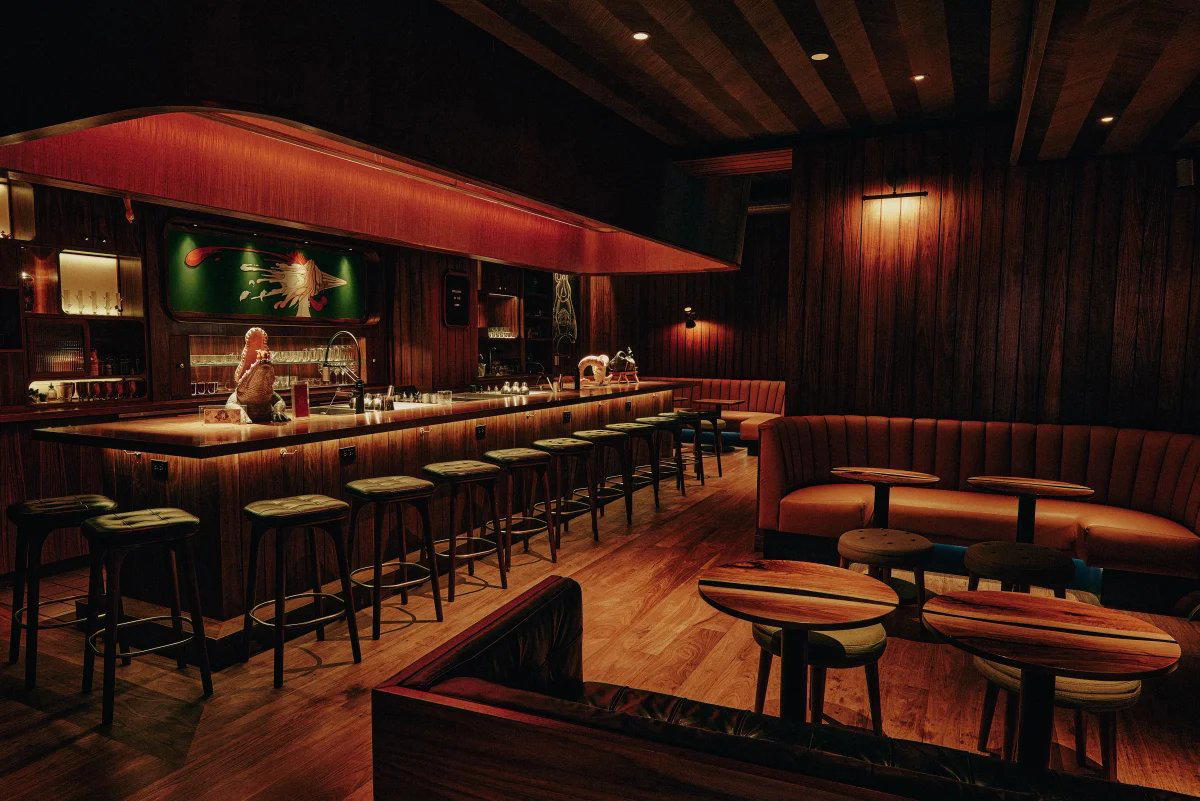
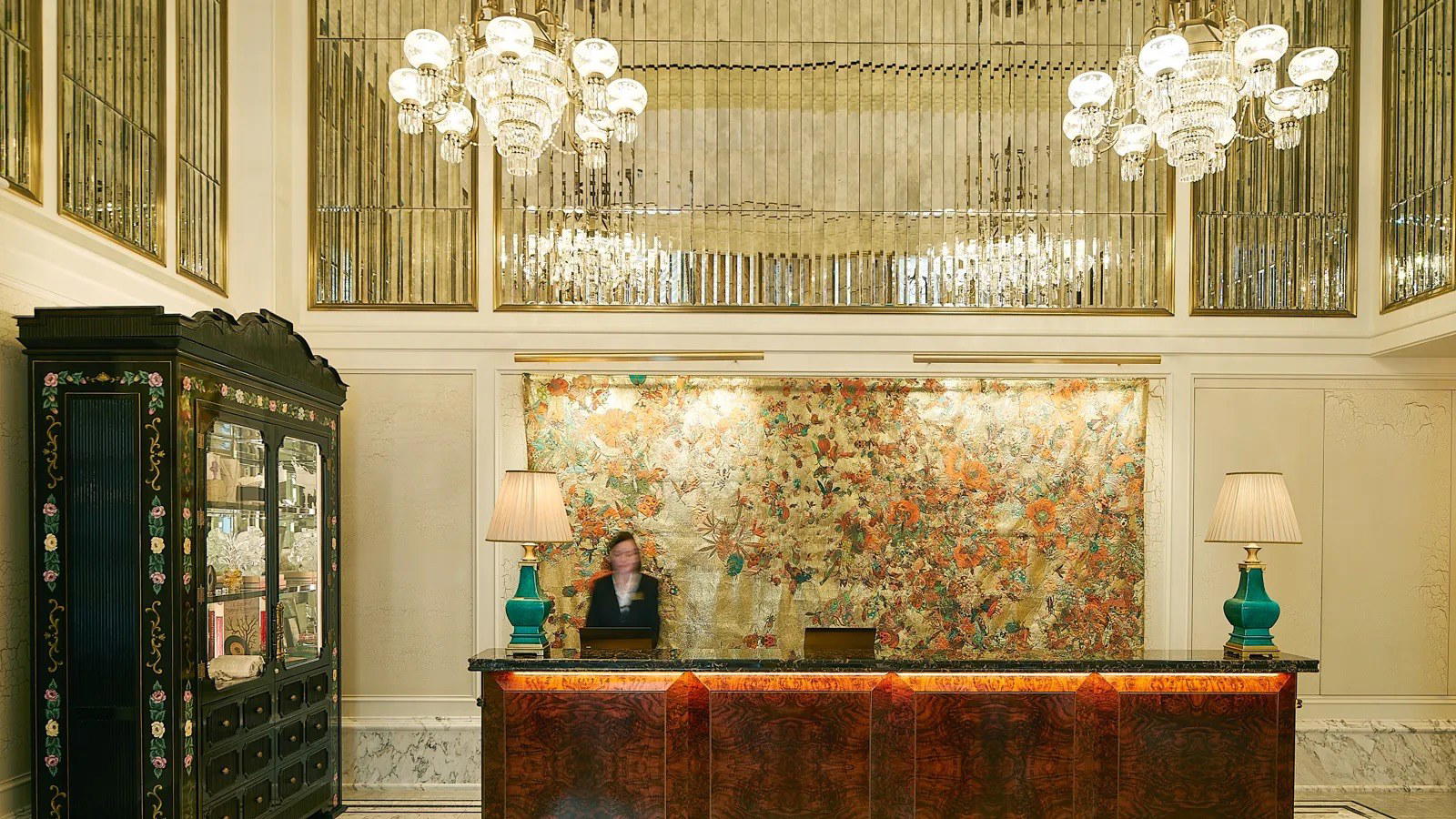
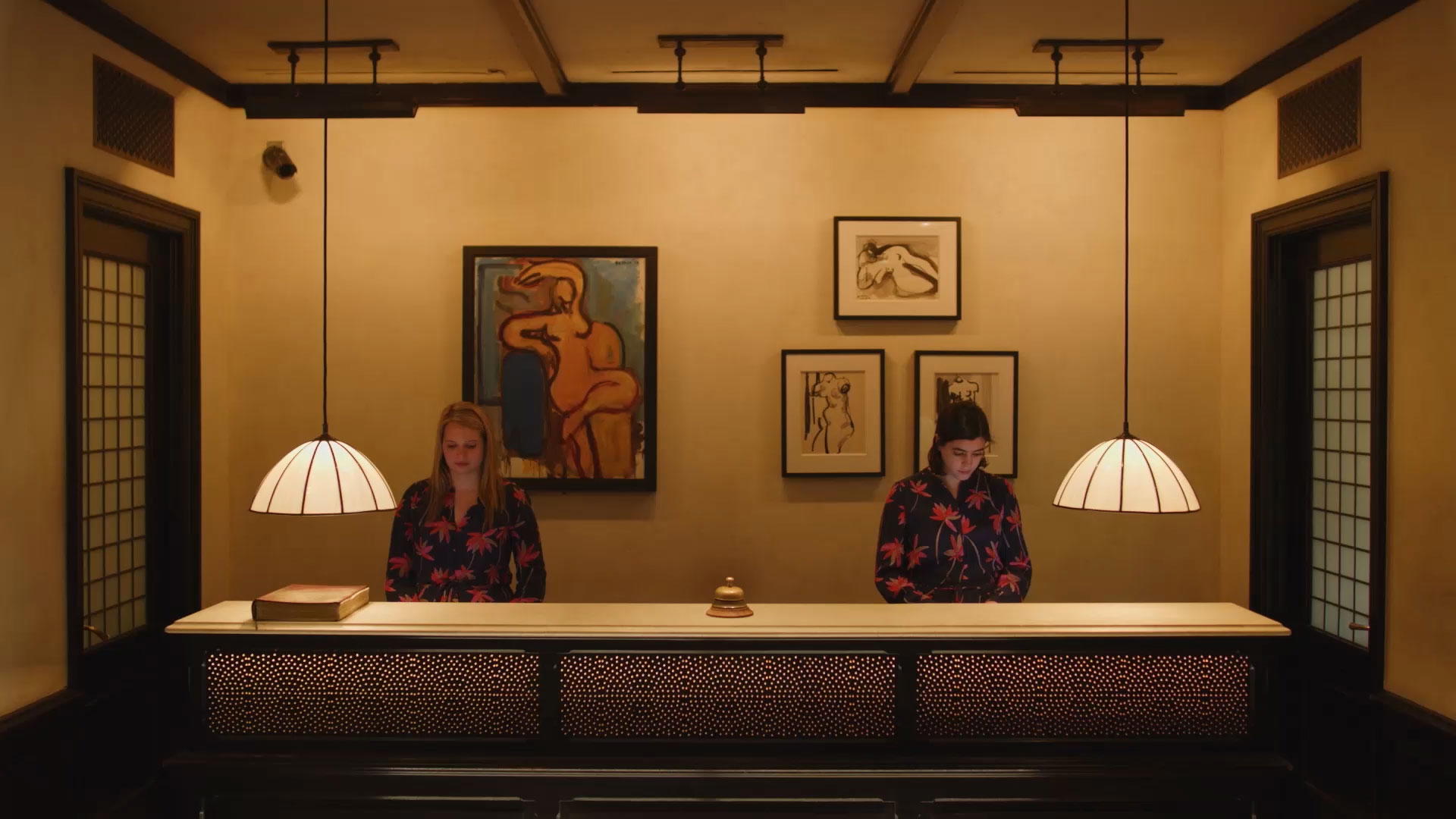
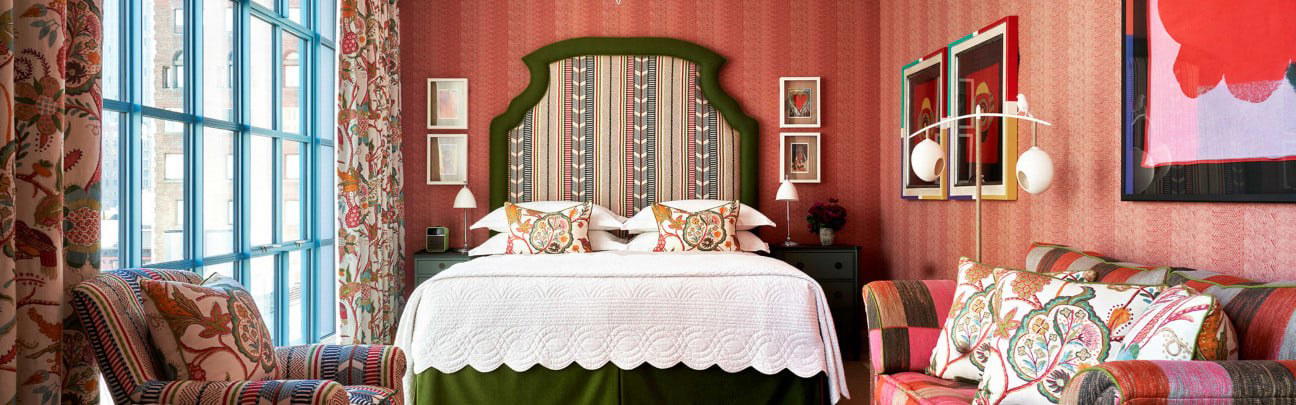
Cozy and nostalgic atmosphere evoking a connoisseur's private residence with design details capturing travel memories, described as high-quality and playful.