Sushi Gala
Located inside Japanese Village Plaza Mall in Little Tokyo, Sushi Gala occupies one of Los Angeles's most distinctly Japanese commercial spaces. The restaurant sits within a pedestrian shopping enclave that has anchored the neighborhood since 1979, placing it inside a dining context shaped more by community continuity than by trend cycles. Booking details and current menu format should be confirmed directly with the venue.
Pearl is the En Primeur Club membership app — saves, bookings, and concierge access live there. Same editors, same standards.
- Address
- 103 Japanese Village Plaza Mall, Los Angeles, CA 90012
- Phone
- +1 213 687 4811
- Website
- sushigala.com
- Directions
- Get directions
 Saves & bookings on Pearl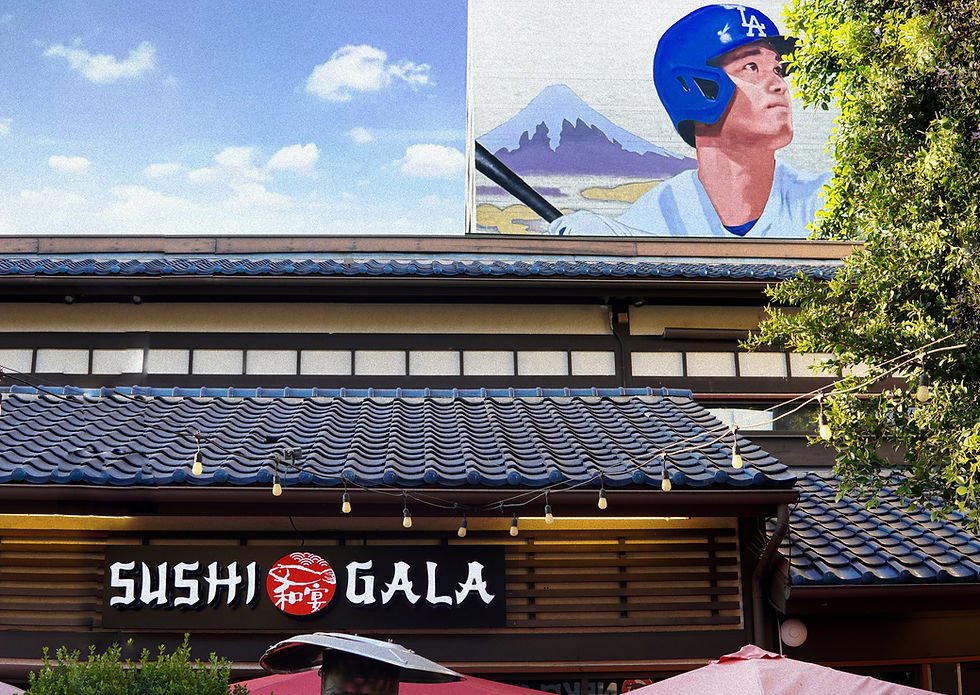
Little Tokyo's Commercial Architecture as Dining Context
Japanese Village Plaza Mall on First Street is one of the few outdoor retail complexes in Los Angeles built explicitly around a Japanese spatial logic: low-rise, pedestrian-scaled, with a pagoda-style fire tower at its entrance that has oriented visitors to the block since the plaza opened in 1979. The mall's design was intentional, a federally supported urban renewal project meant to stabilize Little Tokyo's commercial core, and that origin still shapes what it feels like to walk through it. The covered walkways, the courtyard scale, and the concentration of Japanese businesses give the space a coherence that most American strip malls lack entirely. Sushi Gala is a casual bar at 103 Japanese Village Plaza Mall in Los Angeles.
In Los Angeles, where dining destinations are often isolated within parking-lot blocks or tucked into converted industrial space, the Village Plaza format is genuinely distinct. The physical envelope here is social and communal rather than destination-driven. You arrive on foot from the street, pass through a shared commercial precinct, and encounter the restaurant as part of a neighborhood rather than as an object unto itself. For sushi specifically, that embedded quality carries meaning: the leading sushi districts in Japan, Tsukiji's surrounding streets, Ginza's side alleys, work the same way, locating the restaurant within the logic of the block rather than extracting it from context.
The Sushi Format That Little Tokyo Sustains
Little Tokyo has historically supported a wider range of Japanese restaurant formats than most American cities can. The neighborhood contains everything from fast counter service to multi-room kaiseki dining, and the Village Plaza itself reflects that range. Sushi within this geography occupies a middle register, not the reservation-only omakase tier that has colonized West Hollywood and Beverly Hills pricing, and not the conveyor-belt casual format that dominates food courts elsewhere in Southern California. The Little Tokyo sushi counter tends to operate at a price point and pace that reflects neighborhood patronage rather than tourist extraction: regulars matter, the room turns at a rhythm that accommodates both lunch workers and evening diners, and the menu typically reads as a full à la carte offering rather than a locked tasting sequence.
This is a different competitive set from the omakase counters that generate most of the critical attention in Los Angeles dining. Venues like those in Beverly Hills or the Arts District that charge fixed tasting prices of $200 and above are addressing a different customer entirely. The Village Plaza sushi format is closer to what the neighborhood has always done, accessible, consistent, rooted in the day-to-day dining habits of the Japanese-American community that has occupied Little Tokyo for over a century. That community continuity is itself a quality signal, though one that doesn't translate into Michelin stars or 50 Best placements.
Space, Seating, and the Physical Logic of Sushi
Sushi restaurants live and die by their spatial decisions. The counter versus table divide is not merely aesthetic, it determines the relationship between kitchen and guest, the pacing of service, and whether the meal feels like theater or transaction. Counter seating, in traditional sushi culture, positions the guest as a direct participant in the work: the chef is visible, the fish case is in front of you, the cuts happen in real time. Table seating separates you from that process and turns the meal into delivery rather than dialogue.
Within the Village Plaza's footprint, the physical constraints of a mall unit impose their own logic. The space tends toward modest square footage, which in practice often means a tighter room with fewer tables and a counter that becomes the social center of the experience. That compression can work in a sushi restaurant's favor: it creates proximity, reduces the ambient noise differential between kitchen and dining room, and makes the meal feel contained rather than cavernous. The larger sushi halls that operate in suburban Southern California, rooms built to handle volume, trade that intimacy for throughput, and the guest experience reflects it. Smaller, denser rooms demand more from both kitchen and front-of-house, and when they work, they work in a way that larger formats rarely replicate.
Placing Sushi Gala in the Los Angeles Drinking and Dining Circuit
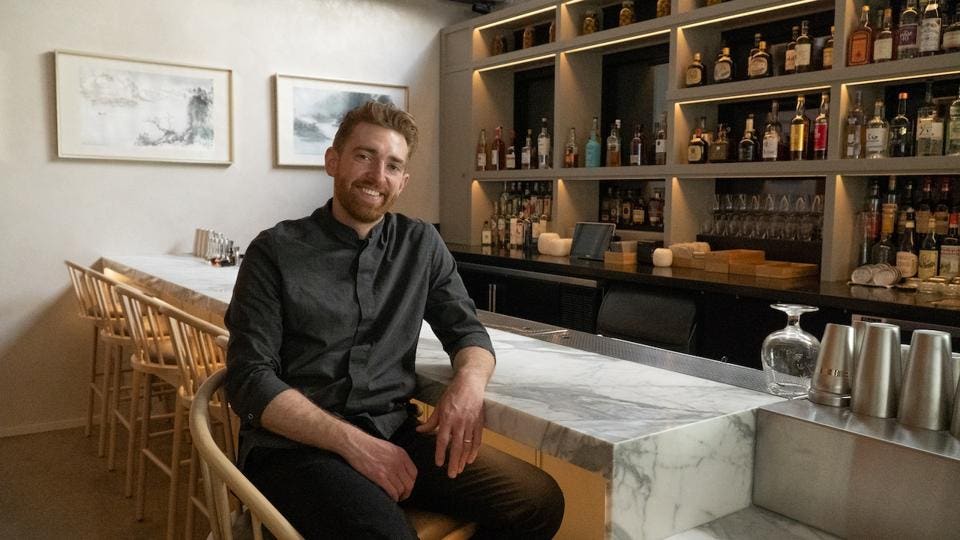
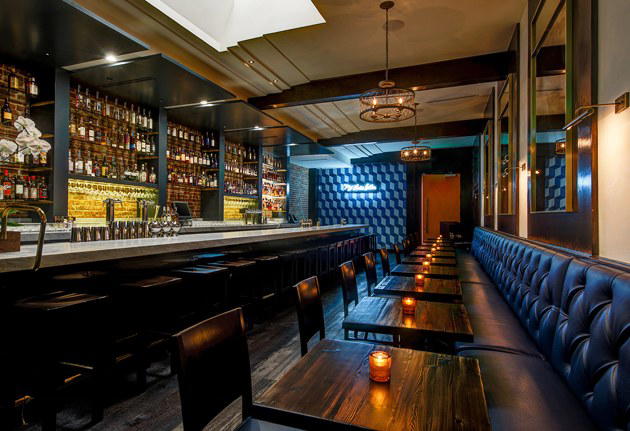
Little Tokyo sits within easy reach of Downtown Los Angeles's broader hospitality corridor, which means a meal in the Village Plaza can anchor an evening that extends into the surrounding neighborhood's bars and late-night options. Los Angeles's cocktail bar scene has matured considerably over the past decade, and several venues worth knowing about operate within the city's broader geography: Bar Next Door, Death & Co (Los Angeles), Mirate, and Standard Bar each represent different points on that spectrum, from program-driven technical work to neighborhood accessibility.
Bar Leather Apron in Honolulu, Jewel of the South in New Orleans, Julep in Houston, Kumiko in Chicago, Superbueno in New York City, ABV in San Francisco, and The Parlour in Frankfurt on the Main are all covered in full.
Planning Your Visit
The address, 103 Japanese Village Plaza Mall, Los Angeles, CA 90012, places the restaurant in the heart of Little Tokyo, accessible by Metro A Line and E Line from Union Station, which is two blocks east. Street parking in the surrounding blocks is available but competes with courthouse and civic center traffic during weekday hours; the Metro connection is the more reliable option for evening visits.
| Venue | Neighborhood | Format | Booking Method |
|---|---|---|---|
| Sushi Gala | Little Tokyo | Not confirmed | |
| Mirate | Los Angeles | Not confirmed | See venue |
| Bar Next Door | Los Angeles | Bar | See venue |
| Death & Co (LA) | Los Angeles | Bar | See venue |
| Standard Bar | Los Angeles | Bar | See venue |
Booking and Cost Snapshot
Comparable venues nearby, for context on price, style, and recognition.
| Venue | Cuisine | Price | Notes |
|---|---|---|---|
| Sushi GalaThis venue — the venue you are viewing | Little Tokyo, Bar | $$ | Not listed |
| Brooklyn Ave Pizza Co. | Boyle Heights, lounge | $$ | Not listed |
| Stanley's Wet Goods | Not listed | $$ | Palms, wine_bar |
| Tabula Rasa | Not listed | $$ | Thai Town, wine_bar |
| Bar Keeper | Silver Lake, Bar | $$ | Not listed |
| Bar Besito | Silver Lake, lounge | Not listed | Not listed |
Continue exploring
More in Los Angeles
Bars in Los Angeles
Browse all →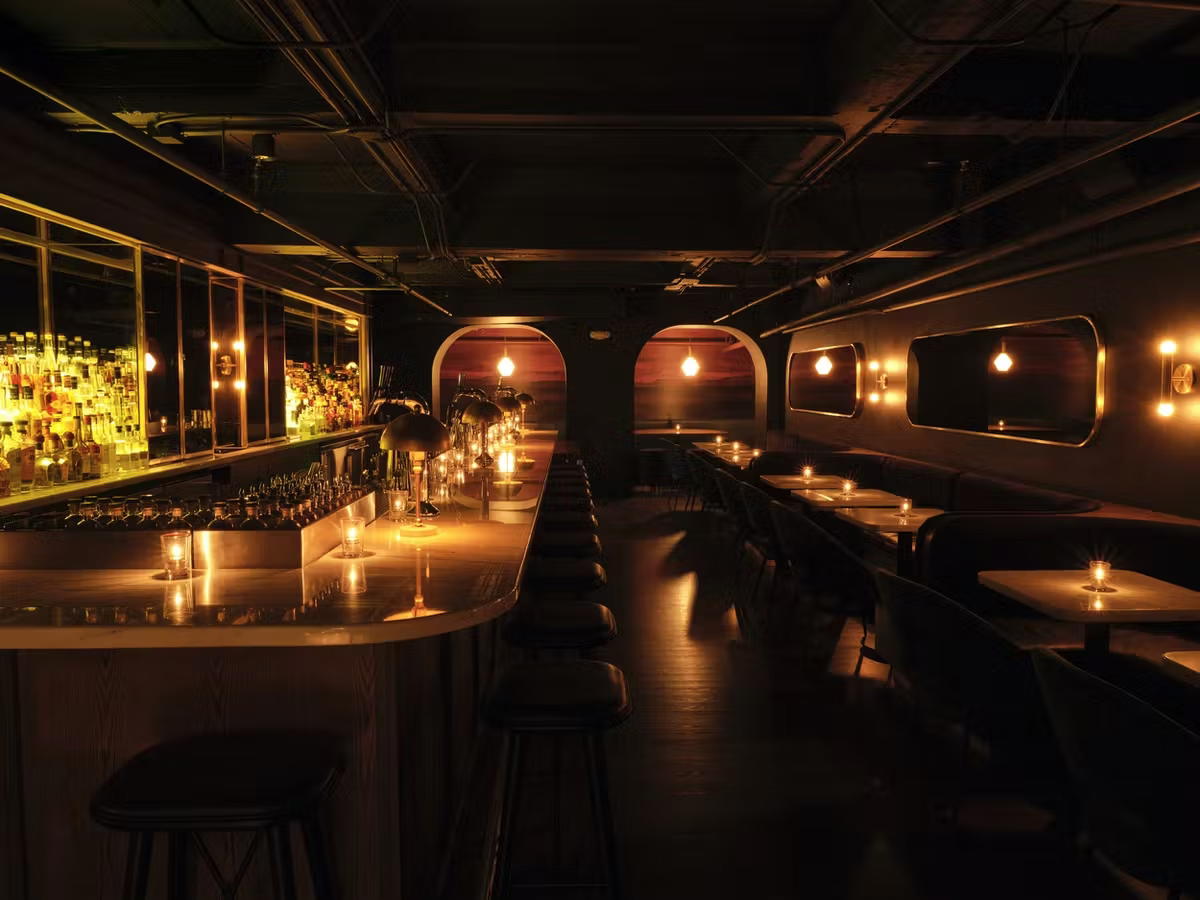
Restaurants in Los Angeles
Browse all →
Hotels in Los Angeles
Browse all →
Wineries in Los Angeles
Browse all →
At a Glance
- Modern
- Trendy
- Casual Hangout
- Outdoor Terrace
Current opening hours
- Monday
- 11 AM–9 PM
- Tuesday
- 11 AM–9 PM
- Wednesday
- 11 AM–9 PM
- Thursday
- 11 AM–9 PM
- Friday
- 11 AM–10 PM
- Saturday
- 11 AM–10 PM
- Sunday
- 11 AM–9 PM
Hours can change for holidays and private events. Last verified .
Casual bustling atmosphere in Little Tokyo with outdoor patio dining.