Brooklyn Ave Pizza Co.
On East Cesar Chavez Avenue in Boyle Heights, Brooklyn Ave Pizza Co. operates in one of Los Angeles's most historically layered corridors, where the street's former name still carries weight. The pizza format connects to a neighbourhood identity that runs deeper than the menu, placing it in the conversation about what community-anchored dining looks like in a city that rarely slows down long enough to define the term.
Pearl is the En Primeur Club membership app — saves, bookings, and concierge access live there. Same editors, same standards.
- Address
- 2706 E Cesar E Chavez Ave, Los Angeles, CA 90033
- Phone
- +1 323 968 1106
- Website
- brooklynavepizzaco.com
- Directions
- Get directions
 Saves & bookings on Pearl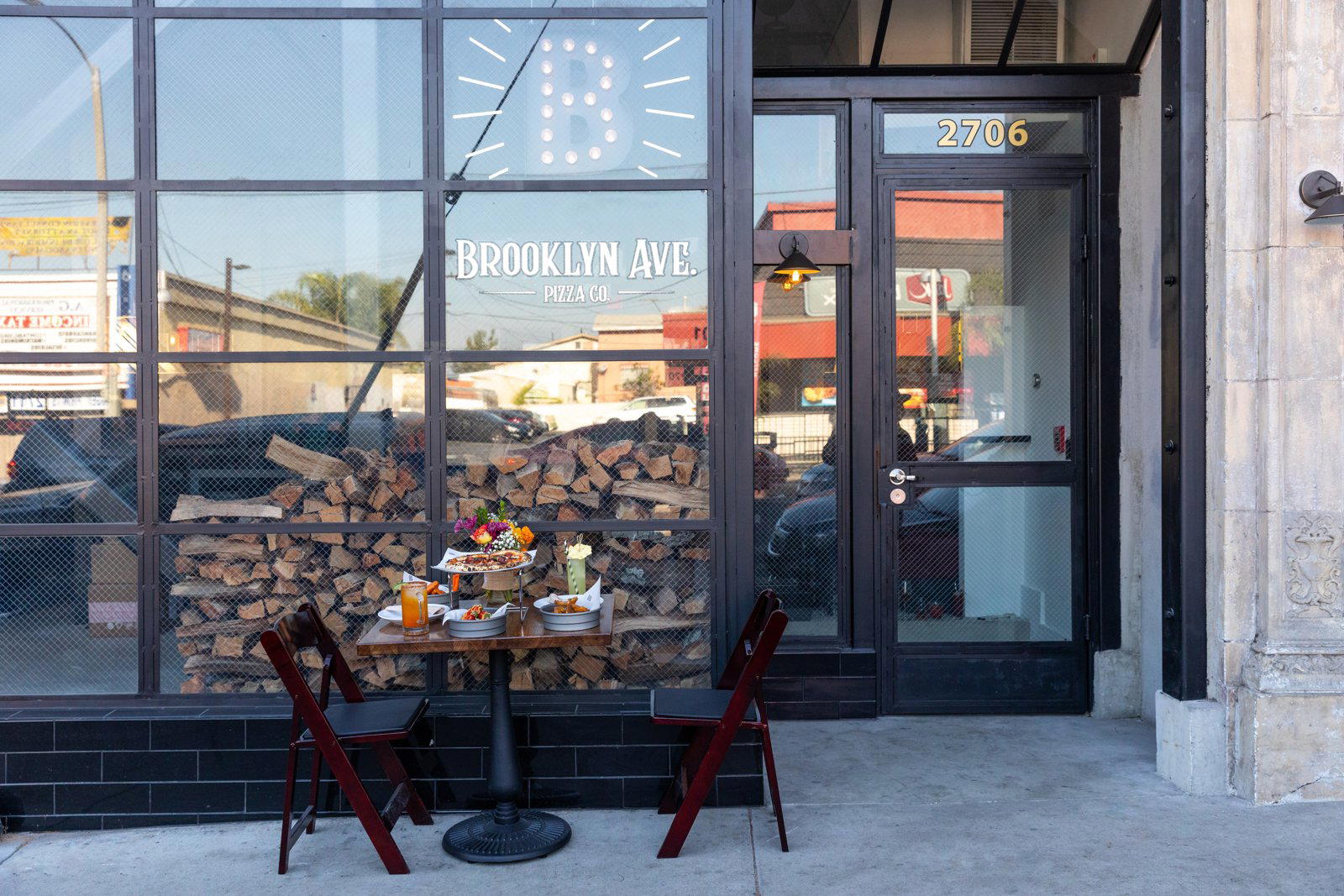
A Street With Memory
East Cesar Chavez Avenue runs through Boyle Heights with a directness that most of Los Angeles avoids. The neighbourhood has been home to successive waves of immigrant communities since the early twentieth century, and the street itself, known for decades as Brooklyn Avenue before the 1994 renaming in honour of the civil rights leader, carries both identities simultaneously in the way only streets in historically dense urban corridors do. Brooklyn Ave Pizza Co. takes its name from that older designation, anchoring itself in the neighbourhood's layered past.
In a city where the conversation about pizza has largely been dominated by west-side establishments importing New York or Neapolitan credentials, a pizza operation on this stretch of East LA positions itself differently. The reference point is the neighbourhood first, the format second. That ordering matters in Boyle Heights, where commercial identity tends to reflect the community it serves rather than aspirational demographics elsewhere in the city.
What the Format Signals
Pizza, as a format, has undergone significant reappraisal across American cities in the past decade. The distinction between wood-fired Neapolitan, New York-style foldable slices, Detroit-style pan, and California-inflected variations has sharpened into something approaching competitive positioning. Where a pizza operation lands on that spectrum communicates intent as clearly as a menu description. Operations that commit to a specific regional tradition are read as serious; those that hedge tend to read as broadly commercial.
Brooklyn Ave Pizza Co.'s address places it in a corridor that has historically supported counter-service and community-oriented formats rather than sit-down destination dining. The broader East Cesar Chavez stretch includes taquerias, panaderías, and small-format restaurants that function as neighbourhood infrastructure rather than destination draws. A pizza operation in this context reads as an extension of that logic, prioritising the regulars who live and work within walking distance over visitors arriving specifically for the address.
This is a meaningful distinction in Los Angeles, where the distance between neighbourhoods is large enough that dining decisions function as genuine commitments. The city's west-side pizza conversation, centred on places in Silver Lake, Los Feliz, and beyond, involves a different set of assumptions about who is travelling and why. Boyle Heights operates with its own internal logic, and the venues that understand that tend to build more durable local relevance than those that apply a universal playbook.
Collaboration as Operational Model
In smaller-format pizza operations, the distinction between kitchen execution, front counter rhythm, and community relationship is less a matter of department separation than it is of shared fluency. The team dynamic in a neighbourhood pizza shop functions differently from a full-service restaurant: the person taking your order often knows what you usually get; the person making it can hear what's happening at the counter. That proximity, when it works, produces a kind of operational efficiency that larger formats cannot replicate through training programs alone.
This collaborative compression of roles is part of what defines community-anchored food operations in neighbourhoods like Boyle Heights. The front of house is not a staging area for a separate kitchen experience; it is the experience. Regulars calibrate their expectations accordingly, and the quality of those relationships tends to be a more accurate signal of a place's durability than any external recognition.
For visitors arriving from outside the neighbourhood, the implication is practical: the interaction at the counter is part of what you are there for, not a transaction that precedes the meal. Operations that have built genuine community standing in Boyle Heights tend to be less interested in performing hospitality for newcomers than in sustaining the relationships that have kept them relevant to the people who live nearby.
The East LA Pizza Conversation
Los Angeles's pizza identity has historically been underwritten by individual neighbourhoods rather than a single citywide tradition. The result is a more fragmented map than New York or Chicago, where dominant regional styles provide a common reference point. In Los Angeles, the question is less "what style?" than "which neighbourhood?" and the answer shifts the comparable set entirely.
East LA and Boyle Heights have not historically been the centre of the city's pizza media coverage, which has concentrated on areas with higher concentrations of food press and social media infrastructure. That imbalance in coverage does not reflect an imbalance in quality; it reflects an imbalance in whose dining habits get documented. Operations in Boyle Heights that have built consistent local followings have done so without the amplification that accompanies a Silver Lake or Highland Park opening.
Drinking Alongside the Slice
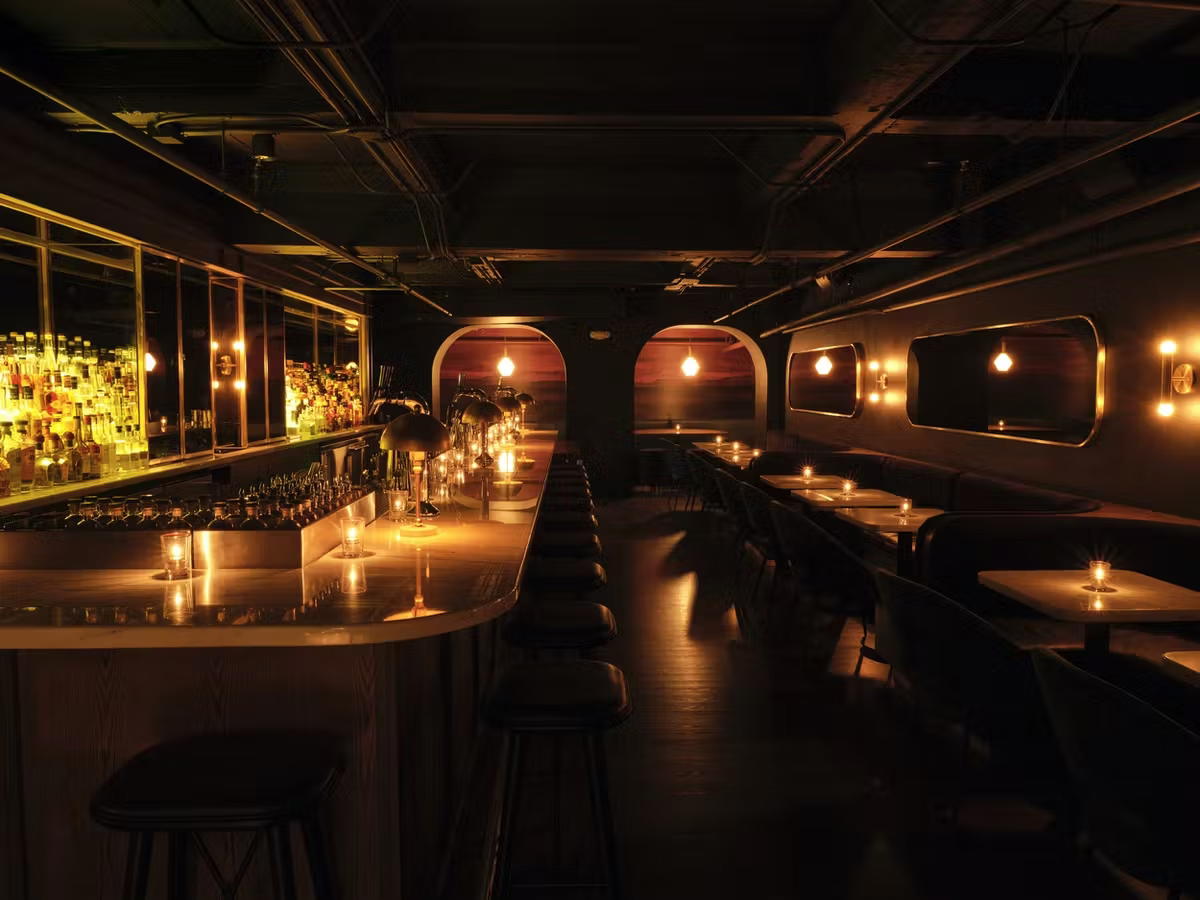
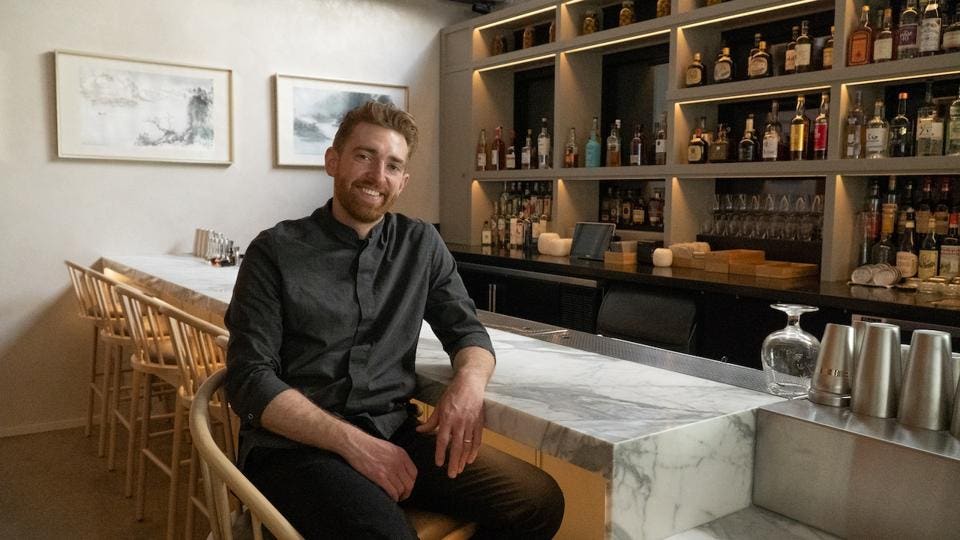
The question of what to drink with pizza in a neighbourhood context is answered differently than in a full-service restaurant. Counter-service and casual formats tend to favour beer, soft drinks, or direct wine options rather than curated cocktail programs. The cocktail programs that have built reputations in Los Angeles occupy a different tier: Death & Co (Los Angeles) and Bar Next Door represent the technically ambitious end of the city's bar scene, while Mirate and Standard Bar occupy different positions in the broader Los Angeles drinking conversation.
Comparable neighbourhood-anchored programs elsewhere in the United States include ABV in San Francisco, which operates at the intersection of community bar and serious spirits list, and Superbueno in New York City, where the neighbourhood context shapes the drinking format as much as the menu does. Further afield, Kumiko in Chicago, Jewel of the South in New Orleans, Julep in Houston, Bar Leather Apron in Honolulu, and The Parlour in Frankfurt on the Main each illustrate how neighbourhood identity shapes what a bar program prioritises.
Where the Accolades Land
Comparable venues nearby, for context on price, style, and recognition.
| Venue | Cuisine | Price | Notes |
|---|---|---|---|
| Brooklyn Ave Pizza Co.This venue — the venue you are viewing | lounge | $$ | Not listed |
| Canter's Deli | lounge | $$ | Beverly Grove |
| Bar Bandini | wine_bar | $$ | Echo Park |
| The Red Lion Tavern | beer_bar | $$ | Silver Lake |
| Bar Besito | lounge | Not listed | Silver Lake |
| Father's Office | beer_bar | $$ | Helms District |
Continue exploring
More in Los Angeles
Bars in Los Angeles
Browse all →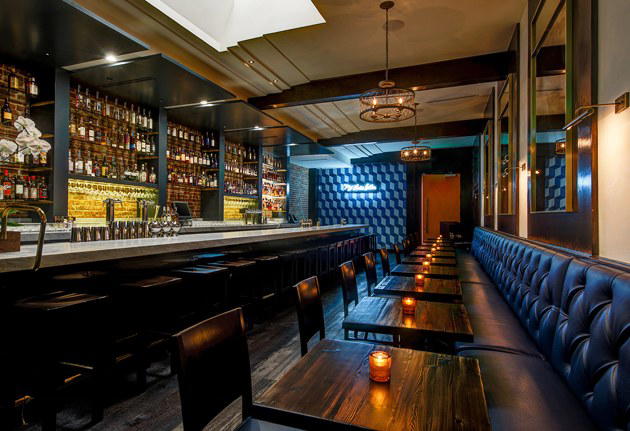

Restaurants in Los Angeles
Browse all →
Hotels in Los Angeles
Browse all →

Wineries in Los Angeles
Browse all →
At a Glance
- Trendy
- Cozy
- Lively
- Casual Hangout
- Group Outing
- Live Music
- Historic Building
- Seated Bar
- Communal Tables
Current opening hours
- Monday
- Closed
- Tuesday
- 11 AM–10 PM
- Wednesday
- 11 AM–10 PM
- Thursday
- 11 AM–10 PM
- Friday
- 11 AM–11 PM
- Saturday
- 11 AM–11 PM
- Sunday
- 11 AM–10 PM
Hours can change for holidays and private events. Last verified .
Casual family-style pizzeria with a creative, homey atmosphere in a historic building.