Strange Roots Experimental Ales
Strange Roots Experimental Ales operates out of Millvale, Pennsylvania, a small borough across the Allegheny River from Pittsburgh where industrial space has quietly attracted a wave of independent producers. The brewery sits at 501 E Ohio St and anchors the experimental end of Pittsburgh's craft beer scene, where wild fermentation, local forage, and unconventional ingredients define the production philosophy rather than core lager or IPA formats.
Pearl is the En Primeur Club membership app — saves, bookings, and concierge access live there. Same editors, same standards.
- Address
- 501 E Ohio St, Millvale, PA 15209
- Phone
- +1 915 209 5105
- Website
- strangerootsbeer.com
- Directions
- Get directions
 Saves & bookings on Pearl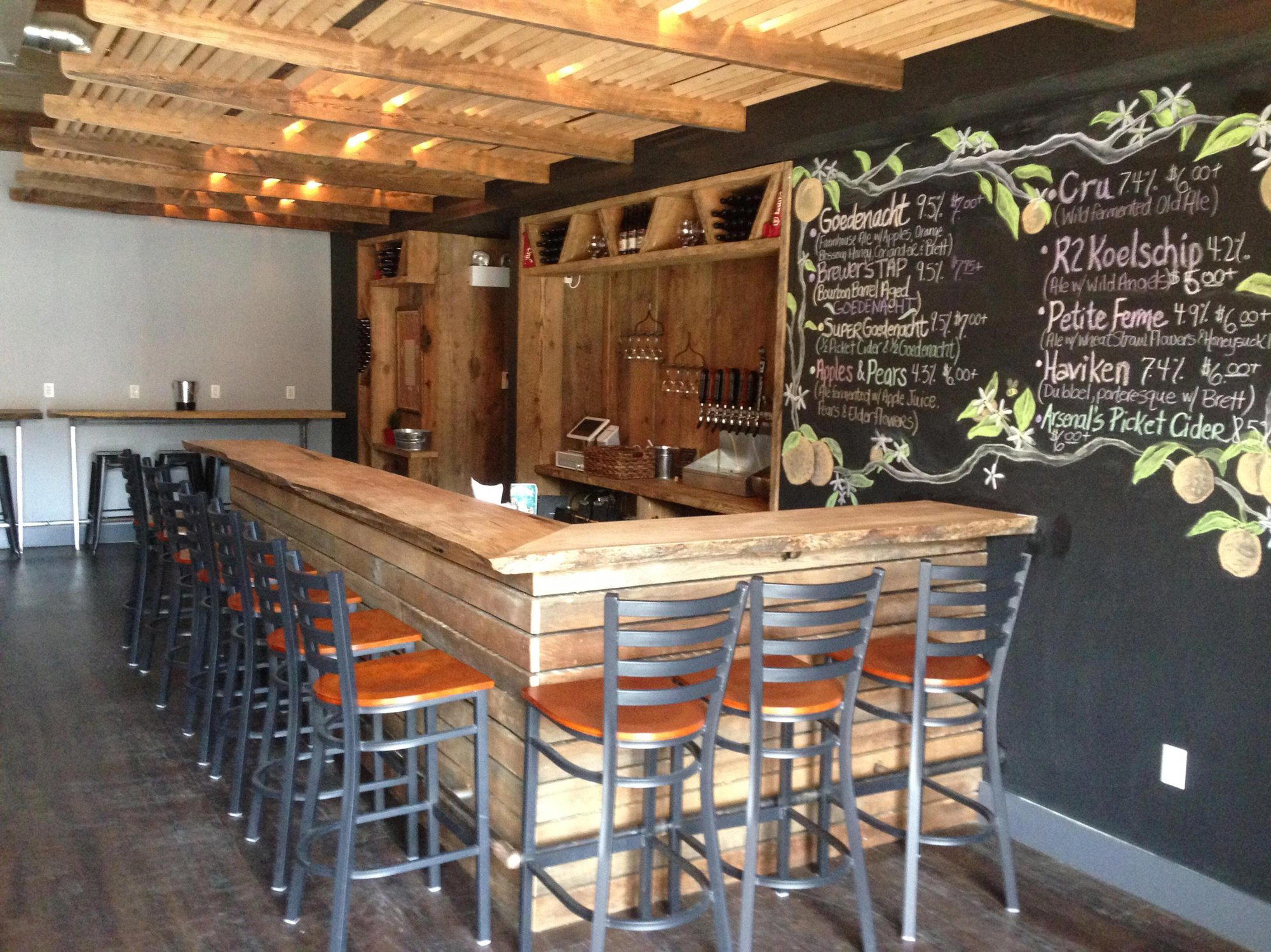
Millvale's Experimental Edge
Pittsburgh's craft beer geography has sorted itself clearly over the past decade. The city's core neighborhoods — Lawrenceville, East Liberty, the Strip District — attract volume-driven taprooms and production facilities built for throughput. Millvale, the small borough directly across the Allegheny River from the city's north shore, has attracted something different: a cluster of independent producers and creative operations that operate at the margins of their respective categories. Strange Roots Experimental Ales at 501 E Ohio St sits inside that pattern, occupying a borough that functions less as a tourist circuit and more as a working-class creative corridor with genuine character. For anyone tracing our full Millvale restaurants guide, the brewery is among the first anchors worth understanding.
What defines experimental brewing as a category is worth stating plainly. It is not simply the absence of conventional ingredients. The serious end of the genre involves spontaneous or mixed-culture fermentation, extended aging timelines, locally sourced adjuncts (foraged botanicals, regional honey, orchard fruit), and a willingness to work with results that are genuinely unpredictable batch to batch. The comparison is not incidental, the techniques, the ingredient sourcing, and the bottle-aging programs in experimental ale share methodology with low-intervention wine production in ways that standard brewing does not.
What the Programme Actually Involves
The experimental ales category in the United States has produced two broad camps. One group applies wild fermentation or unusual ingredients as a finishing gesture on otherwise conventional beer structures. The other starts with the experiment as the premise: the base beer, the culture, and the aging vessel are all variables, not constants. Strange Roots falls into the latter camp, where the outcome of any given batch is understood to vary and that variation is treated as information rather than error.
This approach puts the brewery in a direct conversation with some of the more technically demanding programs in American craft beverage. Operations like Canon in Seattle, with its documented depth across fermented and distilled categories, or Kumiko in Chicago, which approaches beverage through a rigorous ingredient-logic framework, represent the kind of discipline that experimental brewing aspires to at its most serious. The ambition is similar even if the format is different: build a program around process and provenance rather than crowd-tested flavor profiles.
Within Pittsburgh specifically, the brewery occupies a position that has little direct competition. The city's taproom scene is concentrated on accessible formats, hazy IPAs, pastry stouts, the occasional lager program. A producer working with wild cultures, extended conditioning, and locally foraged ingredients is addressing a narrower audience and doing so with a different production logic altogether. That narrowness is not a limitation in this context; it is the point. The most interesting beverage programs in American cities right now tend to operate in exactly this register: technically serious, limited in output, and legible primarily to drinkers who already understand the category.
Drinking Here in Context
The experience of a taproom built around experimental production differs structurally from a conventional bar visit. There is no fixed cocktail menu in the sense that Jewel of the South in New Orleans or Julep in Houston would maintain, programs built on codified technique and consistent execution. What you find instead is a rotating draft and bottle list shaped by what has finished conditioning, what the current harvest cycle produced, and what the house cultures are doing in a given season. That seasonal variability is the feature. Returning visitors often find materially different offerings from one quarter to the next.
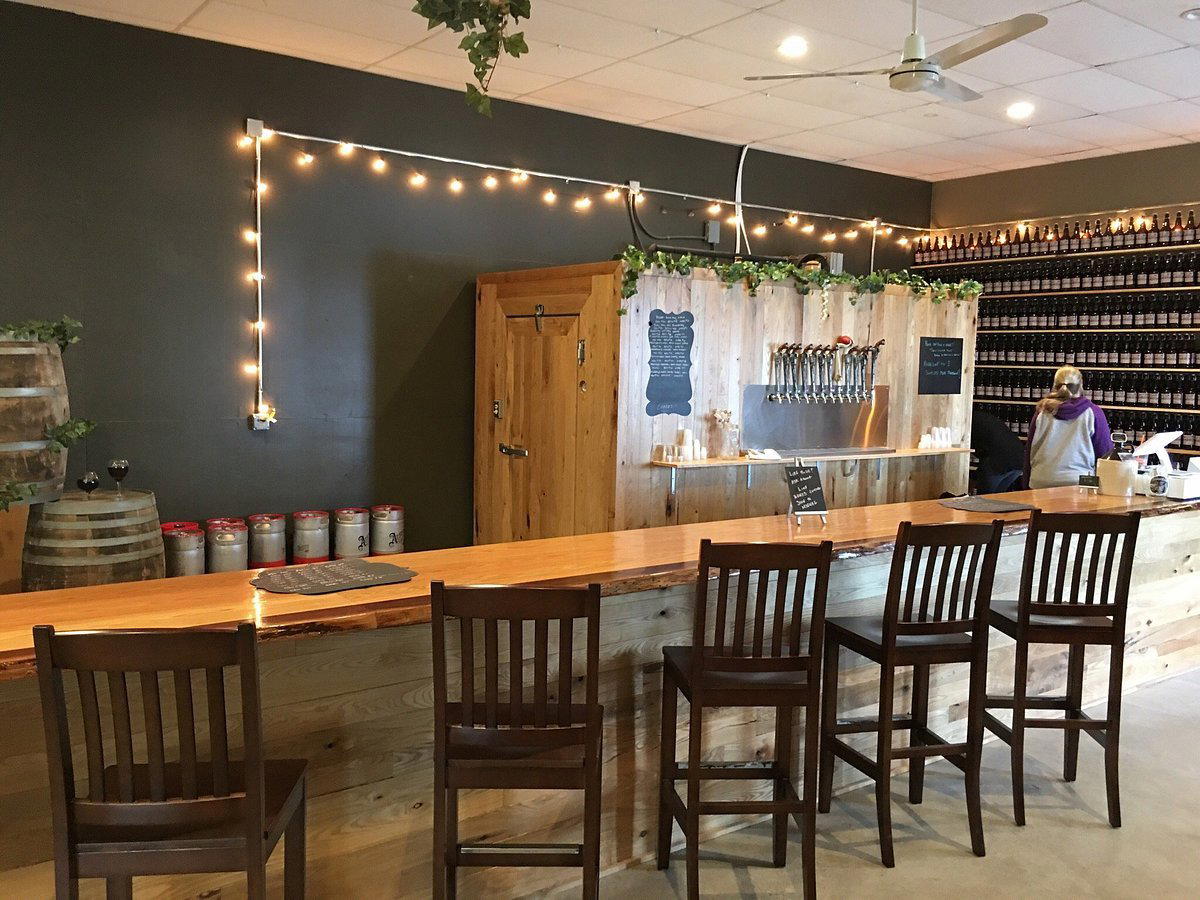
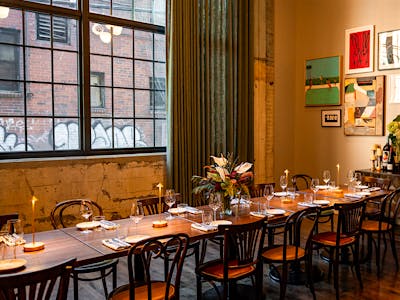
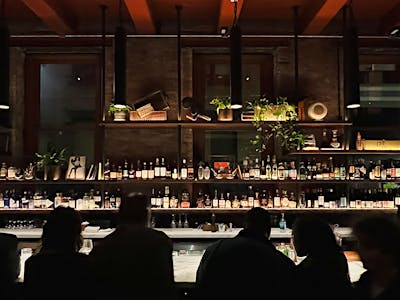
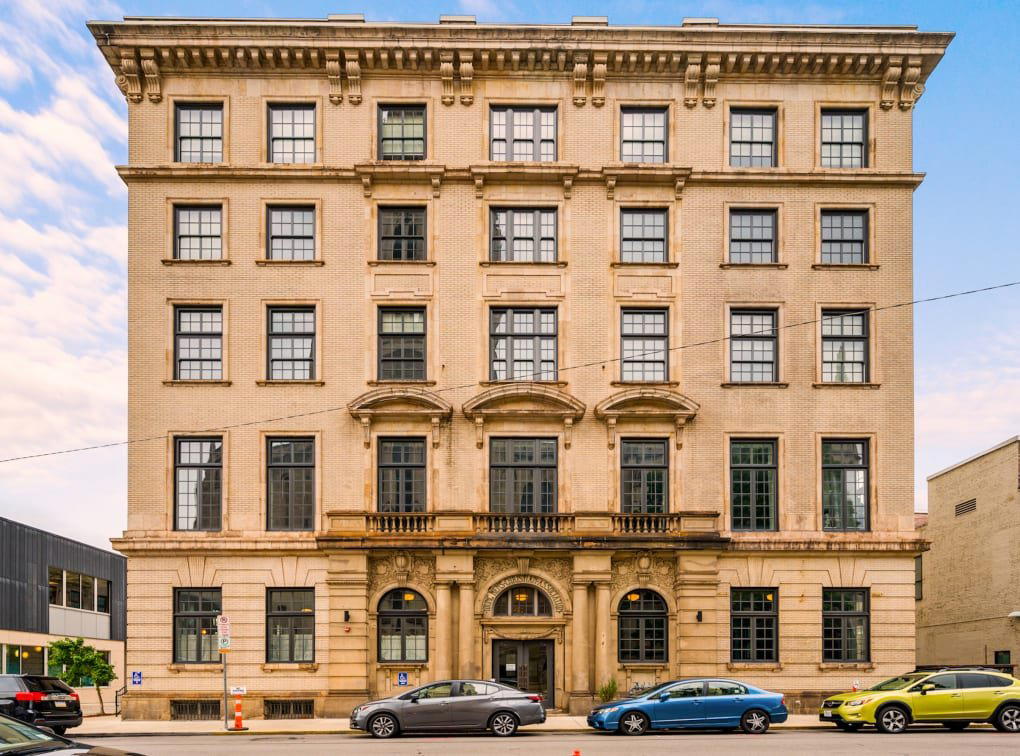
The physical environment at 501 E Ohio St reflects Millvale's industrial character: the borough has a density of former manufacturing and warehouse space that has been absorbed into small creative operations without significant renovation aesthetics. This is not the polished exposed-brick taproom of Lawrenceville. The atmosphere reads more like a working production facility that happens to have seating, which is consistent with how most serious experimental breweries in the United States present themselves. The priority is the liquid, not the room. For drinkers accustomed to the design-forward bar programs of, say, Allegory in Washington, D.C. or Superbueno in New York City, the register here is deliberately less curated and more functional.
That functional honesty is part of what makes Millvale's small producer scene coherent as a destination. The borough draws drinkers and eaters who are looking for production logic rather than atmosphere production, and Strange Roots fits that expectation precisely.
Placing Strange Roots in the National Conversation
The experimental ale tier in the United States has produced a handful of genuinely influential operations over the past fifteen years, producers whose work on wild fermentation and local ingredient sourcing has shifted how the category is understood. Strange Roots is part of a second wave that has absorbed those lessons and is applying them in markets outside the primary craft beer corridors of Vermont, California, and the Pacific Northwest. Pittsburgh is not the first city you would associate with experimental fermentation, which makes its presence in Millvale more significant as a signal about where the category is expanding.
For reference, the bar programs that most closely parallel the intellectual ambition of experimental ale, the commitment to sourcing logic, batch-to-batch variation as a design principle, and a willingness to educate the drinker rather than flatter them, include operations like ABV in San Francisco, Bar Leather Apron in Honolulu, and Bitter and Twisted in Phoenix. The format is different across all of these, but the underlying discipline, prioritizing process and provenance, resisting the easiest commercial choices, places them in a shared category of seriousness. Bar Kaiju in Miami and The Parlour in Frankfurt extend that conversation internationally, demonstrating that the appetite for technically ambitious beverage programs is not confined to the obvious American markets. Strange Roots fits inside this broader movement from the particular vantage point of a small Pennsylvania borough that most travelers would pass without stopping.
Planning Your Visit
Strange Roots Experimental Ales is located at 501 E Ohio St in Millvale, Pennsylvania, a short drive or rideshare from central Pittsburgh, with the Allegheny River serving as the only meaningful separation from the city's north side. Because specific hours, booking requirements, and current draft lists are subject to change with production cycles, checking directly with the brewery before visiting is the practical approach for any serious planning. The nature of experimental production means availability of specific releases cannot be guaranteed, and visits timed around a particular batch or seasonal release require advance confirmation. The format skews casual; there is no dress code implied by either the borough's character or the production-focused taproom model. Walk-ins are likely accommodated during regular taproom hours, though release events or bottle-share occasions in this category sometimes draw focused crowds.
At a Glance
- Rustic
- Cozy
- Trendy
- Industrial
- Casual Hangout
- Group Outing
- Beer Garden
- Outdoor Terrace
- Communal Tables
- Craft Beer
Current opening hours
- Monday
- Closed
- Tuesday
- Closed
- Wednesday
- 4–9 PM
- Thursday
- 4–9 PM
- Friday
- 4–9 PM
- Saturday
- 12–9 PM
- Sunday
- Closed
Hours can change for holidays and private events. Last verified .
Laid-back and funky with a spacious outdoor setting, live music, and friendly service.
Know Before You Go
- Getting there
- 501 E Ohio St, Millvale, PA 15209