The space's industrial bones and deliberately low-lit rooms define its physical character as much as its programming. For visitors, it sits within a neighbourhood that has repositioned itself as a centre of Berlin's alternative nightlife over the past two decades.
- Address
- Rollbergstraße 26, 12053 Berlin, Germany
- Phone
- +49 30 57702270
- Website
- schwuz.de
- Directions
- Get directions
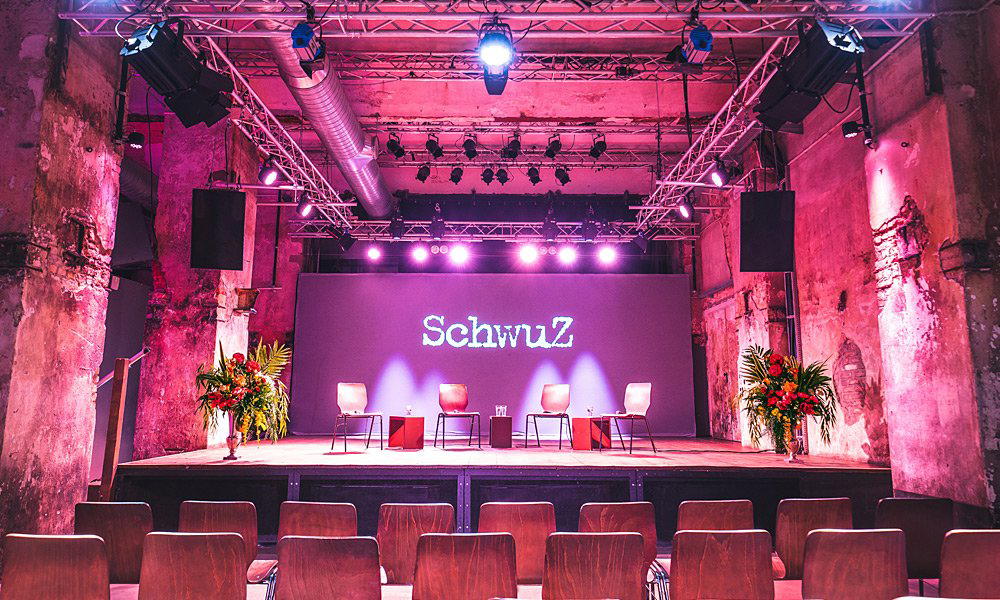
Neukölln's Queer Night Architecture
Berlin's nightlife has always been sorted by geography as much as genre. The architecture here is not decoration. It is the program.enprimeurclub.com/bars/buck-breck-berlin">Buck & Breck in Mitte, or large multi-room clubs where the physical layout generates distinct atmospheres under one roof. SchwuZ falls into the second category, and its address in Neukölln places it in the neighbourhood that has most consistently absorbed Berlin's alternative social scenes as Mitte rents pushed them south and east.
The Physical Container
The brewery bones give SchwuZ a particular spatial grammar. Industrial buildings of this type were not designed for acoustic intimacy, which means sound systems have to work harder and room treatments matter more than they would in a purpose-built venue. Multiple floors allow the programming to separate by tempo and volume, a practical necessity when a single event wants to hold different audiences simultaneously.
The low-lit interior approach that defines most serious Berlin club spaces is operative here. In rooms where light is controlled tightly, the architecture reads through shadow and edge rather than surface detail, which tends to compress social distance and make large industrial spaces feel less cavernous. It is a design logic that Berlin's major clubs have refined over decades, and one that SchwuZ shares with the city's broader club tradition, even as its programming occupies a distinct social position within that tradition.
Programming and Position Within the Berlin Scene
Berlin's queer nightlife operates across a wider range of formats than most cities of comparable size. The city has long-running institutions, newer specialist nights, and a shifting calendar of one-off events that makes the scene harder to map than, say, Hamburg's more consolidated circuit. SchwuZ occupies the institutional end of that range. It has been part of the city's queer cultural life since the 1970s, which gives it a position that newer venues in the same neighbourhood do not hold. That longevity also means it has adapted through several cycles of Berlin nightlife, including the post-reunification expansion, the Mitte boom, and the subsequent dispersal of scenes into Neukölln and Kreuzberg. The neighbourhood context matters for visitors planning an evening: Neukölln rewards a later start and a walking approach that moves between venues rather than committing to a single destination. For drinks-led alternatives that fit into a broader Berlin bar evening, Lebensstern, Stagger Lee, and Velvet each represent distinct bar formats elsewhere in the city, useful as context for what Berlin's evening options look like across different registers. Le Lion Bar de Paris in Hamburg operates as a precision cocktail room at the opposite end of the scale. Goldene Bar in Munich anchors itself to a design institution. The Parlour in Frankfurt, Bar Trattoria Celentano in Cologne, Uerige in Dusseldorf, and Kieler Brauerei am Alten Markt in Kiel each represent city-specific formats tied to local drinking culture. SchwuZ's multi-room, high-capacity approach is specifically Berliner in its logic, a product of a city that built its post-Wall identity partly on the idea that large, ambiguous spaces could be converted into cultural infrastructure without much mediation.
For international visitors, the comparison point is less other German cities than it is the queer club traditions of London, Amsterdam, or New York, all of which have seen their long-running institutional venues face pressure from rising costs and shifting demographics. Berlin has retained more of these institutions than most comparable cities, partly because of the city's property economics and partly because of a cultural policy environment that has historically treated nightlife as infrastructure rather than nuisance. Internationally, Bar Leather Apron in Honolulu offers an instructive contrast: a precision cocktail format at the opposite pole from SchwuZ's multi-room, high-capacity programming.
Planning a Visit
SchwuZ operates primarily as a club rather than a bar, which means the relevant planning logic is event-calendar rather than table-booking. Checking the current program before travel is the practical first step: nights vary in format, music policy, and audience, and the distinction between a themed party night and a regular club evening affects what the experience looks like. The venue is in Neukölln, which is well connected by U-Bahn, with Rathaus Neukölln on the U8 line providing the most direct approach. Berlin's club evenings run late, with meaningful activity rarely beginning before midnight, so early evening hours are better spent at one of the city's bar options documented in our full Berlin restaurants and bars guide. Entry pricing and advance ticket availability vary by event; the venue's own event listings are the authoritative source for current pricing.
A Pricing-First Comparison
| Venue | Price | Awards |
|---|---|---|
| SchwuZThis venue — the venue you are viewing | Not listed | Not listed |
| Buck & Breck | $50–100 | World's 50 Best #37 · Top 500 Bars Best Bars #400 |
| Velvet | $10–20 | World's 50 Best #77 · Top 500 Bars Best Bars #430 |
| Wax On | $20–30 | World's 50 Best #17 · Falstaff Bar - 95 Falstaff Points |
| Lebensstern | Not listed | World's 50 Best #36 |
| Stagger Lee | $20–30 | World's 50 Best #48 · Falstaff Bar - 91 Falstaff Points |
Continue exploring
More in Berlin
Bars in Berlin
Browse all →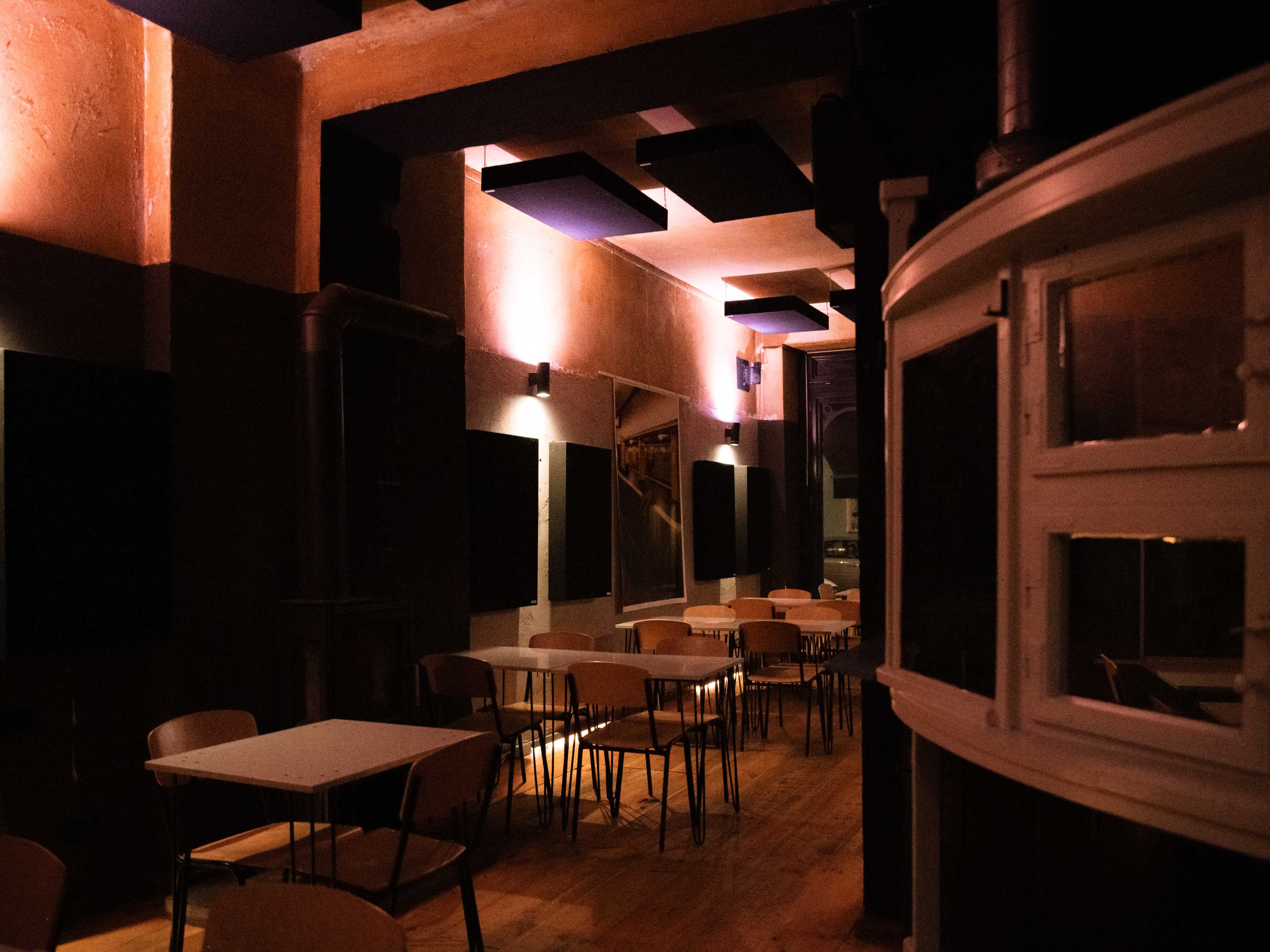
Restaurants in Berlin
Browse all →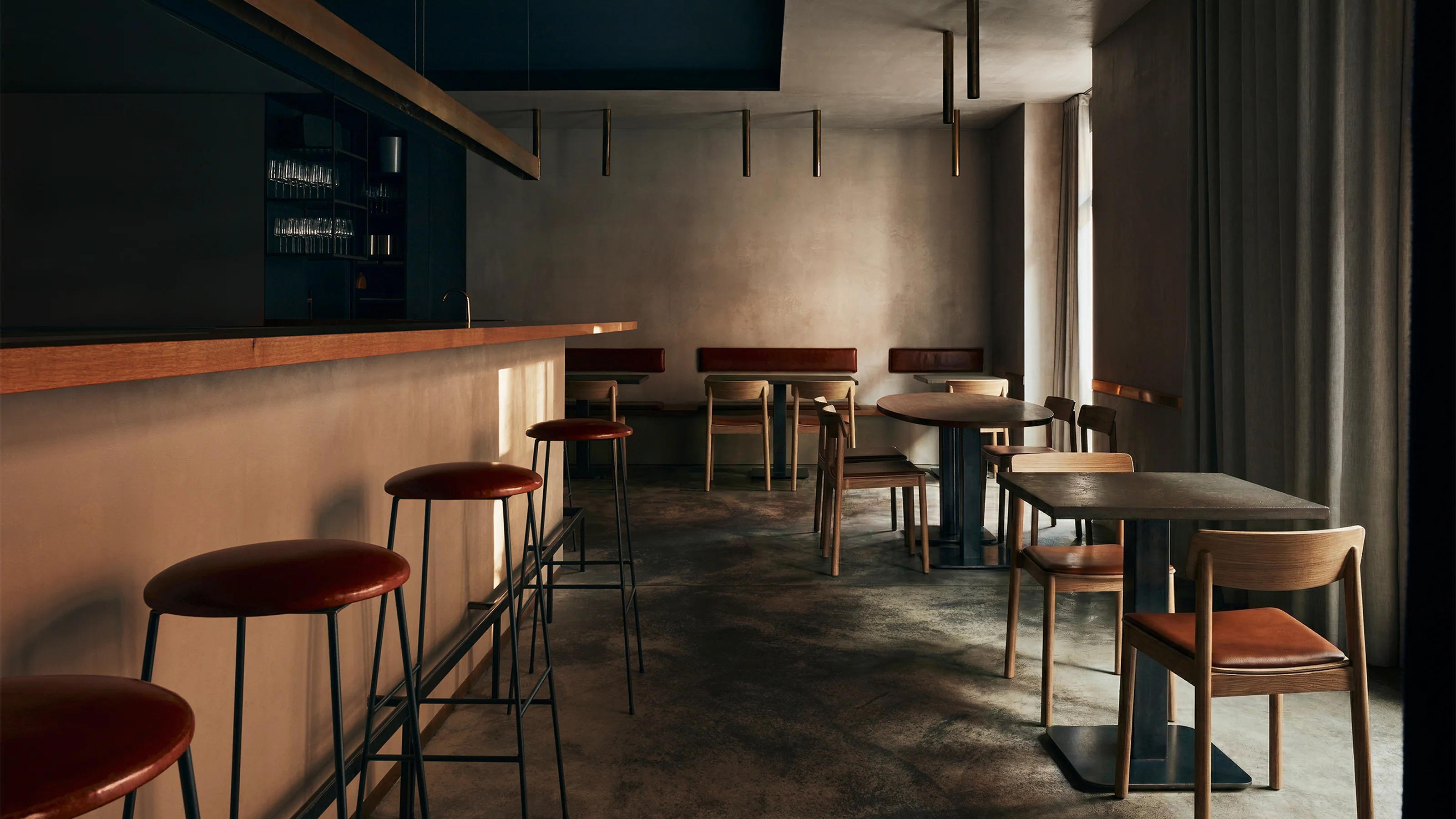
Hotels in Berlin
Browse all →
Wineries in Berlin
Browse all →
Details
- Lively
- Energetic
- Trendy
- Well Known
- Late Night
- Celebration
- Group Outing
- Live Music
- Standing Room
- Lounge Seating
Neon-lit warehouse pulsing with chaotic energy, diverse crowds, and lively queer nightlife atmosphere.