Saru Sushi Bar
A neighborhood sushi bar on Noe Valley's main corridor, Saru occupies the quieter end of San Francisco's sushi spectrum, where the emphasis sits on approachable omakase-adjacent formats rather than high-ceremony counter dining. Its 24th Street address places it among the district's food-focused independent operators, making it a practical reference point for the city's mid-register Japanese dining scene.
 Discover on Pearl
Pearl is the En Primeur Club membership app — saves, bookings, and concierge access live there. Same editors, same standards.
- Address
- 3856 24th St, San Francisco, CA 94114
- Phone
- +1 415 400 4510
- Website
- sarusushisf.com
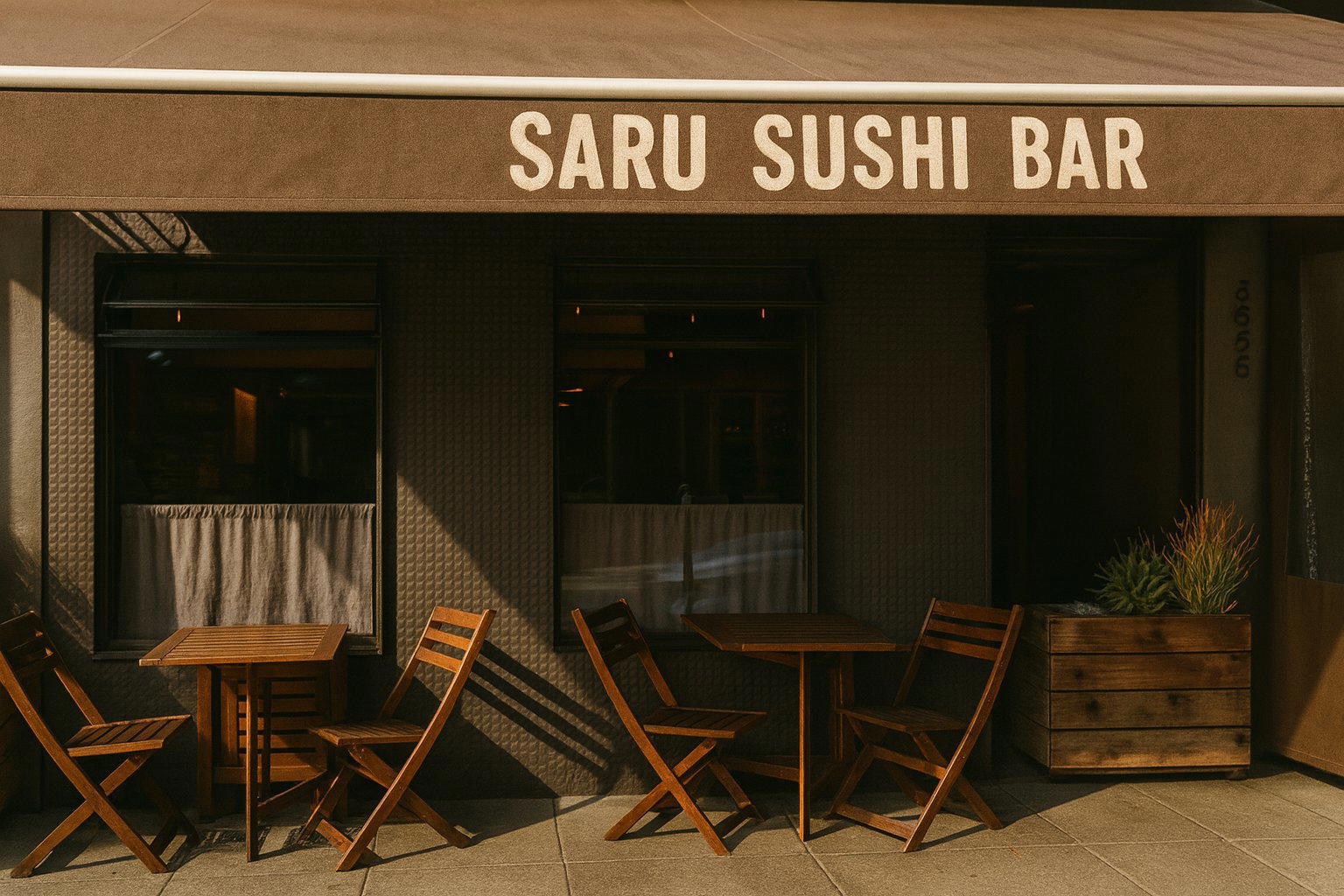
Where Noe Valley's Dining Character Meets the Sushi Counter
San Francisco's sushi scene has always operated across a wider register than the Michelin-heavy omakase counters of SoMa and the Financial District tend to suggest. The city's neighborhood-level Japanese dining, particularly in districts like Noe Valley, represents a distinct tier: smaller rooms, less ceremony, and menus that reflect the everyday relationship this city has long maintained with Japanese technique. Saru Sushi Bar, on 24th Street in the heart of Noe Valley's commercial strip, belongs to that register. It is the kind of address that a neighborhood relies on repeatedly rather than saves for a single occasion.
24th Street is a useful indicator of how San Francisco's food culture distributes itself outside the destination-dining zip codes. The street runs through one of the city's more food-conscious residential corridors, where independent operators have held on longer than in neighborhoods absorbed by higher retail rents. Saru sits within that context, drawing from a local base that treats the block as a working food street rather than a dining itinerary.
The Question of Ethical Sourcing in Neighborhood Sushi
Sustainability has restructured how serious sushi operations, at every price tier, approach procurement. The pressure has come from multiple directions: rising consumer awareness of bluefin stock depletion, the Monterey Bay Aquarium Seafood Watch program's influence on Bay Area purchasing decisions, and a broader shift in how San Francisco's independent restaurant community frames its sourcing. For a neighborhood sushi bar in this city, the question of whether tuna is sourced responsibly or whether salmon is farmed to certification standards is less a differentiator and more a baseline expectation.
Northern California's geographic position gives its Japanese restaurants a structural advantage in this regard. Proximity to sustainable aquaculture operations along the Pacific Coast, access to Tomales Bay oyster producers, and relationships with fisheries operating under state-level sustainability oversight mean that a well-run sushi bar in San Francisco has supply options unavailable to counterparts in landlocked cities. Whether those options translate into verifiable sourcing commitments depends on the individual operator, but the infrastructure exists in a way that shapes the category regionally.
The broader movement in American sushi toward seasonal, regionally sourced fish, sometimes called "sustainable omakase" in higher-tier contexts, has filtered down to neighborhood formats as well. Menus that once defaulted to imported Atlantic salmon and farmed shrimp year-round now frequently incorporate Pacific halibut, local albacore, and Dungeness crab when in season. This shift is as much driven by flavor logic as ethics: Pacific fish in season, sourced short-distance, typically outperforms the imported alternative on the plate.
Noe Valley as a Reference Point for San Francisco's Independent Dining Scene
To understand Saru's position in the city's sushi conversation, it helps to understand what Noe Valley has become as a dining district. It is not the destination for the city's most technically ambitious restaurants, which cluster in the Mission, Hayes Valley, and the areas around the civic center. What it offers instead is a concentration of independently operated, neighborhood-anchored restaurants that serve a residential population with high food literacy and above-average spending on dining.
That demographic context matters for a sushi bar. It tends to produce an informed regular clientele rather than a transient tourist base, which in turn creates the conditions for menus that can assume some baseline knowledge and rotate with the season. A neighborhood sushi bar that survives in this context typically does so by building repeat-visit loyalty rather than capturing one-time destination traffic, which is a different operating model than the city's top-tier omakase counters.
For visitors arriving from outside the neighborhood, 24th Street rewards the approach. The BART station at 24th and Mission provides direct access from downtown, and the corridor between Castro and the commercial core of Noe Valley passes through some of the city's more coherent residential architecture. The walk is practical information rather than an aside.
San Francisco's Broader Sushi and Cocktail Context
San Francisco's cocktail bars frequently appear alongside its sushi operations as part of an evening's itinerary, and the city's bar scene has developed enough depth to support that pairing at multiple price points. For drinks before or after, ABV on Market Street operates a serious spirits and cocktail program that has maintained recognition within the city's bar community. Friends and Family offers a lower-key alternative. Pacific Cocktail Haven on Sutter Street runs a technically focused program with Pacific Rim references that pair well thematically with a Japanese dinner. Smuggler's Cove on Gough is the city's most documented rum program if the evening calls for something further afield.
For those building a broader reference list across American cities, the same neighborhood-sushi-plus-craft-bar pairing logic applies in other markets. Kumiko in Chicago operates at the intersection of Japanese spirits and cocktail technique. Bar Leather Apron in Honolulu brings a similar Japanese-influenced precision to the cocktail format. Outside the Pacific context, Jewel of the South in New Orleans, Julep in Houston, Superbueno in New York City, Allegory in Washington, D.C., and The Parlour in Frankfurt on the Main each represent their city's technically ambitious bar tier. See our full San Francisco restaurants guide for broader city-level context.
Planning Your Visit
Noe Valley operates on neighborhood restaurant timing. Peak dinner hours on weekends and Thursday evenings tend to fill independently operated rooms quickly, and 24th Street restaurants generally attract a local crowd that books early in the week for weekend sittings. Arriving without a reservation on a Friday or Saturday evening carries the usual risk of a neighborhood-popular operation.
| Venue | Format | Neighborhood | Booking Notes |
|---|---|---|---|
| Saru Sushi Bar | Neighborhood sushi bar | Noe Valley, 24th St | Walk-in or advance booking advised on weekends |
| ABV | Cocktail bar | Upper Market | Walk-in; no reservations typically required |
| Smuggler's Cove | Rum-focused cocktail bar | Hayes Valley | Walk-in; queues possible on weekends |
| Bar at Hotel Kabuki | Hotel bar, Japanese-influenced | Japantown | Walk-in; hotel guests prioritized |
Continue exploring
More in San Francisco
Bars in San Francisco
Browse all →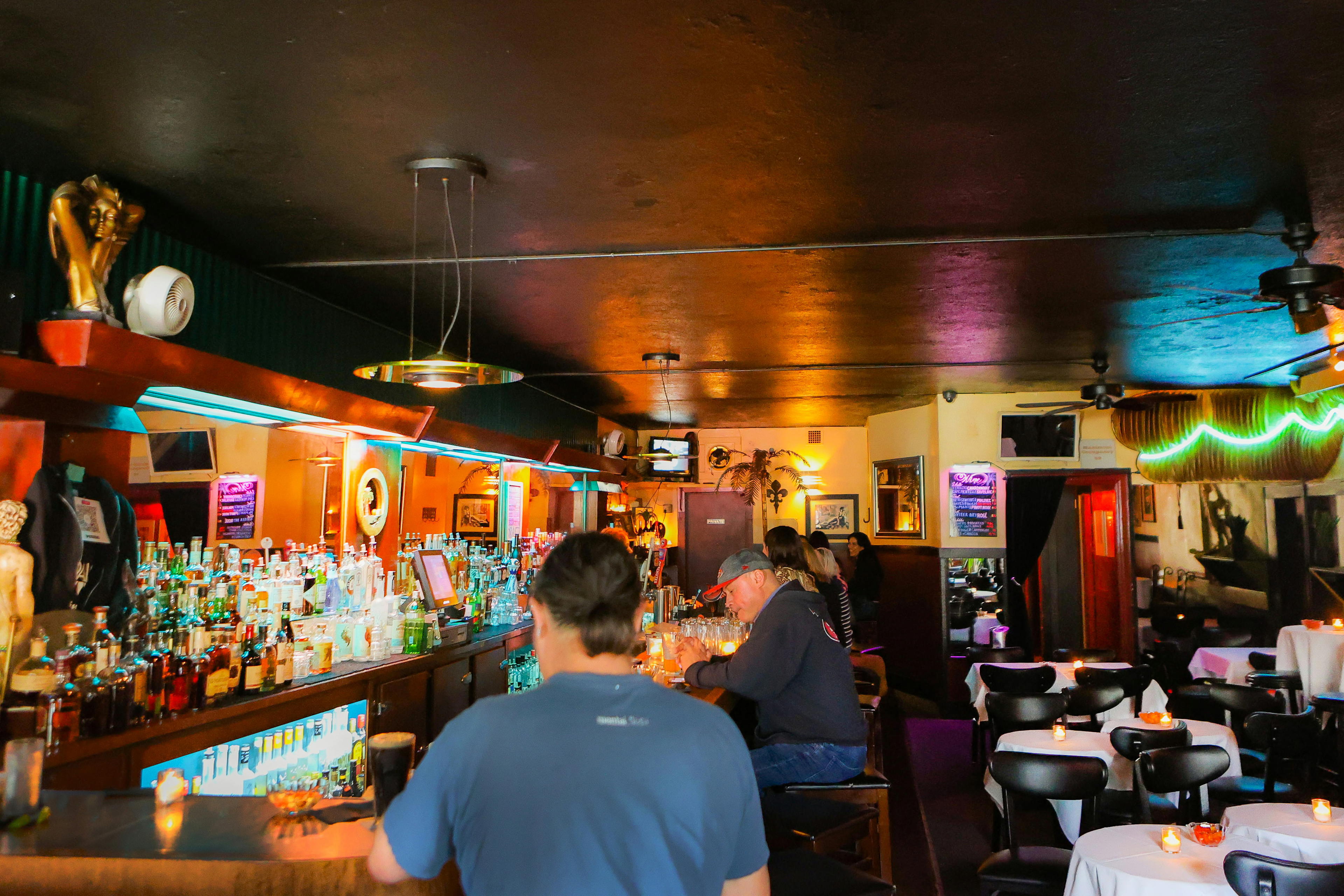
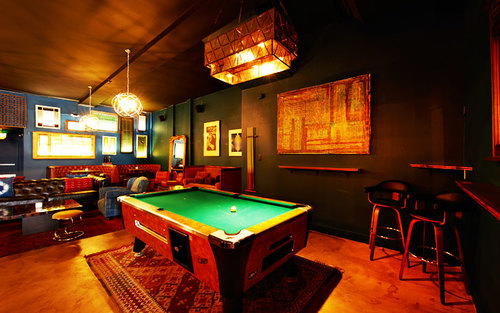
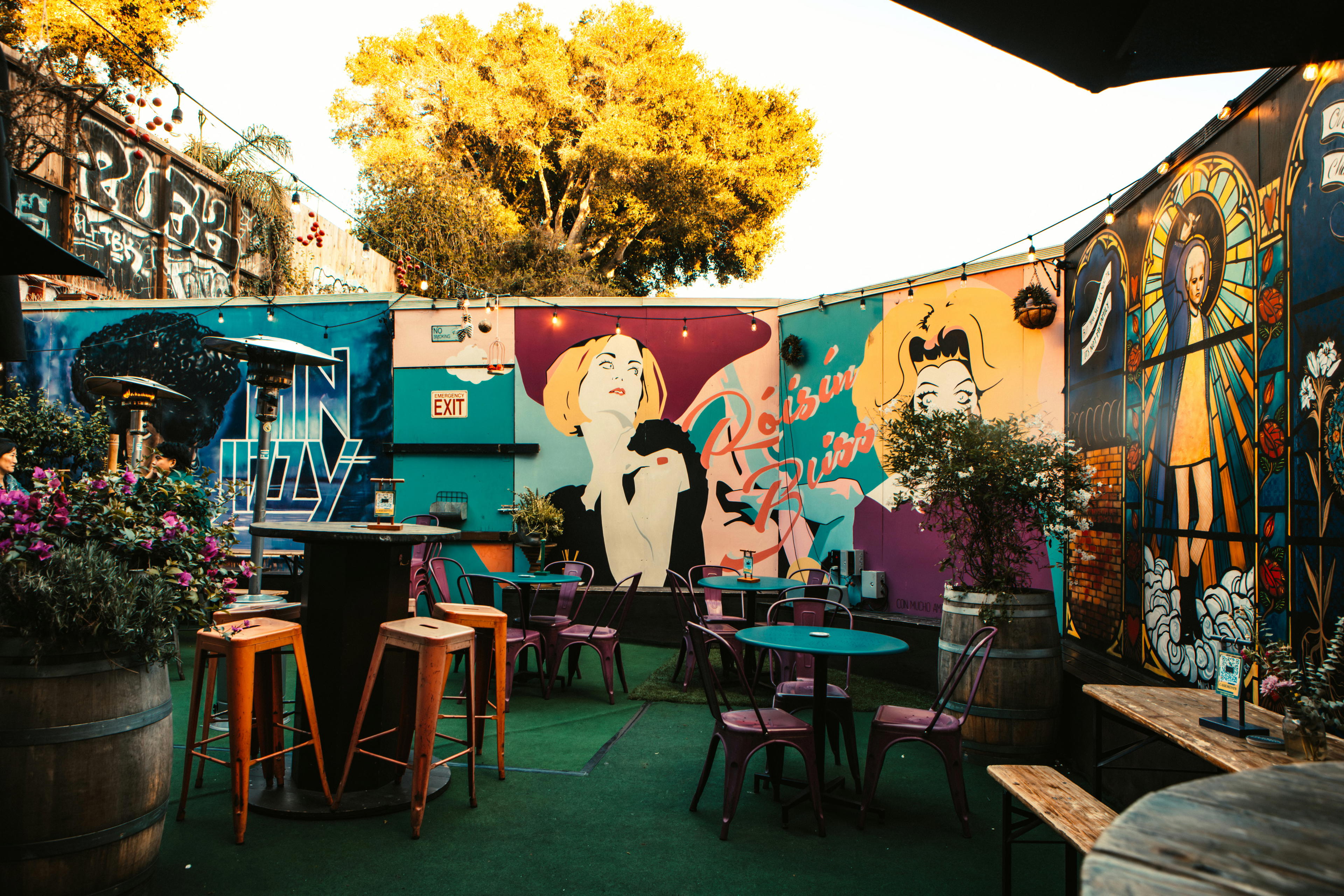
Restaurants in San Francisco
Browse all →
Hotels in San Francisco
Browse all →
At a Glance
- Intimate
- Cozy
- Trendy
- Date Night
- Casual Hangout
- Standalone
- Seated Bar
- Counter Only
- Sake
Bustling energetic vibe in a cozy neighborhood setting with artful decor.