Sake Bar Asoko
On the lower stretch of East Broadway in Manhattan's Chinatown, Sake Bar Asoko sits at an intersection that few bars in New York occupy: the meeting point of Japanese sake tradition and Lower East Side neighbourhood grit. Where most sake-focused venues skew either tourist-facing or hyper-specialist, Asoko reads as a neighbourhood bar that happens to take its list seriously — making it one of the more considered addresses in a city slowly building its sake vocabulary.
Pearl is the En Primeur Club membership app — saves, bookings, and concierge access live there. Same editors, same standards.
- Address
- 127 E Broadway, New York, NY 10002
- Website
- sakebarasoko.com
- Directions
- Get directions
 Saves & bookings on Pearl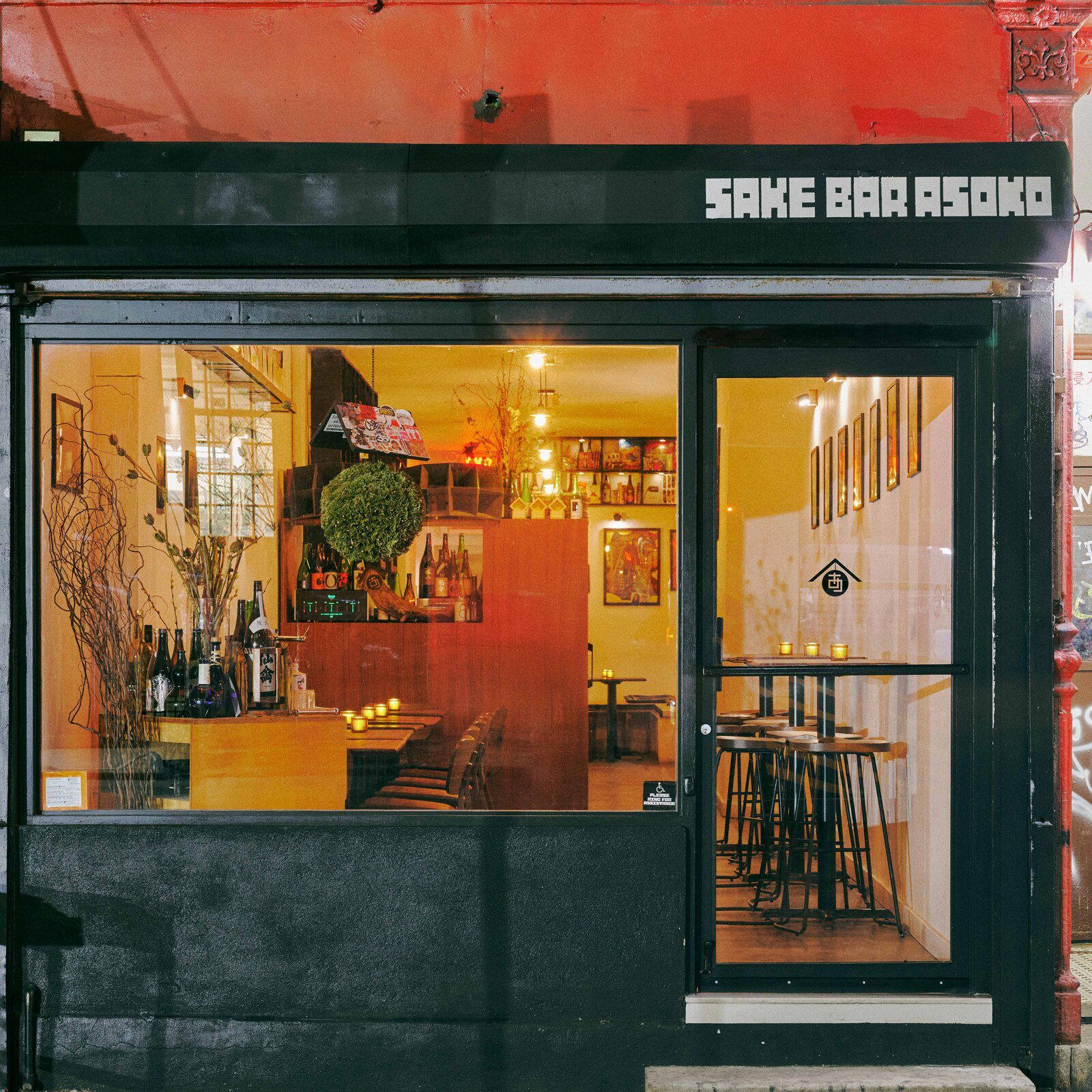
Where Chinatown Meets the Sake Counter
New York's sake scene has spent the better part of two decades playing catch-up with its wine and cocktail counterparts. The city has no shortage of Japanese restaurants with respectable sake lists, but dedicated sake bars — venues where the drink is the editorial focus rather than an accompaniment — remain a small and scattered group. Sake Bar Asoko, at 127 East Broadway in the lower reaches of Manhattan's Chinatown, occupies that specialist tier. The address itself is a signal: this is not the Midtown Japanese corridor, nor the East Village cocktail strip. It's a block that carries both immigrant history and a newer wave of food-driven independent operators, and Asoko reads as part of that second wave without erasing the neighbourhood's older character.
A Tradition Carried Across the Pacific
Sake's historical arc from rice paddy to glass is longer and more complex than most Western drinkers appreciate. The drink predates Japan's written records, with formal brewing codified by monastic brewers in the Nara period and refined over centuries through a technical vocabulary, nihonshu-do, seimai-buai, koji cultivation, that has no real parallel in European winemaking. What the past thirty years have added is a global diaspora of that knowledge: Japanese brewers trained in classical methods who have partnered with or consulted for producers across the United States, and a generation of American sommeliers and bar operators who have pursued kikizake-shi certification to bring that expertise into their programs.
That global-technique, local-context intersection is exactly where a venue like Sake Bar Asoko sits. The Lower East Side and Chinatown have their own food and drink logic, dense, eclectic, price-sensitive at street level, increasingly specialist at the bar tier, and a sake-focused program has to earn its place in that context rather than simply import a Tokyo model wholesale. The bars that work in this neighbourhood tend to be places with a clear point of view that doesn't require a preamble to access. You either feel the room or you don't.
The Sake Bar Format in New York
Across New York, the dedicated sake bar sits in a small and distinct competitive set. Angel's Share in the East Village is the longest-standing Japanese-inflected bar in the city, known for its low-key door and serious cocktail program. Attaboy NYC on Eldridge Street represents the drinks-nerd end of the Lower East Side spectrum, where technical precision drives the menu. Neither is a sake bar per se, but both illustrate the range of approaches that have defined serious drinking in this part of the city over the past decade.
Beyond New York, the dedicated sake and Japanese spirits bar format has found footholds in cities with strong Japanese cultural infrastructure. Kumiko in Chicago has built one of the most considered Japanese spirits programs in the country, pairing sake and shochu with a cocktail list that draws directly on Japanese flavor logic. Bar Leather Apron in Honolulu sits in a Pacific context where Japanese influence runs deep through local food culture. These are the kinds of venues that Sake Bar Asoko belongs alongside in conversation, even if the formats differ, bars where the drink list reflects genuine category expertise rather than genre decoration.
East Broadway and Its Drinking Context
The stretch of East Broadway where Asoko sits has historically been the commercial and cultural spine of Manhattan's Fujianese community, distinct in character from the Cantonese-dominated blocks further north and west. It is a working neighbourhood street, not a dining destination in the way that a few blocks of Grand Street or Eldridge have become. That makes the choice of address meaningful: a sake bar here is not feeding off foot traffic from established restaurant rows. It is, in a sense, making an argument about where good drinking should happen and for whom.
This neighbourhood positioning connects to a broader pattern visible in cities like New York, San Francisco, and Chicago, where the most interesting specialist bars have tended to open in transitional or underexplored blocks rather than clustering in established hospitality zones. Superbueno made a similar argument with its Greenpoint address. Amor y Amargo built its entire identity around the idea that a bitters-focused bar could anchor a small room on East 6th Street without apology. The common thread is a willingness to let the program speak before the postcode does.
Sake as a Category in 2024
Sake imports to the United States have grown steadily over the past decade, with premium grades, junmai daiginjo, kimoto, yamahai, gaining traction among wine-literate drinkers looking for fermented alternatives to grape. The category's complexity maps usefully onto wine: there are regional distinctions (Niigata's clean, dry profiles versus Hiroshima's softer, sweeter registers), producer philosophies (the modern ginjo style versus traditional kimoto fermentation), and vintage-adjacent variation driven by the rice harvest. A bar that presents this vocabulary clearly, without condescension, is doing something that most restaurant sake lists don't attempt.
The comparison set for Sake Bar Asoko extends beyond New York's borders. Jewel of the South in New Orleans has demonstrated how a specialist drinks program can coexist with a distinct regional food culture. ABV in San Francisco and Allegory in Washington, D.C. each represent a city's attempt to build bars where the list has genuine editorial ambition. Julep in Houston and The Parlour in Frankfurt on the Main round out a picture of how specialist bar culture has developed across very different cities and drinking traditions. Sake Bar Asoko is New York's contribution to this international conversation about what a single-category bar can do when it takes the category seriously.
Planning Your Visit
Sake Bar Asoko is located at 127 East Broadway, New York, NY 10002, in the Chinatown section of Lower Manhattan. The nearest subway access is via the F train at East Broadway or the J/Z at Essex Street, both within a short walk. For the broader context of drinking and dining in the city, see our full New York City restaurants guide.
Continue exploring
More in New York City
Bars in New York City
Browse all →
Restaurants in New York City
Browse all →
Hotels in New York City
Browse all →





At a Glance
- Cozy
- Intimate
- Trendy
- Minimalist
- Date Night
- Casual Hangout
- Design Destination
- Standing Room
- Seated Bar
- Sake
Current opening hours
- Monday
- Closed
- Tuesday
- 6 PM–12 AM
- Wednesday
- 6 PM–12 AM
- Thursday
- 6 PM–1 AM
- Friday
- 6 PM–2 AM
- Saturday
- 6 PM–2 AM
- Sunday
- Closed
Hours can change for holidays and private events. Last verified .
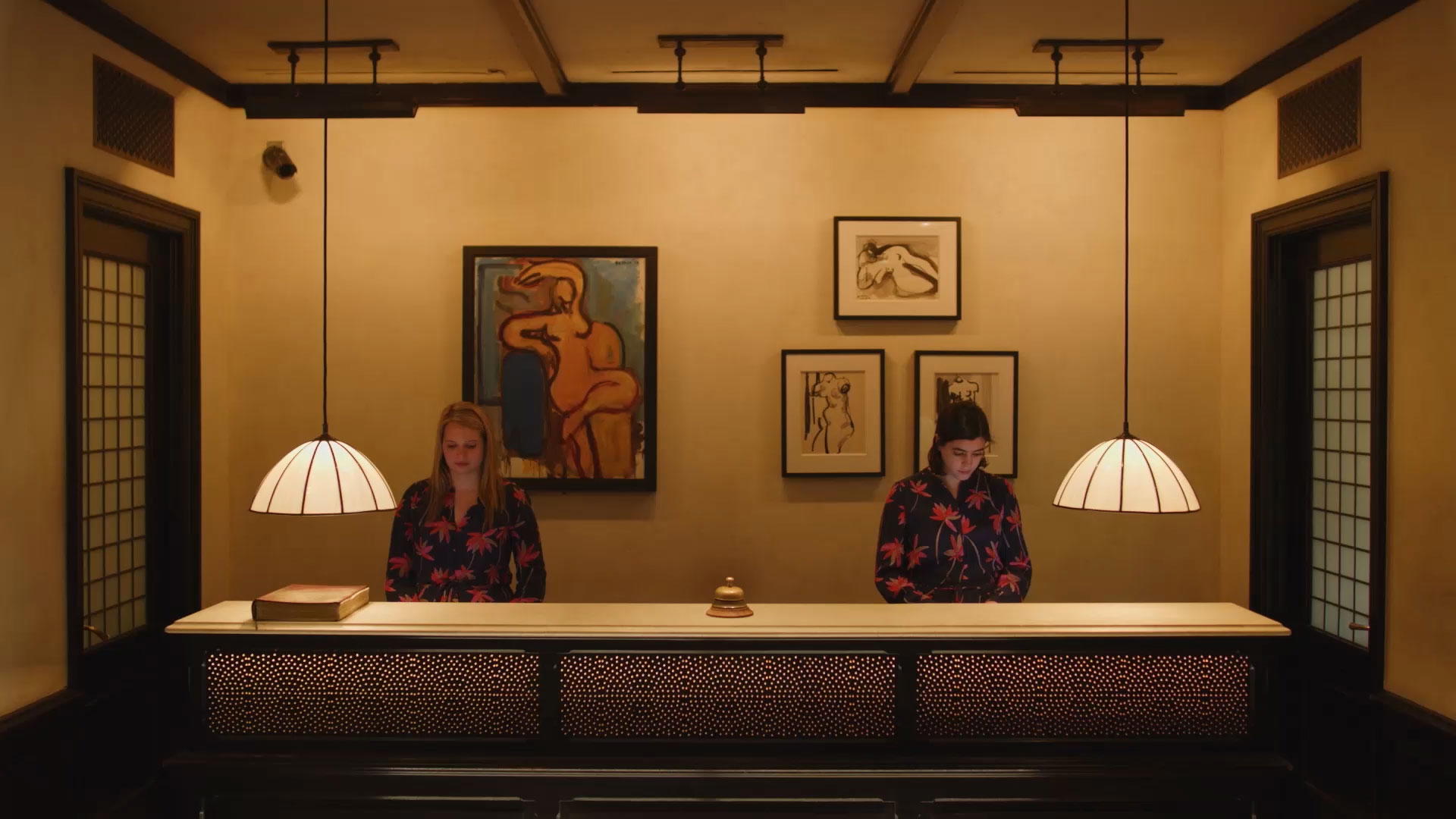
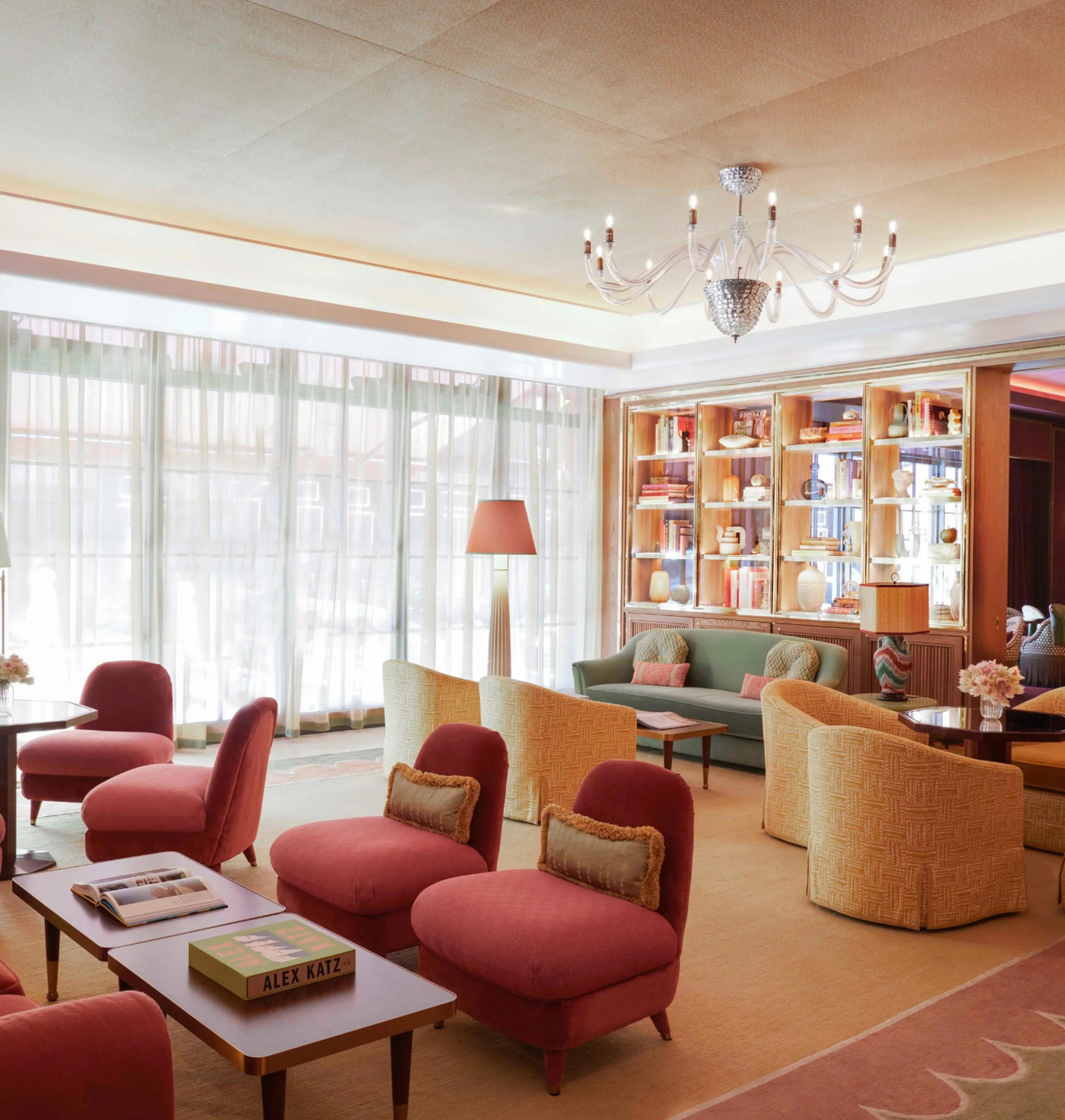
Peaceful and nostalgic with minimal decor, black-and-white photos, vintage posters, tatami mats, and analog touches evoking a Japanese living room.
Know Before You Go
- Getting there
- 127 E Broadway, New York, NY 10002