Royal Nepal Restaurant
Royal Nepal Restaurant on Mt Vernon Avenue brings Himalayan cooking to one of Alexandria's most neighbourhood-grounded dining corridors. The kitchen draws on the spice logic and fermented depth that define Nepali and broader South Asian mountain cuisine, placing it in a distinct tier from the area's more familiar South Asian options. For those willing to look beyond the obvious, this address rewards attention.
Pearl is the En Primeur Club membership app — saves, bookings, and concierge access live there. Same editors, same standards.
- Address
- 3807 Mt Vernon Ave, Alexandria, VA 22305
- Phone
- +1 571 312 5130
- Website
- royalnepalrestaurant.com
- Directions
- Get directions
 Saves & bookings on Pearl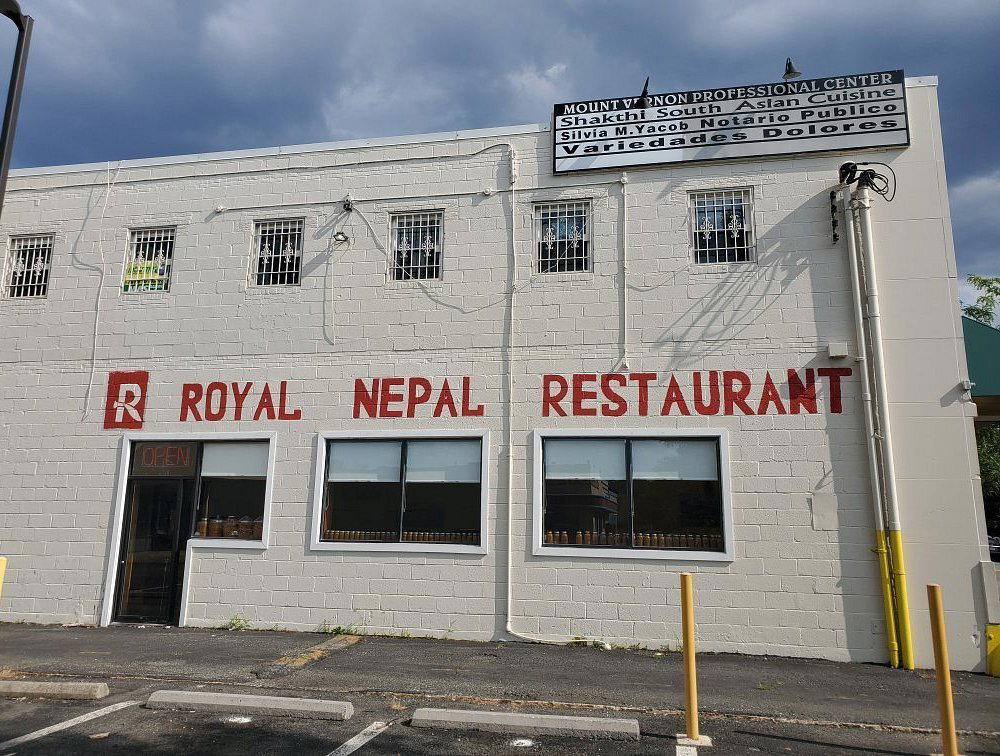
Mt Vernon Avenue and the Case for Himalayan Cooking in Alexandria
Alexandria's dining character has always been shaped by two competing forces: the Old Town institution crowd, where restaurants like Epicure on King and Chadwicks anchor a heritage-heavy, broadly European tradition, and the more restless corridors further north, where immigrant-led kitchens have built a parallel dining culture on lower rents and deeper specificity. Mt Vernon Avenue belongs to the second category. It is a stretch of road that rewards the reader who does actual research rather than following the path of least resistance toward King Street.
Royal Nepal Restaurant sits at 3807 Mt Vernon Ave, in a part of Alexandria that has historically absorbed cuisines underrepresented elsewhere in Northern Virginia. Himalayan cooking, which covers a broad arc from Tibetan-influenced dumpling and noodle traditions through Nepali dal-bhat formats and Newari fermentation practice, occupies a genuinely narrow niche in the Washington metro area. The number of kitchens working this territory with any seriousness is small enough that the few that do operate carry an outsize responsibility to the cuisine. That context matters when thinking about what Royal Nepal represents on this street.
The Drink Question: What Himalayan Restaurants Actually Pour
The editorial angle of wine curation and drink programming is where Himalayan restaurants in the United States most visibly diverge from the mainstream dining conversation. Unlike Japanese or French kitchens, where sommelier culture has generated extensive critical literature and where cellar depth is a competitive marker, Nepali restaurants have historically operated outside that framework entirely. The drink offering at venues in this category tends toward South Asian lager (Everest and Star are the canonical choices), millet-based chang or raksi where local licensing allows, and tea service drawn from the high-altitude tradition of butter tea or spiced milk tea.
This is not a limitation; it is a different logic. Where a venue like Kumiko in Chicago or Bar Leather Apron in Honolulu operates with a codified philosophy around curation and technique, Himalayan dining rooms have traditionally let the food carry the structural weight of the meal, with drink serving a functional rather than editorial role. The fermented millet drink tongba, served in a wooden vessel with hot water added progressively, is probably the drink most associated with Nepali dining culture in an authentic register.
For those arriving from a wine-forward context, the pairing logic worth knowing is that Nepali spice profiles, which tend toward timur (Sichuan pepper relative), fenugreek, and turmeric rather than the red-chile heat of North Indian cooking, actually sit reasonably well with off-dry Riesling or lighter Grüner Veltliner. These are not pairings any Himalayan restaurant on Mt Vernon Avenue is likely to be programming deliberately, but they are worth knowing if you are building the meal around drink rather than the reverse.
What the Cuisine Actually Is: Beyond the Indian Restaurant Assumption
One of the persistent misreadings of Himalayan restaurants in the United States is the assumption that the menu operates as a subset of the broader Indian restaurant format, with momos added as a novelty. The reality is more distinct. Nepali cooking has a specific set of structural dishes: dal bhat (lentil soup over rice, served with vegetable sides), gundruk (fermented leafy greens with a sour, mineral character), choila (spiced grilled meat, often buffalo, marinated and flame-finished), and the momo itself, which is a steamed or fried dumpling closer in spirit to the Tibetan version than to any South Asian dumpling tradition.
The spice logic is also different. Where North Indian restaurant cooking in the United States has been largely domesticated toward a butter-and-cream register, Nepali cooking at its most authentic works with whole spices, souring agents like tamarind or dried mango, and fermentation as a flavour-building tool rather than a preservation afterthought. The result, when the kitchen is working properly, is food with a more angular, less accommodating flavour profile. That is not a complaint; it is the point. Alexandria's dining scene, which includes Cheesetique and Captain Gregory's among its more distinctive operators, benefits from venues willing to hold a specific position rather than drift toward broad appeal.
Arrival and Practical Orientation
Mt Vernon Avenue is accessible from the Del Ray neighbourhood on foot and sits within reasonable distance of the Braddock Road Metro station, making it reachable without a car from central Alexandria or DC. The corridor itself is low-key in presentation: no valet, no imposing frontage, and the kind of signage that tells you this is a neighbourhood address rather than a destination operation. That framing should set expectations correctly. This is a kitchen that operates in the register of the everyday rather than the occasion-dining bracket occupied by Old Town's heritage institutions.
Because no confirmed booking method, phone, or website data is available for Royal Nepal Restaurant through current records, the sensible approach is to walk in or call ahead via a directory listing before making the trip specifically for this address. The restaurant's position on Mt Vernon Avenue suggests it functions as part of a local dining circuit rather than a reservation-driven destination, but confirming current hours before visiting is advisable. For broader planning across Alexandria's restaurant options, our full Alexandria restaurants guide covers the full range of neighbourhoods and price tiers.
Where Royal Nepal Sits in the Wider Picture
Across the United States, Himalayan restaurants have found their most stable footings in cities with large South Asian diaspora populations or near university corridors with high international student density. The Washington metro area, with its substantial Nepali and Tibetan communities particularly in Northern Virginia, provides a more credible base than most American cities. That community grounding is what separates the better Himalayan kitchens from the diluted versions: when a restaurant is cooking for people who know the reference, the margin for imprecision narrows considerably.
For comparison, the kind of programmatic drink ambition found at Jewel of the South in New Orleans, Julep in Houston, or Superbueno in New York City is not the framework through which to read a Himalayan neighbourhood restaurant. Nor is the cocktail formalism of ABV in San Francisco or the European bar tradition represented by The Parlour in Frankfurt. Royal Nepal operates in a different register: the register of cuisine as primary argument, drink as context, and neighbourhood credibility as the real trust signal.
Continue exploring
More in Alexandria
Bars in Alexandria
Browse all →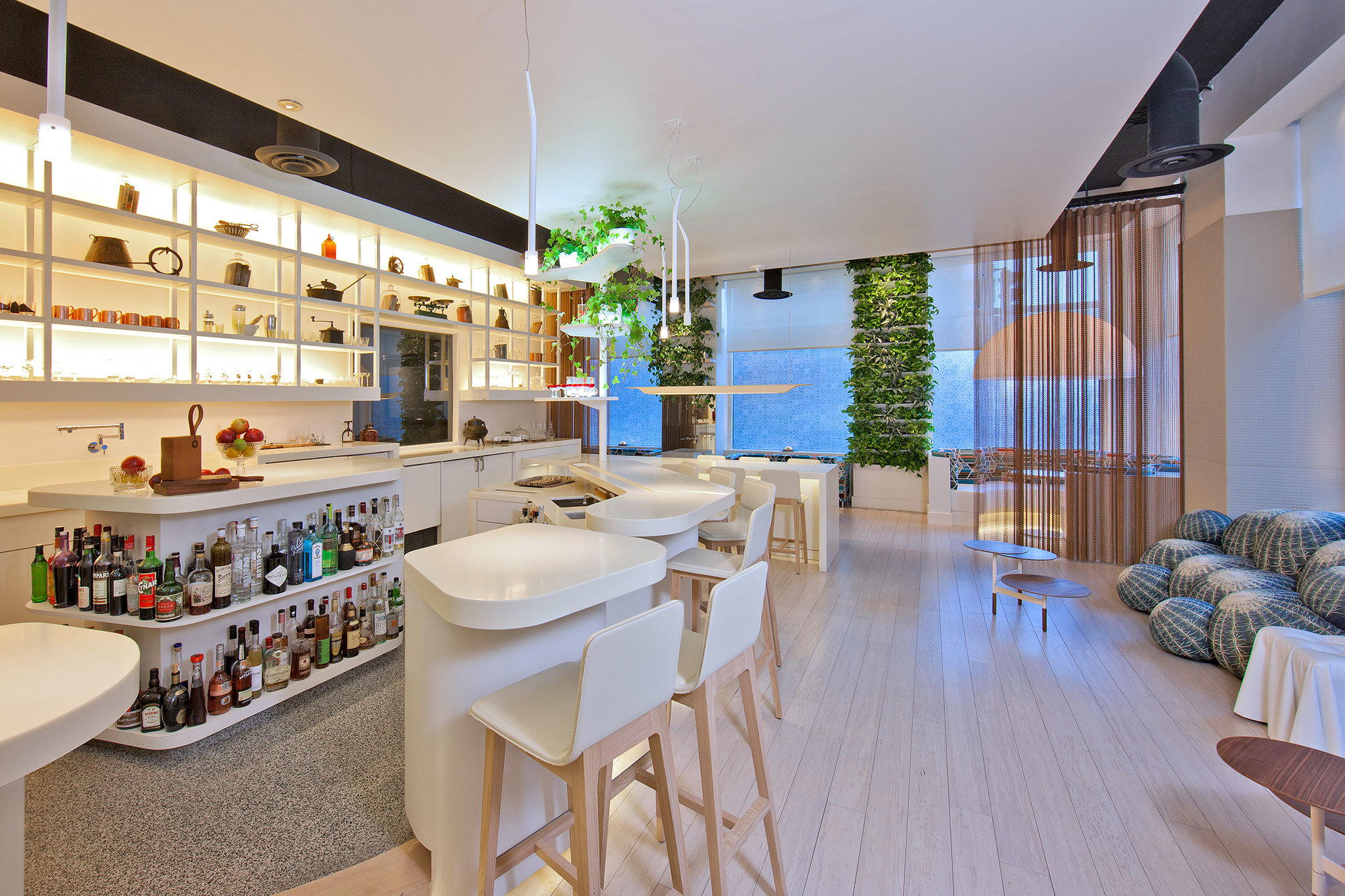
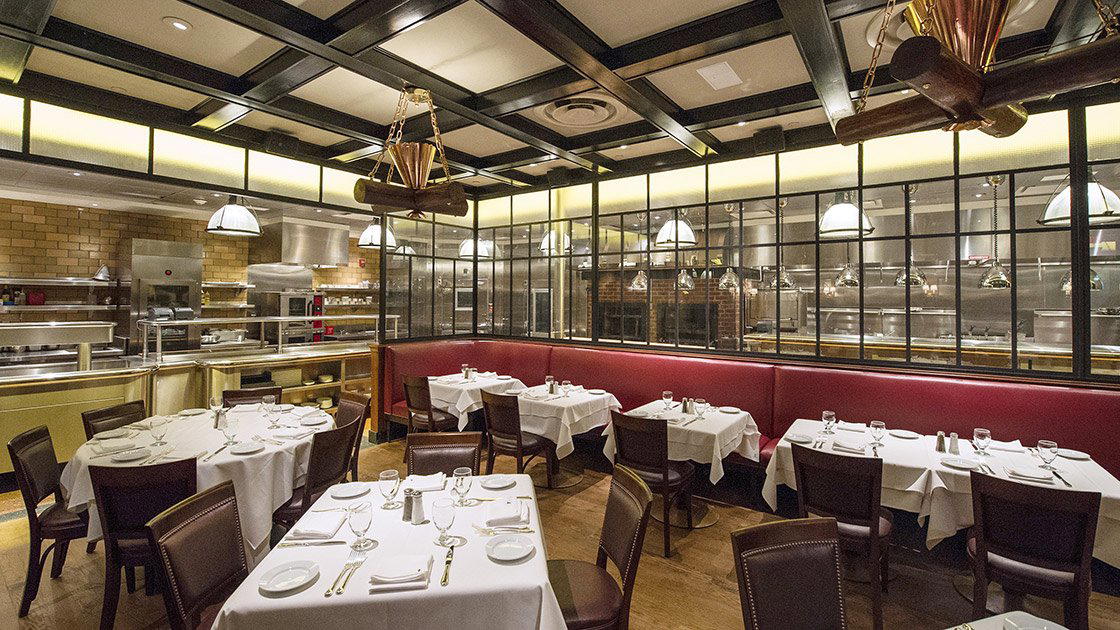
Restaurants in Alexandria
Browse all →
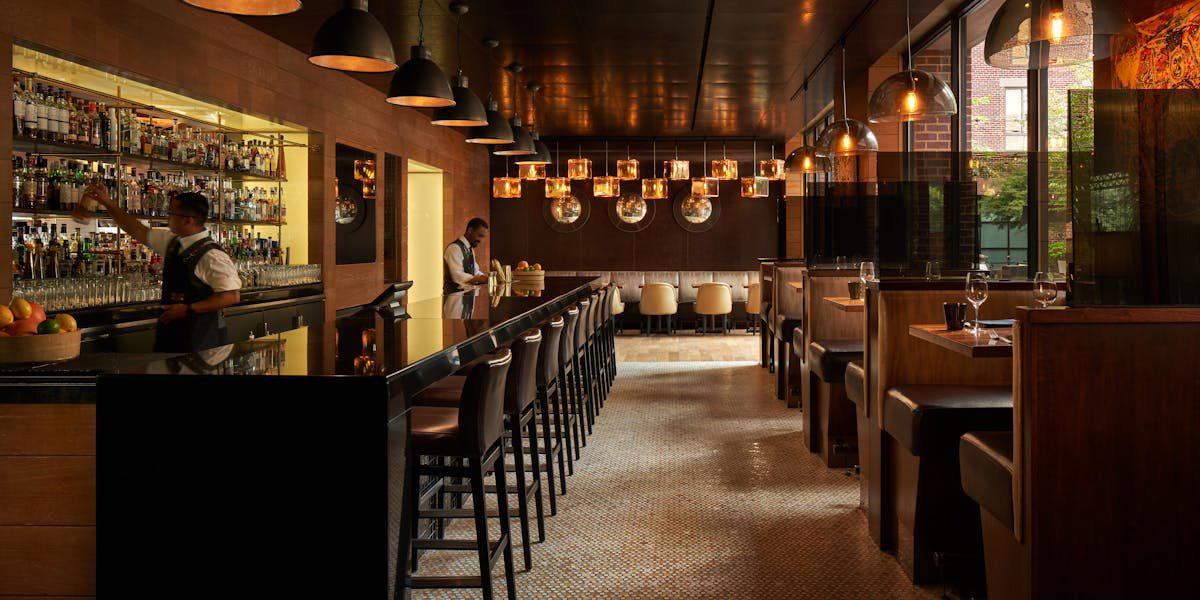
Hotels in Alexandria
Browse all →
At a Glance
- Cozy
- Elegant
- Casual Hangout
- Standalone
- Seated Bar
- Craft Cocktails
Current opening hours
- Monday
- Closed
- Tuesday
- 3–9 PM
- Wednesday
- 12–9 PM
- Thursday
- 12–9 PM
- Friday
- 12–9:30 PM
- Saturday
- 12–9:30 PM
- Sunday
- 12–9 PM
Hours can change for holidays and private events. Last verified .
Warm and welcoming with casual elegant dining, handmade tables and chairs, and Nepali handicraft napkins.
Know Before You Go
- Getting there
- 3807 Mt Vernon Ave, Alexandria, VA 22305