Round K
On Canal Street at the edge of Manhattan's Chinatown, Round K has built a following among New York's specialty coffee crowd since opening at 78 Canal St. The shop operates where immigrant-neighborhood commerce meets the city's third-wave coffee culture, attracting a mix of downtown regulars and visitors drawn by its Lower East Side address and stripped-back aesthetic.
Pearl is the En Primeur Club membership app — saves, bookings, and concierge access live there. Same editors, same standards.
- Address
- 78 Canal St, New York, NY 10002
- Phone
- +1 347 471 1601
- Website
- roundk.com
- Directions
- Get directions
 Saves & bookings on Pearl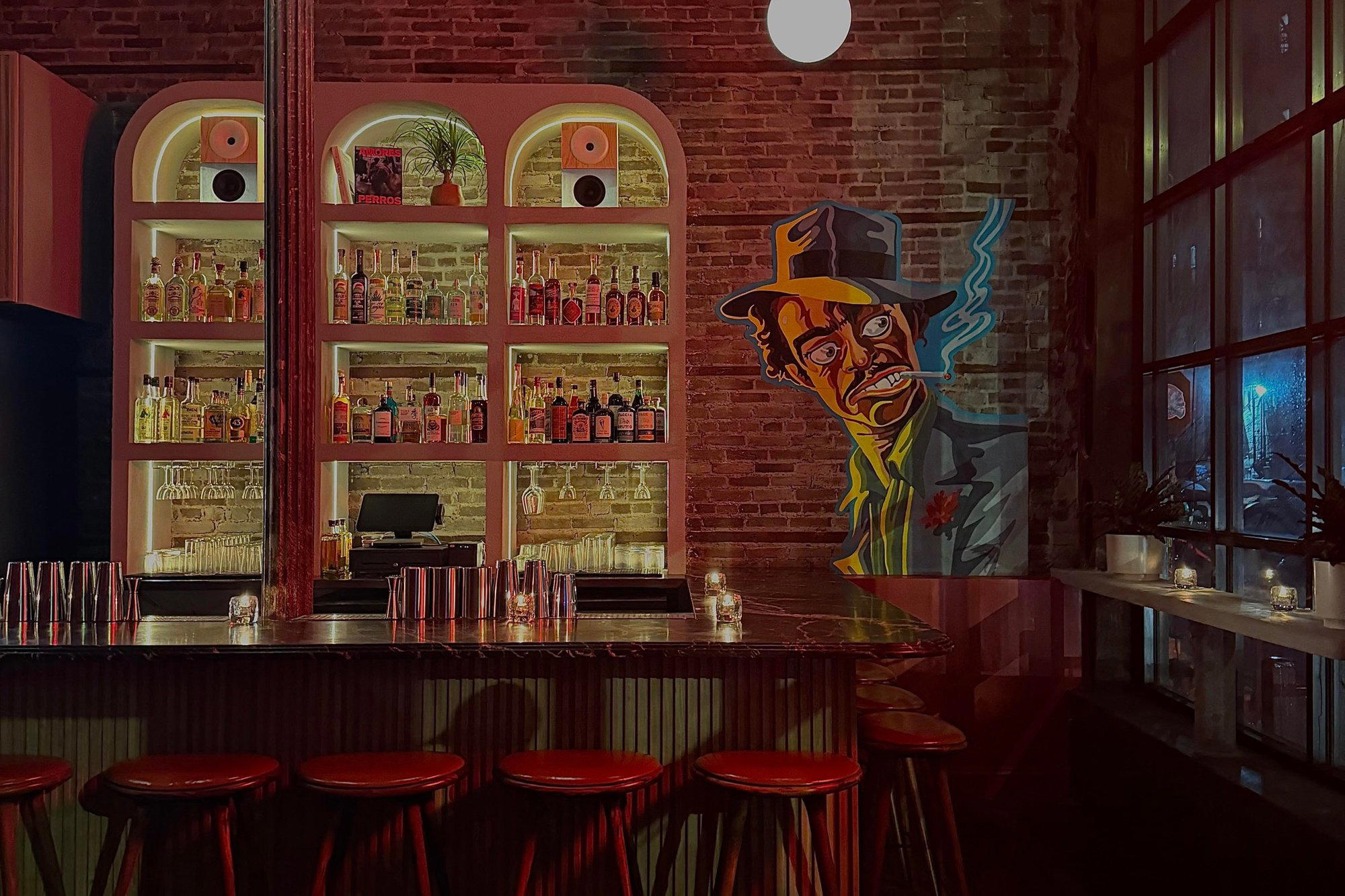
Canal Street and the Coffee Cultures That Converge There
Canal Street has always been a border zone. For decades, the strip running through lower Manhattan has marked the porous edge between Chinatown, Little Italy's remnants, and the Lower East Side — a corridor where import shops, wholesale jewelry traders, and street vendors operate alongside a newer wave of design studios and specialty food businesses. Round K, at 78 Canal St, arrived into that mix and found an address that does a great deal of framing work on its own. In a city where coffee shop placement often signals something about identity and intent, Canal Street is a studied choice: neither the sanitized gallery district of Chelsea nor the overtly fashionable blocks of the West Village, but something harder to categorize and, for that reason, more durable.
New York's specialty coffee scene has matured considerably since the mid-2000s, when a handful of shops began importing the sourcing and preparation disciplines that had taken root in Melbourne, Oslo, and the Pacific Northwest. By the early 2010s, the city had developed its own internal hierarchy: roaster-led flagships in Williamsburg and the Flatiron, independent espresso bars in the East Village, and a scattering of concept-driven spaces in lower Manhattan. Round K occupies that last category — a shop whose Canal Street location places it at the intersection of working-neighborhood pragmatism and the more considered coffee culture that has gradually colonized downtown's fringes.
Korean Coffee Culture and Its Manhattan Expression
The broader context for understanding Round K runs through Seoul as much as New York. South Korea developed one of the world's most concentrated specialty coffee markets over the past two decades, with a density of independent cafes and a consumer literacy around brewing method and origin that rivals the Scandinavian countries. That culture produced a generation of coffee operators with high technical standards and a design sensibility shaped by the minimalism dominant in contemporary Korean interiors, spare materials, considered light, deliberate restraint in everything that isn't the coffee itself.
That influence has surfaced in several American cities, and New York's downtown has been a natural landing zone. The Korean-American population in and around Manhattan's Koreatown corridor, combined with the city's general receptiveness to food and beverage imports from Seoul, created a market for this kind of operation. Round K fits within that pattern: a shop shaped by Korean café culture's priorities, precision, atmosphere, a certain seriousness about the product, transplanted to a neighborhood that has historically been defined by other immigrant commercial traditions. The Canal Street address makes that cross-cultural position explicit in a way that a location further uptown would not.
What the Downtown Coffee Tier Looks Like
Within New York's competitive coffee geography, the lower Manhattan cluster operates somewhat differently from the borough-wide scene. Foot traffic patterns here mix financial district commuters moving through in the morning, Chinatown regulars on errands, and a younger creative cohort that has gradually colonized the surrounding blocks. A coffee shop that can serve all three without losing coherence for any of them has to make specific choices about format, pace, and price.
The bars that have found sustained audiences in comparable neighborhood positions, operating at cultural intersections rather than within clearly defined commercial districts, tend to share certain characteristics: a format that rewards repeat visits, a product offering that signals expertise without requiring explanation, and a physical space that functions as a destination rather than a convenience stop. In New York's bar scene, comparable positioning questions apply to places like Amor y Amargo, which built a specific identity around bitters-focused cocktails in the East Village, or Angel's Share, which has maintained its position as a reference point for Japanese-influenced bar culture in the same neighborhood for decades. The discipline required to hold a niche without diluting it is the same whether the product is amaro or espresso.
Further afield, the challenge of building a specialty beverage identity in a neighborhood defined by other things has produced some of the more interesting operations in American cities. Kumiko in Chicago built a Japanese-influenced cocktail program in a River North block that might have favored something louder. Bar Leather Apron in Honolulu established a serious cocktail culture in a hotel context more associated with beachside drinking. The pattern is consistent: format discipline in an unlikely location tends to generate a more committed audience than format flexibility in an obvious one.
The Lower East Side as a Proving Ground
The blocks immediately surrounding Round K's Canal Street address have functioned as a proving ground for independent hospitality concepts for at least two decades. The area absorbed the first wave of Lower East Side bar openings in the early 2000s, saw cocktail culture take root through spots that later influenced the national conversation, and has continued to support operations that prioritize craft over volume. Attaboy NYC, a few blocks north on Eldridge Street, built one of the city's most replicated no-menu formats from this same general territory. Superbueno brought a high-concept approach to Latin spirits to the neighborhood's Rivington Street stretch.
The common thread is a willingness to open a specialist operation in a neighborhood that doesn't guarantee the audience, and to rely on the product's quality and the space's atmosphere to generate the regulars. Canal Street's commercial mix, which still includes wholesale fabric sellers, fish markets, and the persistent traffic of Chinatown's working blocks, is not self-evidently hospitable to a specialty coffee concept. That Round K has made the address work says something about both the shop's execution and the degree to which lower Manhattan's daytime population has shifted.
For readers tracking similar operations across American cities, the points of comparison extend beyond New York. Jewel of the South in New Orleans operates a historically grounded cocktail program in a French Quarter that could easily have tilted toward tourist extraction. Julep in Houston built a Southern spirits focus in a Texas city not historically associated with considered beverage culture. ABV in San Francisco and Allegory in Washington, D.C. each staked out positions in markets where the specialist format required some audience education. The geography differs; the operating logic is the same. The Parlour in Frankfurt on the Main demonstrates that the model travels internationally as well.
Planning a Visit
Round K is located at Address: 78 Canal St, New York, NY 10002, on the ground-floor level of a Canal Street block accessible by subway from the Canal Street stations on the J/Z and N/Q/R/W lines. Reservations: No booking required for a coffee shop format; walk-in. Timing: Canal Street's morning foot traffic peaks early; the mid-morning window tends to offer a quieter visit with more time at the counter. Neighborhood context: The surrounding blocks reward time before or after: Chinatown's produce and herb markets to the east, the gallery and design cluster of the immediate Lower East Side to the north. For a fuller picture of where Round K fits within New York's broader independent dining and drinking geography, see our full New York City restaurants guide.
Continue exploring
More in New York City
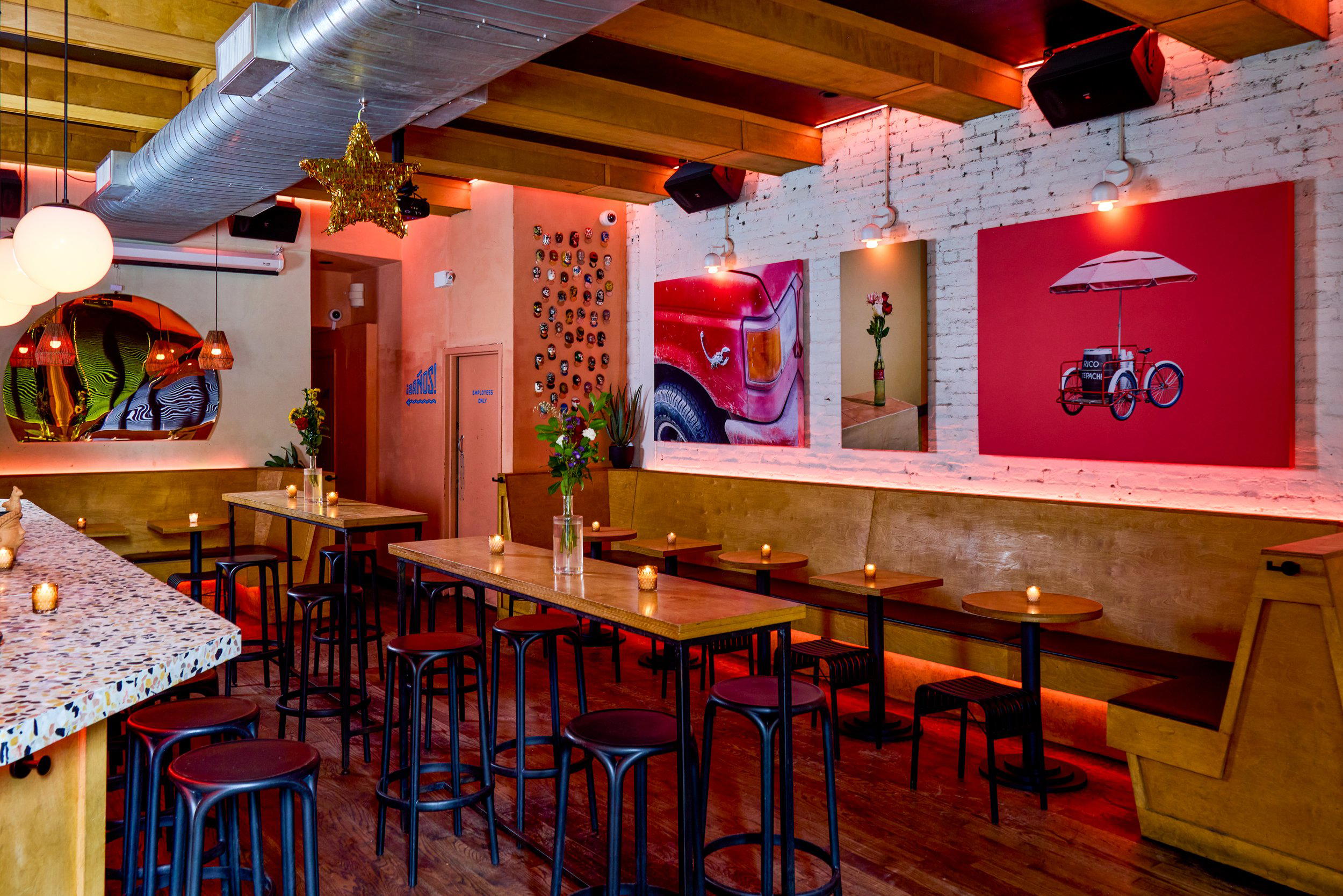
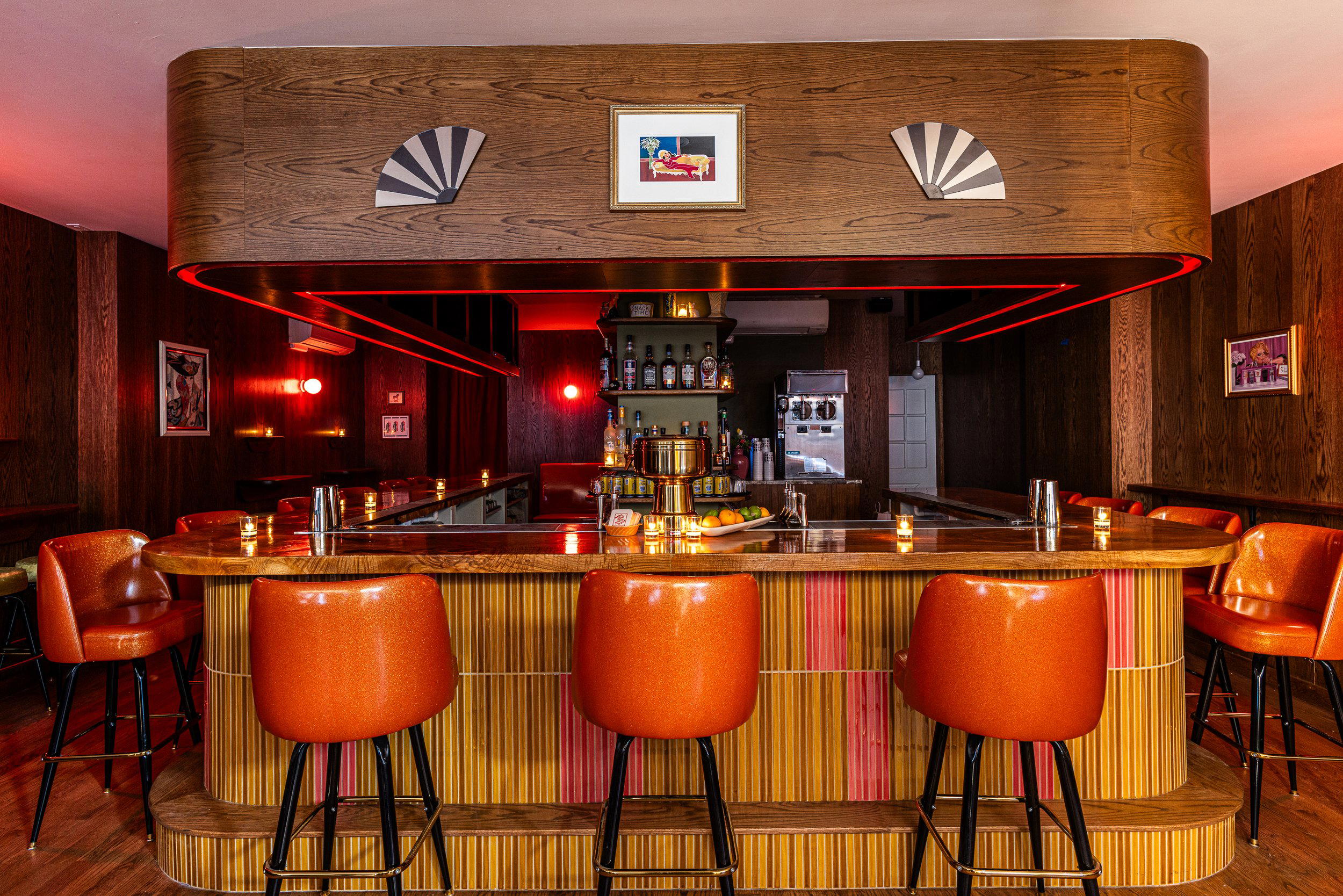
Bars in New York City
Browse all →
Restaurants in New York City
Browse all →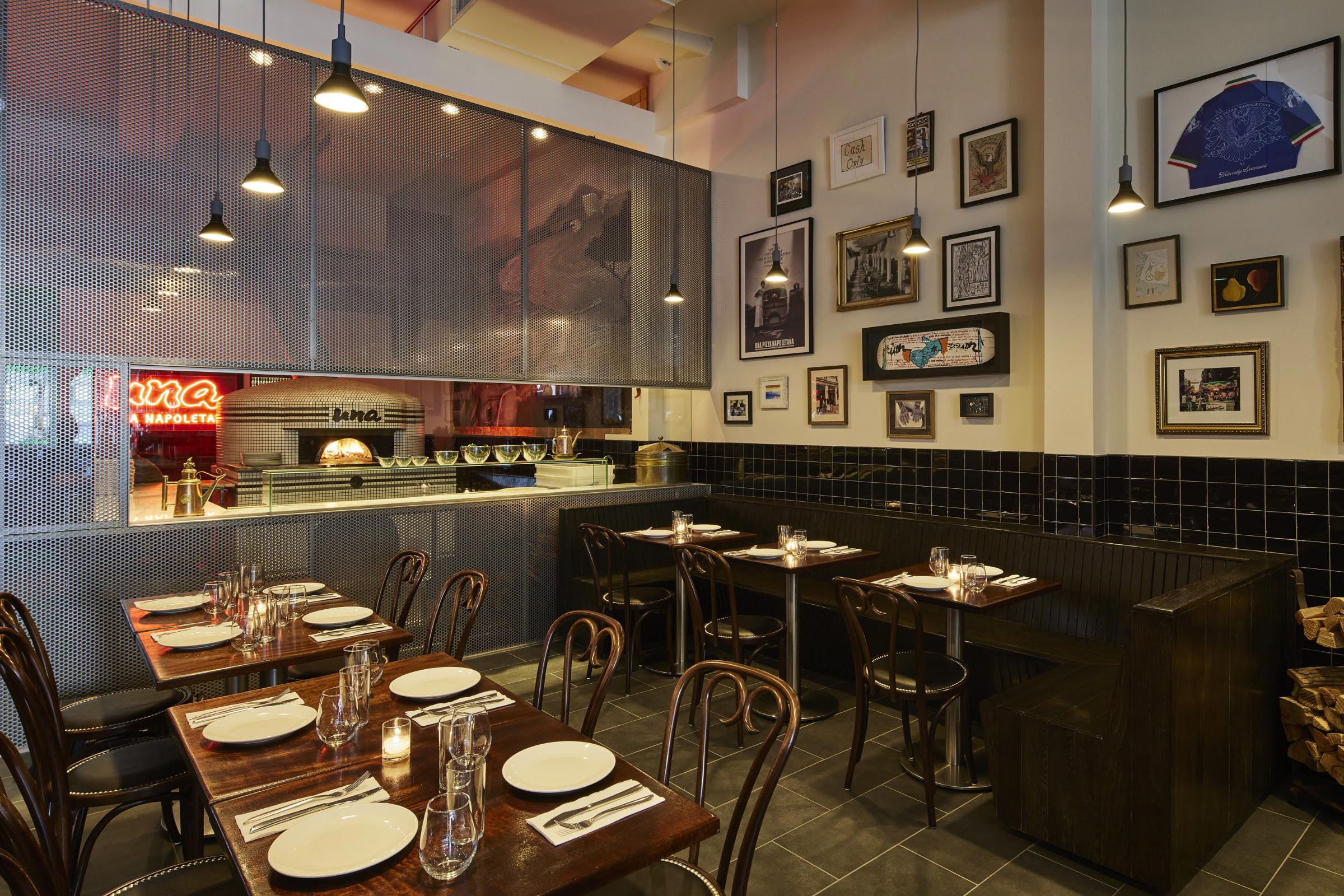
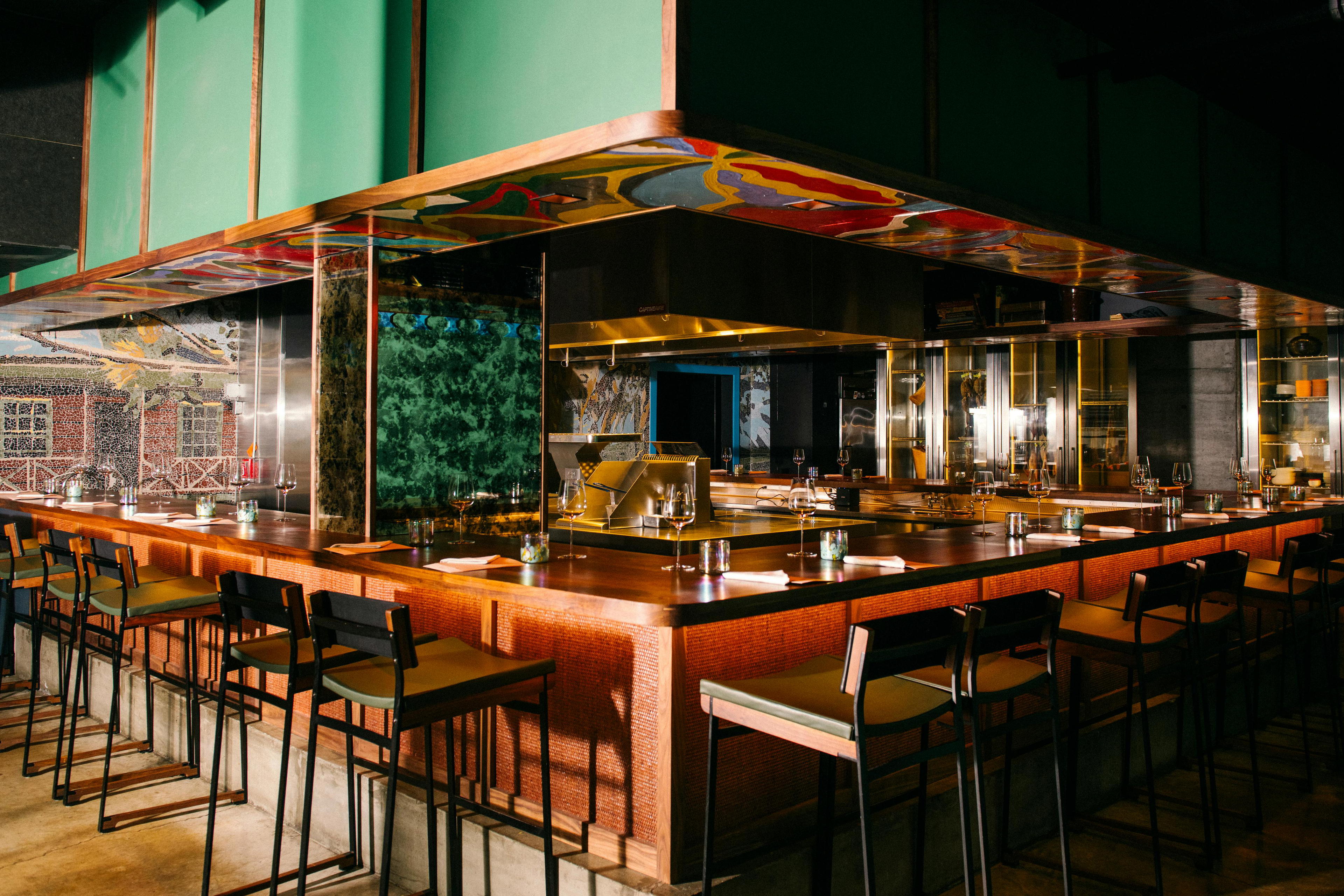
Hotels in New York City
Browse all →






At a Glance
- Cozy
- Trendy
- Modern
- Casual Hangout
- After Work
- Group Outing
- Speakeasy
- Standalone
- Design Destination
- Seated Bar
- Counter Only
- Craft Cocktails
- Classic Cocktails
Current opening hours
- Monday
- 8 AM–7 PM
- Tuesday
- 8 AM–7 PM
- Wednesday
- 8 AM–7 PM
- Thursday
- 8 AM–7 PM
- Friday
- 8 AM–7 PM
- Saturday
- 8 AM–7 PM
- Sunday
- 8 AM–7 PM
Hours can change for holidays and private events. Last verified .
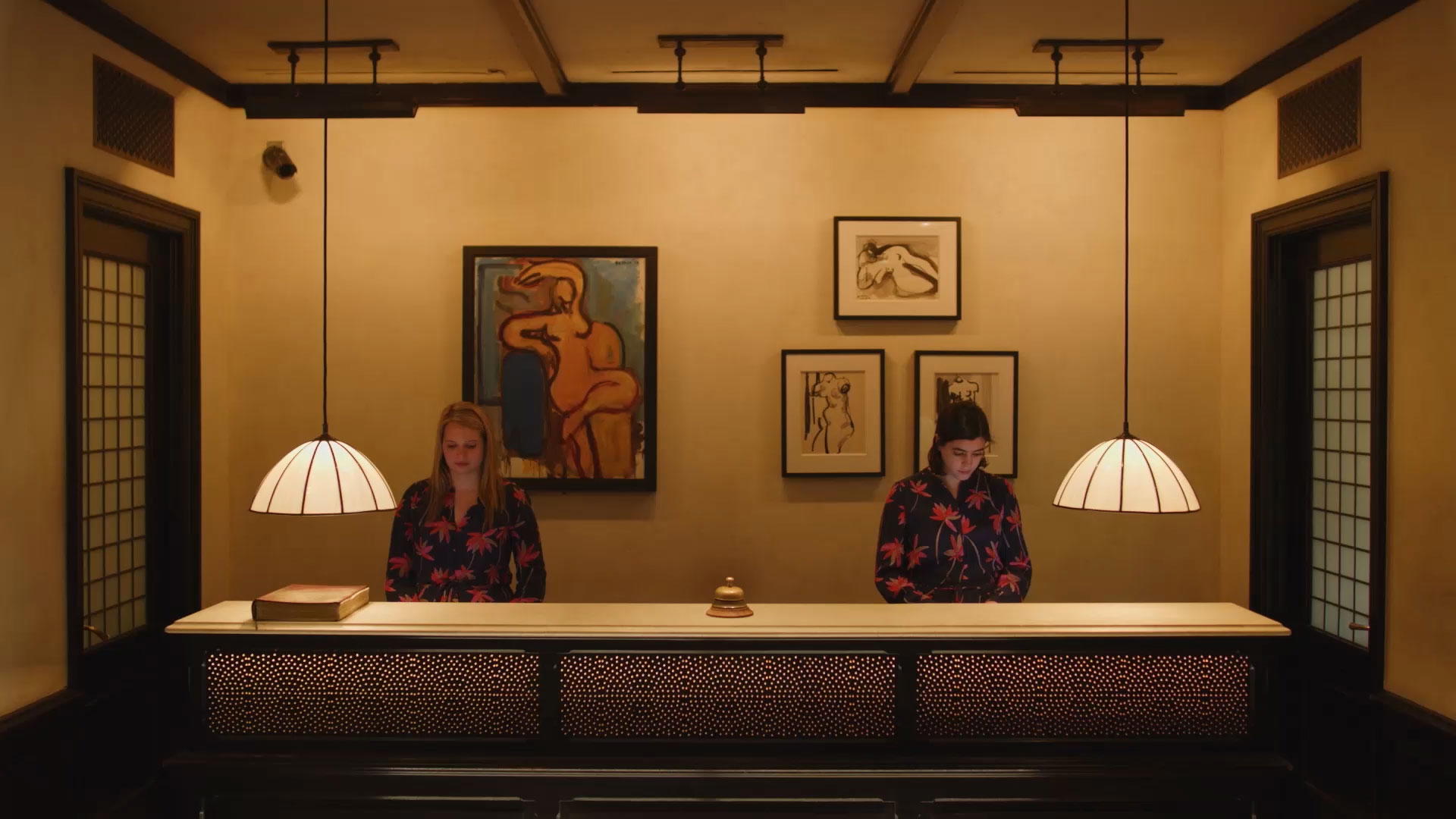
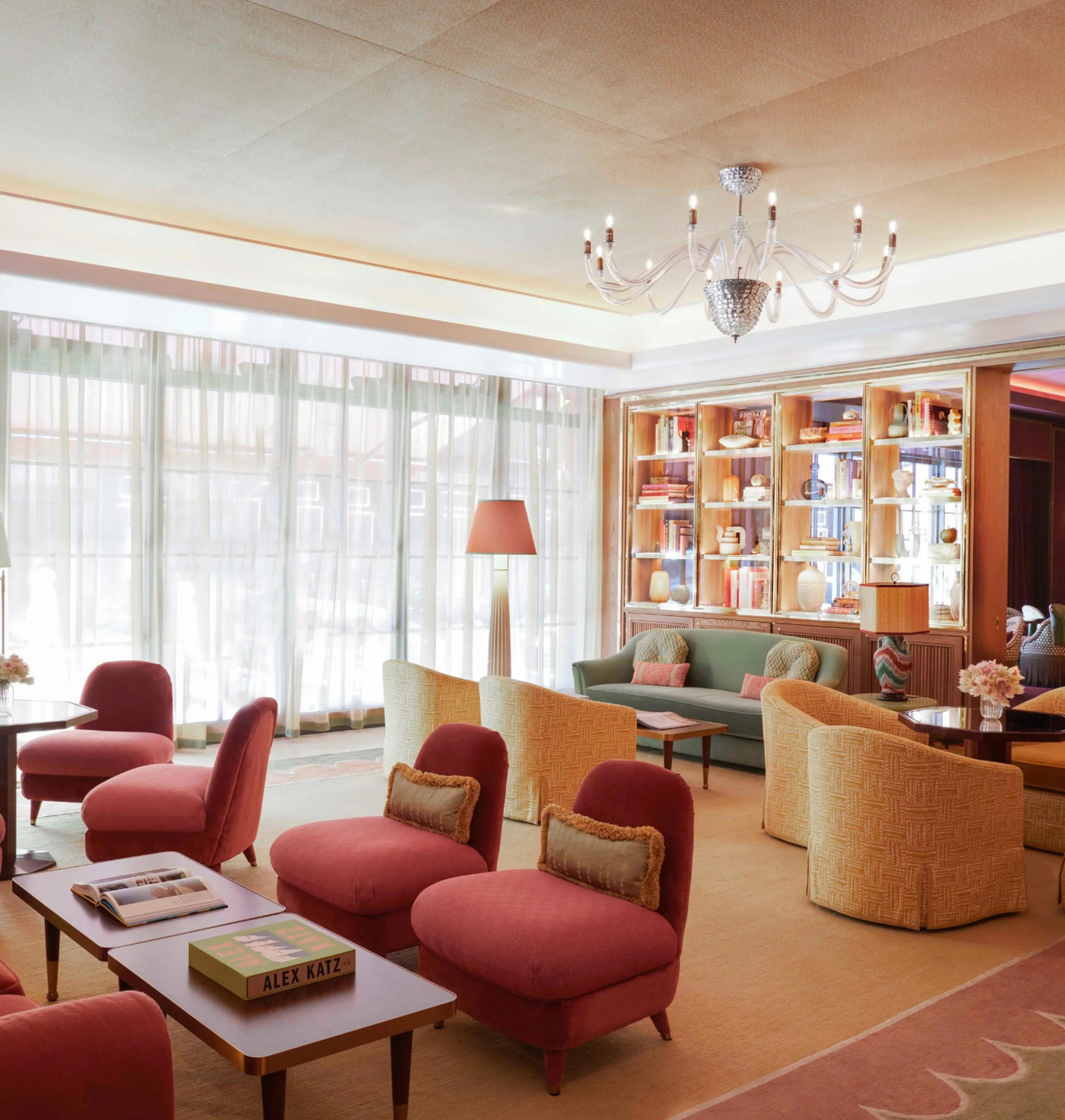
Nostalgic 1950s Korean coffee house aesthetic with warm, inviting lighting and a casual yet refined atmosphere blending café and speakeasy elements.
Know Before You Go
- Getting there
- 78 Canal St, New York, NY 10002