Daigo Sushi Roll Bar
A Carroll Gardens sushi roll bar operating in the register of a true neighborhood spot, Daigo Sushi Roll Bar at 527 Carroll St brings a focused, unpretentious format to a Brooklyn block that rewards regulars. The roll-forward format fits the area's appetite for casual precision, sitting somewhere between a dedicated sushi counter and a walk-in local bar.
Pearl is the En Primeur Club membership app — saves, bookings, and concierge access live there. Same editors, same standards.
- Address
- 527 Carroll St, Brooklyn, NY 11215
- Phone
- +1 917 909 1504
- Website
- daigobrooklyn.com
- Directions
- Get directions
 Saves & bookings on Pearl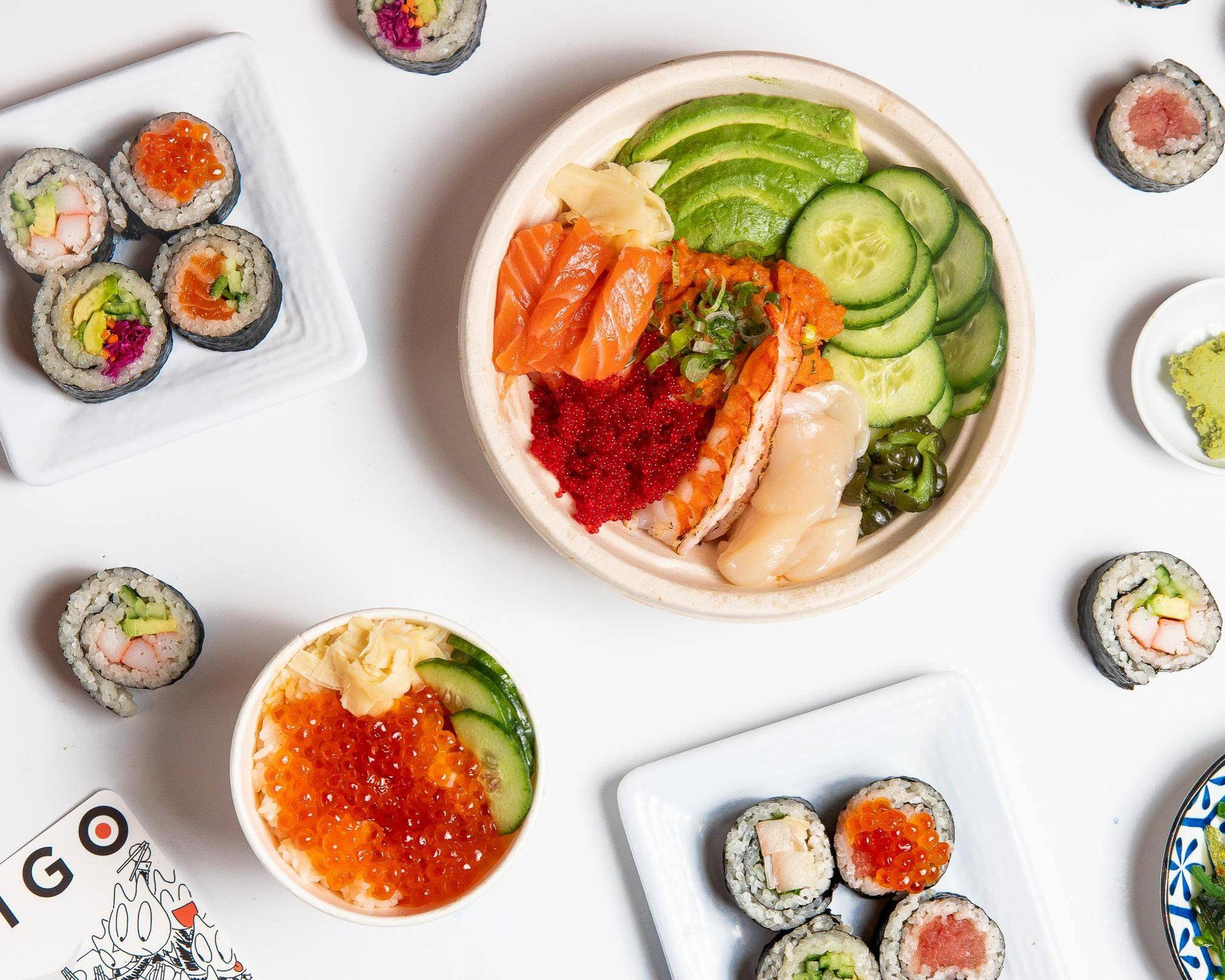
Carroll Gardens and the Bar That Belongs to the Block
Brooklyn's Carroll Gardens has a particular relationship with its food and drink institutions. The neighborhood moves at a pace that Manhattan rarely allows, and its residents tend to develop loyalty to places that earn it quietly, without fanfare or press cycles. The bars and restaurants that last here are the ones that function less like destinations and more like fixtures, the kind of place you find yourself at on a Tuesday without having planned it. Daigo Sushi Roll Bar, at 527 Carroll St, Brooklyn, operates in that register. The sushi roll bar format, which elsewhere in New York can carry the weight of a high-concept proposition, sits here as something closer to a neighborhood given.
This matters because the format itself tells you something about how Brooklyn has absorbed Japanese casual dining. Where Manhattan's approach to sushi tends to bifurcate into either the omakase counter with serious ceremony or the conveyor-belt fast-casual chain, Brooklyn has made space for a middle register: the roll-focused bar where the atmosphere is the point as much as the fish. Daigo occupies that middle register at a Carroll Gardens address that sits within walking distance of the kinds of streets where locals actually live, rather than streets engineered for foot traffic.
The Roll Bar Format and What It Demands
Sushi roll bars as a format carry specific expectations. They are not, by design, about the austere minimalism of Edomae nigiri or the chef-driven progression of an omakase. They are about accessibility, repetition of favorites, and a setting that makes it easy to stay for a drink after the food. The format has proliferated across American cities precisely because it answers a real demand: technically assembled Japanese-influenced food in a room that does not ask you to perform reverence.
Across comparable American cities, the roll bar format has developed distinct local flavors. In Honolulu, where venues like Bar Leather Apron demonstrate how a Pacific city builds around accessibility and craft in tandem, the Japanese dining tradition is woven into local identity at a cellular level. In Chicago, Kumiko has shown how Japanese technique can anchor a cocktail-forward space with real depth. The question for any roll bar operating in a specific neighborhood is whether it reads as a generic proposition or as something genuinely embedded in its block. Carroll Gardens, with its brownstone streets and a dining culture that rewards consistency over novelty, is a reasonable place to try.
Brooklyn's Cocktail Context and the Neighborhood Bar Question
The bar side of a sushi roll bar format is worth taking seriously, because in a neighborhood like Carroll Gardens, the drink program often determines whether a place becomes a regular's spot or a one-visit destination. New York's cocktail bar scene has matured considerably in the past decade, moving away from speakeasy theater toward programs with defined technical identities. Venues like Attaboy NYC and Angel's Share have set standards for what a focused, guest-responsive bar program looks like in this city. Amor y Amargo has demonstrated that a narrow, principled format can build a loyal following when executed with consistency.
A roll bar in Brooklyn does not need to compete directly with those rooms, but it does need a drink program that makes sense alongside the food and gives regulars a reason to linger. The neighborhood bar economy in Carroll Gardens runs on return visits, not on one-time destination traffic. Places like The Long Island Bar have shown that a well-run, unfussy room with a clear identity can become genuinely essential to its block. That is the standard Daigo operates against, whether or not it frames itself in those terms.
For reference points further afield, Jewel of the South in New Orleans, Julep in Houston, and ABV in San Francisco each illustrate how neighborhood-anchored bar programs in American cities build identity through specificity rather than scale. The parallel is instructive: what makes a local bar work is rarely its ambition on paper, but how reliably it delivers on what it promises to its regulars. Superbueno in New York has shown how a format with clear identity can carve out a genuine local following even in a crowded market.
Placing Daigo in the Broader New York Conversation
New York's sushi scene is stratified in ways that make the roll bar format its own distinct category. At the leading, three-Michelin-star omakase counters in Midtown and the West Village price against a global comparable set and operate on months-long waitlists. At the accessible end, fast-casual roll chains have expanded across every borough. The middle tier, where a roll-focused bar with a genuine neighborhood identity can operate, is actually a less crowded space than it appears. Carroll Gardens, which is not a dining destination neighborhood in the way that the West Village or Williamsburg is, gives a venue like Daigo a specific kind of protection: it is not competing for destination traffic, which means it can focus on being genuinely useful to the people who live nearby.
That positioning has trade-offs. It means less exposure to the kind of press and platform attention that drives one-time visits from across the city. It also means that the measure of success is quieter and more durable: repeat visitors, neighborhood word of mouth, and the kind of reliability that turns a place into a fixture.
Internationally, the neighborhood bar as a serious format gets significant attention. Allegory in Washington, D.C. and The Parlour in Frankfurt on the Main both demonstrate how a room with a clear format and a loyal local following can operate at a level that rewards the curious visitor without being designed for them.
Planning a Visit
Daigo Sushi Roll Bar is at 527 Carroll St in Brooklyn's Carroll Gardens. Carroll Gardens rewards the kind of evening that starts with a roll or two and extends into the block's quieter bar options, and the venue fits that rhythm. The venue is walk-in friendly.
Cuisine Context
Comparable venues nearby, for context on price, style, and recognition.
| Venue | Cuisine | Price | Notes |
|---|---|---|---|
| Daigo Sushi Roll BarThis venue — the venue you are viewing | Bar | $$ | Not listed |
| Greene Grape Annex | beer_bar | $$ | Fort Greene |
| The Randolph | beer_bar | $$ | Downtown Brooklyn-DUMBO-Boerum Hill |
| King Mother | Bar | Not listed | Flatbush (West)-Ditmas Park-Parkville |
| The Mercury Lounge | lounge | $$ | Lower East Side |
| Goodnight Sonny | cocktail_bar | $$ | East Village |
Continue exploring
More in New York City
Bars in New York City
Browse all →
Restaurants in New York City
Browse all →
Hotels in New York City
Browse all →





At a Glance
- Intimate
- Cozy
- Minimalist
- Casual Hangout
- Standalone
- Counter Only
Current opening hours
- Monday
- 12–9 PM
- Tuesday
- 12–9 PM
- Wednesday
- 12–9 PM
- Thursday
- 12–9 PM
- Friday
- 12–9:30 PM
- Saturday
- 12–9:30 PM
- Sunday
- Closed
Hours can change for holidays and private events. Last verified .
Intimate and cozy with minimalist decor and low or no music.