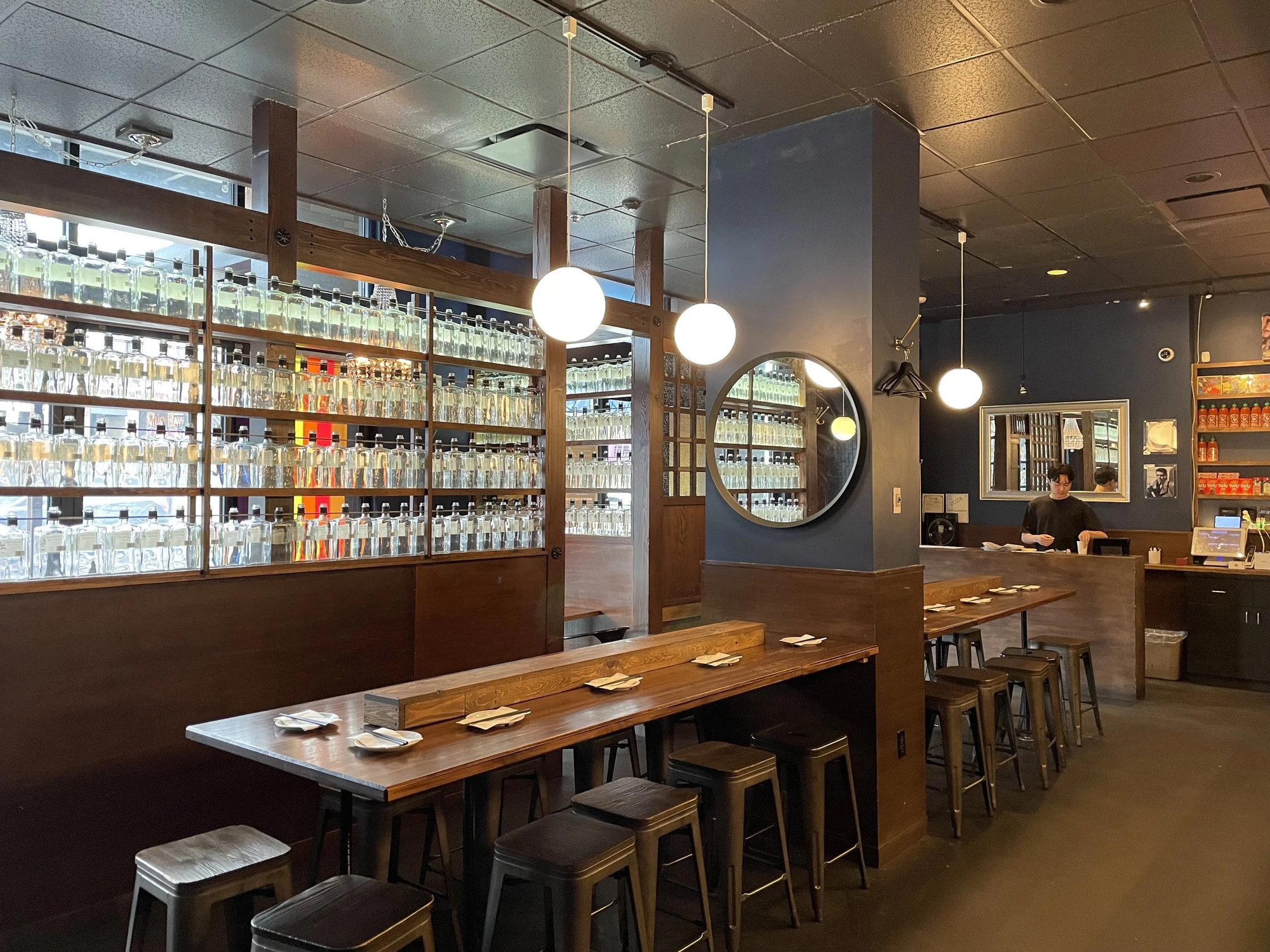
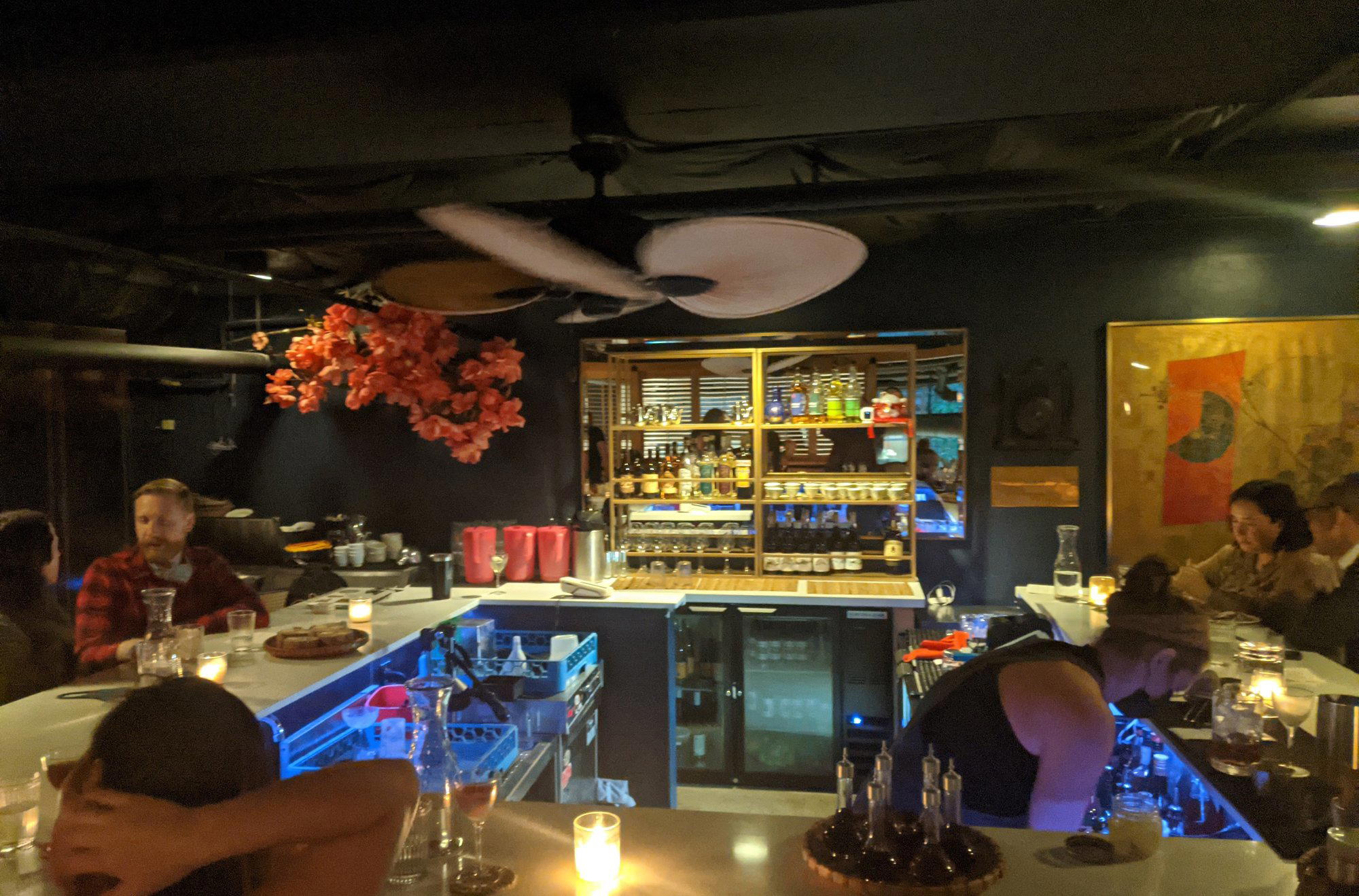
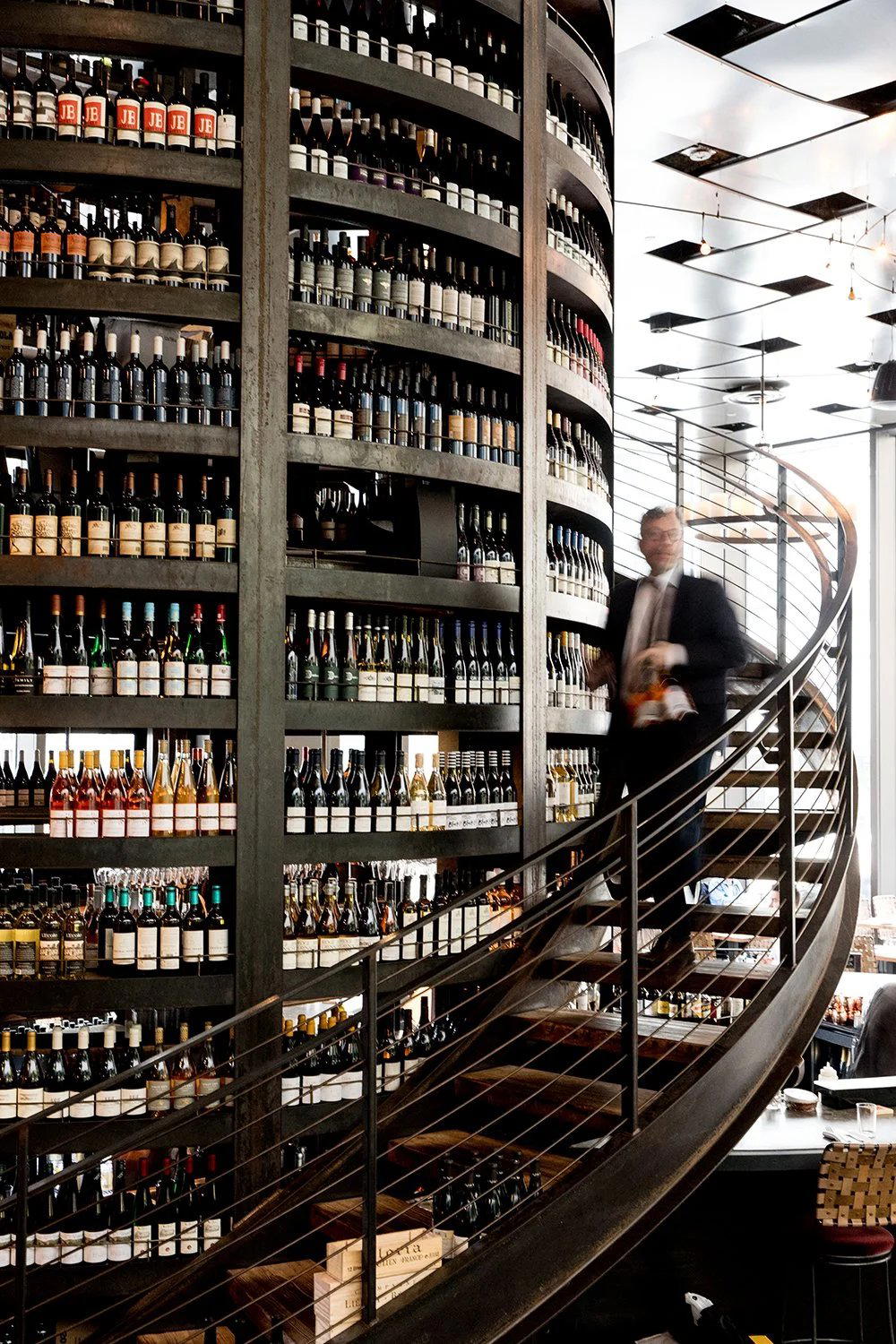
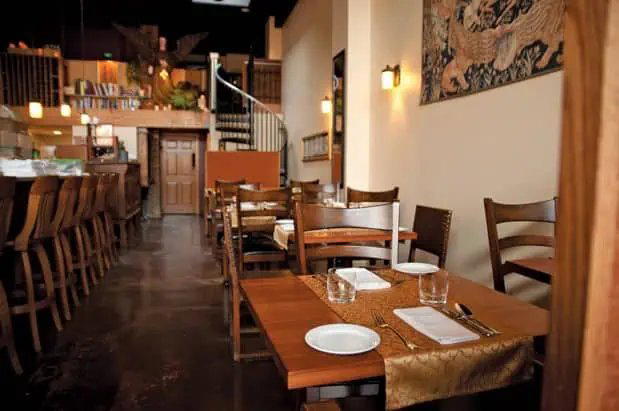
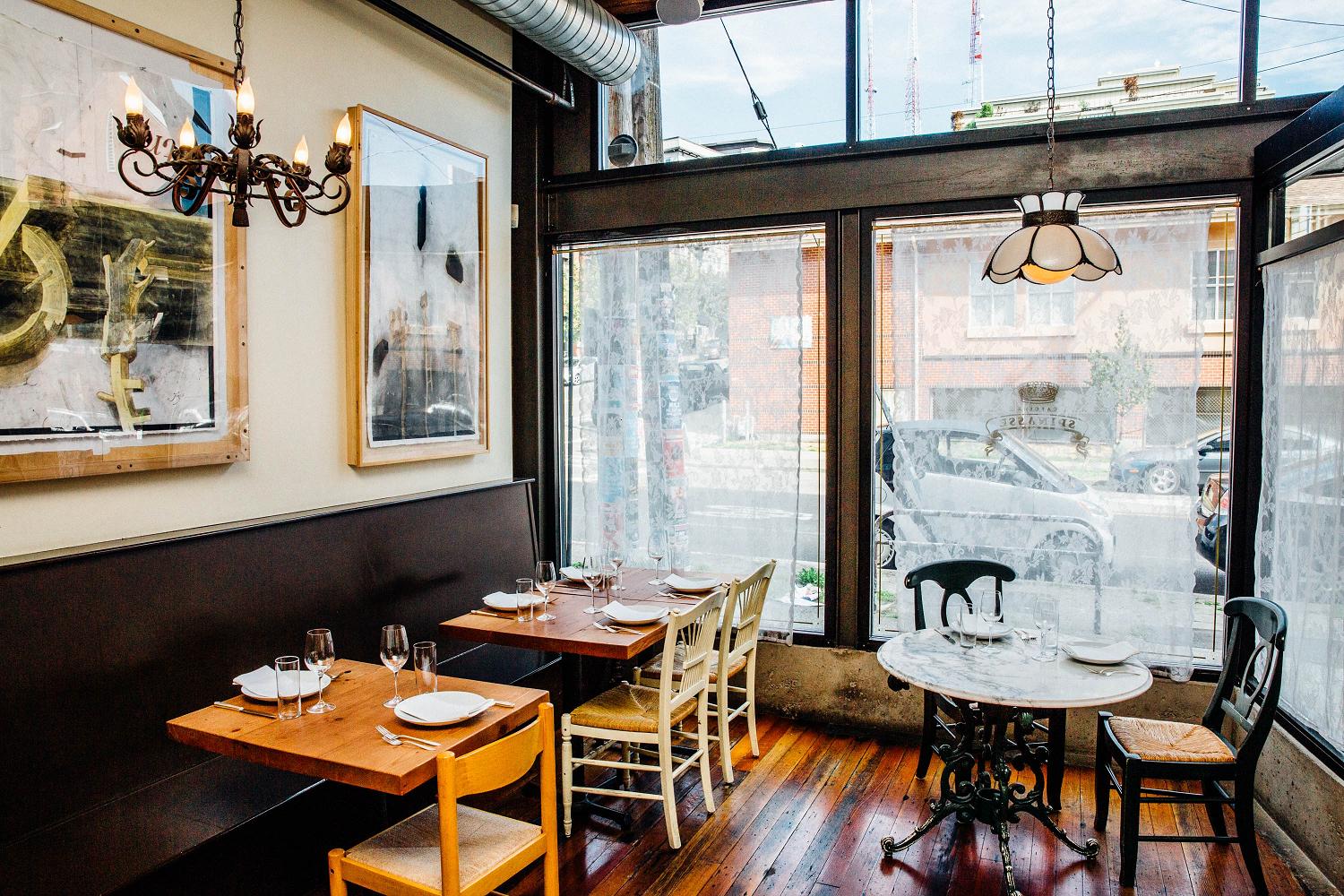
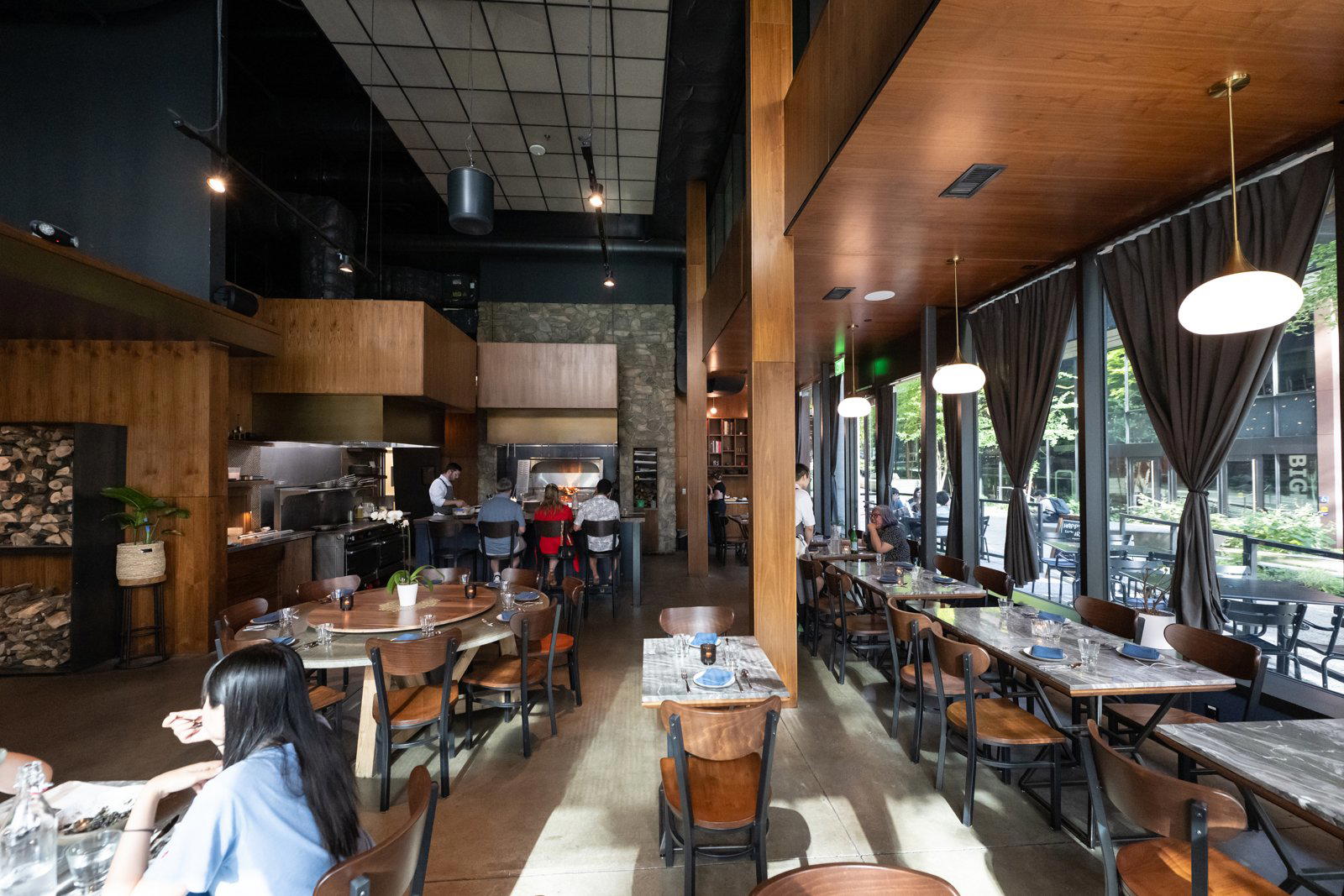
The sensory register of a Japanese kitchen in a dense urban neighborhood like Capitol Hill is shaped by its scale before anything else. Smaller rooms concentrate sound differently than open-plan dining floors: the percussion of prep, the low exchange between kitchen and front-of-house, and the ambient conversation of a full dining room layer into something closer to a soundtrack than noise. That compression of atmosphere is part of what distinguishes a kitchen with genuine intent from a space that is merely functional.
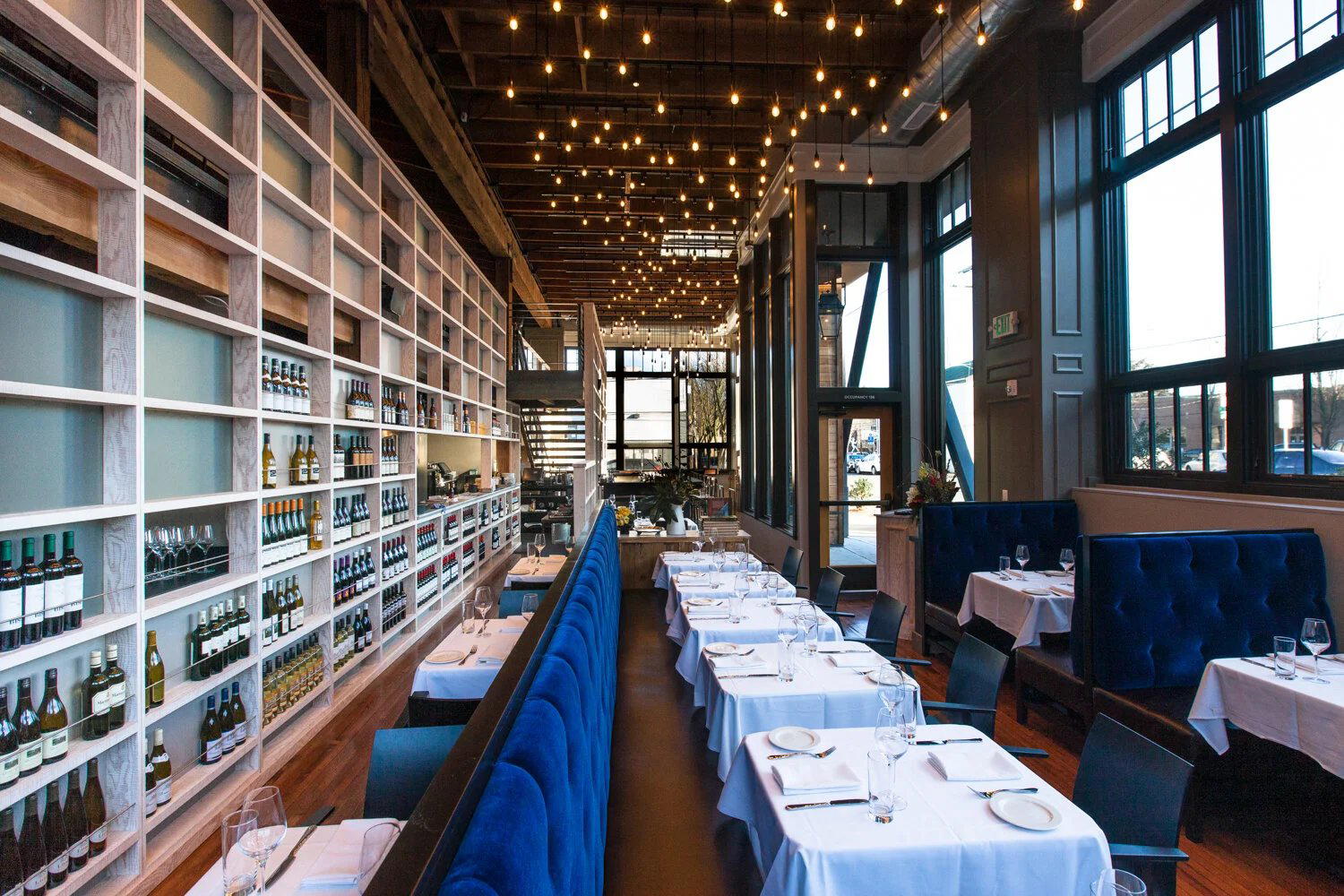
Japanese dining in the American context has developed a wide vocabulary of interiors, from the spare cedar minimalism that references Kyoto aesthetic traditions to the warmer, noisier izakaya formats that prioritize communal energy over contemplative distance. Capitol Hill diners have seen both, and the neighborhood's dining culture generally skews toward spaces that feel inhabited rather than designed for a press photograph. A Japanese kitchen that reads as a working room rather than a set piece tends to land better here than one that prioritizes surface.
What arrives at the table matters more than what hangs on the walls. Japanese culinary tradition places considerable weight on the relationship between temperature, texture, and timing, the logic of why a dish arrives when it does, at the temperature it arrives, on the vessel chosen for it. That kind of attention is harder to maintain in a busy Broadway service than in a controlled counter format, but it is also what separates a kitchen running a Japanese-inspired menu from one executing Japanese cooking with discipline.
Seattle's relationship with Japanese cuisine is longer and more layered than most American cities its size. The International District has anchored Japanese, Chinese, and Southeast Asian cooking in the city since the late nineteenth century, and the sushi counters and ramen shops that spread through Capitol Hill, Fremont, and Ballard in the 2000s and 2010s built on that foundation. The more recent phase has seen a handful of operators push into higher-technique formats, omakase counters, kappo-adjacent menus, and izakayas with serious sake and whisky programs, that position Seattle's Japanese dining against peer cities like Portland, San Francisco, and Los Angeles rather than just against itself.
Rondo's address on Broadway places it in a mid-tier competitive band where the dining public is sophisticated enough to notice quality but cost-sensitive enough to punish overreach. That is not a criticism of the location, it is a description of the opportunity. The diners who eat on Broadway regularly are the same people who have tried the omakase counters downtown and the yakitori specialists in the International District. They bring context. They also bring loyalty when a kitchen earns it, and the kind of peer-to-peer recommendation that sustains an independent operation through the slow seasons that follow an opening flush.
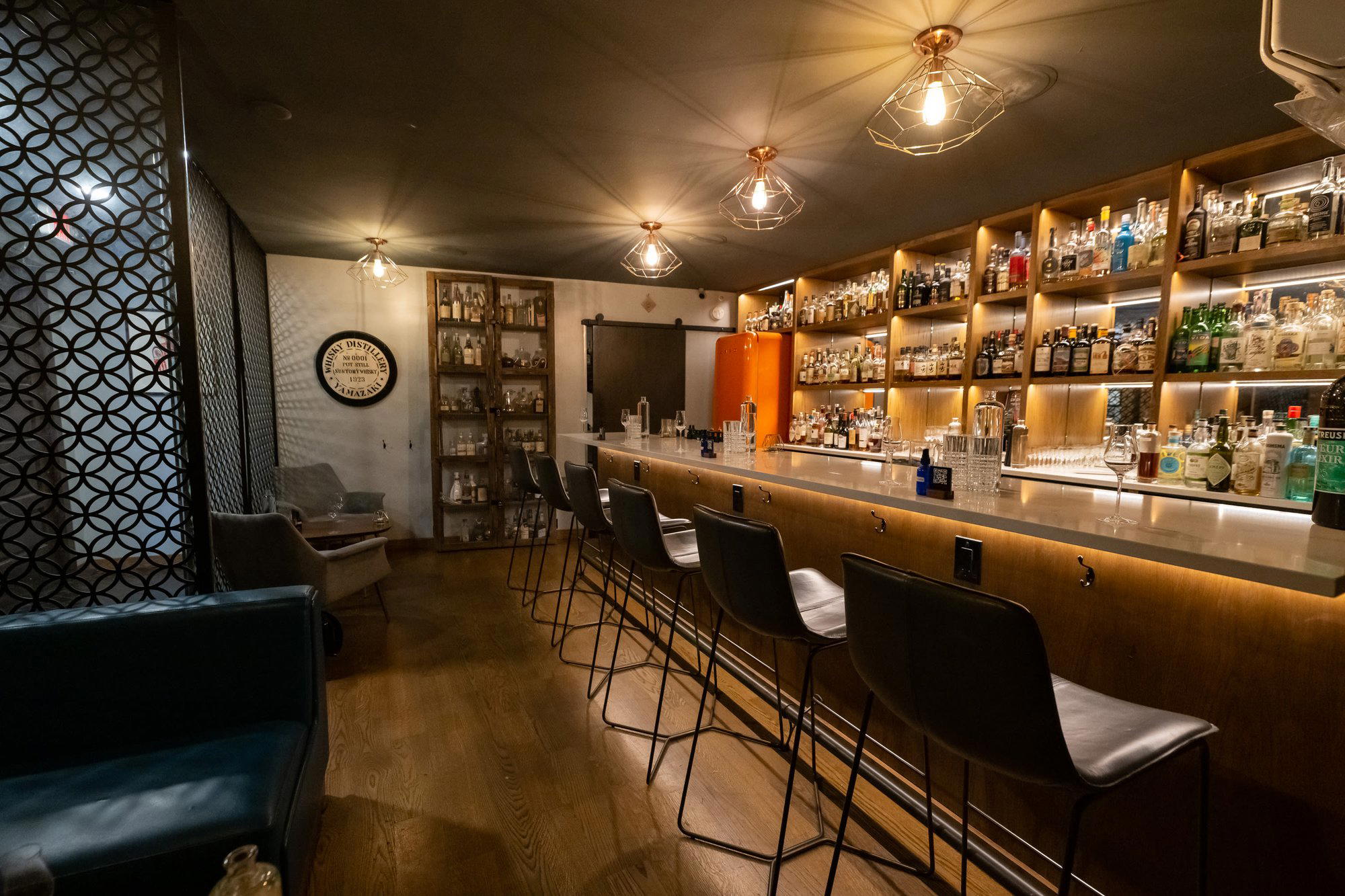
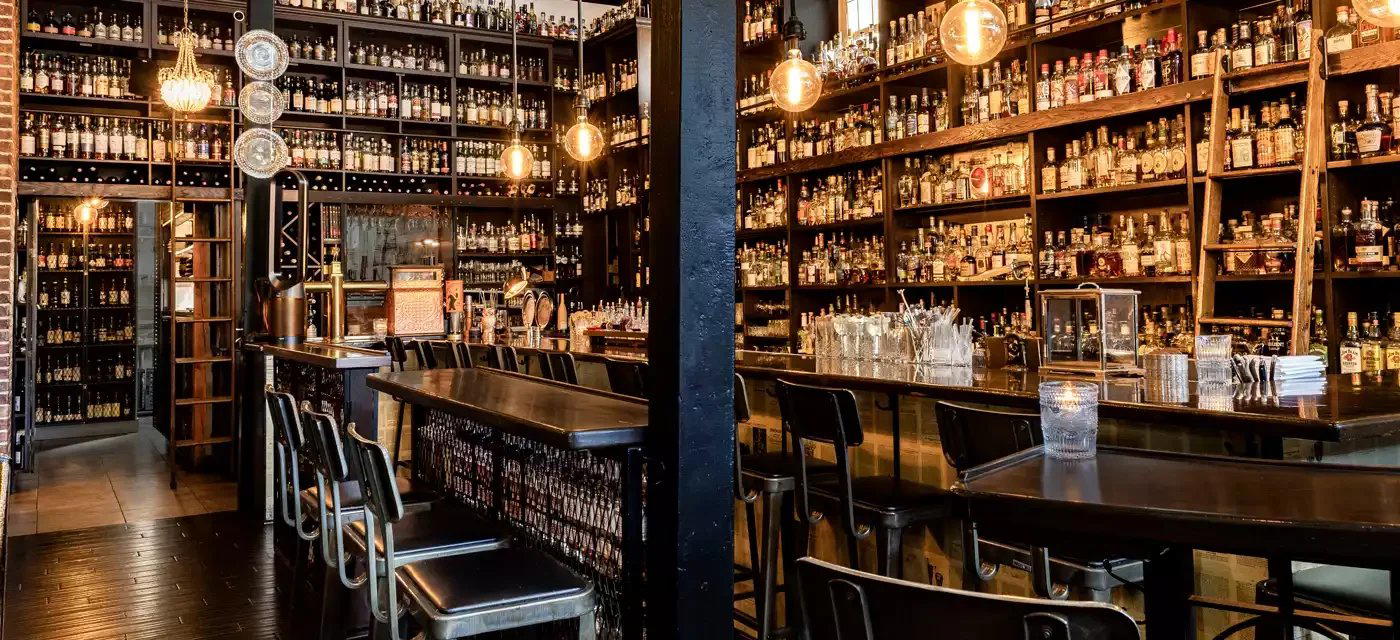
Seattle's broader cocktail and bar scene provides natural pairing territory for a Japanese kitchen at this level. Venues like Canon and Roquette have helped establish the city's credentials for serious spirits programs, and The Doctor's Office and 2963 4th Ave S represent the more experimental end of Seattle's bar culture. Japanese whisky, shochu, and sake-forward cocktail programs have become natural adjacencies to Japanese kitchens across the country, a trend visible from Kumiko in Chicago to Bar Leather Apron in Honolulu, and Capitol Hill's density of good drinking options means that a meal at Rondo can anchor a longer evening without much planning effort.
Across American cities, the Japanese neighborhood kitchen occupies a different cultural position than it does in Tokyo or Osaka. In Japan, the local kitchen, the shotengai ramen shop, the family-run izakaya, the counter sushi spot, operates within a web of regulars and ritual that takes years to build. In American neighborhoods, that dynamic is approximated but rarely replicated: the regulars exist, the ritual develops, but the competitive pressure from new openings and delivery platforms creates a churn that Japanese dining culture in Japan largely avoids.
What American Japanese kitchens have developed in response is a kind of edited focus, a tighter menu that signals intent more clearly than a sprawling one, a drinks list that reflects genuine understanding of Japanese beverage culture, and a service register that communicates knowledge without formality. The cities where this model has taken clearest shape include New York, Los Angeles, San Francisco, and, increasingly, Seattle. For comparison points beyond the Pacific Northwest, Jewel of the South in New Orleans, Julep in Houston, Superbueno in New York City, ABV in San Francisco, and The Parlour in Frankfurt on the Main each illustrate how a neighborhood-scale operation with a clear point of view can sustain itself against larger, better-funded competition by serving a specific public with consistency. The principle applies directly to what Rondo is attempting on Broadway.
Know Before You Go
Planning Notes
- Address: 224 Broadway E, Seattle, WA 98102 (Capitol Hill)
- Timing: Broadway kitchens on Capitol Hill fill quickly on Thursday through Saturday evenings; a weekday visit typically offers a calmer room without sacrificing service quality
- Context: The neighborhood supports a strong bar scene before and after dinner, Canon, Roquette, and The Doctor's Office are all within the broader Capitol Hill radius