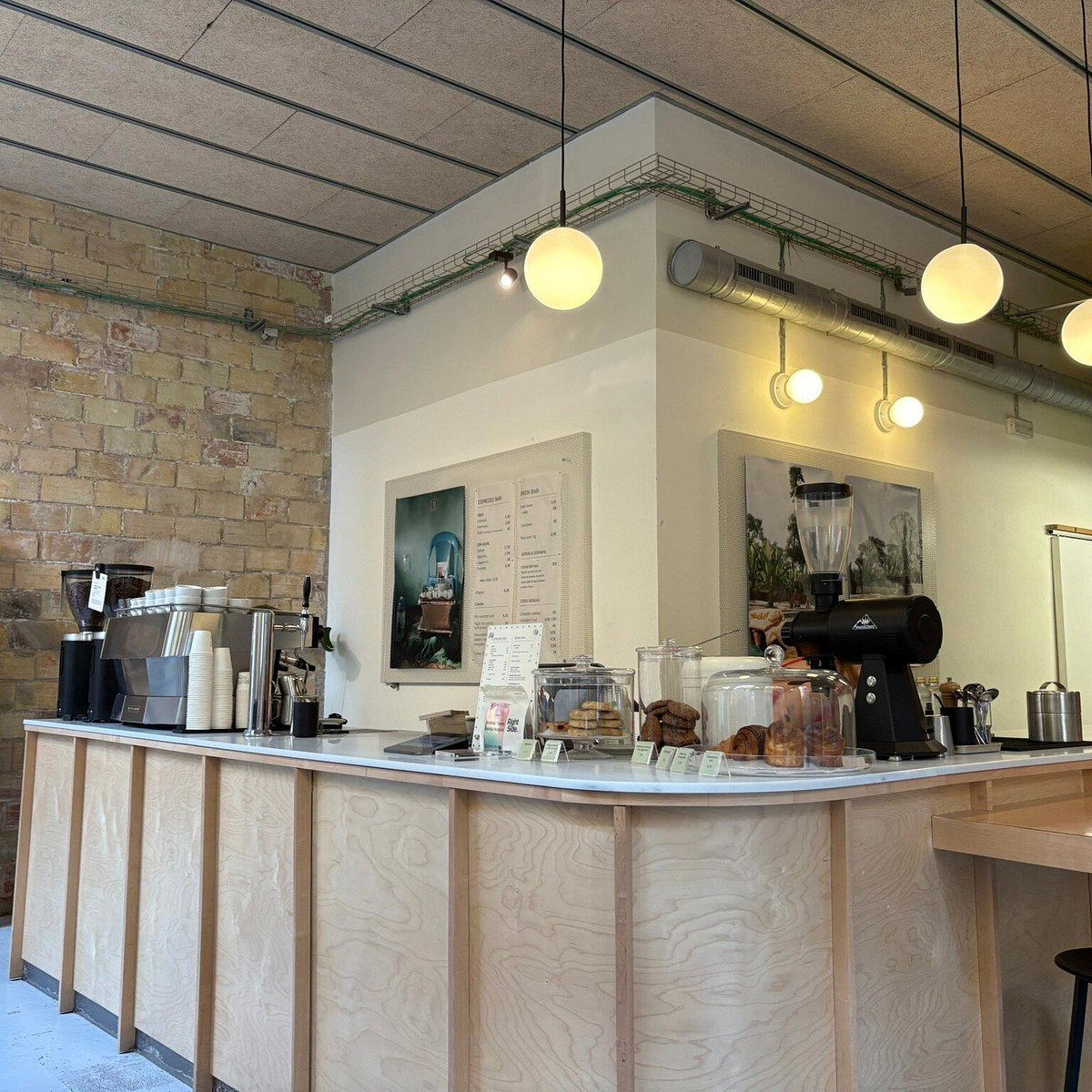
Tucked into the Call, Barcelona's medieval Jewish quarter, Right Side Coffee Bar occupies one of Ciutat Vella's most historically layered streets. The format is compact and deliberate, drawing a crowd that treats coffee with the same seriousness locals reserve for vermouth hour. In a city where café culture tends toward the theatrical, this bar keeps its attention on the cup.

Pearl is the En Primeur Club membership app — saves, bookings, and concierge access live there. Same editors, same standards.
- Address
- Carrer de l'Arc de Sant Ramon del Call, 11, Ciutat Vella, 08002 Barcelona, Spain
- Phone
- +34 666 22 25 99
- Hours
- Mon–Fri 9 AM–5 PMSat–Sun 10 AM–6 PM
- Website
- rightsidecoffee.com
- Directions
- Get directions
Where the Call Meets the Counter
Barcelona's Ciutat Vella has long been a neighbourhood of compressed contradictions: tourist pressure running directly against deeply local ritual, medieval stonework shared with contemporary design, and a café scene that ranges from assembly-line espresso to something considerably more considered. Carrer de l'Arc de Sant Ramon del Call sits in the densest part of this tension, a narrow lane threading through what was once the city's Jewish quarter, where the architecture alone sets a particular mood before you've ordered anything.
Right Side Coffee Bar operates within that context, and the address matters. The Call carries a quieter, more residential weight than the Barri Gòtic's main corridors — it draws people who know where they're going rather than those who've stumbled in from Las Ramblas. That self-selecting geography shapes the room before the menu does.
The Specialty Coffee Tier in Barcelona
Spain has a coffee culture that runs deep and runs strong, but for most of its history, that culture has meant one thing: a short, dark, unapologetically bitter espresso pulled at high temperature from a commercial blend. The shift toward lighter roasts, single origins, and precision extraction has arrived later here than in London, Copenhagen, or Melbourne, which makes Barcelona's current specialty coffee moment worth paying attention to precisely because it hasn't yet been diluted by volume.
The city's specialty bars now occupy a recognisable tier: small-format, technically focused, sourcing from roasters with documented relationships with farms or cooperatives, and run by teams where the distinction between barista and front-of-house is functionally irrelevant because the person serving you is also the person who can explain the processing method.
What separates these bars from the broader café population isn't theatrics. It's the absence of them. No open-flame siphons, no tableside pourover ceremony. The seriousness is expressed through consistency and through the willingness of the staff to have an actual conversation about what's in the hopper.
The Team as the Format
In small-format specialty coffee bars, the editorial angle that often gets overlooked is collaboration. These are not venues with a head chef insulated behind a pass; the person dialling in the grinder in the morning is working in full view of everyone at the bar, and the quality of the experience depends entirely on whether that person is also willing to be a host. The team dynamic here is the product.
This is worth noting in the context of Barcelona's broader hospitality culture, which has historically been strong on warmth but variable on technical depth at the front line. The specialty coffee tier has pushed a different model: hire people who know the product, then trust them to run the room. It produces a different kind of regulars, the kind who come back not just out of habit but because they trust the recommendation of whoever is working that day.
The same logic applies when you look at how Barcelona's more considered drinking venues across categories tend to perform. Boadas has operated on institutional knowledge and team continuity for decades. Dry Martini runs on a similar model of sustained craft handed down within a house. Dr. Stravinsky has made team expertise part of its public identity. The thread connecting them is that the service team carries the programme, not just supports it.
The Neighbourhood as Context
The Call is one of the few parts of Ciutat Vella where the medieval street grid remains almost entirely intact, and that compression — narrow lanes, low light, sudden small plazas, creates a particular cadence for the day. Coffee here functions as a punctuation mark in an itinerary rather than a destination in itself, which is not a criticism but an observation about how the neighbourhood moves.
Mornings on this street have a different rhythm from the tourist-facing parts of the Gothic Quarter. The crowd shifts across the day, with the late-morning window tending to draw a mix of local workers, researchers from the nearby MUHBA (Museu d'Història de Barcelona), and visitors who have made a specific decision to be in this part of the city. The practical implication is that seating pressure, in a small-format bar, follows that rhythm closely.
For visitors building a day around Ciutat Vella, pairing a stop here with the Call's own historical circuit, which includes some of the oldest documented Jewish sites in the Iberian Peninsula, gives the visit a logic that goes beyond the coffee itself. The neighbourhood rewards slow movement, and a bar that doesn't rush you out fits that pace.
Barcelona in a Broader Spanish Context
The specialty coffee movement has taken different shapes across Spanish cities. Angelita in Madrid operates across both wine and coffee with a format that blurs the categories. In the Balearics, La Margarete in Ciutadella and Garden Bar in Calvià reflect the archipelago's own approach to considered hospitality at smaller scale. In Andalusia, Bar Sal Gorda in Seville and Bar Gallardo in Granada each occupy their own local niche. What Barcelona's version shares with these is a refusal to perform specialness, the quality is assumed, not announced.
Internationally, the format has parallels: Bar Leather Apron in Honolulu works on a similar logic of tight programming and team-led service, though in a cocktail register. The principle transfers: in small rooms, the staff are the experience. See also our full Barcelona restaurants guide for how Right Side Coffee Bar fits into the city's wider drinking and dining picture.
Know Before You Go
| Detail | Information |
|---|---|
| Address | Carrer de l'Arc de Sant Ramon del Call, 11, Ciutat Vella, 08002 Barcelona |
| Neighbourhood | The Call, within Ciutat Vella (Gothic Quarter adjacency) |
| Format | Small-format specialty coffee bar |
| Booking | Walk-in format; no reservation data available |
| Price range | Not published; expect specialty-tier coffee pricing |
| Getting there | Closest Metro: Liceu (L3) or Jaume I (L4); the street is pedestrian-only |
Awards and Standing
| Venue | Cuisine | Price | Awards |
|---|---|---|---|
| Right Side Coffee BarThis venue — the venue you are viewing | Not listed | $1–10 | Not listed |
| Boadas | Not listed | $10–20 | World's 50 Best #36 · Falstaff Bar - 92 Falstaff Points |
| Dr. Stravinsky | Not listed | Not listed | World's 50 Best |
| Dry Martini | Cocktail Bar | $30–50 | World's 50 Best #4 · Falstaff Bar - 95 Falstaff Points |
| Paradiso | Cocktail Bar | $30–50 | World's 50 Best #9 · Falstaff Bar - 94 Falstaff Points |
Continue exploring
More in Barcelona
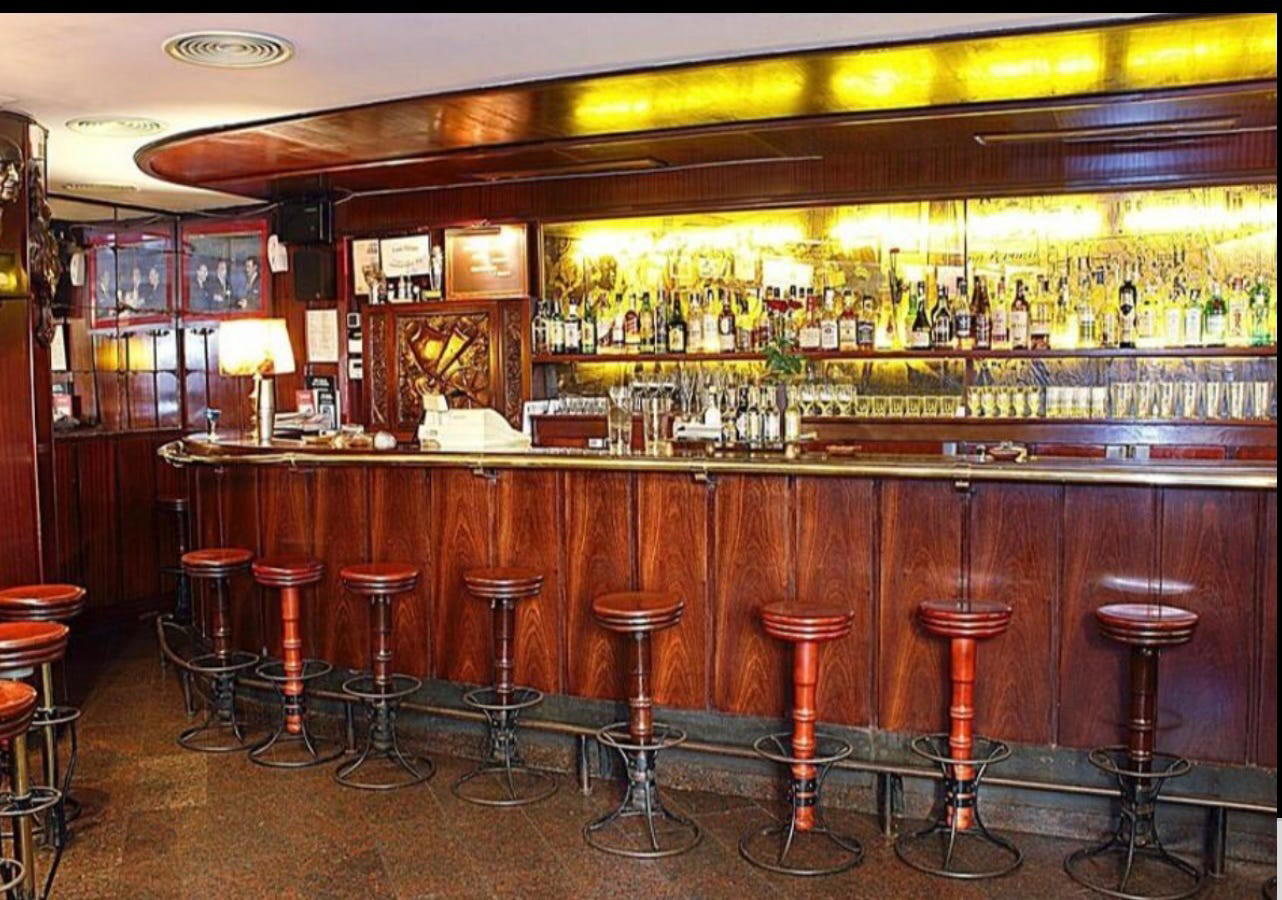
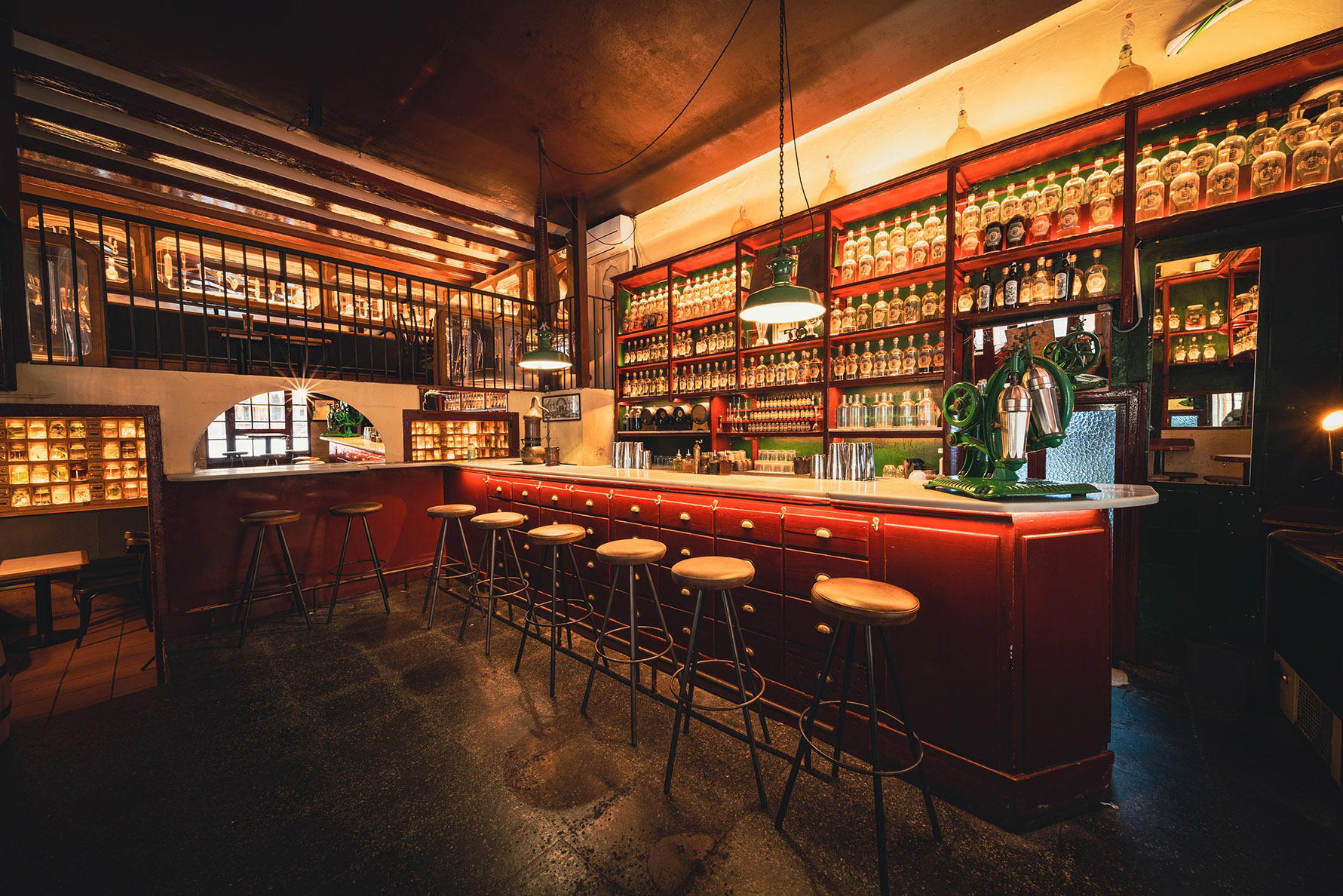
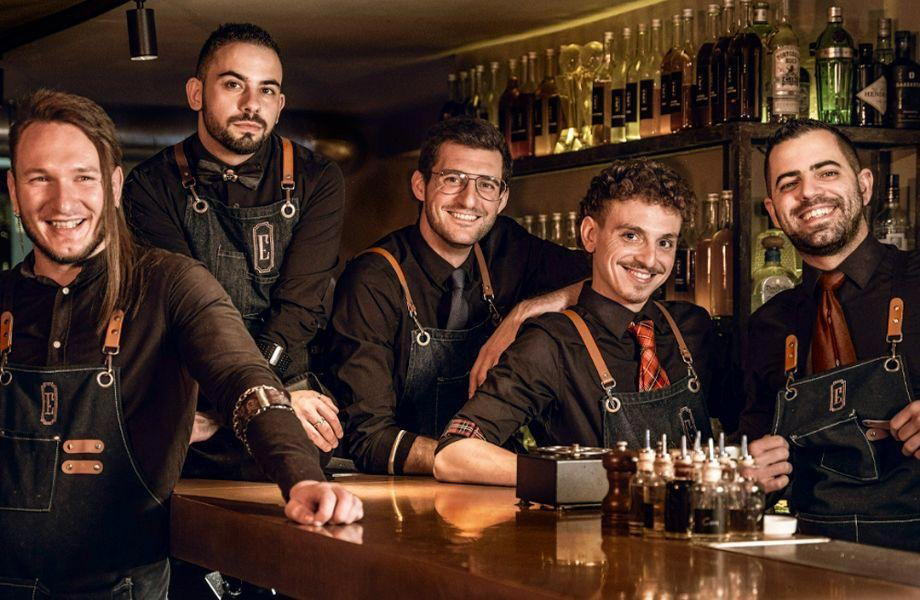
Bars in Barcelona
Browse all →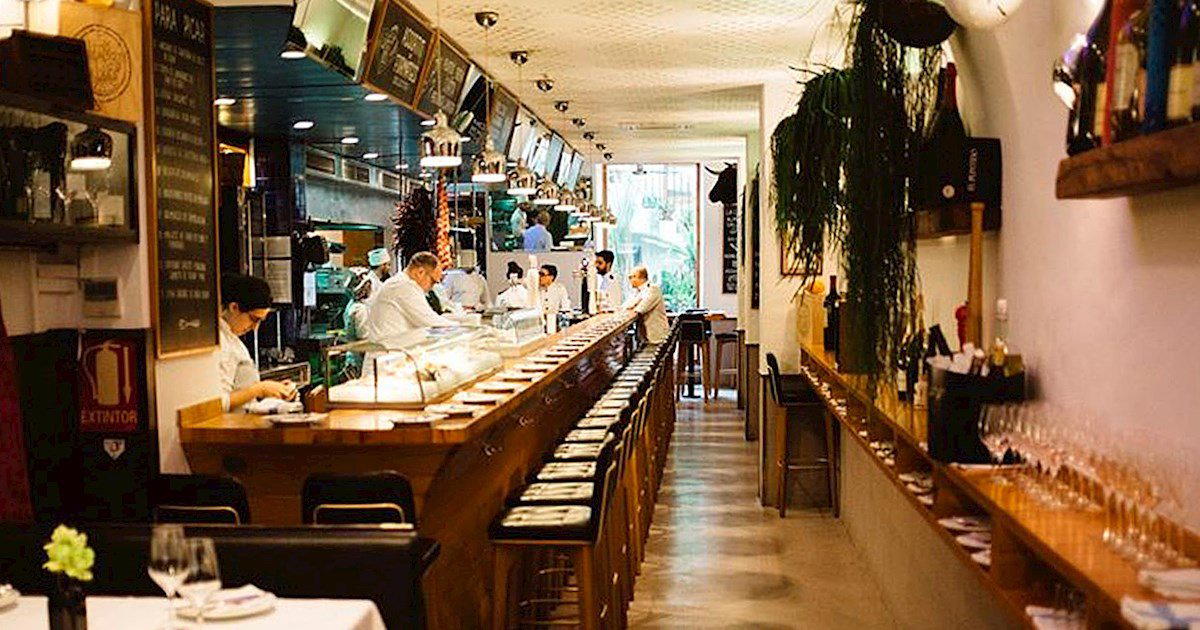
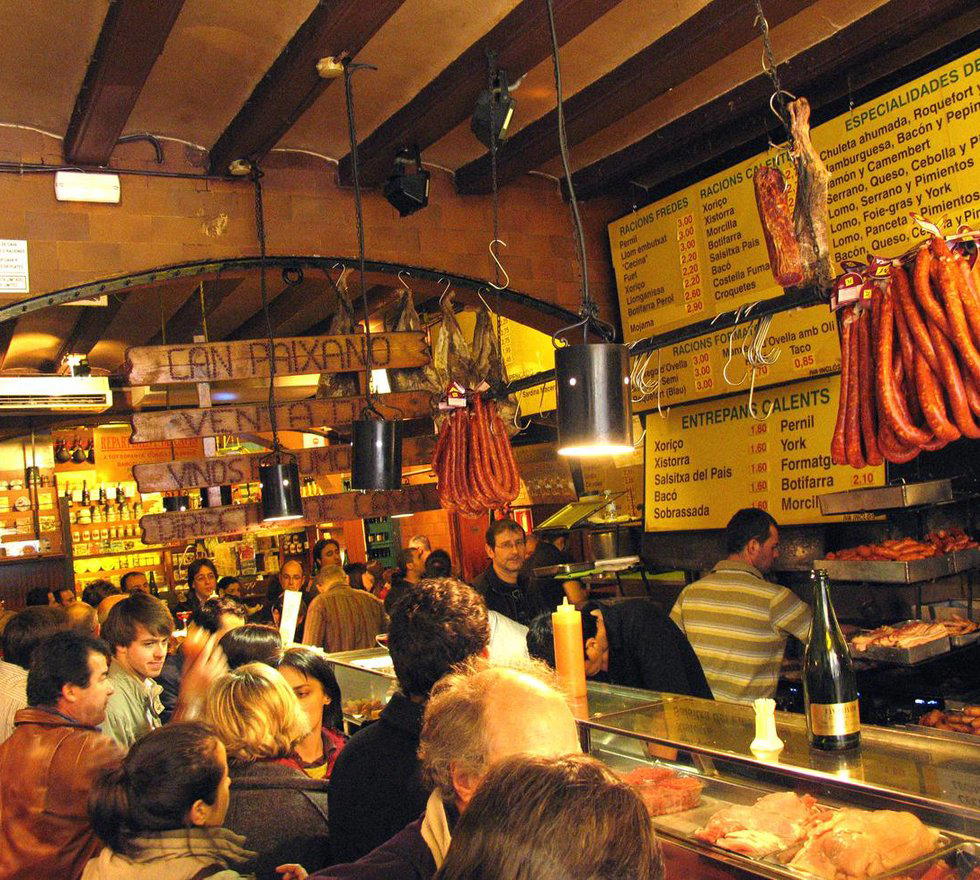
Restaurants in Barcelona
Browse all →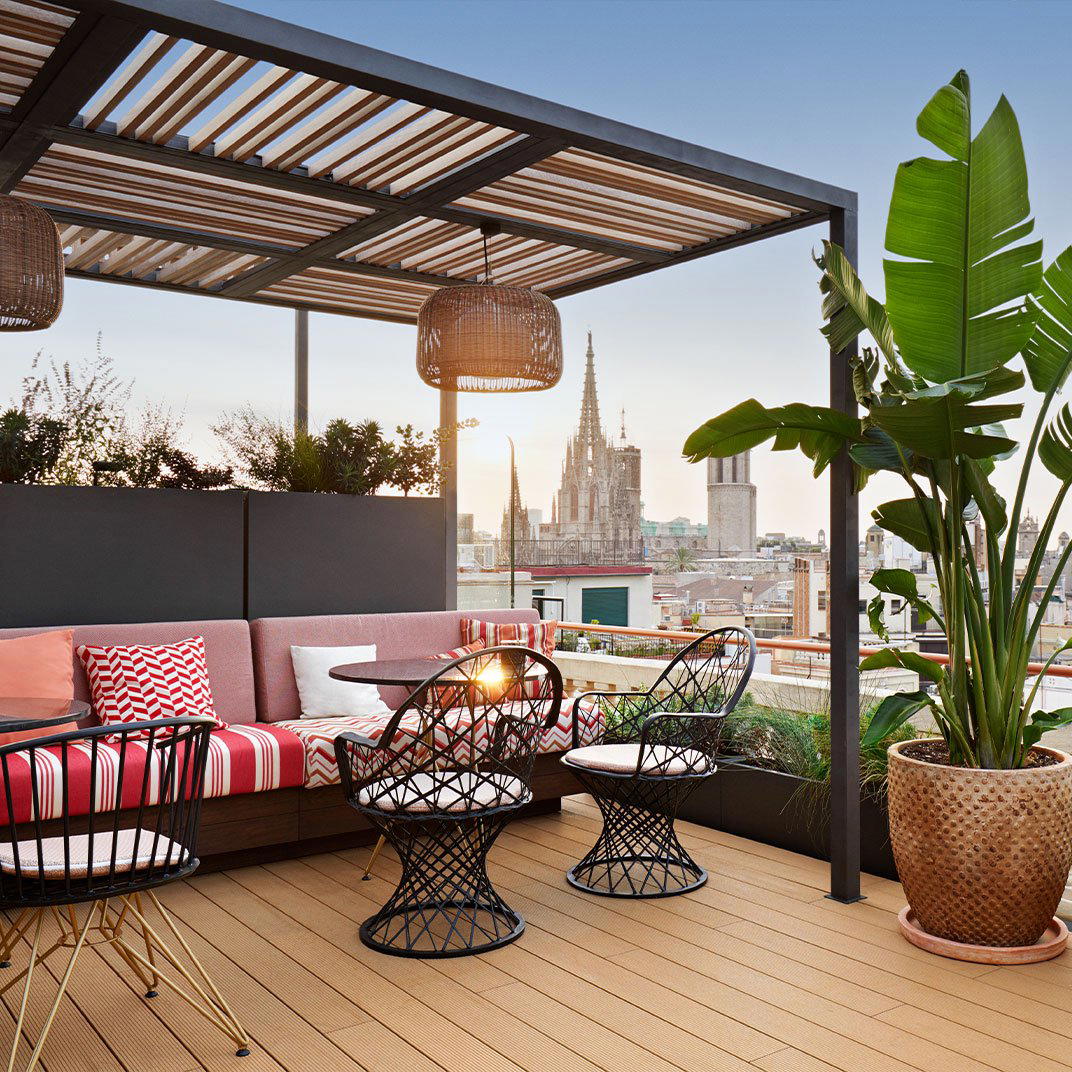
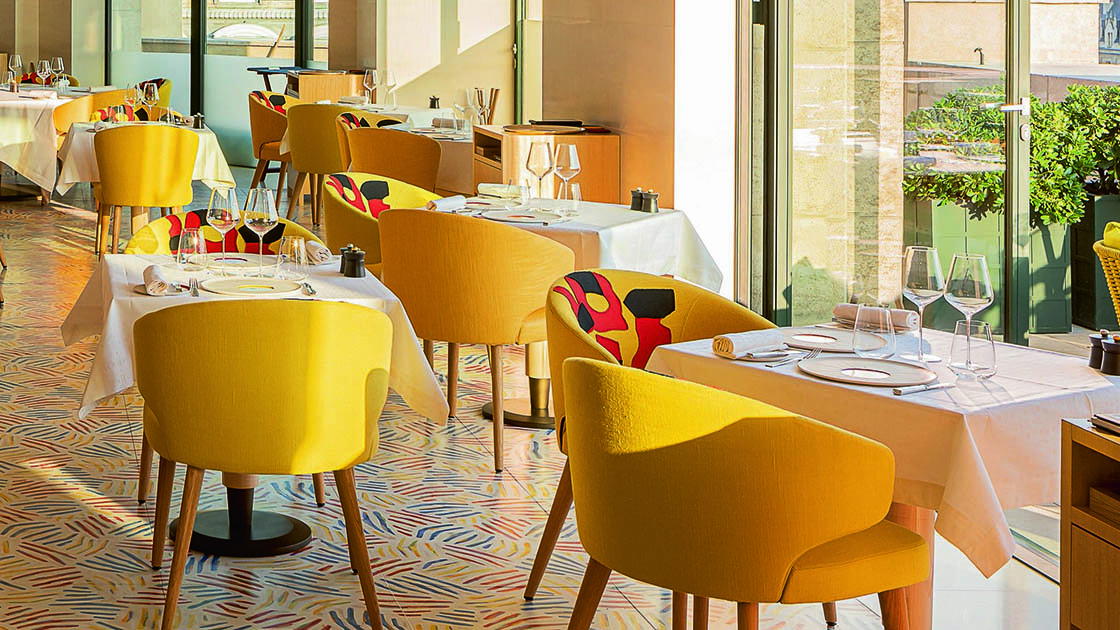
Hotels in Barcelona
Browse all →
Details
- Cozy
- Modern
- Casual Hangout
- Solo
- Standalone
- Seated Bar
- Counter Only
Current opening hours
- Monday
- 9 AM–5 PM
- Tuesday
- 9 AM–5 PM
- Wednesday
- 9 AM–5 PM
- Thursday
- 9 AM–5 PM
- Friday
- 9 AM–5 PM
- Saturday
- 10 AM–6 PM
- Sunday
- 10 AM–6 PM
Hours can change for holidays and private events. Last verified .
Modern, relaxed, and bright space tucked away in a narrow alley, offering a cozy haven amidst the Gothic Quarter's bustle with L-shaped coffee bar and seating by windows.