Raines Law Room Chelsea

Raines Law Room Chelsea, at 48 W 17th St, operates as one of New York's more disciplined cocktail rooms, where a seated, reservations-forward format and a program built around classic technique set it apart from the city's louder, more theatrical bars. The Chelsea location extends a concept that helped define a particular era of considered drinking in Manhattan, positioning itself in the tier where the cocktail list functions as the menu.

Pearl is the En Primeur Club membership app, where members save venues, book tables and use the concierge.
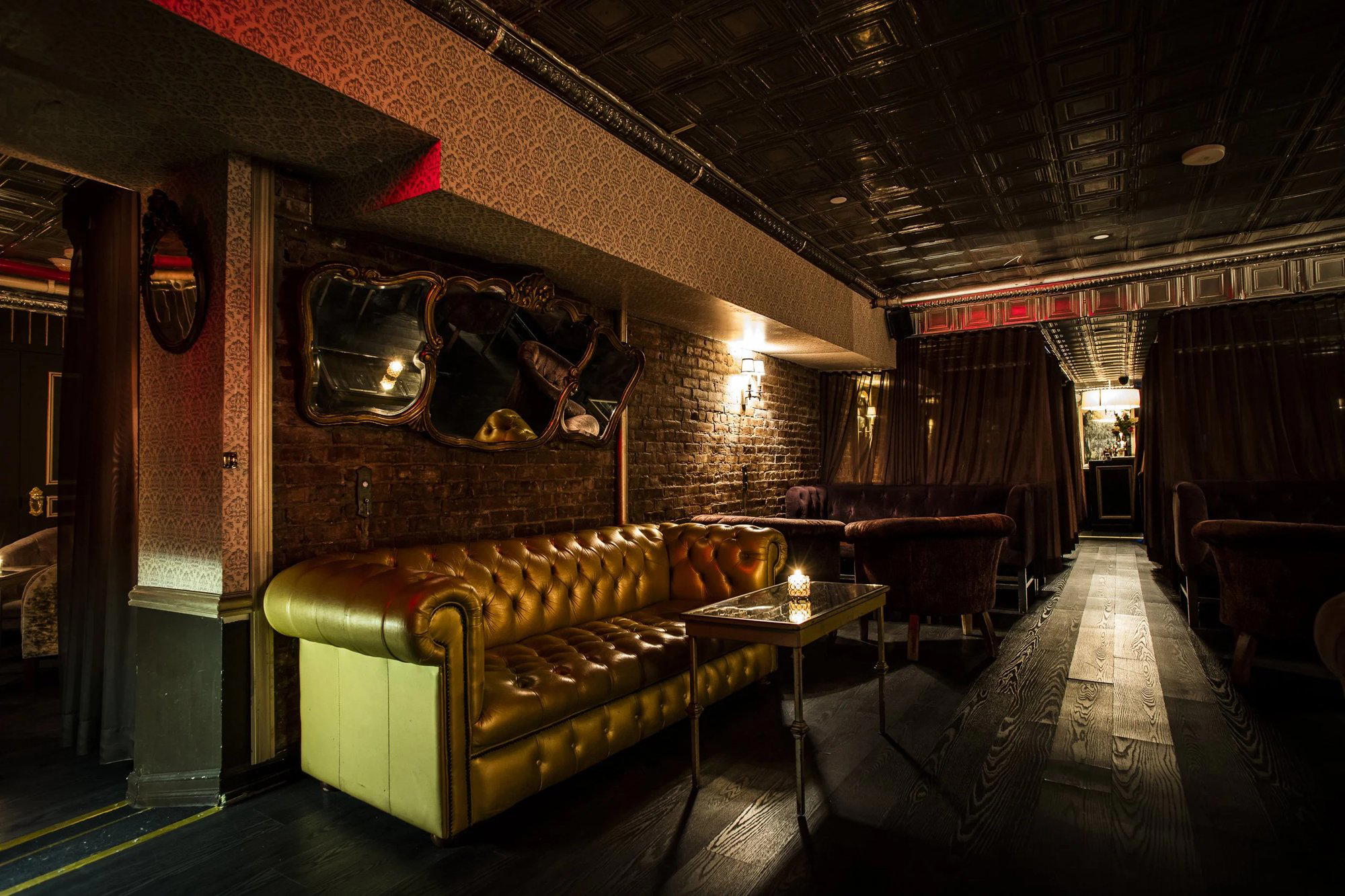
When New York Stopped Performing and Started Pouring
The speakeasy revival that swept Manhattan in the early 2000s produced two distinct strains. One went deeper into theatrics: hidden doors, costumes, secret passwords, spectacle as the product. The other went quieter, channeling energy into the glass. Raines Law Room, which first opened in the Flatiron district before expanding to Chelsea at 48 W 17th St, belongs to the second tradition. It arrived at a moment when a cohort of New York bars began treating the cocktail program with the same structural seriousness that serious restaurants applied to their kitchens, and it has remained in that lane through a period of considerable noise in the city's drinks scene.
That positioning matters more now than it did at launch. New York has accumulated enough cocktail bars in the last fifteen years that the field has stratified clearly. At the top of the considered-drinking tier sit rooms where format discipline, a coherent program, and the quality of service interaction replace visual drama. Raines Law Room Chelsea operates inside that bracket, competing not with high-volume hotel bars or DJ-soundtracked lounges but with the smaller set of rooms where the reservation is part of the experience and the absence of a standing crowd is a deliberate design choice.
The Architecture of a Cocktail Program
What separates the better cocktail rooms in this city from their more casual peers is not the ingredient sourcing alone, though that matters. It is the structural coherence between the drink list, the service approach, and the physical format. In rooms of this type, the front-of-house and the program exist in dialogue: guests are guided rather than left to scan a laminated page, and the person delivering the drink can speak to it with some precision.
Raines Law Room Chelsea sits firmly in this tradition. The format is seated, with bell service in the original location's mold, a deliberate slowing of the transaction that reframes the cocktail as an occasion rather than a transaction. This approach positions it alongside a small group of American bars that have made service architecture as central as liquid quality, a cohort that includes Kumiko in Chicago, Bar Leather Apron in Honolulu, and Allegory in Washington, D.C., all of which apply similar thinking about what a drink program can communicate when the room is quiet enough to hear it.
Nationally, this model has proven durable. Jewel of the South in New Orleans and Julep in Houston apply comparable discipline to their respective regional traditions. The common thread is that the program and the floor operate as a unit, which requires coordination between the team writing the list and the team presenting it. That collaboration, when it functions well, is what makes the difference between a good drink and a complete experience.
Where Chelsea Fits in New York's Drinking Map
The Chelsea location operates in a neighbourhood that has never quite settled into a single identity as a destination for serious drinking. The area around 17th and 18th Streets sits between the gallery-heavy blocks to the north and the more densely commercial stretch toward 14th, without the concentrated cocktail bar density of the East Village or the West Village. That relative quietness is, in practice, an advantage for a room that depends on controlled atmosphere. You are not competing with the street noise of a block where six bars share a single zip code.
Manhattan's cocktail geography has shifted considerably since the early 2010s. The East Village remains the nucleus of a certain kind of serious bar culture, home to rooms like Amor y Amargo, which has spent over a decade developing one of the most focused amaro and bitters programs in the country, and Attaboy NYC, which operates without a printed menu and relies entirely on host-guest dialogue. The East Village also houses Angel's Share, which has been running a quiet, Japanese-influenced program above a restaurant on 8th Street since 1994, making it one of the longest-running examples of the considered-cocktail format in the city. In comparison, Chelsea's cocktail infrastructure is thinner, which concentrates the serious drinking into fewer rooms and keeps crowds more manageable.
Elsewhere in Manhattan, Superbueno offers a useful counterpoint: a high-energy, agave-forward program in the Lower East Side that prioritises flavour intensity and communal atmosphere over the quieter, more deliberate experience that rooms like Raines Law Room Chelsea are engineered to deliver. Both approaches are valid; they are just solving for different evenings.
Programme and Peer Context
Internationally, the seated cocktail room has found its strongest expression in cities with cultures of considered drinking. The Parlour in Frankfurt on the Main and ABV in San Francisco are two further examples of bars that have structured their programs around similar principles: a list, a knowledgeable floor, and a physical space that supports extended conversation over drinks.
The consistent through-line across these rooms is that the program and the people delivering it are understood as equally important. A well-constructed cocktail presented by someone who cannot speak to it with authority lands differently than the same drink explained with precision and context. The collaboration between the program-building team and the service team is, in this tier of the market, the actual product.
Planning Your Visit
| Venue | Format | Neighbourhood | Booking | Specialist Focus |
|---|---|---|---|---|
| Raines Law Room Chelsea | Seated, intimate | Chelsea (W 17th St) | Reservations advised | Classic cocktail technique |
| Amor y Amargo | Standing/bar | East Village | Walk-in | Amaro and bitters |
| Attaboy NYC | Bar-only | Lower East Side | Walk-in | No-menu, guest-led |
| Angel's Share | Seated | East Village | Walk-in/first come | Japanese-influenced |
| Superbueno | Bar and standing | Lower East Side | Walk-in | Agave-forward |
For a broader read on the city's drinking and dining, see our full New York City restaurants guide.
Standing Among Peers
| Venue | Cuisine | Price | Awards |
|---|---|---|---|
| Raines Law Room ChelseaThis venue (the venue you are viewing) | Not listed | $50–100 | Not listed |
| The Long Island Bar | Not listed | $30–50 | World's 50 Best #64 · Top 500 Bars Best Bars #367 |
| Dirty French | Not listed | Not listed | World's Best Steaks 50 Best #32 · Star Wine List |
| Superbueno | Not listed | $30–50 | World's 50 Best #9 · Top 500 Bars Best Bars #35 |
| Amor y Amargo | Not listed | $20–30 | World's 50 Best #23 |
| Angel's Share | Wine Bar | $20–30 | World's 50 Best #31 · Top 500 Bars Best Bars #200 |
Recognition history
Dated appearances from independent guides and award organizations, with the underlying list record or original source where available.
Tales Spirited Awards Best U.S. Hotel Bar Top 10 Nominee
Tales Spirited Awards · Tales Spirited Awards 2026 - Best U.S. Hotel Bar - Best U.S. Hotel Bar (Top 10 Nominee)
Continue exploring
More in New York City
Bars in New York City
All bars in New York City →
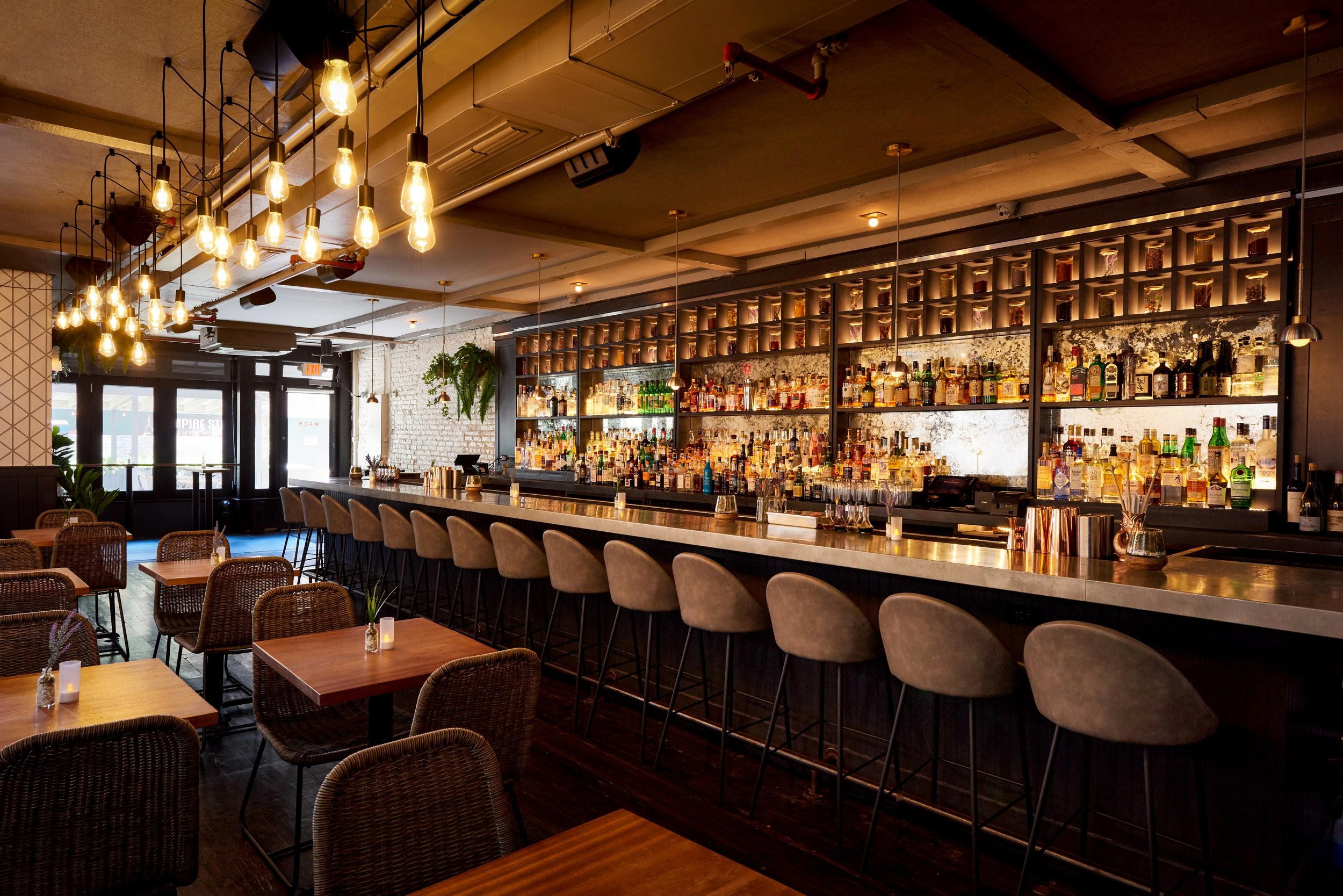
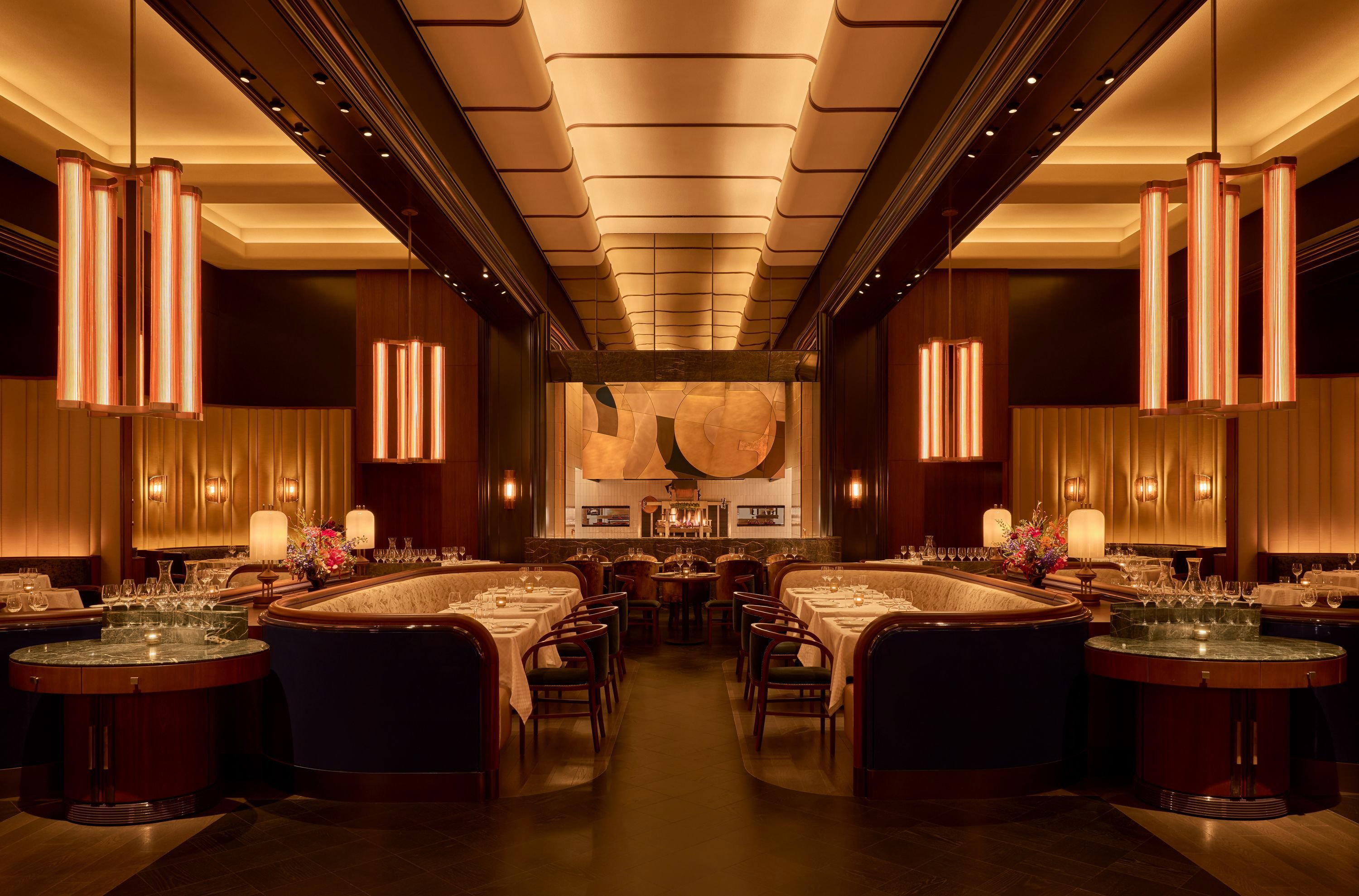
Restaurants in New York City
All restaurants in New York City →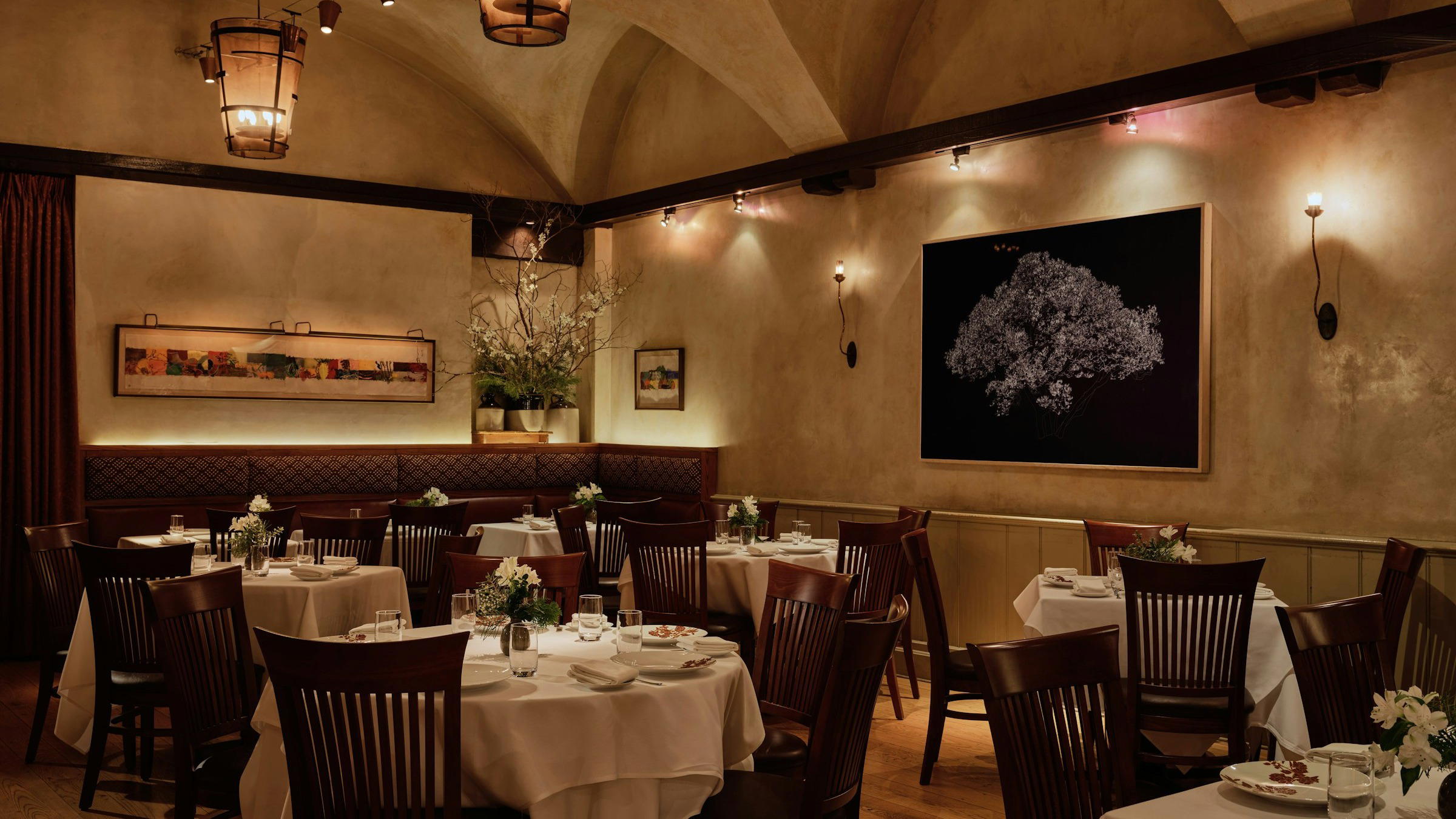
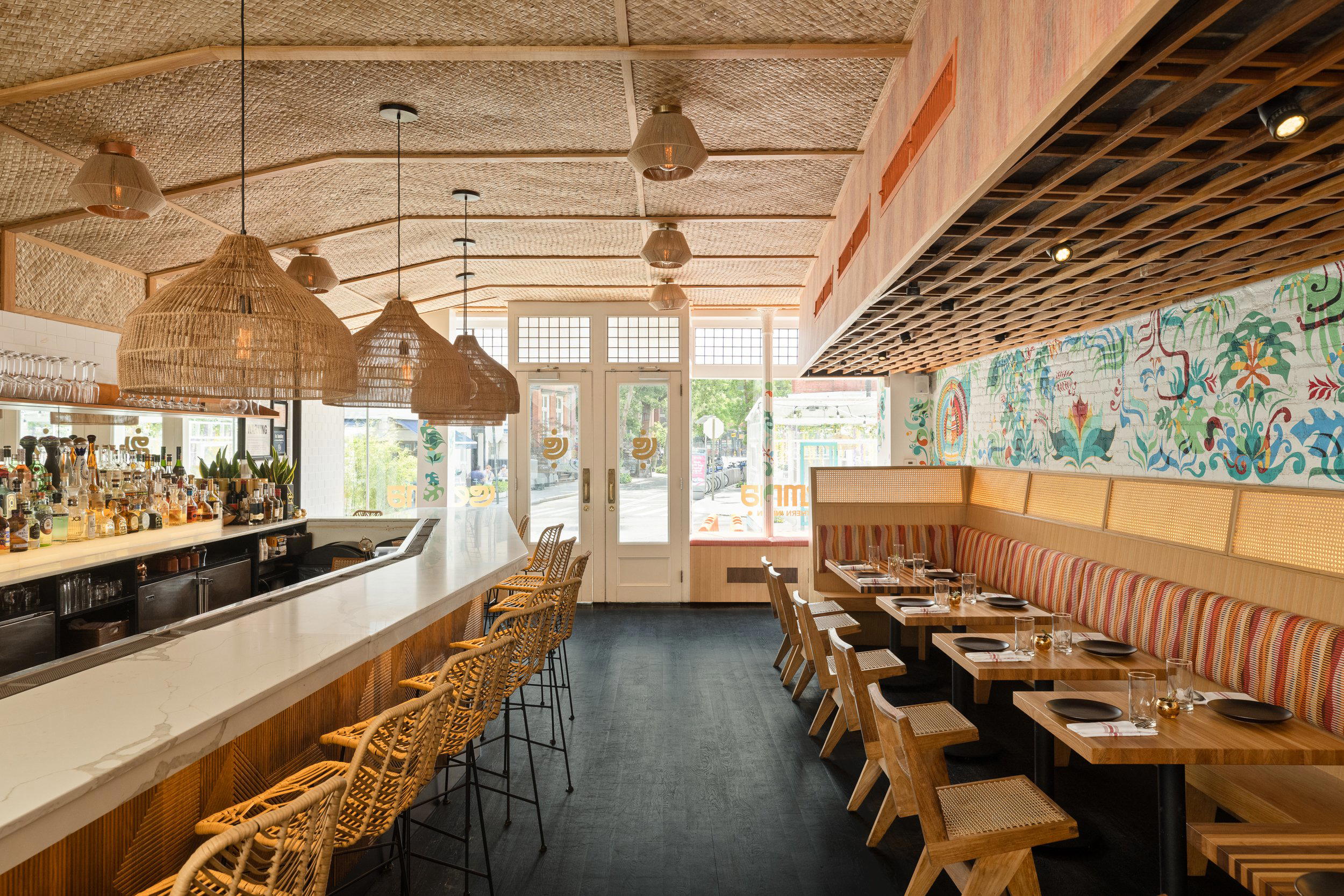




Raines Law Room Chelsea
The drinks
- Craft cocktails
- Classic cocktails
Signature drinks: Boulevardier, Raines Law Room Martini, Highland Sage, Midnight Flame, Fleur de Lychee.
Details
- Intimate
- Cozy
- Elegant
- Sophisticated
- Date Night
- Special Occasion
- Celebration
- Speakeasy
- Lounge Seating
- Booth Seating
- Private Rooms
- Craft Cocktails
- Classic Cocktails
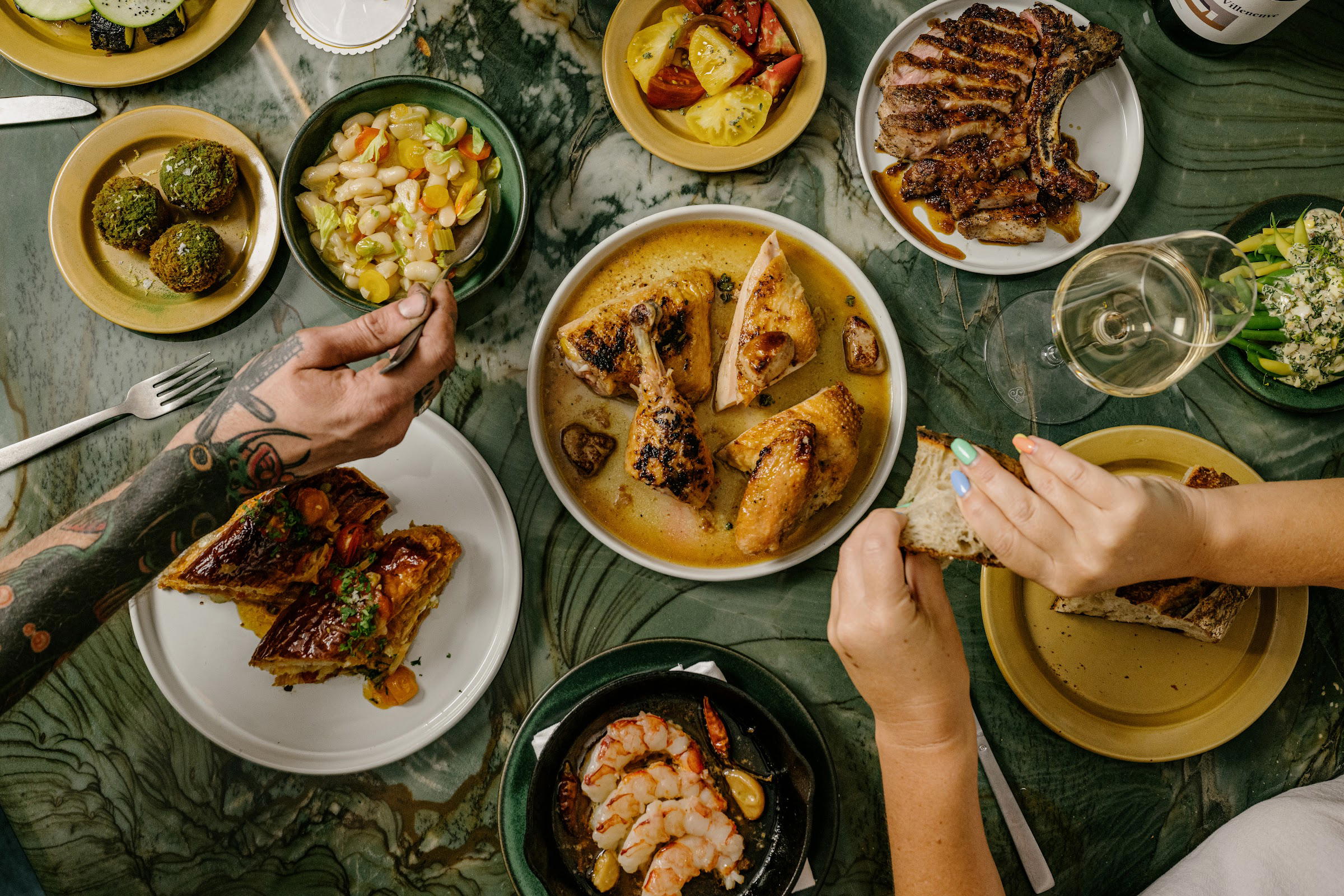
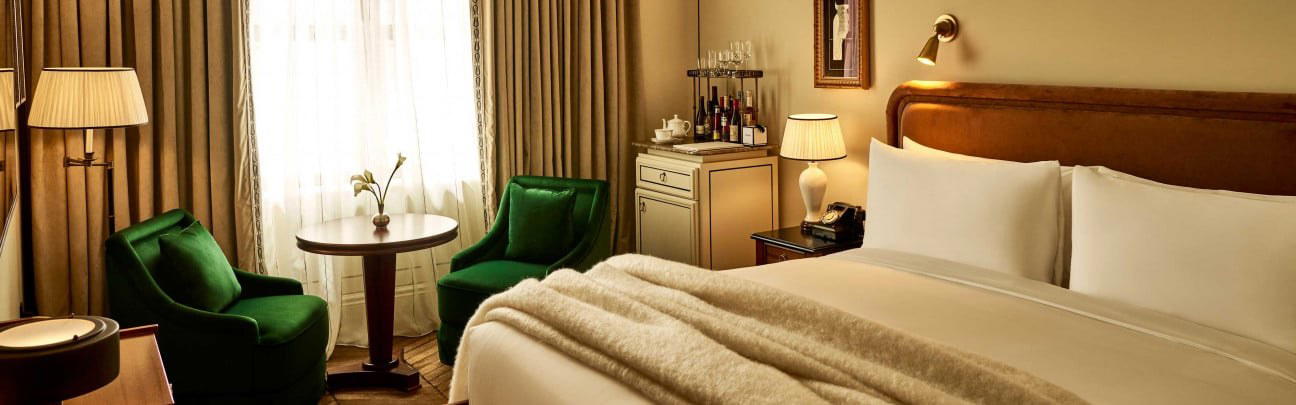
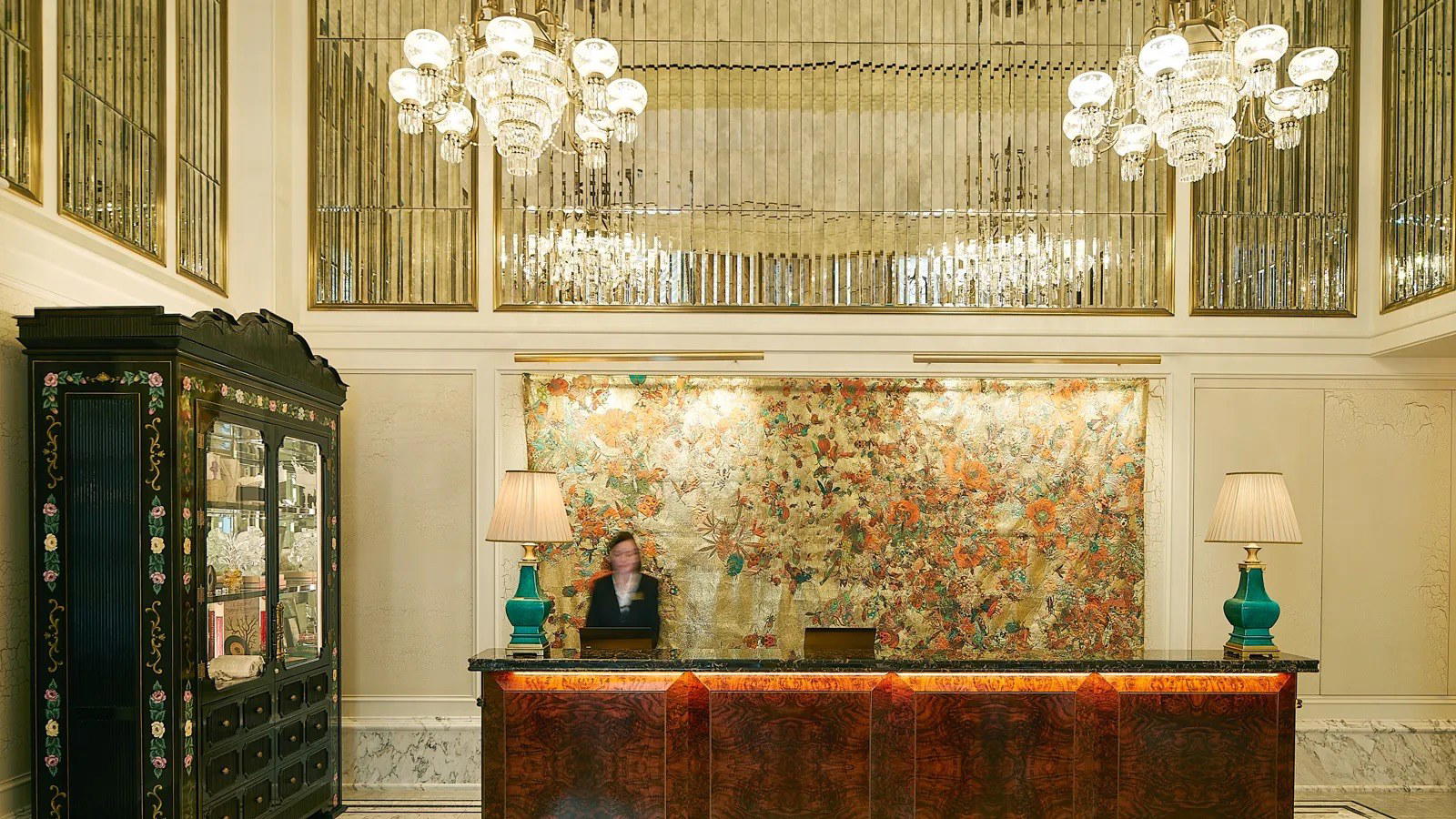
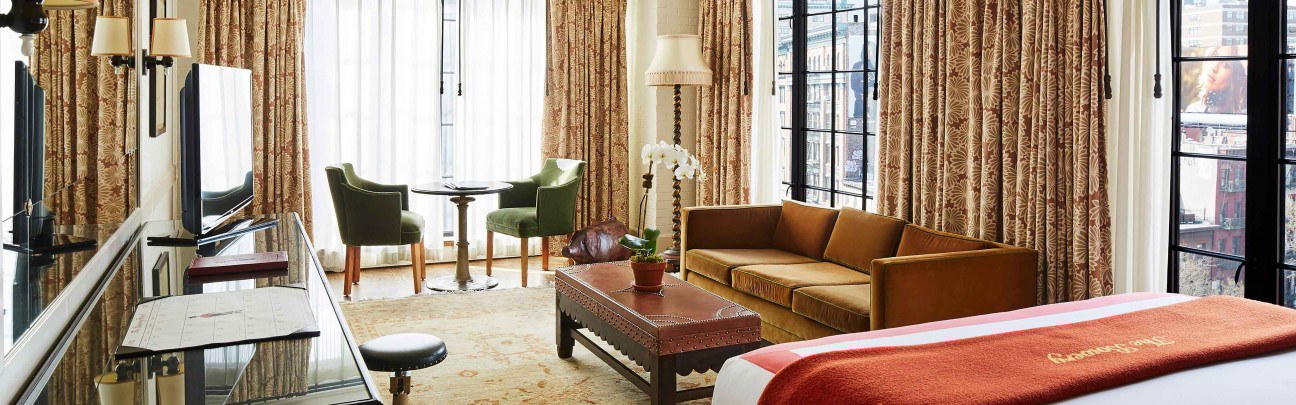
Dimly lit with plush seating, soft lighting, and a luxurious Victorian atmosphere creating a tranquil, sophisticated escape.