Rabbit Ears
Rabbit Ears is a cocktail bar operating in Atlanta's competitive craft-drinks scene, where the bar-food pairing model has become a serious point of differentiation. The programme sits within a broader Southern shift toward bars that treat food as structural to the experience rather than incidental, placing it alongside Atlanta peers like Celestia and BeetleCat in a tier where the drink and the plate are conceived together.

Pearl is the En Primeur Club membership app — saves, bookings, and concierge access live there. Same editors, same standards.
Where Atlanta Drinks Are Starting to Eat Seriously
Atlanta's cocktail bar scene has spent the last decade sorting itself into recognisable tiers. At one end: high-volume venues where spirits lists are long and food is an afterthought, usually a laminated insert tucked behind the cocktail menu. At the other: a smaller, more deliberate cohort of bars where the food programme is structural rather than supplementary, designed in relation to the drinks rather than alongside them as an afterthought. Rabbit Ears occupies territory in that second tier, in a city where the gap between the two is widening fast.
The broader shift mirrors what has happened in cocktail-forward cities across the United States. In Chicago, Kumiko built its identity around Japanese-inflected small plates that sit in direct conversation with the bar's meticulously sourced spirits. In New Orleans, Jewel of the South roots its food in the Creole canon, treating the kitchen output as a period document as considered as anything in the glass. In Houston, Julep applies Southern hospitality logic to a programme where neither food nor drink reads as secondary. Atlanta has been slower to develop this cohort, which is part of what makes the bars now doing it worth tracking closely.
The Food-and-Drink Pairing Model in an Atlanta Context
What distinguishes the better bar-kitchen programmes from the average ones is not the number of items on the menu but the logic connecting them. Bars that do this well tend to make decisions about flavour architecture, acid levels, fat content, salt placement, that reflect an understanding of how spirits and food interact physiologically, not just aesthetically. A high-acid spritz calls for different food architecture than a stirred, spirit-forward build. A smoke-forward whiskey cocktail lands differently alongside charred vegetables than it does next to something cream-based.
In Atlanta, several bars have started applying this kind of thinking more deliberately. Celestia, which runs cocktails alongside small plates, has positioned itself at a similar intersection. BeetleCat brings a seafood-forward kitchen into proximity with its drinks list in ways that reflect genuine thought about pairing logic. Rabbit Ears enters a conversation that is already developing a vocabulary, which raises the stakes for what a bar-food programme needs to do to register as distinct rather than derivative.
For comparison, look at how bars in other markets have handled the same challenge. ABV in San Francisco made the food-as-serious-component argument early and with enough conviction that it shifted expectations for the surrounding neighbourhood. Superbueno in New York City applies a tighter, more regional logic, the food and drink both speak a coherent Latin American dialect rather than pulling in separate directions. Bar Leather Apron in Honolulu has built a reputation precisely because its kitchen output is calibrated to support, not compete with, a technically demanding drinks programme. These are the reference points against which serious bar-food programmes now get measured, regardless of city.
What the Atlanta Cocktail Scene Looks Like Right Now
Atlanta's bar scene is in a productive but unresolved moment. The city has enough critical mass in craft cocktails to support specialisation, but not yet the density of internationally recognised programmes that would make the scene legible to visitors arriving with high expectations formed elsewhere. That gap creates opportunity for bars willing to build a distinct identity rather than mirror whatever is happening in New York or London six months later.
Several Atlanta bars are doing interesting work in adjacent territory. 437 Memorial Dr SE a5 and 9 Mile Station represent different approaches to how a bar can anchor itself to a neighbourhood rather than a trend. a mano and Alici Oyster Bar bring food-forward thinking into the drinks-bar format in ways that are worth reading alongside what Rabbit Ears is doing. The common thread across this group is that none of them are content to let the food or the drinks coast on the other's reputation.
The city's geography is also a factor. Atlanta's bar culture is distributed across neighbourhoods that don't flow into each other the way Manhattan's do, which means each bar tends to anchor a local scene rather than benefit from foot traffic between competing venues. That puts more pressure on each individual programme to be self-sustaining as a destination rather than a stop on a broader crawl.
For international comparison within the cocktail-bar-with-serious-food model, The Parlour in Frankfurt demonstrates how a smaller market can produce a bar-kitchen programme that reads as considered rather than compensatory. The lesson there is that market size is less predictive than programme coherence.
Reading the Bar Against Its Peers
The comparable set for the bar is not every cocktail bar in Atlanta. It is the smaller group of Atlanta bars that have made a deliberate decision to treat food as structurally important to the experience, and then the even smaller national group of bars that have done this with enough rigour to attract critical attention. Positioning within that comparable set is determined by the internal logic of the pairing programme, the depth of the drinks list relative to the food it sits alongside, and whether the overall format holds together as a coherent proposition or reads as two separate menus occupying the same room.
Atlanta has the culinary infrastructure to support this kind of bar. The city's restaurant scene has developed enough sophistication in sourcing, technique, and flavour vocabulary that a bar drawing on it has real material to work with. The question for the bar is how deliberately it draws on that infrastructure, and whether the result is a programme with its own internal argument or a collection of good-quality individual decisions that haven't yet resolved into a point of view.
Know Before You Go
Style and Standing
Comparable venues nearby, for context on price, style, and recognition.
| Venue | Cuisine | Price | Notes |
|---|---|---|---|
| Rabbit EarsThis venue — the venue you are viewing | rooftop_bar | $$$ | Not listed |
| Oreatha's At The Point | lounge | $$$ | Cascade Road |
| Eight Sushi Lounge | lounge | $$$ | West Midtown |
| The Albert | pub | $$ | Inman Park |
| The Rooftop at Clermont | rooftop_bar | $$$ | Poncey-Highland |
| Cypress Street Pint & Plate | beer_bar | $$ | Midtown |
At a Glance
- Whimsical
- Trendy
- Sophisticated
- Date Night
- Special Occasion
- Rooftop
- Panoramic View
- Lounge Seating
- Craft Cocktails
- Skyline
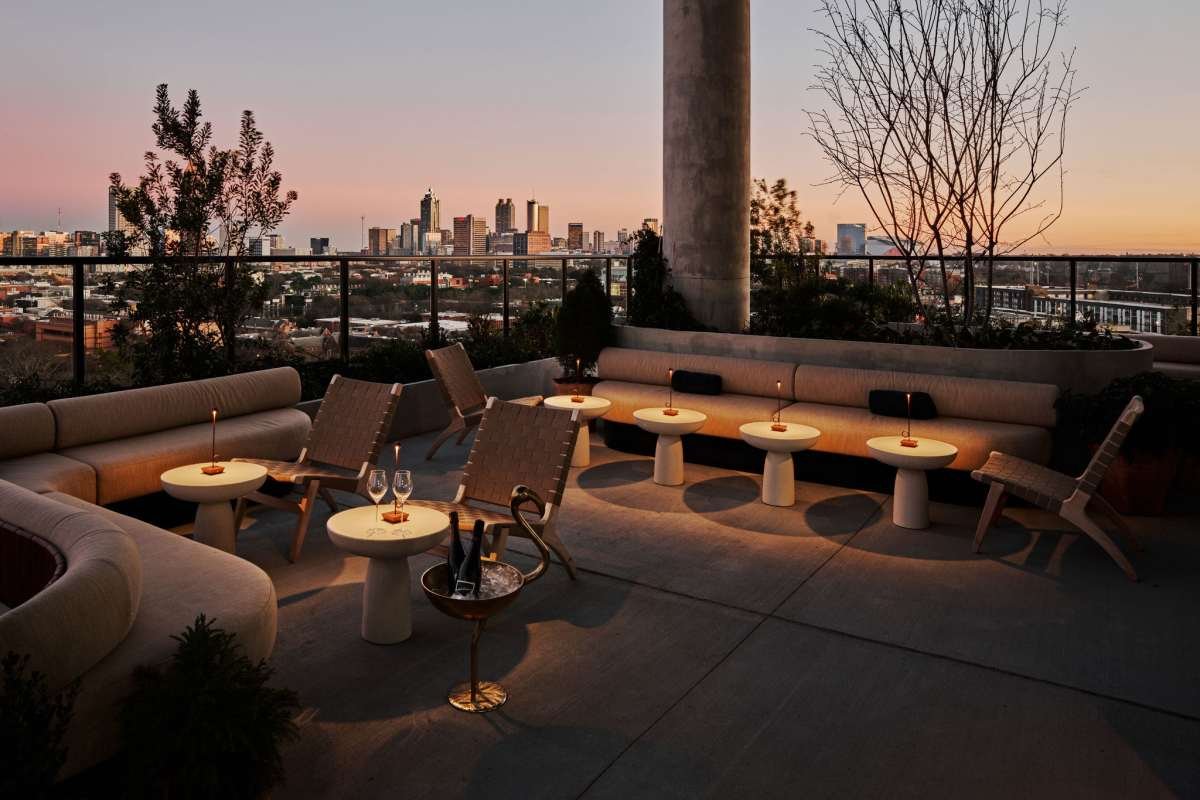
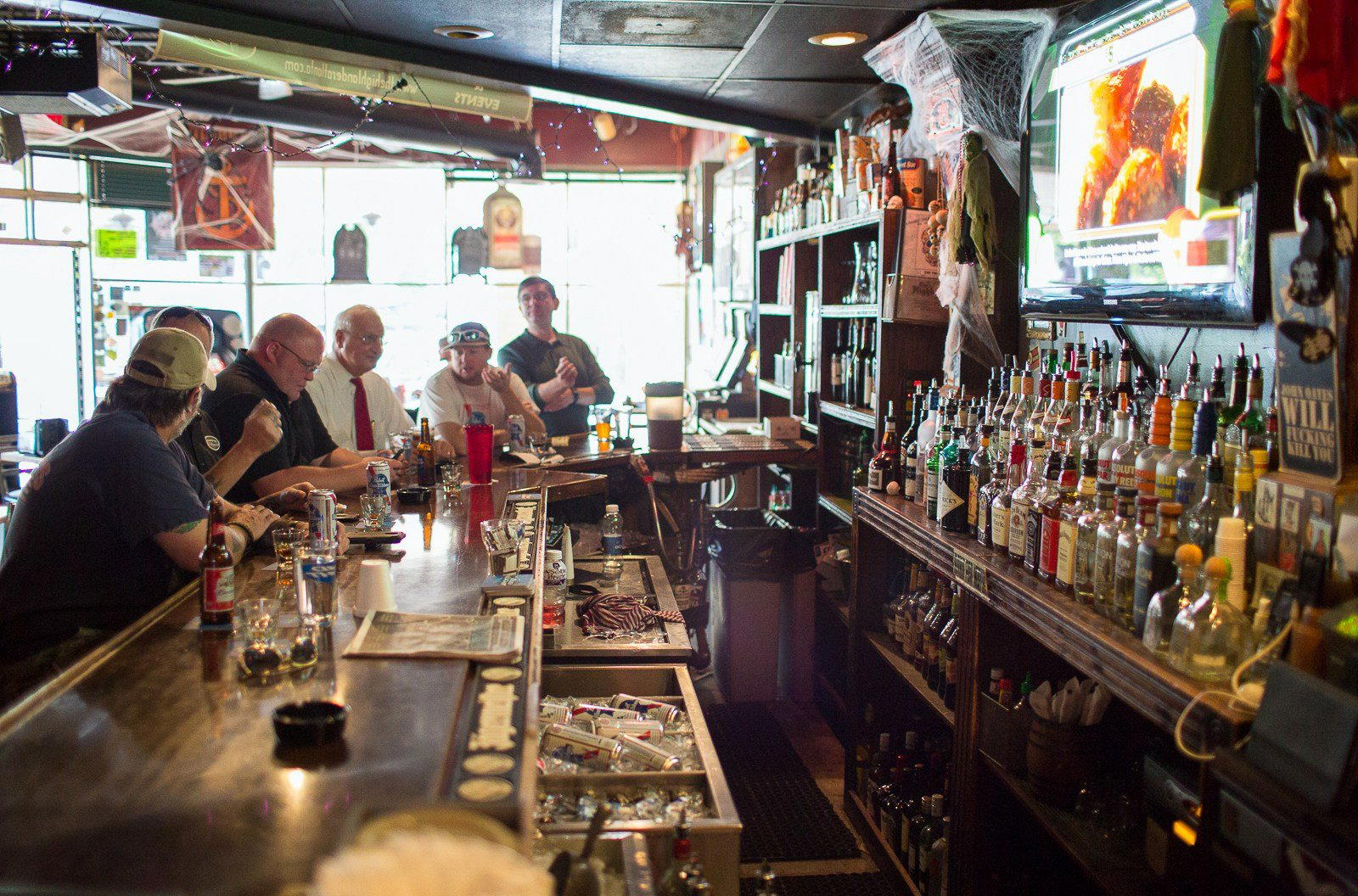
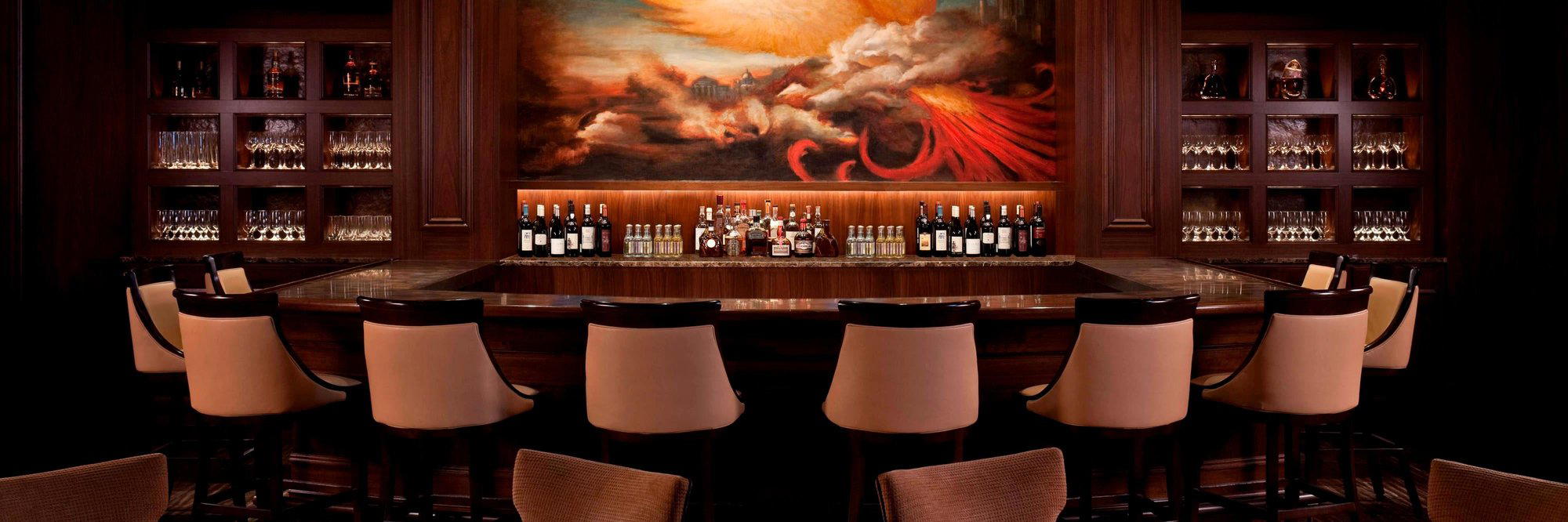
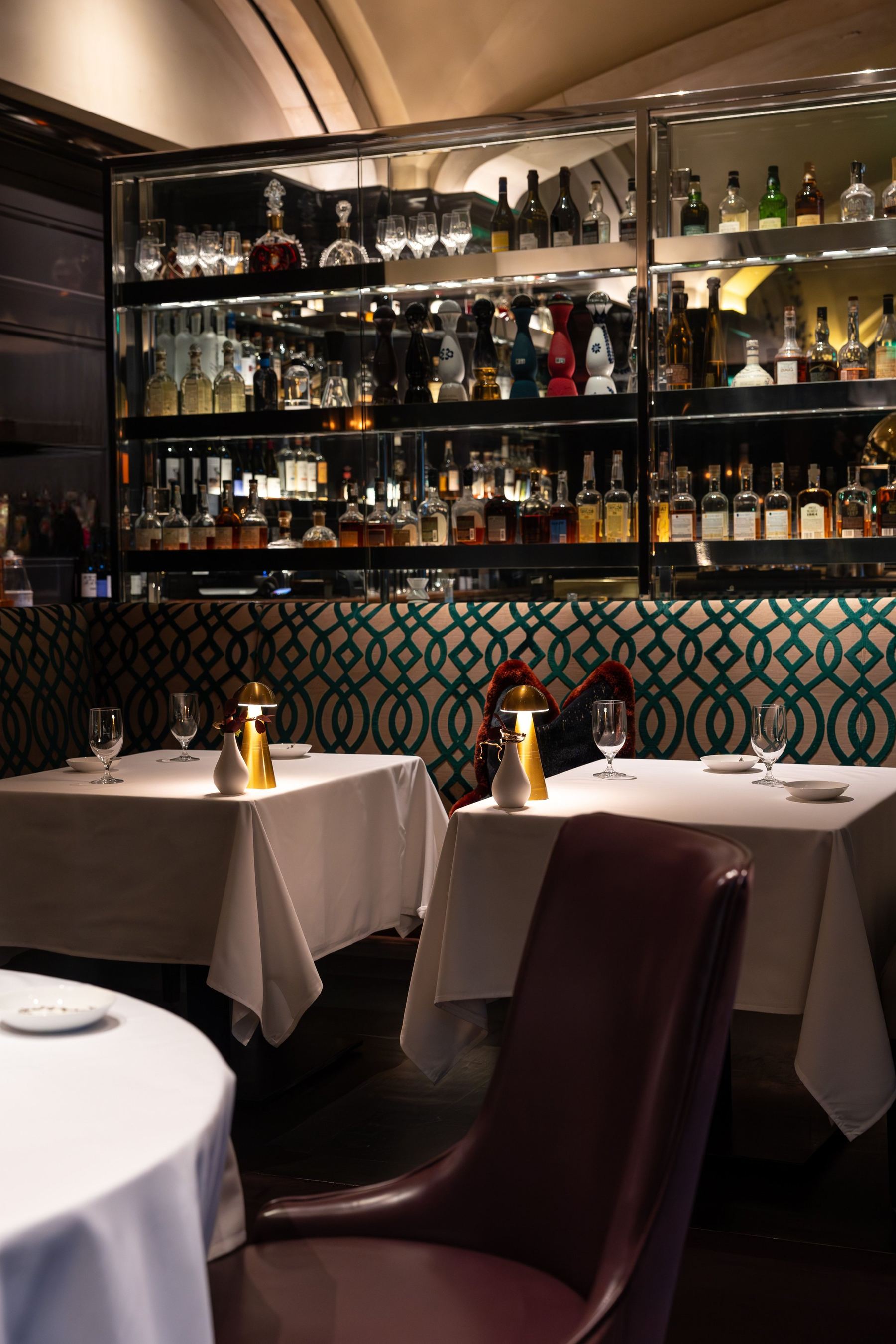
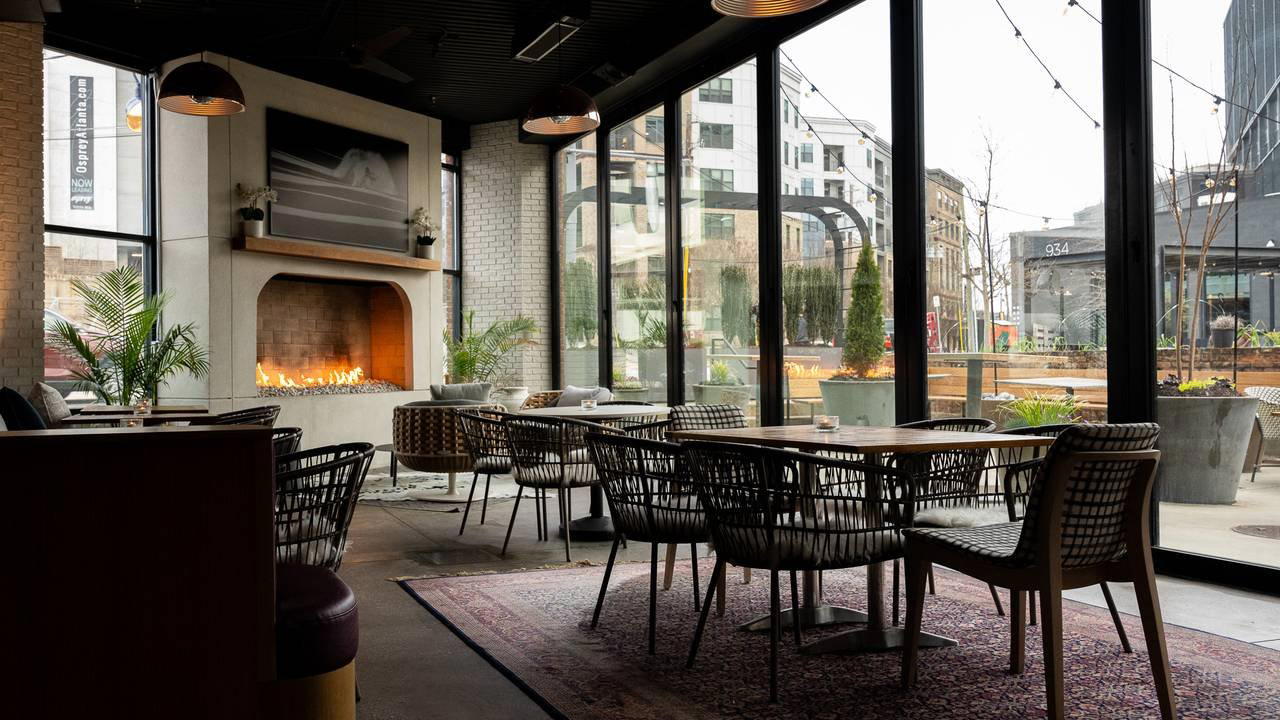
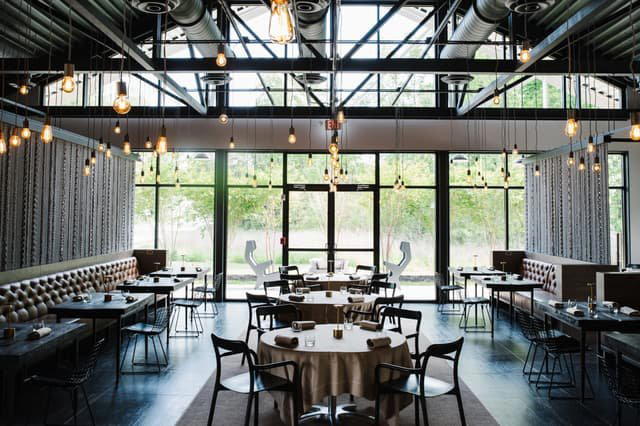
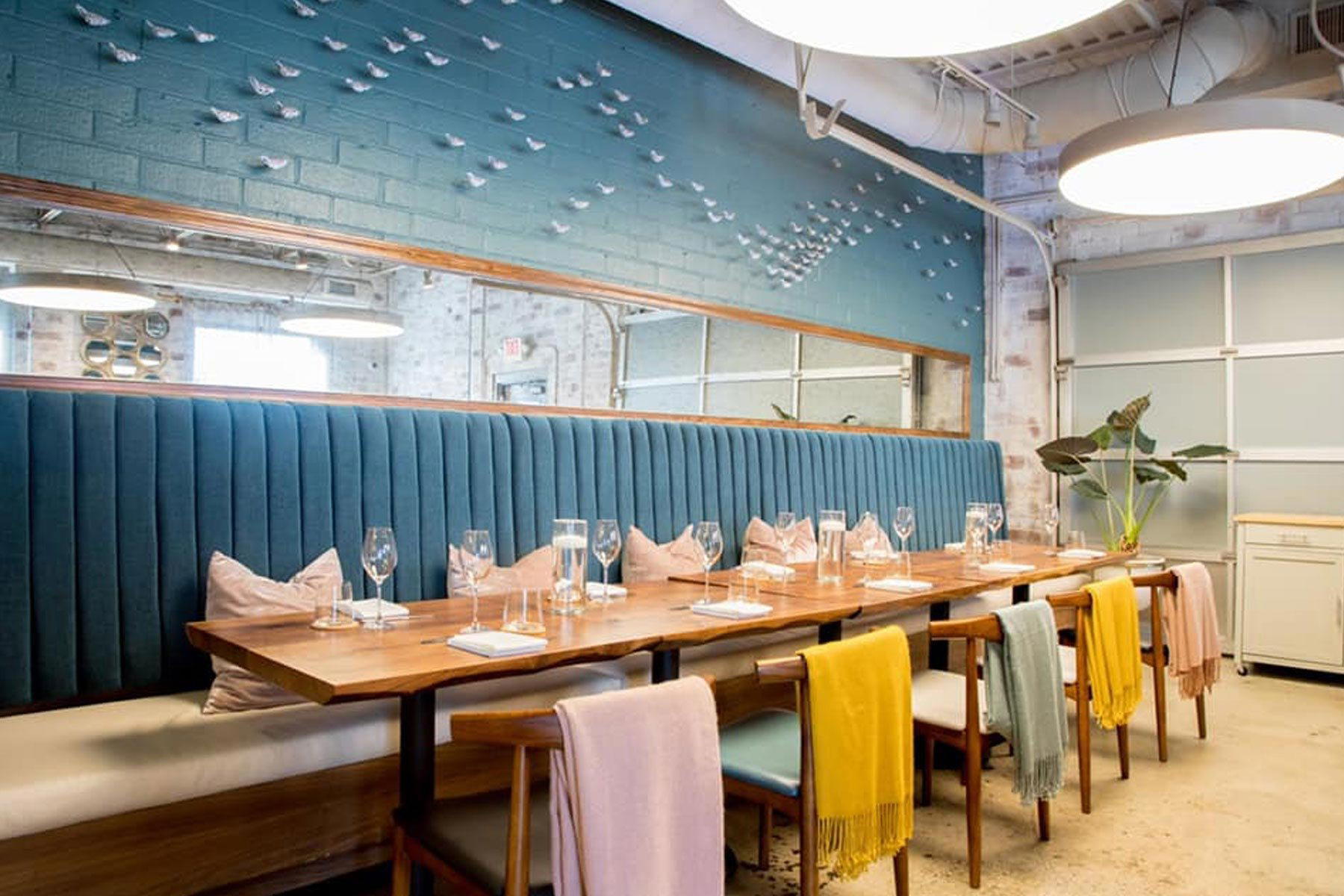
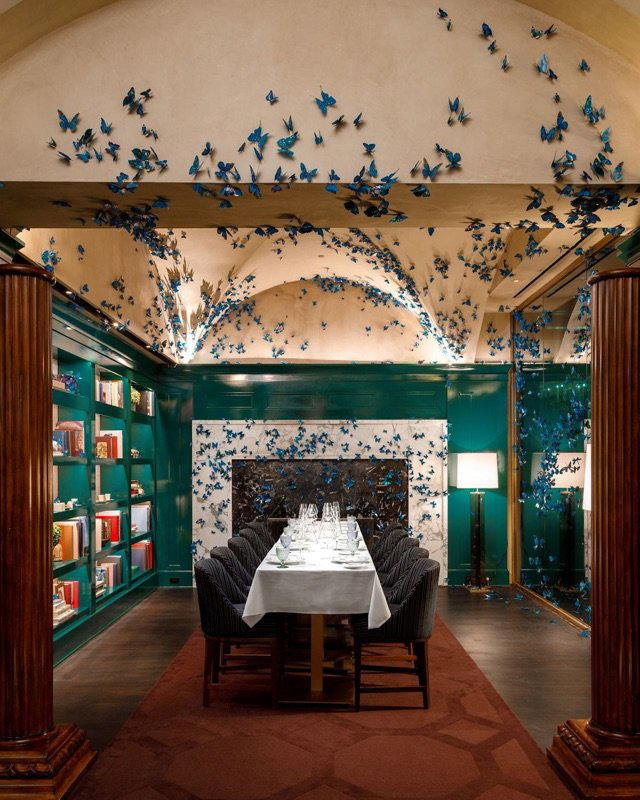
Polished rooftop lounge with sweeping city views, whimsical Peter Rabbit theme, and curated record playback creating a sophisticated yet playful atmosphere.