Gaja Korean Bar
Gaja Korean Bar sits on Flat Shoals Avenue in Atlanta's East Atlanta Village, where Korean drinking culture meets the neighborhood's long-running appetite for bars that operate outside the mainstream. The room draws a crowd looking for something more specific than the standard cocktail list, positioning it within a small but growing cohort of Korean-inflected drinking programs in American cities.
Pearl is the En Primeur Club membership app — saves, bookings, and concierge access live there. Same editors, same standards.
- Address
- 491 Flat Shoals Ave SE A, Atlanta, GA 30316
- Phone
- +1 404 835 2126
- Website
- gajaeav.com
- Directions
- Get directions
 Saves & bookings on Pearl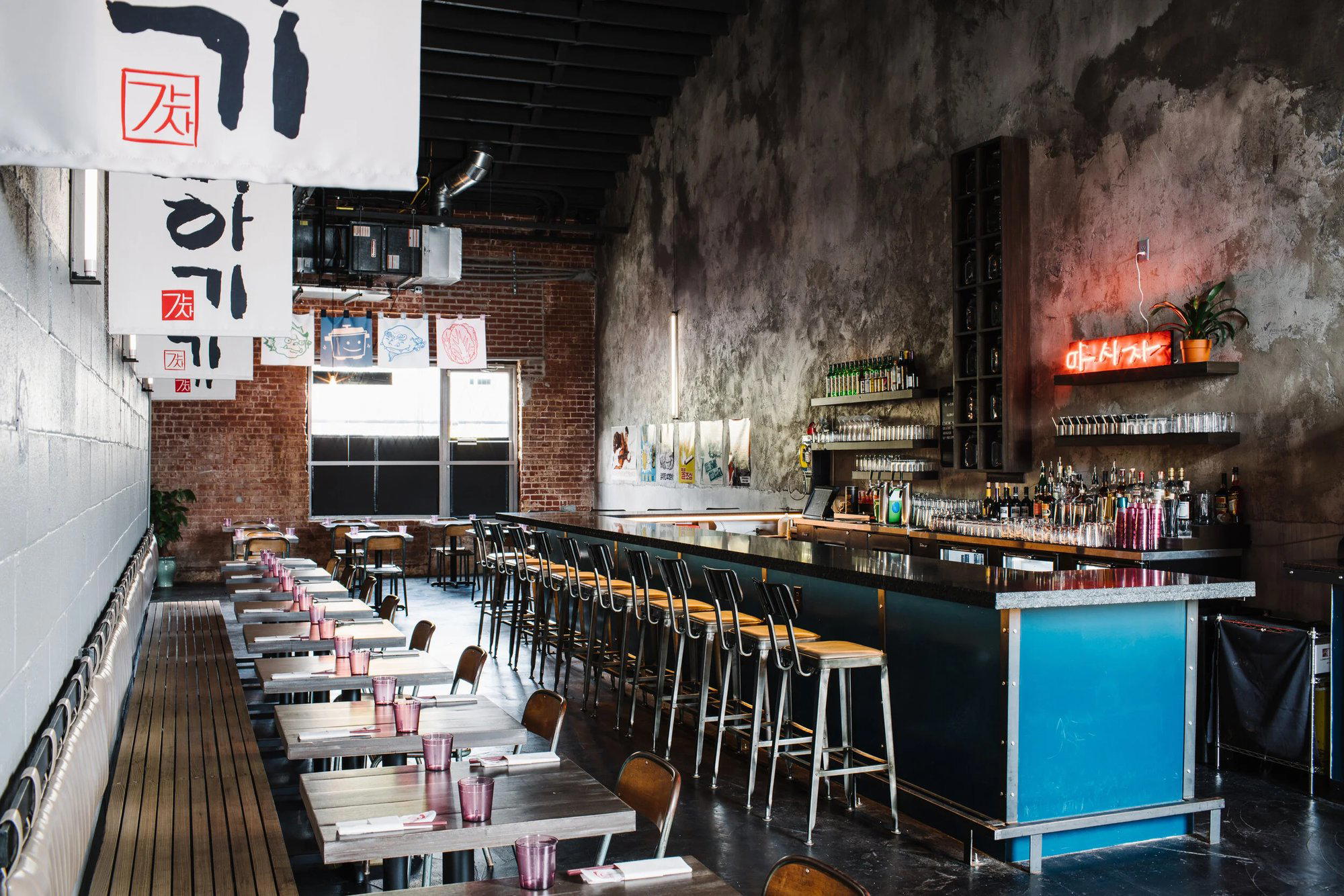
East Atlanta Village and the Rise of Korean Bar Culture
Flat Shoals Avenue has spent the better part of a decade assembling one of Atlanta's more idiosyncratic bar corridors. The street runs through East Atlanta Village, a neighborhood that has consistently resisted the homogenizing pull of hospitality trends. Where Midtown bars chase national cocktail formats, EAV's leading spots tend to arrive with a more specific point of view. Gaja Korean Bar, at 491 Flat Shoals Ave SE, is a bar in Atlanta with a casual dress code and a walk-in-friendly policy, fitting that pattern: it belongs to a small but visible national movement in which Korean drinking traditions, soju-forward programs, and the social architecture of Korean pojangmacha culture are being translated into American bar settings.
Across American cities, the Korean bar format has migrated well beyond Korean-American enclaves. In Chicago, Kumiko demonstrates how East Asian drinking philosophy can be applied to a technically serious cocktail program. In New York, Superbueno shows how a culturally specific framework can anchor a neighborhood bar without becoming a theme exercise. Gaja's address in East Atlanta Village places it in a city that has been slower than New York or Los Angeles to develop this format at scale, which means it occupies relatively open ground in Atlanta's bar ecosystem. Guests can expect about $25 per person.
The Bartender as Cultural Translator
The editorial angle that matters most at bars operating in this space is what happens behind the counter. Korean bar culture carries specific conventions: the ritual of pouring for others before yourself, the centrality of food as a structural companion to drinking rather than an afterthought, and a preference for lower-ABV sessions that extend across hours rather than peaking early. When those conventions are handled by someone who understands them as a living tradition rather than a source of aesthetic borrowing, the bar functions differently from a venue that has simply imported soju into a standard cocktail framework.
That craft-and-translation question is what separates the stronger entries in this format from the weaker ones. Bar Leather Apron in Honolulu and Jewel of the South in New Orleans both demonstrate how a clearly defined hospitality philosophy behind the bar shapes the entire guest experience, regardless of whether the cuisine tradition is Korean, Japanese, or Southern American. The leading bartenders in this tier are not performers; they are hosts with an informed position on what you should be drinking and why. At Gaja, the Korean bar format lends itself to exactly that kind of directed hospitality, where the person behind the counter is a guide through a specific drinking tradition rather than a menu-reader.
Placing Gaja in Atlanta's Broader Bar Conversation
Atlanta's bar scene has matured considerably since 2015, but it remains weighted toward craft beer and standard cocktail programs. The EAV corridor offers an alternative current. Within walking distance, venues like 437 Memorial Dr SE a5 and 9 Mile Station represent the neighborhood's range, from intimate rooms to larger outdoor formats. Gaja's Korean-inflected approach is especially culturally specific offering in the immediate area, which gives it a distinct competitive position: it is not competing with the standard cocktail bar or the neighborhood brewery so much as it is occupying a format that Atlanta has not historically had in depth.
For context on what a technically serious, culturally grounded bar program looks like at full development, ABV in San Francisco and The Parlour in Frankfurt both offer reference points for how depth of philosophy translates into depth of program. Gaja is operating in a different register, one tied to neighborhood scale and a specific cultural tradition, but the underlying principle is the same: bars with a defined point of view tend to build more loyal, more specific audiences than those without one.
The venue also sits in a broader Atlanta context that includes program-driven bars like a mano and Alici Oyster Bar, both of which bring a specific culinary or drinks identity to their respective formats. The pattern across these venues is that Atlanta's more interesting hospitality operations are increasingly built around a thesis rather than a formula. Gaja's Korean bar identity fits that pattern precisely.
What the Format Delivers
Korean bar culture, at its most functional, is a social format as much as a drinks format. The food component is not decorative: banchan and anju (the Korean term for food eaten alongside alcohol) are structural to the experience, designed to sustain a longer table rather than fill a gap between cocktail rounds. This changes the pacing of a night considerably. A well-run Korean bar extends the session through calibrated hospitality, where the bar team reads the table and adjusts accordingly, rather than cycling guests through rounds on a standard American schedule.
For reference on how Southern-inflected hospitality philosophy applies to a similar role, Julep in Houston demonstrates the long-session, food-integrated bar model in an entirely different cultural register. The comparison is useful precisely because the underlying logic is shared: bars that treat food and drink as a unified program, and that invest in genuine hospitality behind the counter, occupy a different tier of the experience from those that treat cocktails as the sole product.
Planning a Visit
Gaja Korean Bar is located at 491 Flat Shoals Ave SE, Suite A, in East Atlanta Village. The neighborhood is accessible by car with street parking available along Flat Shoals and adjacent streets; the area is also reachable from MARTA's Inman Park-Reynoldstown station with a short ride-share. Given the bar's specific cultural positioning and EAV's loyal local following, weekends draw the densest crowds. Visitors with flexibility are better served on a Thursday evening, when the room runs at a pace that allows for the extended, unhurried session the Korean bar format is designed to support.
A Tight Comparison
Comparable venues nearby, for context on price, style, and recognition.
| Venue | Cuisine | Price | Notes |
|---|---|---|---|
| Gaja Korean BarThis venue — the venue you are viewing | East Atlanta Village, speakeasy | $$ | Not listed |
| Manuel's Tavern | Poncey-Highland, pub | $$ | Not listed |
| Breaker Breaker | Not listed | $$ | Reynoldstown, beer_bar |
| Taproom Coffee | Not listed | $$ | Kirkwood, beer_bar |
| Victory Sandwich Bar | Not listed | $$ | Inman Park, dive_bar |
| 9 Mile Station | Not listed | $$ | Old Fourth Ward, beer_bar |


At a Glance
- Trendy
- Lively
- Cozy
- Energetic
- Late Night
- Casual Hangout
- Speakeasy
- Seated Bar
- Craft Cocktails
Current opening hours
- Monday
- Closed
- Tuesday
- 5–11 PM
- Wednesday
- 5–11 PM
- Thursday
- 5–11 PM
- Friday
- 5 PM–12 AM
- Saturday
- 5 PM–12 AM
- Sunday
- 5–10 PM
Hours can change for holidays and private events. Last verified .
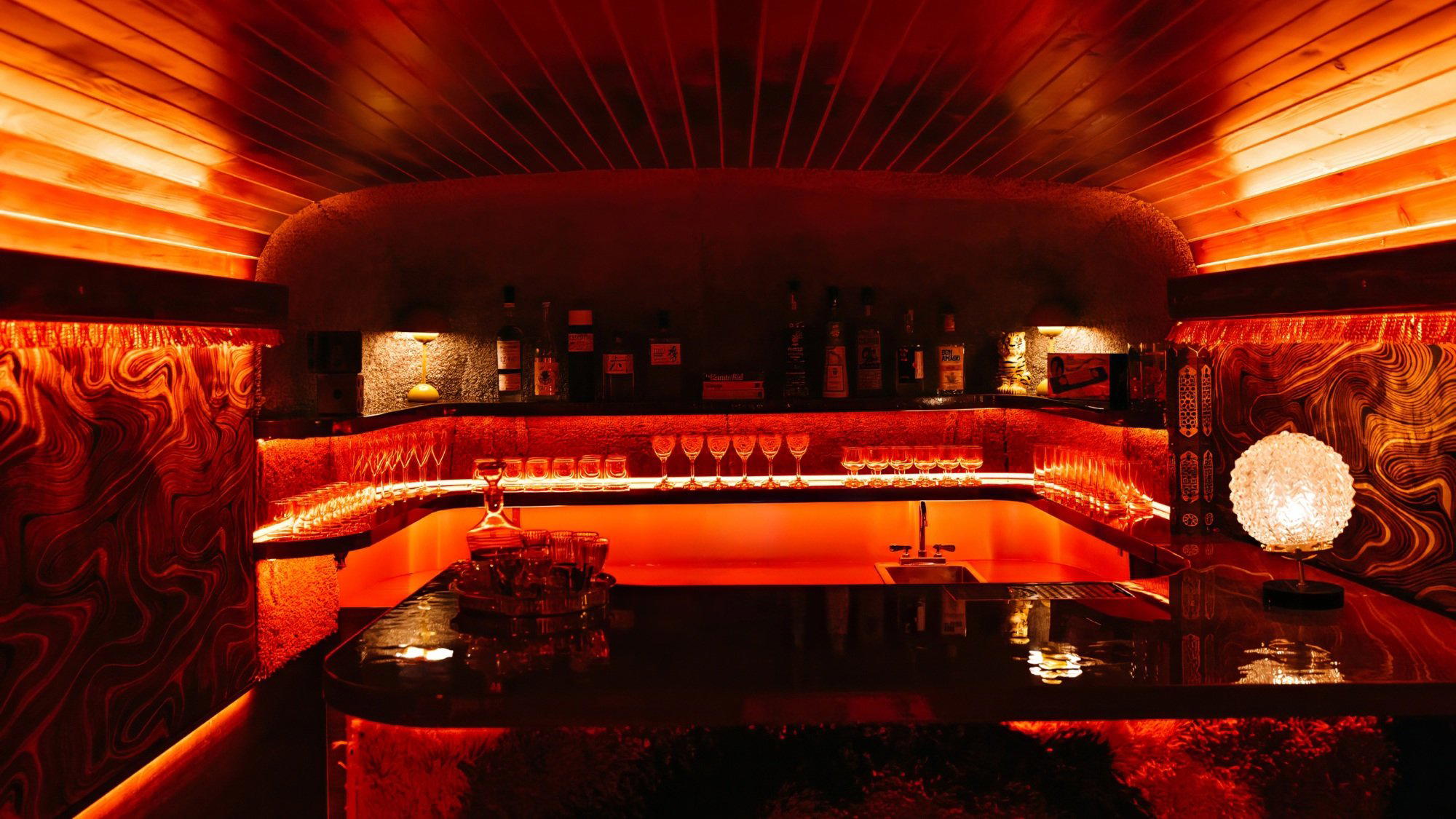
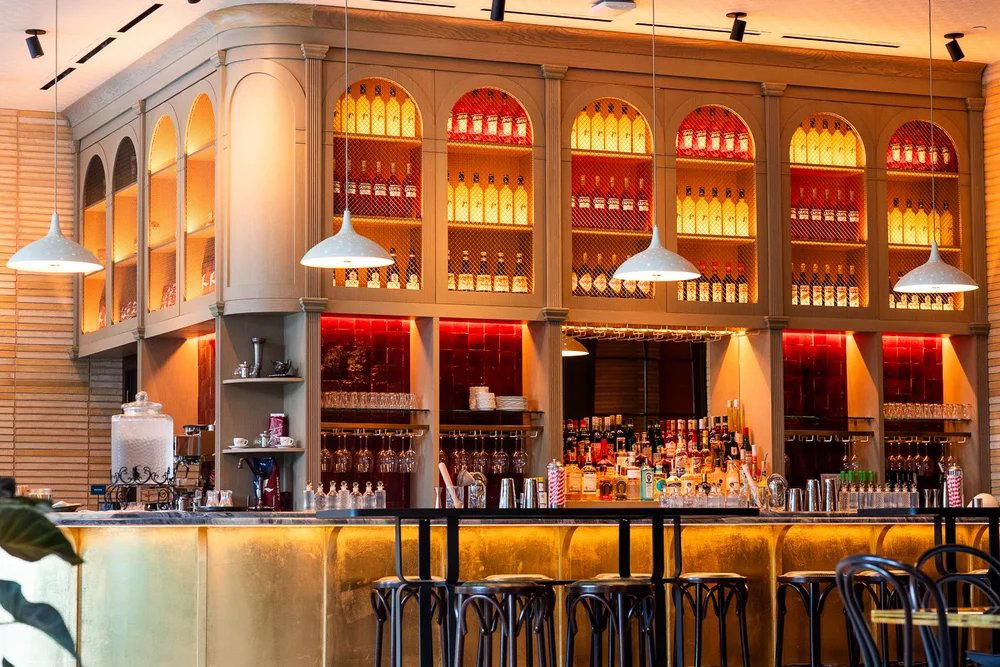
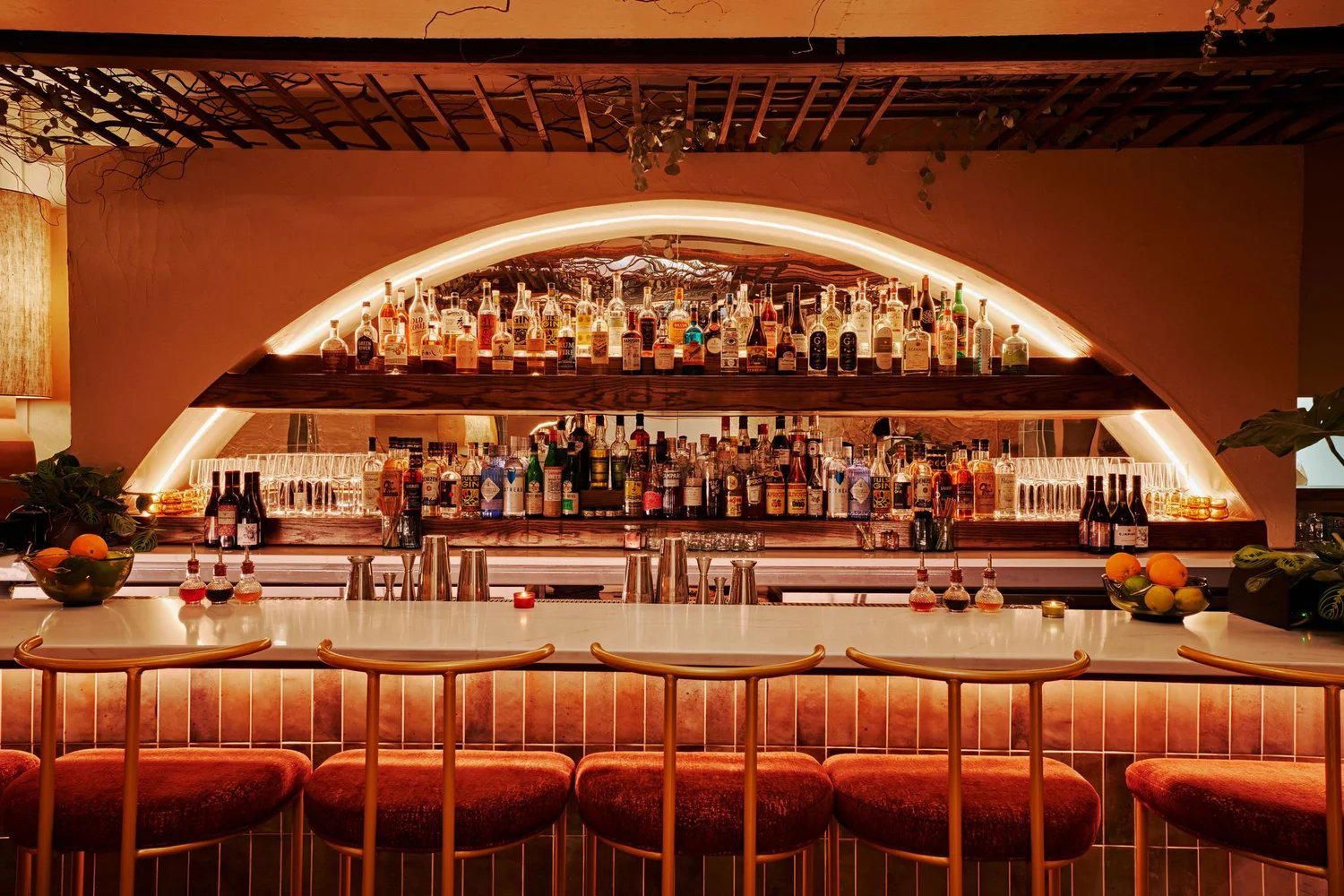
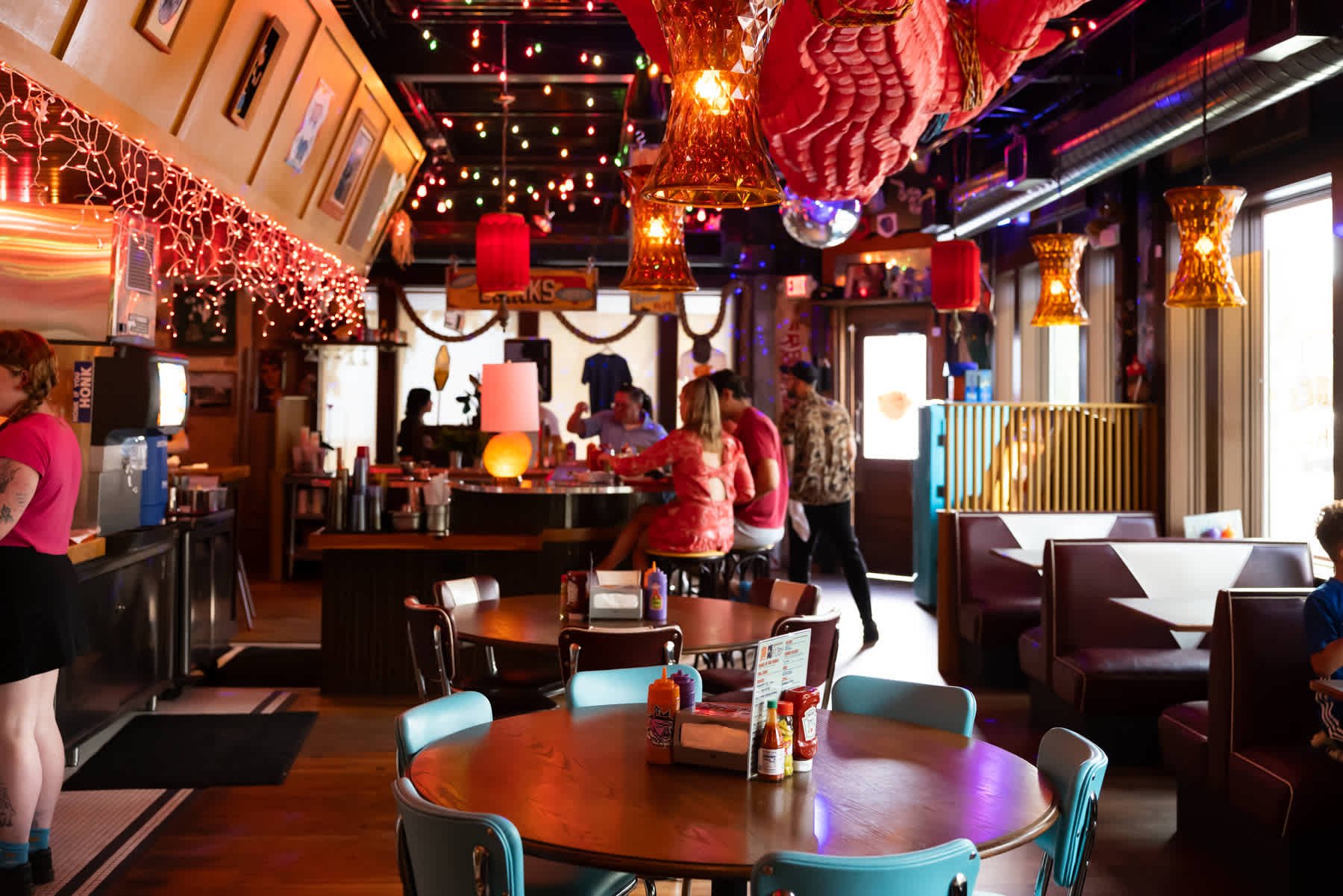
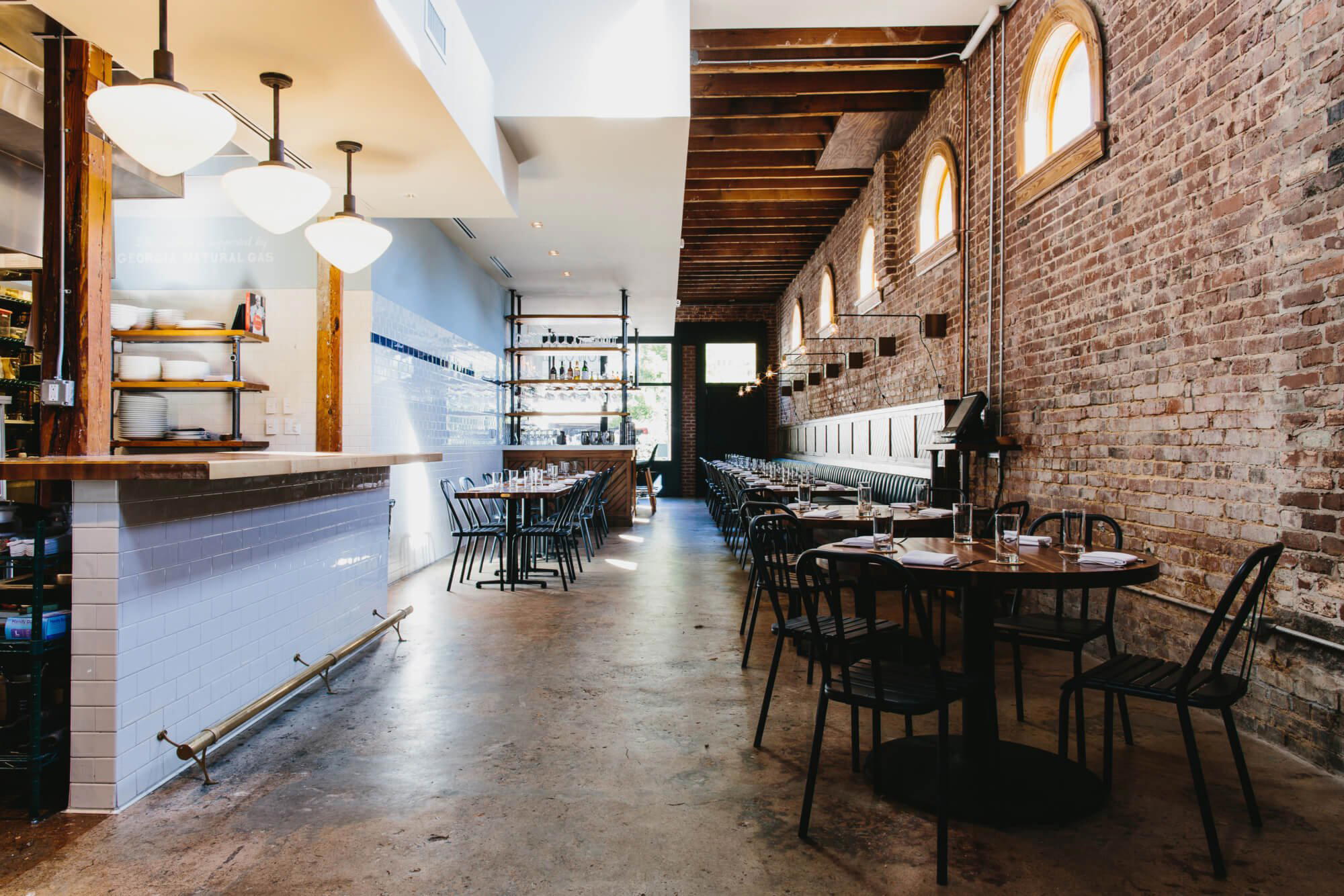
Dimly lit, cozy speakeasy with warm lighting, industrial decor, bold aromas, and lively underground rock club energy.