Pizzaiolo
On Telegraph Avenue in the Temescal district, Pizzaiolo has spent two decades refining its position inside Oakland's most food-serious neighbourhood. The restaurant draws its identity from wood-fired technique and seasonal California produce, operating at a price point that sits comfortably above casual but below the fine-dining tier. It remains one of the clearest expressions of East Bay dining values: produce-led, neighbourhood-anchored, and built for regulars.
 Discover on Pearl
Pearl is the En Primeur Club membership app — saves, bookings, and concierge access live there. Same editors, same standards.
- Address
- 5008 Telegraph Ave, Oakland, CA 94609
- Phone
- +1 510 652 4888
- Website
- pizzaiolooakland.com
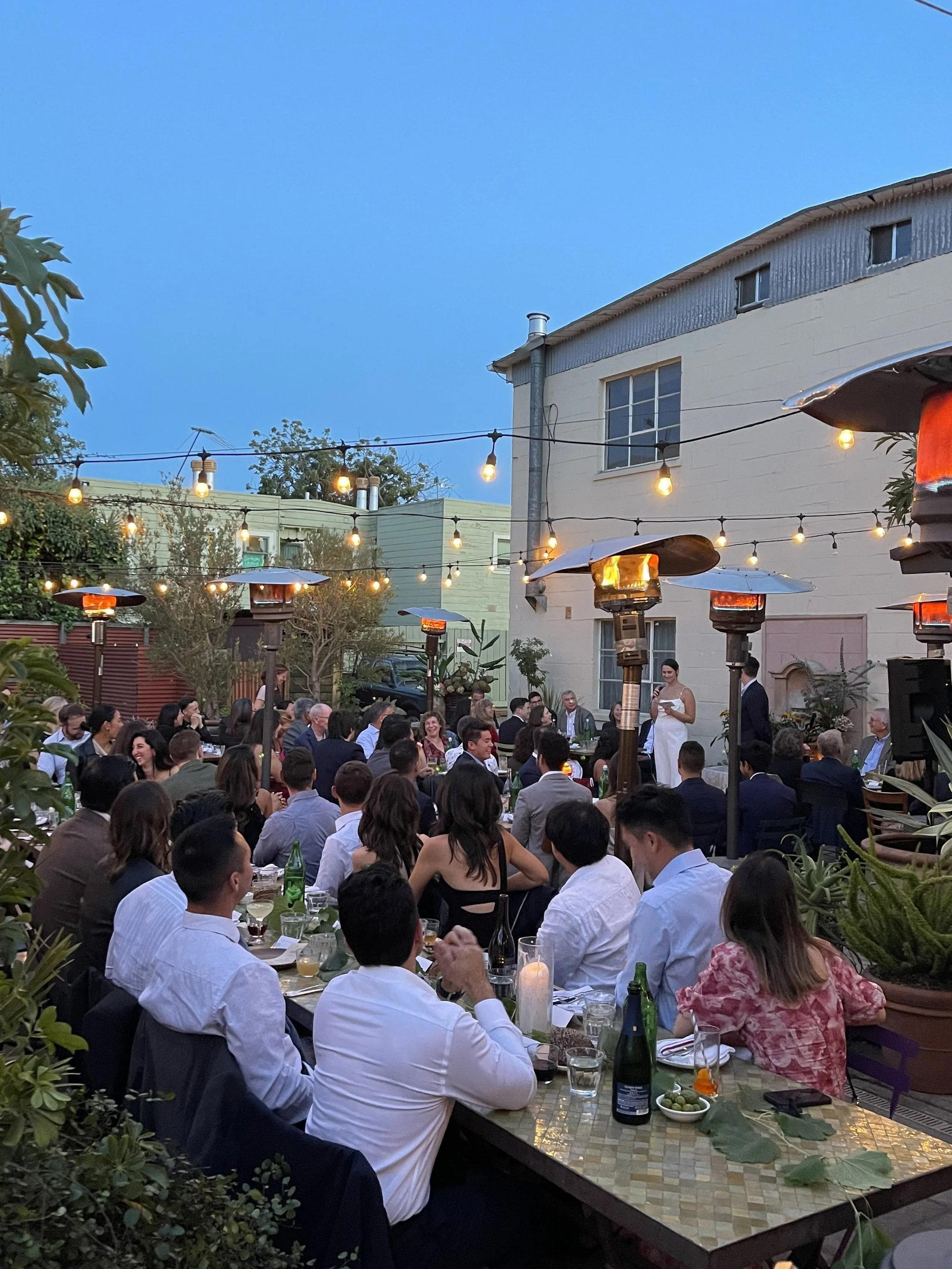
Telegraph Avenue and the Neighbourhood That Shaped It
Temescal was already shifting from a working-class corridor into one of Oakland's more considered dining districts when Pizzaiolo opened at 5008 Telegraph Avenue. That timing matters. The restaurant did not arrive into an established scene; it helped construct one, and the neighbourhood's subsequent trajectory, with serious wine shops, chef-driven kitchens, and ingredient-led bars appearing along the same stretch, reflects the kind of anchor effect that a restaurant with genuine staying power can produce. Today, Telegraph Avenue functions as one of the Bay Area's more coherent blocks of independent food and drink, and Pizzaiolo sits inside that pattern rather than apart from it.
For context on how Oakland's bar and bottle-shop culture developed alongside its restaurant scene, Bay Grape on Piedmont Avenue represents the wine-retail side of the same movement, while 13 Orphans and Belotti Ristorante E Bottega fill out the Italian-adjacent and neighbourhood-institution categories that define how Oaklanders actually eat and drink. A fuller orientation is available in our full Oakland restaurants guide.
Wood Fire, Seasonal Produce, and What Has Actually Changed
The evolution of wood-fired cooking in California follows a clear arc: it moved from novelty in the late 1970s and early 1980s into a settled technique, then into something close to dogma at the better casual-fine kitchens of the 1990s and 2000s. Pizzaiolo's position inside that arc is instructive. When the restaurant opened, wood-fired pizza with serious attention to fermentation and dough was still a differentiator in the East Bay. Two decades later, the technique is table stakes at any restaurant claiming similar positioning, which means the restaurants that built their reputation on it have had to decide what their identity is actually grounded in beyond the oven itself.
At Pizzaiolo, the answer appears to be the sourcing network and the long-term relationship with Bay Area farms and producers. This is not unusual for California restaurants of this era, but the depth of commitment, measured in the relative stability of the menu's underlying philosophy even as individual dishes shift with the seasons, suggests a kitchen that has moved past technique as identity and into ingredient relationships as identity. That is a meaningful evolution. A restaurant that opened on the novelty of Neapolitan-influenced wood-fired pizza and has remained relevant across a period when that novelty has fully dissipated has done something operationally and editorially significant.
Positioning Inside Oakland's Casual-Fine Tier
Oakland's restaurant market has sorted itself into a cleaner set of tiers than it held fifteen years ago. At the leading, a small number of tasting-menu or reservation-required operations compete more with San Francisco equivalents than with anything else in the East Bay. Below that sits a populated middle tier: restaurants with serious kitchens, thoughtful wine programs, and prices that reflect genuine ingredient costs without demanding occasion-dining commitment. Pizzaiolo has always occupied this middle register, and it has done so in a neighbourhood where that positioning is most legible and most valued.
Comparative dining in this tier across other American cities shows how location-specific the formula is. The neighbourhood-anchor model, where a technically serious kitchen operates at accessible prices in a district that eats out regularly and knowledgeably, appears most successfully in cities with dense, walkable residential neighbourhoods adjacent to commercial strips. Oakland's Temescal fits that profile. The equivalent energy in other cities shows up at operations like ABV in San Francisco or, further afield, at the kind of programme-led bars and kitchens documented in cities from Chicago to New Orleans. The common thread is a kitchen or bar that has decided its neighbourhood is its peer set, not its ceiling.
What to Order and How to Think About the Menu
The menu at Pizzaiolo is structured around the wood-fired oven but has never been reducible to pizza alone. From the restaurant's earliest years, the format included antipasti, pasta, and main plates built from whatever the seasonal California larder offered. That breadth has remained. For a first visit, the operative question is not which pizza to order but rather how much of the menu to commit to, because the kitchen's more considered work often appears in the starter and pasta sections where the oven's character shows up in more indirect ways: roasted vegetables, cured and dressed ingredients, and pasta preparations that lean on the same sourcing relationships that underpin the pizza program.
The pizza itself remains the anchor dish for good reason. The dough fermentation and char levels at a restaurant with this tenure tend to be well-calibrated in a way that requires years of repetition to achieve. Ordering it here carries the weight of institutional knowledge that newer wood-fired operations in the Bay Area have not yet accumulated.
Planning a Visit
Pizzaiolo sits on Telegraph Avenue at 5008, easily walkable from the Temescal core and reachable by the 51A bus line running up Telegraph from downtown Oakland. Parking on the residential streets east of Telegraph is generally available in the evening. The restaurant draws a neighbourhood crowd that skews toward regulars, which affects the pacing and atmosphere in ways that distinguish it from more tourist-facing operations: service assumes some familiarity with the format, and the room operates at a conversational volume rather than a performative one.
Walk-in availability varies considerably by night of week. Midweek evenings, particularly Tuesday and Wednesday, historically offer better odds of counter or bar seating without a reservation. Weekend dinner is the high-demand window, and arriving early, at or before the opening seating, is the most reliable approach if reservations are not secured in advance. For context on other venues worth pairing into an Oakland evening, alaMar Dominican Kitchen represents a different but equally committed corner of the Oakland dining picture.
For readers building a longer Bay Area itinerary, the Temescal district is thirty to forty minutes from San Francisco by BART to the 19th Street Oakland station, then a short ride north. That proximity makes a Telegraph Avenue evening a realistic complement to a San Francisco base, though the East Bay's rhythm is distinct enough that treating it as a day-trip appendix undersells what the neighbourhood offers on its own terms. Readers exploring the broader cocktail geography of the US alongside their dining research will find additional context in EP Club's coverage of operations from Houston to New York, Honolulu, and Frankfurt.
Continue exploring
More in Oakland
Bars in Oakland
Browse all →
Restaurants in Oakland
Browse all →
Hotels in Oakland
Browse all →




At a Glance
- Cozy
- Rustic
- Lively
- Iconic
- Casual Hangout
- Group Outing
- Date Night
- Standalone
- Garden
- Speakeasy
- Seated Bar
- Outdoor Terrace
- Lounge Seating
- Classic Cocktails
- Craft Cocktails
Lively neighborhood setting with cozy patio dining and a love letter aesthetic to Northern California; warm and welcoming with a focus on artisanal craftsmanship.