Picasso's
Picasso's on San Jose Boulevard sits in Jacksonville's Mandarin corridor, a stretch that rewards regulars more than first-time visitors. The wine program is the primary draw, offering cellar depth that reads against a broader editorial tradition of serious wine bars outside major coastal markets. For Jacksonville, it occupies a distinct tier.

Pearl is the En Primeur Club membership app, where members save venues, book tables and use the concierge.
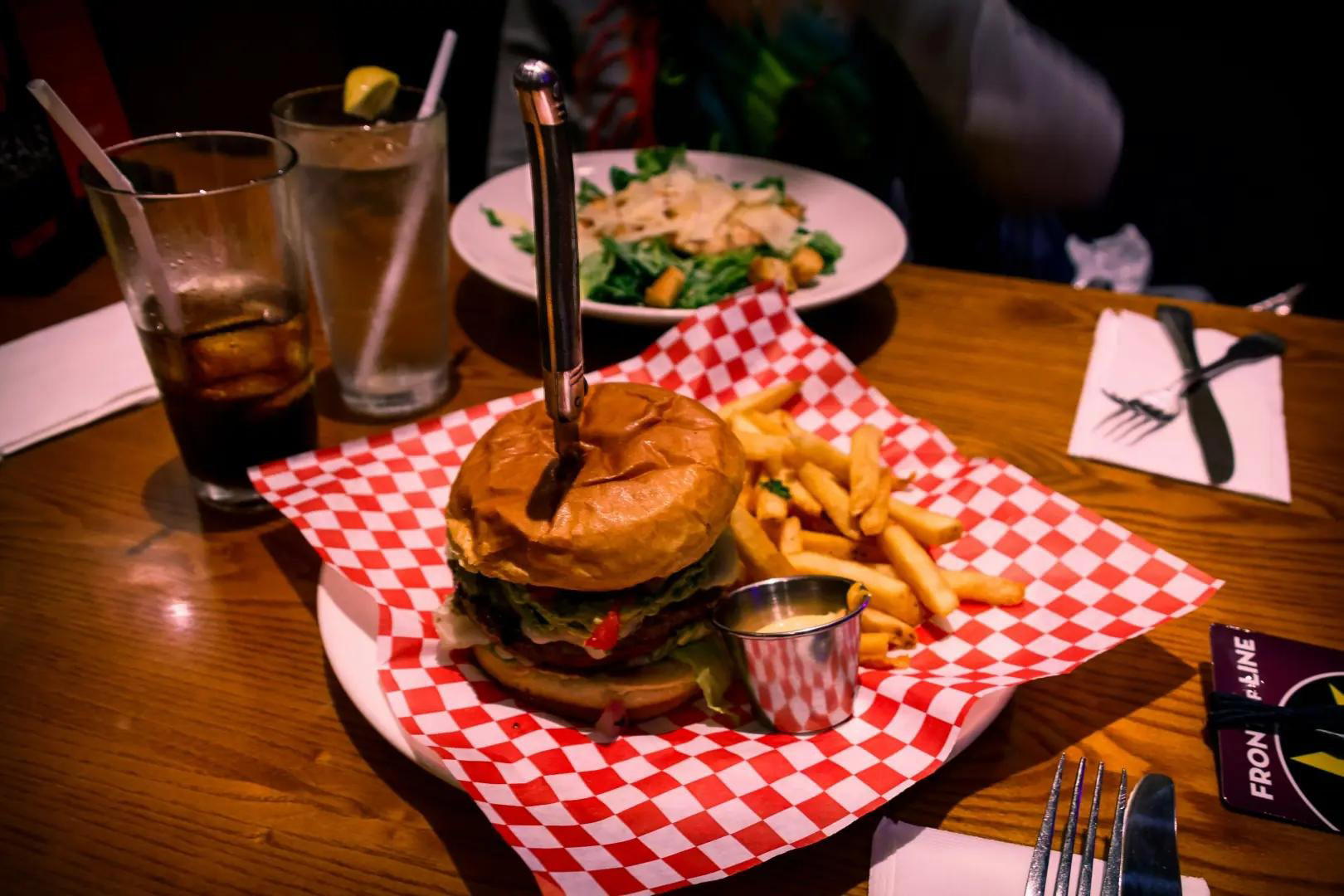
San Jose Boulevard and the Case for Serious Wine Outside Major Markets
The assumption that meaningful wine programs belong exclusively to New York, San Francisco, or Chicago is one the American mid-market has spent the last decade quietly dismantling. Jacksonville's dining scene, anchored in neighbourhoods like Mandarin and Riverside, has developed a cohort of venues where the bottle list outpaces what the city's profile might suggest. Picasso's, at 10503 San Jose Blvd in the Mandarin corridor, belongs to that cohort. Its address places it away from downtown's more visible dining cluster, which is precisely where wine-forward independents tend to take root: lower overhead, a loyal postcode-level customer base, and enough physical distance from trend cycles to build something with genuine depth.
San Jose Boulevard itself is a long suburban commercial strip, the kind that rewards local knowledge over destination impulse. Venues here succeed by becoming embedded in the rhythms of a neighbourhood rather than by attracting visitors on reputation alone. That context matters for understanding what Picasso's is and is not. It is not a spectacle. It is a place where the wine list does the talking, and where the room's character is shaped more by the cellar than by the design brief.
The Editorial Case for Wine-Driven Venues in Secondary Markets
Across American secondary markets, the wine bar format has followed a recognisable arc. The first wave leaned on European imports and poured from lists that were wide but shallow. The more recent iteration, which runs from Louisville to Richmond to Jacksonville, is more selective: fewer labels, deeper verticals, and a curatorial logic that reflects someone's actual point of view rather than a distributor's allocation sheet. This is the format that produces genuinely interesting rooms, the kind where a conversation about a producer from the Jura or a Willamette Valley Pinot Gris from a small-acreage estate can extend well past the pour.
Picasso's sits within that more recent wave. Jacksonville's wine culture has historically played second to its craft beer scene, which has strong local representation through venues like Wicked Barley and others. But beer and wine audiences overlap less than the market assumes, and a venue built around cellar depth occupies a different competitive position entirely.
What the Room Does
Wine-driven venues in suburban corridors face a specific design challenge: the room needs to communicate seriousness without tipping into formality that alienates the neighbourhood audience. The most successful examples achieve this through details rather than grand gestures, a well-maintained cellar visible from the bar, glassware that signals intention without demanding ceremony, a floor plan that accommodates both a quick glass and a longer seated exploration of the list. These are operational disciplines that separate a genuine wine program from a restaurant that simply has a lot of bottles.
The Mandarin corridor's demographics tend toward established professional households with the disposable income and the palate development to engage with a list that goes beyond California Cabernet and domestic Chardonnay. That audience supports a different curation logic than a downtown venue chasing covers, and it explains why independent wine-focused operators in similar postcodes across American cities have found durable footing even without the foot traffic that central locations provide.
For comparison within Jacksonville's dining ecosystem, Cowford Chophouse anchors the downtown end of the market with a steakhouse format and a list built around red wine power, bold Napa Cabs, Argentine Malbecs, domestic Zinfandels. Catullo's Italian works within a regional Italian framework where the wine list supports the cuisine rather than leading it. Blue Fish Restaurant and Oyster Bar operates at the coastal-casual end, where crisp whites and sparkling wine pair naturally with the food format. And Congaree and Penn occupies a farm-forward space where natural and minimal-intervention producers feature alongside the seasonal kitchen program. Each of these venues uses wine as a supporting element. A venue where the wine program is the primary draw, as Picasso's appears to be, occupies a distinct position in that map.
Placing Picasso's in a Wider Conversation
The shift toward beverage-led independent venues has been documented across American markets. Jewel of the South in New Orleans demonstrated that a craft beverage program in a secondary-to-major market could achieve recognition well beyond its city. Julep in Houston showed that a specific curatorial philosophy, rather than breadth, could define a venue's identity. Bar Leather Apron in Honolulu and Superbueno in New York City both illustrate how a clearly defined beverage perspective, whether spirits-led or wine-led, becomes the primary reason a room develops a following. The Parlour in Frankfurt on the Main extends that argument internationally, where the wine bar format has become a vehicle for serious curation even in cities with strong existing wine infrastructure.
Picasso's functions within the same broader logic: a suburban address, a neighbourhood audience, and a wine program that asks to be taken on its own terms rather than as a supplement to the food. Whether that combination produces a list with genuine cellar depth and curatorial intention is a question the room answers directly, which is the only useful metric for a venue in this category.
For a fuller picture of where Picasso's sits within Jacksonville's evolving restaurant and bar scene, the EP Club Jacksonville guide maps the city's current dining tiers, from the waterfront seafood corridor to the inland neighbourhood independents that carry the city's most interesting wine and food programs.
Planning Your Visit
Picasso's is located at 10503 San Jose Blvd, Jacksonville, FL 32257, in the Mandarin area on the city's southside. Given the neighbourhood format and the likelihood of a loyal local audience, arriving early in the week or at off-peak hours within a service period tends to allow more engagement with the list. Venues of this type typically accommodate walk-ins, though a wine-led room with a following can fill on weekend evenings without the kind of advance booking pressure that a downtown reservation-only format creates. Specific hours, booking policies, and current list details are best confirmed directly with the venue before visiting.
At-a-Glance Comparison
| Venue | Cuisine | Price |
|---|---|---|
| Picasso'sThis venue (the venue you are viewing) | This venue | $20–30 |
| Cowford Chophouse | Not listed | $50–100 |
| Catullo’s Italian | Not listed | $30–50 |
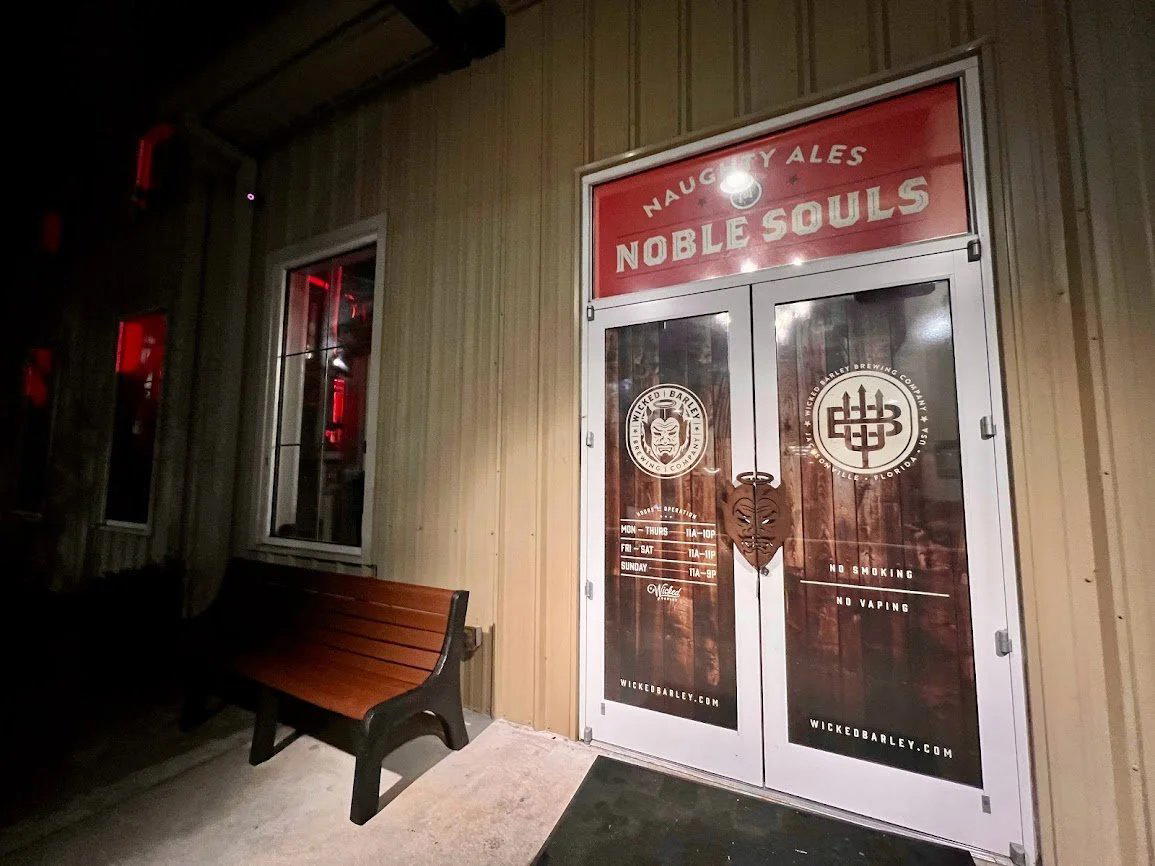
| Wicked Barley Brewing Company | Not listed | $30–50 |
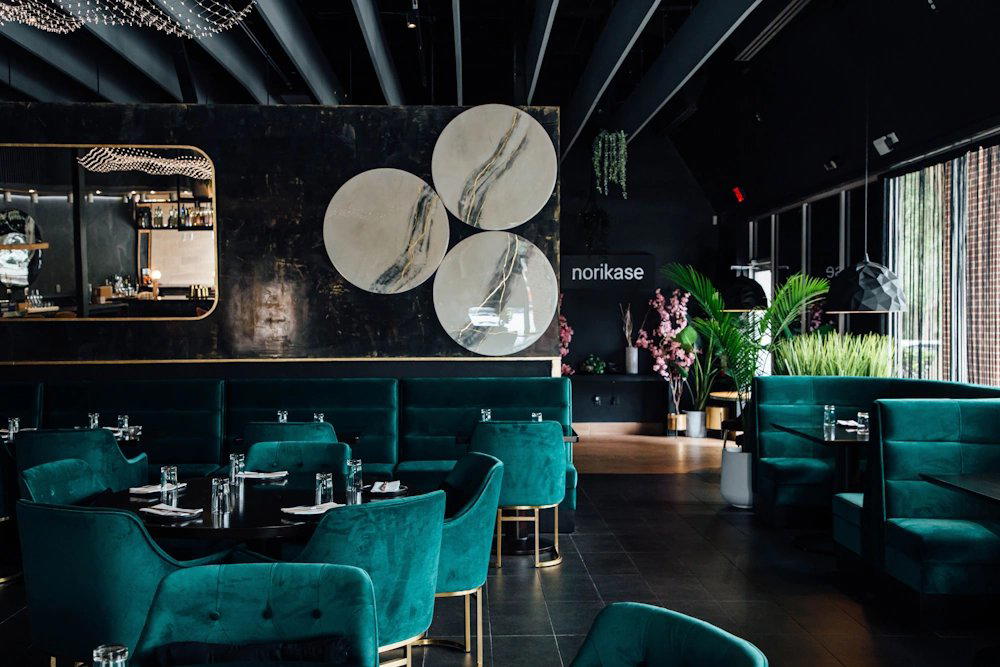
| Norikase - Modern Japanese Omakase & Sushi | Not listed | $150–200 |
Continue exploring
More in Jacksonville
Bars in Jacksonville
All bars in Jacksonville →
Details
- Cozy
- Classic
- Date Night
- Casual Hangout
- Group Outing
- Family
- Standalone
- Seated Bar
- Booth Seating
- Conventional Wine
- Craft Beer
Current opening hours
- Monday
- 11:30 AM–2:30 PM, 4:30–9 PM
- Tuesday
- 11:30 AM–2:30 PM, 4:30–9 PM
- Wednesday
- 11:30 AM–2:30 PM, 4:30–9 PM
- Thursday
- 11:30 AM–2:30 PM, 4:30–9 PM
- Friday
- 11:30 AM–2:30 PM, 4:30–10 PM
- Saturday
- 11:30 AM–2:30 PM, 4:30–10 PM
- Sunday
- Closed
Hours can change for holidays and private events. Hours as of .
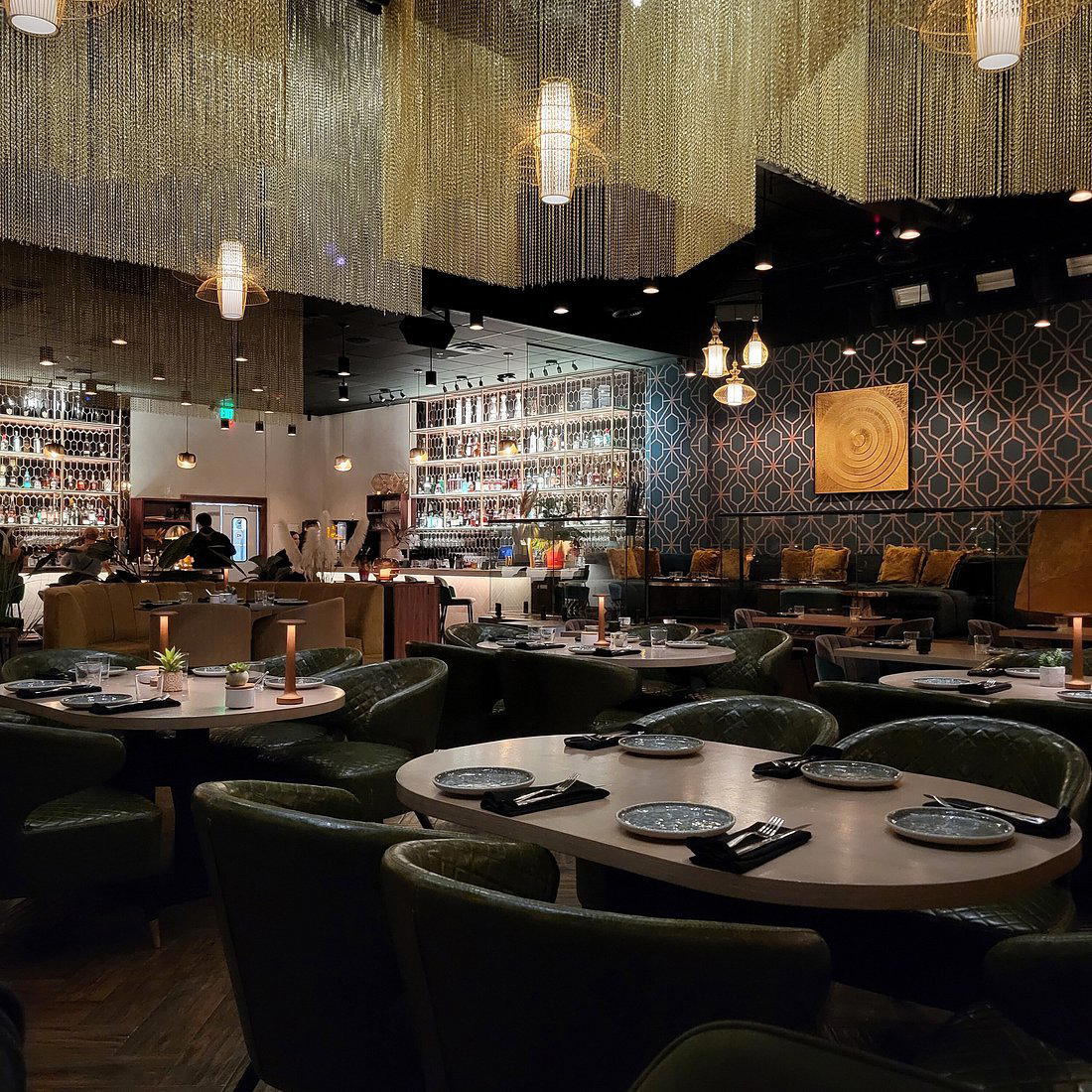
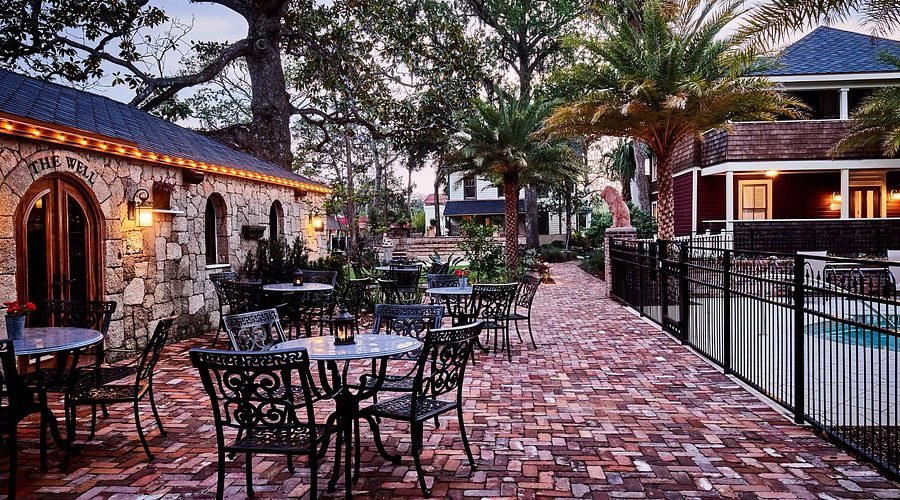
Warm and welcoming interior that contrasts with its modest exterior; inviting atmosphere with friendly service.