Norikase - Modern Japanese Omakase & Sushi
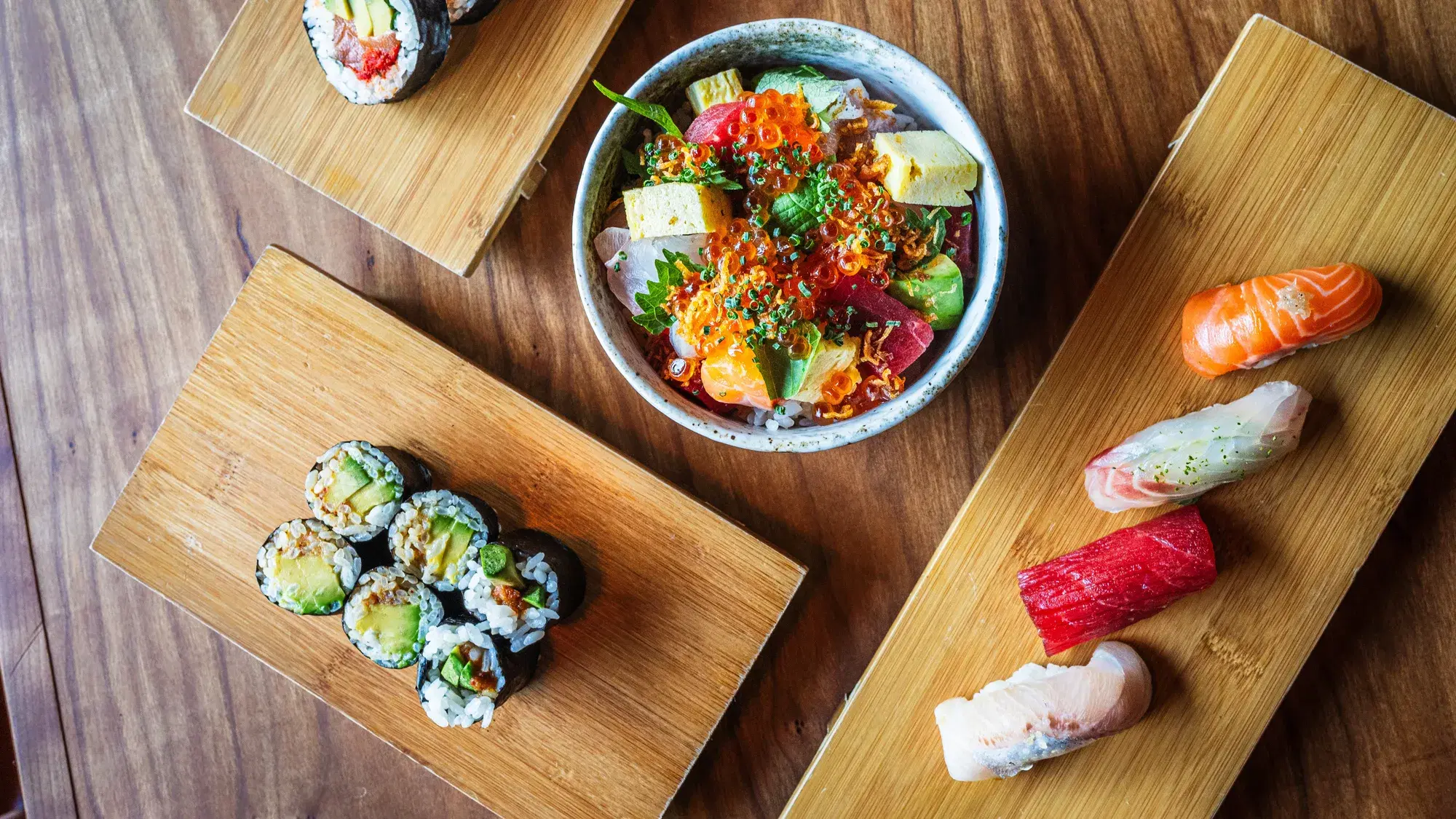
Omakase dining in Jacksonville sits in a narrow tier, and Norikase on Deer Lake Court occupies it with a format built around counter-seat progression and chef-directed pacing. In a city where Japanese fine dining has historically meant conventional sushi rolls, this Southside address represents a different mode entirely, one where the kitchen sets the terms and the guest follows.

Pearl is the En Primeur Club membership app, where members save venues, book tables and use the concierge.
Omakase in a City Still Learning What It Means
Jacksonville's dining scene has spent the past decade diversifying in ways that would have surprised anyone who dismissed Florida's largest city as a beef-and-brewery town. Steakhouses like Cowford Chophouse anchor the old guard; seafood counters such as Blue Fish Restaurant and Oyster Bar hold the casual waterfront lane; and Italian-rooted rooms like Catullo's Italian have locked down the comfort-dining bracket. What the city has not historically produced in volume is the kind of precision Japanese format where the menu is fixed, the seat count is deliberately small, and the price is non-negotiable before you arrive. Norikase, at 9734 Deer Lake Court in the Southside district, positions itself in exactly that gap.
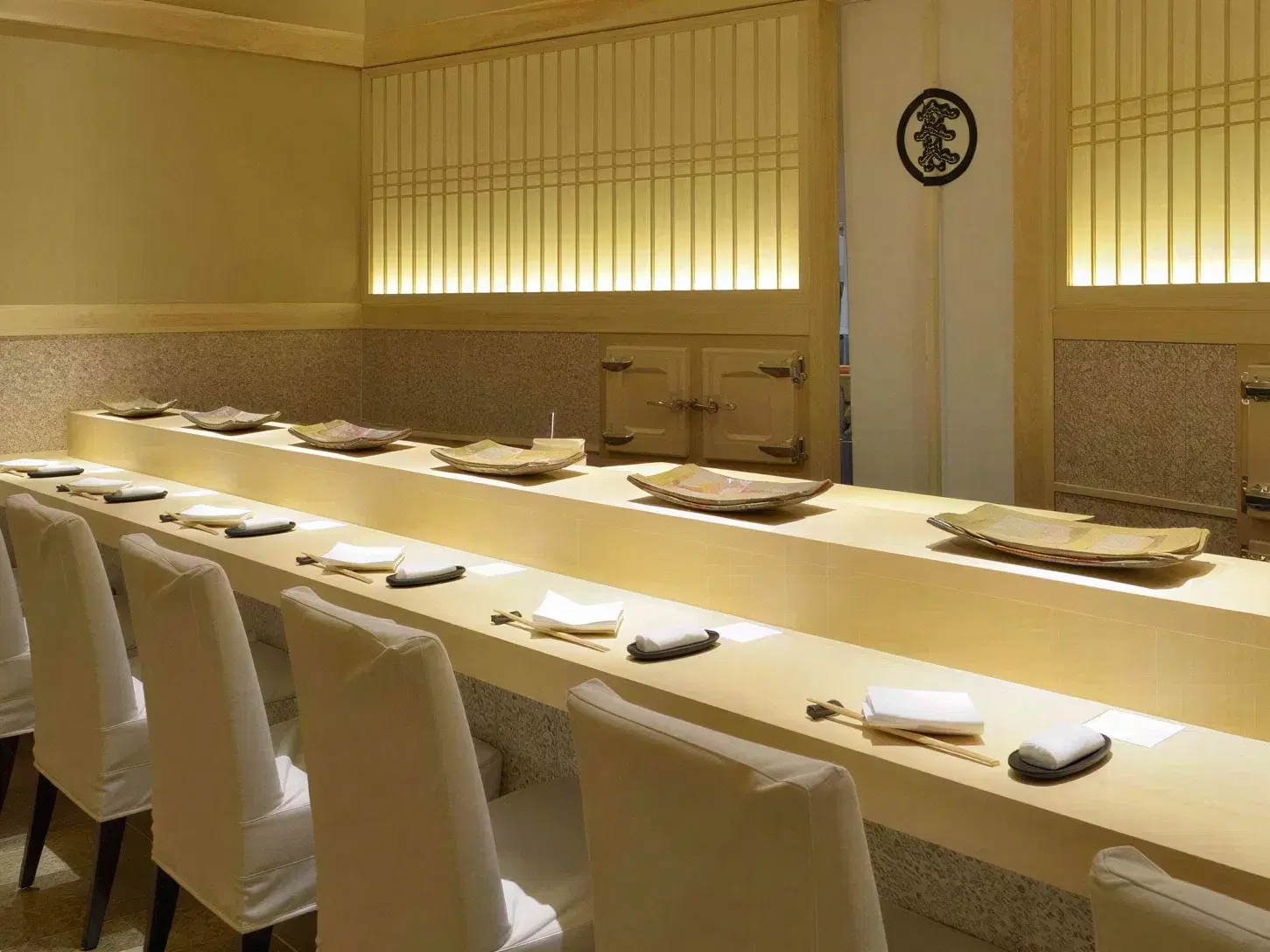
Omakase as a dining format carries specific expectations: a counter rather than a floor plan, a sequenced progression of courses determined by the kitchen, and an implicit agreement between diner and chef that the guest surrenders menu control in exchange for technical focus. In cities like New York or Chicago, this format is well-established across multiple price tiers. In Jacksonville, the format is a rarer proposition, which changes the dynamic considerably. Locals who encounter it for the first time are often negotiating a new social contract at the table, not simply ordering dinner.
The Southside Address and What It Signals
The Deer Lake Court location places Norikase in a low-key commercial corridor that does not announce itself as a dining destination. This is consistent with a pattern seen at comparable formats elsewhere: premium Japanese counter dining frequently occupies anonymous strip centers or understated storefronts, partly to keep overhead manageable and partly because the format requires no visual theater outside the room. The experience is interior, not exterior. For reference, similar address logic applies to tight-format bars like Bar Leather Apron in Honolulu, where a non-flashy exterior houses a program with real technical depth.
In Jacksonville's Southside, the surrounding neighborhood functions more as a practical residential and commercial zone than as a culinary corridor, which means Norikase is not drawing walk-in traffic from a street with ambient restaurant energy. Guests arrive because they sought it out. That self-selection tends to produce a room where people know why they are there, which is a different baseline than a location with high casual foot traffic. For visitors to Jacksonville using our full Jacksonville restaurants guide, Norikase represents a deliberate detour rather than a spontaneous stop.
How the Omakase Format Reads in a Southern Florida Context
Modern Japanese omakase in the American South operates differently from its counterparts in coastal gateway cities. Demand is smaller, the diner pool has less prior experience with the format, and sourcing networks for premium fish require either direct relationships with importers or reliance on the same regional distributors serving a much wider price bracket. This does not make the format impossible outside of New York or Los Angeles; it makes it harder and therefore rarer.
The name Norikase itself combines kanji-adjacent phonetics in a way that signals deliberate positioning within the modern omakase category rather than a generic sushi-restaurant framing. Modern Japanese omakase counters across the country, from operations similar in spirit to Kumiko in Chicago to bar programs with Japanese-influenced craft precision like Jewel of the South in New Orleans, have demonstrated that regional markets outside the obvious centers can sustain high-intention Japanese-inflected formats when the local audience has enough exposure to reward the effort.
Jacksonville, with its significant military and transient professional population, does have a diner cohort that arrives with prior exposure to precision-format dining from other cities. That demographic reality makes the omakase format more viable here than a surface reading of the market might suggest.
Peer Context: What Comparable Formats Look Like Elsewhere
Across the country, counter-format Japanese restaurants occupy a specific zone in the dining hierarchy. They tend to price at a premium relative to regional alternatives, book weeks or months in advance, and seat small numbers per service. In markets where the format is established, those parameters are understood. In markets like Jacksonville, they require more explanation and carry more inherent friction.
The contrast is useful: at the craft-cocktail end of precision programming, venues like ABV in San Francisco or Superbueno in New York City operate in dense, format-literate markets where the rules of the room are already understood before guests arrive. Julep in Houston and The Parlour in Frankfurt demonstrate how specialist formats anchor in mid-sized or regionally specific markets by offering something the surrounding scene does not. Norikase is making a comparable bet in Jacksonville's culinary geography.
Farm-to-table operators like Congaree and Penn in Jacksonville have already demonstrated local appetite for formats that require buy-in from the diner, whether that means accepting a tasting menu structure or sitting with a fixed price. Omakase extends that logic further, placing full editorial control with the kitchen.
Planning a Visit
The address at 9734 Deer Lake Court, Suite 11, sits in the Southside area of Jacksonville and is most accessible by car; the surrounding commercial zone offers no meaningful transit connection. Contact Norikase directly for current reservation availability. Arriving without a reservation at an omakase-format restaurant is rarely a viable strategy, and in small-capacity rooms, often ten to fifteen seats or fewer at this format, a same-week booking is frequently unavailable.
Dress code expectations at modern Japanese omakase counters in American markets typically land between smart casual and business casual; neither formal nor beachwear, with an implicit understanding that the room is quiet and focused rather than loud and social. Groups considering this format for a celebratory dinner should confirm the venue's policy on group sizes, as many counters limit parties to two or four to protect the sequencing of service.
How Norikase Jacksonville compares with similar nearby venues.
| Venue | Price |
|---|---|
| Norikase - Modern Japanese Omakase & SushiThis venue (the venue you are viewing) | $150–200 |
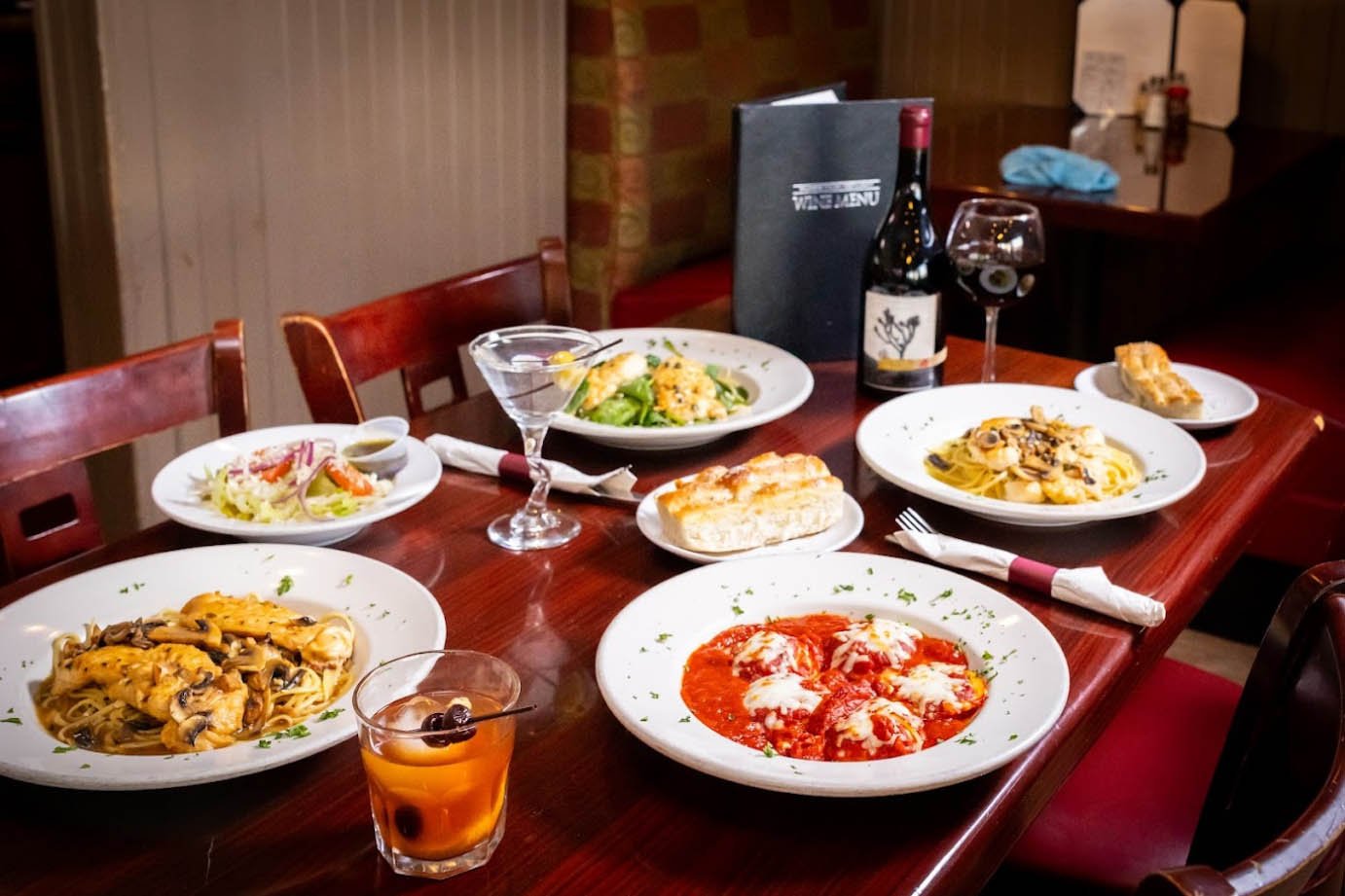
| Milano's Italian Restaurant Pizza and Bar | $10–20 |
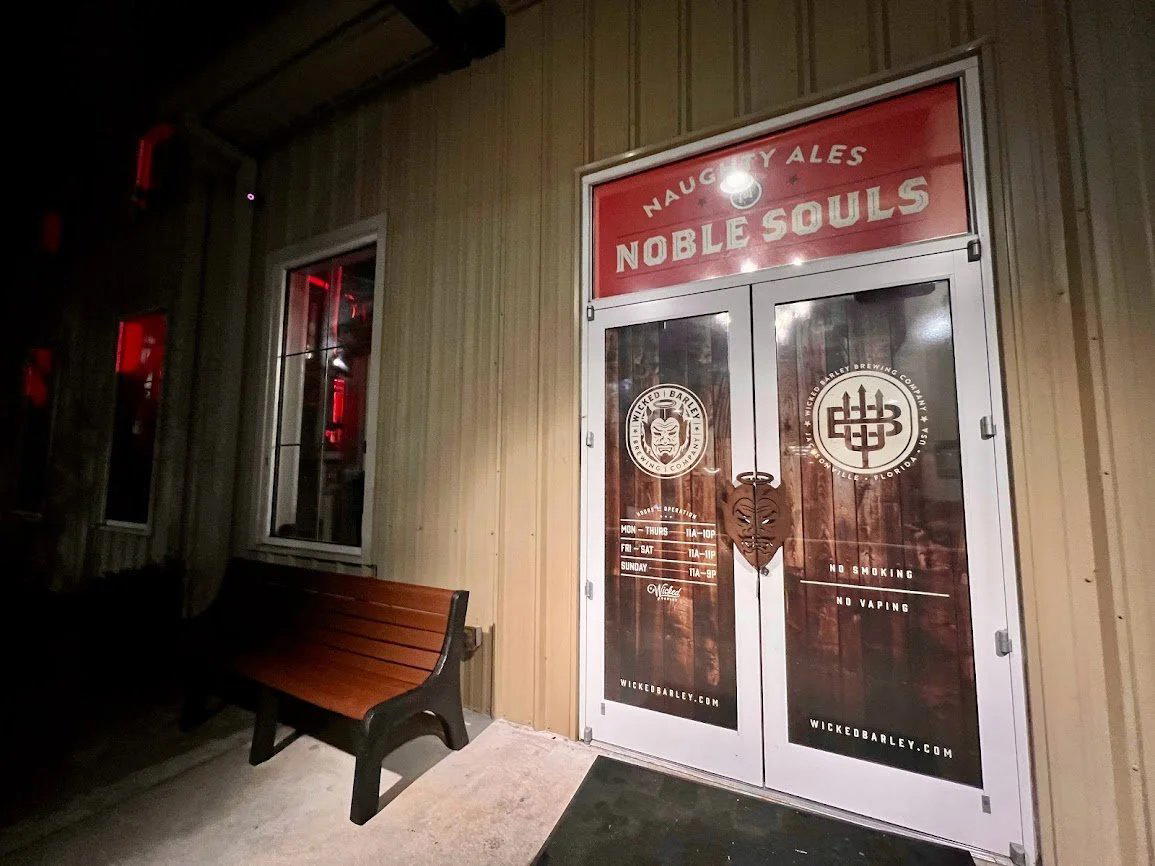
| Wicked Barley Brewing Company | $30–50 |
Norikase - Modern Japanese Omakase & Sushi
Featured Guides
Continue exploring
More in Jacksonville
Bars in Jacksonville
All bars in Jacksonville →
Details
- Modern
- Elegant
- Intimate
- Sophisticated
- Minimalist
- Date Night
- Special Occasion
- Design Destination
- Counter Only
- Private Rooms
- Sake
Current opening hours
- Monday
- Closed
- Tuesday
- 5–10 PM
- Wednesday
- 5–10 PM
- Thursday
- 5–10 PM
- Friday
- 5–11 PM
- Saturday
- 5–11 PM
- Sunday
- Closed
Hours can change for holidays and private events. Last verified .
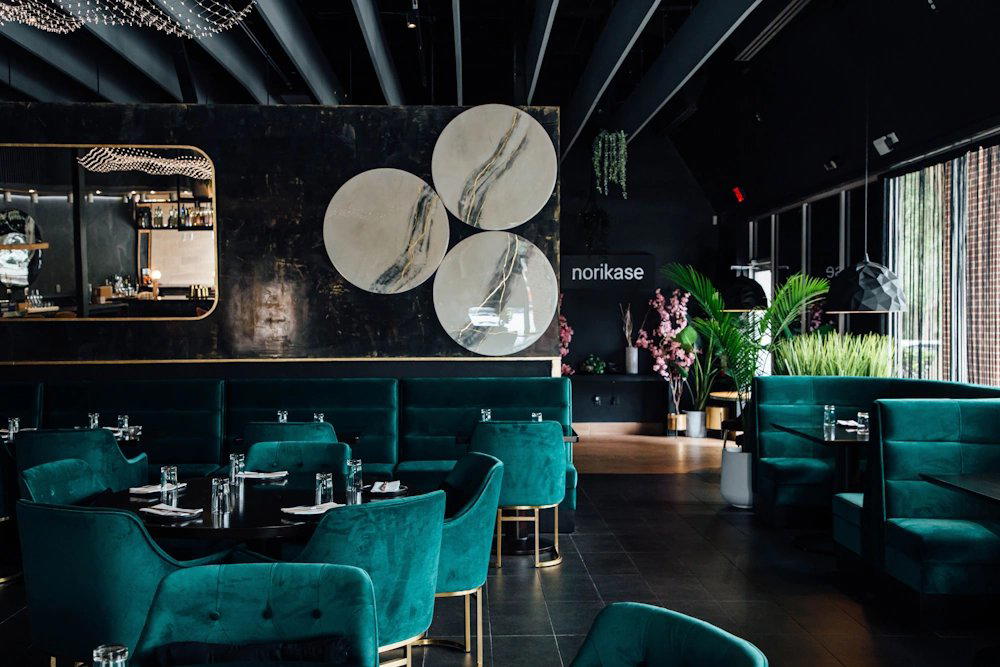
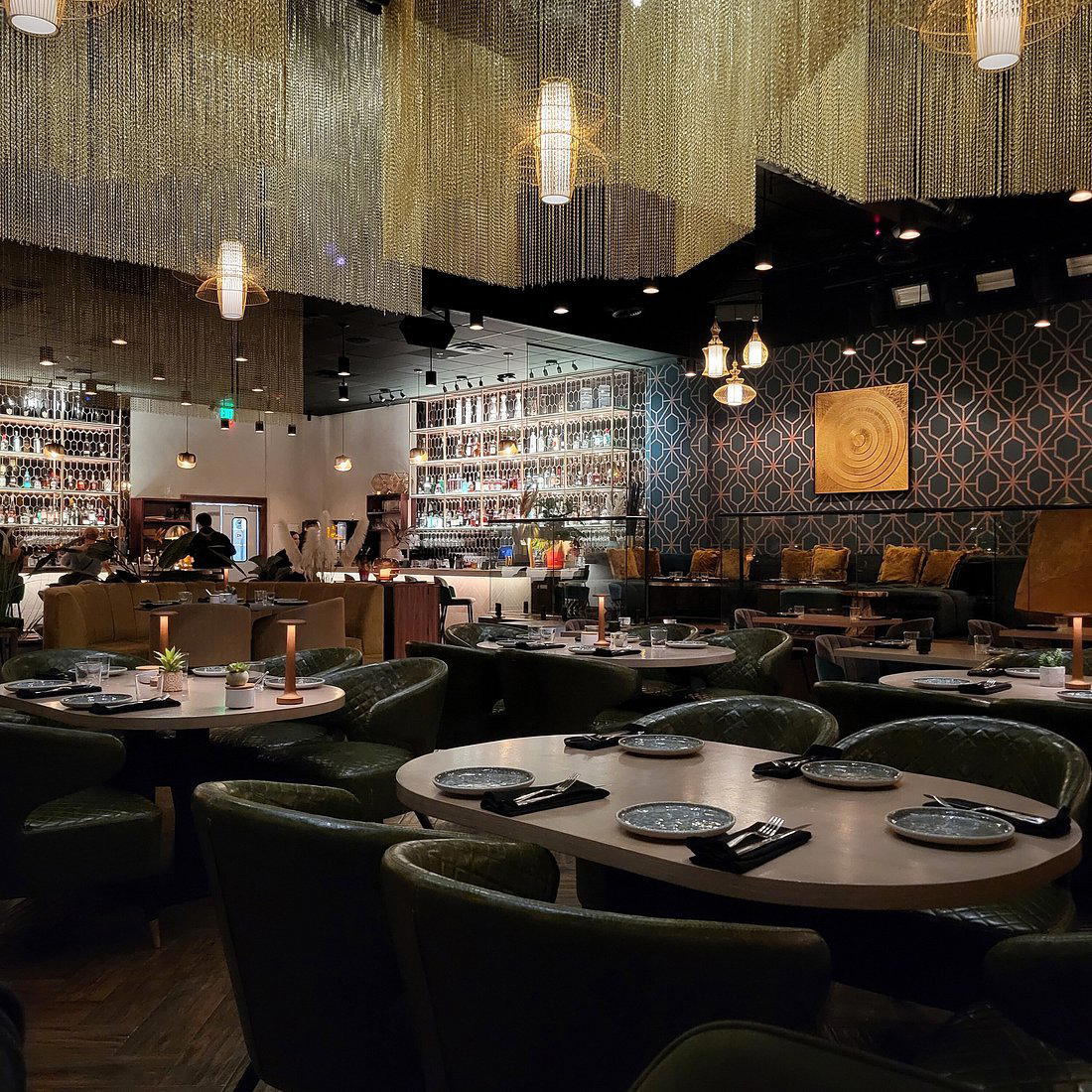
Visually gorgeous with bold greens and black decor enhanced by subdued lighting, creating an elegant and intimate atmosphere.