Cowford Chophouse
Cowford Chophouse occupies a historic address on East Bay Street in downtown Jacksonville, bringing a steakhouse format to a city that has historically underserved serious dining. The bar program operates as a genuine destination alongside the kitchen, positioning the venue at the upper end of Jacksonville's emerging restaurant scene.

Pearl is the En Primeur Club membership app, where members save venues, book tables and use the concierge.
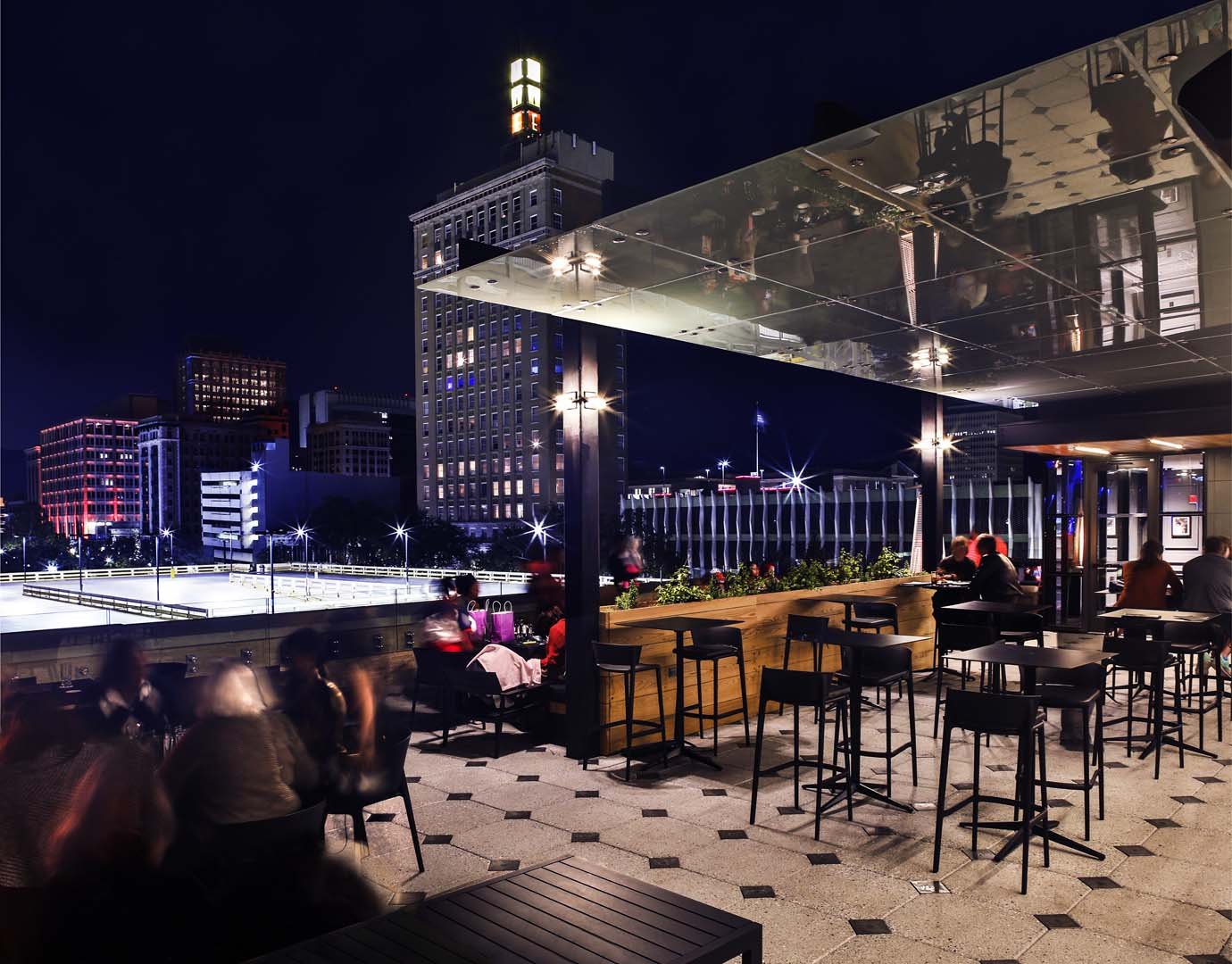
Downtown Jacksonville and the Case for Serious Drinking
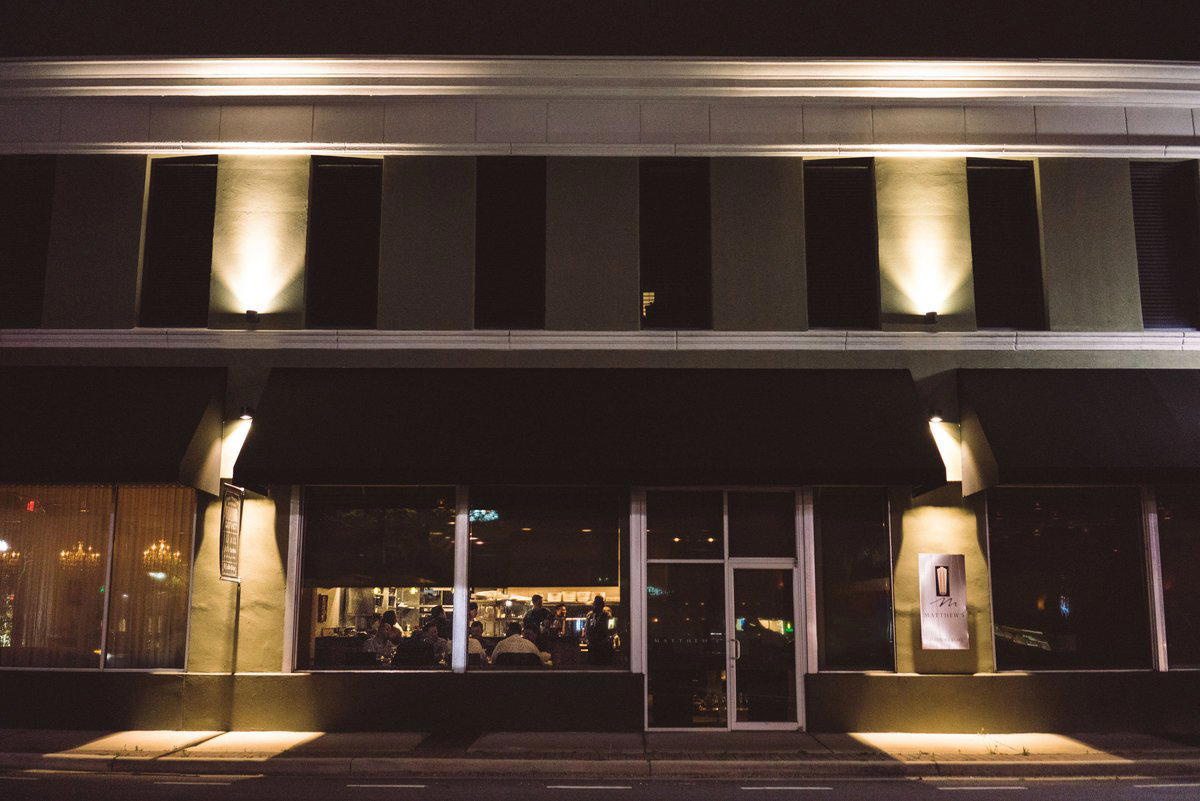
East Bay Street runs along the north bank of the St. Johns River, a corridor that has cycled through industrial use, neglect, and now a tentative dining revival. Cowford Chophouse sits at 101 E Bay St, in a building whose bones predate most of what surrounds it. Arriving on foot from the riverfront, the scale of the structure registers before you reach the door: exposed brick, high ceilings, the kind of architecture that resists the cosmetic renovations that flatten so many American steakhouses into generic warmth. Jacksonville has not traditionally been a city where the bar program at a chophouse receives the same critical attention as the beef. Cowford represents a shift in that assumption.
The name itself is historical. Jacksonville sits on the site of a colonial-era ford across the St. Johns River where cattle were driven through, and Cowford was the settlement's original name before incorporation in 1822. A chophouse occupying that address and carrying that name is making a deliberate argument about place, which is a different move than the anonymous steakhouse formats that proliferate in airport corridors and hotel districts across the American South.
The Bar Program as Anchor
Across the American cocktail bar tier, the last decade has seen a clear split between venues that treat the bar as a profit center and those that treat it as a technical program. The former restocks standard spirits and runs high-margin classics; the latter invests in house-made components, regional sourcing, and formats that require a working knowledge of culinary technique. Cowford's bar program places it in the second category, operating within a steakhouse context where the drinks are expected to hold their own against an aged beef-dominated menu rather than simply accompanying it.
That pairing challenge is specifically interesting. Steakhouses require cocktails that can stand against fat, char, and salt. The classic American response was the wedge of lemon in a martini, the Manhattan's bitterness as a counter to richness. Contemporary programs at venues like Jewel of the South in New Orleans and Kumiko in Chicago have pushed that logic further, using clarified fats, sous-vide infusions, and acid adjustments that create drinks specifically engineered to cut through or complement specific dishes. Where Cowford's program lands within that spectrum is what distinguishes a bar worth visiting from one worth acknowledging.
The regional cocktail conversation in the American South has its own distinct vocabulary. Bourbon-forward formats, sweet tea riffs, and citrus-driven builds that play against the climate all feature prominently. Julep in Houston has built its reputation around Southern spirits and their histories; Bar Leather Apron in Honolulu operates within a different regional vernacular but shares the same premise that place should inform what's in the glass. A chophouse bar in Jacksonville has Florida's agricultural supply chain available to it: citrus from the interior, local honey, cane spirits from the panhandle. How a program uses or ignores that supply chain tells you something about its ambitions.
The Steakhouse Format in a City Finding Its Range
Jacksonville is the largest city by land area in the contiguous United States, which has historically diffused its dining culture across sprawling suburban corridors rather than concentrating it. The downtown core has lagged behind comparable mid-sized Southern cities in producing venues that attract regional dining attention. That context matters when assessing Cowford: it operates as something of a standard-bearer in a market where the competition is not yet operating at the same level of ambition. Compare that to what Superbueno in New York City or ABV in San Francisco contend with in their respective markets, and Cowford is making its argument in a considerably less crowded field.
That is not a criticism. It is, in fact, an opportunity. Venues that establish a category in an underdeveloped market tend to define what that category means for years before competition arrives. The chophouse format, specifically, carries certain expectations: a serious wine list, a bar program that can stand independently, cuts sourced with enough transparency to justify the price point, and a room that converts the historical weight of the building into dining atmosphere rather than museum quietness. Whether Cowford meets all of those benchmarks is a question the room answers on a given evening.
For Jacksonville's broader dining scene, there is a cluster of venues operating with comparable ambition. Blue Fish Restaurant and Oyster Bar has built a following around seafood formats; Congaree and Penn approaches the table from a different angle; Catullo's Italian and Enza's Italian Restaurant represent the Italian contingent in a city where that category punches above its weight. Cowford occupies a different category than any of them, which means the competitive frame is less about direct rivalry and more about whether Jacksonville can support multiple venues at the upper end simultaneously. The early evidence suggests it can.
Cocktail Culture Beyond the City Limits
One useful lens for assessing a regional bar program is how it behaves relative to programs in cities with more established cocktail reputations. The Parlour in Frankfurt demonstrates that serious bar culture can take root in cities not traditionally associated with it; the same logic applies in Jacksonville. The question is not whether a city deserves a serious bar program but whether the program on offer can attract and hold the attention of drinkers who travel for that reason specifically.
At Cowford, the editorial argument is that the bar functions as both a destination and a supporting cast member for the kitchen. That dual role requires a specific kind of discipline: the program cannot be so assertive that it overwhelms food, nor so conservative that it becomes wallpaper. The chophouse context, the historical building, and the address on East Bay Street all provide a frame within which a cocktail program has room to make a real argument.
Planning a Visit
Cowford Chophouse is located at 101 E Bay St in downtown Jacksonville, within walking distance of the St. Johns River waterfront and the cluster of hotels that serve the convention district. For visitors assembling a longer dining itinerary in the city, the full Jacksonville restaurants guide covers the broader range of options across neighbourhoods and categories. The steakhouse format with a serious bar makes Cowford a logical anchor for an evening that begins with cocktails at the bar and moves to the dining room, rather than a venue suited only to a single-course visit. Given downtown Jacksonville's relative quietness on weekday evenings compared to weekend service, timing a first visit on a Thursday or Friday allows the room to operate at the energy level the building warrants.
| Venue | Cuisine | Price |
|---|---|---|
| Cowford ChophouseThis venue (the venue you are viewing) | This venue | $50–100 |
| Catullo’s Italian | Not listed | $30–50 |
| Wicked Barley Brewing Company | Not listed | $30–50 |
| Norikase - Modern Japanese Omakase & Sushi | Not listed | $150–200 |
| Congaree and Penn | Not listed | $50–100 |
Continue exploring
More in Jacksonville
Bars in Jacksonville
All bars in Jacksonville →
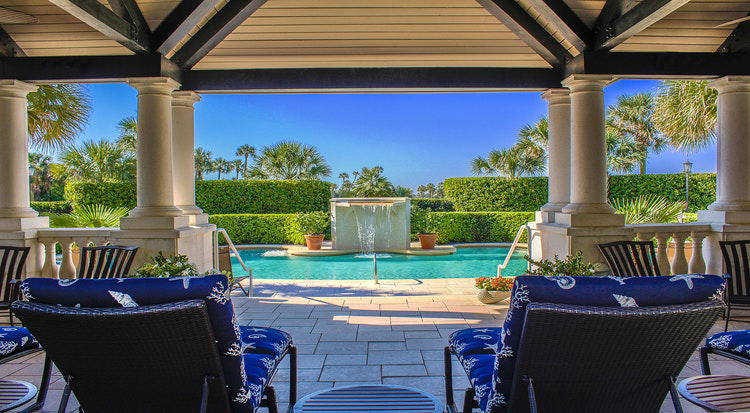
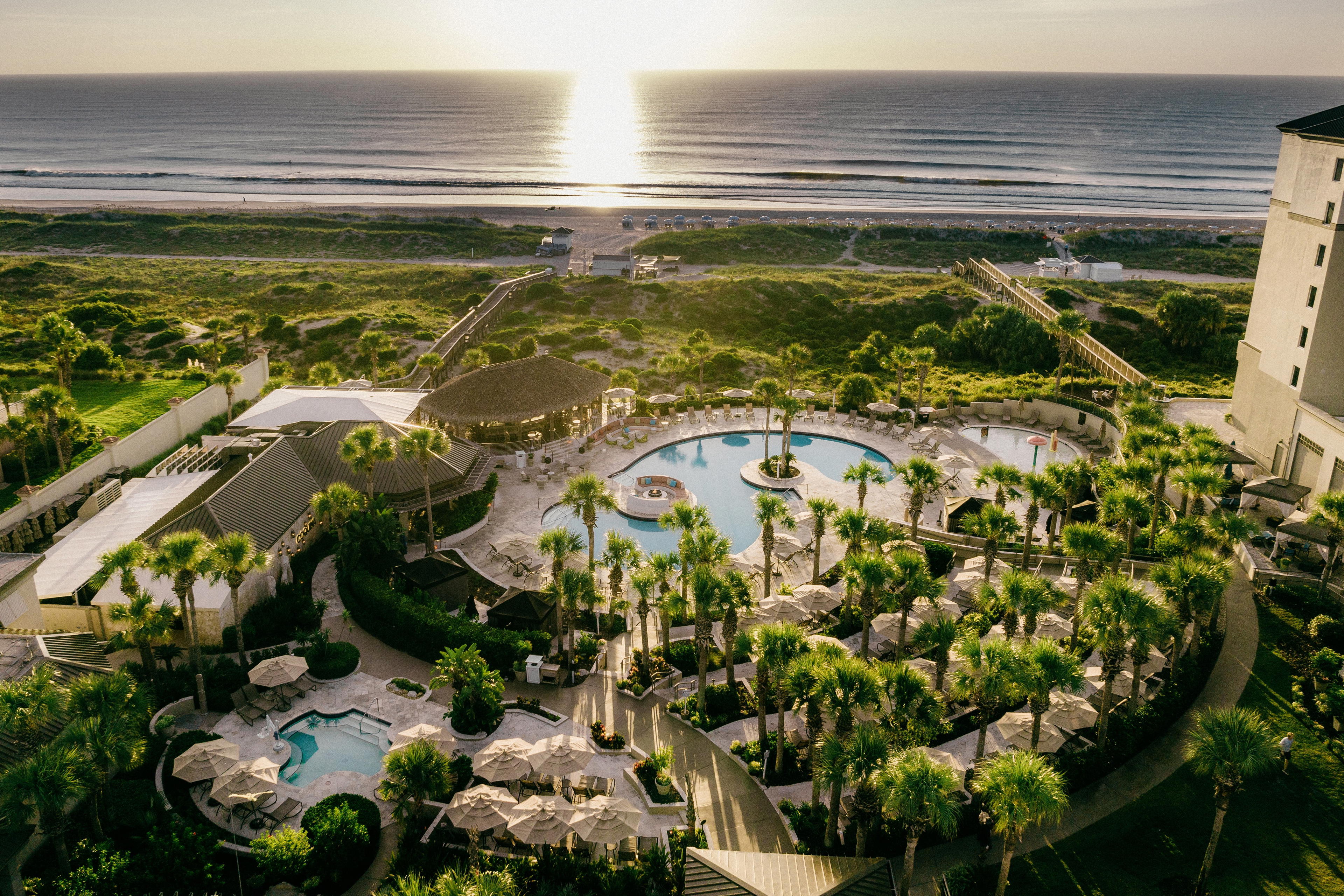
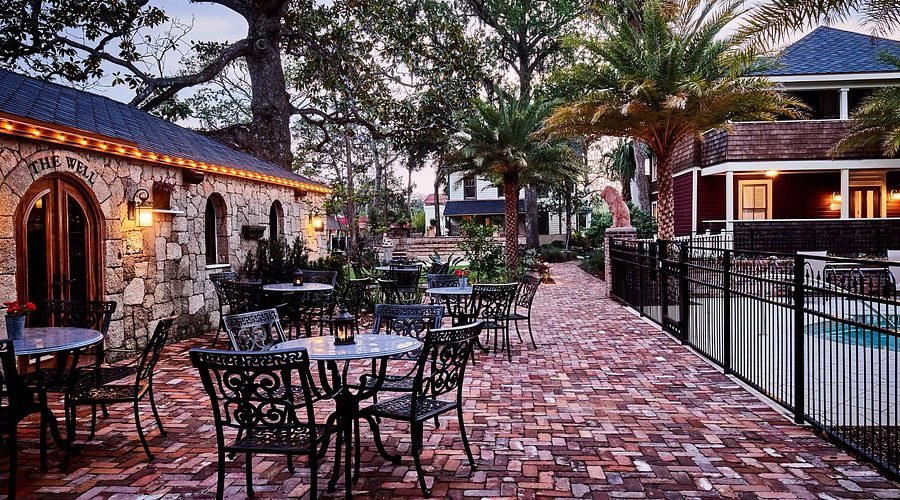
Cowford Chophouse
The drinks
- Craft cocktails
Signature drinks: Dirty Cow, Strawberry Basil Lemonade, Rhubarb Fizz, Florida Old Fashioned, Paper Plane.
Details
- Elegant
- Romantic
- Sophisticated
- Well Known
- Date Night
- Celebration
- Special Occasion
- Group Outing
- After Work
- Rooftop
- Waterfront
- Historic Building
- Design Destination
- Panoramic View
- Seated Bar
- Lounge Seating
- Outdoor Terrace
- Booth Seating
- Craft Cocktails
- Conventional Wine
- Bottle Service
- Waterfront
- Skyline
Current opening hours
- Monday
- Closed
- Tuesday
- 4–10 PM
- Wednesday
- 4–10 PM
- Thursday
- 4–10 PM
- Friday
- 4–10 PM
- Saturday
- 4–10 PM
- Sunday
- Closed
Hours can change for holidays and private events. Hours as of .
High ceilings, arched windows, and stylish dining rooms create a striking upscale atmosphere with modern design in a historic setting.