Catullo’s Italian
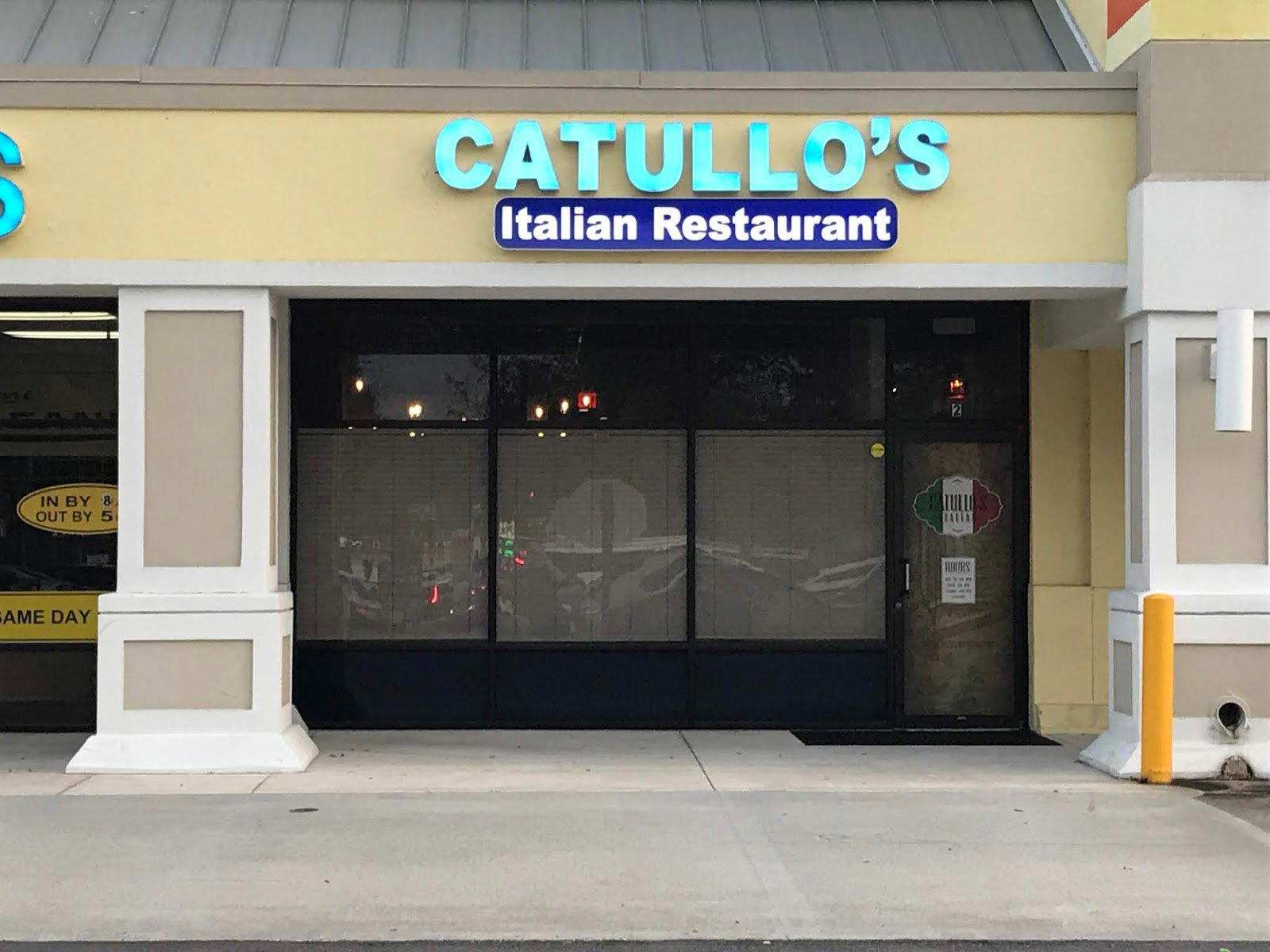
Catullo's Italian occupies a San Pablo Road address in Jacksonville's Southside corridor, where the dining scene has gradually thickened around residential growth and a professional demographic with appetite for European-rooted cooking. The format suggests a neighborhood Italian with room-filling intent, sitting in a city that has historically underinvested in this category relative to its population size.

Pearl is the En Primeur Club membership app, where members save venues, book tables and use the concierge.
The Room Before the Menu
Jacksonville's dining character has long been shaped by its geography: a sprawling, car-dependent city where neighborhood restaurants carry more cultural weight than destination flagships. Along San Pablo Road South, in the Southside corridor that bridges the older beach communities with newer residential development, a particular kind of Italian-American room has taken hold. It is not the white-tablecloth, occasion-only format that dominated the genre through the 1990s, nor the fast-casual hybrid that followed. It sits somewhere in between, trading on the social function of the neighborhood trattoria: a place where the room itself does much of the work before the food arrives.
Catullo's Italian operates in that register. The San Pablo Road address places it in a zip code that has absorbed considerable residential growth over the past decade, and the surrounding dining strip reflects that demographic shift, with operators increasingly positioning for regulars rather than tourists. That context matters when reading the room: the design choices, the noise level, the pacing of service, all carry meaning relative to who the restaurant is built for and what kind of evening it is intended to produce.
Italian-American Dining in a Secondary Market
Across American secondary markets, Italian-American restaurants occupy a complicated space. The category is broad enough to absorb everything from quick-service pasta chains to ambitious regional Italian programs, and in cities without a deep bench of specialist critics or a visible dining media infrastructure, the distinctions between those tiers can blur in public perception. Jacksonville has historically sat in that ambiguity. The city's Italian dining scene lacks the density of Miami or Tampa, where Italian restaurants compete against each other at enough volume to create visible pecking orders, but it has produced credible neighborhood operators who sustain loyal followings without significant press attention.
For context on how Jacksonville's Italian segment sits relative to its peer category, Enza's Italian Restaurant represents another entry in the city's neighborhood Italian tier, and the comparison between operators at this level reveals something about what the format demands: consistency, a defined room personality, and a price point that invites repeat visits rather than special-occasion rationing. Elsewhere in Jacksonville's broader dining mix, the steakhouse-and-seafood combination dominates the premium end, with venues like Cowford Chophouse and Blue Fish Restaurant and Oyster Bar anchoring that tier. Italian sits at a different point on the spectrum, more domestic in register, more dependent on the feeling of familiarity than on the theater of occasion.
What the Southside Corridor Signals
San Pablo Road South is not a dining destination street in the way that Riverside or Avondale function for Jacksonville's food scene. It is a connector corridor, serving a catchment of suburban neighborhoods and the working population that runs through the beach communities toward the city center. Restaurants that succeed here tend to do so through neighborhood loyalty rather than destination appeal, building a base of regulars who return on weekday evenings without a particular occasion to justify the visit. That is a different model than operating in a dense urban core, and it rewards operators who invest in making the room feel like somewhere worth returning to, rather than somewhere worth crossing the city for.
Atmosphere in this context is less about design statement and more about the quality of the ambient experience: whether the lighting is calibrated to conversation, whether the noise floor allows a table to feel like its own contained environment, whether the pacing of service matches the rhythm of a weeknight dinner rather than a tasting-menu progression. These are the soft variables that neighborhood Italian rooms either get right by instinct or miss entirely, and the difference between those outcomes tends to show up in the regulars-to-first-timers ratio over time.
The broader Italian-American dining tradition, which Catullo's participates in, carries its own atmosphere codes: the warmth of a dining room that has been in use for years, the comfort of familiar dishes rendered with enough confidence to feel deliberate rather than rote. At the neighborhood level, those signals matter as much as sourcing claims or chef credentials.
Placing Catullo's in a Wider Dining Frame
For readers approaching Jacksonville's dining scene through a national lens, it is worth mapping the category against what serious Italian-American neighborhood restaurants look like in other American cities. Venues like Congaree and Penn in Jacksonville's own scene represent a different register entirely, one that engages more directly with beverage programs and contemporary format thinking. Nationally, the cocktail-forward dining room has become its own genre, with operators like those behind Kumiko in Chicago and Jewel of the South in New Orleans building reputations around the integration of bar and kitchen at a programmatic level. Bar Leather Apron in Honolulu, Julep in Houston, ABV in San Francisco, and Superbueno in New York City represent the range of that movement across American markets. The Parlour in Frankfurt shows how the same programmatic seriousness travels across Atlantic markets.
Catullo's operates in a different register from all of those, closer to the tradition of the neighborhood Italian as a social institution than to the contemporary bar-dining hybrid. That is not a limitation so much as a category positioning. The American neighborhood Italian has its own logic, its own customer relationship model, and its own success metrics that have little to do with beverage innovation or tasting menu architecture.
For a fuller picture of where Catullo's sits within Jacksonville's broader dining options, the full Jacksonville restaurants guide maps the city's key operators across categories and neighborhoods.
Planning a Visit
The San Pablo Road South address in the 32224 zip code places Catullo's in a part of Jacksonville that is easiest to reach by car, consistent with the Southside's suburban layout. For those unfamiliar with the corridor, it sits east of the St. Johns River and south of the beach communities, in a pocket of residential and commercial development that has grown steadily over the past decade.
Cuisine Lens
| Venue | Cuisine | Price |
|---|---|---|
| Catullo’s ItalianThis venue (the venue you are viewing) | This venue | $30–50 |
| Cowford Chophouse | Not listed | $50–100 |
| Wicked Barley Brewing Company | Not listed | $30–50 |
| Norikase - Modern Japanese Omakase & Sushi | Not listed | $150–200 |
| Congaree and Penn | Not listed | $50–100 |
Continue exploring
More in Jacksonville
Bars in Jacksonville
All bars in Jacksonville →
Catullo’s Italian
The drinks
- Craft cocktails
Signature drinks: White Sangria, Red Sangria, Wine-based Cocktails.
Details
- Cozy
- Classic
- Romantic
- Date Night
- Special Occasion
- Casual Hangout
- Standalone
- Seated Bar
- Booth Seating
- Conventional Wine
- Craft Cocktails
Current opening hours
- Monday
- 5–9 PM
- Tuesday
- 5–9 PM
- Wednesday
- 5–9 PM
- Thursday
- 5–9 PM
- Friday
- 5–10 PM
- Saturday
- 4–10 PM
- Sunday
- Closed
Hours can change for holidays and private events. Hours as of .
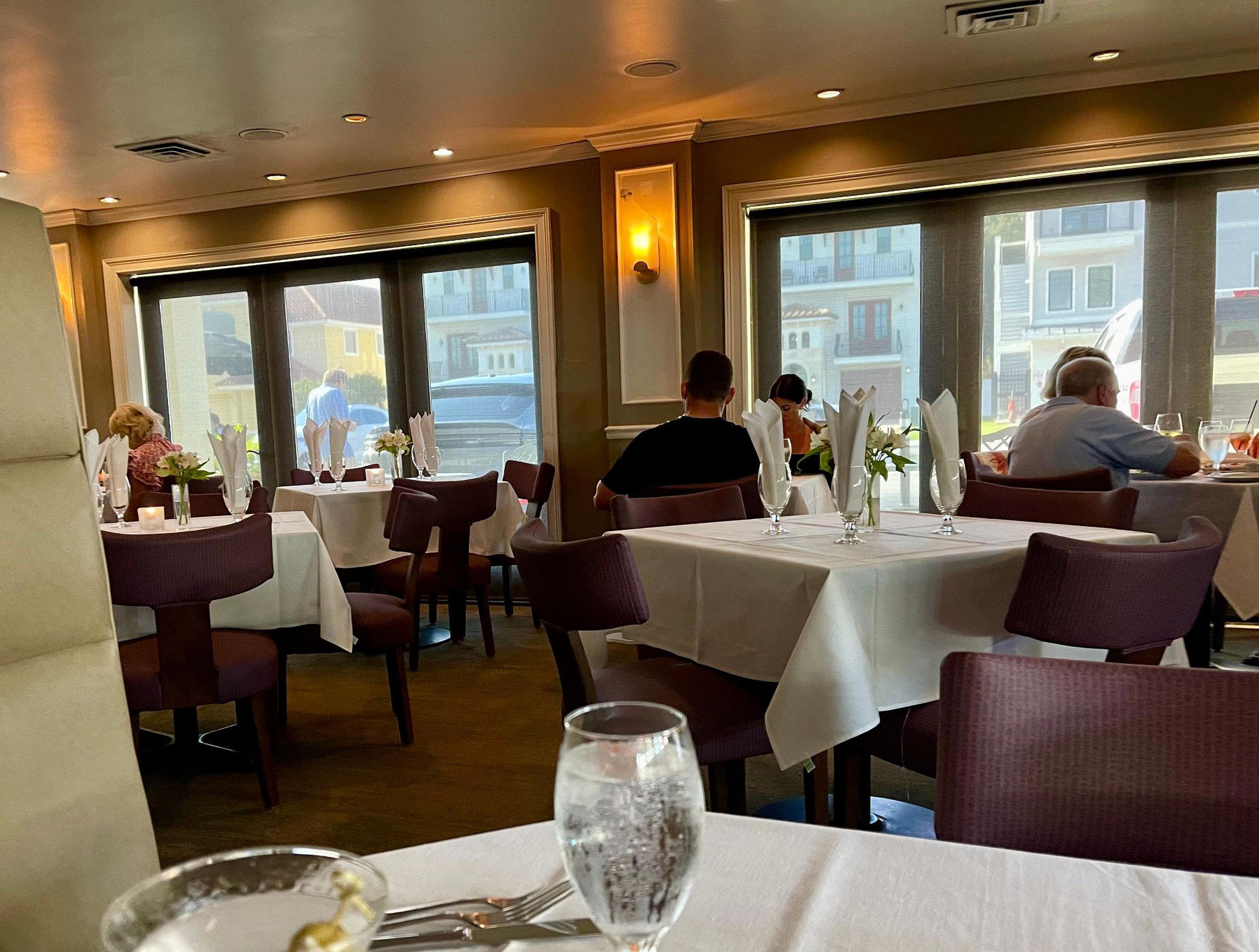
Warm and welcoming with vintage photographs of Italian Americans on the walls, intimate lighting, and a nostalgic atmosphere that transports diners to Italy despite the strip mall location.