Aburi Sushi
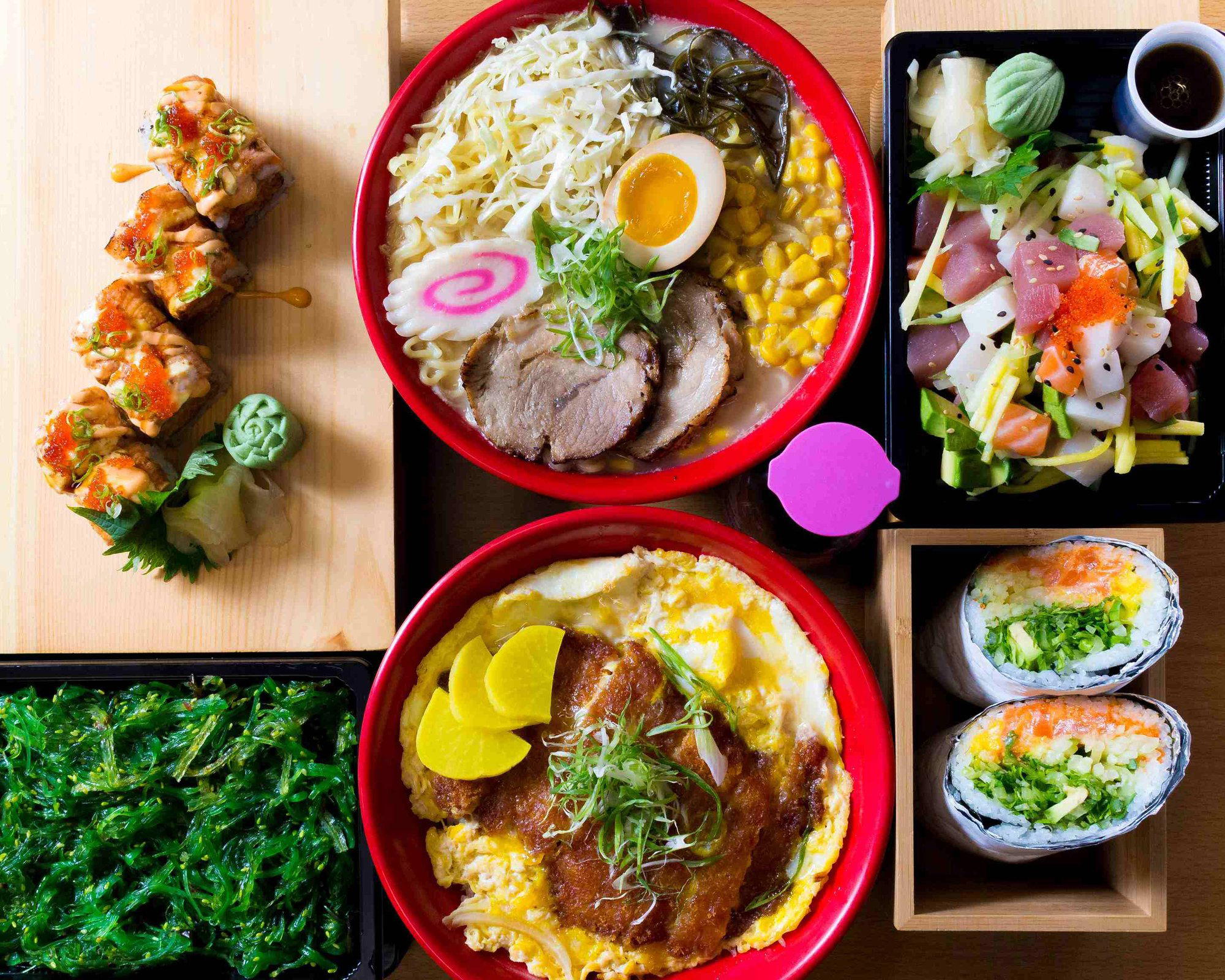
Aburi sushi — the Japanese technique of lightly flame-searing fish before serving — has found a foothold in Brooklyn's Williamsburg neighbourhood at 769 Grand Street. The format sits between raw omakase and fully cooked preparation, offering a textural middle ground that appeals to a broad dining public. Whether you're arriving for a daytime counter seat or an evening service, the experience reflects a growing New York interest in technique-forward Japanese formats outside Manhattan.

Pearl is the En Primeur Club membership app — saves, bookings, and concierge access live there. Same editors, same standards.
A Technique in a Neighbourhood Still Finding Its Register
Williamsburg's dining corridor along Grand Street has spent the better part of a decade sorting itself out. What began as a stretch of casual neighbourhood spots has gradually attracted format-conscious operators who treat the area as a proving ground rather than a fallback. Aburi sushi, as a category, fits that pattern well: it is neither the entry-level hand-roll counter nor the full omakase commitment. It occupies a middle tier defined by technique, and Aburi Sushi at 769 Grand Street lands inside that tier in a part of Brooklyn where that positioning still carries some novelty.
The aburi method — applying a hand torch or open flame briefly to the surface of prepared fish — originated in Osaka's pressed-sushi tradition before migrating into nigiri contexts. The heat changes texture at the surface without cooking through, releases fat in fish like salmon belly or yellowtail, and allows sauces to caramelise slightly rather than sitting raw on leading. In Japan, the technique is associated with specific styles of sushi rather than a standalone genre. New York has adopted the format more slowly than the West Coast, which makes a Brooklyn address in 2024 still feel like a relatively early position in a local market context.
Daytime and Evening: Two Different Registers
The lunch-versus-dinner divide at aburi-format restaurants tends to be more pronounced than at traditional omakase counters, and that holds true as a general principle of the category. At lunch, aburi sushi venues typically run lighter, faster service: smaller plate counts, a la carte flexibility, and price points that allow the format to function as an accessible midday option rather than a destination occasion. The physical environment reads differently in daylight, counters that feel atmospheric at night can read as functional in afternoon hours, which is either an asset or a liability depending on whether the room was designed with natural light in mind.
Evening service at this type of venue shifts toward longer, more composed meals. The flame technique becomes more theatrical under dim lighting; the fat rendering on salmon or the char line on a seared scallop reads visually in a way it simply does not at a noon counter. Drink pairings, which in the aburi format tend toward sake or Japanese whisky highballs rather than wine-heavy programs, also land differently when the service pace allows for consideration rather than efficiency. For a neighbourhood like Williamsburg, where the evening dining population skews toward long-table, cocktail-adjacent formats, the evening aburi experience aligns more naturally with existing local habits than a rushed lunch does.
For cocktail programming in the area, the broader New York bar scene offers strong reference points. Superbueno and Amor y Amargo each represent technically grounded programs that have influenced how the city thinks about spirits-forward drinking. Further afield, Angel's Share and Attaboy NYC remain reference points for the omakase-adjacent bar experience in Manhattan. For those interested in how Japanese-influenced drinking culture has evolved in American cities more broadly, Kumiko in Chicago and Bar Leather Apron in Honolulu offer instructive comparisons, while Jewel of the South in New Orleans, Julep in Houston, ABV in San Francisco, Allegory in Washington, D.C., and The Parlour in Frankfurt on the Main each illustrate how regionally specific drinking identities develop alongside food formats.
Where Aburi Sushi Sits in New York's Japanese Dining Map
New York's Japanese dining market is more stratified than it may appear from the outside. At the leading, a cluster of Michelin-starred omakase counters in Midtown and the Upper East Side operate on allocation models with per-person minimums that can exceed three hundred dollars. Below that, a growing number of sushi bars in the twenty-to-sixty dollar per person range compete on throughput, proximity, and casual format. The aburi category sits at an awkward but interesting position between these two poles: it carries more technique signal than a casual roll counter but does not require the full commitment of a seated omakase progression.
Brooklyn, specifically Williamsburg and its surrounding neighbourhoods, has been a more receptive environment for this middle tier than Manhattan, where real estate costs tend to push operators toward either high-volume casual or high-ticket premium models. A Grand Street address gives Aburi Sushi access to a residential dining population that is comfortable with moderate spending, open to format experimentation, and increasingly familiar with Japanese culinary vocabulary through years of exposure to the broader Japanese restaurant wave that reshaped New York dining between 2015 and 2023.
Planning Your Visit
The venue sits at 769 Grand Street, Brooklyn, NY 11211, in the eastern section of Williamsburg, accessible via the L train at Grand Street station. Reservations: Recommended. Dress: Smart casual. Budget: About $60 per person. Hours: Mon: Closed; Tue: 11 AM-10 PM; Wed: 11 AM-10 PM; Thu: 11 AM-10 PM; Fri: 11 AM-10 PM; Sat: 11 AM-10 PM; Sun: 12-10 PM.
Where the Accolades Land
A compact comparison to help you place this venue among nearby peers.
| Venue | Cuisine | Price | Awards |
|---|---|---|---|
| Aburi SushiThis venue — the venue you are viewing | Not listed | $50–100 | Not listed |
| The Long Island Bar | Not listed | $30–50 | World's 50 Best #64 · Top 500 Bars Best Bars #367 |
| Dirty French | Not listed | Not listed | World's Best Steaks 50 Best #32 · Star Wine List |
| Superbueno | Not listed | $30–50 | World's 50 Best #9 · Top 500 Bars Best Bars #35 |
| Amor y Amargo | Not listed | $20–30 | World's 50 Best #23 |
| Angel's Share | Wine Bar | $20–30 | World's 50 Best #31 · Top 500 Bars Best Bars #200 |
Continue exploring
More in New York City
Bars in New York City
All bars in New York City →
Restaurants in New York City
All restaurants in New York City →




Details
- Date Night
- Casual Hangout
- Standalone
- Seated Bar
- Sake
Current opening hours
- Monday
- Closed
- Tuesday
- 11 AM–10 PM
- Wednesday
- 11 AM–10 PM
- Thursday
- 11 AM–10 PM
- Friday
- 11 AM–10 PM
- Saturday
- 11 AM–10 PM
- Sunday
- 12–10 PM
Hours can change for holidays and private events. Last verified .
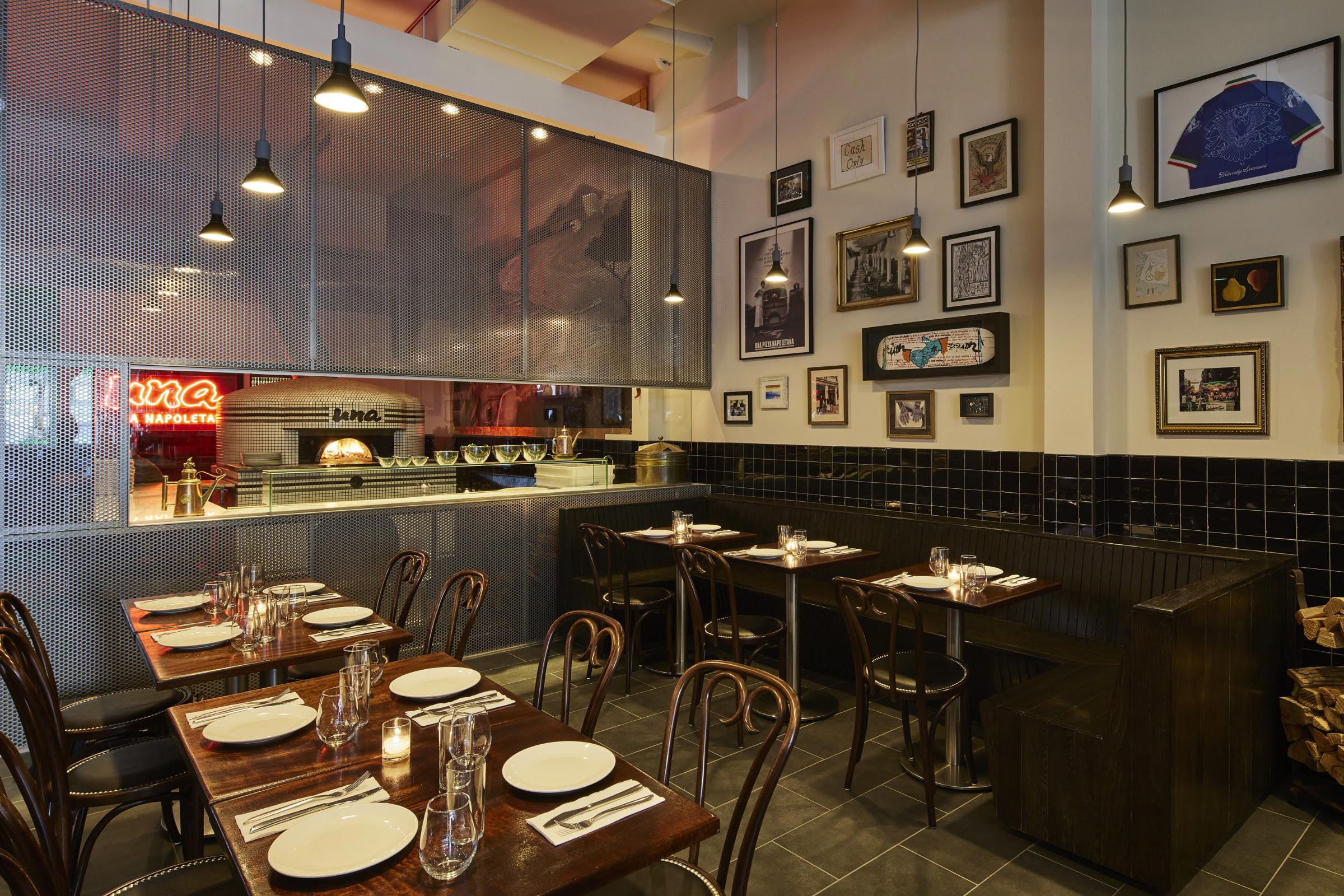
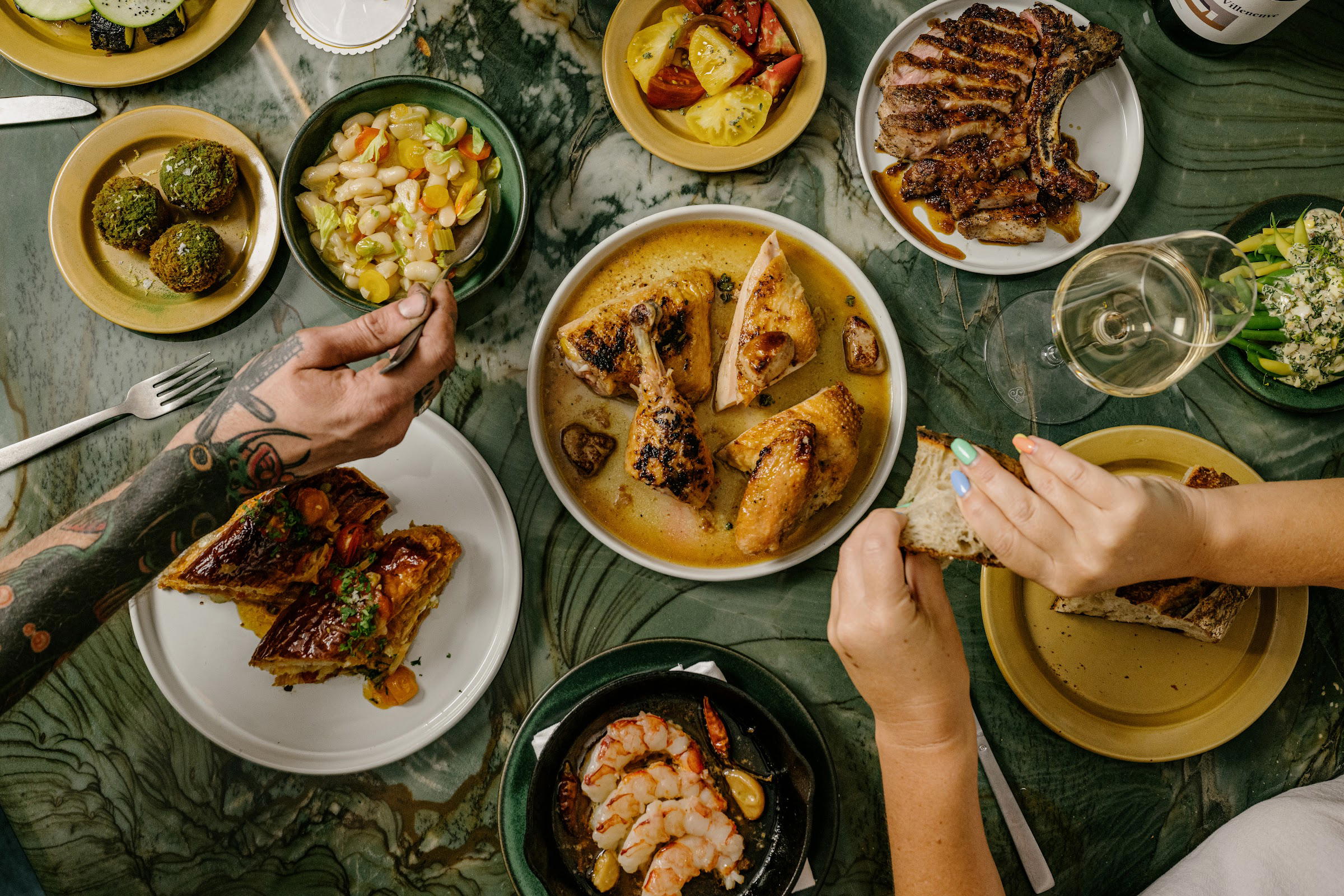
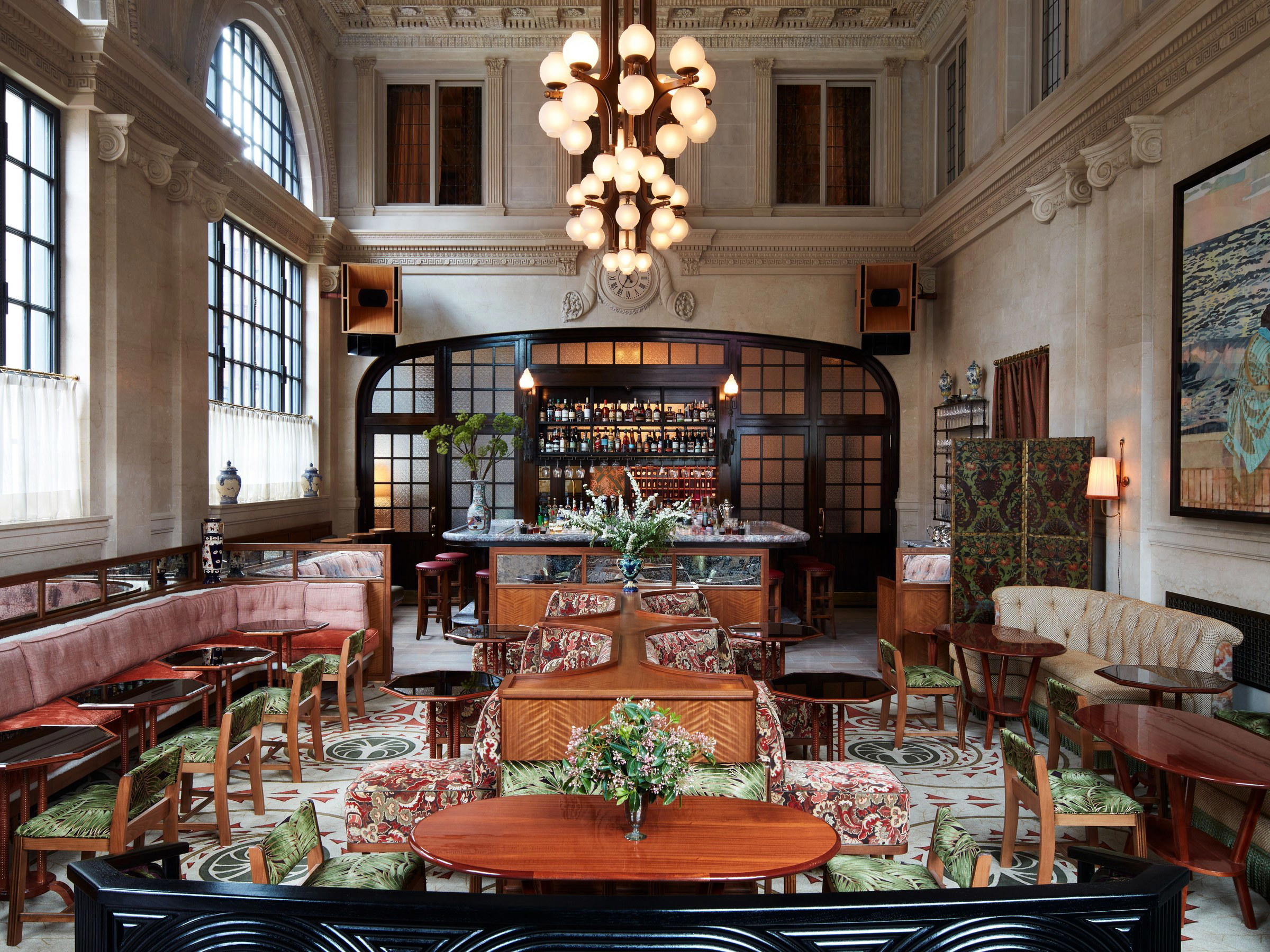
Contemporary Japanese dining atmosphere.